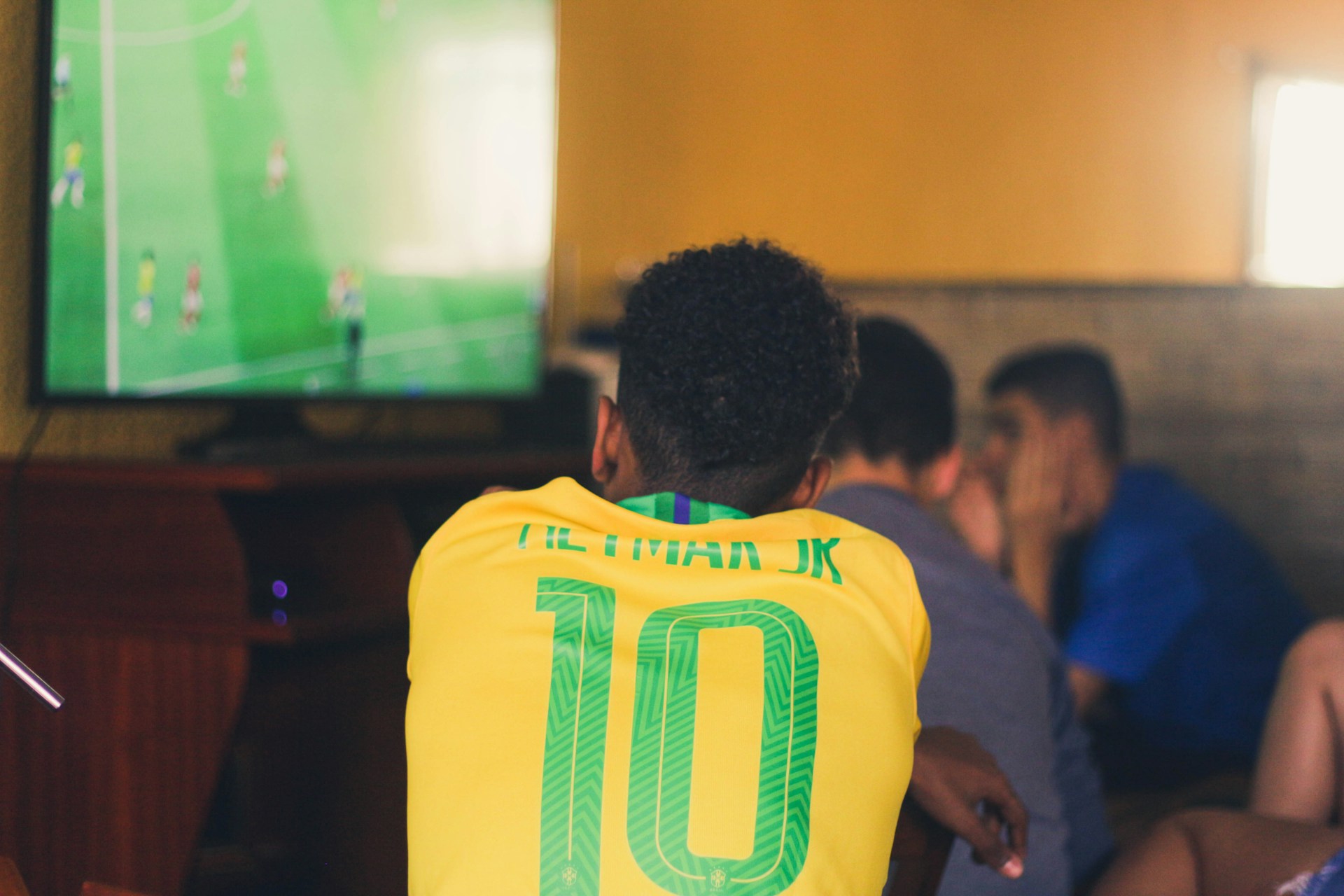
There is a moment just before a match becomes interesting. The snacks are ready, and technically nobody in the room has anything to do. Then the first real attack arrives, and abruptly the sofa transforms into a cockpit. Observing from the couch does not diminish the viewer's involvement in what is occurring on the field. Decisions and questionable calls from the referee can all seem personal. It's also fun to not be in control of the results.
The spectator cannot change the formation, stop a counterattack, or tell the striker where to move. But the mind persists in its attempts to get involved. A foot is tapping on the floor. Before the next move, a hand is covering their face. A quiet “come on” slips out almost automatically. These micro-reactions bring watching to a new level of being drawn into the action. The body stays still, but the imagination keeps moving, making every unexpected turn feel much closer than it really is.
When The Living Room Becomes A Tiny Stadium
The experience changes when other people are watching too. A match can turn furniture into scenery. That is where Dafabet Casinocan naturally become part of the match-day experience, giving fans another way to stay involved as they follow the action and wonder what might happen next.
The Rituals Nobody Admits To Having
Sport attracts habits that make very little logical sense. There is the lucky shirt. The preferred mug. The exact place on the sofa. The rule about not celebrating too early. The sudden decision to leave the room because “something always happens when that person gets up.” None of these rituals change the game. That is exactly why they are charming. They help to make something that cannot be controlled feel controllable. The match is not predictable; it's the spectator who can predict the world around. Same seat. Same drink. Same opening routine. Let the chaos begin. And when the ritual fails? Naturally, the ritual gets blamed.
The Pleasure Of Having Absolutely No Idea What Comes Next
Why Uncertainty Is The Whole Point
A quiet stretch suddenly feels suspicious. A player receives the ball in an awkward position, and everyone notices. The commentator's voice changes. Someone says, “Wait,” although nobody has asked them to speak. Then something happens. Or nothing happens. Oddly enough, both can work. The viewer is constantly writing imaginary versions of the next few seconds. What if the pass goes there? What if the defender moves? What if the shot is taken now? Watching becomes a private game of possibilities layered on top of the actual game.
The Spectator Plays With Imagination
A fan can spend an entire match mentally replacing the manager. That substitution was obvious. That player should have passed earlier. The defence should move higher. Why is nobody covering that space? For a brief moment, the viewer turns into a strategist, even if the only equipment to hand is a bowl of crisps. This imagined involvement is among the finest aspects of viewing. That small guessing game turns addictive once the answer is disclosed instantly.
There Is Something Intimate About Watching Strangers Care
Sport gives people permission to reveal emotions that ordinary conversation often keeps tucked away. A normally reserved person can become theatrical. A serious person can celebrate like a child. Someone who has spent the entire day pretending to be sensible can spend ninety minutes arguing with a television. Well, yes. That is part of the charm. The game creates a temporary world where emotional investment is not embarrassing. It is expected.
The Crowd Does Half The Storytelling
A Roar Can Change The Meaning Of A Moment
The best part of a game sometimes isn't the game itself, but the things that go on around it. Suddenly there is a rise in the crowd. A chant can gather momentum, carrying a growing sense of excitement through the stands. Sometimes it begins anew and draws in a growing number of voices. And occasionally the reaction comes before anyone realises what has happened. A game can never quite be replicated, whether you're watching alone, with friends, or surrounded by a sea of strangers. The event has a different 'emotional feel'. A brilliant moment witnessed in silence can be beautiful. Witnessed inside a room that explodes, it becomes a memory with sound attached.
The Little Arguments Are Part Of The Entertainment
Was that a foul? Did the player mean to do that? Should the goalkeeper have come out? Nobody knows, but everybody has a position.
Why The Ending Is Never Really The Ending
People replay the decisive moment. They remember an earlier mistake. They invent a different ending. They send a message to someone who watched. They search for a clip. They complain about a decision they had already complained about during the match. The event continues in conversation. Maybe that's one of the best things about watching a game. A good game is not just an evening's entertainment. It leaves behind a quirky remark shouted too late. These details become stories.
The Spectator's Own Kind Of Competition
Playing and watching offer different pleasures. The player experiences effort and direct responsibility. The spectator has the experience of anticipation, and the sweet agony of powerlessness. Neither needs to imitate the other. That is quite obvious. Maybe that is exactly why sport works so well from the other side of the screen. It provides a secure environment to feel passion for the situation without having to do anything about it. The game belongs to the players while it is happening. But the feelings surrounding it belong to everyone watching. And sometimes, strangely enough, that is almost as exciting as being the one on the field.