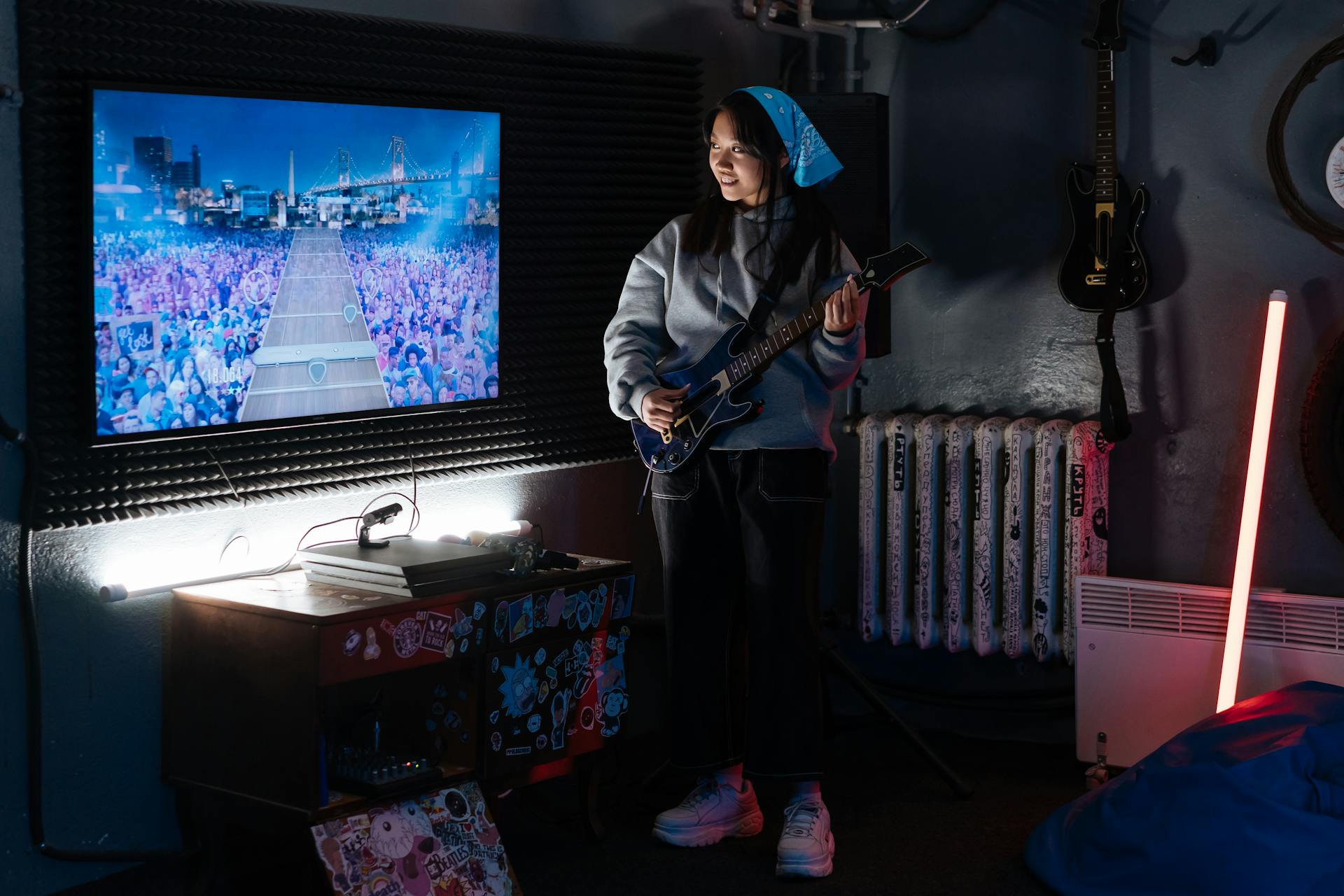
Millions of avatars logged into a single Fortnite server to watch Ariana Grande float above a neon cityscape, the crowd surfing on digital rainbows instead of standing shoulder-to-shoulder in an arena.
That moment crystallized a quiet revolution: concerts no longer require wristbands, parking garages, or even passports. They are not in the real world. They are in a game.
In-game concerts, live musical events staged entirely within the worlds of video games, have moved from playful experiment to headline-grabbing global spectacle. They are rewriting how artists reach their audiences, how fans experience music, and how the broader music industry generates revenue.
For the music industry, it’s a brand new avenue to connect with fans and rake in revenue, all while players party from their couch.
This shift is changing how artists perform and how fans engage, making in-game concerts a vibrant new space for music. Let us find out more about the music industry’s new frontier.
How In-Game Concerts Emerged: A Brief History
The roots stretch back to 2007, when Second Life hosted modest acoustic sets inside user-built cafés. The concept remained niche until Marshmello’s Fortnite set drew 10.7 million concurrent viewers, proving that virtual stages could feel colossal.
The gaming industry’s $522.5 billionscale in 2025 drives these mechanics, as they find a ready market of virtual gamers who are eager for something exciting.
With physical venues shuttered, artists, labels, and game studios poured resources into shared digital spaces. Audiences, already comfortable with Twitch streams and Zoom parties, embraced avatar-based gatherings where distance, ticket prices, and venue capacity ceased to matter.
Consumer behavior shifted: younger listeners began expecting music not only as audio but as a participatory, social experience inside worlds they already inhabited daily.
Why In-Game Concerts Are Taking Off
In-game concerts are booming because games like Fortnite and Roblox have huge, ready-made audiences.
Fans don’t just watch, they interact, chasing virtual merch or exploring stages. The pandemic fueled this, with screen time increasing to four to five hours a day. Virtual concerts scale globally, cost less than tours, and skip risks like weather or crowds.
Travis Scott’s Fortnite concert had 27 million unique virtual attendees, a big win for artists. For the music industry, these events open new revenue streams and reach fans who’d never buy a concert ticket, blending gaming’s energy with music’s appeal to create a new kind of live experience.
Risks For Young Players
In-game concerts on platforms pull young players in with exclusive rewards and timed events, sparking FOMO that keeps them glued to screens. While these events can be exciting, many video games are increasingly designed to captivate young fans through various mechanics and hooks. This often pushes playtime to unhealthy levels.
A 2024 Pew Research study found that 41 percent of teens are not able to sleep properly due to playing excessive video games. This has led to concerns over mental health and even lawsuits. The video game addiction lawsuit, for instance, points to concerns about games pushing addictive gameplay, especially for young fans.
TorHoerman Law notes that many gaming companies are now being held accountable for the damage caused. This is because in many cases, they failed to include adequate warnings or safeguards to protect minors from harm.
As these lawsuits grow, the industry faces pressure to prioritize safer gaming practices for young players.
Gamifying Music For Loyalty And Fan Connection
In-game concerts are designed to keep as many fans engaged as possible. Players linger for rewards, like exclusive skins and boosting game time.
Music brands team up with companies. Samsung joined Charli XCX’s show, mixing ads with entertainment. These concerts then become loyalty builders, encouraging players to return. For the music industry, it’s a fresh way to market albums and merchandise while keeping fans engaged in game worlds.
In-game concerts also create a unique bond between artists and fans, turning music into a shared adventure. Gen Z is social by nature, and as Forbes reports, thrives on live experiences.
These concerts let people join from anywhere. Unlike traditional shows, fans in small towns or distant countries can jump in, no travel needed. Fans get personal, interactive moments, making in-game concerts a powerful way to bring music lovers together in digital spaces.
A New Era For Music And Gaming
In-game concerts, along with other similar attractions, like fashion shows and celebrity events, are the future. They mark a thrilling shift for the music industry, blending the energy of live performances with gaming’s vibrant digital worlds.
Artists can connect with fans in ways traditional stages can’t match, from interactive virtual shows to creative, boundary-pushing visuals. Fans gain access to unforgettable experiences, joining global audiences from their own homes.
Despite challenges, these events open new doors for creativity and connection, redefining how music reaches people.