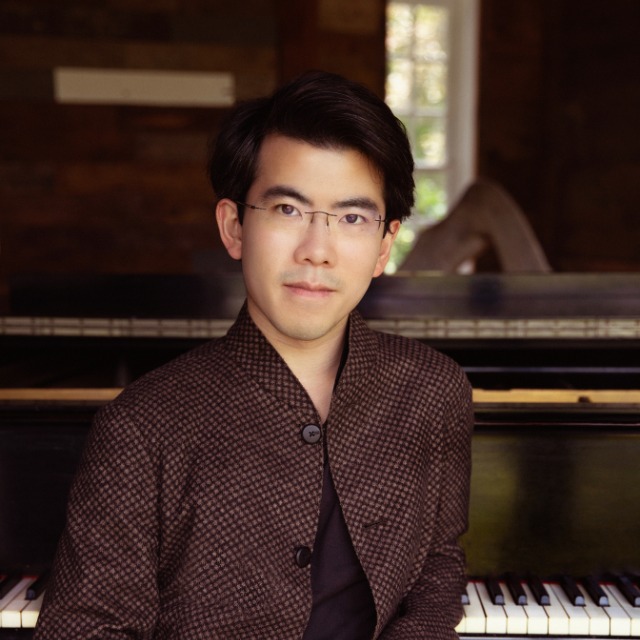
Aristo Shamwas born in Hong Kong in 1996. He grew up in a family of educators: his mother was a piano teacher and his father was a physics teacher. Sham’s childhood home was filled with music; his mother taught piano at home, and he later recalled being “enveloped in the environment of the piano” from the very start.
From a very young age he was drawn to the instrument; he has said he was “drawn to [the piano] as if it were a toy,” and he enjoyed improvising on it as a child. He began formal piano lessons at age three under his mother’s guidance and continued to practice regularly through childhood.
At six years old, Sham auditioned for and joined the Hong Kong Academy for Performing Arts’ Junior Music Programme. He studied in that program for about seven years under the piano teacher Professor Eleanor Wong. During this time he also attended normal schools in Hong Kong, completing his early secondary education there.
After finishing Form Two in Hong Kong around age 13 or 14, he moved to the United Kingdom to continue his education. There he attended Harrow School in Londonfor his secondary studies. In interviews he has noted that even while advancing rapidly as a young pianist, he maintained a balance with general schooling and other interests, later recalling that he typically practiced only about 1½ to 2 hours per day and was “keen on living a normal and varied life” through his adolescence.
| Fact | Verified Information |
| Birth | Born in Hong Kong in 1996 |
| Family Background | Raised in a family of educators |
| Musical Environment | Grew up surrounded by piano music |
| Early Interest | Naturally drawn to the piano in early childhood |
| First Lessons | Began piano lessons at age three |
| Early Training | Studied at home under his mother |
| Academy Admission | Joined HKAPA Junior Music Programme at age six |
| Primary Teacher | Studied with Professor Eleanor Wong |
| Duration of Study | Trained in the programme for about seven years |
| Schooling in Hong Kong | Attended regular schools alongside music |
Career Beginnings
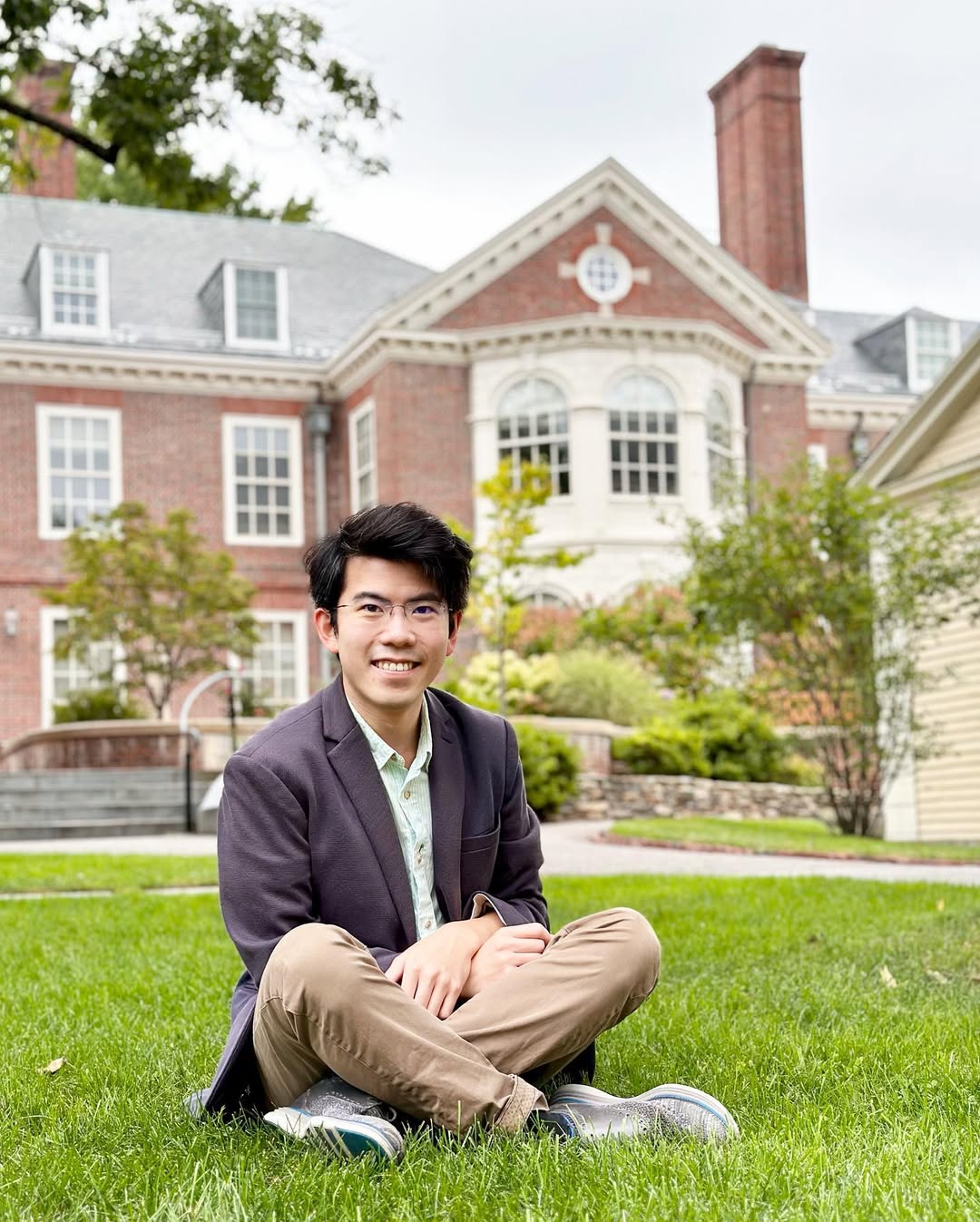
Aristo Sham’s public music career began early. Described as an “international prodigy,” he was entering piano competitions by age 10. As a youth he won first prizes in major contests for example, the Ettlingen International Piano Competition Germany, 2006 and the Gina BachauerInternational Junior Piano Competition USA, 2008. These early victories in Europe and North America established his profile abroad. In 2009 Sham was featured in a UK documentary called The World’s Greatest Musical Prodigies, reflecting his standing as a young performer. By his mid-teens he was already giving concerts on multiple continents.
International Breakthrough
Sham’s career progressed with further competition wins in the late 2010s and early 2020s, bringing him wider recognition. He won the Young Concert Artists International Auditions Susan WadsworthPrize in 2018 and the Grand Prix at the Monte-Carlo Music Masters in 2023.
These successes built momentum leading to his major breakthrough at the 2025 Van Cliburn International Piano Competition. There he captured the Gold Medal and Audience Award in the finals, a victory celebrated worldwide. The Cliburn win instantly made him one of the most talked-about pianistson the global stage, with critics and audiences praising his visionary performances.
Major Performances & Concert Highlights
| Orchestra / Institution | Collaboration Details |
| Fort Worth Symphony Orchestra | Performed Brahms Piano Concerto No. 2 under Marin Alsop |
| London Symphony Orchestra | Soloist under Sir Simon Rattle |
| Hong Kong Philharmonic Orchestra | Soloist under Edo de Waart; later under David Robertson |
| English Chamber Orchestra | Soloist under Sir Raymond Leppard |
| Minnesota Orchestra | Soloist in subscription concerts |
| Utah Symphony Orchestra | Guest solo appearances |
Since his breakthrough, Sham has appeared as a soloist and recitalist around the world. He has performed with leading orchestras such as the London Symphony Orchestra under Sir Simon Rattle, the Hong Kong Philharmonic under Edo de Waart, the English Chamber Orchestra under Sir Raymond Leppard, the Orchestre de Chambre de Lausanne, the Minnesota Orchestra, and the Utah Symphony.
His programs have included Romantic piano concertos and transcriptions for instance, his Cliburn final included Brahms’s Piano Concerto No. 2 performed with Marin Alsopconducting. Sham has also given solo recitals at major venues and festivals across Asia, Europe, and North America for example at the Aspen Music Festivaland the La Jolla Music Society, as well as university concert series UCSB Arts & Lectures, Northwestern’s Skyline series, etc. In all these engagements he has been noted for a commanding stage presence and high energy.
Recordings & Discography
He has released several recordings, primarily on digital platforms, showcasing both competition performances and curated programs:
- 2025 Cliburn Competition Preliminary, Quarterfinal, Semifinal Rounds: Live recordings of his performances in each round of the 2025 Van Cliburn Competition, made available as separate digital albums.
- Timeline 2025: Sham’s debut studio album on Universal or Platoon recorded after the Cliburn win. It features a program ranging from Bach and Brahms via Busoni transcriptions to Grieg. This album reflects the repertoire he toured in 2025.
- Stecher & Horowitz Commissions: A collaborative album of new works by past prize-winning pianists in the New York International Piano Competition series; Sham contributes performances of commissioned pieces.
- Brahms on RTHK4 2024: A special radio project for Hong Kong’s RTHK Classical Radio. Sham recorded and hosted a broadcast series presenting the complete solo piano works of Johannes Brahms.
Awards & Professional Recognition
Sham’s career is marked by prestigious awards in competition and critical acclaim:
- Gold Medal & Audience Award, 2025 Van Cliburn International Piano Competition USA
- First Prize, Ettlingen International Piano Competition Germany, 2006
- First Prize, Gina Bachauer Int’l Piano Competition Junior Division, USA, 2008
- First Prize, Young Concert Artists Susan Wadsworth International Auditions USA, 2018
- Grand Prix, Monte-Carlo Music Masters Monaco, 2023
He has also earned top prizes at other major contests, including Casagrande Italy, the Vendôme Prize Verbier Festival, Switzerland, Dublin, the Clara Haskil International NY, Saint-Priest France, and the Viotti International Piano Competition.
Beyond competitions, he has received glowing reviews for example, The New York Timespraised his playing for “clarity, elegance and abundant technique,” and Gramophonelauded his Cliburn-final Brahms concerto for its “technical finesse and mature artistry.” These honors and critical notices have affirmed his stature in the classical music community.
Collaborations With Orchestras & Conductors
Sham has collaborated with many distinguished orchestras and conductors. Notable collaborations include:
- Fort Worth Symphony Orchestra USA performed Brahms Piano Concerto No. 2 under conductor Marin Alsopat the Cliburn Competition finals in 2025.
- London Symphony Orchestra UK soloist under Sir Simon Rattle.
- Hong Kong Philharmonic Orchestra HK soloist under Edo de Waartand scheduled future performances under David Robertson.
- English Chamber Orchestra UK soloist under Sir Raymond Leppard.
- Orchestre de Chambre de Lausanne Switzerland soloist in concerts.
- Minnesota Orchestra USA soloist in subscription concerts.
- Utah Symphony Orchestra USA solo appearances.
Recent Career Activity
In the wake of his Cliburn victory, Sham has signed with Intermusica New York for worldwide management. He released his new album Timelinein late 2025, and his post-competition season has been busy. As Cliburn Gold Medalist, his 2025–26 season includes a tour of Asia South Korea and China and a series of U.S. recitals including Aspen, La Jolla, UCSB, and Northwestern.
He is also scheduled to appear again with the Hong Kong Philharmonic under conductor David Robertson during this season. These activities demonstrate Sham’s rising international profile and ongoing engagement with major orchestras and concert presenters.
Aristo Sham Performance (2025–2026)
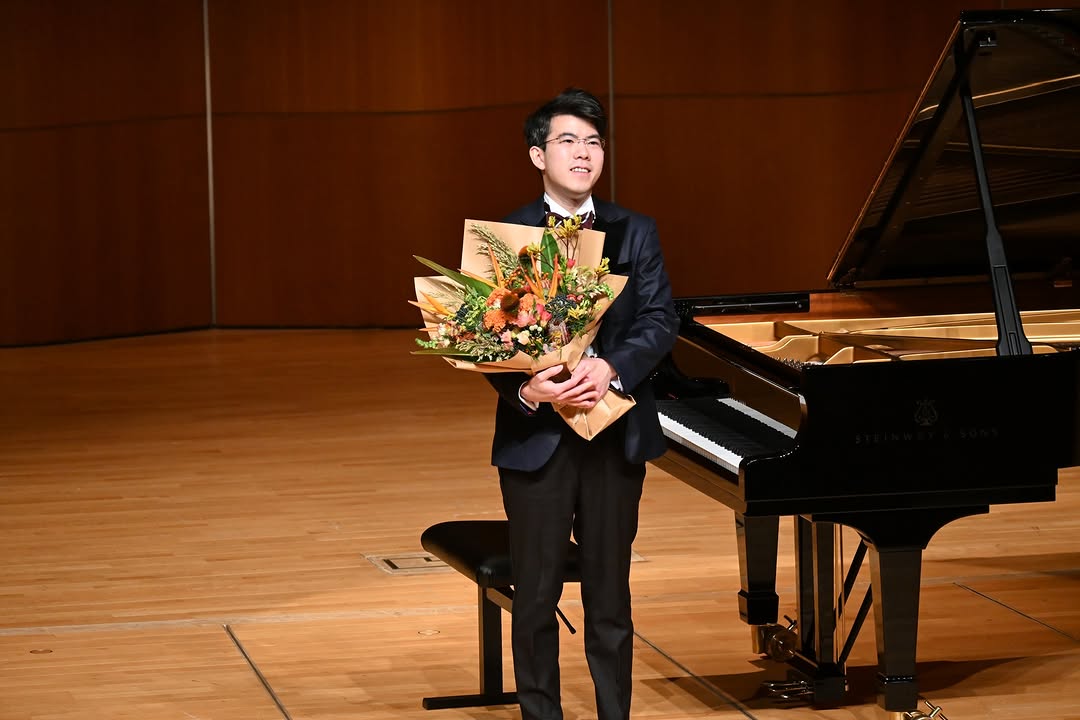
- International toursFollowing his Cliburn win, Sham’s 2025–26 season featured extensive concert tours across Asia (Hong Kong, Taiwan, China, South Korea) and recitals throughout the United States. He also headlined major summer festivals, including the Duszniki International Chopin Piano Festival (Poland) and the Aspen and Strings Music Festivals in Colorado.
- Fort Worth concertsSham opened the 2025–26 Cliburn Concerts seasonwith a two-night residency at Fort Worth’s Kimbell Art Museum (Renzo Piano Pavilion) on Oct 1–2, 2025. These sold-out performances marked his return to the city of his competition victory.
- Orchestral soloistHe appeared as soloist with several symphony orchestras: performing Brahms’s Piano Concerto No.1 with the Waco Symphony(Jan 2026), Beethoven’s “Emperor” Piano Concerto with the Victoria Symphony (Feb 2026), and Mendelssohn’s Piano Concerto No.1 with the Brazos Valley Symphony(Mar 2026). In March 2026 he returned to Hong Kong to play Rachmaninoff’s Piano Concerto No.1 with the Hong Kong Philharmonic under David Robertson.
- Solo recitalsSham presented ambitious solo programs, showcasing his technique and musical insight. Notably, he gave a Hong Kong Arts Festival recital(Mar 20–21, 2026) featuring a “virtuoso programme” of Busoni transcriptions and Brahms works, underscoring his command of complex repertoire.
- Global engagementsWithin two months of his Cliburn win, Sham performed 15+ concerts across five countries (Poland, Hong Kong, Taiwan, South Korea, and the U.S.), reflecting rapid international demand and exposure.
Kevin Chen Piano Technique And Interpretative Style
Technical Approach And Piano Control
Aristo Sham’s playing is defined by exceptional technical command. He executes even the most challenging passages with steady control and near-faultless precision.
Rapid double-octave figures in Brahms are handled without hesitation he remains steady, without dramatic ups or downturns even in notoriously difficult legato textures.
Reviewers highlight his impeccable clarity and precision in articulation, with each voice in polyphonic writing distinct and under control.
This reliable technique gives Sham the confidence to blend effortlessly in ensemble settings he communicates seamlessly with conductors and orchestras while maintaining his own secure line.
Tone, Touch, And Sound Color
Sham draws a bright, luminous palette from the keyboard. In Baroque repertoire, his touch is crisp and clear an agitated Bach opening sparkles through clean articulation and refined pedaling.
In lyrical music, he produces a warm singing tone for example, chorale-like passages unfold with a smooth, delicate touch that lets hymn-like melodies shine. Critics frequently use terms like crystalline clarity to describe his voice in fast passages.
At the same time, he can evoke rich color when called for one reviewer noted how his Latin American pieces were incredibly sparkling, each section rendered with its own vivid color and charm.
In Romantic works such as Chopin nocturnes, his tone is noted for its luminosity and fluidity, with superb balance and phrase-shaping that emphasize inner singing lines.
Even in dense or monumental pieces, Sham’s touch allows orchestral-like sonority his Beethoven renditions exhibit clarity of execution with an orchestral colour and pure, powerful tone in the climactic moments.
Rhythm, Phrasing, And Structural Clarity
Rhythmically, Sham plays with steady pulse and meticulous accuracy. His phrasing is carefully shaped in fugues and contrapuntal writing he maintains strong momentum and directs each voice clearly.
Critics observe that he balances poise and nuance across different styles for instance, Mendelssohn’s agile lines and Brahms’s weighty themes both emerge without exaggerated swells or tempo fluctuations.
Even in rhythmically intricate genres, his timing is disciplined reviewers note that he renders syncopated and folk-influenced rhythms, for example in Villa-Lobos or Piazzolla, with full clarity, conveying each pattern faithfully.
This precision in pulse supports a clear sense of musical architecture.
In variation-form works, for example, each section flows seamlessly into the next, so that the underlying structure remains transparent.
Overall, Sham’s approach to rhythm and phrasing serves the music’s form he emphasizes coherence and direction, letting listeners follow the piece’s large-scale design.
Interpretative Approach To Repertoire
Sham adapts his interpretative style to the demands of each period, always with structural intelligence. In Baroque and classical works he generally foregrounds clarity of line and harmony.
His performances of Bach, whether original or in Busoni transcription, are praised for their authenticity subtle pedaling, crisp articulation, and a respect for counterpoint produce highly satisfying renditions of fugues and chorales.
In Romantic repertoire, he takes a relatively straightforward, honorable path. For instance, his Chopin is described as avoiding flashy showmanship instead phrases are rendered with nobility, weight, and simplicity and intelligence.
Critics remark on how his Chopin combines passion and beauty with a clear sense of architectural shape, and is played without extraneous flourishes or romanticized excess.
In contrast, works rooted in folk or modern idioms, such as Latin American pieces or 20th-century compositions, are treated with idiomatic feel he conveys the characteristic rhythms and accents of Villa-Lobos, Piazzolla and Barber with authentic swing and momentum.
His recording of Grieg’s Holberg Suite, for example, shows him embracing neoclassical dance forms with lively energy and clear period-appropriate style.
Overall, Sham’s interpretations are guided by fidelity to the score and style whether playing Bach fugues or Baroque dances, Romantic nightpieces or contemporary transcriptions uniting them within a thoughtful musical vision.
Balance Between Precision And Expression
Sham’s pianism is founded on exactness, but it is not merely mechanical. Many reviewers note the almost machined level of accuracy in his playing.
Yet this precision coexists with considered expressivity and depth. He has been praised for bringing deep emotional resonance to passages, and for combining his clarity with sophistication and spontaneity when the music calls for it.
In practice, this means that every detail dynamic shade, articulation, rhythmic nuance is under tight control. At the same time, his interpretations allow an intimate, human element to emerge.
Slow movements and chorales, for example, can be played tenderly one critic found his Brahms intermezzos to possess a disarming simplicity and warm sensitivity beneath the surface polish.
In short, Sham’s style leans toward order and structure, but his performances are never sterile the technical precision he brings actually enables subtleties of feeling and color to come through clearly.
Critical Observations And Musical Identity
In the view of experts, Aristo Sham’s musical identity centers on intellect and refinement. He is consistently noted for clarity, elegance and abundant technique.
Assessments emphasize his sense of purpose, direction and structural awareness, while reviewers commend the marriage of his analytical approach with genuine emotional engagement.
Most observers agree that Sham’s playing is defined by its high polish and reliability, and that his interpretive personality is marked by thoughtful restraint rather than flamboyant individualism.
This has led to a consensus that he is an artist of considerable intelligence and integrity one who upholds tradition but is always alert to the inner life of the music.
Over time, critics have observed that his style remains consistent built on clear technique and stylistic respect even as he gains maturity.
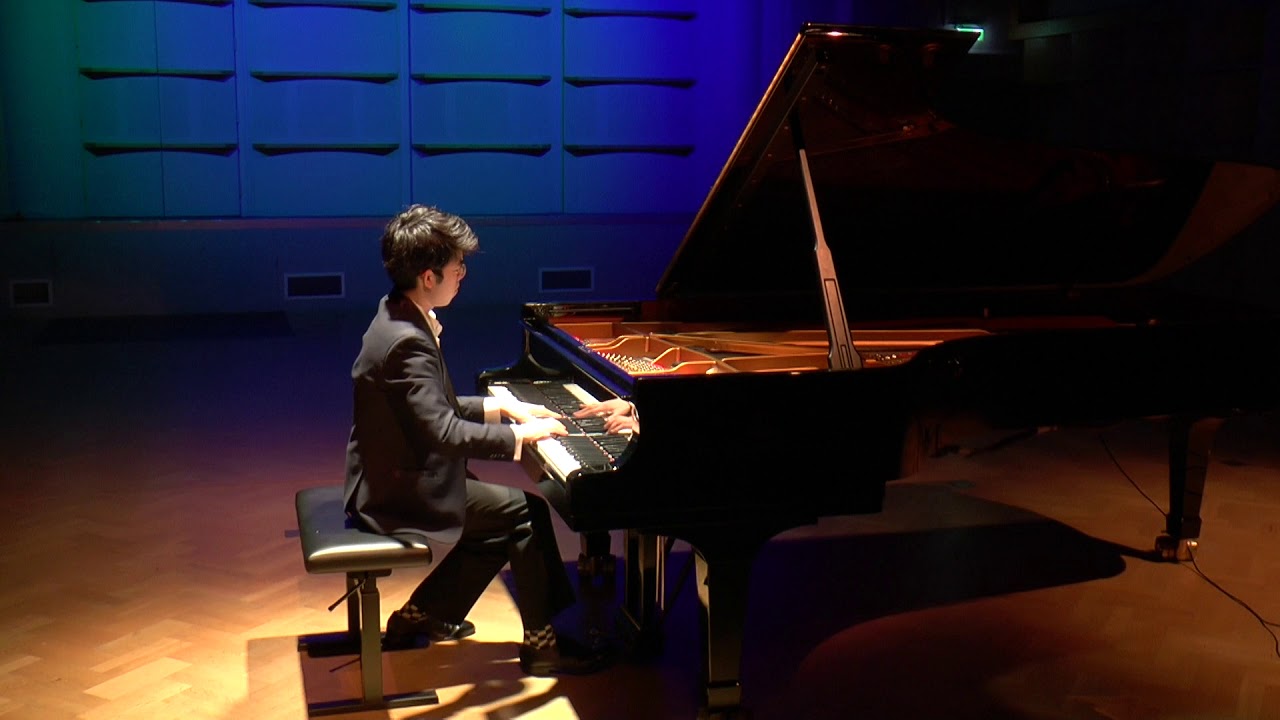
Aristo Sham – Rachmaninoff: Variations on a Theme of Corelli
Aristo Sham Net Worth
As of 2026, reliable sources have not published an estimate of Hong Kong-born classical pianist Aristo Sham’s net worth. Sham is known for winning numerous international piano competitions and performing as a soloist with leading orchestras worldwide. He earns income through concert performances, competition awards, recordings and similar engagements. Notably, his 2025 Van Cliburn Competition win included a $100,000 cash prize plus three years of career management and concert tours. Despite these earnings, no confirmed net worth figure has been reported.
FAQs
1. Who Is Aristo Sham?
Aristo Sham is a Hong Kong–born classical pianist known internationally for his competition success and concert career. He gained global recognition after winning the Gold Medal at the 2025 Van Cliburn International Piano Competition.
2. Where Was Aristo Sham Born And Educated?
Aristo Sham was born in Hong Kong in 1996. He later moved to the United Kingdom for his secondary education, attending Harrow School, before pursuing advanced musical studies abroad.
3. What Major Competitions Has Aristo Sham Won?
Aristo Sham has won top prizes at several major international competitions, including the 2025 Van Cliburn International Piano Competition and the 2018 Young Concert Artists International Auditions. Earlier in his career, he also won first prizes at the Ettlingen and Gina Bachauer International Junior Piano Competitions.
4. What Is Aristo Sham Known For As A Pianist?
He is known for his exceptional technical control, clarity of articulation, and strong sense of musical structure. Critics often highlight his refined interpretations, particularly in works by Brahms, Bach, and Chopin.
5. Has Aristo Sham Released Any Recordings?
Yes, Aristo Sham has released live recordings from the 2025 Van Cliburn Competition and a debut studio album titled Timelinein 2025. His recordings feature a wide-ranging repertoire from Baroque to Romantic works.