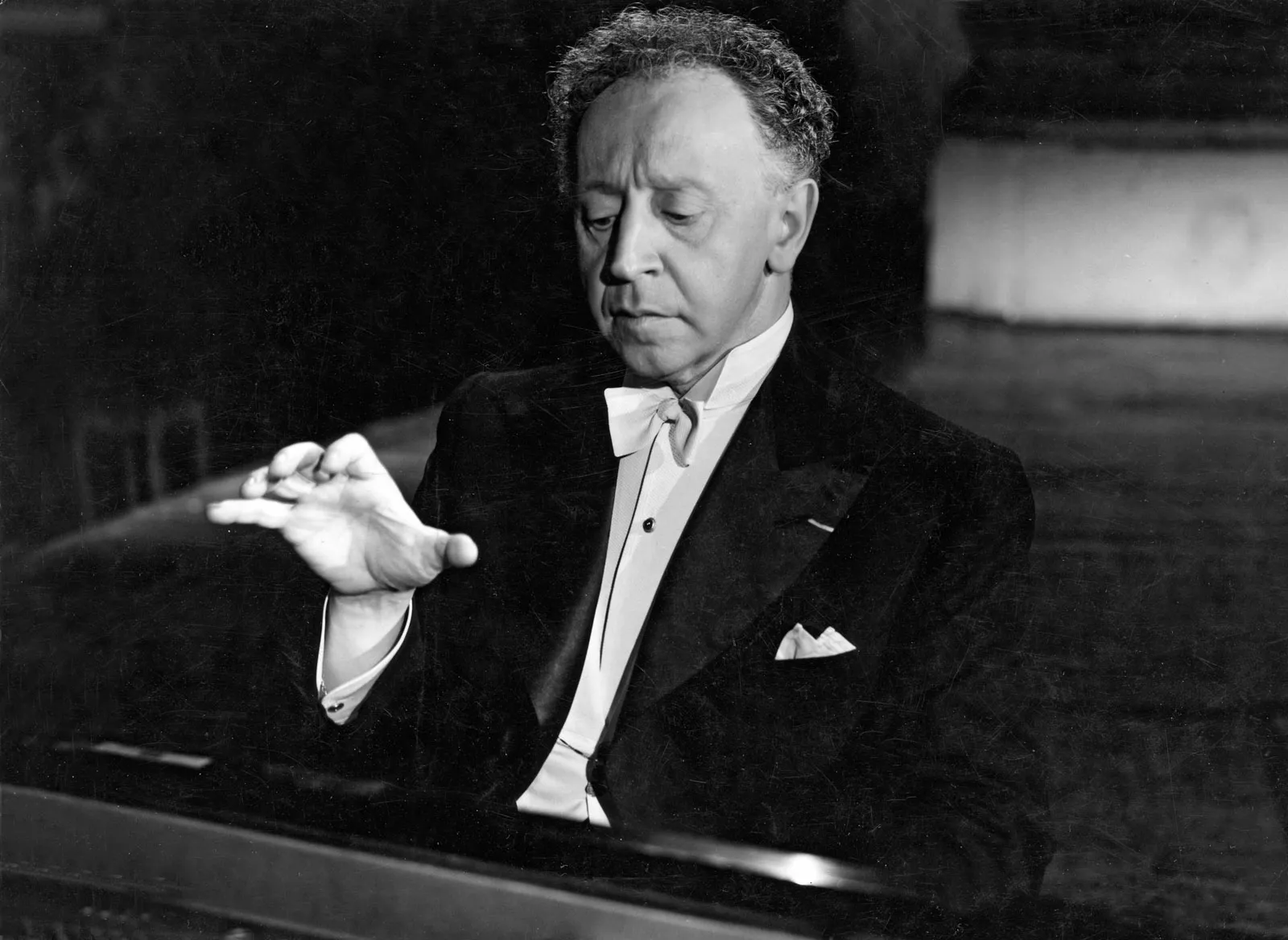
Arthur Rubinsteinwas born on January 28, 1887, in Łódź (then in Congress Poland under the Russian Empire). He was the seventh and youngest of seven children in a middle-class Polish-Jewish family; his father owned a small textile factory.
While his family’s support for his musical gifts is well documented, little is known about his general education outside of music. Rubinstein’s musical training began very early: he started piano lessons as a small child, around the age of three.
By about age four he was studying with the Łódź pianist Adolf Prechner. At seven he gave his first public recital in Łódź (performing works by Mozart, Schubert and Mendelssohn).
Recognizing his talent, Rubinstein’s parents arranged for advanced study. In the autumn of 1896 (when Rubinstein was nine) they sent him to Warsaw to study piano at the Institute of Music under Professor Aleksander Różycki.
One year later, in 1897, he moved to Berlin to continue his training. In Berlin he became a private pupil of the distinguished pianist Heinrich Barth, studying piano performance, and he also took music theory lessons with composer Max Bruchand Robert Kahnat the Hochschule für Musik.
These studies rounded out Rubinstein’s formal early music education before his later career began.
| Aspect | Details |
| Full Name | Arthur Rubinstein |
| Date of Birth | January 28, 1887 |
| Place of Birth | Łódź, Congress Poland |
| Family Background | Born into a middle-class Polish-Jewish family |
| Father’s Occupation | Owner of a small textile factory |
| Start of Piano Training | Began piano lessons around age three |
| Early Teacher | Studied with Adolf Prechner in Łódź |
| First Public Performance | Gave first recital at age seven |
| Gave first recital at age seven | Studied at the Institute of Music, Warsaw |
| Warsaw Teacher | Professor Aleksander Różycki |
| Move to Berlin | Continued studies in Berlin in 1897 |
| Piano Teacher in Berlin | Heinrich Barth |
| Theory Studies | Studied theory with Max Bruch and Robert Kahn |
| Institution in Berlin | Hochschule für Musik |
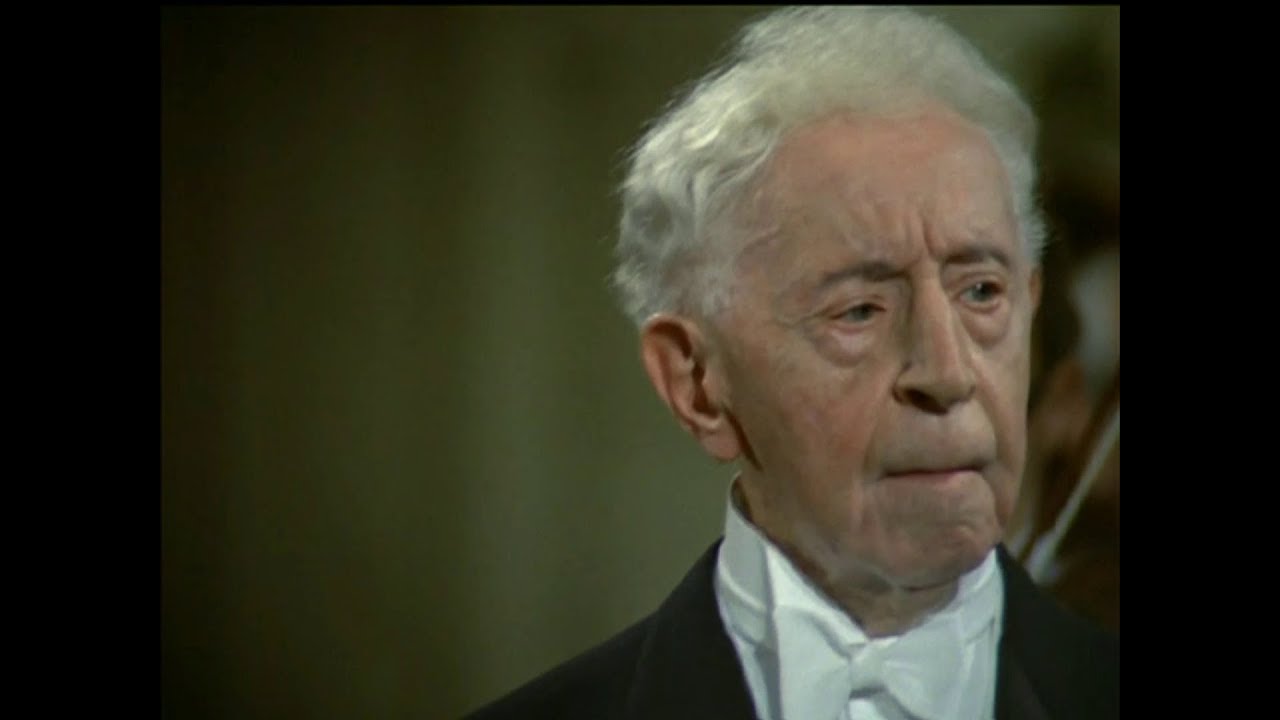
Arthur Rubinstein - Beethoven: Piano Concerto No.3 - Concertgebouw Orch. - Bernard Haitink (1973)
Career Beginnings
Arthur Rubinstein began his career as a prodigious young pianist. He took piano lessons in his native Łódź, Poland, and by age seven was already performing recitals. After further studies in Warsaw and Berlin under teachers like Heinrich Barthand Max Bruch, he made his official debut on 1 December 1900 with the Berlin Philharmonic, performing Mozart’s and Saint-Saëns’s concertos to acclaim.
His career quickly went international. In 1904 he moved to Paris and signed a contract with impresario Gabriel Astruc, launching world tours. By 1906 Rubinstein was appearing in the United States, including Carnegie Hall in New York, and throughout Europe, including Vienna, Rome, and London.
He continued returning to perform with the Warsaw Philharmonic under conductors such as Emil Młynarskiand Grzegorz Fitelberg. These early successes set the stage for his lifelong career in music.
International Breakthrough
Rubinstein’s global reputation was cemented in the 1910s and 1930s. In 1915 he achieved a sensational triumph in Spain with a performance of Brahms’s Piano Concerto No. 1 in San Sebastián, which drew ecstatic praise despite a sparsely filled hall.
Over 1916–17 he gave more than a hundred concerts across Spain, then toured Argentina and other parts of South America to even greater acclaim. These tours introduced his playing to new audiences worldwide.
In the interwar years Rubinstein continued to expand his influence. In 1937 a major United States tour organized by impresario Sol Hurokmade him a household name across North America. New York Times critic Harold C. Schonberg later described him as “one of the most extraordinary personalities [the] century has seen,” reflecting the immense prestige he had gained.
Rubinstein’s artistry was not limited to the classics. He championed contemporary composers, premiering works by Karol Szymanowskiand Manuel de Falla, and embraced Spanish and modern repertoire.
In 1938 he publicly canceled his Italian concerts and returned an Italian government honor to protest Mussolini’s anti-Jewish laws. By the late 1930s Rubinstein was celebrated as a global artist admired for the warmth and vitality of his performances.
Major Performances & Concert Highlights
Throughout his career, Rubinstein delighted audiences with memorable concerts and ambitious programs. In 1951, at age 64, he performed seventeen different piano concertos in a series of five concerts in New York, demonstrating remarkable endurance.
In 1961 he mounted an unprecedented series of ten solo recitals at Carnegie Hall. Each recital featured a unique program, all drew sold-out audiences, and standing ovations often began even before the first notes were played.
The New York Times editor praised the series, writing, “more than piano recitals; they were an attitude toward life.” Rubinstein’s repertoire ranged from Bach and Chopin to Ravel and Latin-American dances, showcasing his musical range.
In 1958 he made his first post-war visit to Poland, giving concerts in Kraków and Warsaw that were greeted with great enthusiasm. In 1975, at age 88, he returned to Łódź to headline the local philharmonic’s 60th anniversary concert, performing Chopin’s Piano Concerto No. 2 and Beethoven’s Fourth Piano Concerto.
In April 1976 he gave his final public recital at London’s Wigmore Hall. Rubinstein later reflected that this performance “made me think of my whole career in the form of a sonata.” By the end of his performing career he had played well over 6,000 concerts across more than eighty years.
Recordings & Discography
| Aspect | Details |
| Recording Start | Began recording in 1909 |
| Active Recording Years | Recorded extensively between 1928 and 1978 |
| Total Output | Released over 200 albums |
| Major Labels | Recorded for RCA Victor and EMI |
| Chopin Recordings | Recorded all of Chopin’s solo works and concertos |
| Other Composers | Recorded works by Beethoven, Brahms, Schumann, Ravel |
| Spanish & Modern Works | Recorded music by Albéniz, de Falla, Villa-Lobos |
| Chamber Music | Recorded with leading violinists and cellists |
Rubinstein was an exceptionally prolific recording artist. He began recording in 1909 and continued through the stereo LP era. Between 1928 and 1978 he released hundreds of recordings, totaling more than 200 albums, on major labels including HMV/EMI and RCA Victor.
These recordings cover much of the Romantic and early modern piano repertoire. He recorded all of Chopin’s solo works and concertos, often multiple times, as well as major works by Bach, Mozart, Beethoven, and Schumann.
His discography includes landmark recordings of Brahms’s solo works and concertos, Grieg’s Piano Concerto, concertos by Saint-Saëns and Tchaikovsky, and piano works by Franck and Ravel.
Rubinstein also recorded Spanish and Latin American composers, including Albéniz, de Falla, Villa-Lobos, and Milhaud. In chamber music recordings he partnered with leading instrumentalists, while his concerto recordings frequently featured top conductors and orchestras.
Even in the 1960s and 1970s he continued producing major stereo albums. Many of his recordings remain in circulation and continue to influence pianists.
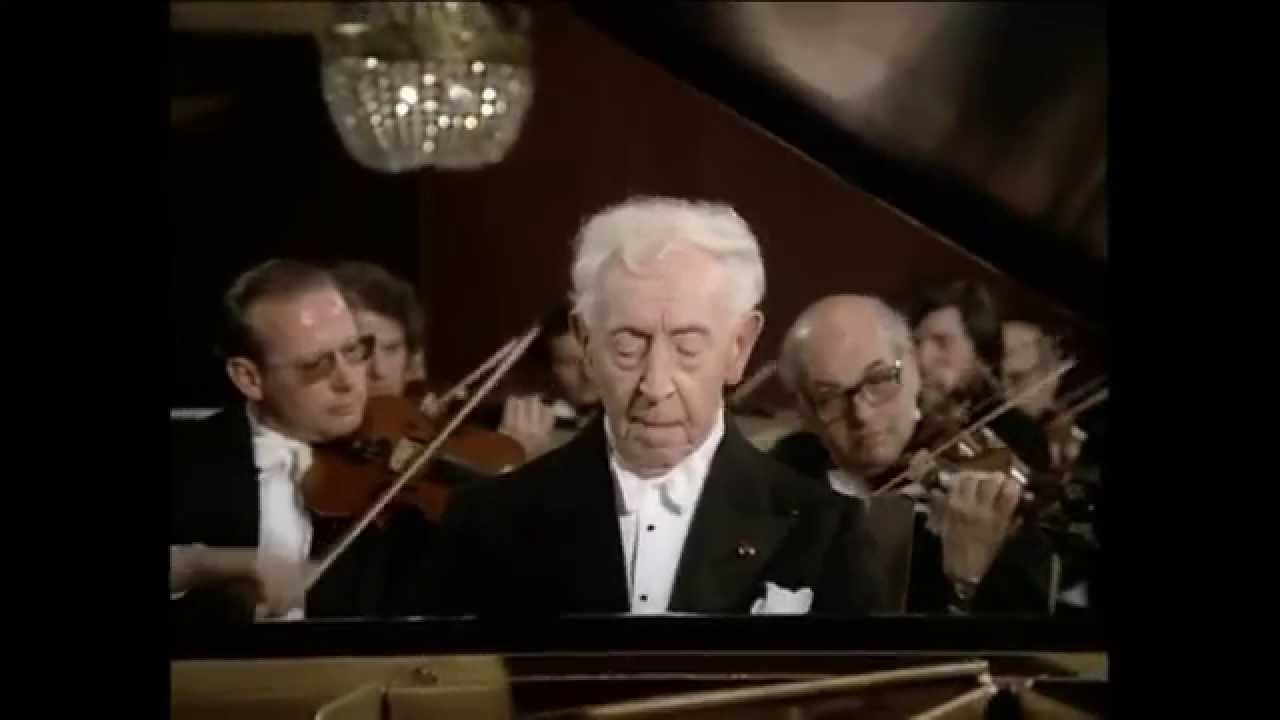
Arthur Rubinstein - Grieg - Piano Concerto in A minor, Op 16
Awards & Professional Recognition
Rubinstein received nearly every major honor available to a musician. In 1976 he was awarded the Presidential Medal of Freedom for his global contributions to music.
He won ten Grammy Awards for classical recordings. In Europe he was named an honorary Knight Commander of the Order of the British Empire and a Knight Commander of Italy’s Order of Merit.
France awarded him the rank of Grand Officer of the Legion of Honor, while Poland honored him with the Officer’s Cross of the Order of Polonia Restituta.
He received the Kennedy Center Honors in 1974. In 1970 the documentary Arthur Rubinstein – L’Amour de la viewon the Academy Award for Best Documentary.
Rubinstein also received honorary doctorates from institutions including Yale and Columbia Universities. In Jerusalem, an Arthur Rubinstein Forest was planted in his honor.
Collaborations With Orchestras & Conductors
Rubinstein performed with leading orchestras including the New York Philharmonic, Boston Symphony Orchestra, Philadelphia Orchestra, London Symphony Orchestra, and Royal Philharmonic Orchestra.
He worked with distinguished conductors such as Sir John Barbirolli, Erich Leinsdorf, Fritz Reiner, Eugene Ormandy, Daniel Barenboim, and Vladimir Golschmann.
He maintained close ties to Poland by performing with the Warsaw Philharmonic under conductors including Witold Rowickiand Henryk Czyż. He also collaborated with European conductors such as Ernest Ansermet and Leopold Stokowski.
In chamber music, Rubinstein frequently partnered with violinists Jascha Heifetzand Henryk Szeryng, and cellists Gregor Piatigorsky, Emanuel Feuermann, and Pierre Fournier.
He also recorded with major string quartets, including the Guarneri Quartet. His ensemble collaborations were widely praised for their warmth and musical generosity.
Recent Career Activity
In his final decade, Rubinstein remained influential through teaching, mentorship, and legacy projects. In 1974 he helped establish the Arthur Rubinstein International Piano Competition in Tel Aviv, which remains one of the world’s most prestigious piano competitions.
He published memoirs reflecting on his career, including My Young Yearsin 1973 and My Many Yearsin 1980. Although he had retired from performing, he remained active within the music community.
His final public concerts occurred in the mid-1970s. In 1975 he gave a gala concert in Łódź, and in April 1976 he delivered his final benefit recital at London’s Wigmore Hall.
After this retirement recital, he withdrew from the concert stage at age 89. By that time he had performed more than 6,000 concerts over eight decades, leaving a lasting legacy through his recordings and the international competition bearing his name.
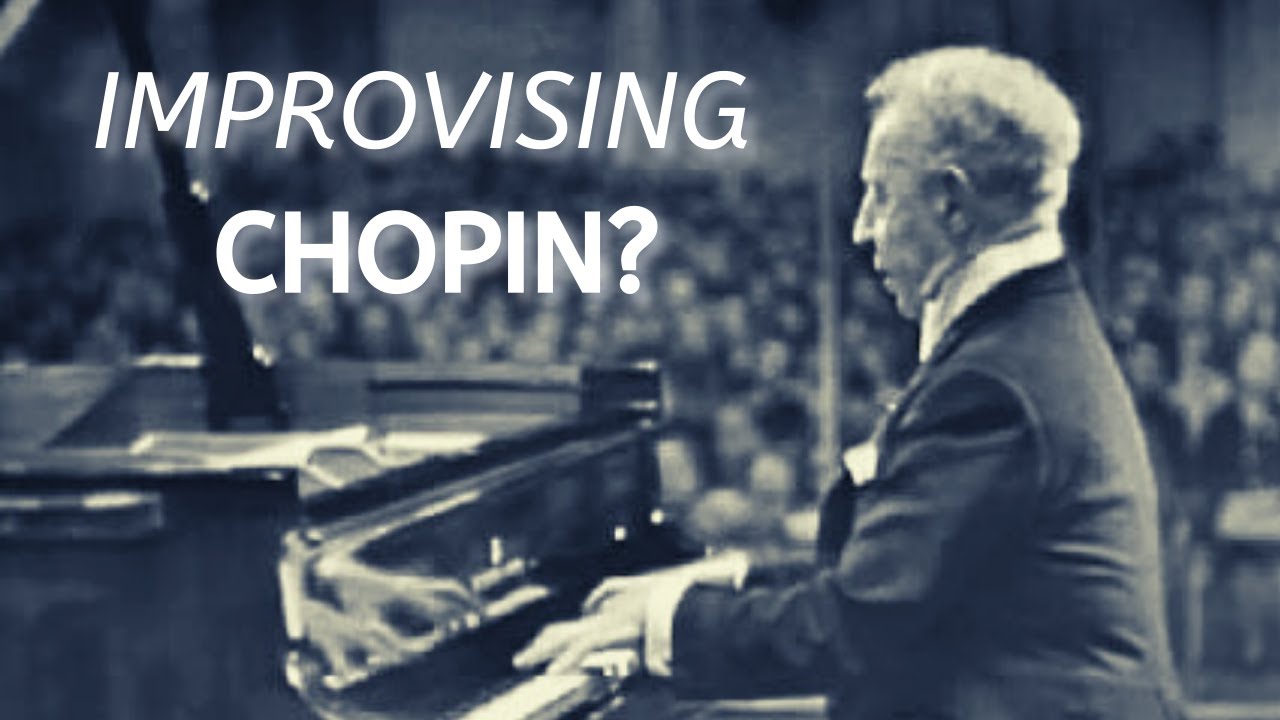
When Rubinstein Overcame a Memory Lapse Mid Performance
Arthur Rubinstein Performance
- Longevity:Arthur Rubinstein’s concert career spanned roughly eight decades. He made his Carnegie Hall debut in 1906 and continued performing until his farewell recital at Wigmore Hall in 1976.
- Major recitals:Rubinstein toured globally and headlined major venues. For example, in 1961 he gave ten benefit concerts at New York’s Carnegie Hall (raising about $100,000 for charity).
- Collaborations:Rubinstein was a distinguished chamber musician who frequently performed with top artists (e.g. violinists Henryk Szeryng and Jascha Heifetz; cellist Pablo Casals; Gregor Piatigorsky; the Guarneri Quartet).
- Repertoire expertise:He was celebrated for his Romantic-era repertoire, especially Chopin (The New York Times noted that Chopin was his “specialty”). In 1964 he even performed an all-Chopin recital in Moscow during the Cold War.
- Farewell recital:On May 31, 1976 (age 89) Rubinstein gave his final solo recital at London’s Wigmore Hall. Notably, this concert came 64 years after his debut at that venue, effectively marking the end of his stage career.
Arthur Rubinstein’s Piano Style And Interpretation
Arthur Rubinstein’s playing combined robust technique with warm expressiveness. He used a full-armed approach that leveraged forearm weight and arm momentum in chordal and orchestral textures. Critics note that his hands maintained a steady, dignified posture at the keyboard. He avoided unnecessary gestures, keeping a calm, upright bearing on stage that let the music speak for itself.
Technically, Rubinstein was solid and reliable; his technique was described as large yet unshowy. In his later career, after intensive retraining in the 1930s, his execution became remarkably accurate and well-controlled. He prioritized clarity of musical line; for example, his performances consistently feature clearly articulated melodies that stand out above the accompaniment.
He often played chords with a sense of grounded weight, using his forearms to generate power without strain. In fast passages and octaves he could reach great intensity; chords are sometimes driven home with authority, yet even at thundering climaxes his fingers avoided harsh thudding.
Overall, his control over the keyboard was secure and purposeful. Rubinstein aimed for naturalness and alignment of all layers of the texture, allowing each voice to be heard cleanly. He seldom relied on elaborate pedal effects for clarity, preferring direct finger and arm control; in fact, observers note that he was not known for subtle pedal shading but rather for a straightforward touch that produced legato lines with minimal fuss.
Tone, Touch, And Sound Color
Rubinstein’s sound was widely admired for its warmth and richness. He produced a broad, singing tone across all registers, often described as gorgeous and full-bodied. Even at loud dynamics, his sound remained rounded and never harsh; one reviewer noted his ability to reach furious climaxes without any bangy edge.
In soft passages he could deliver a tender, intimate pianissimo, while in forte moments his tone became deep and resonant. The overall color of his playing tended toward warmth and lyricism. Critics have pointed out his characteristically rich, deep tone, simultaneously tender and strong.
He drew a naturally beautiful sound from the piano, sometimes compared to the golden-bellied tone of Rachmaninoff, yet he treated tone as a byproduct of phrasing rather than an end in itself. Rubinstein focused on the breath and line of the music, often sacrificing nuance or even an occasional clean note if it served the larger musical expression.
In practice, this meant that his touch varied seamlessly between vocal legato and assertive attack. When playing lyrical melodies, he shaped each phrase as if singing, giving it effortless pulse and grace. At the same time, he could deliver thunderous chords and crisp accents with firmness.
Reviewers of his late playing observed a naturally proportioned rubato and ease of communicative immediacy. He had fine control of dynamics and tonal gradation; for example, his performance of a slow theme might feature exquisitely nuanced soft-shading, while climactic passages would be punched out with full weight.
Though Rubinstein was not a specialist in experimental tone effects, his palette was nevertheless varied. He could make lines shimmer from silvery to steely almost instantly. His approach to color was generally straightforward: he extracted a naturally resonant sound and let it support the music, rarely filtering it through excessive pedal or artificial coloring.
Rhythm, Phrasing, And Structural Clarity
Rhythmically, Rubinstein was noted for a flexible, singing approach to tempo. He often employed subtle rubato and pacing to bring out the phrase shapes, but always with an underlying pulse or sense of flow. Reviewers emphasize that his command of rubato, tonal nuance, and dynamics was absolute.
That is, he shifted time intuitively yet coherently, so that the music felt alive without losing structural clarity. His phrasing tended to be legato and expansive; he thought in long lines and breathed naturally with the music. Observers describe the way he would allow a phrase to rise and fall almost imperceptibly.
Importantly, each melodic line in a Rubinstein performance is clearly projected and articulated above the accompaniment. He treated melodic voices as proudly held aloft, while inner voices and figures support them. Even in virtuosic or densely contrapuntal passages, he maintained transparent voice leading.
For instance, in Brahms and Beethoven chamber works his voicing was often praised for letting inner counterpoint come through, thanks to careful touch and balance. His rhythmic conception was invariably tied to the structure of the piece: he would stress key beats and harmonic points in a musical way.
Even his shifting tempo changes always served the phrasing. In Schumann’s Carnaval, for example, one critic noted suppleness of rhythm, control of micro-dynamics and tempo across wildly contrasting sections. Similarly, in a Chopin ballade or nocturne Rubinstein’s rubato feels personal yet never arbitrary.
It heightens emotional tension or relaxation in proportion to the musical arc. In short, his rhythmic flexibility was always in balance with clear form: listeners can follow the shape of a piece and the placement of strong beats easily, even as he stretches or rushes a little for expressiveness.

Arthur Rubinstein. Beethoven piano concerto no 5 Emperor [FULL] [LIVE] in Jerusalem
Interpretative Approach To Repertoire
Rubinstein’s interpretations were informed by his broad repertoire, but certain repertory areas were especially characteristic. As a Chopin specialist, he brought warmth, spontaneity, and a rich legato to Chopin’s works. His Chopin performances are remembered for their lush expressivity.
The melodies flow with vocal grace, supported by shimmering accompaniments. He tended to use rubato freely yet sensitively in Chopin, deepening the lyrical and poetic aspects without seeming aimlessly wandering. Contemporary writers note that Rubinstein’s Chopin playing is strong and full-bodied rather than sentimental.
He avoided extreme mannerism; instead of grand gestures or artificial effects, he emphasized singing tone and natural phrasing. Rubinstein believed in a relatively simple, heartfelt Chopin style as opposed to highly idiosyncratic approaches. This yielded interpretations that feel deeply personal and romantic.
Yet they remain fundamentally faithful to the score’s poetry. In the Romantic canon, Rubinstein favored lyrical and orchestral works. For Brahms, he brought out the composer’s warm lyricism; his playing had a beautiful, singing quality even in dense textures.
Many critics praised Rubinstein’s Brahms for clarity of inner voices and a tender yet forceful tone. He tended to soften aggressive edges, emphasizing the long-breathed melody lines and overall sonority. In Schumann’s music, Rubinstein combined vitality with nuance.
A reviewer of his Carnaval noted the range in his approach: percussive dance movements are played with bold accents and drive, while moments of lyricism are meltingly liquid and infinitely nuanced. His Schumann performances demonstrate a careful balance between energy and flexibility.
He applied rubato liberally where needed, but always within a coherent pulse. Rubinstein’s Beethoven interpretations were grand and stately. He performed Beethoven concertos often and strove to capture both power and dignity in works like the Emperor concerto.
In concerto performances he favored collaboration with the orchestra, shaping phrases with a conductor-like vision rather than dominating alone. Critics observe that his Beethoven playing carried the music’s majesty and lyricism side by side.
For instance, the slow movement of the Emperor concerto is rendered with a touching nobility as well as fullness. In Beethoven sonatas, he preferred the early-to-middle period and played them with passion; recordings from his seventies show a cautious but still noble interpretation.
Conversely, commentators have sometimes pointed out that Rubinstein’s Mozart style could be somewhat heavier than typical, with a romantic warmth that may contrast with Mozart’s lighter classical spirit. Overall, however, Rubinstein approached Classical repertoire earnestly.
He always aimed for musicality over pedantry. Rubinstein also embraced twentieth-century and exotic repertoire that interested him. He was close to composers like Manuel de Falla and Karol Szymanowski, and he frequently played their works with conviction.
His Spanish music was marked by strong rhythmic drive and bold color; his fiery take on Ritual Fire Dance became one of his signature showpieces. In Liszt, Rubinstein shunned mere pyrotechnics; he preferred Liszt’s lyric and poetic side.
He drew out sweeping melodies with refined understanding. He also appeared in premieres or advocacy of works by Debussy, Ravel, Villa-Lobos, and other contemporaries, often highlighting their orchestral or harmonically rich qualities.
In all this repertory, his interpretative approach remained consistent. He never aimed to shock or bewilder. Rather, he treated each new style as a variation on his core strengths of singing tone and rhythmic vitality.

Artur Rubinstein plays Liebestraum nº3 Liszt (HQ - High Quality)
Balance Between Precision And Expression
A defining feature of Rubinstein’s artistry was the balance he struck between control and spontaneity. Early in his career he was known for playing more on instinct and charm than scrupulous accuracy. He famously said he preferred to rely on feeling rather than mechanical perfection.
Consequently, some of his earliest recordings contain slips and textual inexactitudes. However, after a mid-career shift toward disciplined practice, his technique became far more exact. From the mid-1930s onward he often worked six to nine hours a day on refining his playing.
As a result, the basic precision of his execution improved markedly. Despite this, Rubinstein never lost his essentially unforced, communicative style. Even at his most accurate, he resisted making every performance a show of mechanical virtuosity.
Critics often note that Rubinstein prioritized musical pulse and expression over sterile perfection. In live concerts, occasional tiny finger slips were regarded as inconsequential to the overarching musical effect. He accepted a certain informality.
For instance, in concert performances of the Chopin Polonaise he would sometimes thump the octaves with gusto, more concerned with drama than with textbook evenness. In this way, Rubinstein’s playing can be seen as embracing a kind of organized spontaneity.
He would gladly risk a missed note if it served the integrity of a phrase. Conversely, in his studio recordings one hears a pianist who has wed expressive freedom to sturdy technique. These recordings show few errors and often very deliberate tempos.
Yet they still retain warmth and life. In short, Rubinstein developed a controlled expressiveness: he aimed to make the music feel as alive and natural as possible, while having enough technical mastery at hand to do so without compromising the score.
Critical Observations And Musical Identity
Rubinstein’s musical identity has been widely analyzed. He is often portrayed as Romantic in temperament but disciplined in execution. While his playing fully embraced the warmth and emotional depth of Romantic music, it avoided any mannerism that could be labeled self-indulgent.
He saw himself in the tradition of the German classical school rather than in the flamboyant virtuoso tradition. In other words, Rubinstein’s expressiveness was strong, but he was not motivated by a desire to be different for its own sake.
His performances were consistently personal and characterful, yet they communicated a sense that the composer’s intentions were foremost. Contemporary writers emphasize Rubinstein’s engaging musical persona.
He was known as an entertainer in the best sense: generous and approachable at the keyboard, sharing the spirit of the music with listeners. Onstage he refrained from theatricality; he held a dignified bearing without wild movements.
This quiet stage manner aligned with descriptions of his playing as clear and unaffected. Pianists who admired Rubinstein praised the sincerity and directness of his playing. Rubinstein himself insisted that music should never be mechanical but should convey life and joy.
Scholars point out that Rubinstein constantly infused performances with personal passion, stamping every note with his personality and will, yet he did so in service of the music. Critics have also remarked on how uniquely Rubinstein each interpretation sounded.
In ensemble and concerto settings, his part always tended to sound like an inseparable, orchestral whole, as if the piano were played under the baton of a great conductor. Even without flashy studio tricks, there was a consistent identity to his playing.
It was marked by a warm glow of tone, rhythmic vitality, and lyrical emphasis. While Rubinstein did not often court novelty, his aesthetic has remained influential. In retrospective appraisal, critics note that Rubinstein’s legacy lies in his convincing blend of precision and deep feeling.
He stands as one of the great exemplars of twentieth-century Romantic pianism, bringing elegance, humanity, and authority to every style he played.
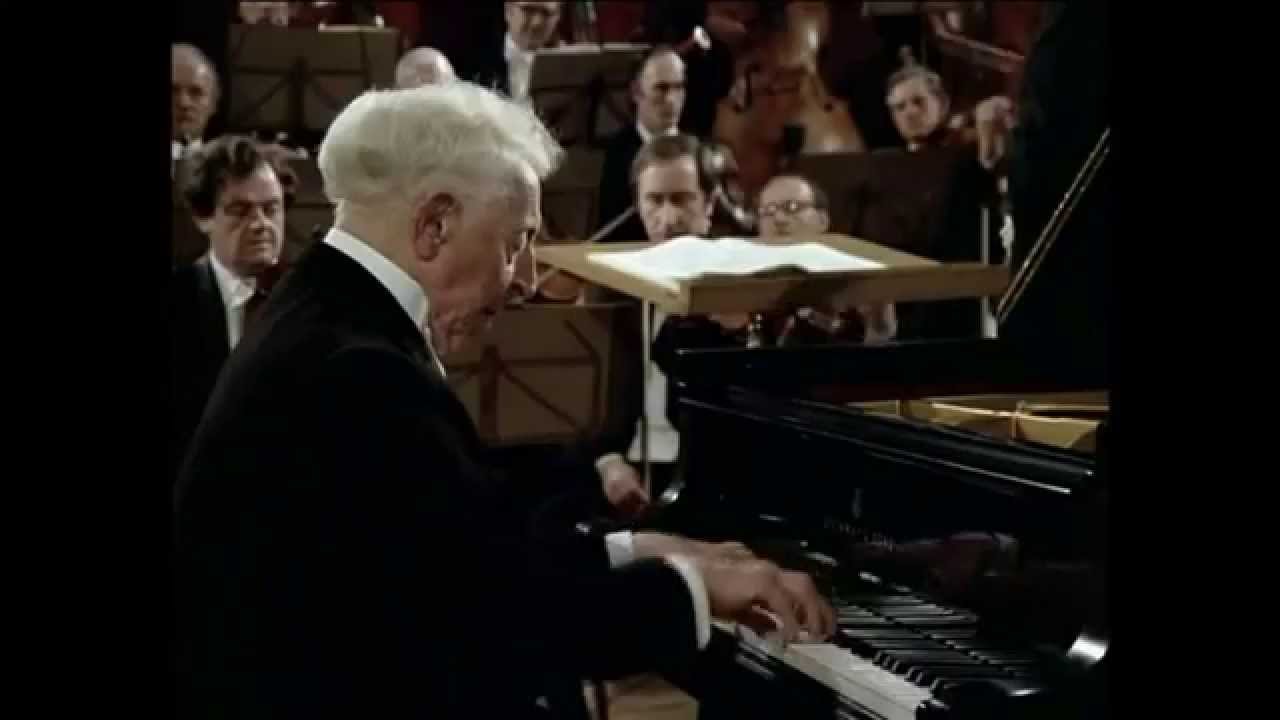
Arthur Rubinstein - Saint-Saëns - Piano Concerto No 2 in G minor, Op 22
Arthur Rubinstein Net Worth
At the time of death, Rubinstein’s net worth was estimated between $0.1 million and $1 million, though this estimate comes from entertainment/finance sites rather than any authoritative financial source, and major outlets like Forbes have not reported any figure.
He was a Polish-American pianist widely regarded as one of the greats. Rubinstein performed publicly for eight decades, touring worldwide and earning income from concert fees.
He recorded dozens of albums of classical music (notably Chopin) for major labels, generating royalties and sales income. He retired only at age 89, highlighting the longevity of his career.
FAQs
1. Who Was Arthur Rubinstein?
Arthur Rubinstein was a Polish-American classical pianist, widely regarded as one of the greatest pianists of the 20th century. He was especially renowned for his interpretations of Chopin, Brahms, and Romantic repertoire.
2. What Was Arthur Rubinstein Famous For?
Arthur Rubinstein was famous for his warm tone, expressive phrasing, and long concert career spanning more than eight decades. He was also a leading interpreter of Chopin and a major figure in international concert life.
3. When And Where Was Arthur Rubinstein Born?
Arthur Rubinstein was born on January 28, 1887, in Łódź, which was then part of Congress Poland under the Russian Empire. He grew up in a Polish-Jewish family that supported his musical education.
4. Did Arthur Rubinstein Record Music?
Yes, Arthur Rubinstein made hundreds of recordings between 1909 and the 1970s for major labels such as RCA Victor and EMI. His recordings of Chopin’s works are considered reference performances and remain widely available.
5. How Long Did Arthur Rubinstein Perform Professionally?
Arthur Rubinstein performed publicly for more than 80 years, from his childhood concerts to his final recital in 1976. He retired from the stage at the age of 89, making him one of the longest-performing classical pianists in history.
6. When Did Arthur Rubinstein Die, And What Was The Cause Of His Death?
Arthur Rubinstein died on December 20, 1982, at the age of 95, in Geneva, Switzerland. His death was due to natural causes related to old age, following a gradual decline in health after his retirement.