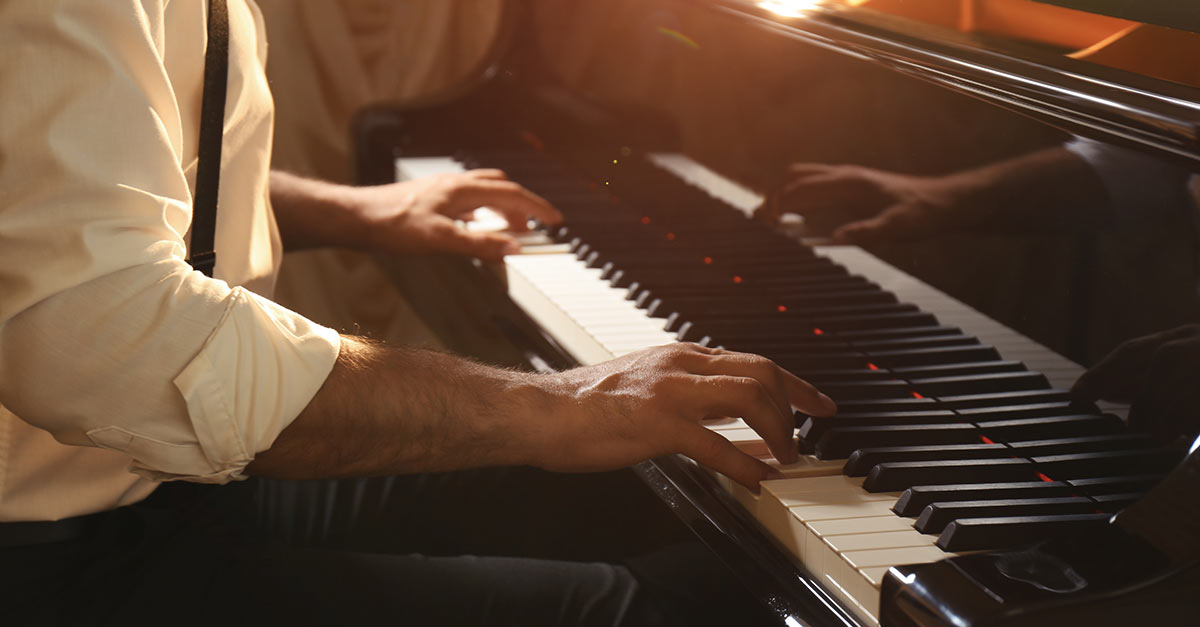
I have spent decades playing the keys and teaching the roots of jazz to students. Staring at a list of legendary musicians can easily overwhelm any beginner wanting to understand the genre.
You hear names thrown around by critics and record collectors, but it is hard to know where to start listening. While it can be tempting to look up a celebrity jazz pianist's net worthto gauge who was the most commercially successful, true understanding comes from the music itself. Jazz piano's history reads like a long conversation, each generation of pianists responding directly to the one before it.
Ragtime's syncopation fed into stride's driving left hand, stride fed into swing, swing gave way to bebop's harmonic complexity, and from there the tradition split into hard bop, the avant-garde, fusion, and a rich, often underappreciated Latin jazz lineage running alongside all of it.
This breakdown organizes fifty essential keyboard giants by their stylistic era. You will understand how the instrument evolved from early dance halls to modern concert stages. Along the way, you will gain a highly curated playlist of essential tracks to deepen your appreciation of the art form and give you a clear roadmap for your listening journey.
A Quick Look At What Is Ahead Before The Full Fifty.
- A complete, numbered walkthrough of jazz piano's history, from Scott Joplin's ragtime compositions to the contemporary players working today.
- Specific recordings and recognizable associations for each pianist, so you have somewhere concrete to start listening.
- A dedicated look at Latin jazz piano, a tradition too often left out of similar roundups entirely.
- An honest account of how the tradition has kept evolving, right up through today's youngest widely recognized names.
What follows is the full fifty, numbered straight through and organized by the era each pianist belongs to, so you can either read start to finish or jump straight to the period you care about most.
Ragtime And Stride Pioneers
Before jazz piano had a name, ragtime and stride built the rhythmic and harmonic foundation everything else grew from.
1. Scott Joplin (1868 To 1917)
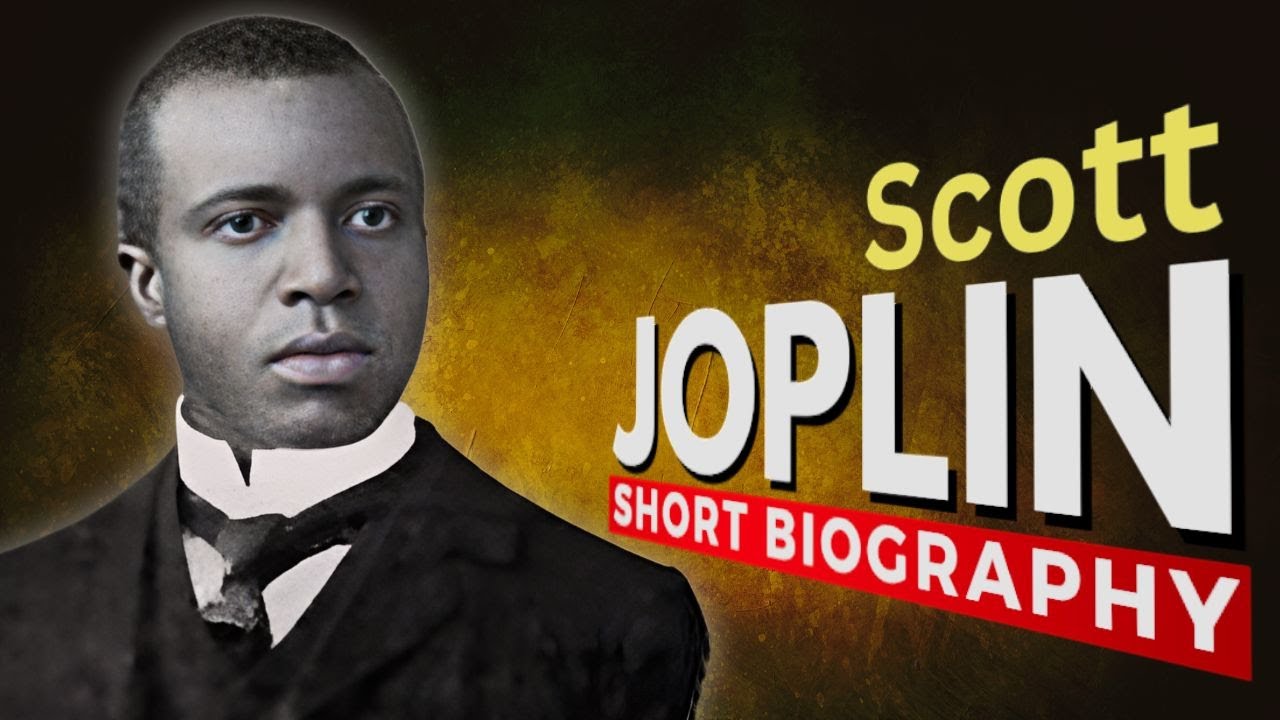
Scott JOPLIN: King of Ragtime | What You Didn’t Know
Scott Joplin is remembered as the King of Ragtime, a Texas-born pianist and composer whose syncopated, carefully notated rags became the genre's defining early sound. His composition "The Entertainer" found a second life decades later on the soundtrack of the 1973 film "The Sting," reviving broad public interest in his work. No recordings of Joplin's own playing survive, but his sheet music and surviving piano rolls preserve a style that directly shaped James P. Johnson and the stride pianists who followed.
2. Jelly Roll Morton (1890 To 1941)

Jelly Roll Morton: The Man Who Invented Jazz
Born Ferdinand LeMothe in New Orleans, Jelly Roll Morton was a pianist, composer, and arranger whose propulsive, jaunty style bridged ragtime and the earliest jazz recordings. He famously, and controversially, claimed to have personally invented jazz, a claim historians treat skeptically, but his recordings, including "Black Bottom Stomp," remain foundational documents of the music's earliest development. His arranging skill was as significant as his playing, shaping how small jazz ensembles structured their music.
3. James P. Johnson (1894 To 1955)
James P. Johnson is generally credited as the key architect of stride piano, the style that built on ragtime's syncopation with a more sophisticated, locomotive left-hand technique. Based in New Jersey and New York, he was also a respected accompanist for blues singers Bessie Smith and Ethel Waters. His influence ran directly through Fats Waller, Count Basie, and Art Tatum, making him one of the most quietly consequential figures in the instrument's history.
4. Willie "The Lion" Smith (1897 To 1973)
Born William Henry Joseph Bonaparte Bertholoff Smith, Willie "The Lion" Smith was, alongside James P. Johnson, one of stride piano's defining practitioners. Rising to prominence in the 1920s as an accompanist for blues singers, he developed a propulsive, dynamic style with dazzling finger work that left a clear mark on both Duke Ellington's and George Gershwin's approach to the piano.
5. Fats Waller (1904 To 1943)

Fats Waller - Ain't Misbehavin' - Stormy Weather (1943)
Thomas "Fats" Waller was a New York-born pianist, organist, and composer who brought stride piano to a much wider popular audience before his death from pneumonia at just 39. Beyond his playing, Waller's compositions, including "Ain't Misbehavin'" and "Honeysuckle Rose," became jazz standards in their own right, cementing his place as both a performer and a songwriter of lasting significance.
Swing And Big Band Era Pianists
As jazz moved into big bands and dance halls, its pianists became bandleaders, arrangers, and, in a few cases, singers whose piano playing was almost incidental to their fame.
6. Duke Ellington (1899 To 1974)
Edward Kennedy "Duke" Ellington is remembered first as a bandleader and composer, but he was also a genuinely accomplished pianist whose own style is easy to overlook next to his orchestral output. His 1953 solo-leaning record "The Duke Plays Ellington" reveals the depth of his playing outside the big band context, showing a percussive, harmonically inventive approach that influenced how later pianists thought about comping behind a group.
7. Count Basie (1904 To 1984)
Originally from Red Bank, New Jersey, Bill Basie rose to fame during the swing era, leading his own big band from the piano, built around hits like "One O'Clock Jump." His playing style was deliberately minimalist, built on space and forceful, well-placed accents that let his band's full sound carry the music, a less-is-more approach that stood in contrast to more virtuosic contemporaries.
8. Earl Hines (1903 To 1983)
Earl "Fatha" Hines, from Duquesne, Pennsylvania, developed what became known as "trumpet style" piano, playing melodies in octaves to project over a full big band, a genuine innovation in how the instrument was used within an ensemble. His recording career began in 1923 and continued until 1981, giving him one of the longest active spans of any pianist on this list.
9. Teddy Wilson (1912 To 1986)
Texas-born Theodore Wilson was a technically brilliant swing-era pianist who worked as a sideman with major figures including Louis Armstrong, Benny Goodman, and Ella Fitzgerald, though he is most remembered today as Billie Holiday's longtime accompanist. His politically outspoken views earned him the nickname "The Marxist Mozart" among some contemporaries.
10. Art Tatum (1909 To 1956)

Art Tatum - Yesterdays (1954)
Visually impaired from infancy, Ohio-born Art Tatum learned piano largely by ear and, with what is often described as perfect pitch, developed one of the most technically advanced styles in jazz history, fusing stride, swing, and classical elements into a densely virtuosic sound. Oscar Peterson counted him as a primary influence, and Tatum remains one of the most frequently cited answers to "who was the greatest jazz pianist of all time."
11. Mary Lou Williams (1910 To 1981)
Born Mary Elfrieda Scruggs in Atlanta and raised in Pittsburgh, Mary Lou Williams was a self-taught prodigy who became a significant freelance arranger for Earl Hines, Benny Goodman, and Duke Ellington by her twenties. When bebop emerged in the mid-1940s, she embraced it fully, mentoring Thelonious Monk and Dizzy Gillespie, and remains one of the most consequential women in jazz history.
12. Nat King Cole (1919 To 1965)
Alabama-born Nat King Cole built a genuinely accomplished jazz piano career, heavily influenced by Earl Hines's ornate, embellished style, before his singing career took over from 1943 onward and eclipsed his reputation as an instrumentalist. Within the swing and early bebop scene, though, he was a respected trio leader in his own right.
Bebop Innovators
In the mid-1940s, bebop reimagined jazz piano entirely, treating the right hand like a horn and demanding a wholly new level of harmonic and rhythmic sophistication.
13. Bud Powell (1924 To 1966)

Bud Powell- I Want To Be Happy (1961) Paris
Harlem-born Bud Powell was the pianist most responsible for translating bebop's horn-driven vocabulary directly onto the keyboard, drawing heavily on Art Tatum's left-hand stride technique while taking inspiration primarily from Charlie Parker. Despite a career shortened by years of mental health struggles, culminating in his death at 41, Powell's influence on virtually every pianist who followed him is difficult to overstate.
14. Thelonious Monk (1917 To 1982)
North Carolina-born Thelonious Monk built an entirely idiosyncratic musical world out of angular, hummable melodies, dissonant cluster chords, and a lightly swinging rhythmic pulse unlike anyone else in bebop. As a composer, he contributed enduring standards including "'Round Midnight" and "Straight, No Chaser" to the jazz repertoire, and his solo album "Thelonious Alone in San Francisco" remains a widely studied recording.
15. Elmo Hope (1923 To 1967)
Born St Elmo Sylvester Hope in New York, Elmo Hope was a bebop pianist with a bright sound and, like his friend Thelonious Monk, a genuine fondness for dissonance. He recorded for Blue Note, Prestige, and Pacific Jazz through the 1950s, working as a sideman for saxophonists including Sonny Rollins and Jackie McLean, but his career was ultimately cut short by drug addiction, and he died at 43.
16. Hampton Hawes (1928 To 1977)
A key figure on the West Coast jazz scene, Hampton Hawes brought a blues-inflected, fluent approach to bebop piano that earned him a strong reputation among his contemporaries. His career was interrupted by legal troubles in the early 1960s, but he returned to active performing and recording afterward, remaining a respected figure in bebop's broader story.
17. Barry Harris (1929 To 2021)
Detroit-born Barry Harris began playing piano at four and, as a teenager, fell under the spell of Bud Powell and Thelonious Monk, going on to work with Miles Davis, Sonny Stitt, and Cannonball Adderley through the 1950s and 1960s. Beyond his own playing, Harris became one of bebop's most significant teachers, directly passing the tradition to generations of younger musicians until his death at 91.
18. Sonny Clark (1931 To 1963)
Born Conrad Clark in Herminie, Pennsylvania, Sonny Clark had a brief but influential run in the jazz spotlight between 1955 and 1961, heavily influenced by Bud Powell and known for horn-like right-hand melodies. His five-year run at Blue Note Records produced nine albums, including the classic hard bop session "Cool Struttin'," before his death at 31 from a suspected overdose.
19. Al Haig (1922 To 1982)
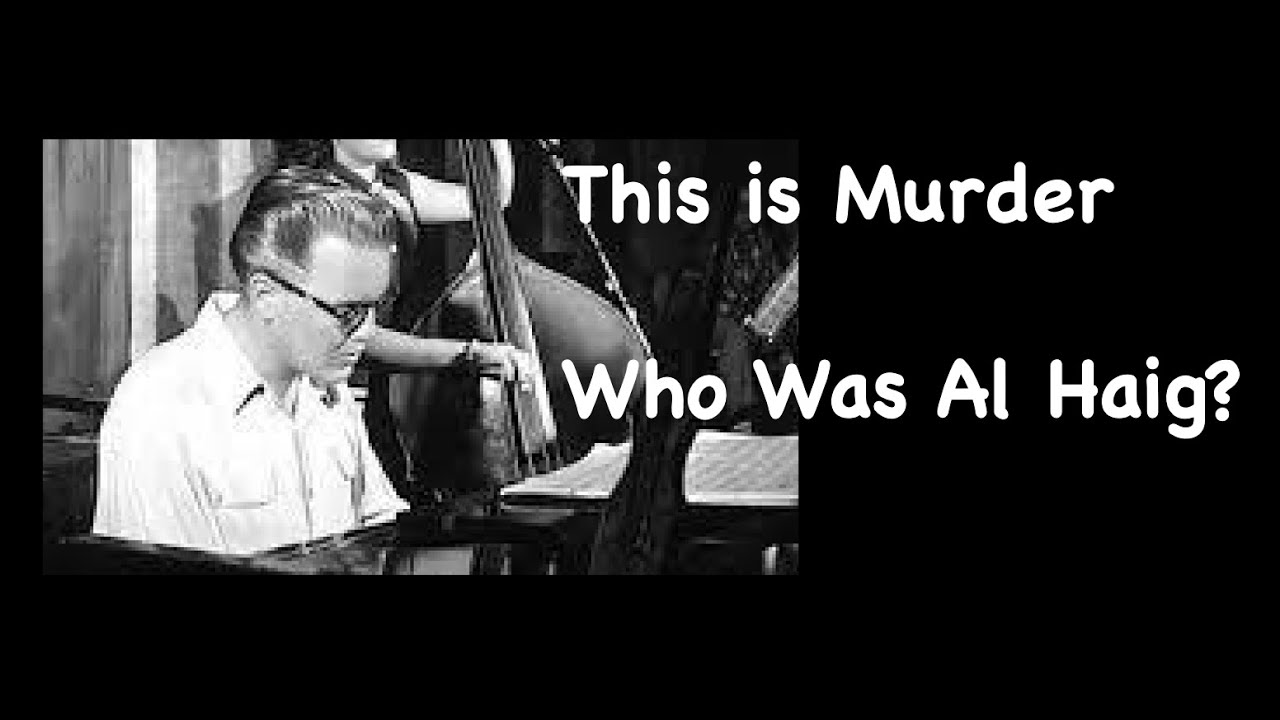
This is Murder. Who Was Al Haig?
Al Haig was among the very first pianists to record alongside Charlie Parker and Dizzy Gillespie during bebop's formative years in the mid-1940s, helping establish the style's piano vocabulary from its earliest recorded moments. Though his career had quieter stretches later on, his early contributions place him among bebop's foundational figures.
Hard Bop And Post-Bop Masters (20 To 31)
Hard bop brought blues, gospel, and rhythm and blues influences into bebop's harmonic framework, and this era produced some of the most enduring recordings in jazz history.
20. Horace Silver (1928 To 2014)
Connecticut-born Horace Silver, of Cape Verdean ancestry, co-founded The Jazz Messengers in 1954 before Art Blakey took the group over, and went on to become one of hard bop's defining composers. A dexterous pianist with a long, fruitful run at Blue Note Records between 1952 and 1980, Silver wrote enduring standards including "Song For My Father."
21. Wynton Kelly (1931 To 1977)
Brooklyn-born Wynton Kelly is best remembered for his work with Miles Davis between 1959 and 1961, appearing on the landmark 1959 album "Kind of Blue." Influenced by Teddy Wilson and Bud Powell, his glistening, horn-like right-hand melodies and fondness for block chordal accompaniment shaped a generation of pianists who followed, including Chick Corea and Brad Mehldau.
22. Red Garland (1923 To 1984)
Texas-born William "Red" Garland began his working life as a welterweight boxer before developing a strikingly delicate touch at the piano. As a member of the Miles Davis Quintet in the 1950s, alongside a young John Coltrane, Garland developed a distinctive two-handed block chord style and a lightness of touch that Davis specifically valued.
23. Tommy Flanagan (1930 To 2001)
Detroit-born Thomas Lee Flanagan's name is closely tied to saxophonist John Coltrane, having played on the 1960 masterpiece "Giant Steps." As a sideman, he also appeared on significant recordings by Sonny Rollins and guitarist Wes Montgomery, and he continued releasing albums under his own name across four decades of recording.
24. Hank Jones (1918 To 2010)
Born in Mississippi and raised in Michigan, Hank Jones was among the most in-demand sidemen in jazz history, initially influenced by Earl Hines and Fats Waller before falling under bebop's spell. His recording credits span an extraordinary range, from Ella Fitzgerald and Charlie Parker to Anita O'Day, reflecting a career built on impeccable musical taste.
25. Cedar Walton (1934 To 2013)
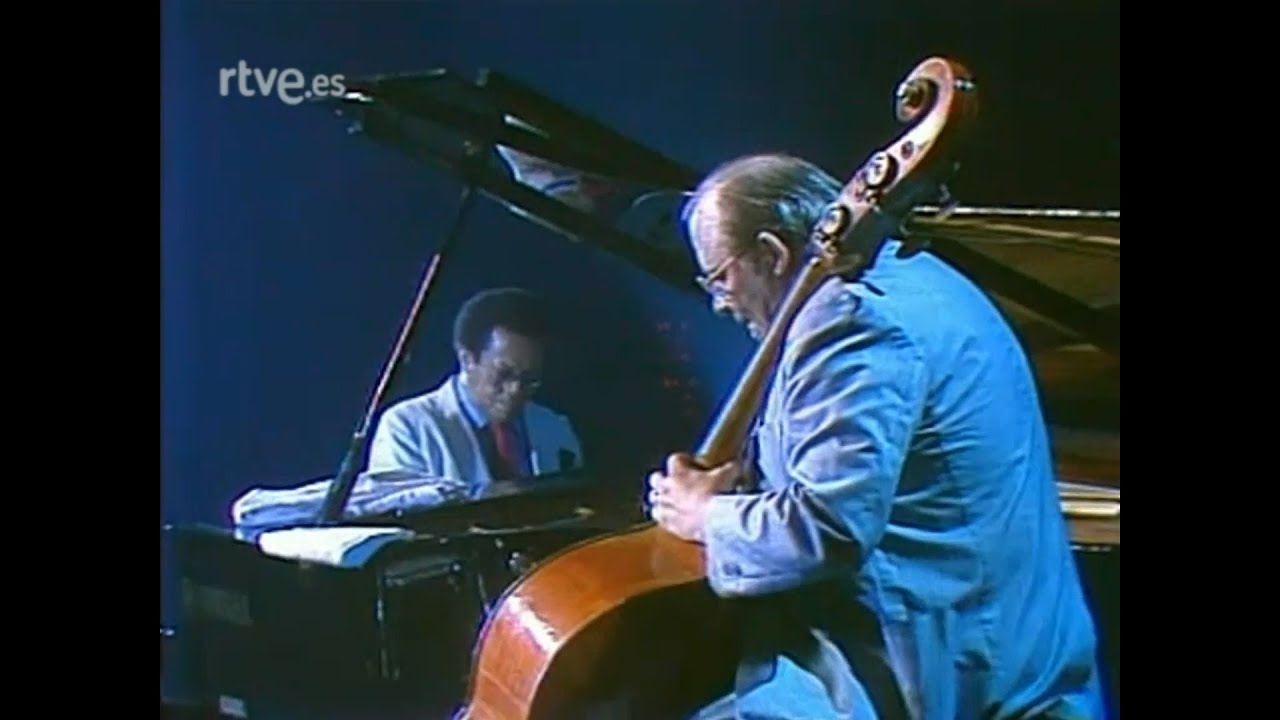
Bolivia - Cedar Walton (Pierre Michelot & Billy Higgins)
Dallas-born Cedar Walton grew up on a musical diet of Art Tatum, Nat King Cole, and Thelonious Monk before joining Art Blakey's Jazz Messengers in 1961, where he recorded nine albums with the group. As a composer, he contributed jazz standards including "Bolivia" and "Mode For Joe," and briefly explored jazz-funk and fusion during the 1970s.
26. Bobby Timmons (1935 To 1974)
A Philadelphia musician who came through Art Blakey's Jazz Messengers, Bobby Timmons grew up playing gospel piano as the son of a preacher, an influence clearly audible in his own compositions. His tunes "Moanin'," "This Here," and "Dat Dere" effectively laid the blueprint for soul jazz in the late 1950s, though his own career was cut short by alcoholism at 38.
27. Kenny Drew (1928 To 1993)
New York City-born Kenny Drew served his musical apprenticeship as a sideman for Buddy DeFranco, Coleman Hawkins, and Charlie Parker before becoming a highly regarded bebop pianist and composer in his own right. He later relocated to Denmark, where he built a long and fruitful musical partnership with tenor saxophonist Dexter Gordon, and he died and was buried in Copenhagen.
28. McCoy Tyner (1938 To 2020)
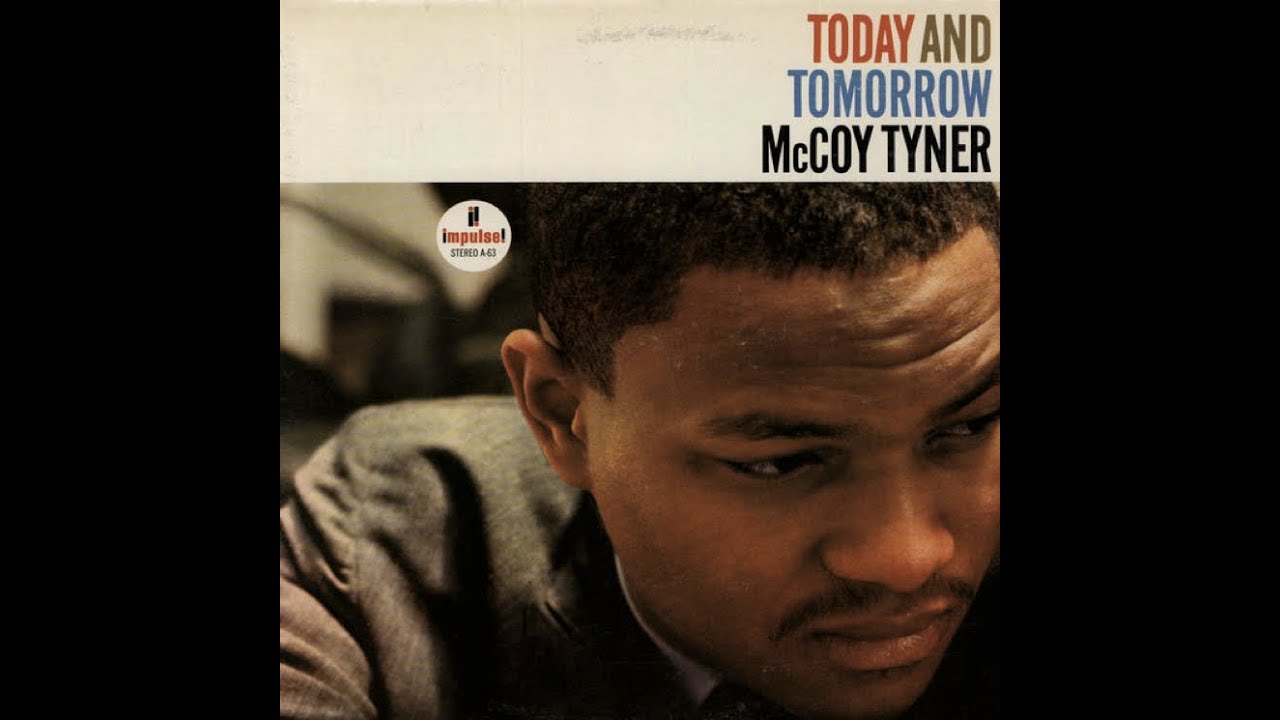
When Sunny Gets Blue - McCoy Tyner Trio
Philadelphia-born McCoy Tyner rose to fame as a member of John Coltrane's groundbreaking quartet between 1960 and 1965, playing on the iconic 1965 album "A Love Supreme." His powerful, fourths-based harmonic approach and forceful attack shaped modal jazz piano decisively, and he went on to lead a series of acclaimed albums for Blue Note and Milestone after leaving Coltrane's group.
29. Bill Evans (1929 To 1980)
A New Jersey-born pianist who struggled with drug addiction for much of his adult life, Bill Evans nonetheless produced a remarkably consistent, beautiful body of work built on lush, classically informed harmony and reflective lyricism. His trio recordings with bassist Scott LaFaro, including "Sunday at the Village Vanguard," remain essential listening, and his influence runs directly through Herbie Hancock, Keith Jarrett, and Brad Mehldau.
30. Herbie Hancock (born 1940)
Chicago-born Herbie Hancock emerged as a member of Miles Davis's pathfinding 1960s quintet before moving fluidly through funk, disco, electro, and hip-hop influences over the following decades, exemplified by his 1983 global hit "Rockit." Even at his most genre-crossing, Hancock has remained a committed jazz pianist, and his musical curiosity has stayed remarkably active across more than six decades of recording.
31. Ahmad Jamal (1930 To 2023)
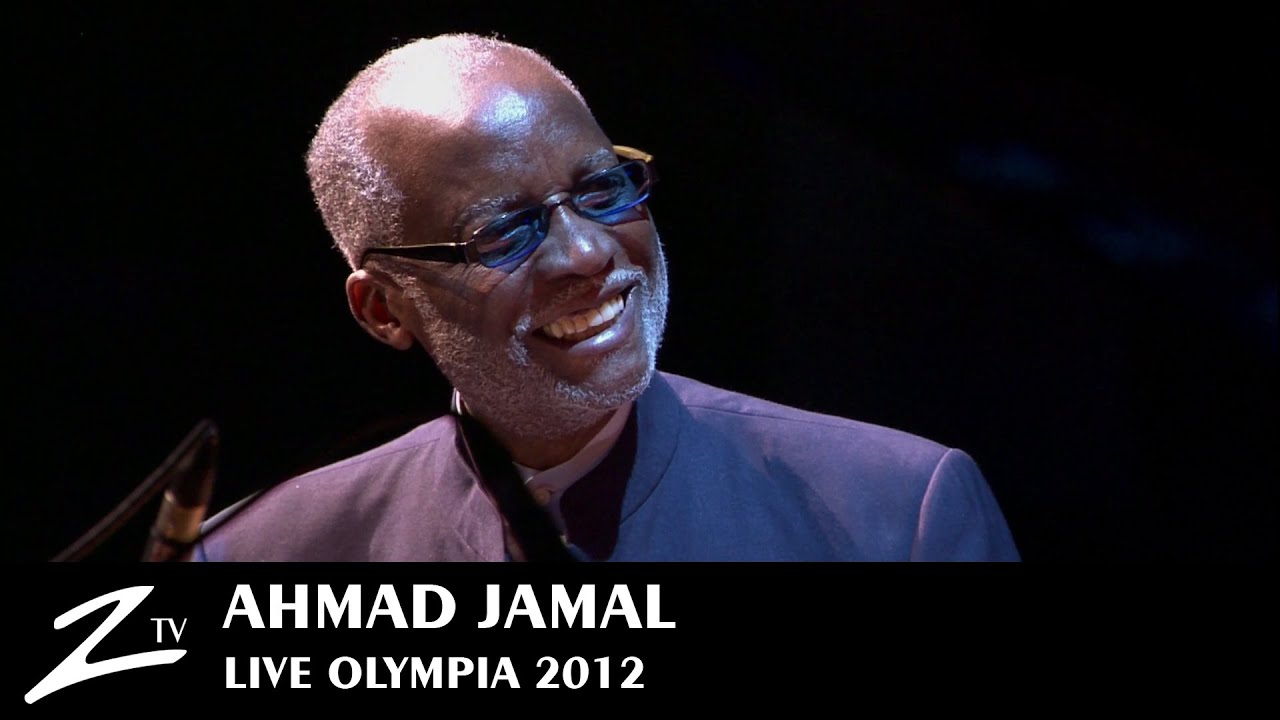
Ahmad Jamal - Poinciana - Olympia Paris - LIVE
Born Frederick Russell Jones in Pittsburgh, Ahmad Jamal developed a spare, space-conscious trio style built around what he never treated as empty silence but as an active musical element. His 1958 live album "At the Pershing" spent more than two years on the Billboard 200, an extraordinary feat for a jazz record, and Miles Davis repeatedly credited Jamal as a direct influence on his own approach to arrangement and space. Jamal continued performing and recording into his late eighties, releasing his final album in 2019, and died on April 16, 2023, at age 92.
Avant-Garde, Fusion, And Genre-Crossing Pianists
Some pianists pushed the instrument outward, toward free improvisation, electric instruments, or genre fusion, expanding what jazz piano could sound like.
32. Cecil Taylor (1929 To 2018)
A poet as well as a pianist and composer, New York-born Cecil Taylor became a leading figure of the jazz avant-garde by the late 1950s and early 1960s. His fiercely energetic, often atonal style relied on jarring cluster chords and dense polyrhythmic complexity, a deliberate rejection of conventional jazz harmony that he pursued across recordings released regularly until 2009.
33. Andrew Hill (1931 To 2007)
Chicago-born Andrew Hill earned small change as a boy playing accordion on the city's streets before working mainly as a sideman through the 1950s. After relocating to New York in 1963, he began a long association with Blue Note Records, producing sixteen albums and developing a chromatic, angular style that, while influenced by Monk and Tatum, remained distinctly his own.
34. Chick Corea (1941 To 2021)

Chick Corea - Spain - Live At Montreux 2004
From Chelsea, Massachusetts, Armando "Chick" Corea began playing piano at four and rose to fame as a sideman replacing Herbie Hancock in Miles Davis's band. His music ranged from straight-ahead acoustic jazz to the jazz-rock fusion of Return to Forever, which he co-founded in the 1970s, and a distinctive Latin inflection ran through nearly everything he recorded.
35. Keith Jarrett (born 1945)
Pennsylvania-born Keith Jarrett began playing piano at two and developed into a precociously gifted classical prodigy before jazz drew him in as a teenager. After stints with Art Blakey's Jazz Messengers and Miles Davis, he signed to ECM Recordsin the 1970s, and his largely improvised solo recital "The Köln Concert" set a lasting benchmark for unaccompanied jazz piano performance.
36. Joe Zawinul (1932 To 2007)
Austrian-born Joe Zawinul came to the United States in 1959 and quickly made his mark as a pianist and composer in Cannonball Adderley's band. He later worked on Miles Davis's groundbreaking fusion albums "In a Silent Way" and "Bitches Brew" before co-founding the influential fusion group Weather Report in 1970, becoming one of the genre's defining electric keyboardists.
37. George Duke (1946 To 2013)

George Duke Trio "It's On" Live at Java Jazz Festival 2010
A wide-ranging and versatile pianist, George Duke moved between avant-garde jazz, funk, and pop across a career that included work with Frank Zappa and his own top-40 crossover material. His solos consistently drew on melodic invention, bluesy phrasing, and chromatic harmony, making him one of the most versatile pianistsof his generation.
38. Erroll Garner (1923 To 1977)
A child prodigy from Pittsburgh, Pennsylvania, Erroll Garner first recorded in the 1940s but blossomed fully in the 1950s with an ornate style built on lush chords, liquid runs, and complex syncopation. He composed the enduring standard "Misty" in 1954, and his 1955 live album "Concert By The Sea" remains one of the most celebrated recordings in jazz piano history.
39. Oscar Peterson (1925 To 2007)
Originally from Quebec, Canada, Oscar Peterson was a classically trained child prodigy who fell under the influence of Art Tatum and Nat King Cole before making his first recordings in 1945. After joining producer Norman Granz's Verve label in the 1950s and leading his own trio, he became one of the most commercially successful jazz pianists of the 20th century, renowned for ornate filigrees and a hard-swinging, dexterous style.
Latin Jazz Pianists
Latin jazz piano developed alongside the broader jazz tradition, fusing Afro-Caribbean rhythm with jazz harmony, and its pianists belong in any genuinely complete picture of the genre.
40. Eddie Palmieri (1936 To 2025)
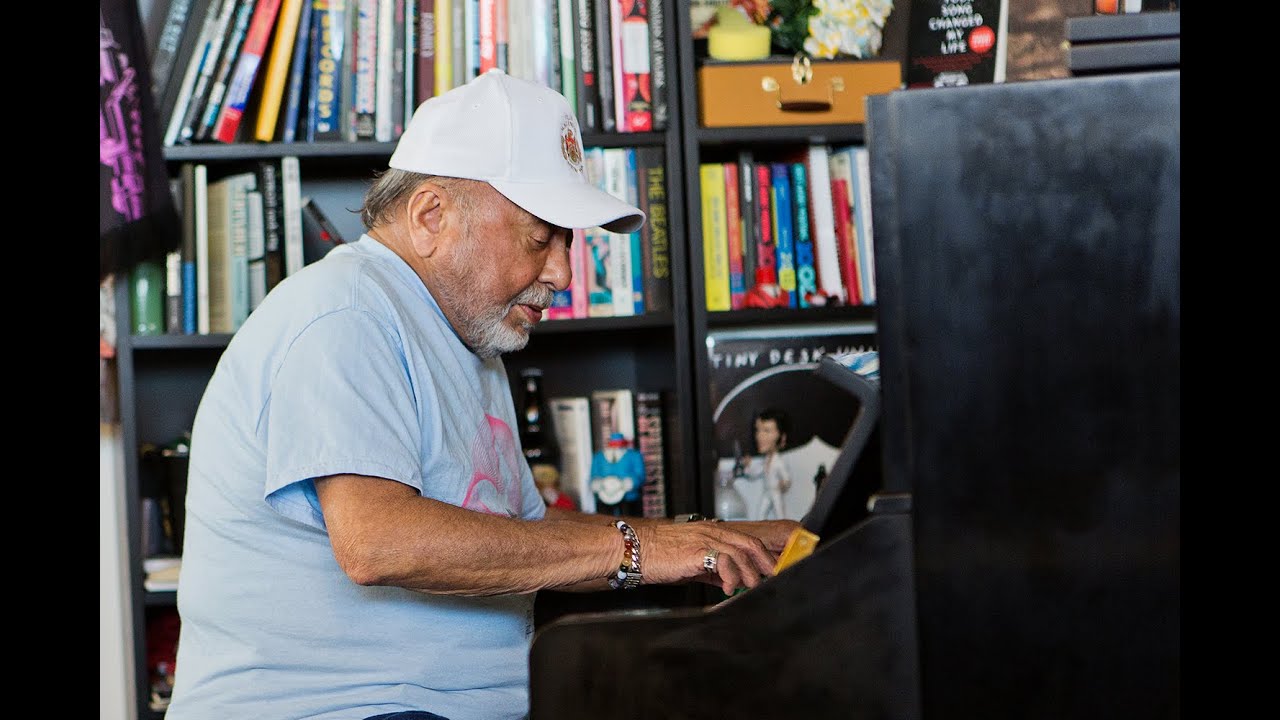
Eddie Palmieri: NPR Music Tiny Desk Concert
Born Eduardo Palmieri in New York City to Puerto Rican parents, Eddie Palmieri began performing in talent shows at age eight alongside his older brother, pianist Charlie Palmieri. He had performed at Carnegie Hall by eleven. Deeply influenced by Thelonious Monk and McCoy Tyner, he founded the groundbreaking ensemble Conjunto La Perfecta in 1961, replacing the traditional charanga violin section with trombones to create a sound that reshaped the future of salsa and Latin jazz. Over a career spanning nearly forty albums, Palmieri won ten Grammy Awards and was named an NEA Jazz Master in 2013, before his death on August 6, 2025, at age 88.
41. Chucho Valdés (born 1941)
Cuban pianist Jesús "Chucho" Valdés co-founded the influential ensemble Irakere in the 1970s, fusing Afro-Cuban rhythm with jazz harmony and classical influences into a sound that became foundational to modern Latin jazz. He remains one of the most celebrated living figures in the genre, continuing to record and tour internationally, and was honored as an NEA Jazz Master in 2026.
42. Michel Camilo (born 1954)
Dominican-born Michel Camilo brought a virtuosic, deeply rhythmic style rooted in his Caribbean upbringing to Latin jazz piano, building an international career as both a bandleader and a film composer. His playing blends dazzling technical facility with an unmistakable Latin rhythmic sensibility, and he has performed and recorded extensively with major orchestras and jazz ensembles worldwide.
43. Gonzalo Rubalcaba (born 1963)
Emerging from Cuba's rich piano tradition, Gonzalo Rubalcaba developed a technically formidable, harmonically adventurous style that quickly earned him international recognition after Dizzy Gillespie championed his talent in the late 1980s. He has since built one of the most respected contemporary careers in Latin jazz, moving comfortably between acoustic trio settings and more exploratory, genre-blending projects.
Modern And Contemporary Pianists
The tradition these pianists inherited has not stood still. Today's leading jazz pianists continue expanding the instrument's vocabulary in directions the earlier generations could not have anticipated.
44. Brad Mehldau (born 1970)
From Jacksonville, Florida, Brad Mehldau draws on influences ranging from Bill Evans's lyricism to rock, folk, and classical music, distilling them into a style built around dense harmonic reharmonization and long-form improvisation. His long-running piano trio has continually pushed at collective improvisation, and he is widely regarded as one of the defining jazz pianists of the past three decades.
45. Vijay Iyer (born 1971)
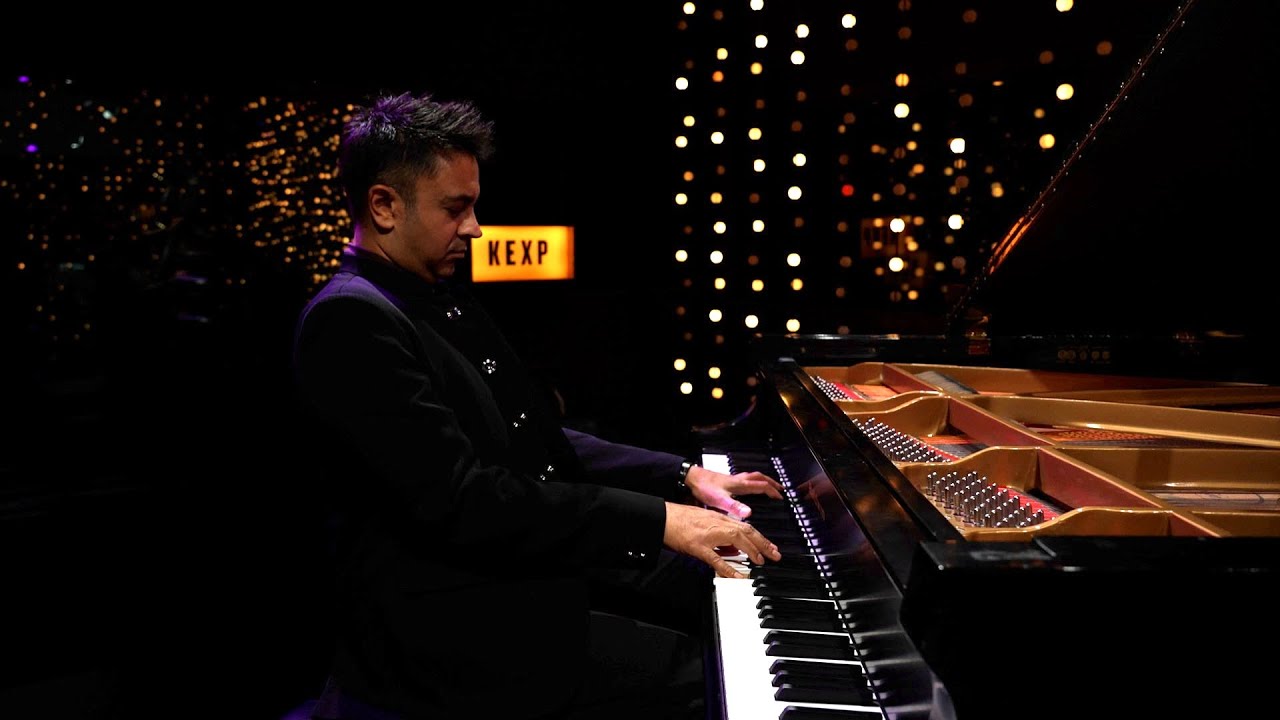
Vijay Iyer Trio - Full Performance (Live on KEXP)
American pianist and composer Vijay Iyer blends jazz with elements of Indian classical rhythm and contemporary composition, developing a rigorously intellectual yet deeply grooving style. He has become one of the most academically recognized figures in contemporary jazz, holding a professorship at Harvard University alongside an active international performing and recording career.
46. Robert Glasper (born 1978)
Houston-born Robert Glasper has built his career bridging jazz, hip-hop, and R&B, most prominently through his Grammy-winning "Black Radio" project, which brought jazz piano to a younger, genre-crossing audience. His work moves fluidly between straight-ahead acoustic jazz settings and heavily produced, groove-based collaborations with R&B and hip-hop artists.
47. Jason Moran (born 1975)
Jason Moran has built a reputation for genuinely adventurous, historically literate playing that draws directly on stride and early jazz piano traditions while pushing into thoroughly contemporary territory. Beyond his own recordings, he has served as the artistic director for jazz at the John F. Kennedy Center for the Performing Arts, a significant institutional role within American jazz.
48. Kenny Barron (born 1943)
A Philadelphia-born pianist who has been recording since the late 1960s, Kenny Barron began his career with sideman stints alongside Dizzy Gillespie and Stan Getz before establishing himself as a bandleader in his own right. A nine-time Grammy nominee fluent in both bebop and post-bop styles, he has also taught extensively, shaping younger pianists who have gone on to significant careers themselves.
49. Hiromi Uehara (born 1979)
Japanese pianist Hiromi Uehara brings a technically explosive, genre-blurring style that draws as much from progressive rock as from jazz tradition, making her one of the most visible and distinctive contemporary jazz pianists on the international stage. Her recordings, often featuring rapid, virtuosic runs alongside intricate compositional structures, have earned her a devoted international following.
50. Fred Hersch (born 1955)
Fred Hersch is known for an introspective, harmonically rich style across both solo and trio settings, drawing on a deep well of classical and jazz influences alike. A significant and influential presence in contemporary jazz piano for decades, he has continued to record and perform prolifically, remaining an important voice connecting the post-bop tradition to the present day.
You Might Like: Famous French Pianists
Insider Tip: How To Actively Listen To Jazz Piano
Listening to instrumental music can be intimidating if you do not know what to pay attention to. Training your ears to isolate different parts of the performance makes the experience vastly more enjoyable.
When I advise new students, I always tell them to separate their ears. Spend the first minute of a song entirely focused on the left hand. Listen to how it interacts with the drummer and provides rhythmic jabs, a concept known as comping. Then, shift your focus to the right hand and try to follow the melody as if a vocalist were singing it.
Once you learn to hear the conversation between the two hands, the music stops sounding like random notes and starts sounding like a very deliberate, exciting language.
Top Essential Albums To Start Your Jazz Piano Journey
Building a record collection can feel daunting. Here are five universally acclaimed albums that provide the perfect foundation for new listeners.
- Night Train by Oscar Peterson: A masterclass in heavy swinging blues and accessible melodies.
- Waltz for Debby by Bill Evans: The definitive live recording of the most interactive acoustic trio in history.
- Maiden Voyage by Herbie Hancock: A brilliant introduction to the open atmospheric sound of the 1960s.
- The Köln Concert by Keith Jarrett: A fully improvised solo piano performance that remains a landmark of spontaneous composition.
- Black Radio by Robert Glasper: The perfect entry point for modern listeners looking for the bridge between jazz and hip hop.
Absorbing these five records will give you a solid ear for the different styles of the genre.
Frequently Asked Questions
Who Are The Big Three Of Jazz
There is no single, universally agreed "big three." The phrase gets used differently depending on the source, sometimes referring to specific bebop pioneers, sometimes to a broader trio of jazz innovators across instruments entirely, so it is worth checking what a given source means by it rather than assuming one fixed answer exists.
Who Is Considered The First Great Jazz Pianist
Jelly Roll Morton is often cited for this title, given his role bridging ragtime and early jazz, though the claim is genuinely debated among historians since jazz piano emerged gradually across several overlapping figures rather than from one clear starting point.
Who Is The Youngest Pianist Typically Included On A List Like This
Among widely recognized names, pianists born in the 1970s and later, including Vijay Iyer, Jason Moran, Robert Glasper, and Hiromi Uehara, represent the youngest generation commonly included in serious jazz piano coverage today.
What Is A Good First Jazz Piano Recording To Study As A Beginner
Bill Evans's "Sunday at the Village Vanguard" and Bud Powell's early Blue Note recordings are both frequently recommended starting points, since they clearly illustrate two foundational, genuinely distinct approaches to the instrument.
Is Jazz Piano Still Evolving As A Style Today?
Yes. Contemporary pianists continue pulling in influences from hip-hop, Indian classical music, and progressive rock, among others, which is exactly the kind of genre-crossing experimentation that has defined jazz piano's history all the way back to ragtime.
Conclusion
The piano has always been the harmonic engine room of jazz. From the jumping rhythms of 1920s Harlem to the electronic experiments of modern innovators, these fifty musicians shaped the very foundation of American music.
They took an instrument built for European classical music and forced it to swing, bend, and speak a totally new language. Your next step is to take the track recommendations listed above and start building your own dedicated listening playlist.
Pick one era that sounds interesting to you, put on a good pair of headphones, and pay attention to how the player interacts with their rhythm section. The beauty of this music is that it reveals something new every time you press play. Keep your ears open and let these legendary artists change the way you hear the world.