45 Famous French Pianists | Classical Masters To Jazz Icons
Learn about 45 famous French pianists, from classical legends to modern masters, and see how they shaped French and global music.
Feb 08, 20264.8K Shares84.2K Views
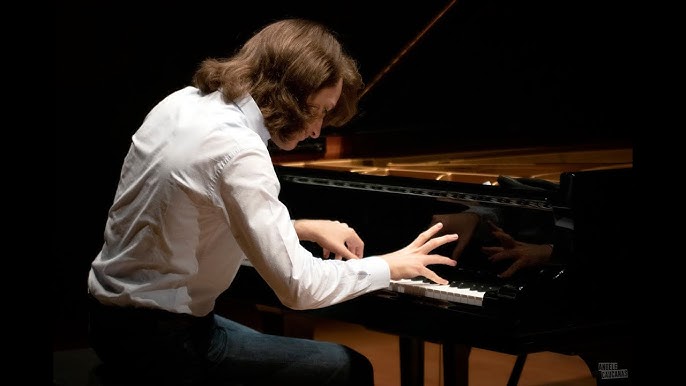
Famous French Pianists Who Defined A Tradition
France has produced some of the world’s most influential piano virtuosos. From the refined discipline of the French school of pianism to bold modern and jazz interpretations, French pianistshave shaped how the piano is played, taught, and understood worldwide.
The French tradition values clarity, balance, and control of tone and color, setting it apart from other national styles. Let us take a look at 45famous French pianistswho were born in France or built their careers there, each selected for a lasting impact on piano performance and musical thought.
1. Camille Saint-Saëns (1835-1921)
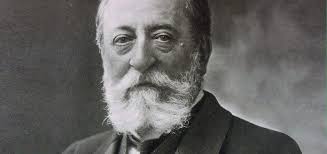
Saint-Saëns was a child prodigy who made his concert debut at age ten. As both composer and pianist, he demonstrated remarkable versatility across multiple musical styles. His Piano Concerto No. 2 and Piano Concerto No. 5 remain cornerstone works in the repertoire. Saint-Saëns brought theatrical flair to his performances while maintaining the sophisticated balance characteristic of French musicians.
His technical command was legendary, and he championed modern music by composers like Schumann, Liszt, and Wagner. Despite his forward-thinking approach as a young man, he later defended classical structures against impressionism.
2. Claude Debussy (1862-1918)
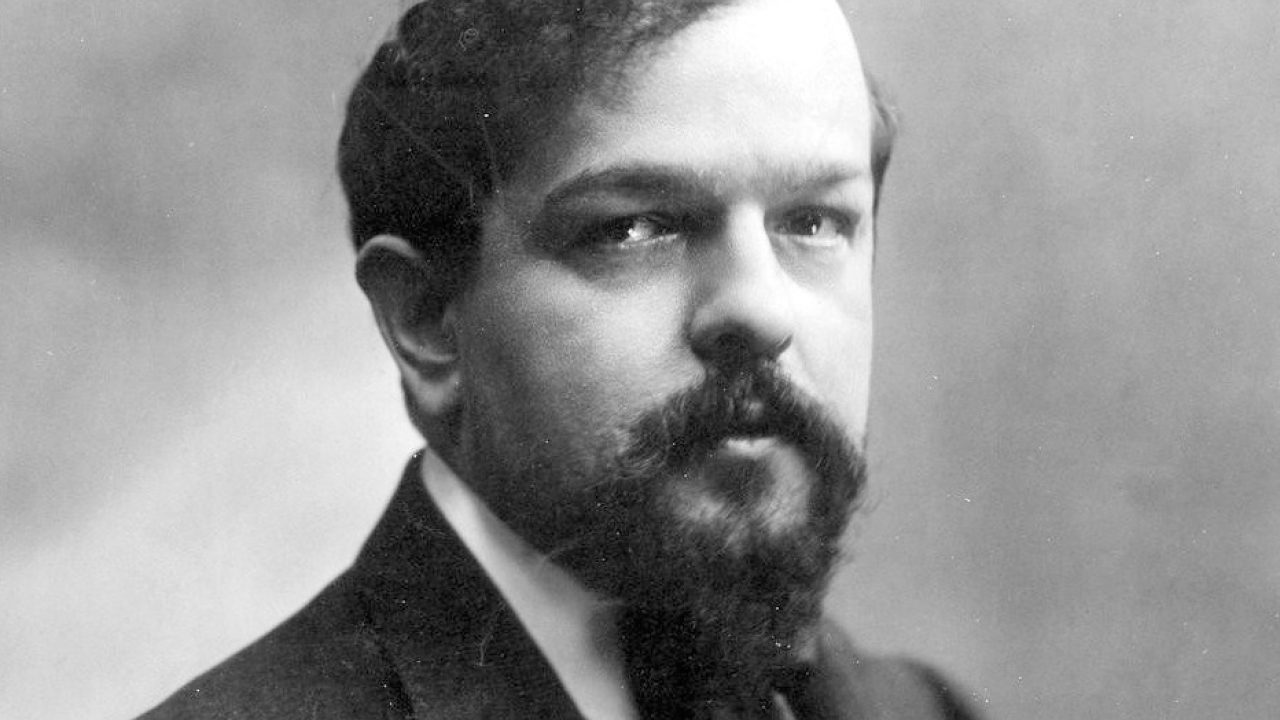
Debussy revolutionized piano composition and performance by pioneering impressionism in music. Born in Saint-Germain-en-Laye, he studied at the Paris Conservatoire and developed a completely new harmonic language. His piano works like "Clair de Lune," "Suite Bergamasque," and the "Préludes" showcase an extraordinary ability to evoke atmosphere and imagery.
Although primarily recognized as a composer, Debussy was a skilled pianist whose playing emphasized delicate textures and unconventional tonalities. His music rejected rigid traditional structures, favoring fluidity and emotional evocation. The impact of his piano compositions resonates throughout 20th-century music.
3. Maurice Ravel (1875-1937)
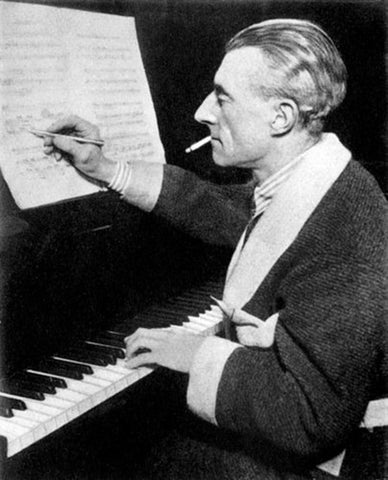
Ravel combined precision with poetry in both his compositions and performances. Born in Ciboure, he studied at the Paris Conservatoire and became one of the 20th century's most important composers. His piano works demand exceptional technical skill and interpretative depth.
"Gaspard de la nuit" stands as one of the most difficult piano pieces ever written, particularly the movement "Scarbo." Ravel drew inspiration from diverse sources, including jazz and Spanish folk music. His work displays remarkable clarity, elegance, and sophisticated harmonic structures. Beyond solo piano, he created masterpieces like "Boléro" and "Daphnis et Chloé."
4. Gabriel Fauré (1845-1924)
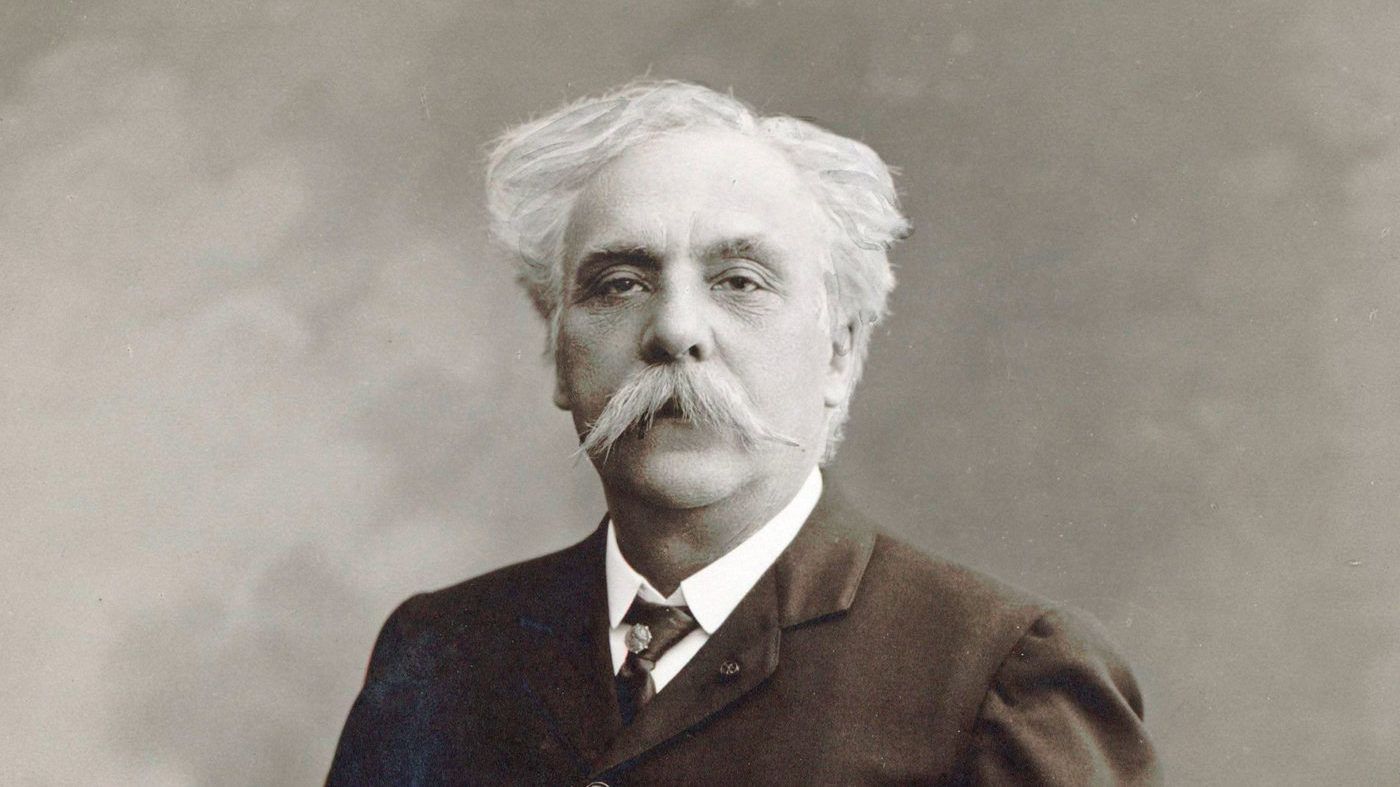
Fauré bridged the gap between Romanticism and modernism in French music. Born in Pamiers, he studied under Camille Saint-Saënsand eventually directed the Paris Conservatoire. His compositions are celebrated for lyrical beauty, harmonic innovation, and emotional depth.
As a pianist, Fauré brought sensitivity and refinement to his performances. His piano works include nocturnes, barcarolles, and impromptus that showcase his gift for melody. Fauré's musical style influenced countless 20th-century composers, and works like the "Requiem" and "Pavane" achieved widespread acclaim.
5. Erik Satie (1866-1925)
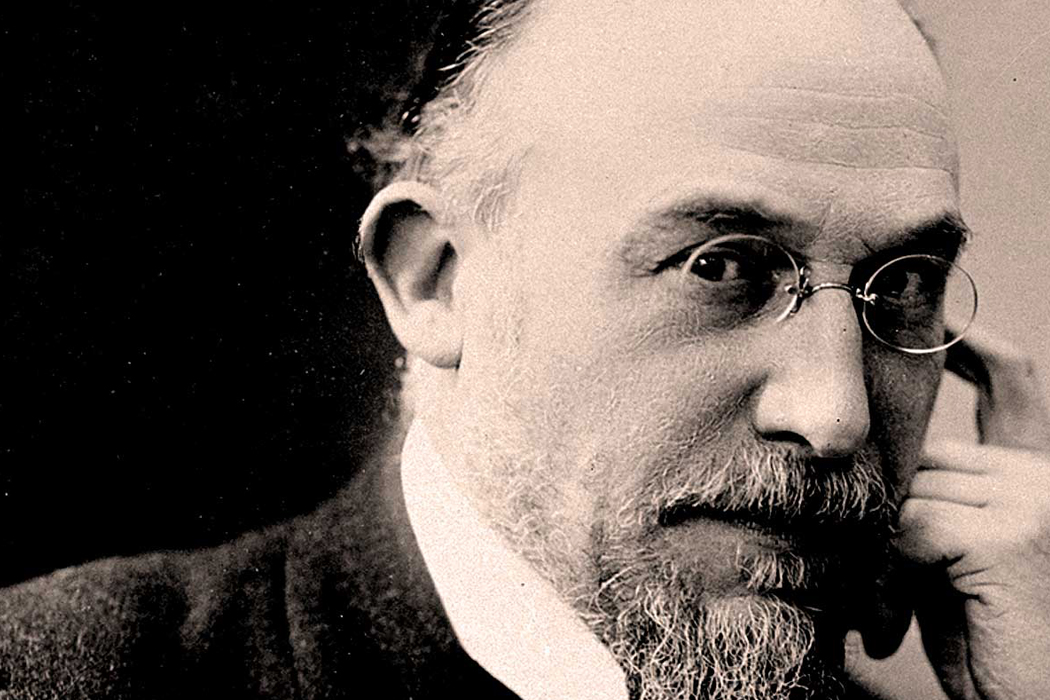
Satie defied conventions throughout his career. After being expelled from the Paris Conservatoire, he worked as a café pianist in Montmartre. His three "Gymnopédies" for solo piano feature timeless melodies with minimal accompaniment a stark contrast to late-Romantic complexity.
Satie became friends with Debussy and influenced the composers known as Les Six. His unconventional approach and spiritual godfather role in French modernism left a lasting legacy. Though his life was relatively short, his unique musical voice continues to influence composers and performers.
6. Alfred Cortot (1877-1962)
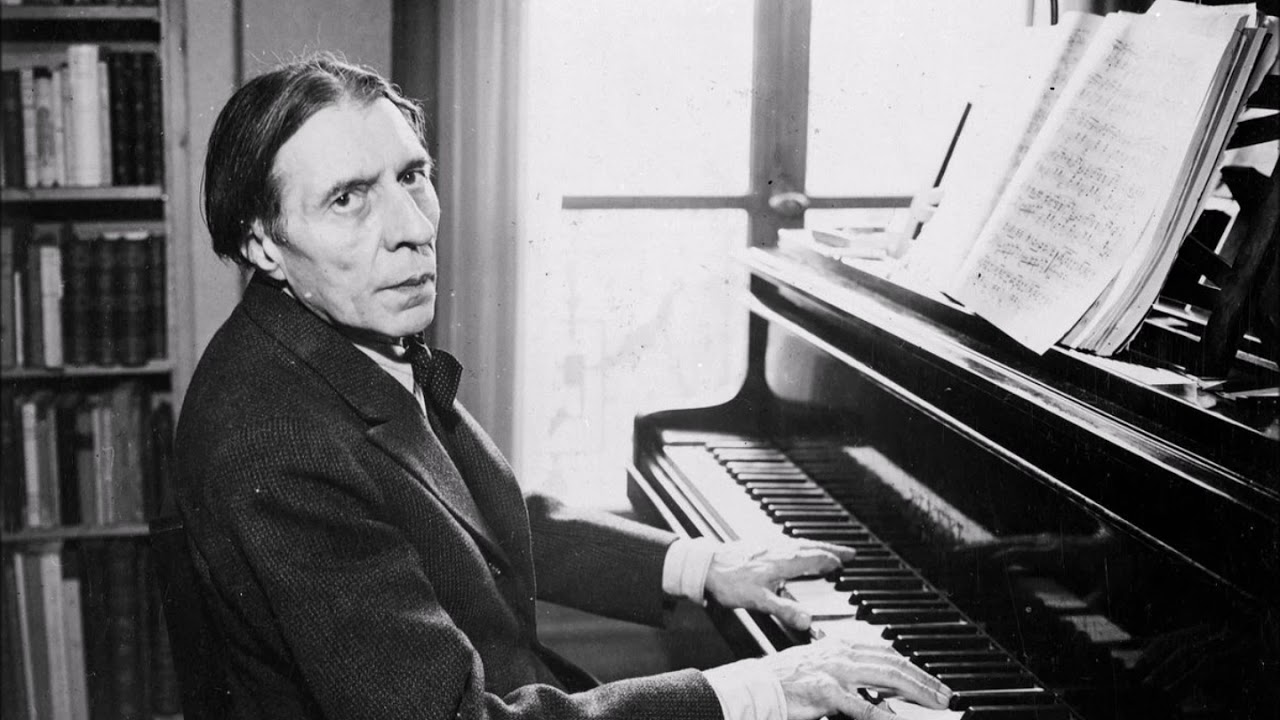
Cortot stands as one of the most renowned classical musicians of the 20th century. This Franco-Swiss pianist, conductor, and teacher was valued for profound interpretations of Romantic piano works, particularly Chopin, Saint-Saëns, Franck, and Schumann.
He created the first electrical recording of classical music in 1925 and co-founded a famous trio with violinist Jacques Thibaud and cellist Pablo Casals. Cortot founded the École Normale de Musique in Paris, where he mentored many future great pianists. His recordings remain benchmarks for Romantic piano music, though his career is complicated by his activities during World War II.
7. Robert Casadesus (1899-1972)
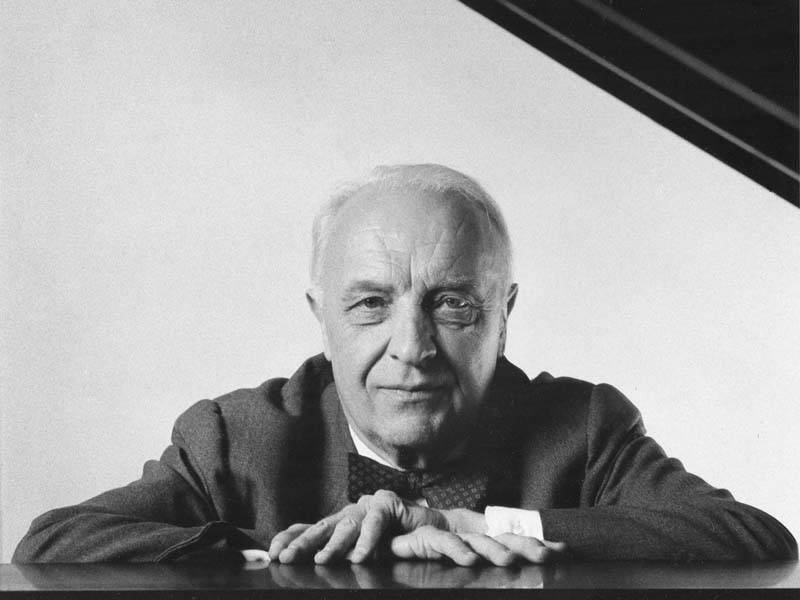
Casadesus embodied the French school of pianism. His playing featured crisp, dry, sparkling sound often compared to vintage champagne. He became France's finest pianist, displaying Gallic balance, unforced sound, style, and precision.
He recorded the complete piano music of Ravel and became especially noted as a Mozart interpreter. Casadesus toured extensively with his wife, Gaby, also a pianist, and taught at the American Conservatory at Fontainebleau. His recordings with George Szell and the Cleveland Orchestra of Mozart's piano concertos remain definitive.
8. Samson François (1924-1970)
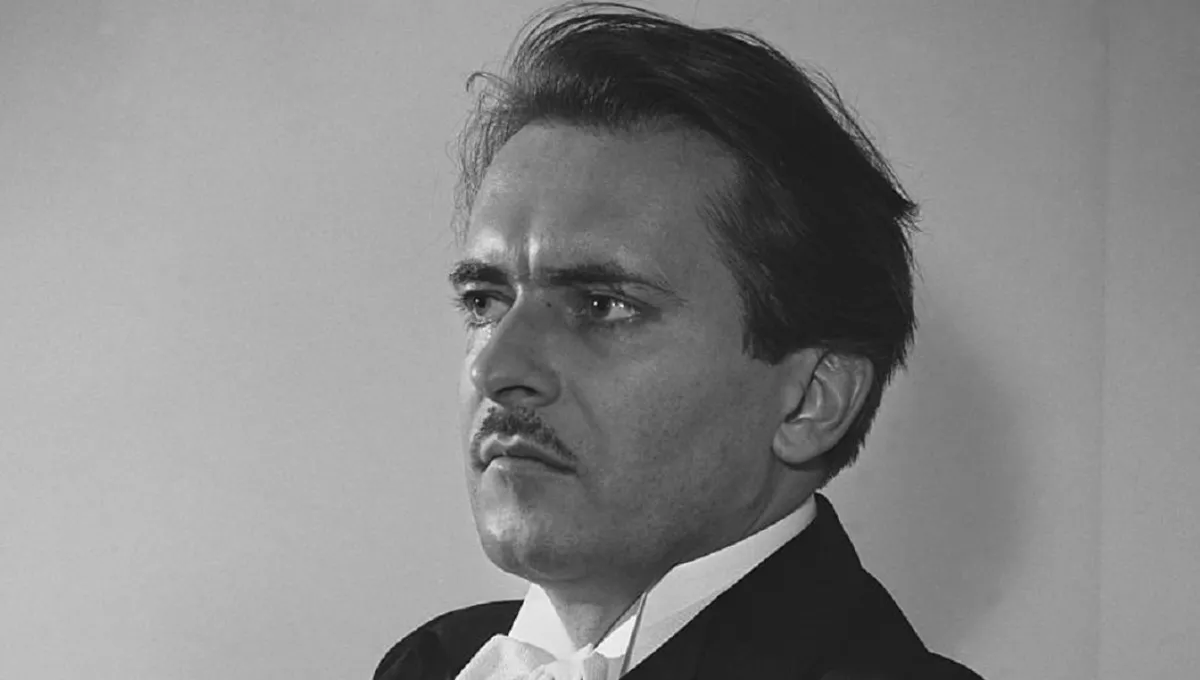
François discovered the piano at age two and gave his first concert at six. He studied in Italy and at conservatories in Nice and Paris, catching Alfred Cortot's attention. François became particularly celebrated for his Chopin, Debussy, and Ravel interpretations. His playing combined spontaneity with deep musical understanding.
François recorded extensively and brought distinctive personality to everything he performed. His recordings of Ravel concertos with André Cluytens are considered among the finest ever made. Many enthusiasts who enjoy his work also explore other famous piano playersfrom France and around the world to compare styles and interpretations.
9. Marcelle Meyer (1897-1958)
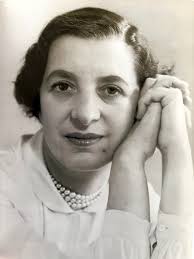
Meyer began learning pianofrom her older sister before entering the Conservatoire de Paris at 14. She studied alongside Alfred Cortot and Marguerite Long, receiving numerous awards. Meyer became Erik Satie's favorite pianist and performed extensively throughout Europe. She championed contemporary French music and was known for her performances in England, Germany, and the Netherlands.
Meyer's contribution to French piano tradition includes her advocacy for new compositions and her distinctive interpretative style. Her career serves as an inspiring example for anyone mastering the piano, demonstrating the dedication and artistry required to reach the highest levels.
10. Francis Poulenc (1899-1963)
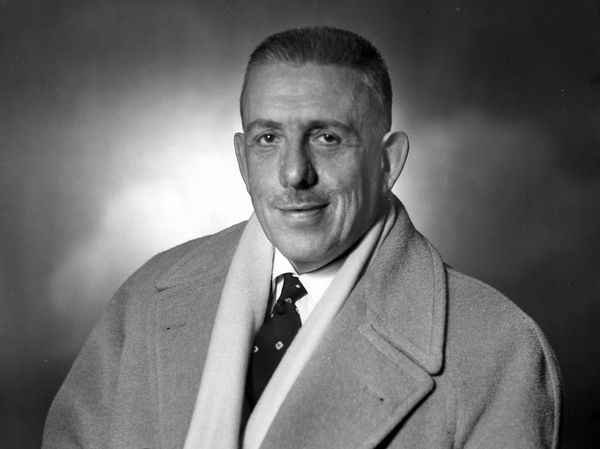
Poulenc was a member of Les Six who combined elegance, humor, and emotional depth in his compositions. Born into an industrial family in Paris, he started piano lessons young, practicing Mozart, Schubert, and Chopin. Though largely self-taught as a composer, he gained quick recognition.
As a pianist, Poulenc brought expressive touch and character to his performances. His piano works like "Trois Mouvements Perpétuels" and "Nocturnes" feature charm, lyricism, and innovative harmony. His repertoire spanned songs, chamber music, ballets, operas, and orchestral works.
11. Hélène Grimaud (Born 1969)
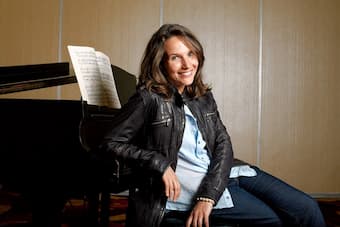
Grimaud has established herself as one of today's most compelling pianists. Born in Aix-en-Provence, she entered the Paris Conservatoire at 13 and won first prize three years later. She studied with György Sándor and Leon Fleisher before her 1987 Tokyo debut.
Known for intense musicality and willingness to reinterpret works daringly, she's been compared to Glenn Gould. Grimaud is also a committed wildlife conservationist, founding the Wolf Conservation Center in New York. She experiences synesthesia, seeing music as color. Her recordings span Beethoven, Brahms, Rachmaninov, and contemporary composers like Valentin Silvestrov.
12. Jean-Yves Thibaudet (Born 1961)
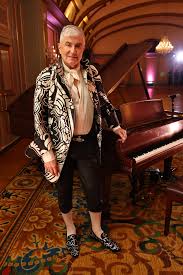
Thibaudet has earned recognition as one of the world's finest pianists through elegant musicality and insightful interpretations. Born in Lyon, he entered the Conservatoire de Lyon at five and made his public debut at seven. He studied with Aldo Ciccolini at the Paris Conservatory.
His interests extend beyond classical repertoire to jazz, opera, film, fashion, and visual art. Thibaudet has recorded more than 70 albums and appeared on six film scores, including "Pride & Prejudice" and "Atonement." His concert attire was designed by Vivienne Westwood. He serves as Artist-in-Residence at the Colburn School.
13. Philippe Entremont (Born 1934)
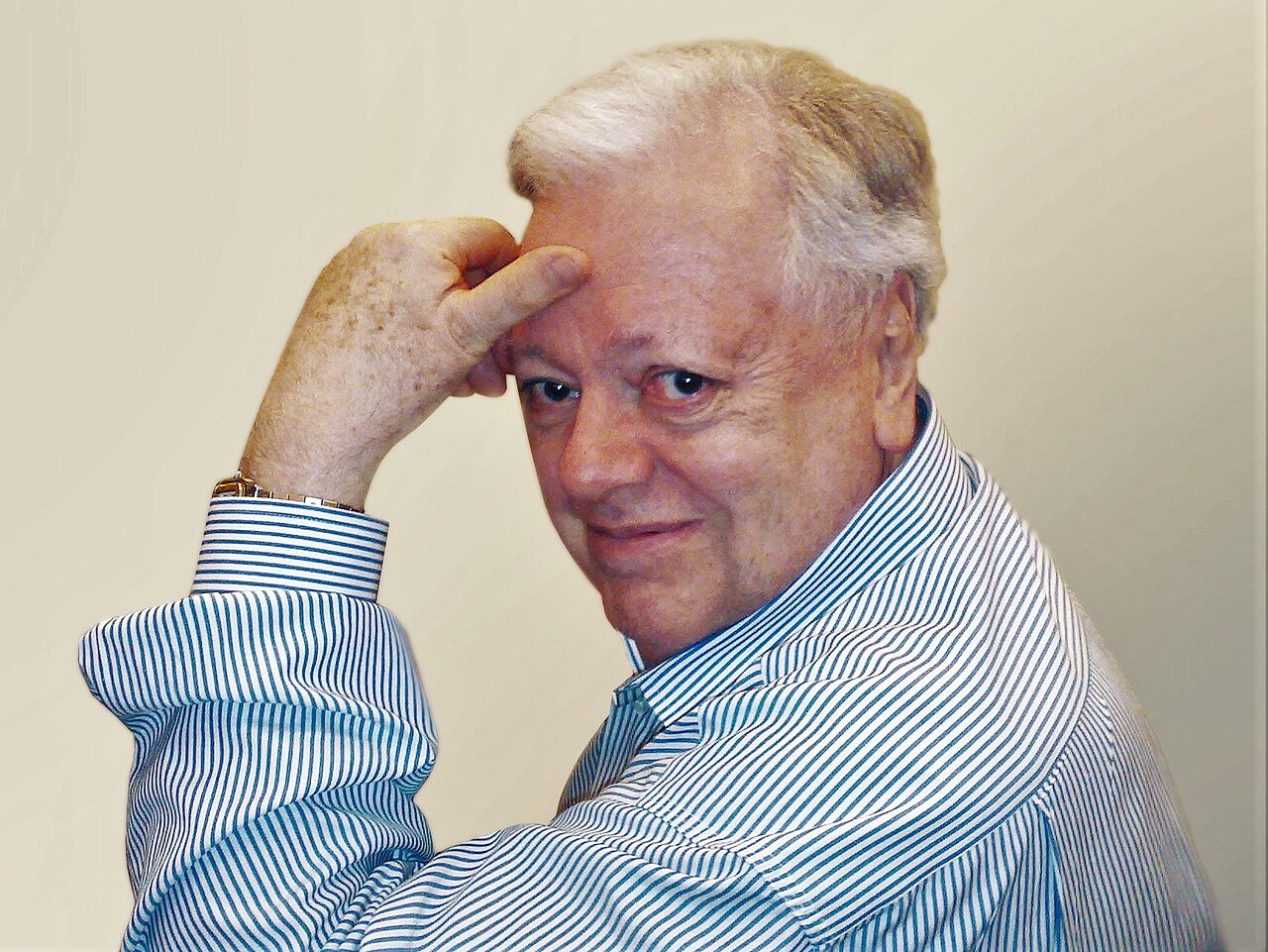
Entremont was born to musical parents his father was an operatic conductor and his mother a Grand Prix pianist. He studied in Paris and won awards for sight-reading at age 12. After winning recognition at the 1952 Queen Elisabeth Music Competition, he became one of Europe's foremost artists.
Entremont has enjoyed a distinguished career as both pianist and conductor. His versatility and musical intelligence have made him a respected figure in classical music for over six decades.
14. Michel Dalberto (Born 1955)
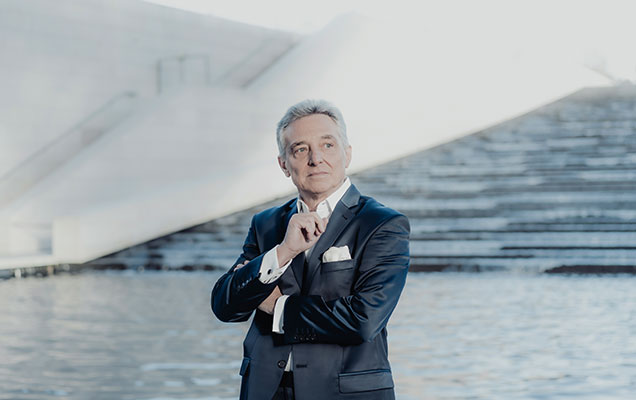
Michel Dalberto is one of France’s most respected classical pianists, known for his refined sound and intellectual depth. He gained international recognition after winning the Clara Haskil Competition, a prize associated with musical sensitivity rather than showmanship. His repertoire focuses strongly on Mozart, Schubert, and Beethoven, where clarity and balance are essential.
Dalberto’s playing reflects the core values of the French piano tradition: control of tone, precision, and thoughtful phrasing. In addition to performing, he has made a significant impact as a teacher, shaping younger generations of pianists through masterclasses and conservatory work.
15. Jean-Philippe Collard (Born 1948)
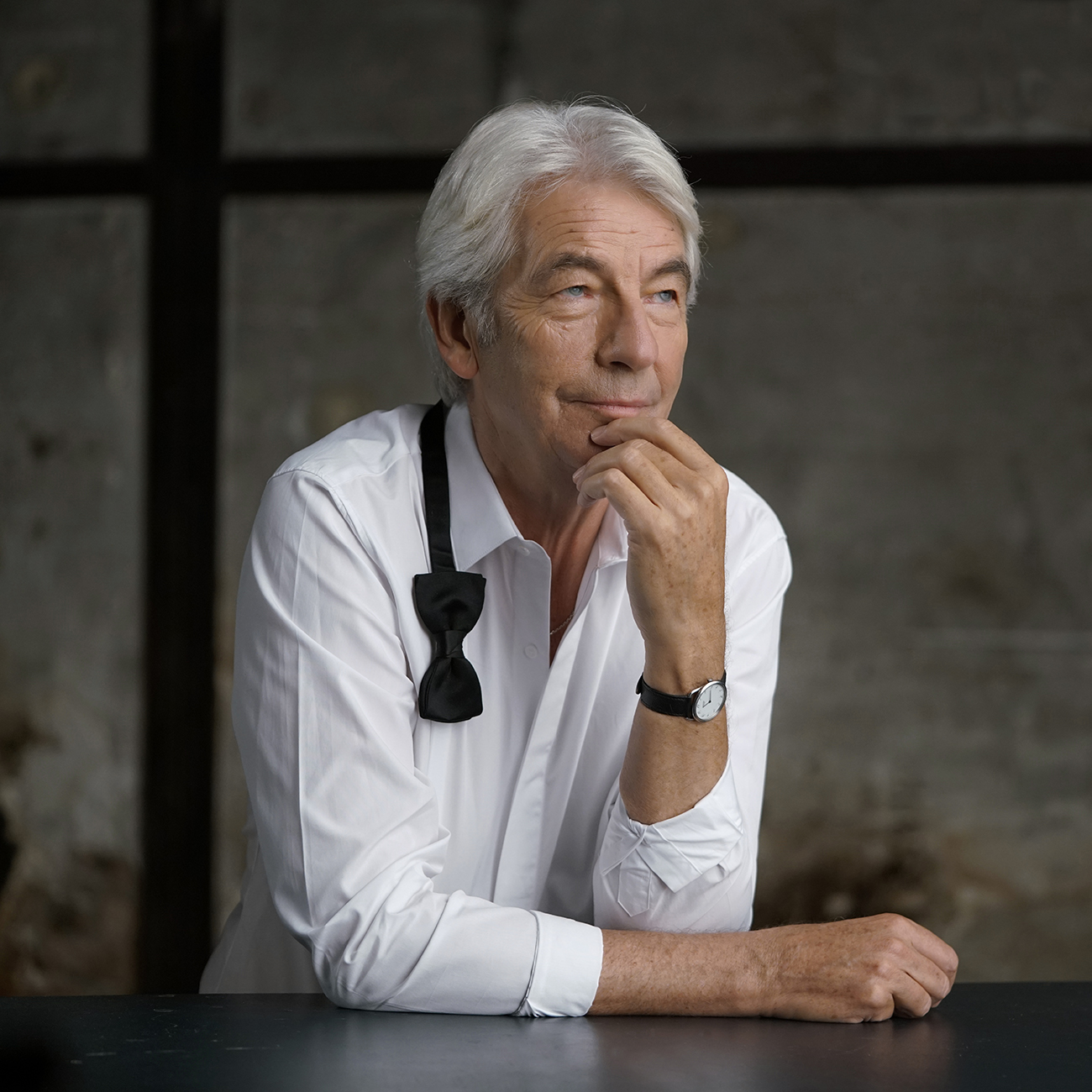
Jean-Philippe Collard is best known for his close connection to French piano music, especially the works of Ravel, Fauré, and Debussy. He built a strong international career through recordings and concerts that emphasized elegance and structural clarity rather than dramatic excess.
Collard has also played an important role as a musical educator and ambassador for French repertoire. His interpretations are valued for their balance, clean articulation, and respect for the composer’s intent, making him a key figure in modern French pianism.
16. Jacques Loussier (1934-2019)
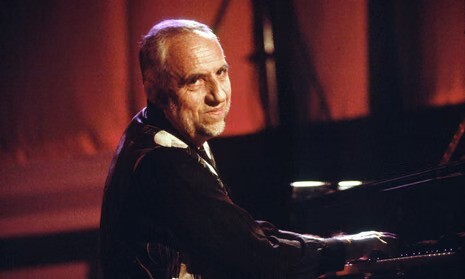
Loussier gained fame for unique jazz interpretations of classical works, especially Bach. His combination of jazz and classical music featured extensive improvisation. The Jacques Loussier Trio played over 3,000 concerts and sold more than seven million recordings.
Loussier's crossover work helped introduce classical music to new audiences. His innovative approach demonstrated that the boundaries between musical genres could be creatively blurred while maintaining respect for the original compositions.
17. Claude Bolling (1930-2020)
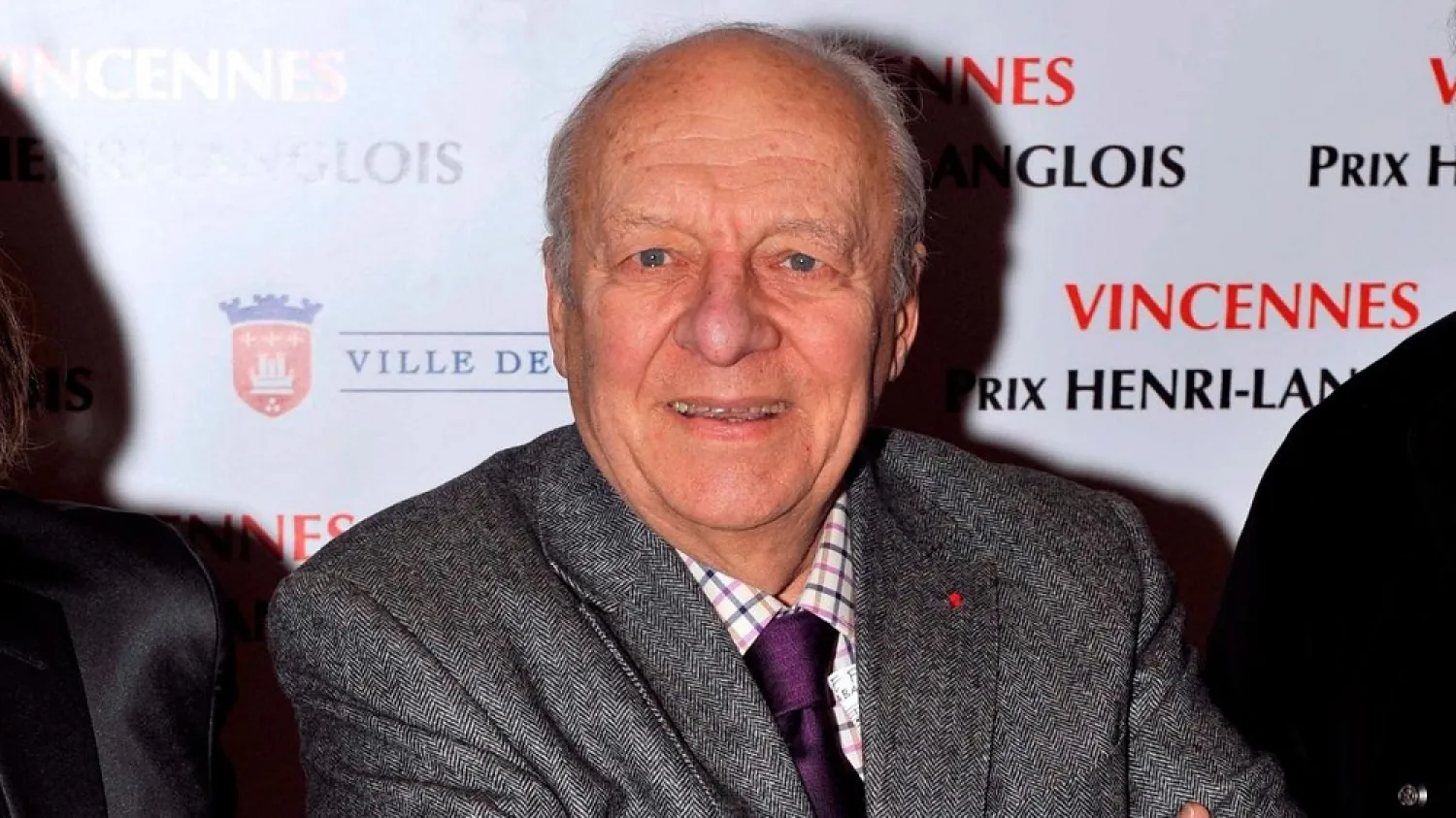
Born in Cannes, Bolling was a jazz pianist, composer, and actor. He studied at the Nice Conservatory and began playing professionally at 14. Bolling's music contributed significantly to the jazz revival of the late 1960s.
His career featured extensive work in the film industry, composing music for over 100 movies. Bolling participated in crossover collaborations with classical musicians, demonstrating his versatility across genres.
18. Michel Legrand (1932-2019)
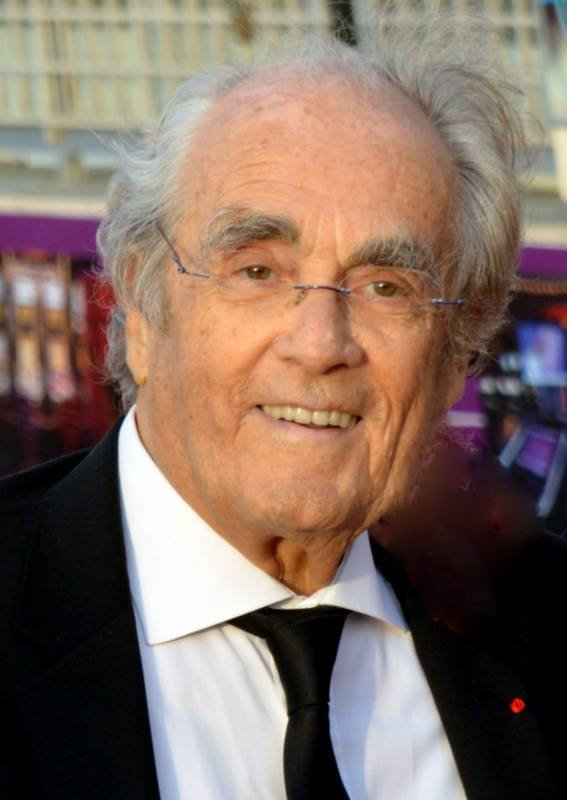
Legrand was a jazz pianist who wrote over 200 film and television scores. He won three Oscars, five Grammys, and an Academy Award. His mother was the sister of conductor Jacques Helian, and Legrand studied piano and music at the Conservatoire de Paris from age 11.
His contributions to film music remain influential, blending jazz sensibility with orchestral sophistication. For aspiring pianists inspired by masters like Legrand, modern technology offers accessible learning tools. Check out the top apps for learning pianothat can help develop foundational skills and technique from anywhere.
19. Michel Petrucciani (1962-1999)
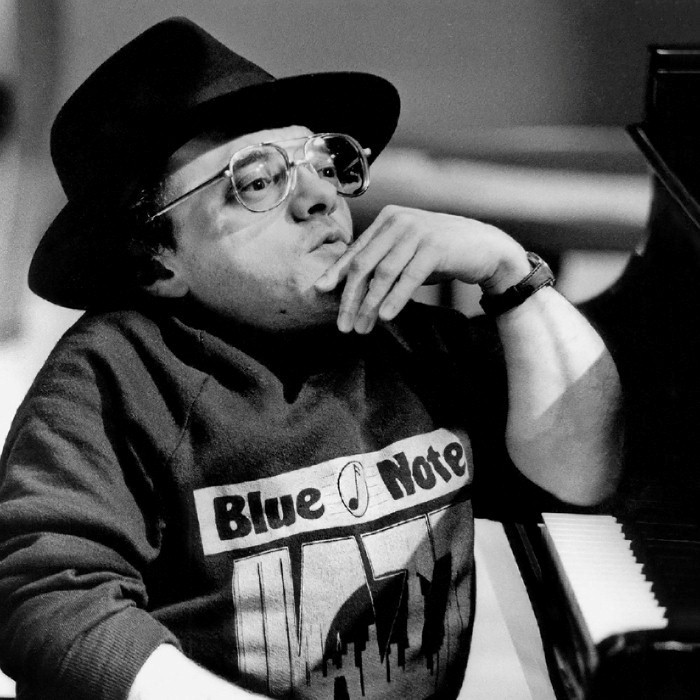
Michel Petrucciani was one of the most influential French jazz pianists of all time. Despite severe physical limitations caused by a rare genetic condition, he developed extraordinary technique, speed, and emotional expression. His performances combined lyrical beauty with powerful rhythmic energy.
Petrucciani’s playing showed deep respect for jazz tradition while maintaining a highly personal voice. He worked with many of the world’s leading jazz musicians and helped place French jazz piano on the global stage through recordings that remain widely admired.
20. Charles-Valentin Alkan (1813-1888)
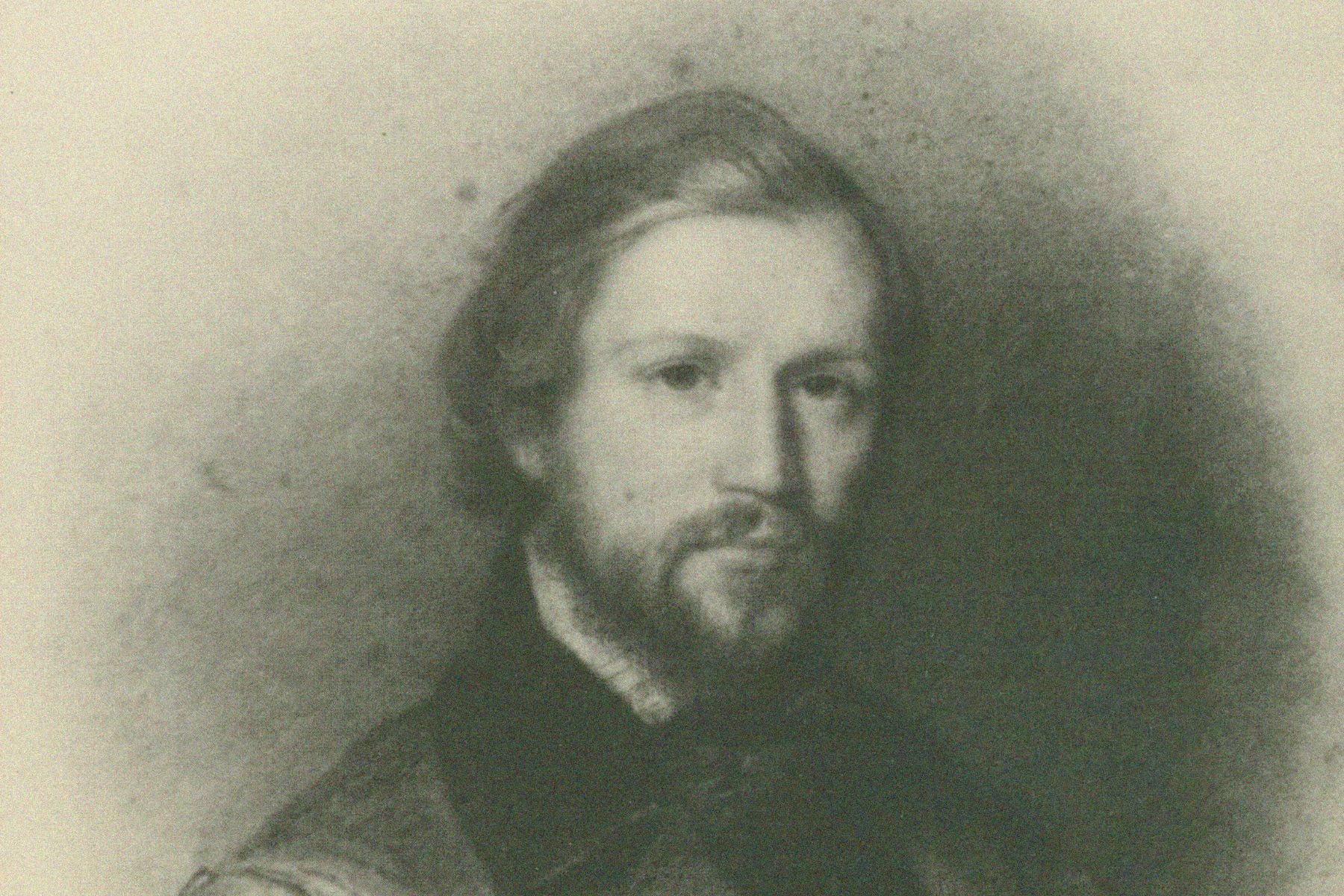
Alkan was a French composer and pianist known for virtuosic piano compositions. He was compared to Berlioz and admired by Liszt. His works showcased extreme technical virtuosity and innovative structures, drawing inspiration from classical masters. Though his music wasn't widely performed during his lifetime, Alkan's compositions experienced a revival in the 20th century.
His demanding pieces remain challenging even for today's virtuosos. For beginners or casual players looking to start with simpler repertoire, collections of easy piano songscan provide a gentle introduction before tackling Alkan’s masterpieces.
21. Louise Farrenc (1804-1875)
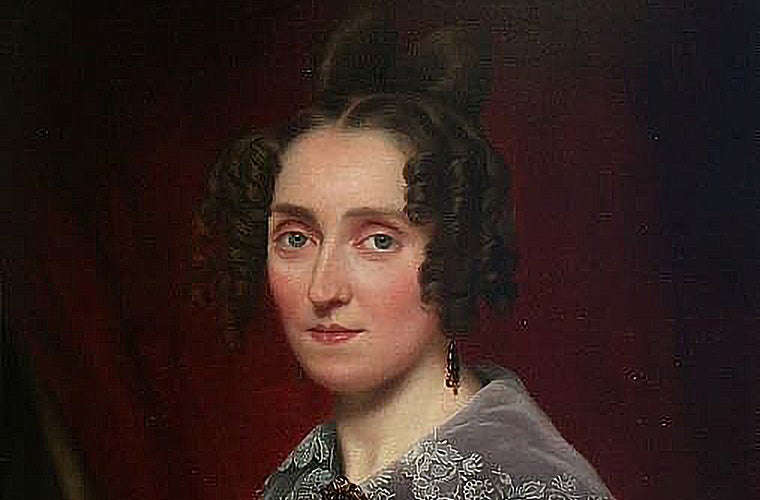
Farrenc was an outstanding pianist and composer. She studied with Anton Reicha, a former pupil of Beethoven. In 1842, she became professor of piano at the Paris Conservatoire the only woman to hold such a position there during the 19th century.
Her music built on Mozart and Beethoven while anticipating Gabriel Fauré's subtlety. Farrenc demonstrated mastery of sonata form in her symphonies and chamber works. Her piano études were incorporated into the Conservatoire curriculum.
22. Cécile Chaminade (1857-1944)
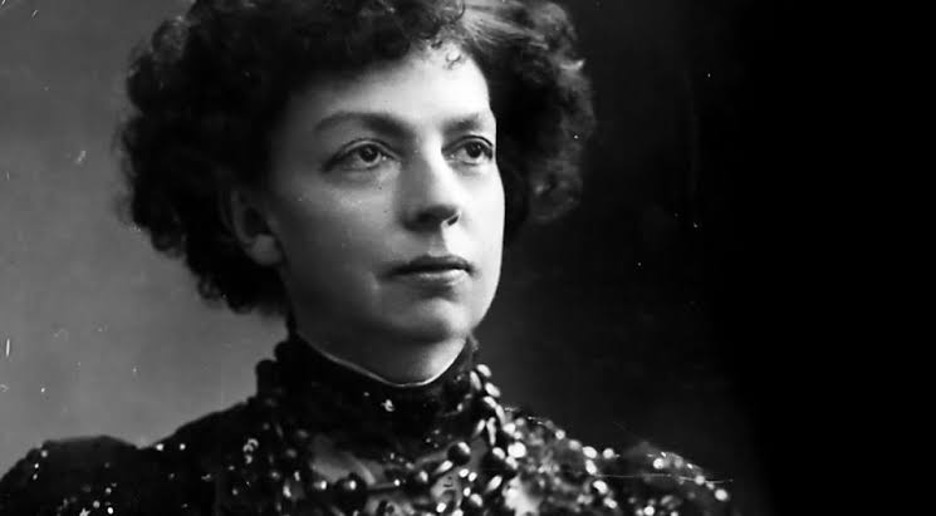
Chaminade was a French composer and pianist who achieved international success. She composed primarily piano pieces and songs that were extremely popular in her time. Her concert career took her throughout Europe and to the United States.
Chaminade faced the challenges women musicians encountered in the 19th century but achieved remarkable success nonetheless.
23. Alexandre Tansman (1897-1986)
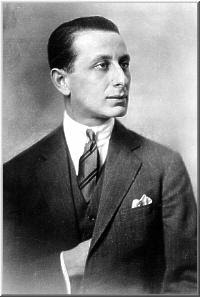
Though born in Poland, Tansman spent most of his life in France and was granted French citizenship in 1938. He was a virtuoso pianist whose music is considered primarily neoclassical, drawing on his Polish Jewish heritage and French musical influences.
Tansman's compositions include orchestral works, chamber music, and guitar pieces. His career demonstrated the international nature of French musical culture.
24. Alexandre Tharaud (Born 1968)
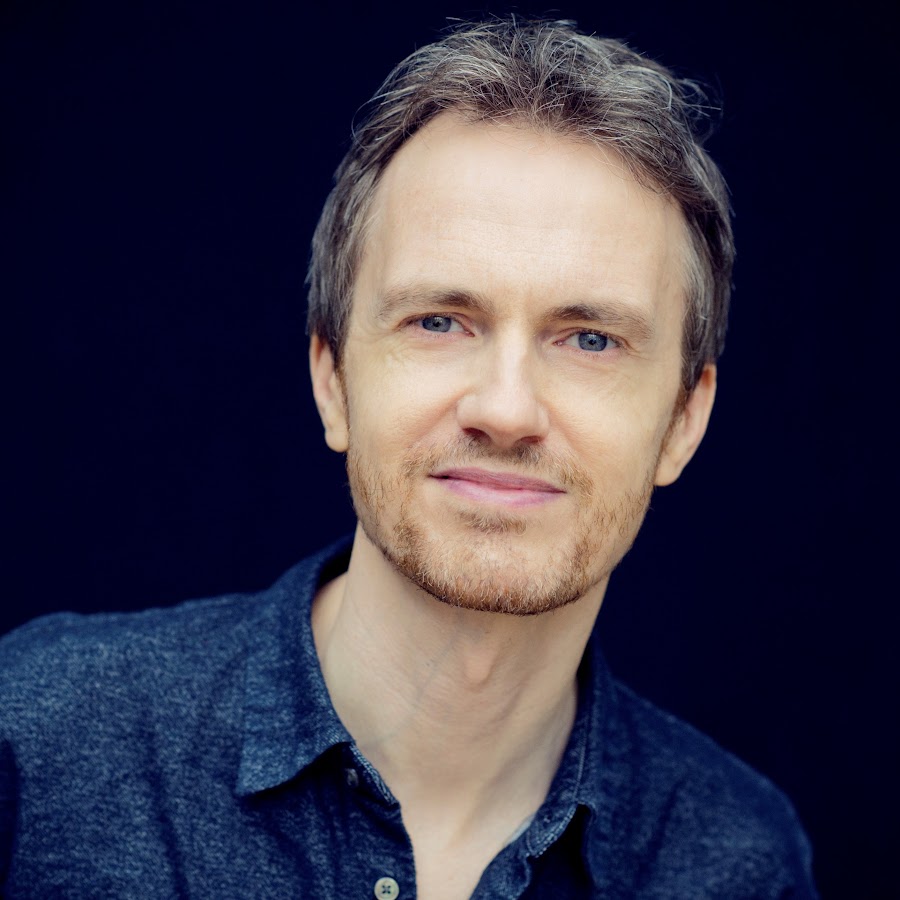
Alexandre Tharaud is known for his clarity, restraint, and deep attention to musical detail. His interpretations avoid excess and focus instead on structure, tone, color, and emotional honesty. He is especially admired for his performances of French composers such as Rameau, Couperin, and Satie.
Tharaud has also expanded the reach of classical piano through film work and contemporary collaborations. His approach reflects a modern continuation of the French tradition, combining historical awareness with a fresh, understated style.
25. Cécile Ousset (Born 1936)
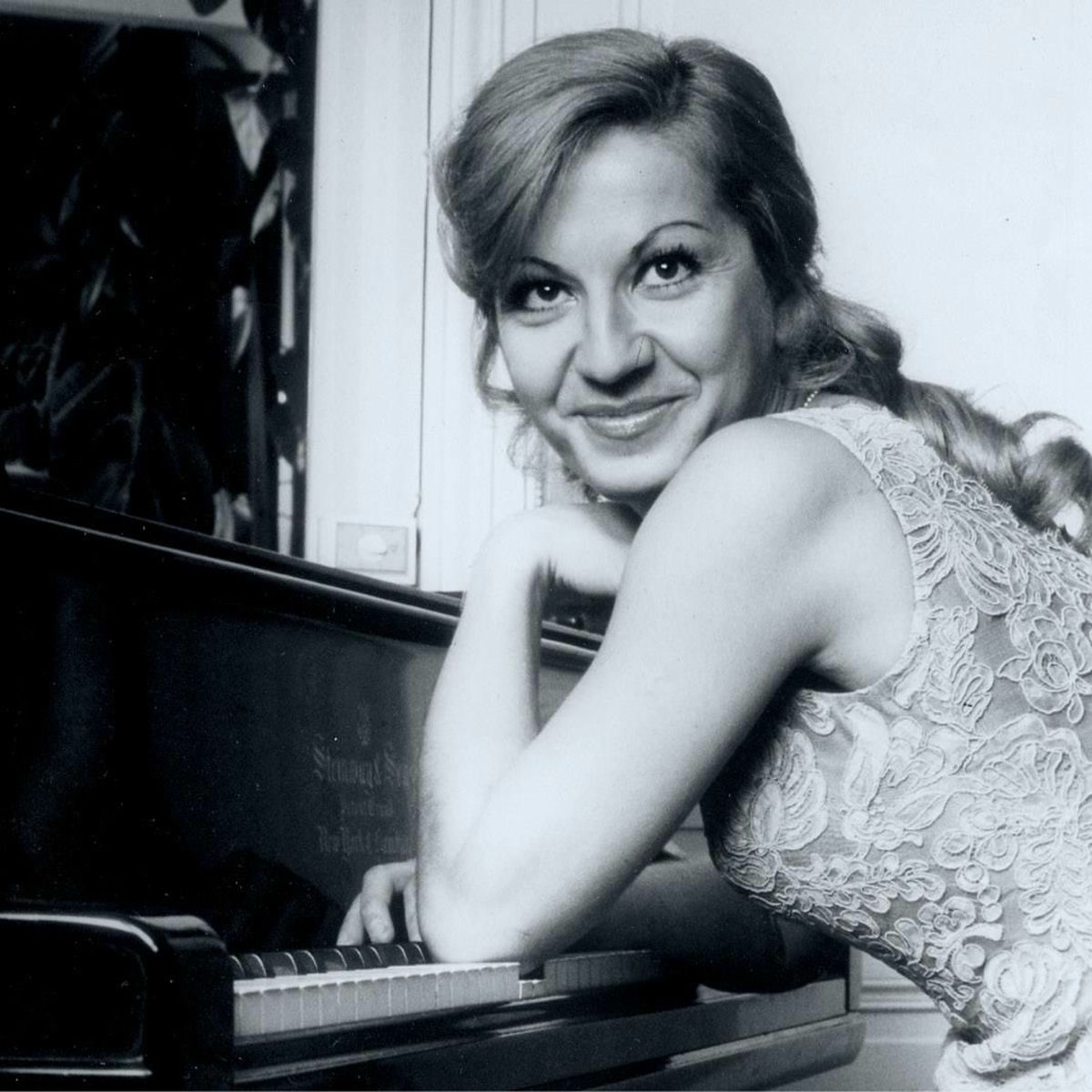
Cécile Ousset is a highly respected French pianist known for her powerful technique and disciplined interpretations. She developed an international career performing major classical repertoire, including works by Beethoven, Brahms, and Rachmaninoff, while maintaining a distinctly French sense of balance and control.
In addition to her performance career, Ousset has had a major influence as a teacher. Her emphasis on precision, structure, and musical responsibility has shaped many successful pianists and reinforced the strength of French piano education.
26. Colette Maze (Born 1914)
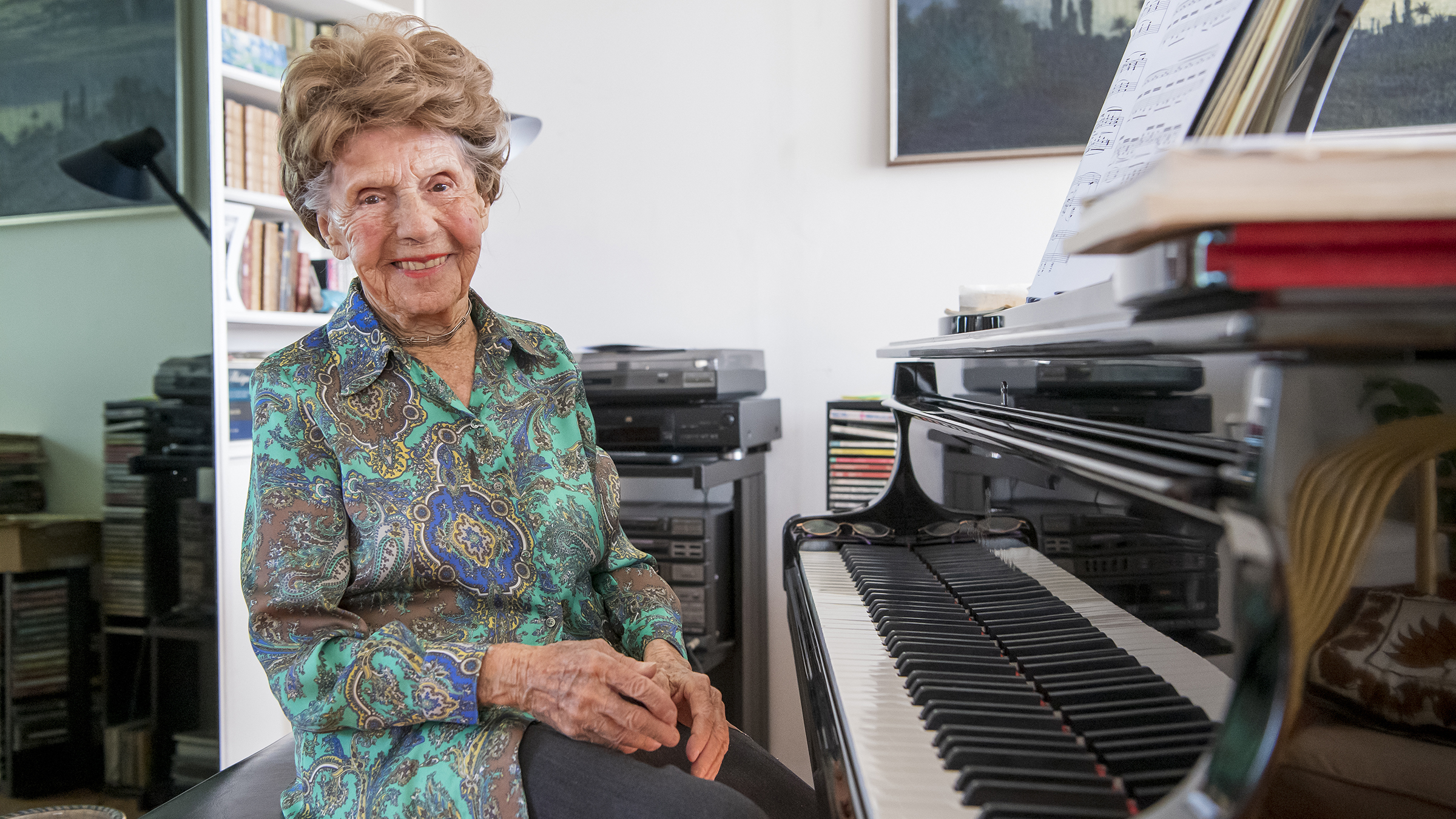
Maze turned 107 in 2021 and released an album of Debussy recordings, making her the oldest recording pianist in the world. Despite being visually impaired since birth, she defied expectations throughout her career. Maze studied at the École Normale de Musique with Alfred Cortot and spent most of her life as a piano teacher.
Her longevity and continued musical activity serve as inspiring testament to dedication to the piano.
27. Richard Clayderman (Born 1953)
Born Philippe Pagès, Clayderman has enjoyed commercial success since the mid-1970s. His albums include renditions of popular music, movie soundtracks, and easy listening arrangements. Clayderman learned piano from his father, an accordion teacher.
While his style differs from classical concert pianists, Clayderman has introduced piano music to millions of listeners worldwide.
28. Gaby Casadesus (1901-1999)
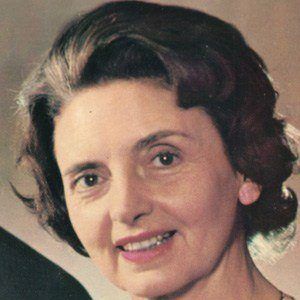
Gaby Casadesus was an accomplished French pianist and an important musical figure in her own right. Alongside her husband, Robert Casadesus, she toured widely and performed as both a soloist and chamber musician while also maintaining a strong family life.
Her greatest impact came through teaching. Casadesus passed on the stylistic traditions of Debussy, Fauré, and Ravel to younger generations, helping preserve the clarity, balance, and refinement that define French piano interpretation.
29. Marguerite Long (1874-1966)
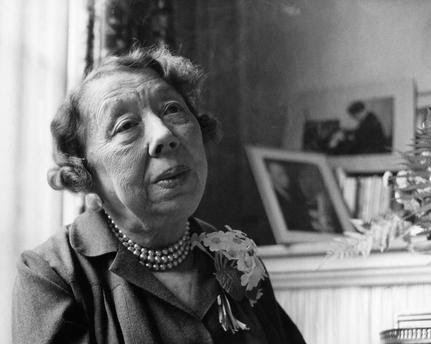
Marguerite Long was one of the most influential French piano teachers of the twentieth century. She worked closely with leading composers of her time and premiered important piano works by Fauré, Debussy, and Ravel.
Her legacy lives on through education and competition. The Marguerite Long–Jacques Thibaud Competition, founded in 1943, remains one of the world’s most respected platforms for discovering young pianists and violinists.
30. Vlado Perlemuter (1904-2002)
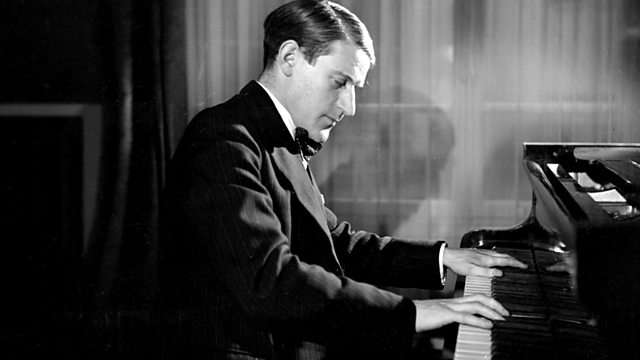
Although born in Lithuania, Vlado Perlemuter spent most of his life in France and became a central figure in French piano culture. He studied directly with Maurice Ravel, gaining rare insight into the composer’s intentions and performance style.
Perlemuter became widely regarded as one of the most authoritative interpreters of Ravel’s piano music. His recordings and teachings helped preserve an authentic French approach to tone, rhythm, and phrasing.
31. Aldo Ciccolini (1925-2015)
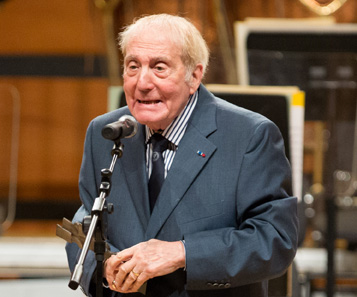
Aldo Ciccolini was born in Italy but later became a French citizen and a major figure in French piano life. He gained recognition for his extensive recordings of French composers, many of which helped revive neglected works.
As a professor at the Paris Conservatory, Ciccolini trained several leading pianists, including Jean-Yves Thibaudet. Despite his Italian origins, his career and influence firmly place him among the most important French pianists of the modern era.
32. Monique De La Bruchollerie (1915-1972)
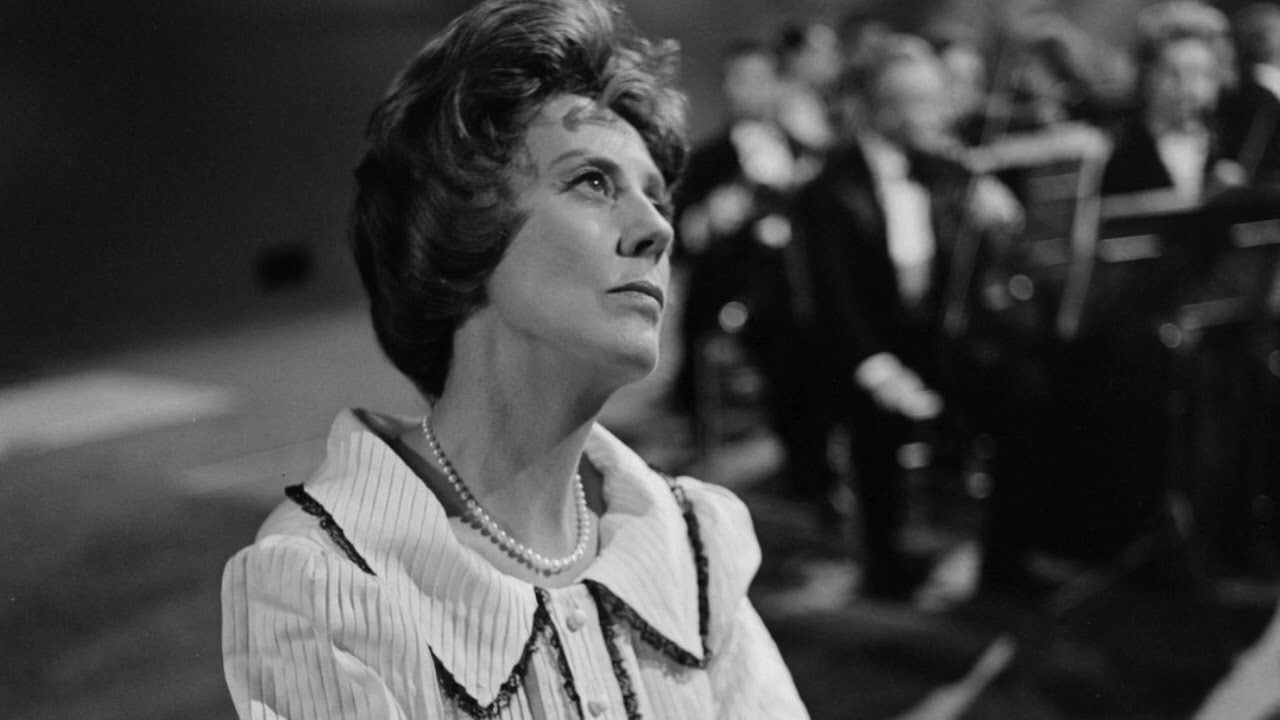
Monique de la Bruchollerie was known for her powerful technique and commanding stage presence. She performed a wide repertoire, ranging from classical works to demanding Romantic and modern compositions.
Her career was cut short by a tragic accident, but her recordings remain valuable documents of mid-twentieth-century French pianism. They reflect strength, clarity, and emotional intensity.
33. Jacques Février (1900-1979)
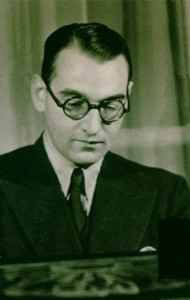
Jacques Février was closely linked to the music of Maurice Ravel and other French composers. He premiered several important works and was respected for his clear, disciplined interpretations.
Février left behind an important recorded legacy that captures the sound and style of French piano playing during his era. His work remains a reference point for students of French repertoire.
34. Yvonne Lefébure (1898-1986)
Yvonne Lefébure studied with Alfred Cortot and developed a strong career as both a performer and educator. Her playing reflected deep musical understanding and a strong connection to French interpretive traditions.
As a teacher, Lefébure influenced many pianists by passing on the principles of structure, clarity, and expressive control. Her role in preserving and transmitting French pianism remains highly respected.
35. Yvonne Loriod (1924-2010)
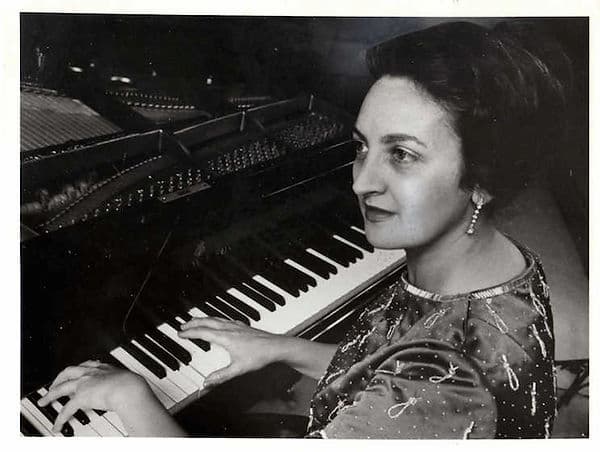
Yvonne Loriod was the wife and foremost interpreter of Olivier Messiaen’s piano works. Her extraordinary technique and musical insight made her ideally suited for his highly demanding compositions. She premiered many of his major works and played a key role in establishing Messiaen’s reputation worldwide.
Loriod’s playing combined precision, power, and expressive clarity, exemplifying the French tradition while also pushing its boundaries through contemporary repertoire.
36. Jean Doyen (1907-1982)
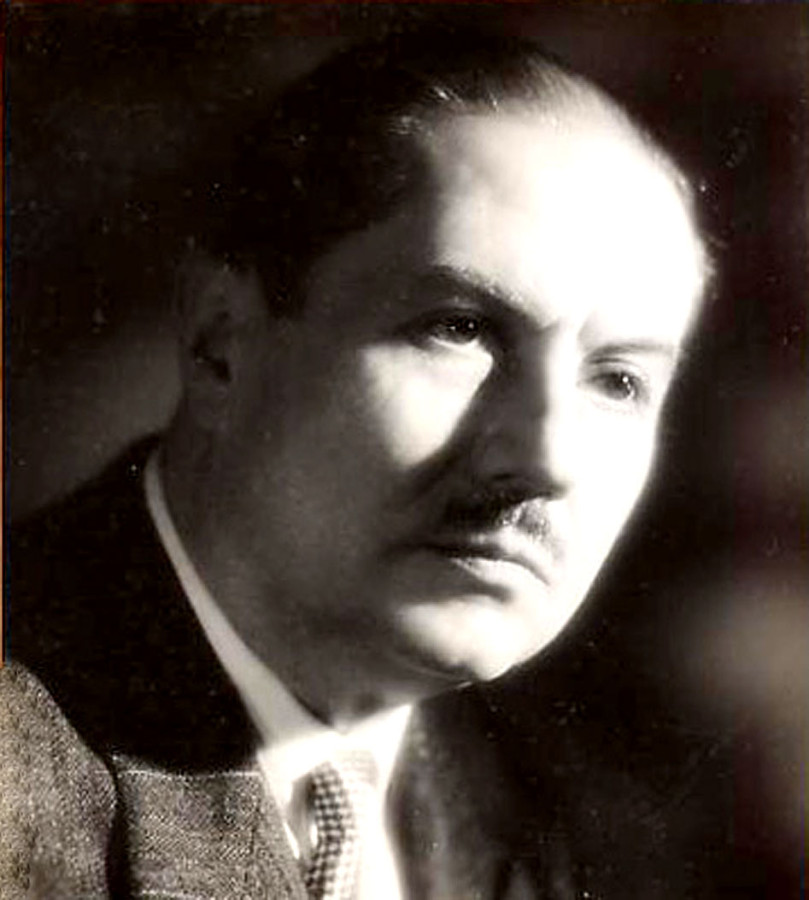
Jean Doyen was a French pianist and teacher celebrated for his refined playing style. While not widely known internationally, his interpretations reflected the subtlety, balance, and clarity characteristic of the French school.
Doyen also had a significant impact as a pedagogue, passing on classical French traditions to younger generations and maintaining the stylistic lineage of mid-20th-century French pianism.
37. Andrée Vaurabourg (1894-1980)
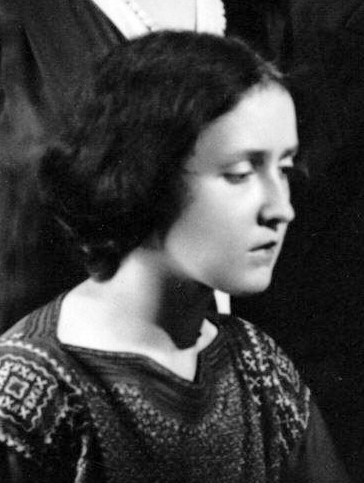
Vaurabourg-Honegger was a distinguished French pianist and teacher. She married Swiss-French composer Arthur Honegger and combined performance with pedagogy throughout her career.
Vaurabourg was admired for her disciplined technique and musical sensitivity, influencing students and contributing to the preservation of French piano traditions.
38. André Fleury (1903-1995)

André Fleury was a versatile French musician: pianist, organist, composer, and teacher. His career spanned performance, composition, and education, making him a central figure in 20th-century French music life.
Fleury’s contributions reinforced the French approach to musical clarity and expression, and his teaching helped cultivate a generation of skilled performers and composers.
39. David Fray (Born 1981)
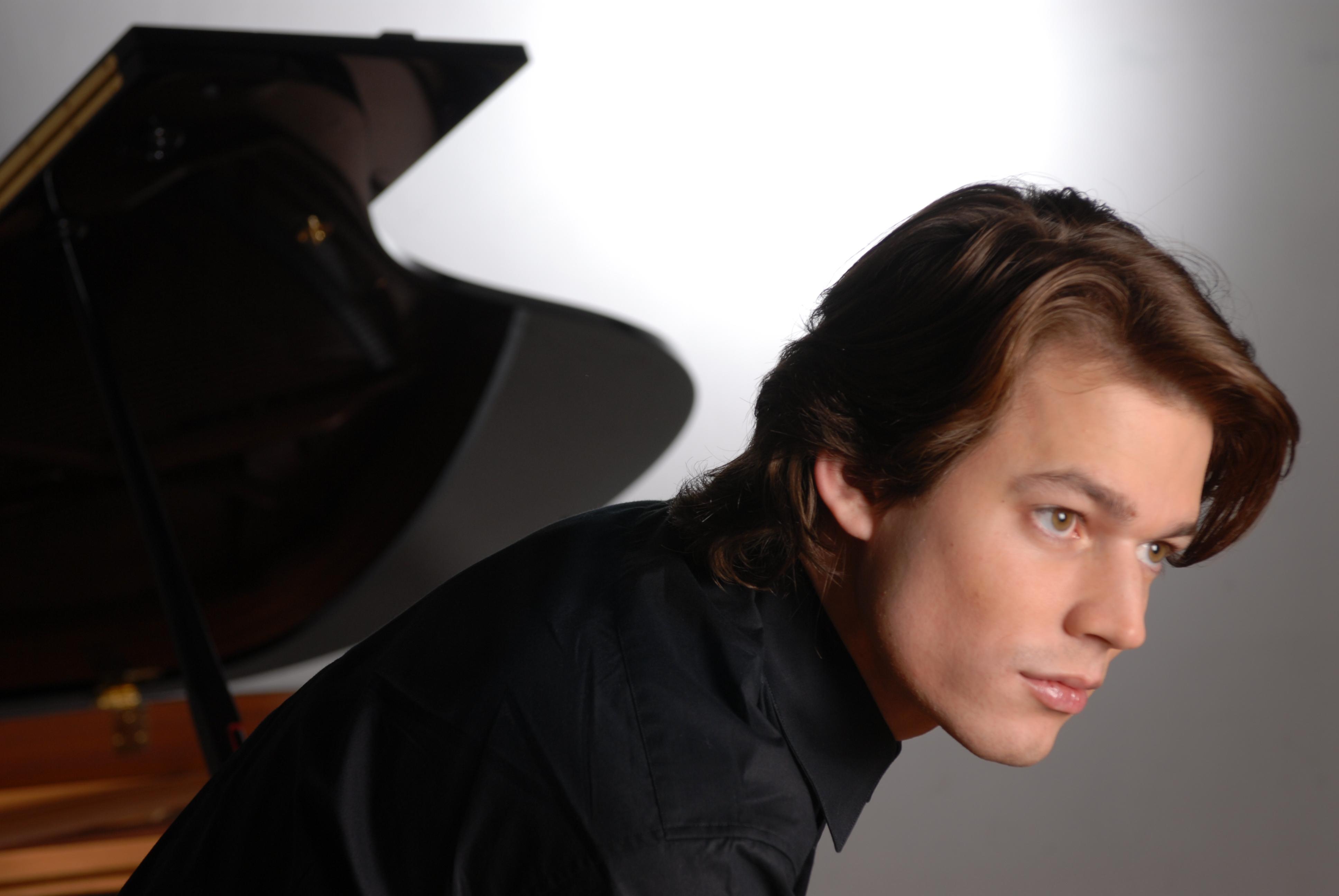
David Fray is recognized for his thoughtful and distinctive interpretations of Bach, Schubert, and Brahms. His performances are noted for their contemplative, almost improvisatory feel, combining technical precision with emotional depth.
Fray’s approach reflects a modern evolution of French piano tradition, emphasizing clarity of line and expressive subtlety while appealing to contemporary audiences.
40. Bertrand Chamayou (Born 1981)
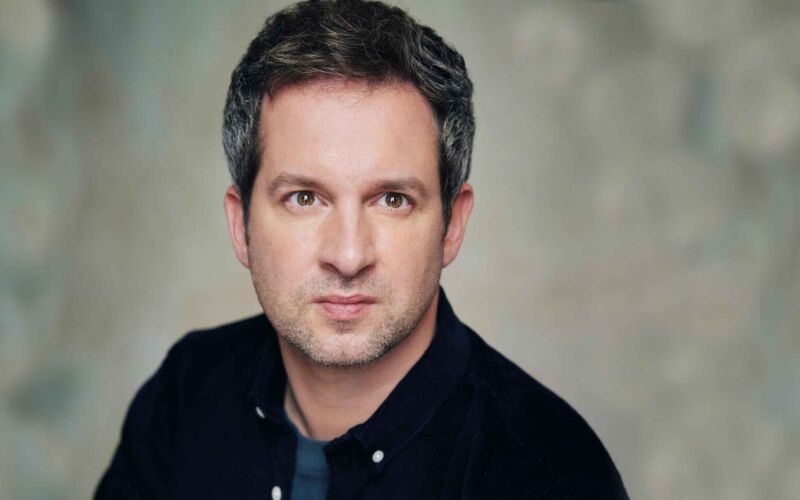
Bertrand Chamayou is a French pianist with an acclaimed international career. He performs frequently with leading orchestras and has recorded a wide repertoire spanning Baroque, Romantic, and contemporary works.
Chamayou is praised for his technical command, interpretive insight, and clarity of expression, continuing the French legacy of precise and expressive piano performance.
41. Jean-Efflam Bavouzet (Born 1962)
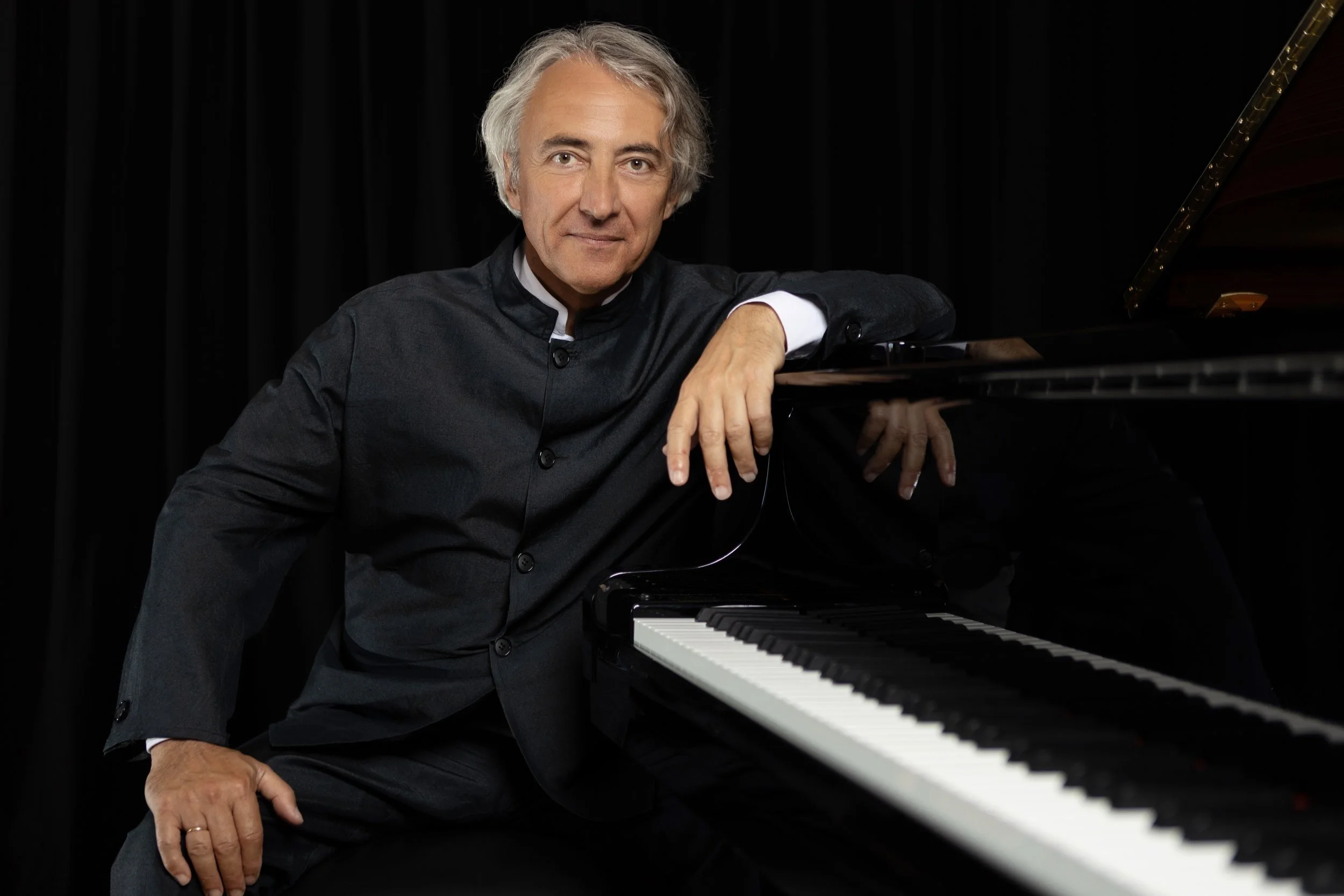
Jean-Efflam Bavouzet is recognized for his outstanding interpretations of both French and wider piano repertoire. His recordings of Debussy and Ravel have earned particular acclaim, while his performances of Haydn and other composers show versatility and precision.
Bavouzet’s playing combines clarity, rhythmic intelligence, and tonal control, reflecting the French piano tradition while engaging audiences with expressive depth.
42. François-Frédéric Guy (Born 1969)
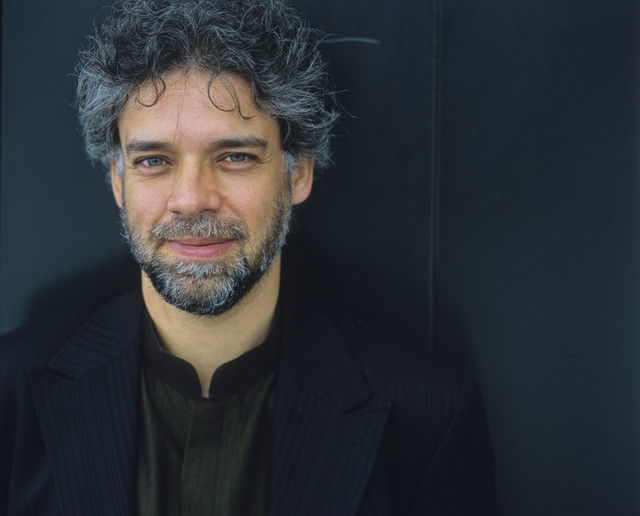
François-Frédéric Guy is known for his thoughtful, nuanced interpretations and broad repertoire. He has recorded major works by Beethoven and other classical masters, offering fresh insight into familiar compositions.
Guy’s performances emphasize balance, articulation, and musical architecture, making him a prominent figure among contemporary French pianists.
43. Eric Heidsieck (Born 1936)
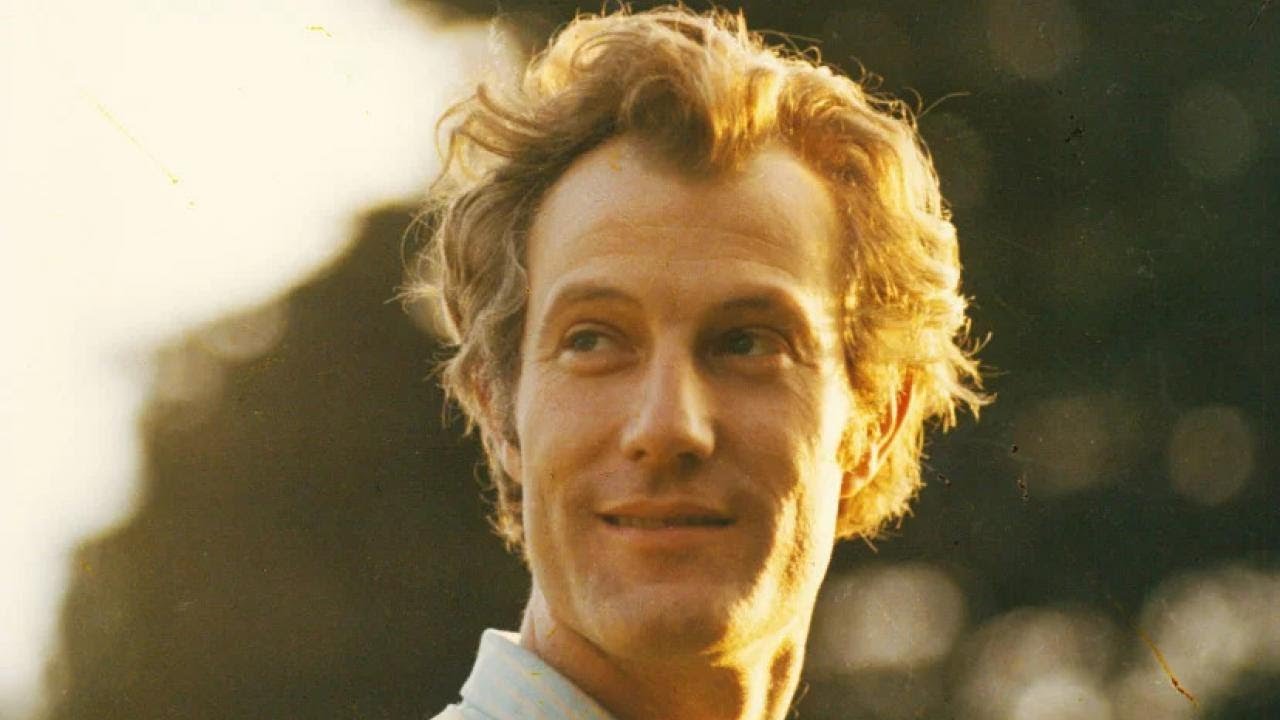
Eric Heidsieck has enjoyed a distinguished career as a concert pianist, especially noted among connoisseurs for the depth and subtlety of his interpretations. He is respected for his command of technique and fidelity to the composer’s intentions.
Although less widely known to general audiences, Heidsieck’s recordings and performances preserve the precision, refinement, and expressiveness characteristic of French pianism.
44. Pascal Rogé (Born 1951)
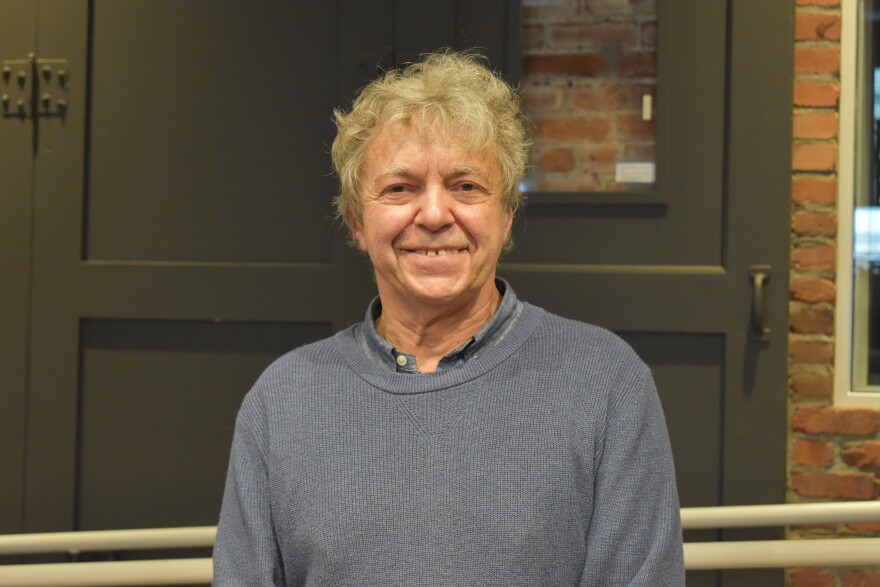
Pascal Rogé is celebrated for his mastery of French piano music, particularly works by Debussy, Ravel, Satie, and Poulenc. His playing is elegant, refined, and perfectly attuned to the nuance and color of the French repertoire.
Rogé’s recordings are often considered definitive, capturing the balance, clarity, and expressive subtlety that make French piano music distinctive. Choosing the best pianosis essential for performers seeking to replicate the tonal richness and nuance that artists like Rogé achieve.
45. Pierre-Laurent Aimard (Born 1957)
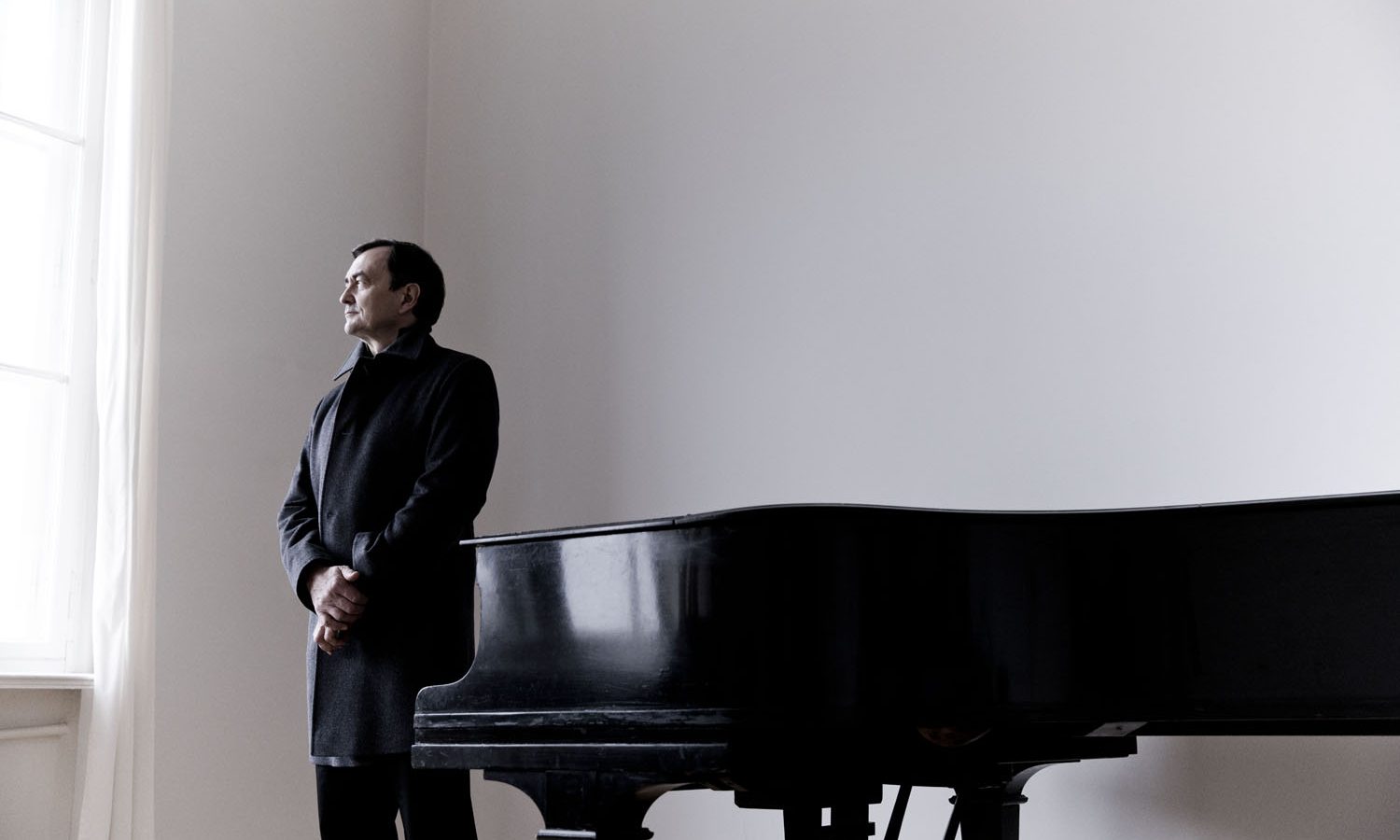
Pierre-Laurent Aimard is one of the world’s leading interpreters of contemporary music. He is especially associated with works by Olivier Messiaen, Pierre Boulez, and György Ligeti, bringing intellectual insight and technical mastery to every performance.
Having studied with Yvonne Loriod, Aimard combines a deep understanding of French musical tradition with a commitment to new repertoire, making him both a champion of modern music and a respected figure in classical piano.
French Pianists And Broader Cultural Influence
French pianists have shaped not only classical music but also France’s broader cultural heritage, influencing composers, performers, and audiences worldwide. Their artistry reflects the refinement, elegance, and innovation that define French arts, extending beyond concert halls into education, film, and international cultural exchanges.
Many of these musicians have collaborated with other artists, inspired contemporary composers, and helped preserve the nation’s musical identity. For readers interested in exploring influential French figures in music, arts, and culture, Estime Fortuneprovides valuable insights into the country’s most prominent cultural personalities and their legacies.
People Also Ask
Who Is The Most Famous French Musician?
France's beloved cult hero remains the very embodiment of French artistic expression, where hedonism and excess meet. Serge Gainsbourg was one of the world's most influential songwriters, composers, and cultural figures and continues to seduce and charm posthumously even seven decades after his debut.
Who Is Currently The World's Best Pianist?
Martha Argerichis widely regarded as the greatest living pianist today.
What Makes The French Piano Style Unique?
It focuses on sound color, clarity, balance, and emotional control.
Final Thoughts
The legacy of French piano music is built on clarity, balance, and deep musical intelligence. Across generations, French pianists have shaped how the piano is performed, taught, and interpreted, leaving a lasting mark on classical and modern music alike.
These 45 famous French pianists represent more than individual achievement. Together, they reflect a tradition that values sound, structure, and expression over excess, one that continues to influence pianists and audiences around the world today.
Jump to
Famous French Pianists Who Defined A Tradition
1. Camille Saint-Saëns (1835-1921)
2. Claude Debussy (1862-1918)
3. Maurice Ravel (1875-1937)
4. Gabriel Fauré (1845-1924)
5. Erik Satie (1866-1925)
6. Alfred Cortot (1877-1962)
7. Robert Casadesus (1899-1972)
8. Samson François (1924-1970)
9. Marcelle Meyer (1897-1958)
10. Francis Poulenc (1899-1963)
11. Hélène Grimaud (Born 1969)
12. Jean-Yves Thibaudet (Born 1961)
13. Philippe Entremont (Born 1934)
14. Michel Dalberto (Born 1955)
15. Jean-Philippe Collard (Born 1948)
16. Jacques Loussier (1934-2019)
17. Claude Bolling (1930-2020)
18. Michel Legrand (1932-2019)
19. Michel Petrucciani (1962-1999)
20. Charles-Valentin Alkan (1813-1888)
21. Louise Farrenc (1804-1875)
22. Cécile Chaminade (1857-1944)
23. Alexandre Tansman (1897-1986)
24. Alexandre Tharaud (Born 1968)
25. Cécile Ousset (Born 1936)
26. Colette Maze (Born 1914)
27. Richard Clayderman (Born 1953)
28. Gaby Casadesus (1901-1999)
29. Marguerite Long (1874-1966)
30. Vlado Perlemuter (1904-2002)
31. Aldo Ciccolini (1925-2015)
32. Monique De La Bruchollerie (1915-1972)
33. Jacques Février (1900-1979)
34. Yvonne Lefébure (1898-1986)
35. Yvonne Loriod (1924-2010)
36. Jean Doyen (1907-1982)
37. Andrée Vaurabourg (1894-1980)
38. André Fleury (1903-1995)
39. David Fray (Born 1981)
40. Bertrand Chamayou (Born 1981)
41. Jean-Efflam Bavouzet (Born 1962)
42. François-Frédéric Guy (Born 1969)
43. Eric Heidsieck (Born 1936)
44. Pascal Rogé (Born 1951)
45. Pierre-Laurent Aimard (Born 1957)
French Pianists And Broader Cultural Influence
People Also Ask
Final Thoughts
Latest Articles
Popular Articles