Famous Pianists In History And Today: A Beginner-Friendly Guide
Every list of famous pianistslooks different because people use the word famous in different ways.
Some mean the greatest classical performers, some mean composer-pianists like Chopin and Liszt, and some mean modern stars whose performances reach millions online.
The clearer question is: famous for what? A pianist can become famous through technique, emotional depth, recordings, improvisation, songwriting, competitions, teaching influence, or the sheer cultural power of their music.
Daniel Calder’s piano-learning brief for Multiplayer Piano calls for a beginner-friendly, historically aware approach, so this guide treats fame as a map rather than a single ranking.
Key Takeaways
- The most famous pianists include Beethoven, Mozart, Chopin, Liszt, Rachmaninoff, Horowitz, Rubinstein, Argerich, Lang Lang, and Yuja Wang.
- The best pianist is subjective because classical, jazz, pop, and modern pianists are judged by different musical standards.
- Historical piano fame often came from composing and virtuosity; modern fame often comes from recordings, competitions, touring, and media visibility.
- Beginners should listen for tone, rhythm, phrasing, dynamics, clarity, and emotional control.
- Current pianist facts should be checked before publishing because awards, recordings, and competition results change.
What Makes A Pianist Famous?
This section gives you the listening framework before the names begin. Once you know the reasons a pianist becomes famous, the list feels less like a popularity contest and more like a guided tour through piano history.
Fame Can Come From More Than Speed
Speed is impressive, but it is only one part of piano fame. A pianist may be known for thunderous virtuosity, a singing tone, a revolutionary interpretation of Bach, a new jazz language, unforgettable songwriting, or the ability to make a simple melody feel personal.
A beginner might hear Liszt and notice fireworks first. The same listener might hear Rubinstein play Chopin and realize fame can also come from warmth, patience, and phrasing that feels conversational.
Composer-Pianists Vs Performing Pianists
Some famous pianists are famous partly because they wrote the music that pianists still play.
Beethoven was a central figure between the Classical and Romantic eras, Mozart wrote across the major genres of his day, Chopin was a Romantic composer-pianist best known for piano works, and Liszt was a Hungarian piano virtuoso and composer.
Later pianists, especially in the recording age, often became famous as interpreters.
Horowitz, Rubinstein, Gould, Argerich, Uchida, and Wang are not usually famous because they wrote the standard repertoire; they are famous because of how they perform it.
A Simple Way To Judge Pianists As A Listener
Use this checklist when comparing famous pianists:
- Tone:Is the sound bright, warm, sharp, soft, orchestral, or intimate?
- Rhythm: Does the playing feel strict, flexible, swinging, or spacious?
- Phrasing: Do musical lines breathe naturally?
- Dynamics: Does the pianist shape loud and soft passages with purpose?
- Clarity:Can you hear separate voices and textures?
- Emotional shape: Does the performance build, release, and communicate?
- Originality:Does the pianist sound unmistakably individual?
The Takeaway:famous pianists are not all famous for the same reason, so the smartest way to compare them is by listening for what each one does best.
The Evolution Of The Instrument: From Wood To Steel
To understand why a Mozart performance sounds like twinkling lace while a Rachmaninoff performance sounds like thunder, you have to understand the machine itself.
The piano didn't arrive fully formed; it evolved alongside the composers.
- The Fortepiano(Mozart’s Era):Early pianos had wooden frames and thinner strings. The sound was delicate, decayed quickly, and couldn't play very loudly. This is why Classical music(Mozart, Haydn) focuses on clarity and crisp, fast fingerwork; the instrument simply couldn't roar.
- The Iron Age (Liszt & The Romantics):By the mid-1800s, engineers added a cast-iron frame. This allowed the strings to be under much higher tension. Suddenly, the piano could fill a massive concert hall, sustain long notes, and handle the pounding virtuosity of Liszt and Brahms.
- The Steinway Standard:In the modern era, the brand Steinway & Sonsbecame the industry benchmark. Their Steinway Artist programis a prestigious roster of the world’s elite pianists. When you see a pianist today, they are likely playing a 9-foot Model D Concert Grand, a nearly 1,000-pound beast of engineering designed for maximum power and color.
Classical & Early Romantic Foundations
Wolfgang Amadeus Mozart (1756–1791)
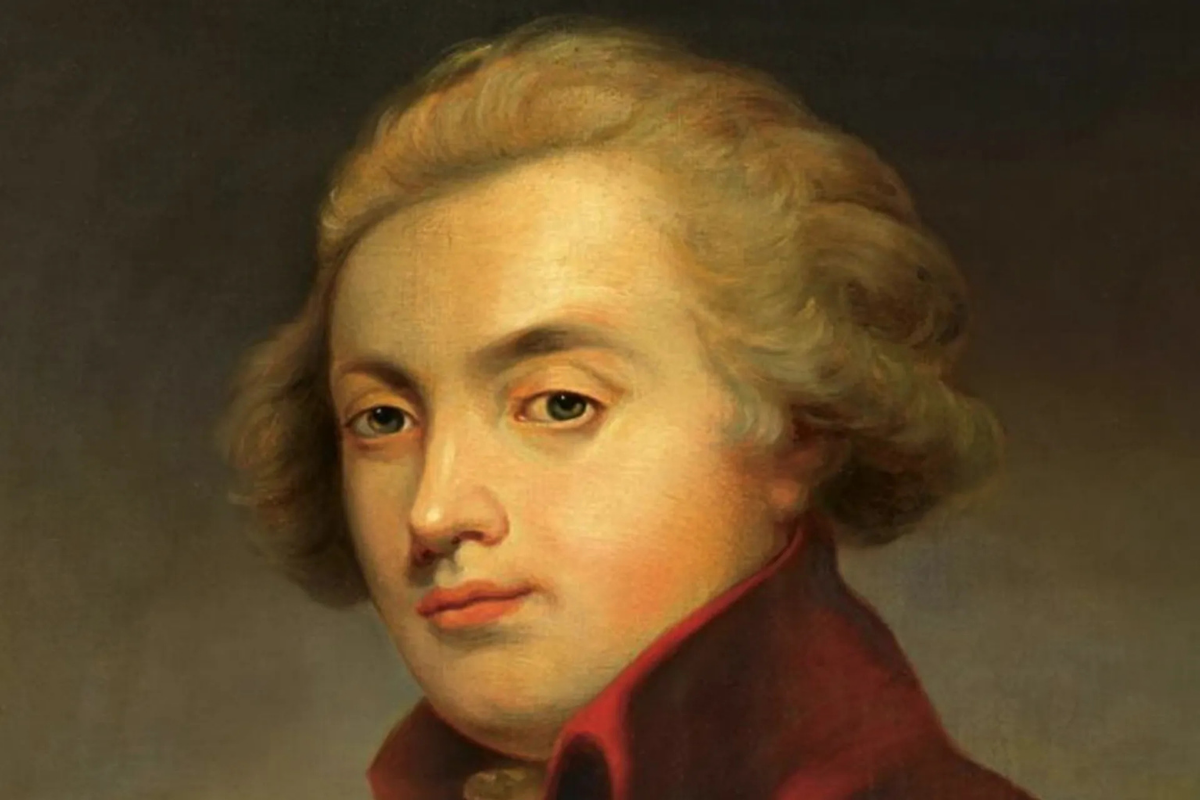
Born In:Salzburg, the Archbishopric of Salzburg, now Austria.
Signature style: Elegant Classical clarity, singing melodic lines, brilliant passagework, balance, grace, and effortless-looking virtuosity.
Known for:Child prodigy, master composer-pianist, and one of the central figures of Classical music.
Career value & impact: Expanded the artistic possibilities of the piano concerto and helped define Classical keyboard style through expressive, structurally perfect writing.
Top works/recordings:No original recordings exist. Key piano works include Piano Concerto No. 20 in D minor, K. 466, Piano Concerto No. 21 in C major, K. 467, Piano Sonata in A major, K. 331, and Rondo alla Turca.
Achievements & Awards:Mozart’sCourt and public success across Europe; remembered as one of Western music’s greatest composers.
Ludwig Van Beethoven (1770–1827)
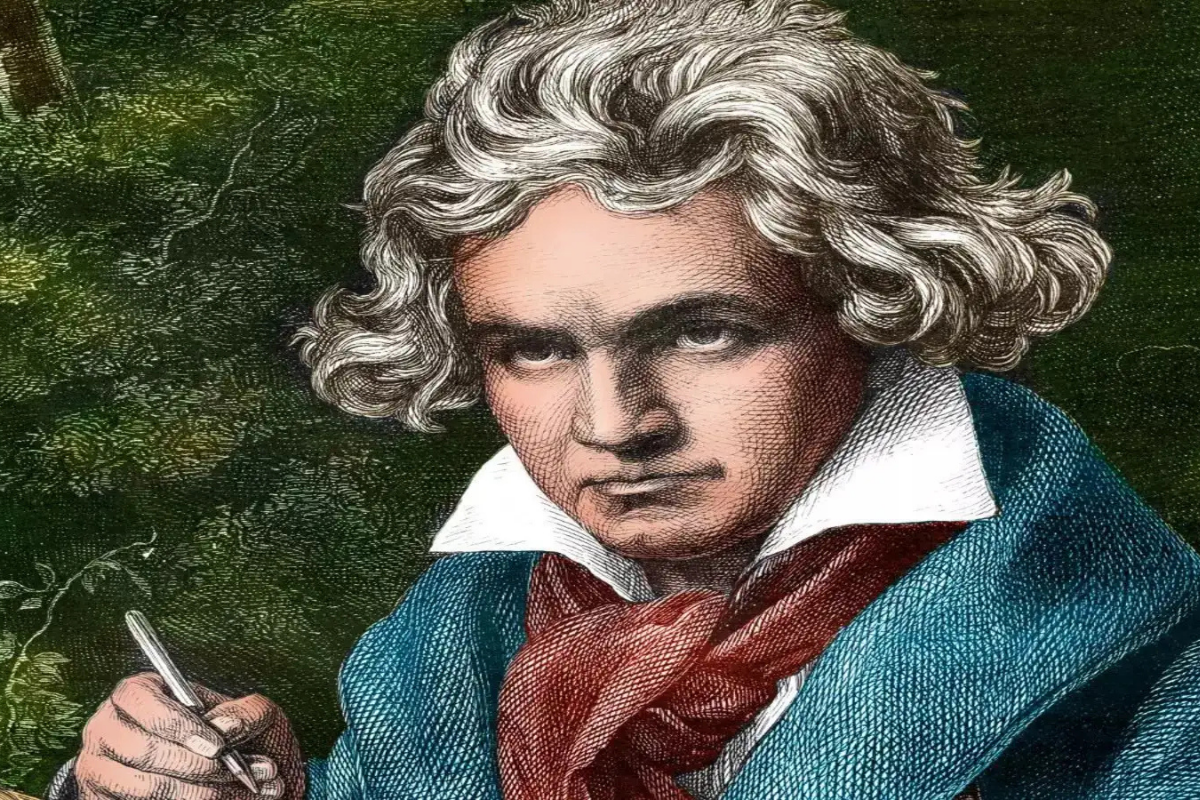
Born In:Bonn, Electorate of Cologne, now Germany.
Signature style: Powerful, dramatic, emotionally intense; strong contrasts, bold rhythms, deep expression, and heroic sonorities.
Known for: Bridging the Classical and Romantic eras; revolutionary piano sonatas, concertos, symphonies, and chamber music.
Career value & impact: Transformed the piano from a refined Classical instrument into a vehicle for personal expression, drama, and large-scale musical architecture.
Top works/recordings: No original recordings exist. Key piano works include Moonlight Sonata, Pathétique Sonata, Appassionata Sonata, Waldstein Sonata, Emperor Concerto, and Diabelli Variations.
Achievements & Awards:Ludwigbecame one of the most influential composers in historydespite progressive hearing loss.
Muzio Clementi (1752–1832)
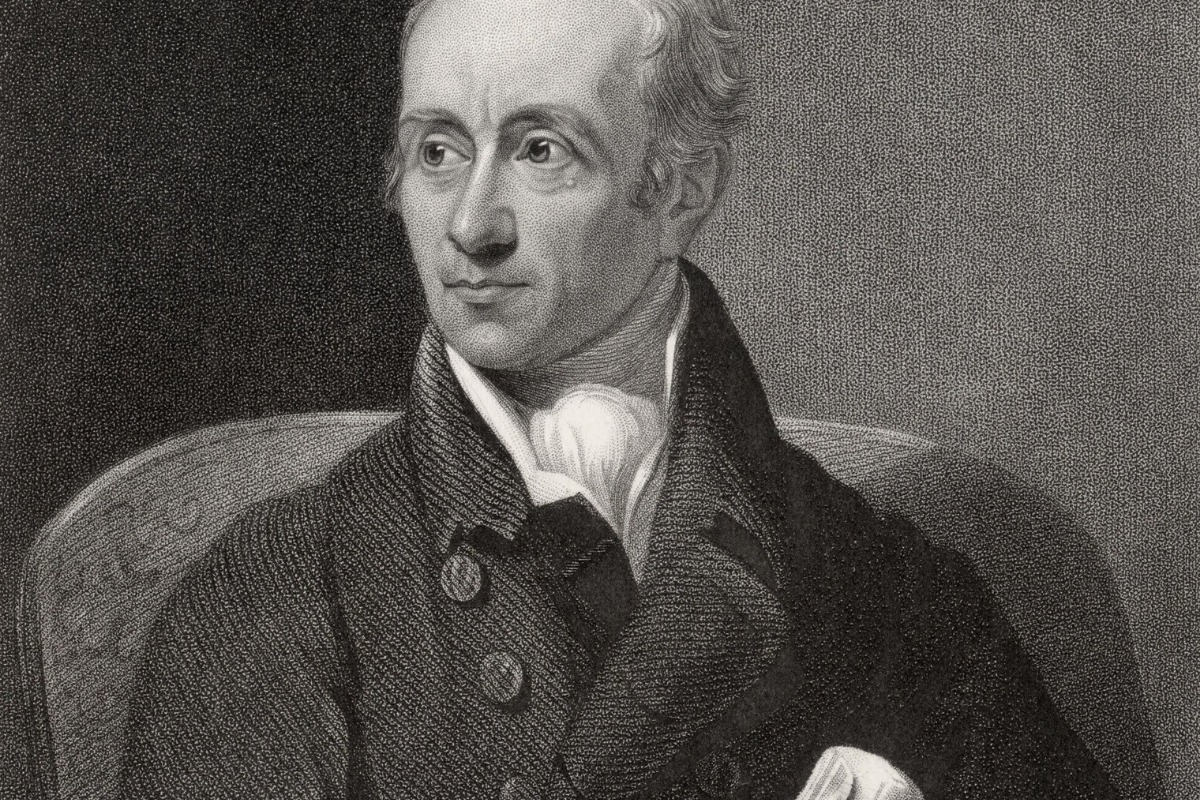
Born In: Rome, Papal States, now Italy.
Signature style: Clean finger technique, legato playing, brilliant scales, fast passagework, and disciplined Classical structure.
Known for: Often called the Father of the Piano because his studies and sonatas helped develop early piano technique.
Career value & impact: Major teacher, composer, publisher, and piano manufacturer; influenced later pianists, including Field, Czerny, and others.
Top works/recordings: Gradus ad Parnassum, Sonatinas Op. 36, Piano Sonatas, especially Op. 40 and Op. 50.
Achievements & Awards: Muziobuilt a major keyboard school and helped establish the piano as the dominant keyboard instrument.
Johann Nepomuk Hummel (1778–1837)
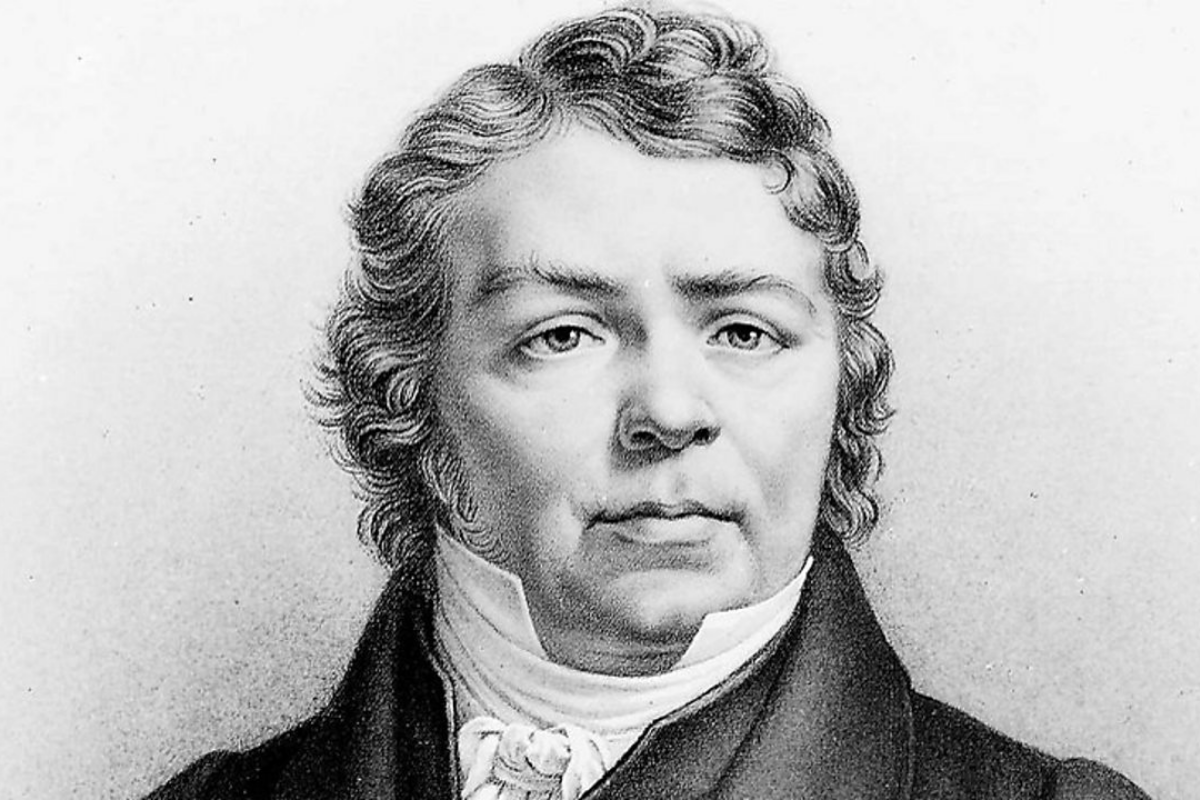
Born In: Pressburg, Kingdom of Hungary, now Bratislava, Slovakia.
Signature style: Polished, graceful, highly ornamented virtuosity; elegant Classical control moving toward Romantic expressiveness.
Known for: Virtuoso pianist and composer linking Classical and Romantic piano traditions.
Career value & impact: Influenced Chopin, Liszt, Mendelssohn, and 19th-century piano writing through his brilliant but refined keyboard style.
Top works/recordings: Piano Concerto in A minor, Op. 85, Piano Concerto in B minor, Op. 89, Piano Sonata in F-sharp minor, Op. 81, Trumpet Concerto.
Achievements & Awards: Johannstudied with Mozart; became one of Europe’s leading virtuosos and later Kapellmeister at Weimar.
John Field (1782–1837)
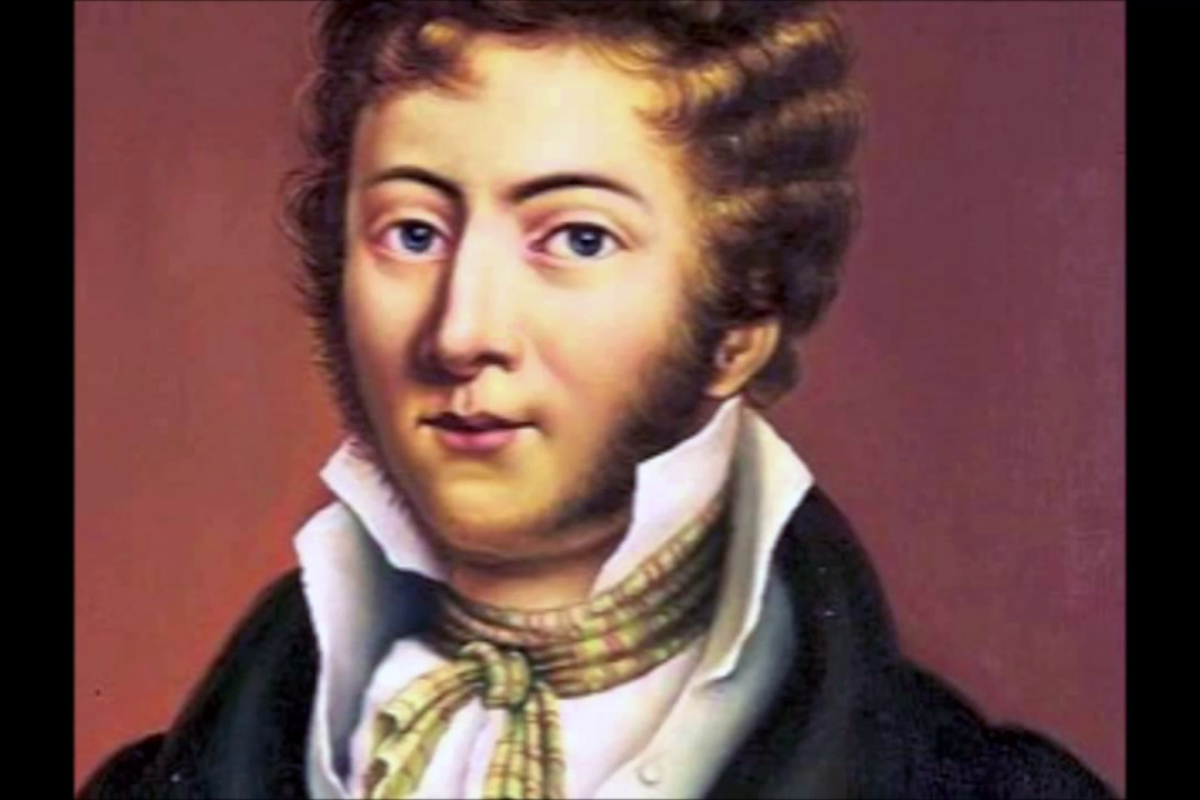
Born In: Dublin, Ireland.
Signature style: Lyrical, poetic, delicate; singing right-hand melody over broken-chord accompaniment.
Known for: Founder or major early creator of the piano nocturne, later developed by Chopin.
Career value & impact: Created a new Romantic piano sound based on atmosphere, cantabile melody, and gentle harmonic color.
Top works/recordings: 18 Nocturnes, Piano Concerto No. 2, Piano Concerto No. 5, Piano Sonatas.
Achievements & Awards: Johnbecame famous in London and Russia; his nocturnes strongly influenced Chopin and Romantic piano music.
Carl Maria Von Weber (1786–1826)
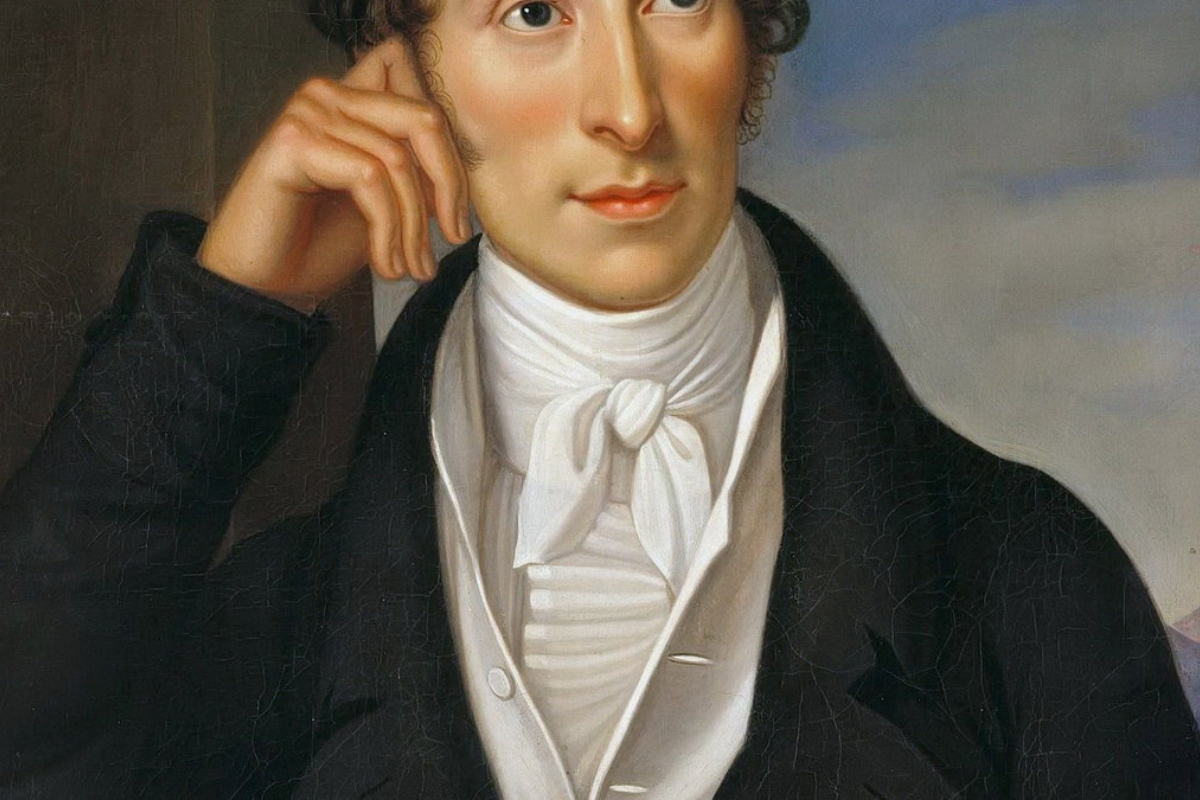
Born In: Eutin, Holstein, now Germany.
Signature style: Dramatic, theatrical, colorful, and Romantic; bold contrasts and brilliant virtuoso writing.
Known for: Pioneer of German Romantic opera, especially Der Freischütz.
Career value & impact: Important for Romantic expression in both opera and piano; helped create a more dramatic, national German style.
Top works/recordings: Invitation to the Dance, Konzertstück in F minor, Piano Sonatas, Der Freischütz, Oberon.
Achievements & Awards: Carlcelebrated composer, conductor, pianist, and opera director; he established German Romantic opera as a major tradition.
Felix Mendelssohn (1809–1847)
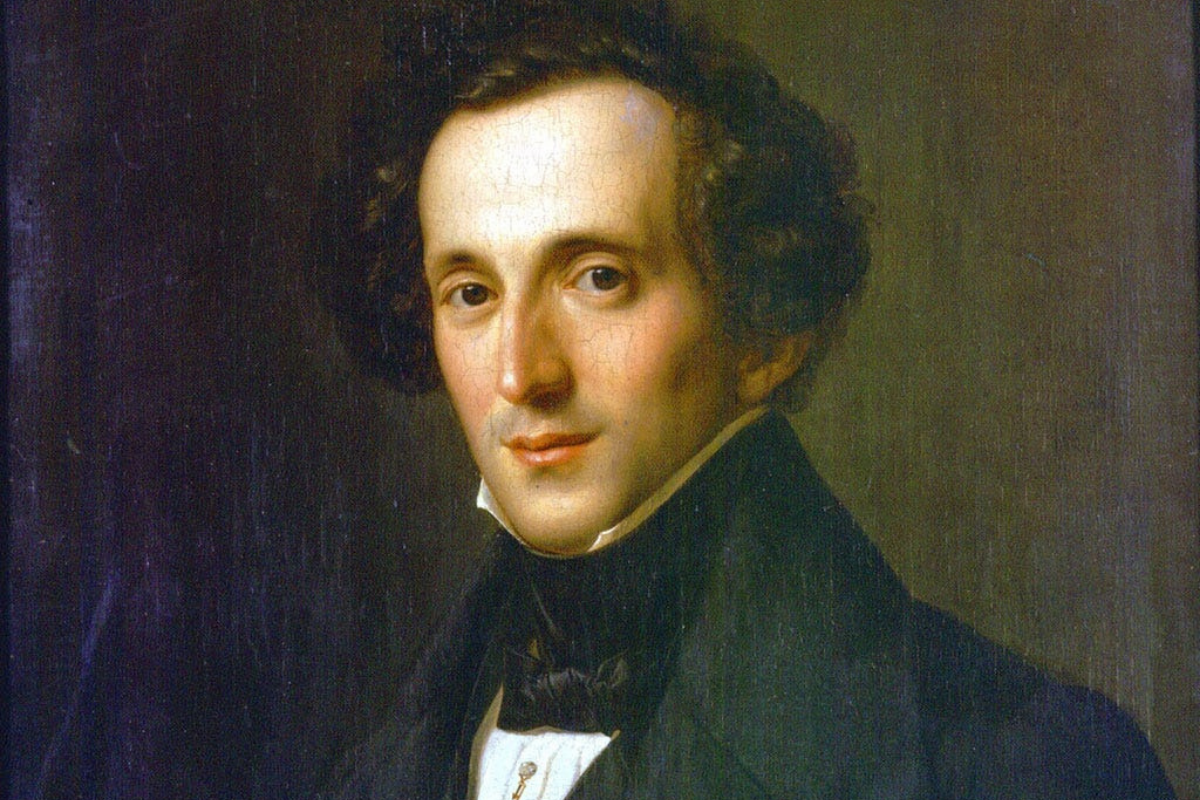
Born In: Hamburg, Germany.
Signature style: Refined, clear, elegant, sparkling, and lyrical; Classical balance with Romantic feeling.
Known for: Composer, pianist, conductor, and early Romantic master.
Career value & impact: Helped preserve Classical clarity within Romantic music; also played a major role in reviving interest in J. S. Bach.
Top works/recordings:Songs Without Words, Rondo Capriccioso, Variations sérieuses, Piano Concerto No. 1, A Midsummer Night’s Dream, Italian Symphony.
Achievements & Awards: Felixfounded the Leipzig Conservatory, one of the most celebrated music institutions of the early Romantic era.
Fanny Mendelssohn (1805–1847)
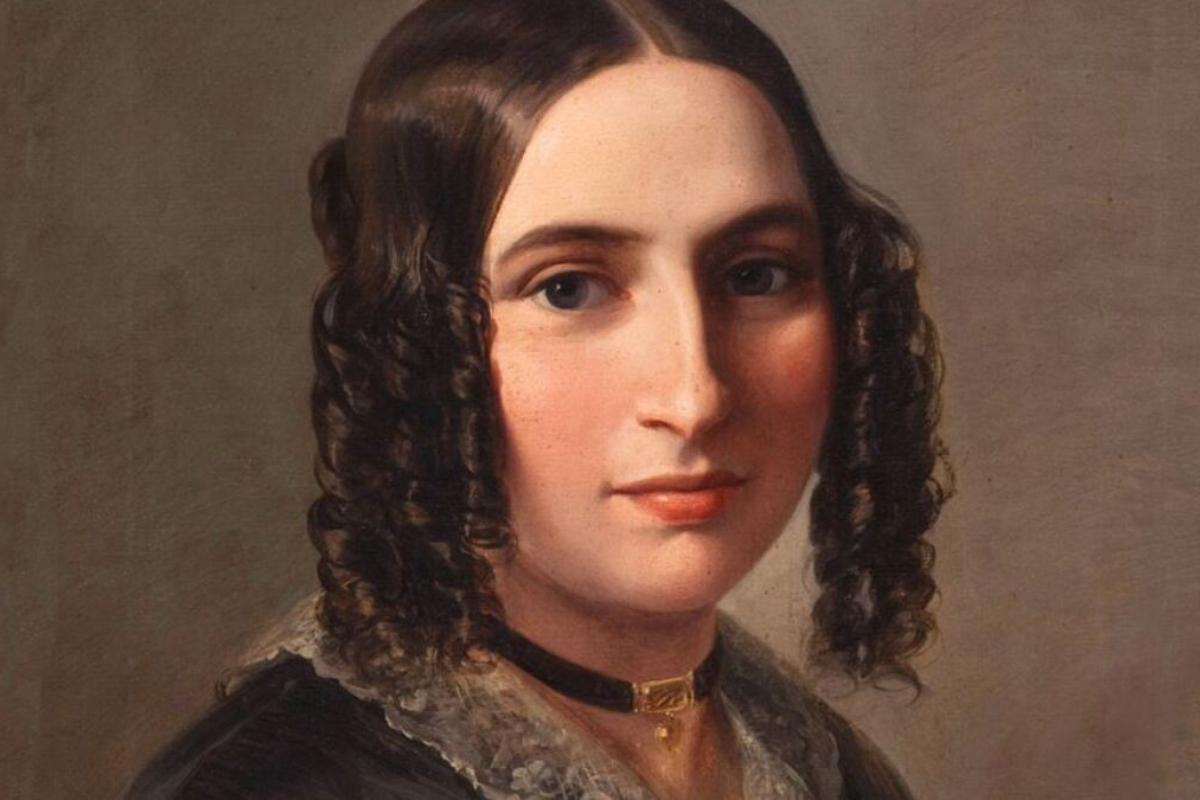
Born In: Hamburg, Germany.
Signature style: Expressive, lyrical, intimate, harmonically rich; often suited to salon and character-piece traditions.
Known for: Pianist, composer, and one of the most important women composers of the 19th century.
Career value & impact: Expanded the Romantic piano miniature and song tradition despite social barriers that limited publication and public recognition.
Top works/recordings: Das Jahr, Easter Sonata, Songs for piano, Lieder, Piano Trio in D minor, Op. 11.
Achievements & Awards: Fannyhosted influential Berlin musical salons; modern scholarship has restored her reputation as a major Romantic composer.
Jan Ladislav Dussek (1760–1812)
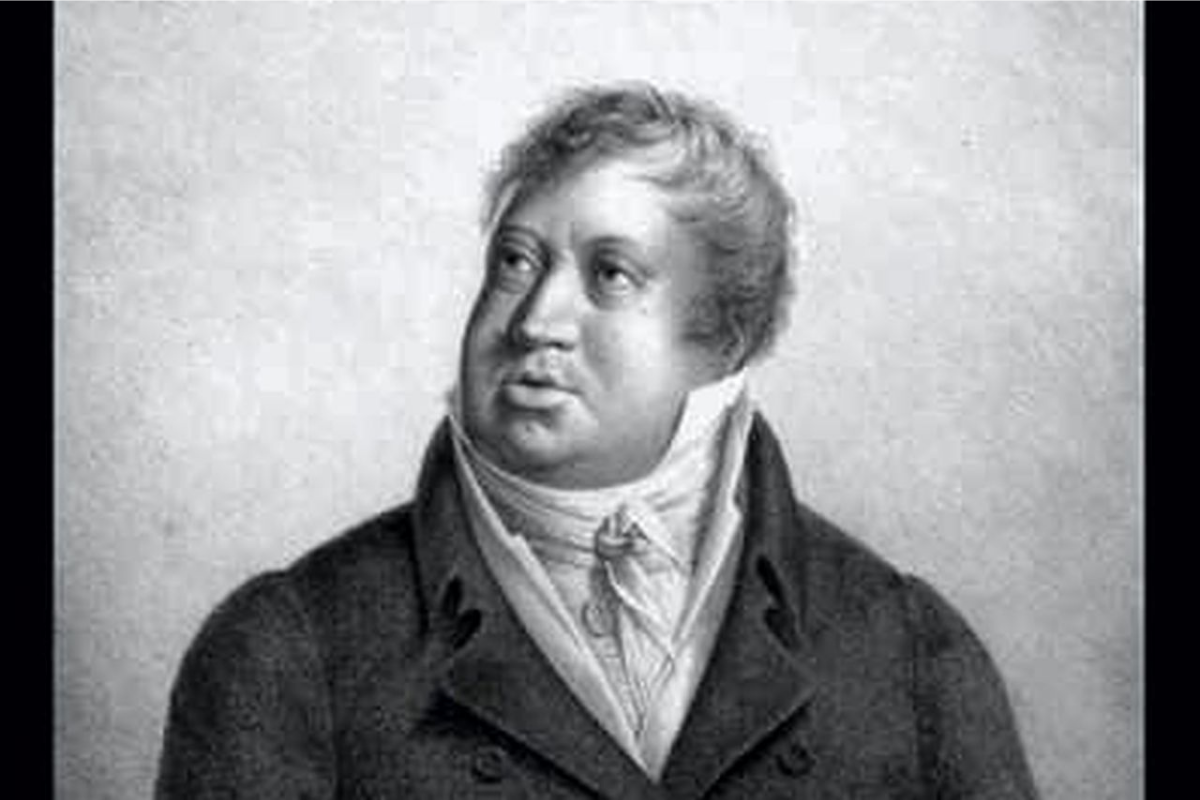
Born In: Čáslav, Bohemia, now the Czech Republic.
Signature style:Early Romantic lyricism, dramatic contrasts, broad keyboard range, and expressive pedal use.
Known for: Bohemian virtuoso pianist and composer, especially of piano and chamber music.
Career value & impact: Helped shape the public image of the touring piano virtuoso and encouraged expansion of piano range and sonority.
Top works/recordings:Piano Sonata Le Retour à Paris, Op. 64, Piano Sonatas, Piano Concertos, Sonatas for harp and piano.
Achievements & Awards: Jan Dussekis one of Europe’s leading pre-Beethoven piano virtuosos, associated with innovations in piano design and concert presentation.
Carl Czerny (1791–1857)
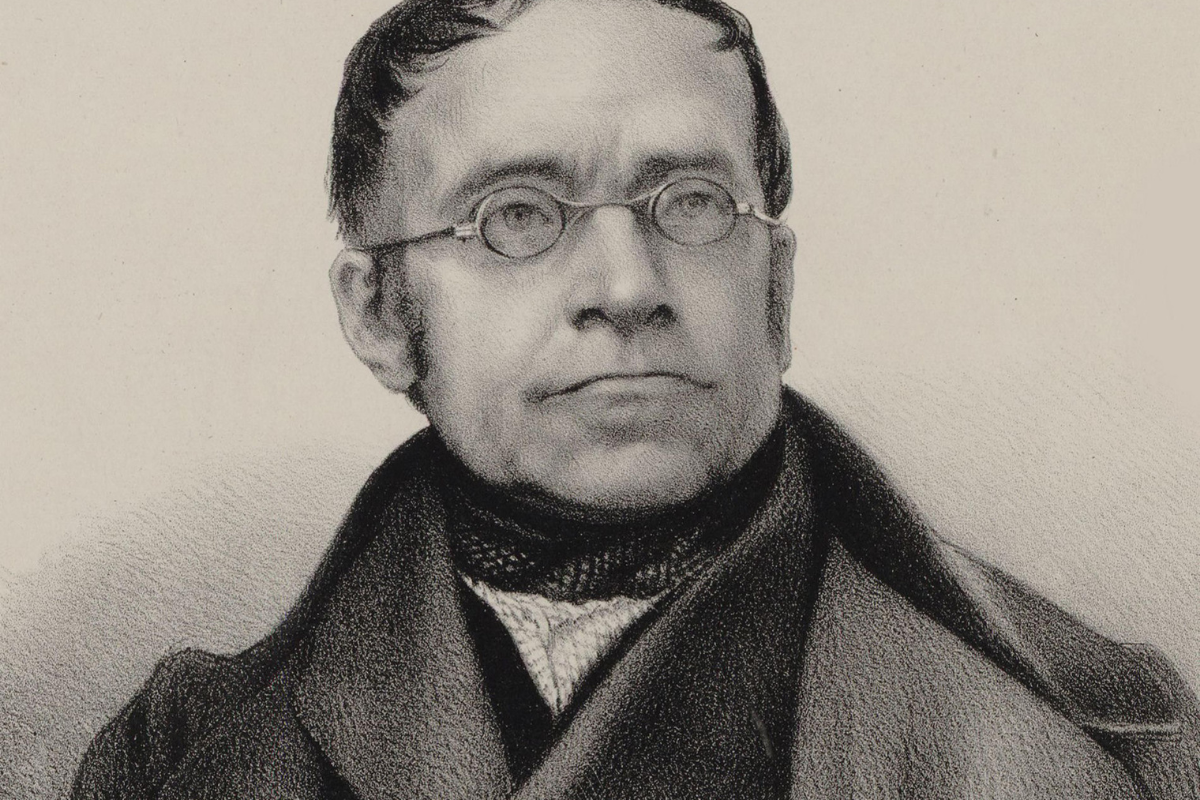
Born In:Vienna, Austria.
Signature style: Technical precision, finger independence, speed, clarity, scale work, and disciplined practice methods.
Known for: Piano pedagogy, études, and being a student of Beethoven and a teacher of Liszt.
Career value & impact: One of the most influential piano teachers in history; his exercises remain central to piano training worldwide.
Top works/recordings:The School of Velocity, Op. 299, The Art of Finger Dexterity, Op. 740, Practical Method for Beginners, Op. 599, Selected Piano Sonatas.
Achievements & Awards: Carlpublished nearly 1,000 works; he preserved and transmitted Beethoven’s pianistic tradition to the next generation.
Romantic Virtuosos & Composer-Pianists
Frédéric Chopin (1810–1849)
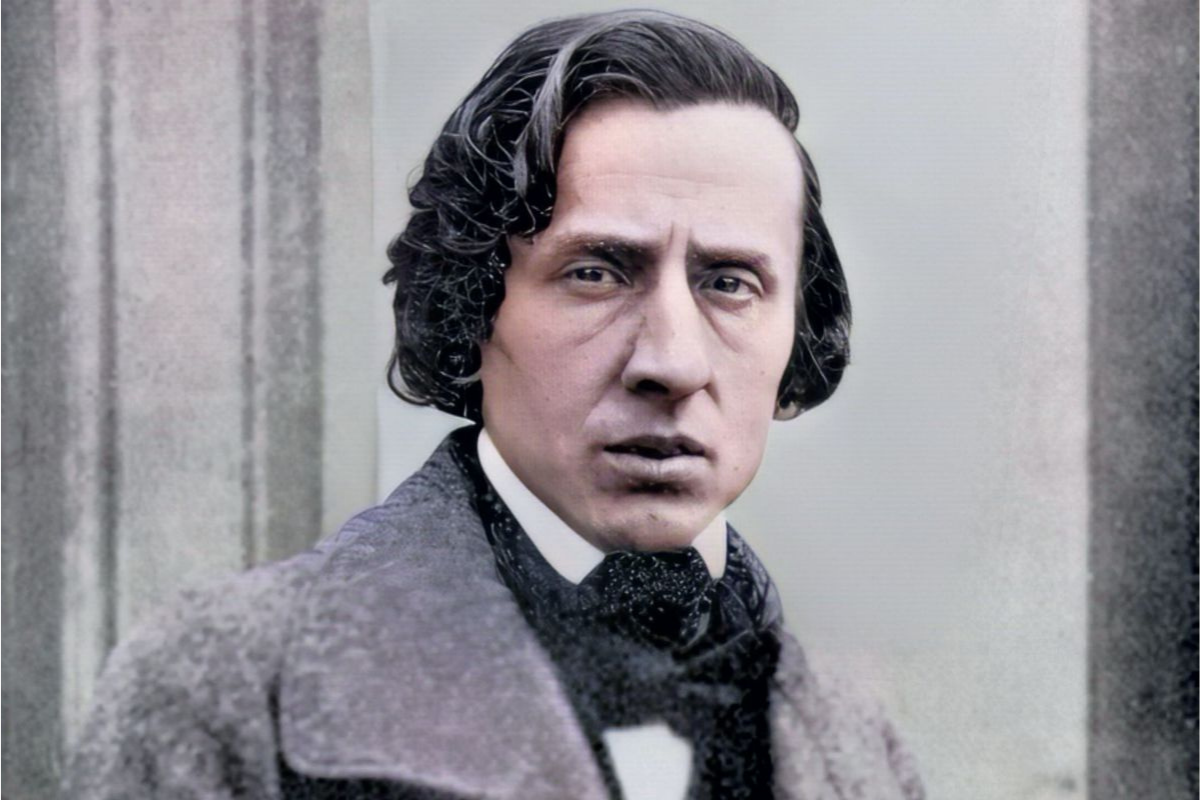
Born In: Żelazowa Wola, Duchy of Warsaw, now Poland.
Signature style: Poetic, delicate, expressive, and highly lyrical; famous for rubato, singing tone, ornamentation, and refined pedal use.
Known for: Romantic piano music, especially nocturnes, études, mazurkas, polonaises, waltzes, ballades, scherzos, and preludes. Britannica describes him as a Polish-French composer and pianist best known for piano music.
Career value & impact: Helped make the piano one of the central expressive instruments of Romantic music; his works remain essential in advanced piano study and concert performance.
Top works/recordings: Nocturnes Op. 9, Études Op. 10 and Op. 25, Ballades Nos. 1–4, Polonaise in A-flat major Heroic, Preludes Op. 28, Piano Concerto No. 1. No original recordings exist.
Achievements & Awards: Chopinis recognized as one of the greatest tone poets of the piano, admired for combining technical mastery with deep emotional expression.
Franz Liszt (1811–1886)
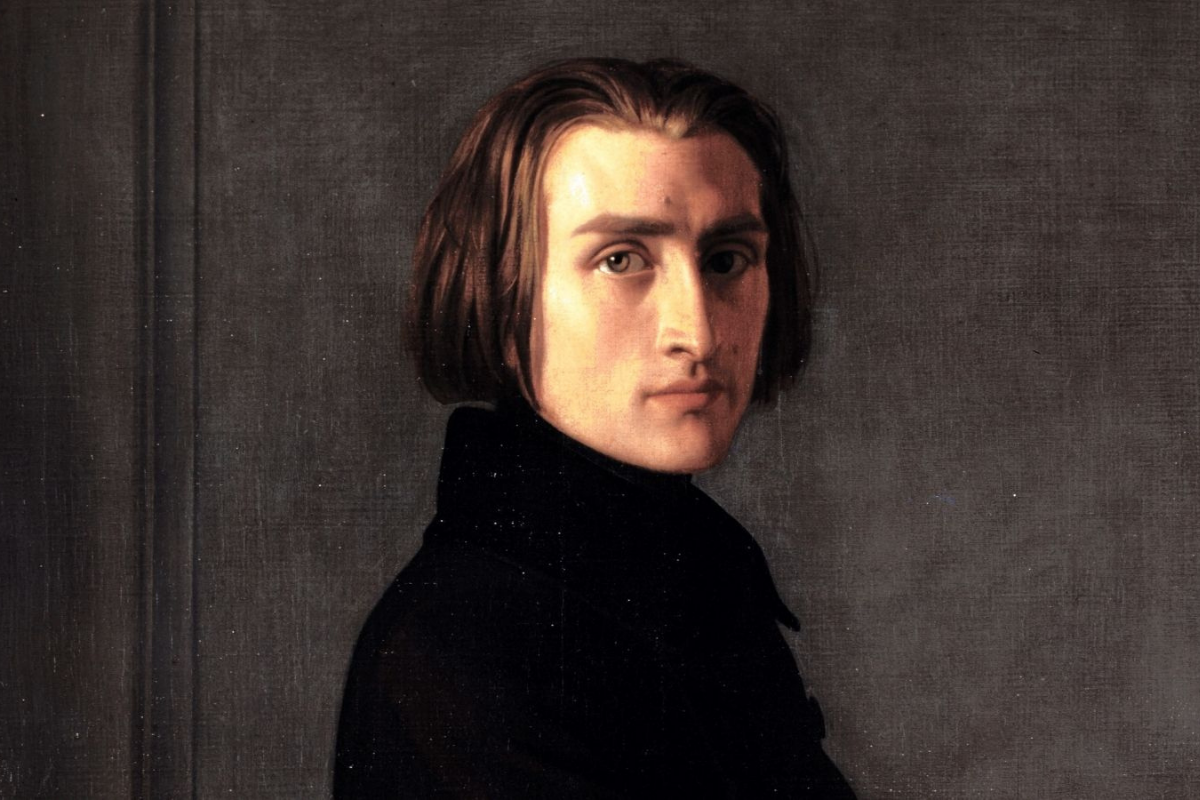
Born In: Doborján, Kingdom of Hungary, Austrian Empire, now Raiding, Austria.
Signature style: Dazzling virtuosity, huge sonority, dramatic gestures, rapid octaves, leaps, cadenzas, and orchestral effects on the piano.
Known for:Being one of the greatest piano virtuosos of all time and one of the first major solo recital pianists.
Career value & impact: Transformed piano performance into a public virtuoso art form; expanded piano technique and helped invent the modern solo piano recital.
Top works/recordings: Hungarian Rhapsodies, Transcendental Études, Piano Sonata in B minor, Liebesträume No. 3, Années de pèlerinage, Totentanz. No original recordings exist.
Achievements & Awards:Britannica notes that Lisztwas considered the greatest piano virtuoso of his time and invented the symphonic poem.
Clara Schumann (1819–1896)
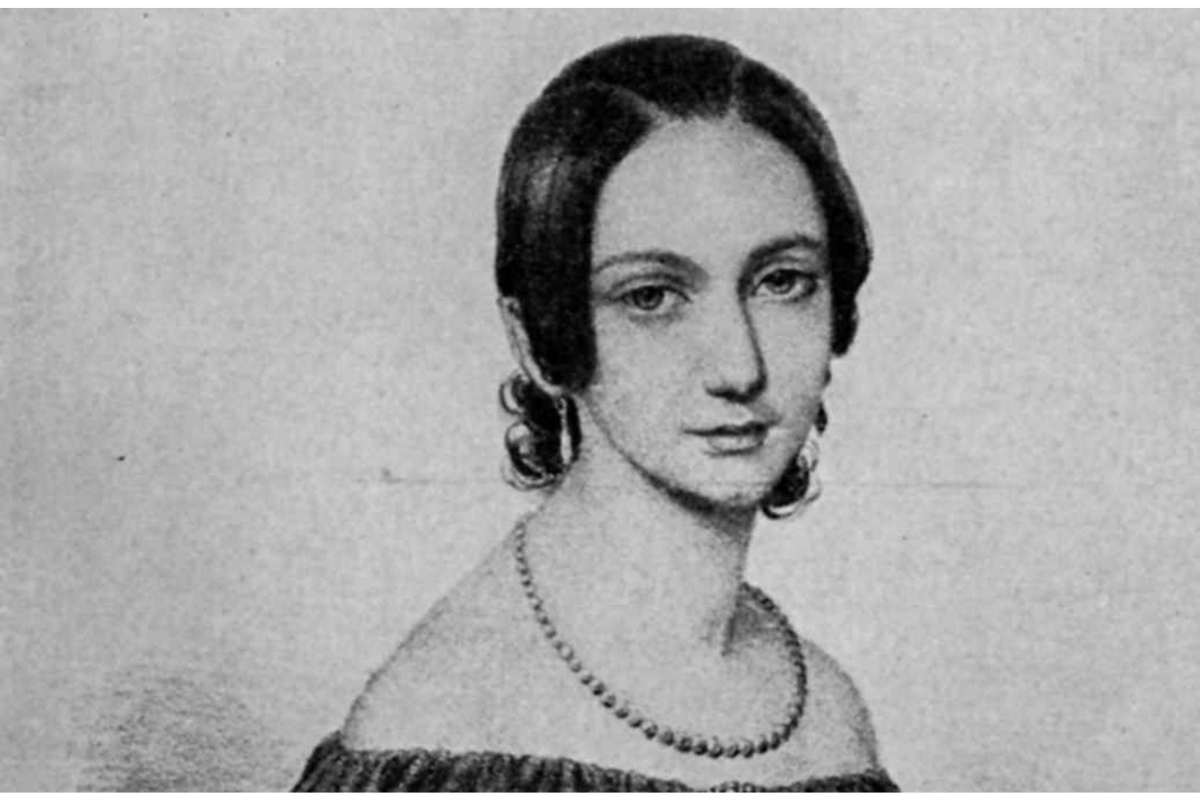
Born In: Leipzig, Saxony, now Germany.
Signature style: Noble, clear, disciplined, expressive, and deeply musical; valued faithfulness to the composer over empty showmanship.
Known for:Virtuoso pianist, composer, teacher, and one of the most important concert artists of the Romantic era.
Career value & impact:Helped shape the modern piano recital by performing serious repertoire from memory and championing works by Robert Schumann, Brahms, Chopin, Mendelssohn, and Beethoven.
Top works/recordings:Piano Concerto in A minor, Three Romances for Violin and Piano, Piano Trio in G minor, Variations on a Theme by Robert Schumann, Romances for Piano. No original recordings exist.
Achievements & Awards:Claraestablished a European reputation as a child prodigy by 1835; honored by the Austrian court and elected to Vienna’s Society of the Friends of Music in 1838.
Robert Schumann (1810–1856)
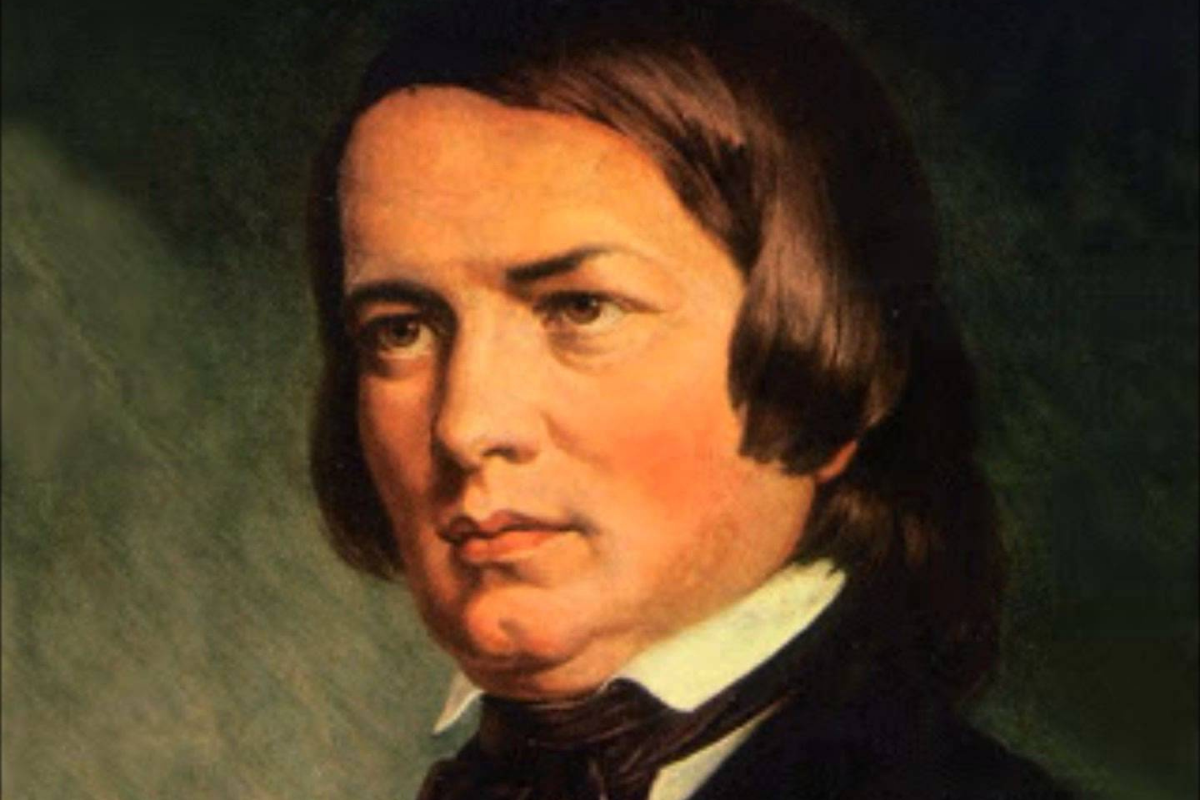
Born In: Zwickau, Saxony, now Germany.
Signature style:Poetic, imaginative, intimate, and emotionally complex; often uses character pieces, shifting moods, and literary inspiration.
Known for:Romantic piano music, lieder, orchestral works, and music criticism. Britannica notes that many of his best-known piano pieces were written for Clara Schumann.
Career value & impact: Developed the Romantic piano character piece into a powerful form of personal and literary expression.
Top works/recordings: Kinderszenen, Carnaval, Kreisleriana, Fantasy in C major, Davidsbündlertänze, Piano Concerto in A minor. No original recordings exist.
Achievements & Awards:Robertbecame one of the central German Romantic composers; he also influenced musical thought through his criticism and support of younger composers such as Brahms.
Johannes Brahms (1833–1897)
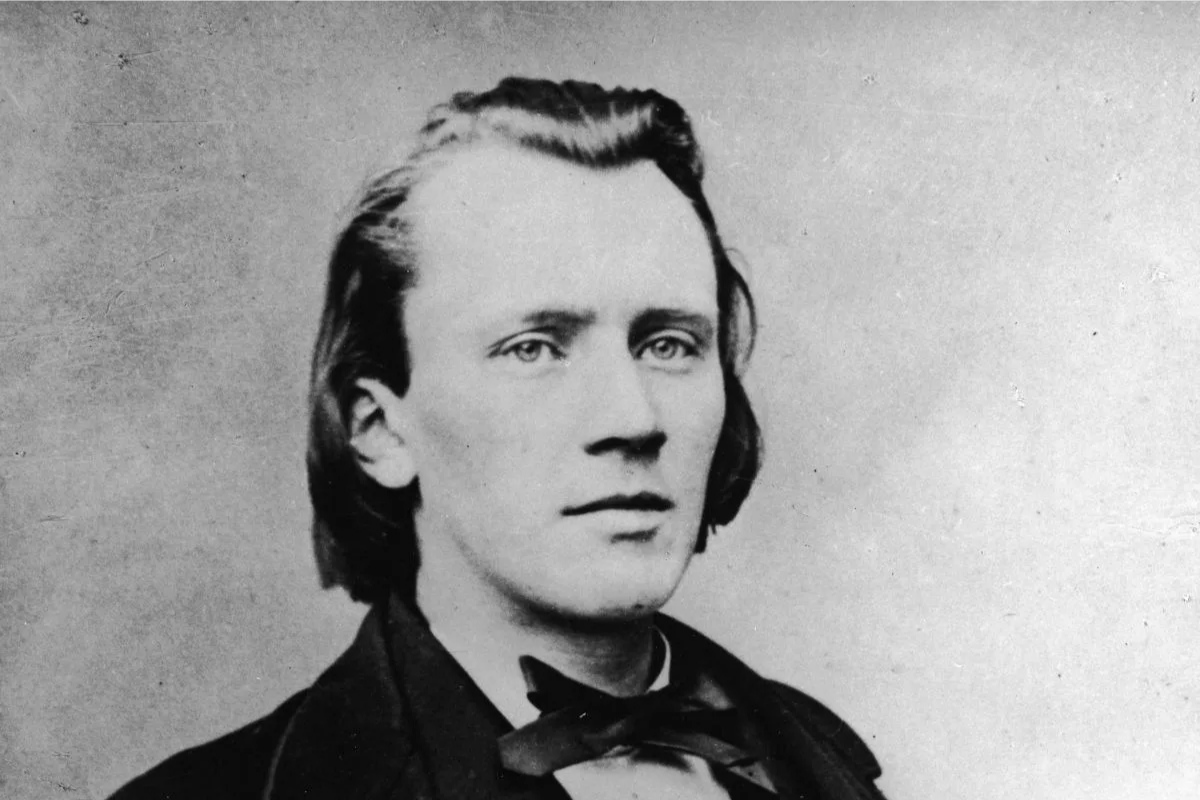
Born In:Hamburg, Germany.
Signature style:Warm, rich, serious, structurally disciplined; combines Romantic emotion with Classical forms, dense textures, and rhythmic complexity.
Known for:Symphonies, concertos, chamber music, piano works, choral music, and more than 200 songs.
Career value & impact:Preserved and renewed Classical forms during the Romantic period; his piano writing is powerful, intellectual, and deeply expressive.
Top works/recordings:Piano Concerto No. 1, Piano Concerto No. 2, Handel Variations, Paganini Variations, Intermezzi Op. 117, Late Piano Pieces Opp. 116–119. No original recordings exist.
Achievements & Awards:Johanneswas recognized as a master of symphonic and sonata style in the second half of the 19th century.
Anton Rubinstein (1829–1894)
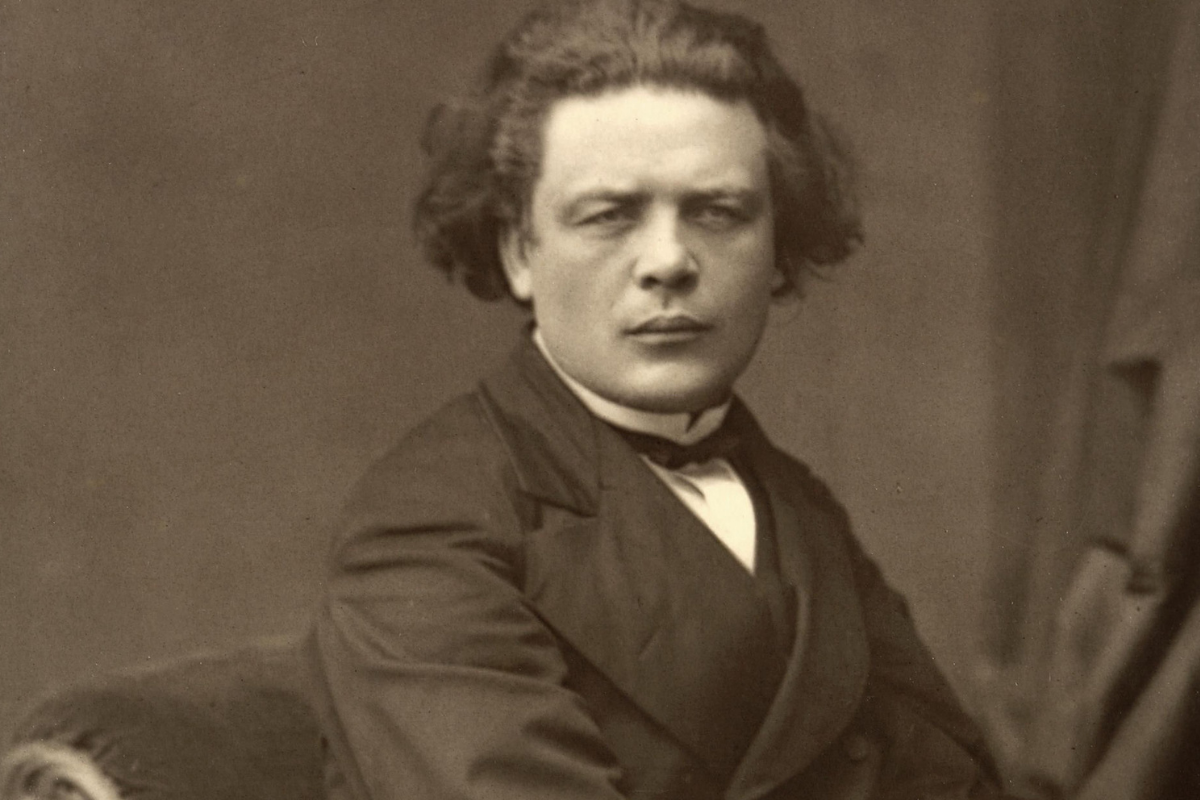
Born In:Vykhvatinets, Podolia province, Russian Empire, now in the Moldova/Transnistria region.
Signature style:Grand, dramatic, powerful, and orchestral; known for huge tone, emotional intensity, and commanding stage presence.
Known for: Russian pianist, composer, conductor, and one of the greatest pianists of the 19th century.
Career value & impact:Helped professionalize Russian music education and performance; founded the Saint Petersburg Conservatory.
Top works/recordings:Piano Concerto No. 4, Melody in F, The Demon, Piano Sonatas, Études, and character pieces. No original recordings exist.
Achievements & Awards:Antonfounded the Saint Petersburg Conservatory and became a major force in Russian musical life; his historic recital series surveyed the development of piano music.
Charles-Valentin Alkan (1813–1888)
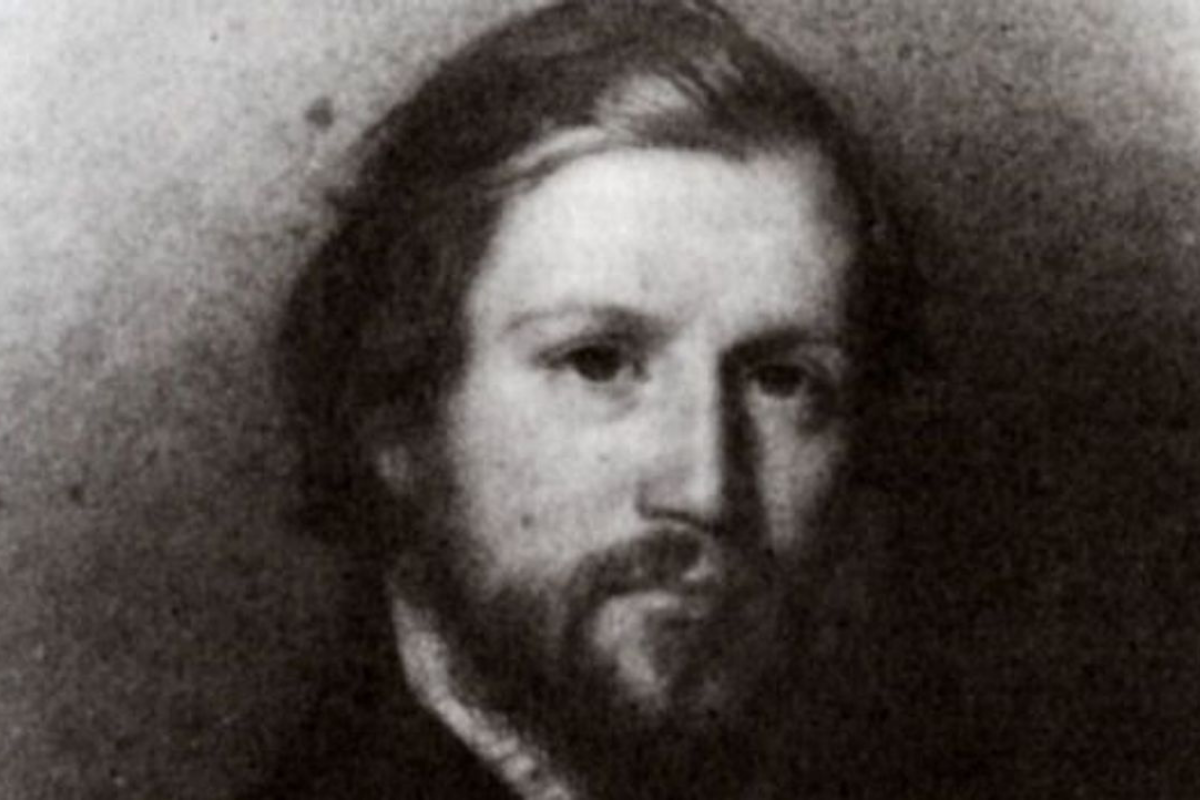
Born In: Paris, France.
Signature style: Extremely difficult, intense, eccentric, and visionary; massive technical demands, unusual forms, and dramatic contrasts.
Known for:French pianist-composer and one of the most technically demanding piano composers of the 19th century.
Career value & impact: Expanded the limits of piano technique and imagination; his works influenced later views of the piano as a nearly orchestral instrument.
Top works/recordings:Symphony for Solo Piano, Concerto for Solo Piano, Le Festin d’Ésope, Grande Sonate Les quatre âges, Études in all the minor keys, Op. 39. No original recordings exist.
Achievements & Awards:Alkan, known as one of Paris’s leading pianist-composers during the 1830s and 1840s, alongside Chopin and Liszt.
Isaac Albéniz (1860–1909)
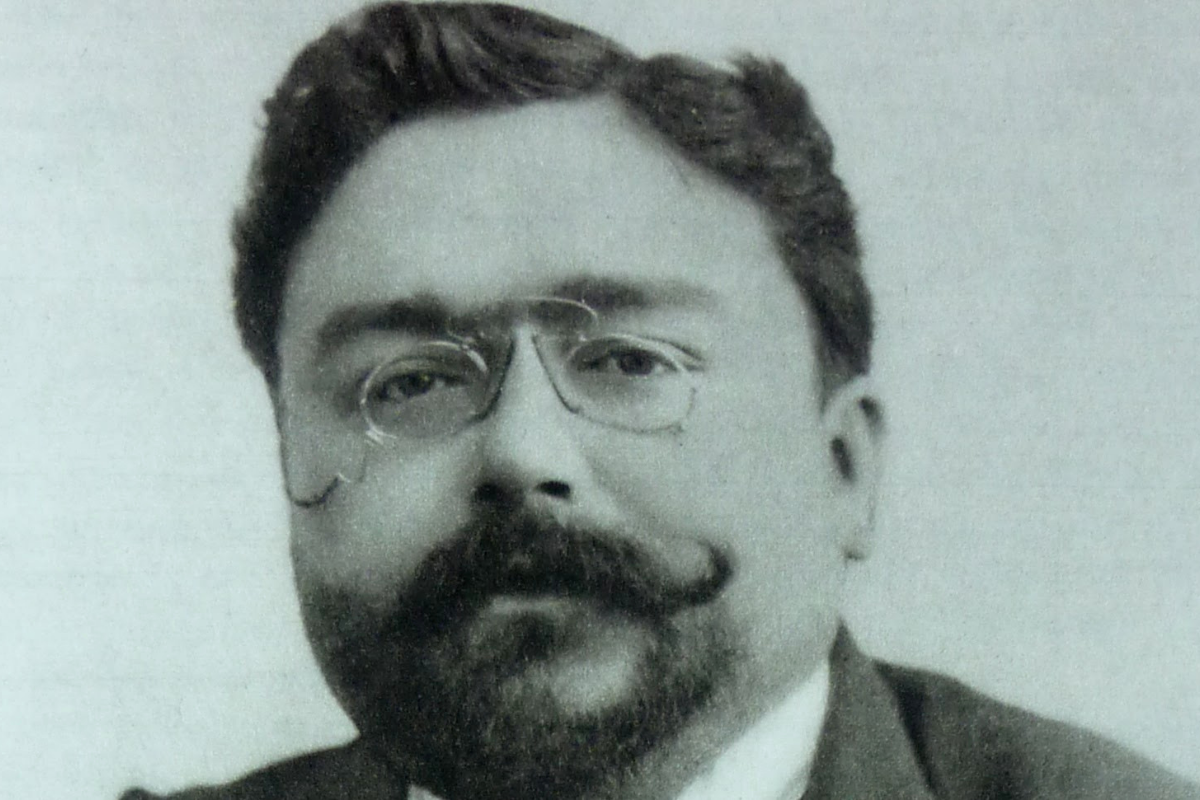
Born In: Camprodón, Spain.
Signature style: Spanish national color, guitar-like piano textures, dance rhythms, rich harmonies, and brilliant virtuosity.
Known for:Composer and virtuoso pianist; a leader of the Spanish nationalist school of musicians.
Career value & impact:Brought Spanish folk idioms and regional character into sophisticated concert piano music; strongly influenced later Spanish composers and guitar transcriptions.
Top works/recordings:Iberia, Asturias/Leyenda, Suite española, España Op. 165, Tango in D, Granada.
Achievements & Awards:Isaacappeared as a piano prodigy at age four and later received France’s Legion of Honour shortly before his death.
Enrique Granados (1867–1916)
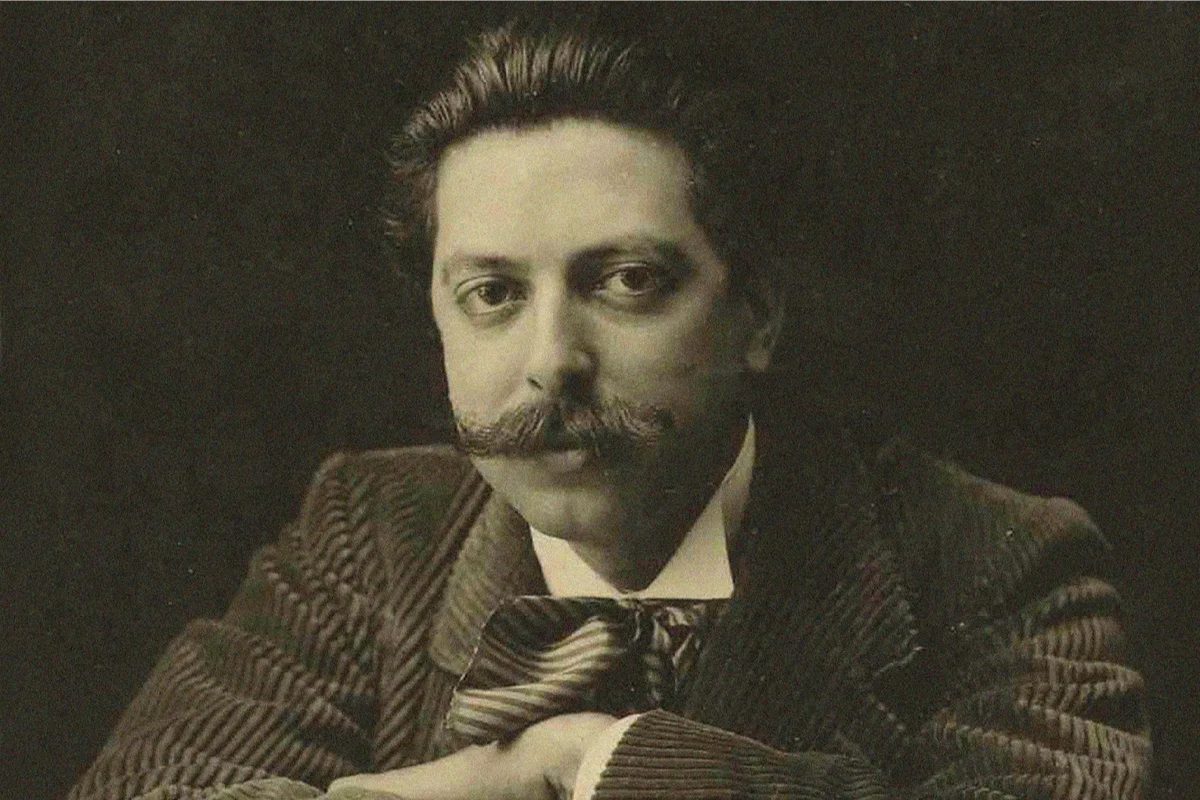
Born In:Lérida, Spain, now Lleida, Catalonia.
Signature style: Romantic, poetic, elegant, and Spanish-nationalist; influenced by Spanish dance, lyrical melody, and the paintings of Francisco Goya.
Known for: Spanish pianist and composer, especially for Goyescas and late Romantic Spanish piano music.
Career value & impact: Helped develop a distinctive Spanish Romantic piano style and founded an important piano school in Barcelona.
Top works/recordings:Goyescas, Spanish Dances, Allegro de concierto, Valses poéticos, Danzas españolas, The Maiden and the Nightingale.
Achievements & Awards:Enriquereceived honors, including the Order of Charles III and the French Legion of Honour; he died at sea during World War I after the SS Sussex was torpedoed.
Sergei Rachmaninoff (1873–1943)
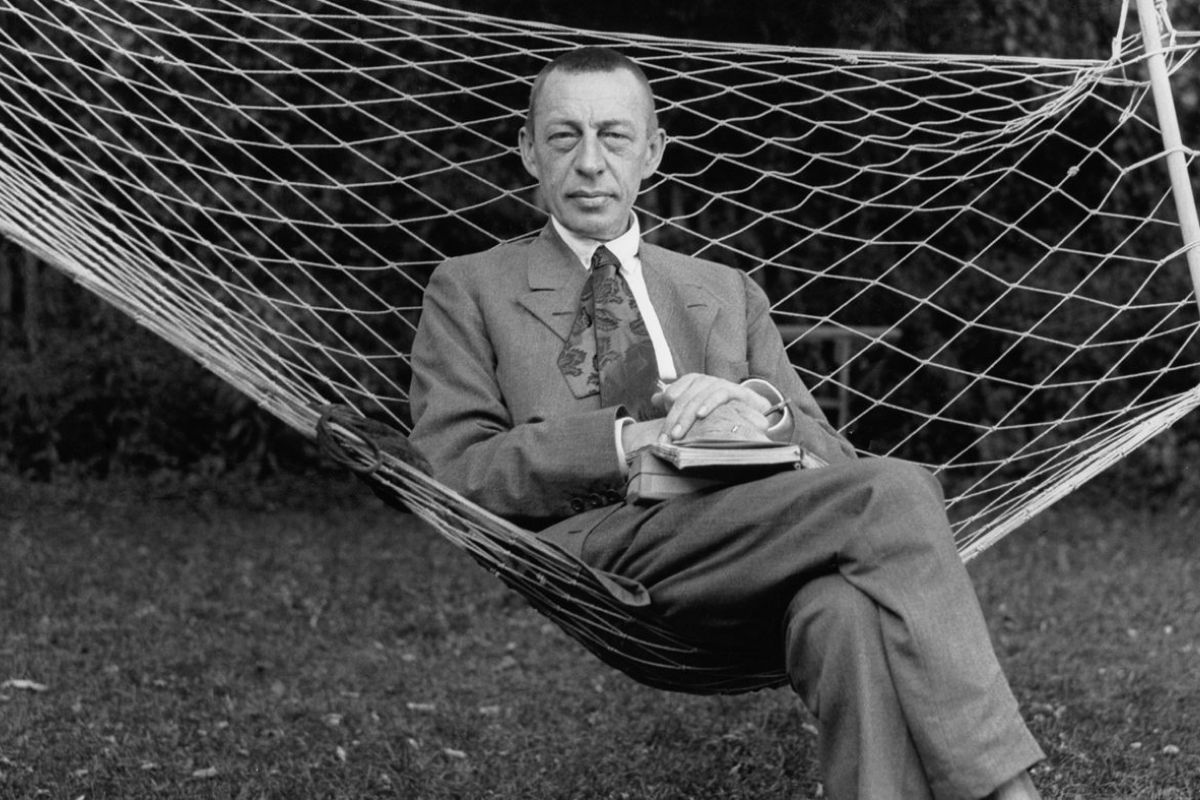
Born In: Oneg, near Semyonovo, Russia.
Signature style: Broad singing melodies, deep bass sonorities, rich Romantic harmony, huge chords, technical brilliance, and emotional intensity.
Known for:Russian composer, pianist, and conductor; one of the last great figures of Russian Romanticism and a leading virtuoso of his time.
Career value & impact:Preserved and extended Romantic piano tradition into the 20th century; his own recordings also document a refined, powerful, unsentimental performing style.
Top works/recordings:Piano Concerto No. 2, Piano Concerto No. 3, Rhapsody on a Theme of Paganini, Preludes Op. 23 and Op. 32, Études-tableaux, Corelli Variations. His own recordings of Chopin, Liszt, and his own works are historically important.
Achievements & Awards:Sergiebecame internationally famous as both a composer and a touring pianist; Britannica calls him a leading piano virtuoso of his time.
20th-Century Classical Masters
Vladimir Horowitz (1903–1989)
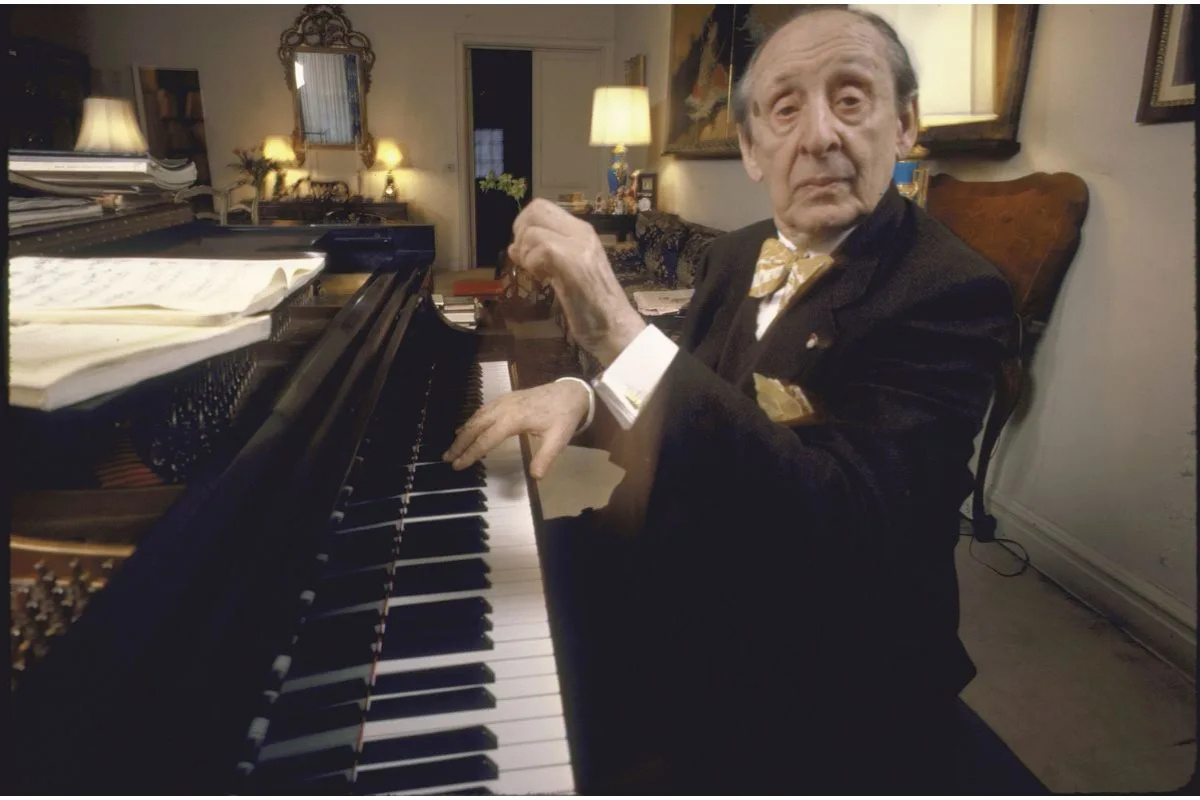
Born In:Berdichev or Kyiv, Russian Empire, now Ukraine; sources note that the exact birthplace has been debated.
Signature style:Electrifying Romantic virtuosity, huge dynamic range, brilliant octaves, sharp articulation, and an almost orchestral piano sound.
Known for: One of the greatest virtuoso pianists of the 20th century, especially admired for Romantic repertoire and his dramatic stage presence.
Career value & impact:Set a high standard for modern virtuoso pianism and recorded interpretations that shaped public ideas of Chopin, Liszt, Rachmaninoff, Scriabin, and Scarlatti.
Top works/recordings:Horowitz in Moscow, Horowitz at Carnegie Hall, Rachmaninoff Piano Concerto No. 3, Tchaikovsky Piano Concerto No. 1, Scarlatti Sonatas, Scriabin Études.
Achievements & Awards:Vladimirwon 25 Grammy Awards and received a Recording Academy Lifetime Achievement Award in 1990.
Artur Rubinstein (1887–1982)
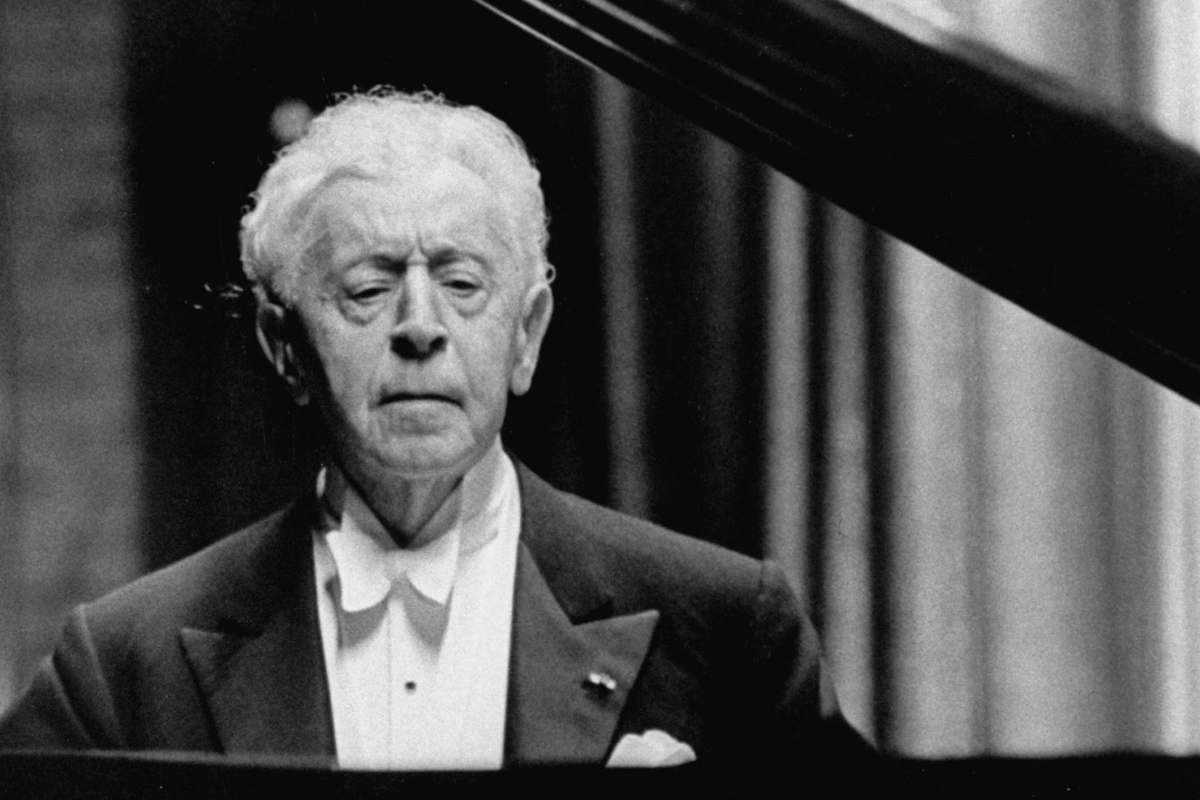
Born In:Łódź, Poland, then part of the Russian Empire.
Signature style:Warm tone, natural phrasing, lyrical elegance, rhythmic freedom, and a noble, singing approach to Chopin.
Known for:One of the 20th century’s foremost interpreters of Chopin and a major international concert pianist.
Career value & impact:Helped establish a modern, emotionally direct but balanced style of Chopin playing; his recordings remain reference points for Romantic repertoire.
Top works/recordings:Chopin Nocturnes, Chopin Mazurkas, Chopin Polonaises, Brahms Piano Concertos, Beethoven Sonatas, Spanish piano music by Albéniz and Granados.
Achievements & Awards:Arthurreceived 10 Grammy wins and 34 nominations according to the Recording Academy.
Glenn Gould (1932–1982)
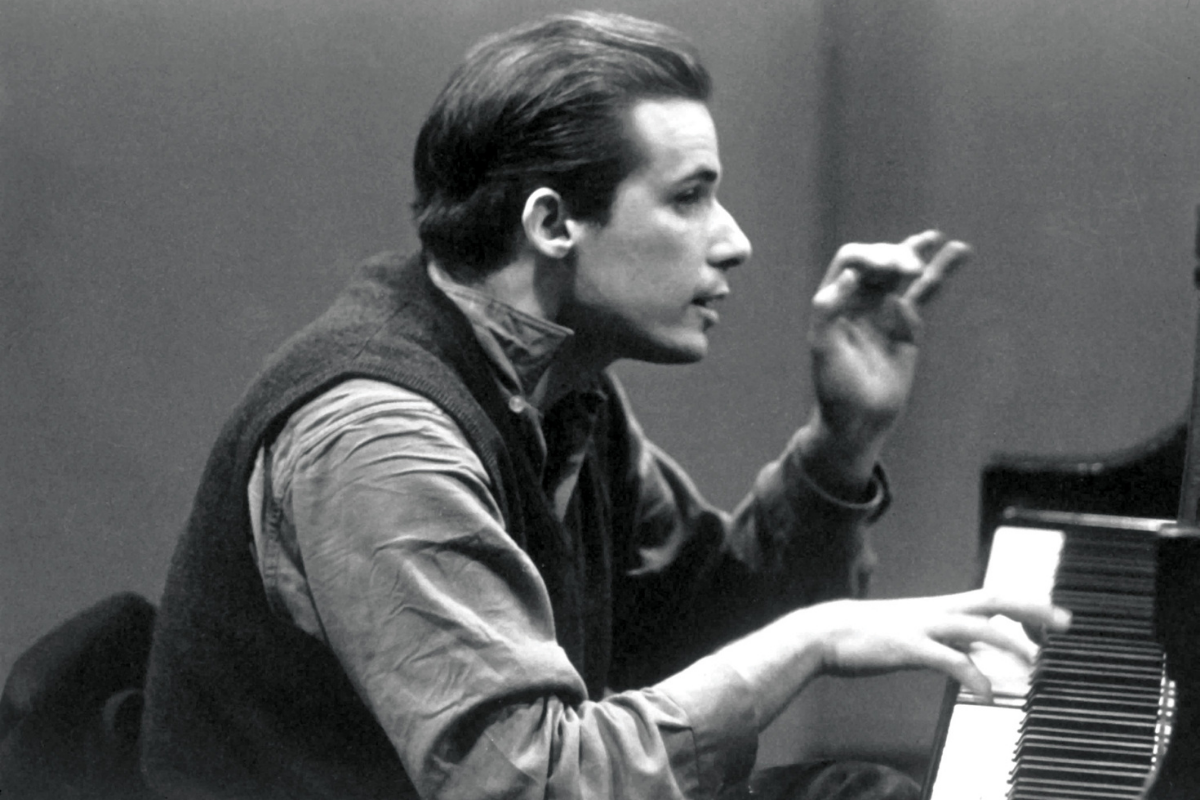
Born In:Toronto, Ontario, Canada.
Signature style: Clear contrapuntal lines, crisp articulation, unusual tempos, detached touch, and highly intellectual interpretation.
Known for:Bach interpretation, especially The Goldberg Variations, and for his unconventional performance habits and recording-focused career.
Career value & impact:Changed the way many listeners understand Bach on the modern piano and helped elevate the recording studio as a serious artistic medium.
Top works/recordings:Bach: Goldberg Variations 1955 and 1981 versions, Bach Partitas, Bach Well-Tempered Clavier, Beethoven Piano Sonatas, Schoenberg piano music.
Achievements & Awards:Glennreceived a Recording Academy Lifetime Achievement Award and multiple Grammy nominations.
Sviatoslav Richter (1915–1997)
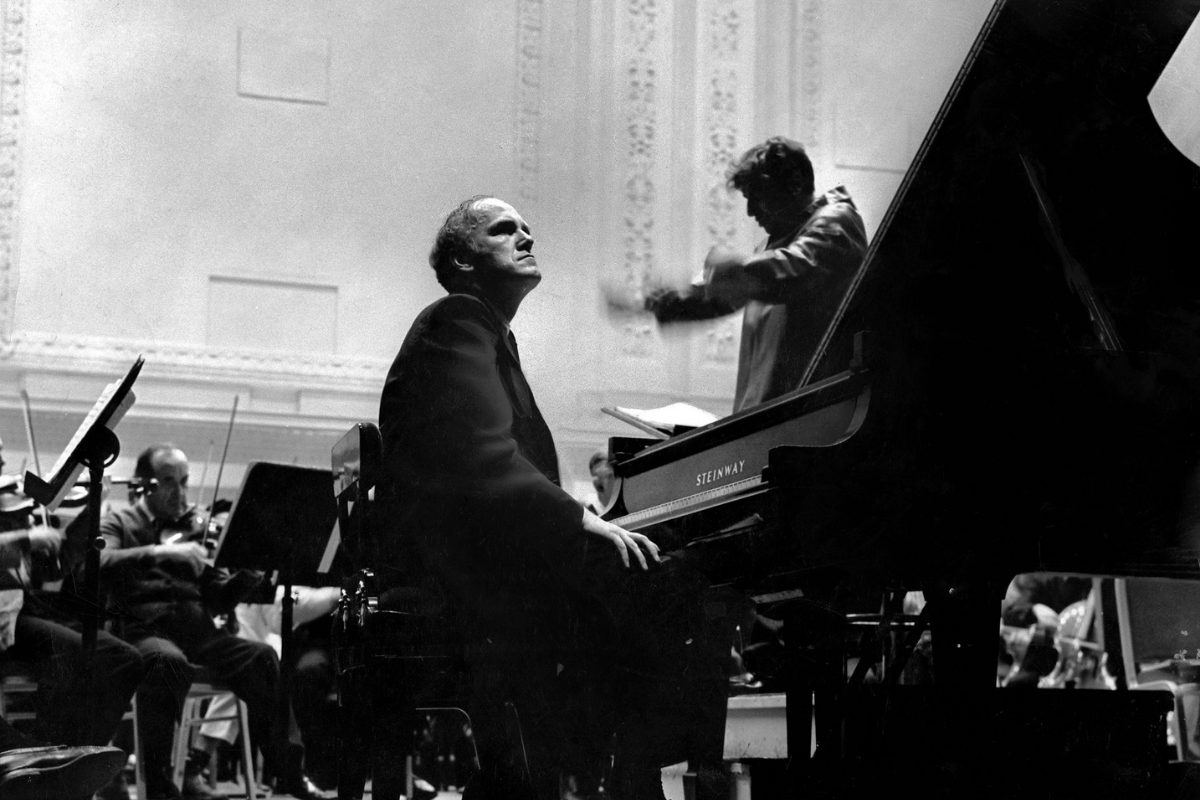
Born In:Zhytomyr, Ukraine, then the Russian Empire.
Signature style: Monumental power, deep concentration, wide repertoire, intense seriousness, and great tonal imagination.
Known for:Huge repertoire and profound interpretations of Bach, Beethoven, Schumann, Liszt, Prokofiev, Mussorgsky, and others.
Career value & impact:Became one of the defining Soviet pianists and influenced generations through recordings, live performances, and his uncompromising musical standards.
Top works/recordings:Mussorgsky: Pictures at an Exhibition, Schubert Sonatas, Schumann: Fantasiestücke, Prokofiev Sonatas, Beethoven Sonatas, Rachmaninoff Piano Concerto No. 2.
Achievements & Awards:Richterreceived major Soviet honors, including the Stalin Prize, Lenin Prize, and People’s Artist of the RSFSR.
Claudio Arrau (1903–1991)
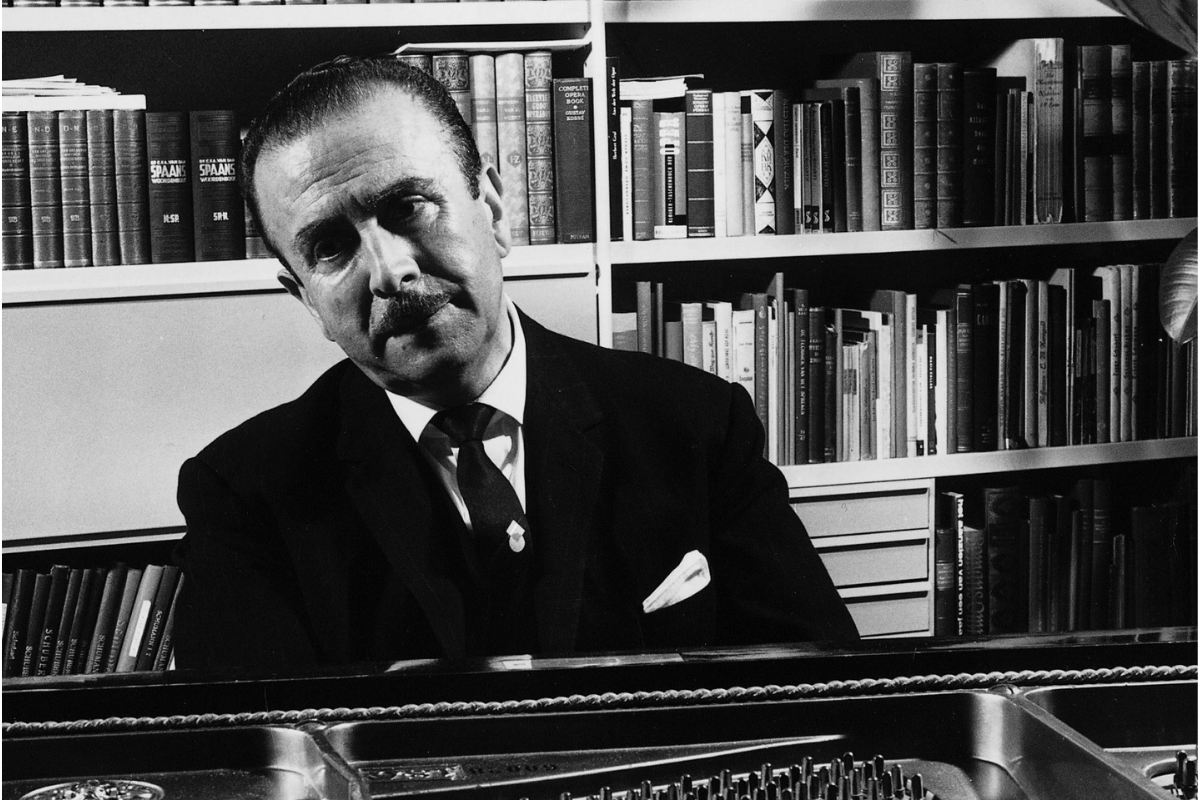
Born In:Chillán, Chile.
Signature style:Deep, philosophical, full-toned, serious, and structurally controlled; known for long musical lines and rich sonority.
Known for: One of the most renowned pianists of the 20th century, especially in Beethoven, Liszt, Schumann, Chopin, Brahms, and Debussy.
Career value & impact:Represented a grand, intellectual school of pianism; his Beethoven and Liszt recordings remain important models of depth and discipline.
Top works/recordings:Beethoven Piano Sonatas, Beethoven Piano Concertos, Liszt Transcendental Études, Chopin Nocturnes, Schumann Carnaval, Brahms Piano Concertos.
Achievements & Awards:Arraureceived multiple Grammy nominations, including for Beethoven’s Emperor Concerto.
Artur Schnabel (1882–1951)
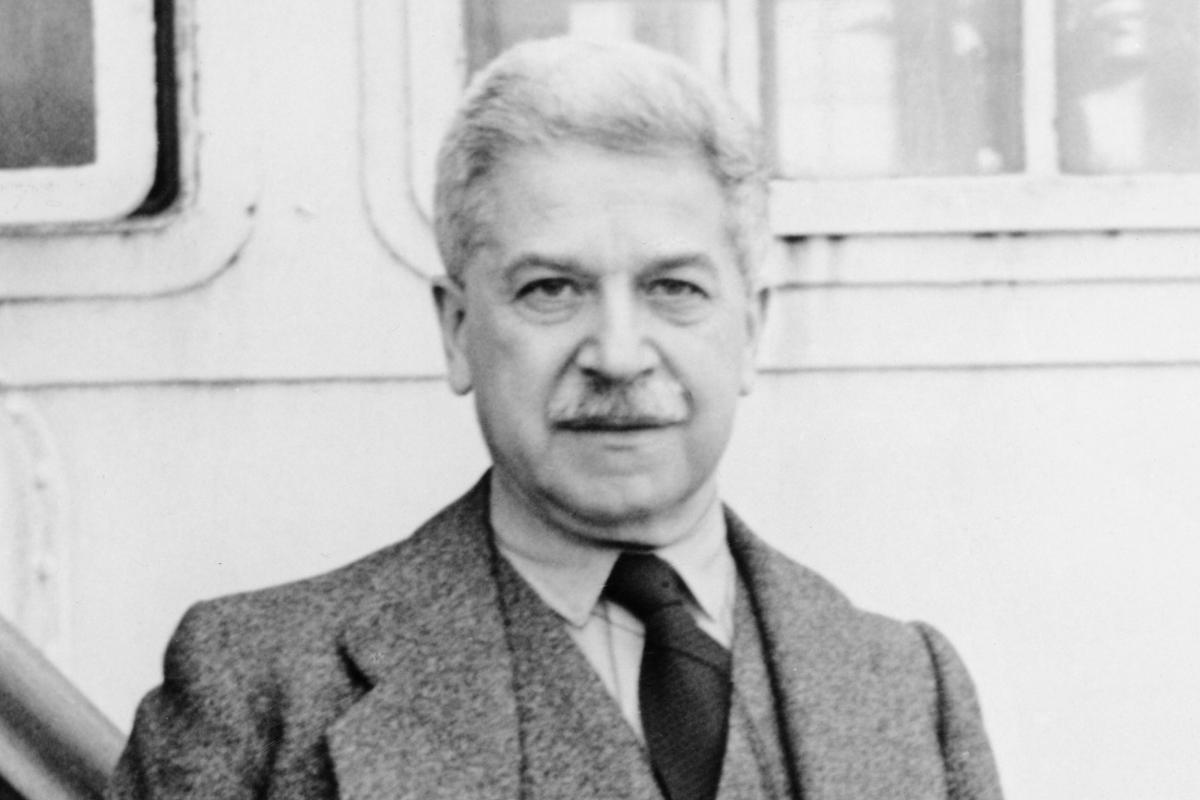
Born In: Lipnik, Austria-Hungary, now part of Poland.
Signature style:Serious, intellectual, text-centered, and structurally clear; he valued musical depth more than surface perfection.
Known for:Beethoven interpretation and for making the first complete recording of Beethoven’s 32 piano sonatas.
Career value & impact:Became a model of scholarly musicianship and helped define the modern approach to Beethoven performance.
Top works/recordings:Beethoven: Complete Piano Sonatas, Beethoven Piano Concertos, Schubert Sonatas, Mozart Piano Concertos, Brahms chamber music.
Achievements & Awards:Artur’sBeethoven recordings made him a legend in his lifetime and an influence on later pianists.
Emil Gilels (1916–1985)
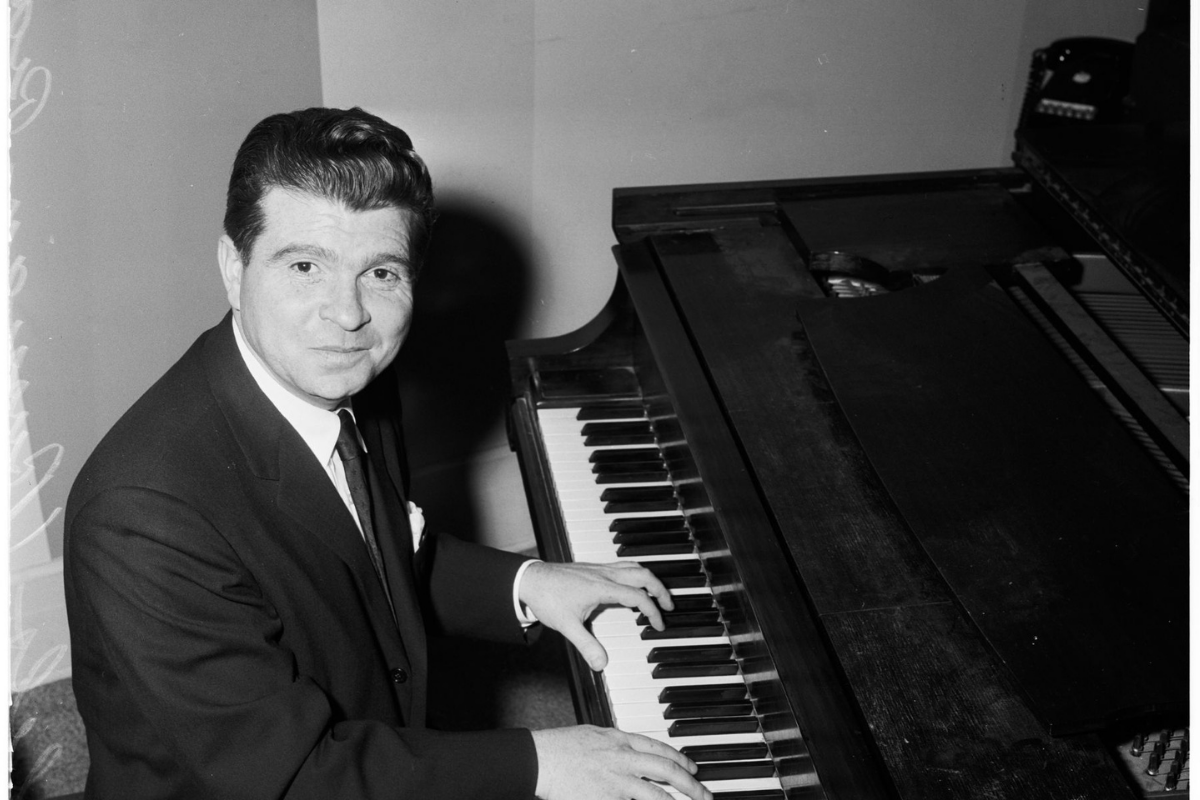
Born In:Odessa, Ukraine, then the Russian Empire.
Signature style:Golden tone, powerful technique, discipline, clarity, and controlled emotional force.
Known for: Beethoven, Brahms, Prokofiev, Tchaikovsky, Grieg, and Russian repertoire.
Career value & impact:One of the first major Soviet pianists to become internationally famous in the West; admired for combining virtuosity with classical control.
Top works/recordings:Beethoven Piano Sonatas, Brahms Piano Concertos, Grieg Piano Concerto, Prokofiev Sonatas, Tchaikovsky Piano Concerto No. 1.
Achievements & Awards:Emilwon the 1938 Concours Eugène Ysaÿe, received the Stalin Prize, Lenin Prize, People’s Artist of the USSR, and other Soviet honors.
Alfred Brendel (1931–2025)
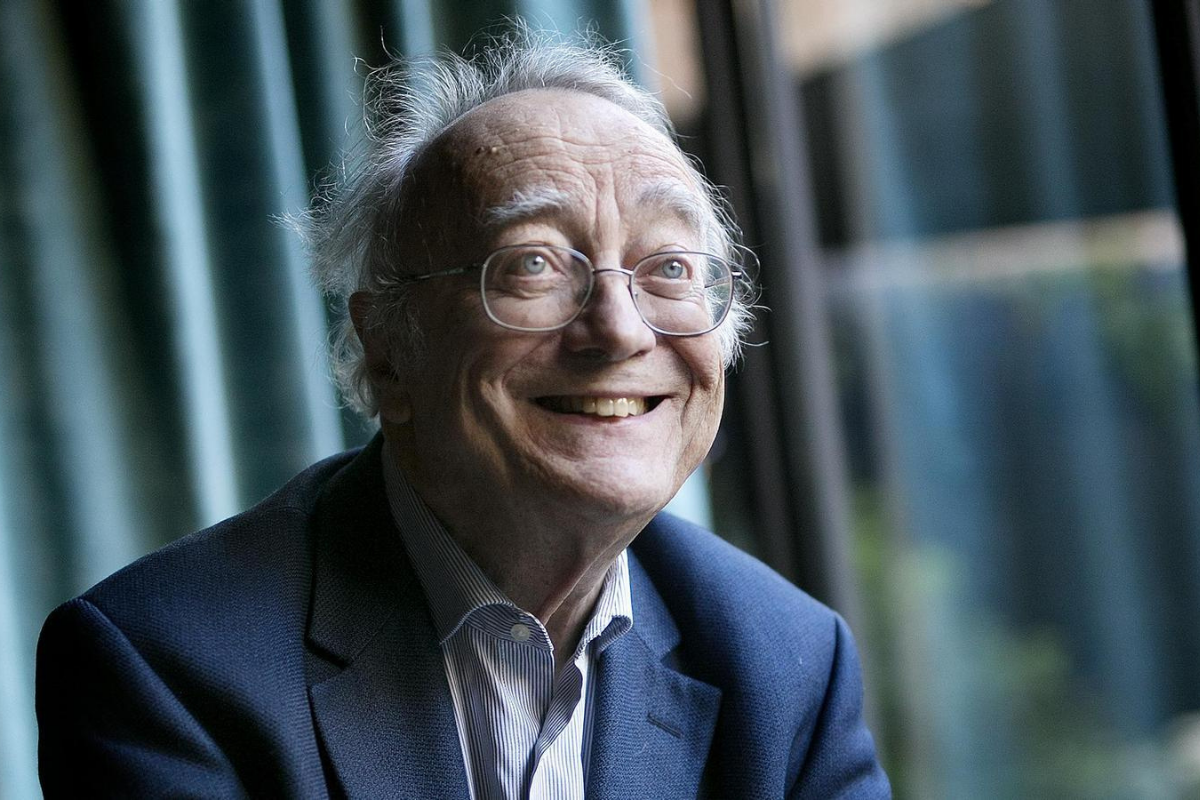
Born In:Wiesenberg, Czechoslovakia, now Loučná nad Desnou, Czech Republic.
Signature style:Intellectual, refined, balanced, witty, and structurally aware; avoided empty virtuoso display.
Known for:Beethoven, Schubert, Mozart, Haydn, and Liszt; also known as a writer, poet, and lecturer.
Career value & impact:Helped define late-20th-century Classical and Romantic interpretation through recordings, essays, lectures, and masterclasses.
Top works/recordings:Beethoven Piano Sonatas, Schubert Sonatas, Mozart Piano Concertos, Liszt Années de pèlerinage, Haydn Sonatas.
Achievements & Awards:Alfredreceived honors including Honorary KBE, Pour le Mérite, Léonie Sonning Music Prize, Ernst von Siemens Music Prize, and Praemium Imperiale.
Wilhelm Kempff (1895–1991)
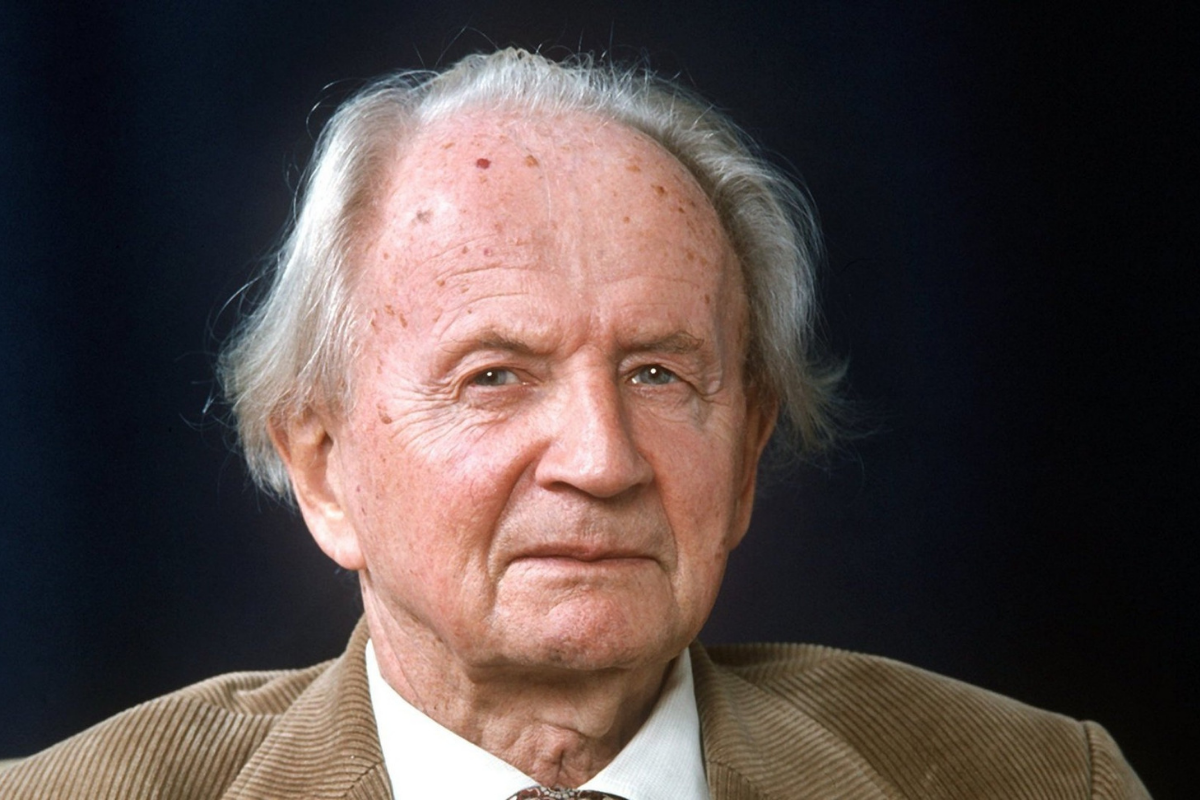
Born In:Jüterbog, Germany.
Signature style: Poetic, lyrical, spiritual, and spontaneous; known for gentle tone and natural phrasing rather than aggressive virtuosity.
Known for:Beethoven and Schubert, especially the sonatas, plus Chopin and German Romantic repertoire.
Career value & impact:Became one of the central representatives of the German piano tradition in the 20th century.
Top works/recordings:Beethoven: Complete Piano Sonatas, Beethoven Piano Concertos, Schubert Sonatas, Bach transcriptions, Schumann and Brahms works.
Achievements & Awards:WilhelmBeethoven sonata recording on Deutsche Grammophon received the Grand Prix du Disque.
Dinu Lipatti (1917–1950)
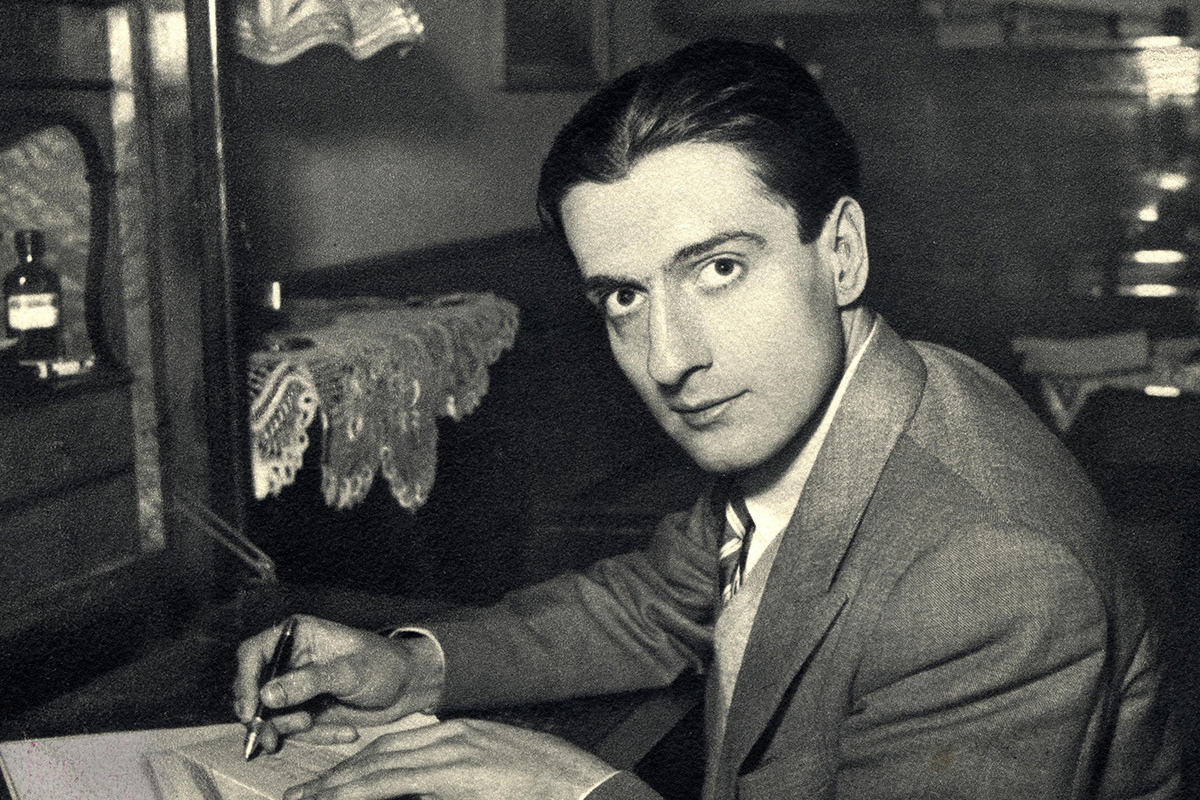
Born In: Bucharest, Romania.
Signature style: Pure, elegant, balanced, luminous, and deeply refined; admired for clarity, taste, and spiritual intensity.
Known for: Short but legendary career, especially in Bach, Mozart, Chopin, Schumann, Ravel, and Grieg.
Career value & impact:Though he died at only 33, his small recorded legacy became one of the most treasured in piano history.
Top works/recordings:Chopin Waltzes, Bach: Partita No. 1, Mozart Piano Concerto No. 21, Schumann Piano Concerto, Grieg Piano Concerto, Ravel: Alborada del gracioso.
Achievements & Awards:Dinufinished second at the 1933 Vienna International Piano Competition; later studied with Alfred Cortot, Nadia Boulanger, Paul Dukas, and Charles Munch.
Modern Classical Pianists & 21st-Century Stars
Martha Argerich (1941–present)
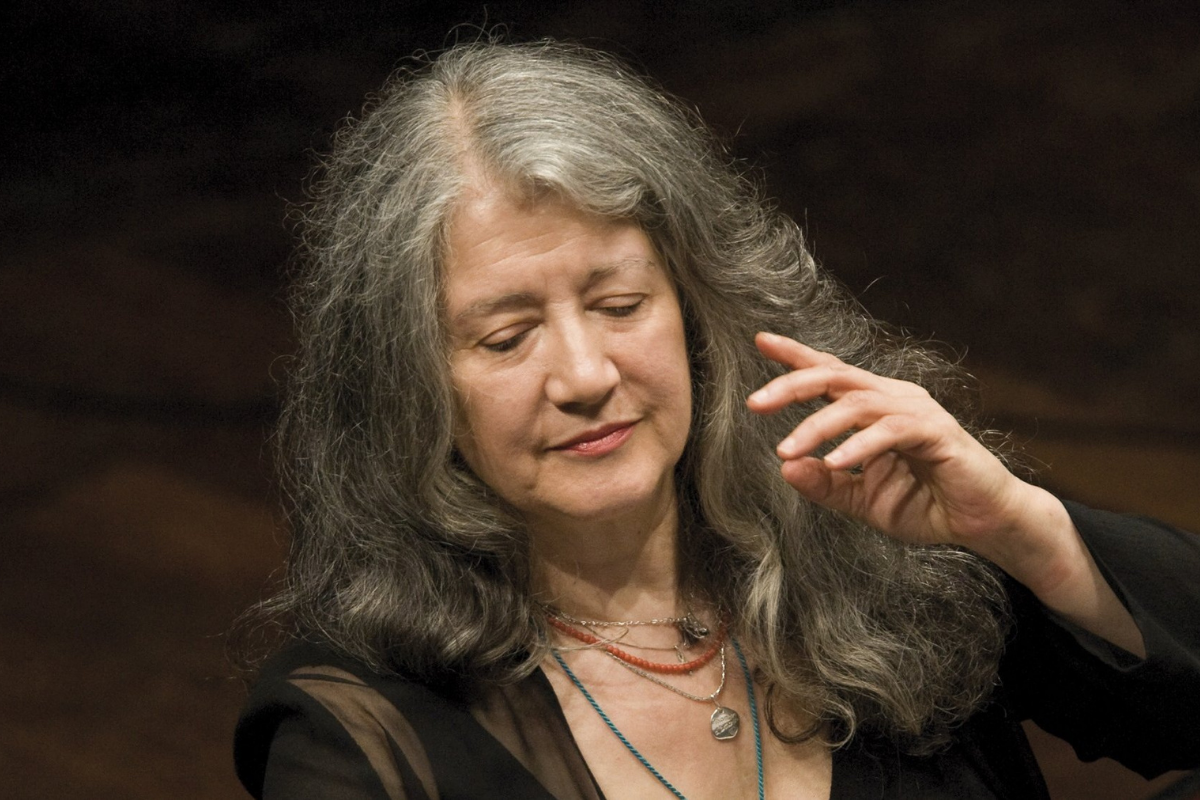
Born In: Buenos Aires, Argentina.
Signature style:Fiery, spontaneous, explosive virtuosity with deep lyricism, sharp rhythm, and intense emotional energy.
Known for: One of the greatest living pianists, especially famous for Chopin, Prokofiev, Rachmaninoff, Schumann, and chamber music.
Career value & impact: Changed modern expectations of virtuoso pianism by combining technical brilliance with risk-taking, passion, and chamber-music collaboration.
Top works/recordings:Chopin Piano Concertos, Prokofiev Piano Concerto No. 3, Ravel Piano Concerto in G, Tchaikovsky Piano Concerto No. 1, Live from Lugano chamber recordings.
Achievements & Awards:Marthawon the Geneva and Busoni competitions in 1957 and the International Chopin Piano Competition in 1965; Grammy history lists 3 wins and 20 nominations.
Lang Lang (1982–present)
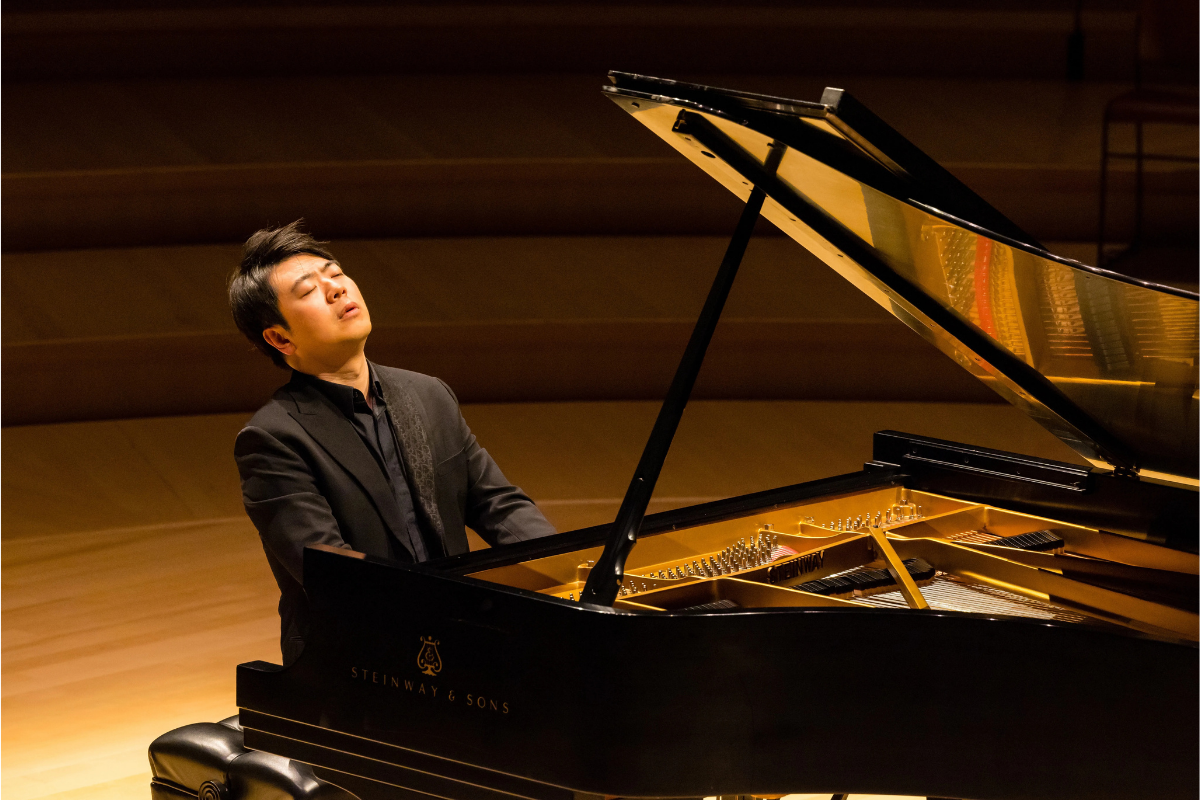
Born In:Shenyang, Liaoning, China.
Signature style:Charismatic, theatrical, colorful, highly expressive, and audience-friendly; often emphasizes emotional communication and visual showmanship.
Known for:Bringing classical piano to huge global audiences and becoming one of the most famous classical pianists of the 21st century.
Career value & impact:Helped popularize classical piano for younger listeners worldwide through concerts, media appearances, education projects, and the Lang Lang International Music Foundation.
Top works/recordings:Piano Book, The Chopin Album, Dragon Songs, Liszt: My Piano Hero, Bach: Goldberg Variations, Beethoven Piano Concertos Nos. 1 & 4.
Achievements & Awards:LangGoodwill Ambassador work and early public recital at age five; he has also received Grammy nominations and major international recognition.
Yuja Wang (1987–present)

Born In:Beijing, China.
Signature style:Dazzling speed, precision, athletic virtuosity, bold programming, and a brilliant, modern concert personality.
Known for:Virtuoso performances of Rachmaninoff, Prokofiev, Liszt, Scriabin, contemporary concertos, and marathon concert projects.
Career value & impact:Became one of the most visible pianists of her generation, combining extreme technical command with contemporary repertoire and a strong public image.
Top works/recordings: The American Project, The Berlin Recital, Rachmaninoff Piano Concertos, John Adams: Must the Devil Have All the Good Tunes?, Sonatas & Études.
Achievements & Awards:Yujaofficial biography notes multiple Grammy nominations and her first Grammy win for The American Project; Deutsche Grammophon confirms the 2024 Grammy win for Best Classical Instrumental Solo.
Daniil Trifonov (1991–present)
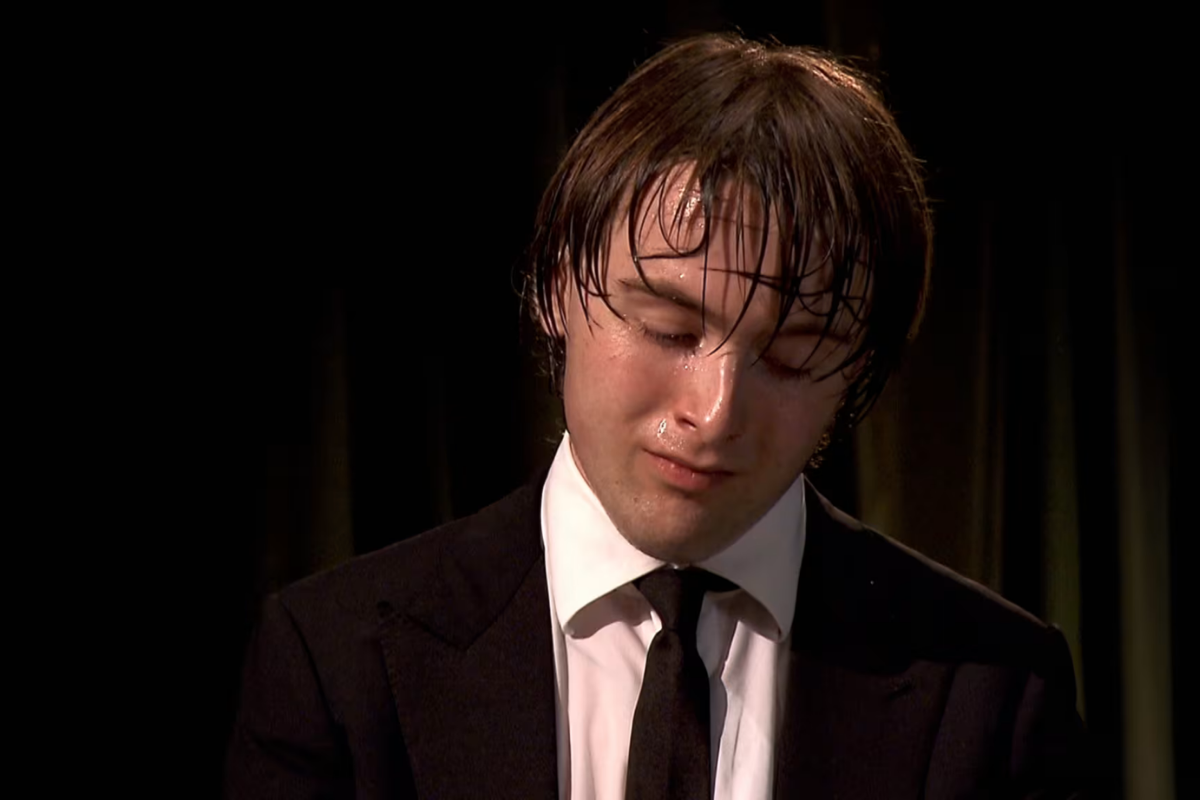
Born In: Nizhny Novgorod, Russia.
Signature style: Poetic, intense, highly imaginative, technically astonishing, and often mysterious or inward-looking.
Known for:Romantic and Russian repertoire, especially Chopin, Liszt, Rachmaninoff, Scriabin, Tchaikovsky, and Prokofiev.
Career value & impact: Represents a modern composer-pianist ideal, combining virtuoso performance with composition, chamber music, song collaboration, and large-scale recital programming.
Top works/recordings:Transcendental: Liszt Études, Rachmaninov Variations, Destination Rachmaninov, Bach: The Art of Life, Chopin Evocations, Tchaikovsky solo works.
Achievements & Awards:Daniilwon the 2011 Arthur RubinsteinCompetition and the 2011 Tchaikovsky Competition; his Transcendental album won the 2018 Grammy for Best Instrumental Solo Album.
Igor Levit (1987–present)
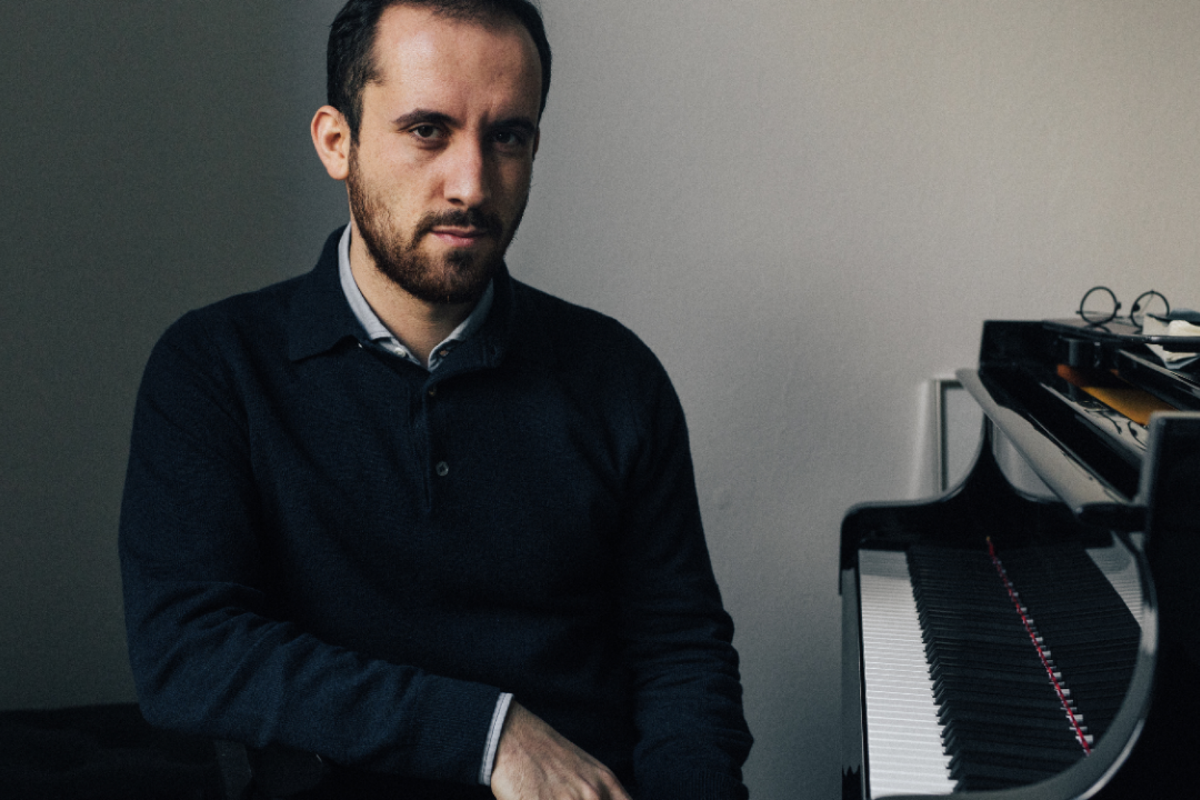
Born In:Gorky, Soviet Union, now Nizhny Novgorod, Russia.
Signature style: Intellectual, intense, structurally clear, morally serious, and deeply committed to long-form musical argument.
Known for:Beethoven, Bach, Liszt, Busoni, Shostakovich, Reger, and politically engaged musicianship.
Career value & impact:Known for making large, demanding works feel urgent and contemporary; also recognized for connecting classical performance with public life and social issues.
Top works/recordings:Beethoven: Complete Piano Sonatas, Bach Goldberg Variations, Beethoven Diabelli Variations, Rzewski: The People United Will Never Be Defeated!, Life, Encounter.
Achievements & Awards:Igorwon major prizes at the 2005 Arthur RubinsteinCompetition and received the 2018 Gilmore Artist Award, one of the major awards for pianists.
Mitsuko Uchida (1948–present)
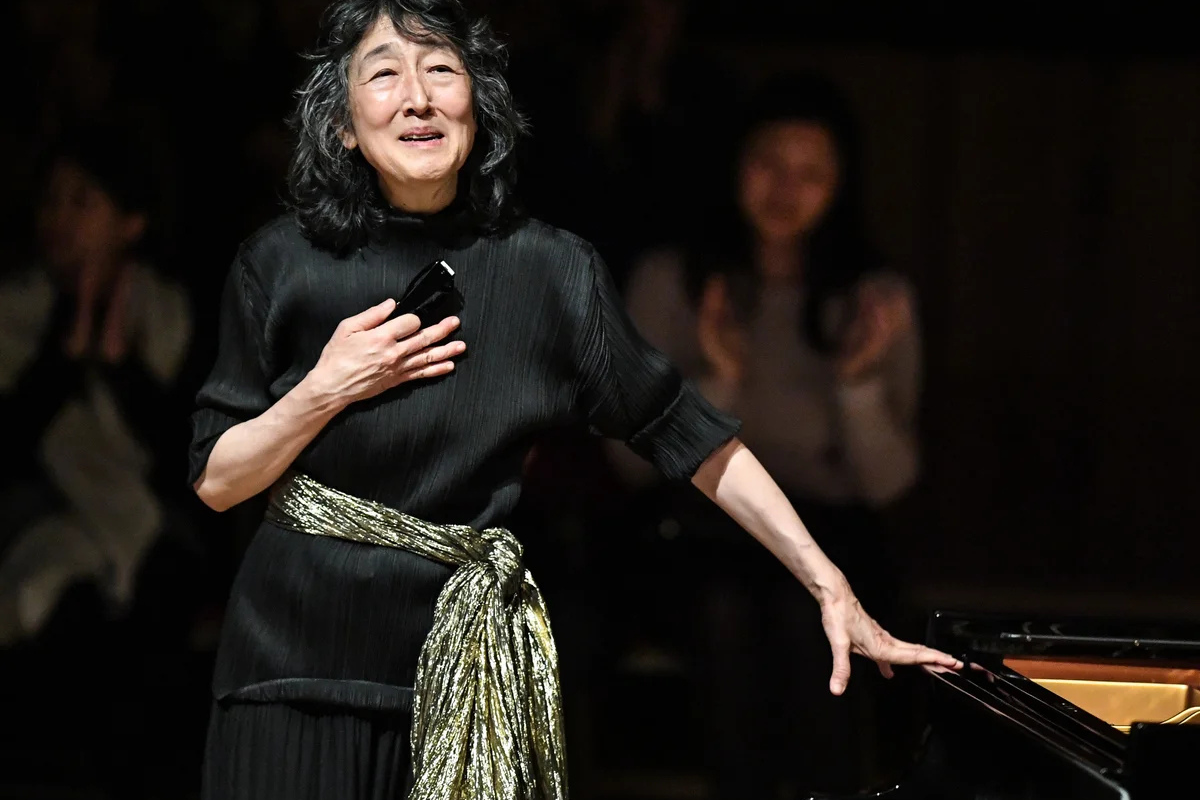
Born In:Atami, Shizuoka Prefecture, Japan.
Signature style: Refined, transparent, psychologically deep, elegant, and highly expressive without exaggeration.
Known for:Mozart, Schubert, Beethoven, Schoenberg, and conducting from the keyboard.
Career value & impact:One of the leading interpreters of Classical and early Romantic repertoire; admired for intellectual depth, tonal beauty, and chamber-like sensitivity.
Top works/recordings:Mozart Piano Sonatas, Mozart Piano Concertos with the Cleveland Orchestra, Schubert Piano Sonatas, Beethoven Diabelli Variations, Schoenberg Piano Concerto.
Achievements & Awards:Uchidabiography lists two Grammy Awards, major Gramophone recognition, and her long artistic role with Marlboro Music.
Víkingur Ólafsson (1984–present)
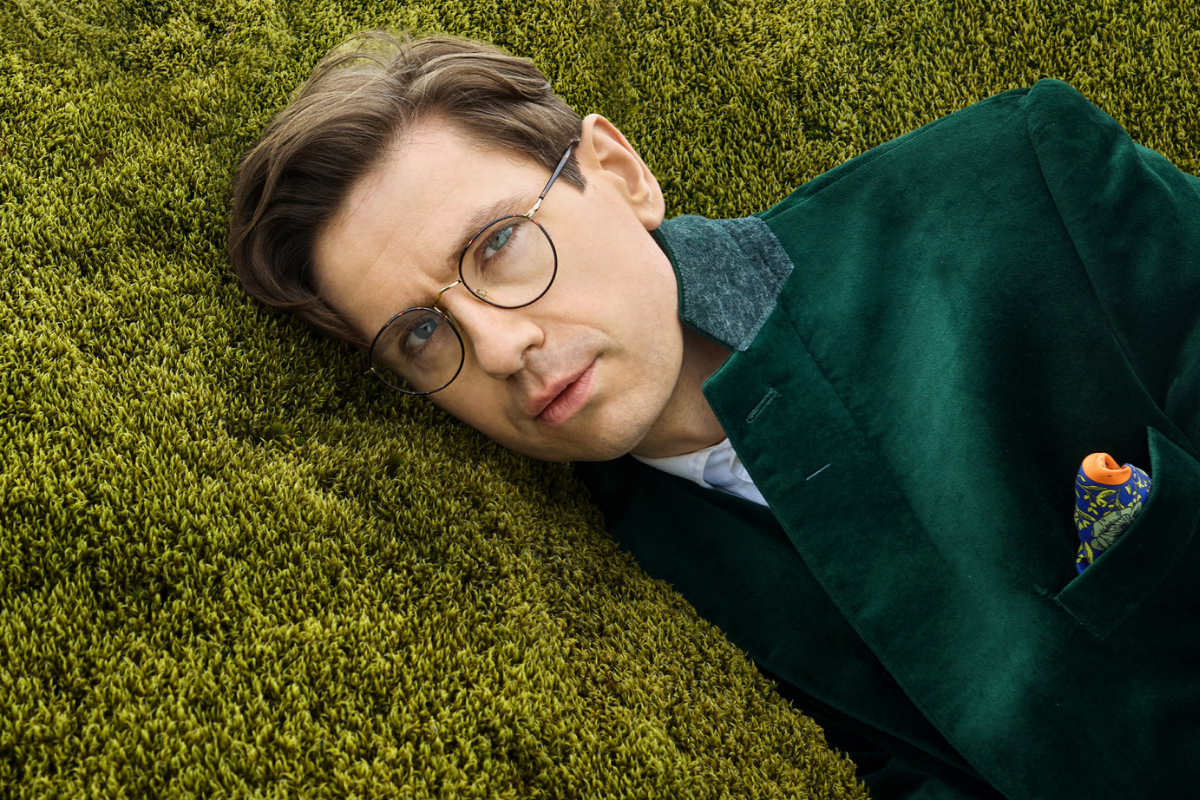
Born In:Reykjavík, Iceland.
Signature style: Clear, crystalline, imaginative, rhythmically precise, and often minimalist-influenced; known for fresh programming and sound color.
Known for: Bach, Philip Glass, Debussy, Rameau, Mozart, and innovative recital concepts.
Career value & impact:Helped bring Icelandic pianism to the global stage and attracted new listeners through distinctive recordings and modern presentation.
Top works/recordings: Bach: Goldberg Variations, Philip Glass: Piano Works, Johann Sebastian Bach, Debussy–Rameau, Mozart & Contemporaries.
Achievements & Awards: DeutscheGrammophon notes over one billion streams and awards, including the 2025 Grammy Award for Best Classical Instrumental Solo for Bach’s Goldberg Variations.
Khatia Buniatishvili (1987–present)

Born In: Batumi, Georgia.
Signature style:Passionate, dramatic, sensual, impulsive, and highly expressive; often emphasizes emotional freedom and big Romantic color.
Known for:Liszt, Chopin, Rachmaninoff, Tchaikovsky, Schubert, Mozart, and dramatic stage presence.
Career value & impact:A major public-facing classical artist who has helped attract younger and broader audiences to piano music.
Top works/recordings:Liszt, Chopin, Motherland, Rachmaninoff Piano Concertos Nos. 2 & 3, Schubert, Labyrinth, Mozart Piano Concertos Nos. 20 & 23.
Achievements & Awards:Khatia'sofficial biography gives her birth in Batumi in 1987; Kronberg Academy notes her BBC New Generation Artist status, Borletti-Buitoni Trust Award, and Sony Classical contract, while AP describes her as a two-time Opus Klassik winner.
Yunchan Lim (2004–present)
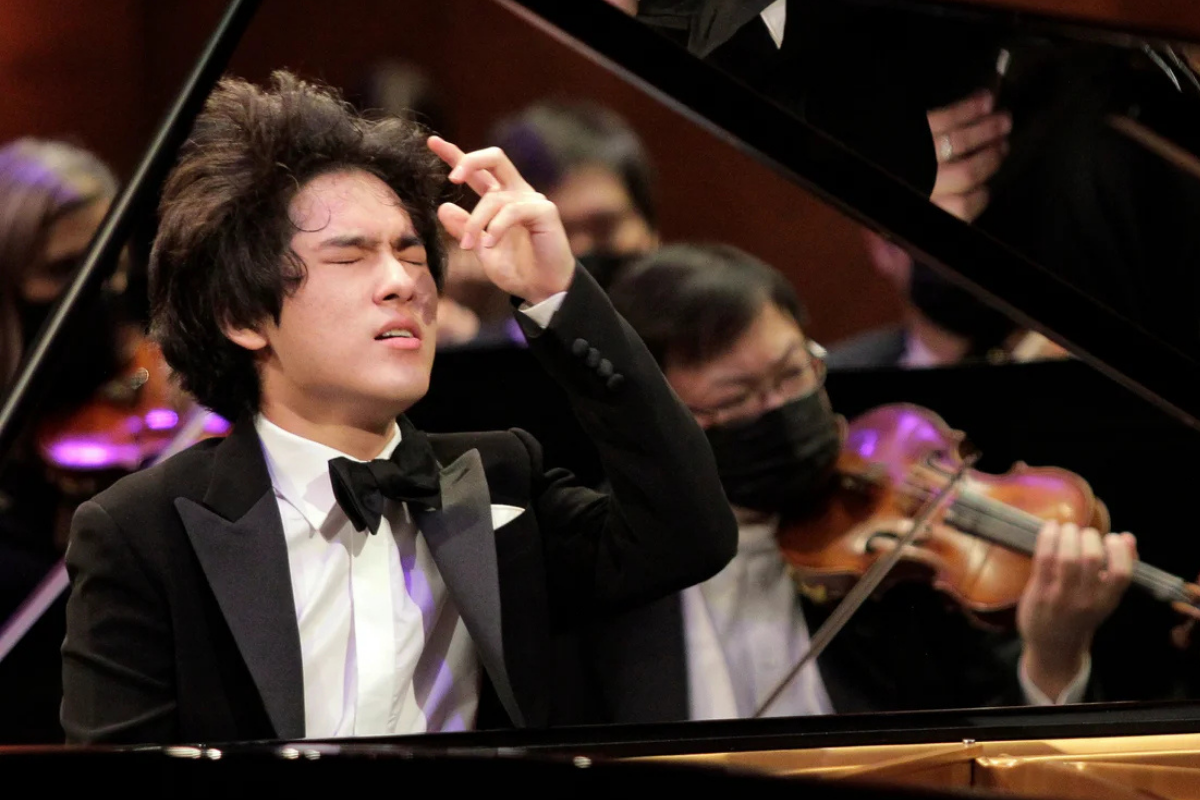
Born In:Siheung, South Korea.
Signature style: Youthful but profound, poetic, technically fearless, emotionally intense, and unusually mature in long musical arcs.
Known for: His breakthrough at the 2022 Van Cliburn International Piano Competition and viral Rachmaninoff Piano Concerto No. 3 performance.
Career value & impact:Became one of the most talked-about young pianists in the world, bringing fresh attention to Romantic virtuoso repertoire.
Top works/recordings:Rachmaninoff Piano Concerto No. 3, Chopin Études Op. 10 & Op. 25, Liszt Transcendental Études, Beethoven and Mozart concerto performances.
Achievements & Awards:Limbecame the youngest person ever to win gold at the Van Cliburn International Piano Competition in 2022 at age 18.
Seong-Jin Cho (1994–present)
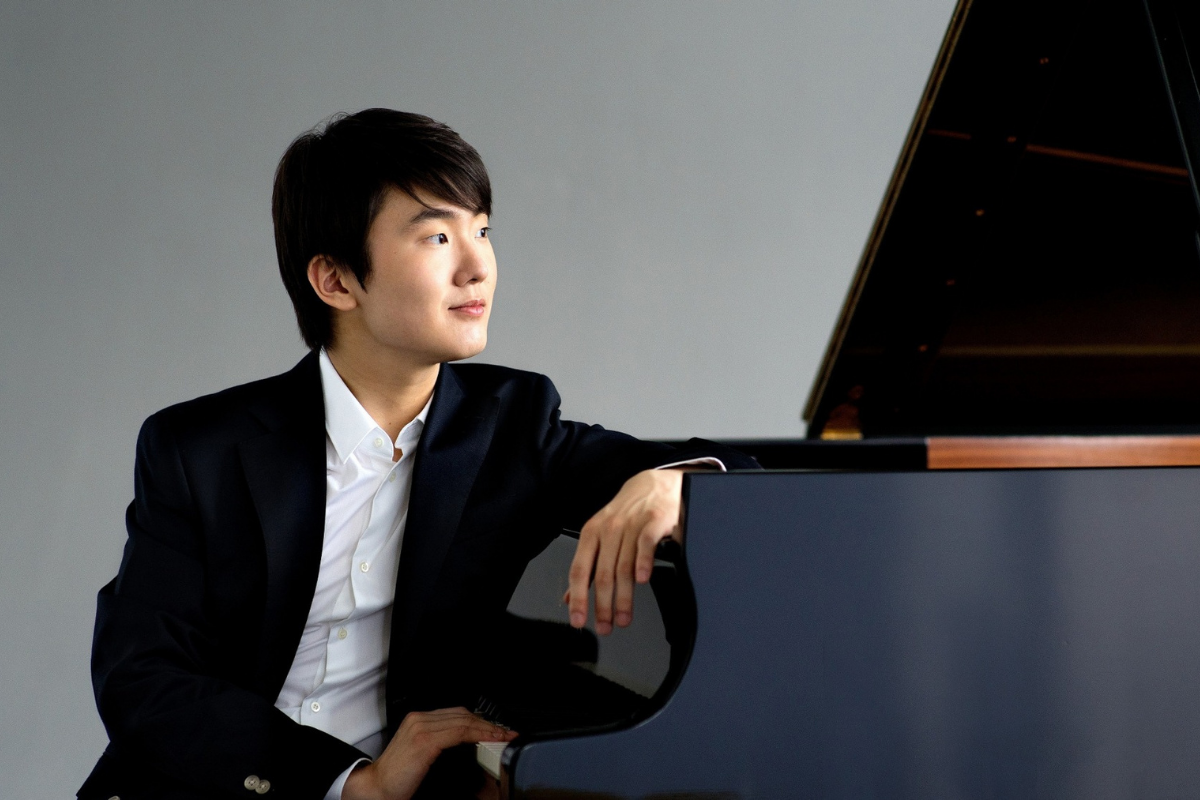
Born In: Seoul, South Korea.
Signature style:Elegant, controlled, poetic, polished, and refined; known for clarity, balance, and beautiful sound.
Known for:Chopin, Debussy, Mozart, Schubert, Liszt, Ravel, and Beethoven.
Career value & impact:Brought major international attention to South Korean pianism after winning the Chopin Competition; now a leading pianist of his generation.
Top works/recordings: Winner of the 17th International Chopin Piano Competition, Chopin Piano Concerto No. 1 & Ballades, Debussy, Mozart Piano Concerto No. 20, The Wanderer, Handel Project.
Achievements & Awards:Jin Chowas born in Seoul in 1994; won the 2009 Hamamatsu International Piano Competition, third prize at the 2011 Tchaikovsky Competition, and first prize at the 2015 International Chopin Piano Competition.
Jazz, Fusion & Improvisational Piano Legends
Art Tatum (1909–1956)
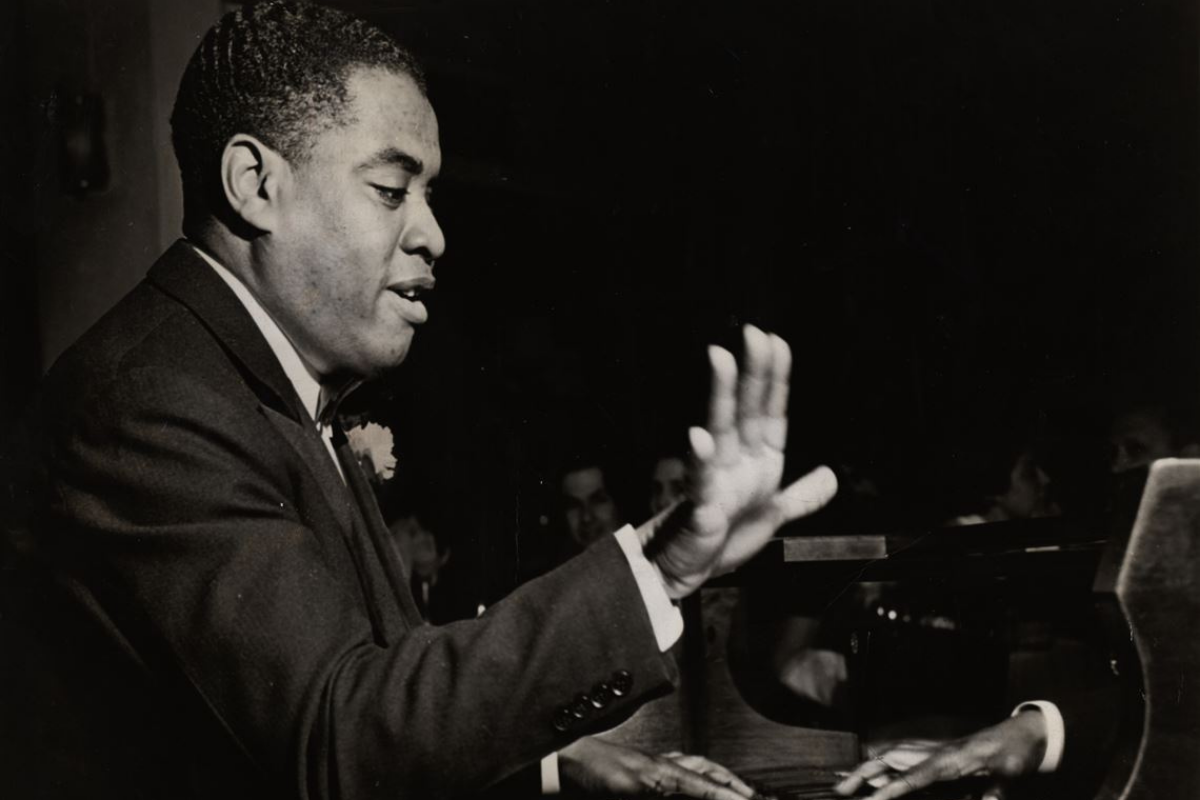
Born In: Toledo, Ohio, United States.
Signature style:Brilliant stride-based jazz piano, extremely fast runs, rich reharmonization, dazzling right-hand lines, and orchestral fullness.
Known for:Being one of the greatest technical virtuosos in jazz piano history.
Career value & impact:Expanded what was considered possible on the jazz piano; later pianists admired his speed, harmonic imagination, and independence between hands.
Top works/recordings:Piano Starts Here, God Is in the House, The Tatum Group Masterpieces, Tea for Two, Tiger Rag.
Achievements & Awards: Grammy.com lists 1 competitive Grammy win and 3 nominations; he also received the Grammy Lifetime Achievement Award in 1989.
Thelonious Monk (1917–1982)
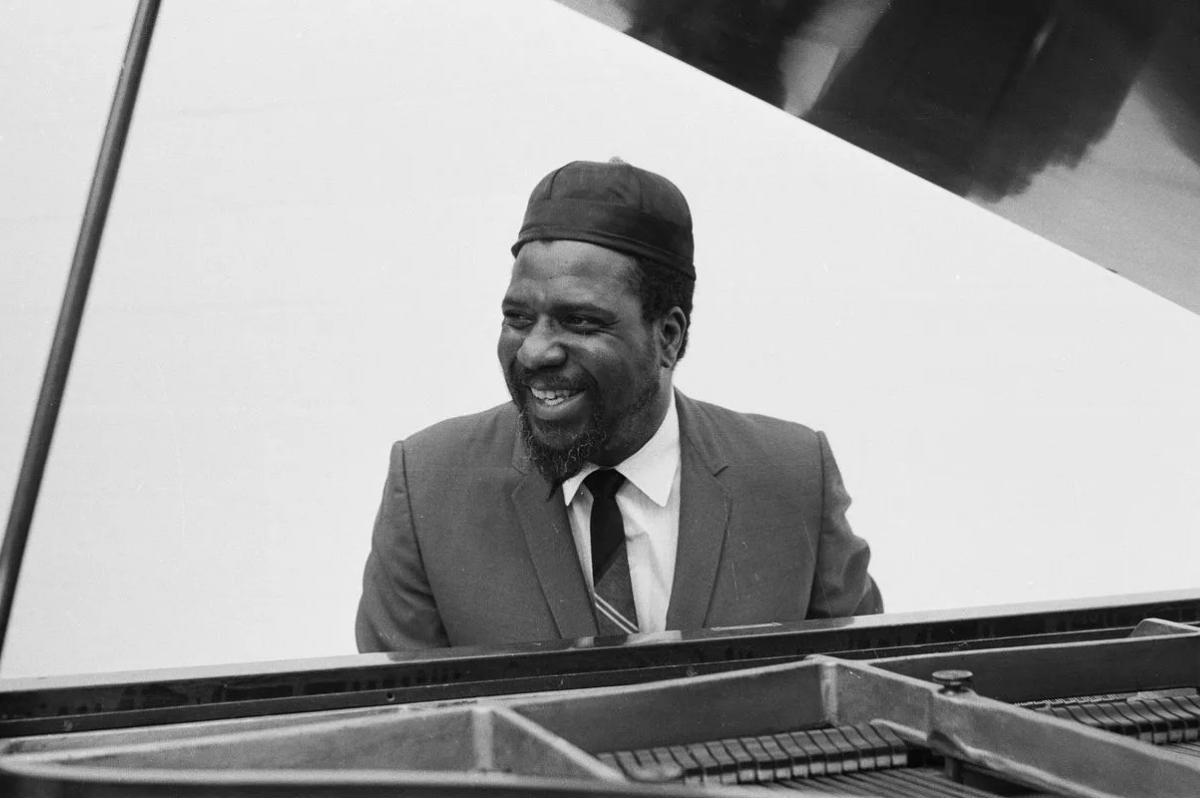
Born In:Rocky Mount, North Carolina, United States.
Signature style:Angular melodies, dissonant harmonies, unexpected pauses, percussive touch, quirky rhythms, and highly original phrasing.
Known for:Being one of the first creators of modern jazz and a major influence on bebop.
Career value & impact:Created a completely personal piano language; his compositions became core jazz standards and reshaped modern jazz harmony.
Top works/recordings: ’Round Midnight, Blue Monk, Straight, No Chaser, Epistrophy, Brilliant Corners, Monk’s Dream, Genius of Modern Music.
Achievements & Awards:Monkreceived a posthumous Pulitzer Prize Special Citation in 2006 and a Grammy Lifetime Achievement Award in 1993.
Oscar Peterson (1925–2007)
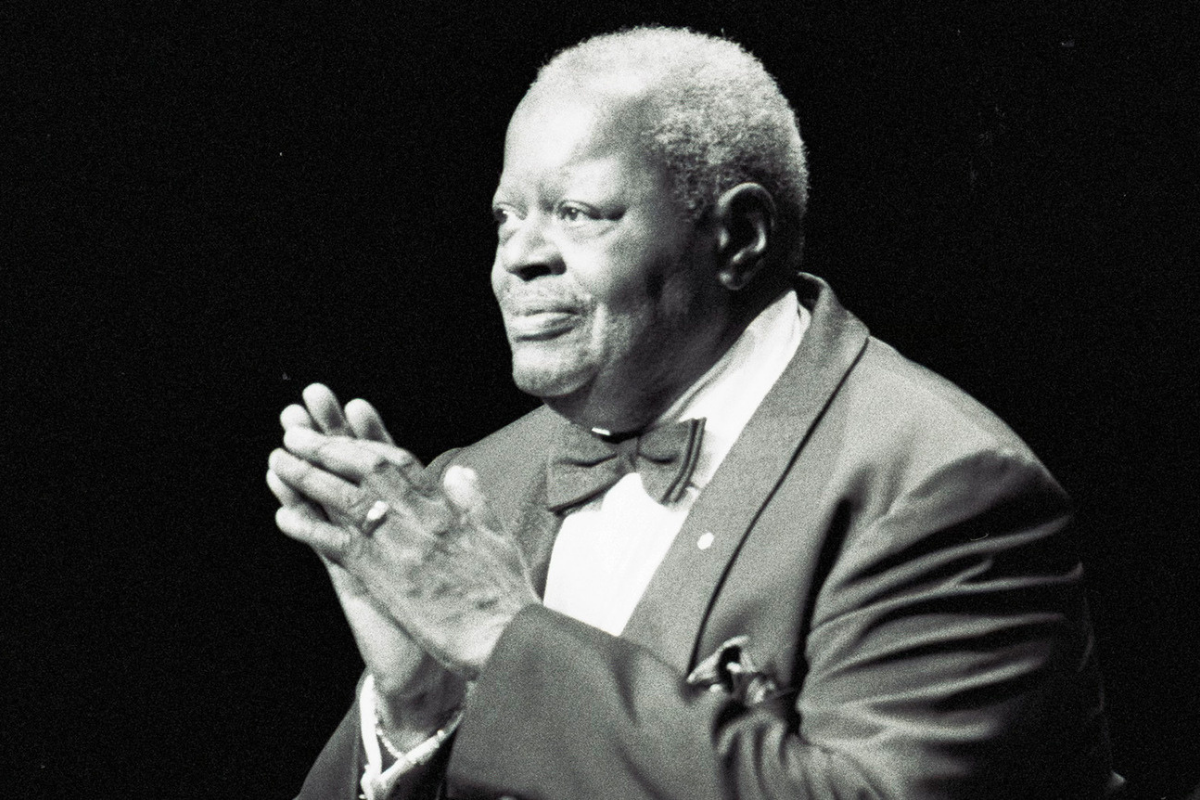
Born In:Montreal, Quebec, Canada.
Signature style:Powerful swing, clean articulation, fast blues lines, full chords, effortless virtuosity, and elegant melodic invention.
Known for:Dazzling solo technique and one of the most polished trio styles in jazz.
Career value & impact: Helped define the modern jazz piano trio and became one of Canada’s most internationally celebrated musicians.
Top works/recordings: Night Train, We Get Requests, Exclusively for My Friends, Canadiana Suite, The Trio, Saturday Night at the Blue Note.
Achievements & Awards:Grammy lists 7 competitive Grammy wins and 12 nominations; Oscarreceived the Grammy Lifetime Achievement Award in 1997.
Bill Evans (1929–1980)
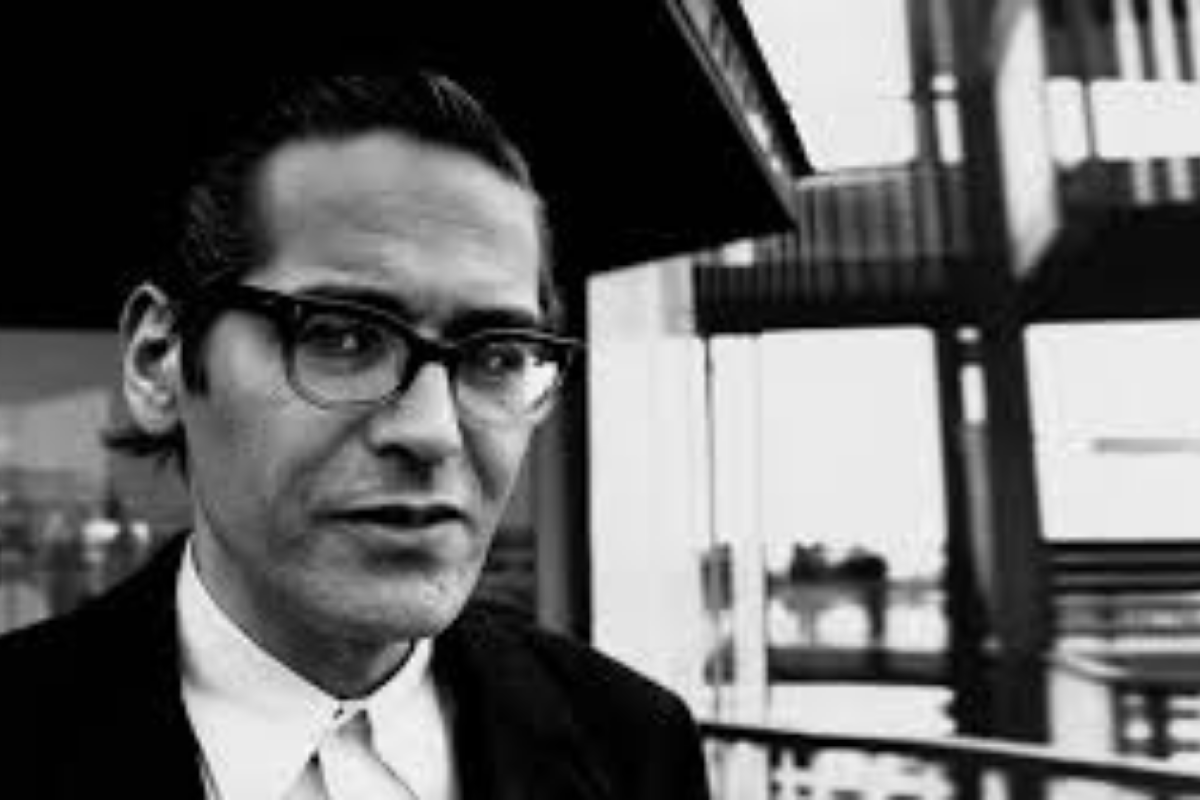
Born In:Plainfield, New Jersey, United States.
Signature style:Lyrical, introspective, impressionistic harmonies, delicate voicings, and conversational trio interplay.
Known for: Lush harmonies and lyrical improvisation; Britannica calls him one of the most influential pianists of his time.
Career value & impact:Redefined the piano trio as a more equal conversation between piano, bass, and drums; strongly influenced Herbie Hancock, Chick Corea, Keith Jarrett, and many others.
Top works/recordings:Portrait in Jazz, Explorations, Sunday at the Village Vanguard, Waltz for Debby, You Must Believe in Spring, Kind of Blue with Miles Davis.
Achievements & Awards:Grammy.com lists 7 wins and 18 nominations; he received the Grammy Lifetime Achievement Award in 1994.
Herbie Hancock (1940–present)
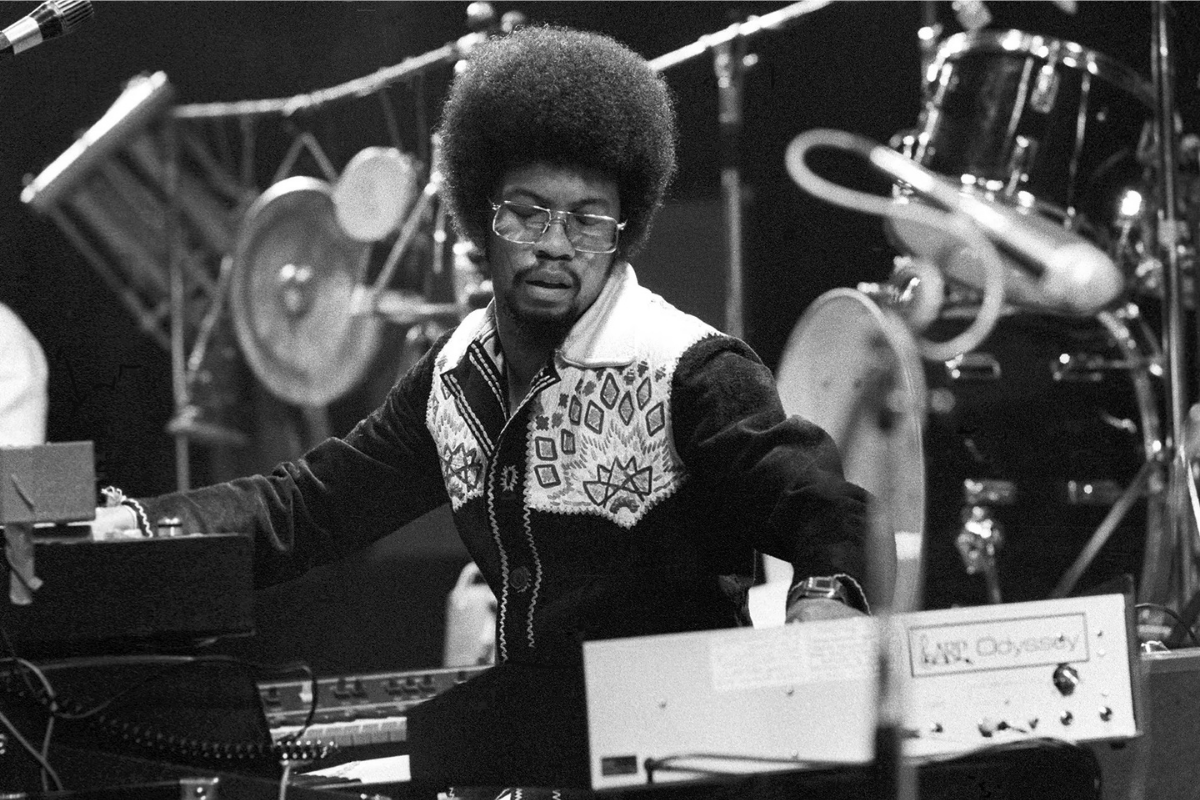
Born In:Chicago, Illinois, United States.
Signature style:Sophisticated harmony, funky rhythm, modern touch, adventurous improvisation, and openness to electronic sound.
Known for: Acoustic post-bop, jazz fusion, funk-jazz, and crossover hits such as Watermelon Man, Chameleon, and Rockit. Britannica describes him as an incisive jazz pianist who later gained popularity with electric jazz-rock groups.
Career value & impact: Helped shape post-bop with Miles Davis, then brought jazz into funk, fusion, electronic music, hip-hop culture, and global popular music.
Top works/recordings:Maiden Voyage, Empyrean Isles, Head Hunters, Speak Like a Child, Thrust, River: The Joni Letters, Rockit.
Achievements & Awards:Grammy lists 14 wins and 34 nominations; Herbiereceived the Recording Academy Lifetime Achievement Award in 2016.
Chick Corea (1941–2021)
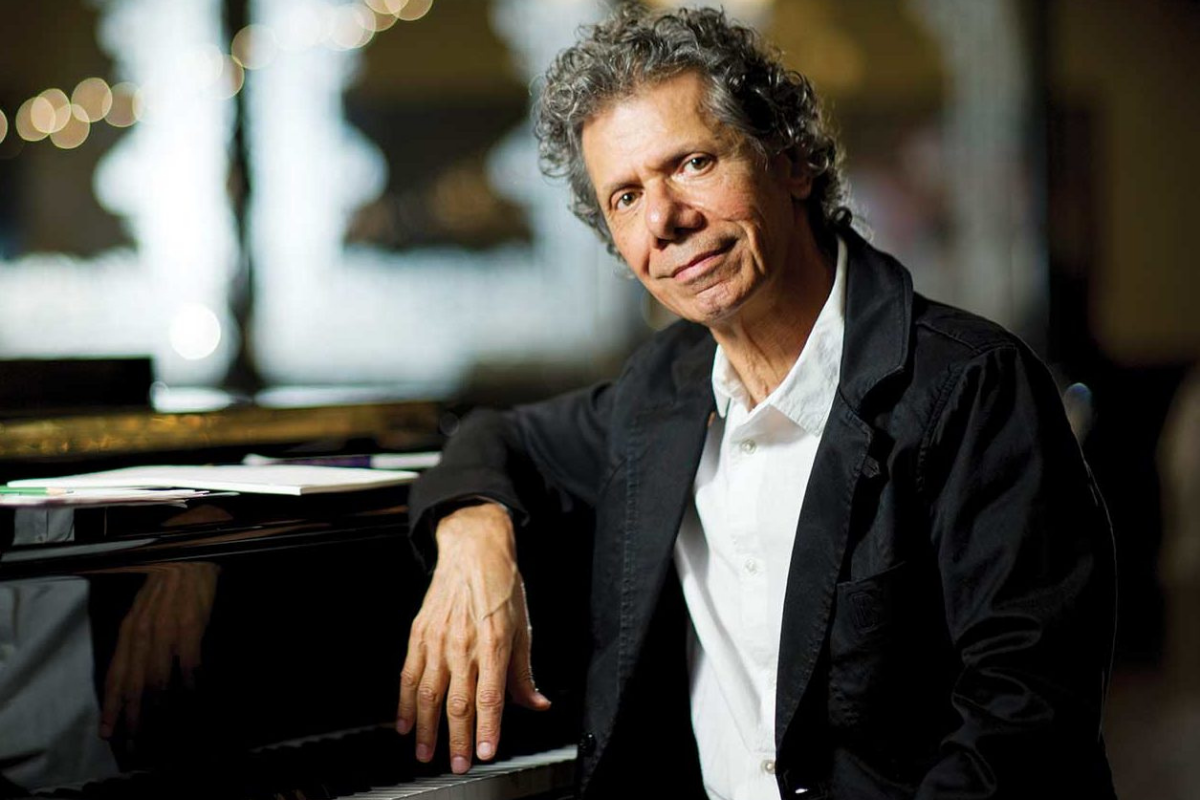
Born In: Chelsea, Massachusetts, United States.
Signature style: Bright touch, Spanish and Latin influence, complex harmony, playful rhythms, and brilliant fusion keyboard work.
Known for:Jazz fusion, Return to Forever, acoustic trio playing, and compositions such as Spain, Windows, and 500 Miles High.
Career value & impact: Became one of the central figures in jazz fusion while also remaining important in acoustic jazz, Latin jazz, and classical-influenced composition.
Top works/recordings:Now He Sings, Now He Sobs, Return to Forever, Light as a Feather, No Mystery, The Leprechaun, Children’s Songs, Akoustic Band.
Achievements & Awards:Chickofficial biography describes him as a DownBeat Hall of Famer, NEA Jazz Master, and 27-time Grammy winner; Grammy.com also calls him the artist with the most jazz Grammy wins.
Keith Jarrett (1945–present)
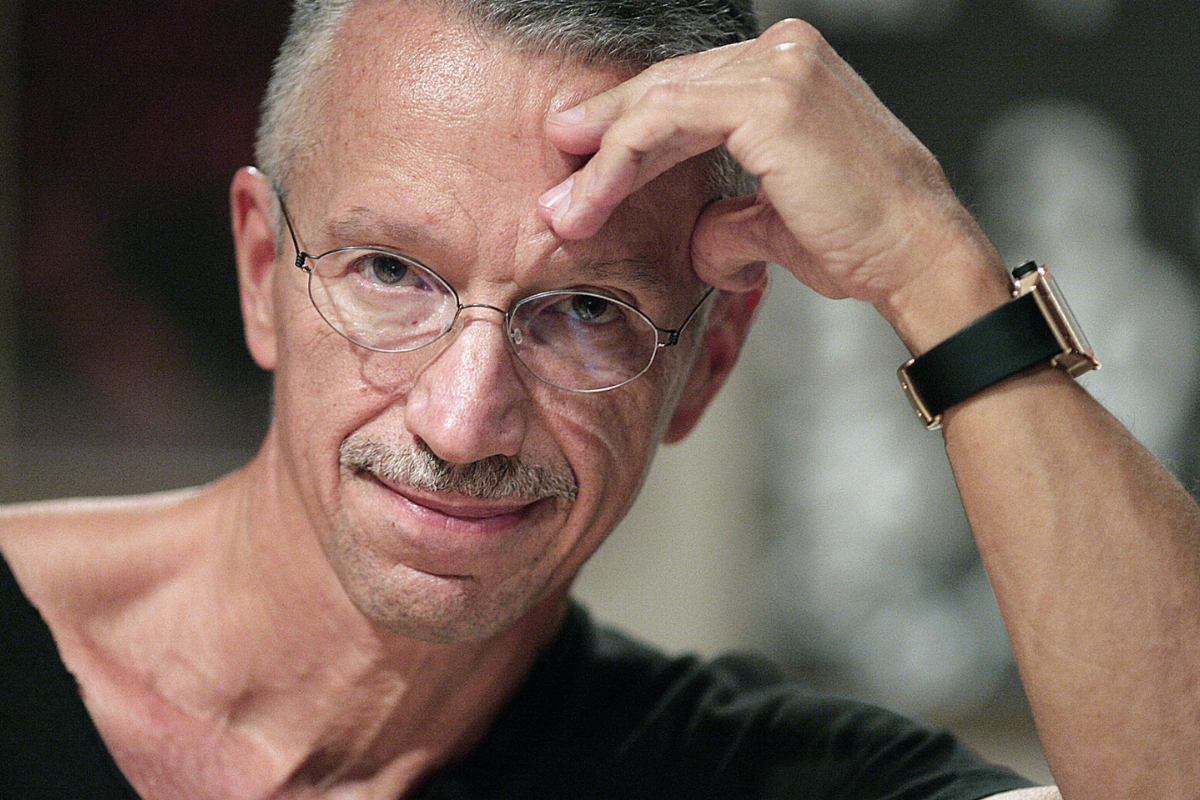
Born In: Allentown, Pennsylvania, United States.
Signature style:Long-form improvisation, lyrical freedom, gospel and folk influence, classical sensitivity, and spontaneous solo concerts.
Known for:Solo improvised concerts, the Standards Trio, and The Köln Concert. Britannica calls him one of the most original and prolific jazz musicians of the late 20th century.
Career value & impact: Expanded the idea of the solo jazz piano concert and became a major figure in both improvised and standards-based jazz performance.
Top works/recordings: The Köln Concert, Facing You, Sun Bear Concerts, Standards Vol. 1, My Song, Paris Concert, The Melody at Night, With You.
Achievements & Awards:Grammy lists 12 nominations; Keithwas named a 2014 NEA Jazz Master.
Bud Powell(1924–1966)
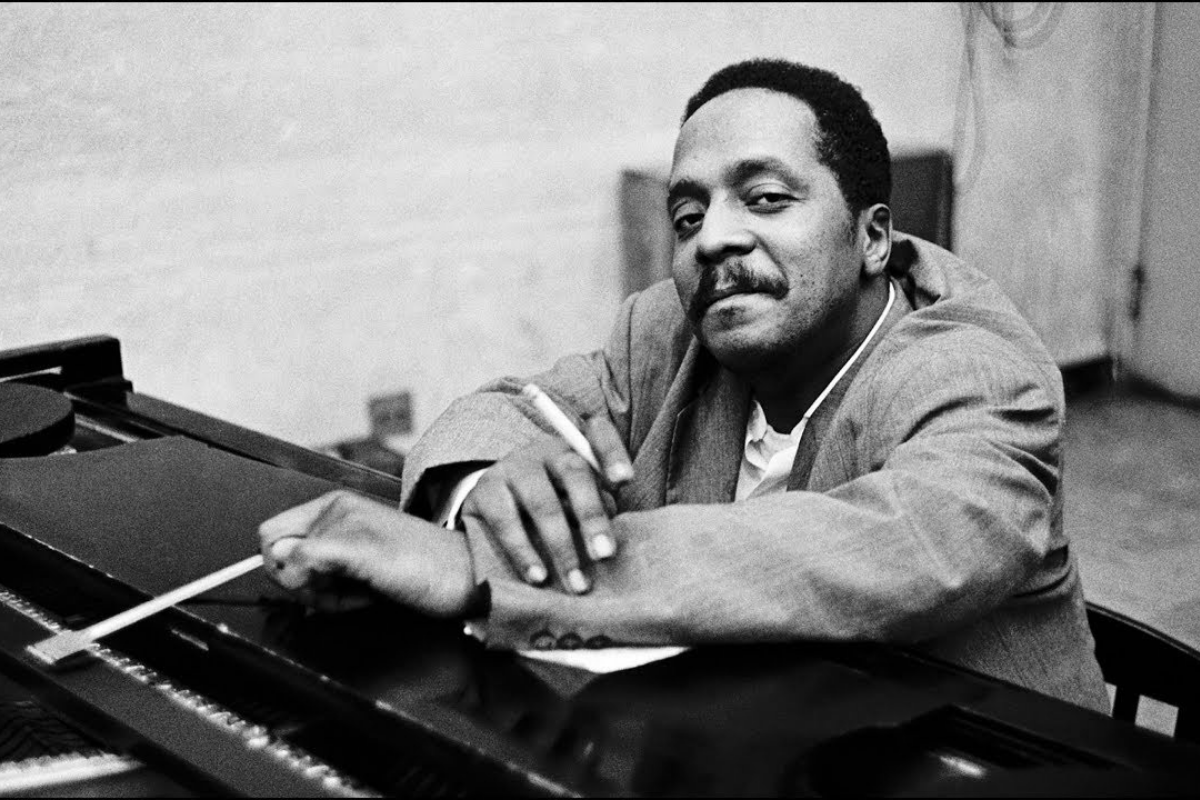
Born In:Harlem, New York City, United States.
Signature style:Fast bebop lines, right-hand horn-like improvisation, lighter left-hand comping, sharp accents, and intense rhythmic drive.
Known for:Being one of the key creators of bebop piano; Britannica notes that he adapted the complex lines of bebop horn players to the piano.
Career value & impact: Established the basic modern jazz piano language used by generations of bebop, hard bop, and post-bop pianists.
Top works/recordings:The Amazing Bud Powell, Jazz Giant, The Scene Changes, Bud Plays Bird, Un Poco Loco, Parisian Thoroughfare, Tempus Fugit.
Achievements & Awards:Budachievement is mainly historical rather than award-based: he is recognized as a foundational bebop pianist and composer whose approach transformed modern jazz piano.
Dave Brubeck (1920–2012)
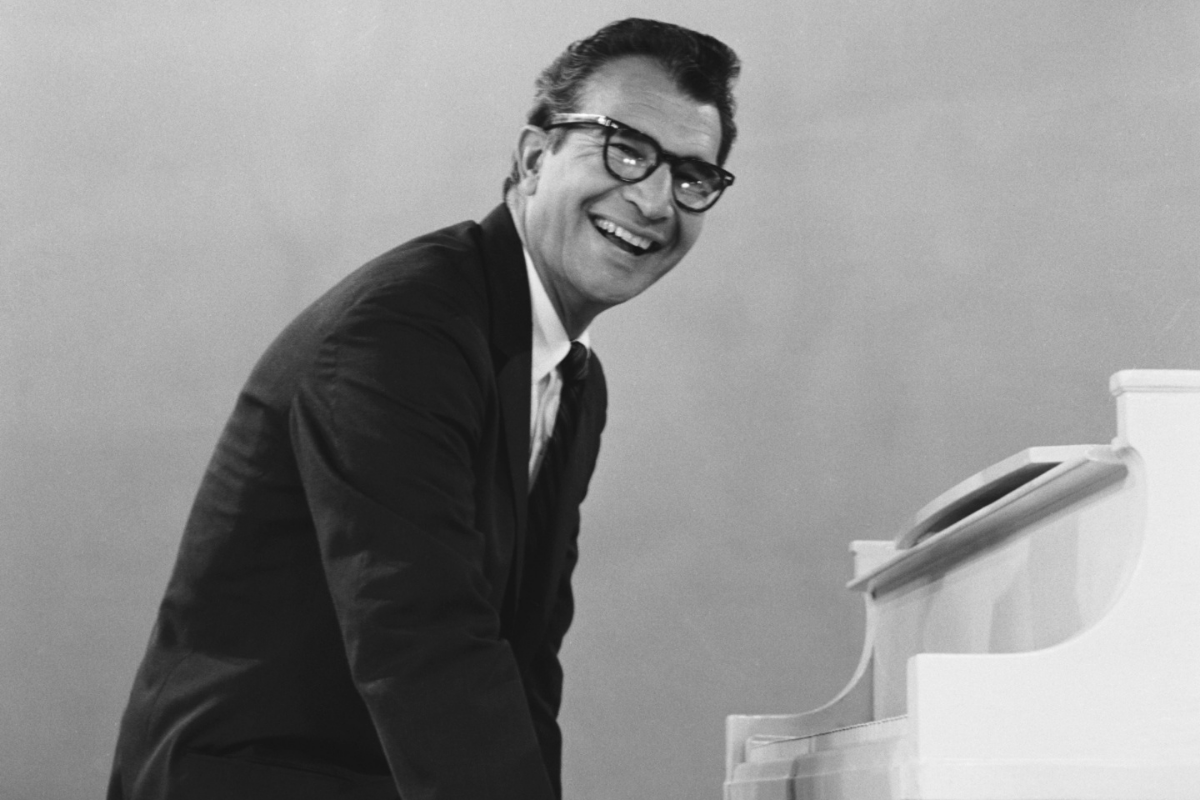
Born In: Concord, California, United States.
Signature style:Cool jazz, classical influence, unusual meters, block chords, polyrhythms, and accessible but sophisticated quartet writing.
Known for:The Dave Brubeck Quartet, Time Out, and popularizing unusual time signatures in jazz. Britannica notes that he brought elements of classical music into jazz.
Career value & impact:Helped bring modern jazz to college audiences and mainstream listeners; Time Out became one of jazz’s landmark albums.
Top works/recordings: Time Out, Take Five, Blue Rondo à la Turk, Jazz Goes to College, Time Further Out, The Real Ambassadors, Brubeck Time.
Achievements & Awards:Daveofficial site lists honors including the Kennedy Center Honor, Grammy Lifetime Achievement Award, and National Medal of Arts; Grammy.com lists his Lifetime Achievement Award in 1996.
McCoy Tyner (1938–2020)
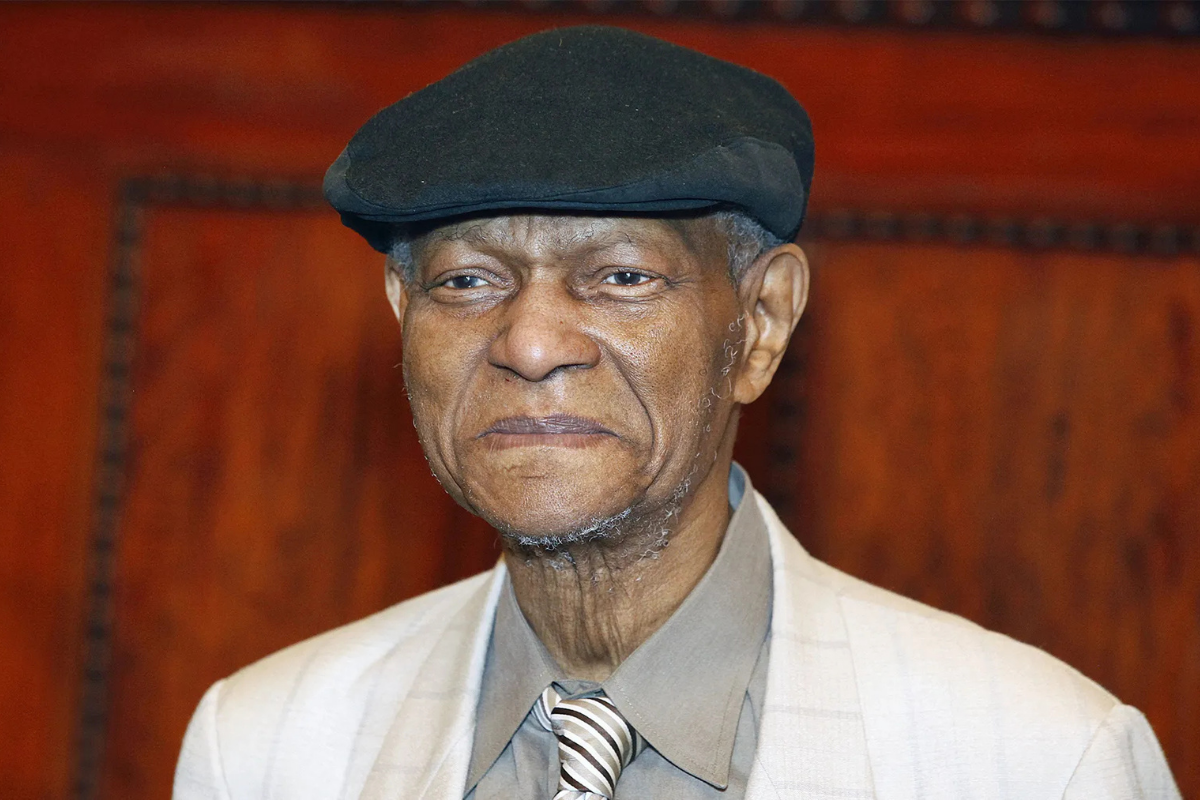
Born In:Philadelphia, Pennsylvania, United States.
Signature style:Powerful left hand, quartal harmonies, modal improvisation, thunderous chords, pentatonic lines, and spiritual intensity.
Known for: His work with the John Coltrane Quartet and his long solo career as a bandleader. Britannica calls him a pianist noted for technical virtuosity and dazzling improvisations.
Career value & impact:Defined the sound of modal jazz piano and influenced countless post-bop and modern jazz pianists through his harmonic language.
Top works/recordings: The Real McCoy, Sahara, Expansions, Enlightenment, Fly with the Wind, Illuminations, plus Coltrane’s My Favorite Things and A Love Supreme.
Achievements & Awards: Grammy lists 5 wins and 12 nominations; McCoywas named a 2002 NEA Jazz Master.
Pop, Rock, R&B & Neoclassical Piano Icons
Elton John (1947–present)
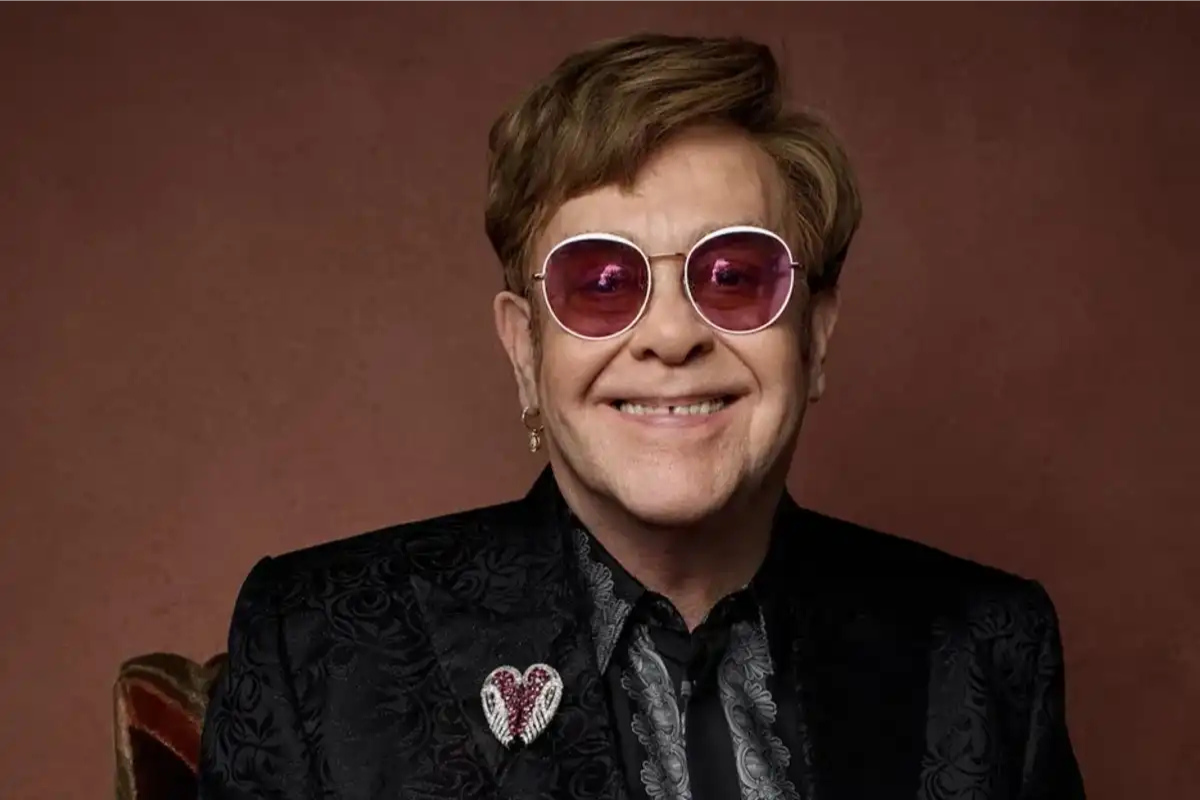
Born In:Pinner, Middlesex, England.
Signature style: Pop-rock piano with gospel chords, strong rhythmic playing, bright melodies, theatrical showmanship, and emotional ballads.
Known for:Singer, composer, pianist, and one of the most successful pop-rock performers of the late 20th century.
Career value & impact:Helped make the piano central to arena rock and pop songwriting; his partnership with Bernie Taupin became one of the most successful songwriter partnerships in popular music.
Top works/recordings:Your Song, Rocket Man, Tiny Dancer, Crocodile Rock, Goodbye Yellow Brick Road, Candle in the Wind, Don’t Let the Sun Go Down on Me.
Achievements & Awards: Eltonbecame an EGOT winner after adding an Emmy to his Grammys, Oscars, and Tony Award; Grammy.com also notes his Grammy history and first win for That’s What Friends Are For.
Billy Joel (1949–present)
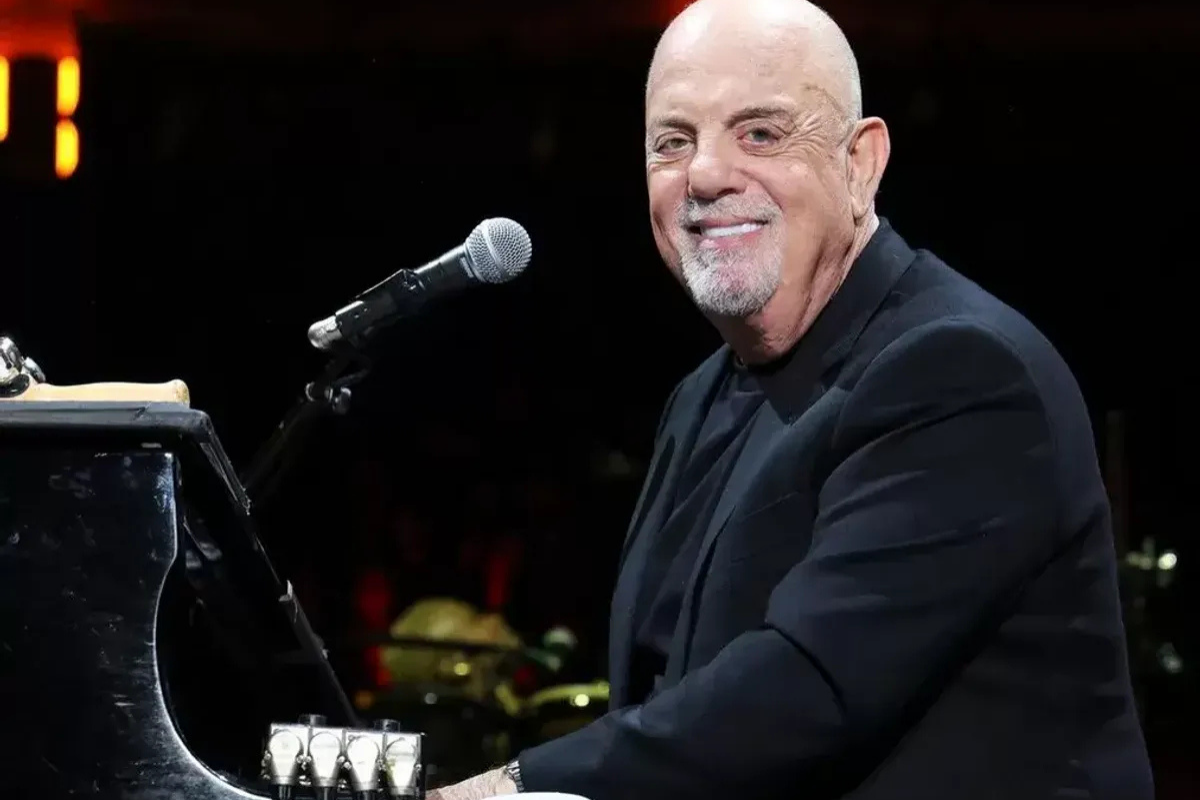
Born In: Bronx, New York, United States.
Signature style:Pop-rock and ballad piano style with classical influence, strong storytelling, bluesy riffs, and memorable singable melodies.
Known for: Piano Man, major 1970s–1980s pop-rock hits, and long-running concert success. Britannica describes him as an American singer, pianist, and songwriter in the pop ballad tradition.
Career value & impact: Brought piano-based songwriting into mainstream rock and pop, creating songs that combine narrative lyrics with accessible but musically strong piano writing.
Top works/recordings:Piano Man, Just the Way You Are, New York State of Mind, Scenes from an Italian Restaurant, Vienna, Uptown Girl, The Stranger.
Achievements & Awards: Joelwon Record and Song of the Year for Just the Way You Are and was later honored as MusiCares Person of the Year; his official biography notes 33 Top 40 hits and 23 Grammy nominations.
Stevie Wonder (1950–present)
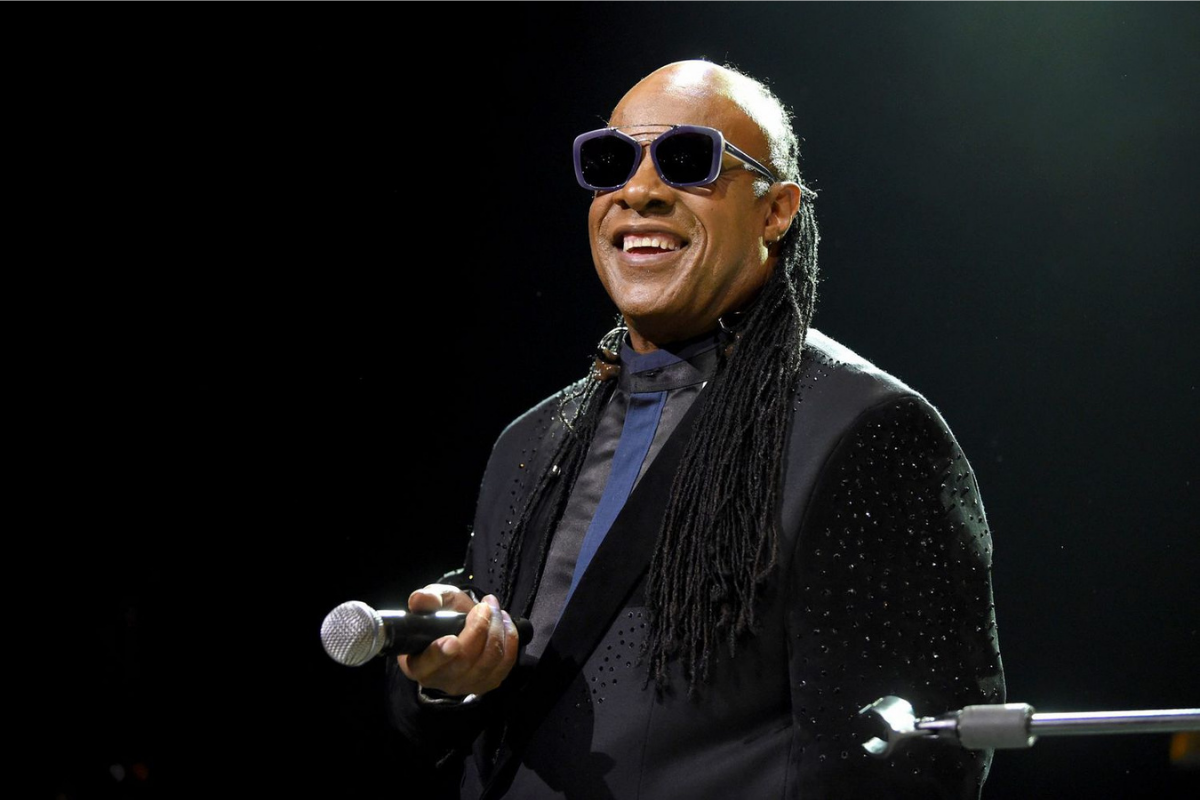
Born In: Saginaw, Michigan, United States.
Signature style: Soulful keyboard playing with funk rhythm, jazz harmony, clavinet grooves, gospel feeling, and highly inventive melodic writing.
Known for:Singer, songwriter, keyboardist, harmonica player, producer, and one of the most creative figures in late-20th-century popular music.
Career value & impact: Expanded the musical language of soul, R&B, funk, pop, and electronic keyboard production; his 1970s albums became models for artist-controlled popular music.
Top works/recordings:Superstition, Isn’t She Lovely, Sir Duke, Living for the City, You Are the Sunshine of My Life, Innervisions, Songs in the Key of Life.
Achievements & Awards:Steviewon five Grammys in 1973 for Innervisions and related singles; he is one of the most awarded artists in Grammy history.
Alicia Keys (1981–present)
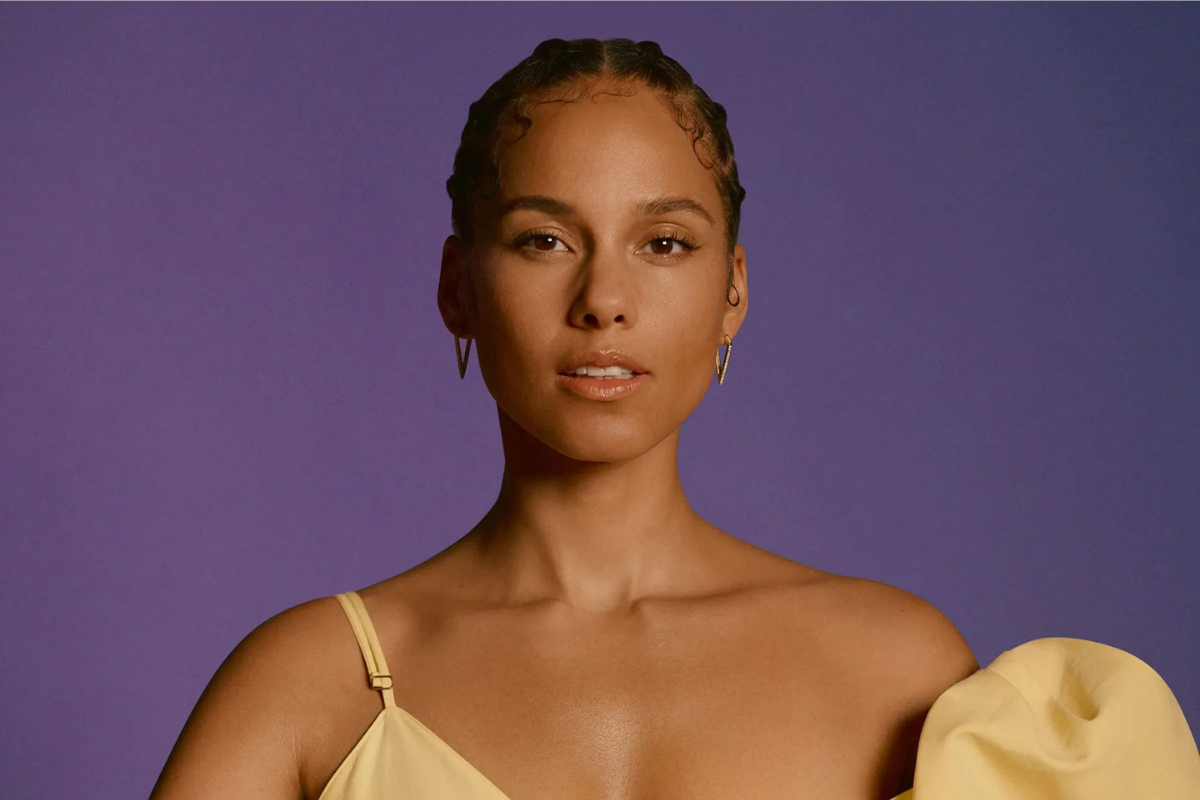
Born In:New York, New York, United States.
Signature style: Classically trained R&B/soul piano style, rich chords, heartfelt ballads, strong vocal-piano arrangements, and gospel-influenced emotion.
Known for:Singer-songwriter, pianist, and actress whose early-2000s blend of R&B and soul brought piano-centered songs back into mainstream pop.
Career value & impact:Helped revive the image of the singer-pianist in modern R&B and pop, especially through songs that place piano accompaniment at the center of the sound.
Top works/recordings: Fallin’, If I Ain’t Got You, No One, A Woman’s Worth, Empire State of Mind, Songs in A Minor, The Diary of Alicia Keys.
Achievements & Awards:Keyswon five Grammys at the 2002 Grammy Awards, including Best New Artist and Song of the Year for Fallin’.
Carole King (1942–present)
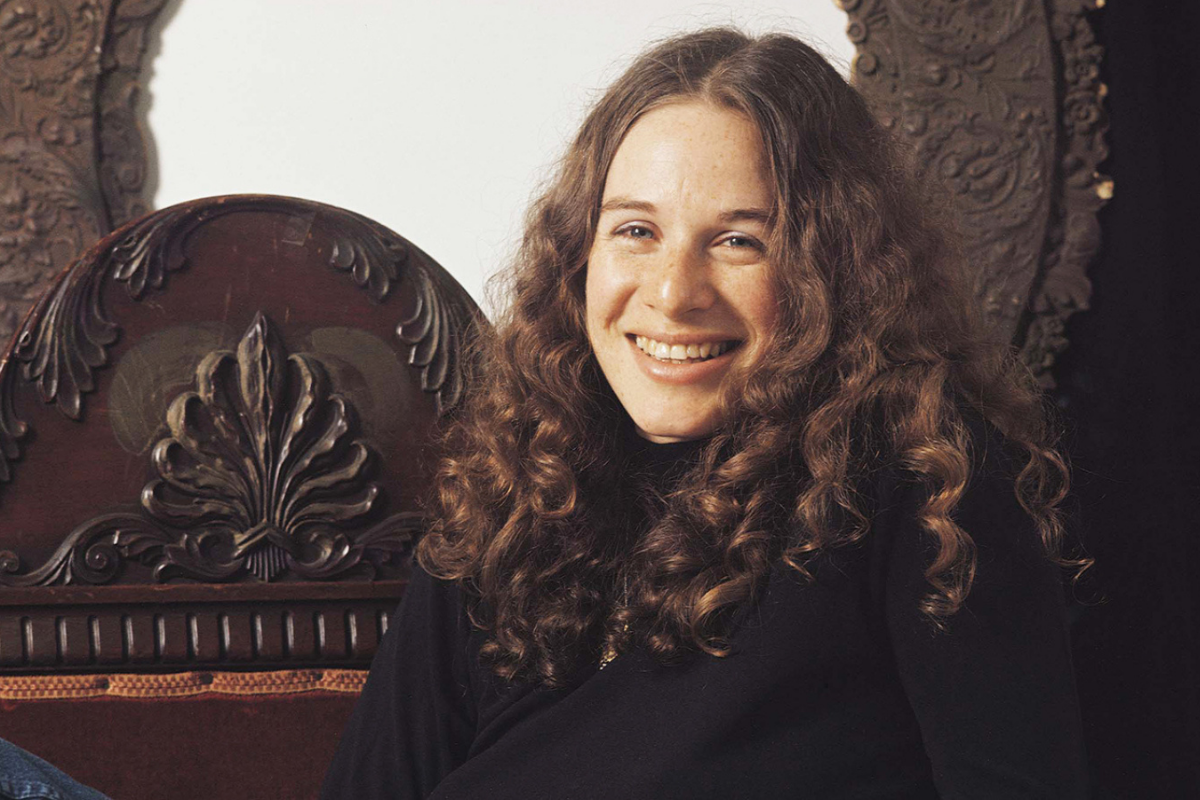
Born In:New York, New York, United States.
Signature style: Warm singer-songwriter piano style, direct pop harmony, intimate vocals, simple but emotionally powerful chord progressions.
Known for:One of the most prolific female musicians in pop history; wrote major 1960s hits and later recorded Tapestry, one of the landmark singer-songwriter albums.
Career value & impact:Helped define the modern singer-songwriter movement and showed how piano-based pop could be personal, conversational, and commercially powerful.
Top works/recordings: Tapestry, It’s Too Late, I Feel the Earth Move, You’ve Got a Friend, So Far Away, Will You Love Me Tomorrow, Natural Woman.
Achievements & Awards: Tapestry won Album of the Year, while It’s Too Late won Record of the Year and You’ve Got a Friend won Song of the Year at the 1972 Grammys.
Ray Charles (1930–2004)
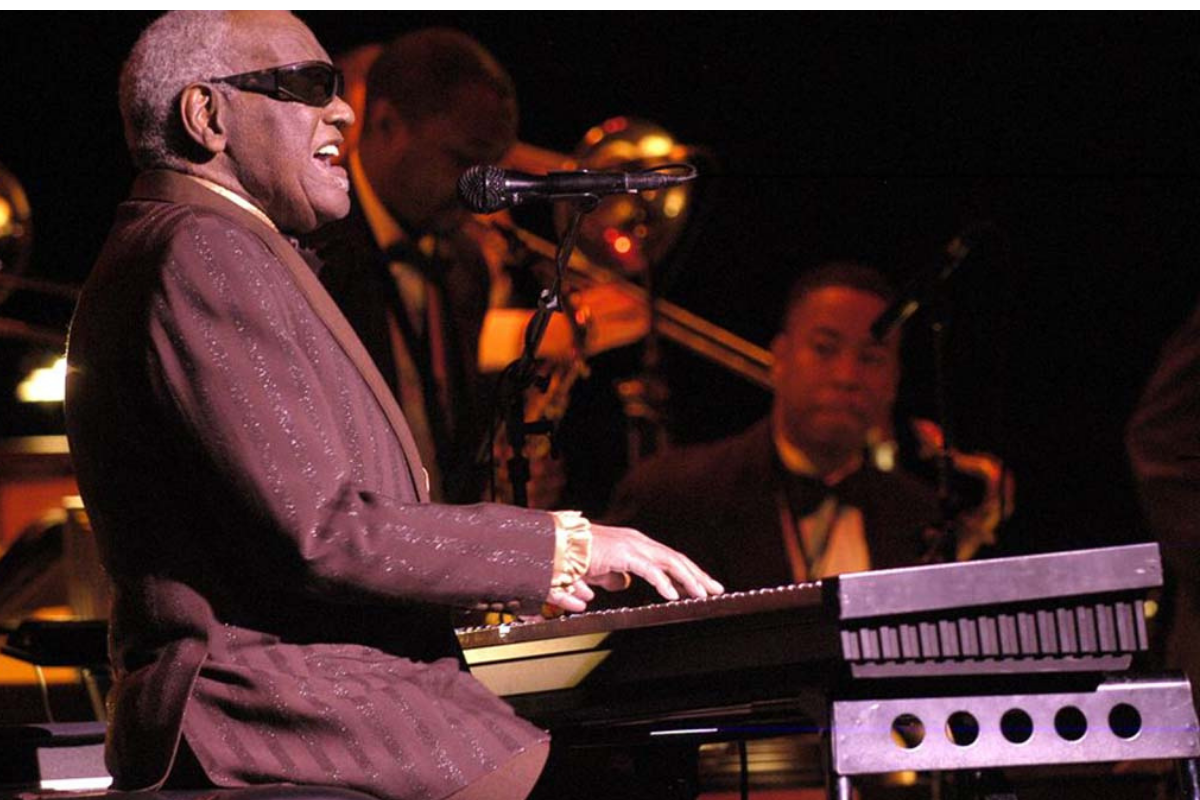
Born In: Albany, Georgia, United States.
Signature style: Gospel-blues piano, jazz harmony, swinging rhythm, soulful phrasing, call-and-response patterns, and expressive vocal-piano interaction.
Known for: The Genius, a pianist, singer, composer, and bandleader credited with helping develop soul music by blending gospel, rhythm and blues, and jazz.
Career value & impact:One of the key architects of soul music; his piano and vocal style influenced R&B, rock, gospel, country, and pop artists.
Top works/recordings: What’d I Say, Georgia on My Mind, Hit the Road Jack, I Got a Woman, Hallelujah I Love Her So, Modern Sounds in Country and Western Music.
Achievements & Awards: Raywon his first four Grammys at the 3rd Grammy Awards and later received the Grammy Lifetime Achievement Award.
Jerry Lee Lewis (1935–2022)
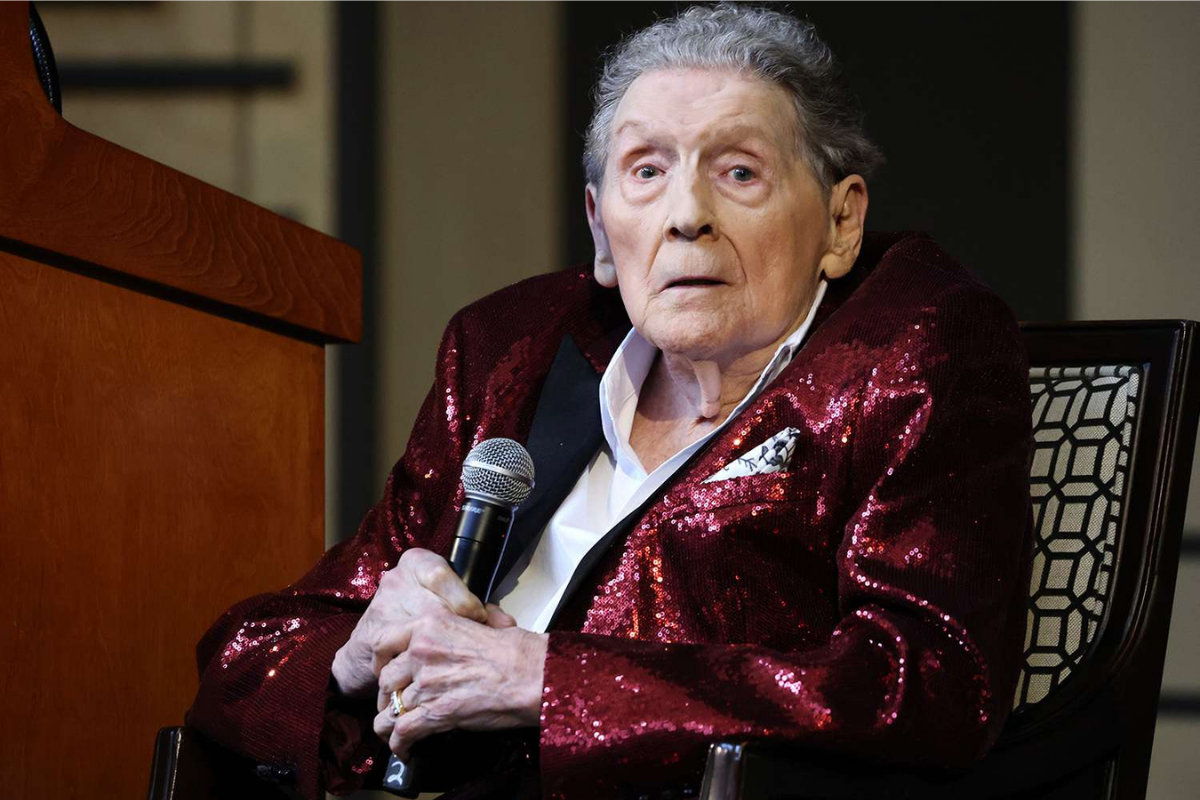
Born In: Ferriday, Louisiana, United States.
Signature style: Wild rock-and-roll piano, boogie-woogie left hand, pounding chords, glissandos, aggressive rhythm, and explosive stage performance.
Known for:Rock-and-roll and rockabilly pioneer nicknamed The Killer.
Career value & impact:Helped turn the piano into a lead rock-and-roll instrument, proving it could be as loud, rebellious, and exciting as the electric guitar.
Top works/recordings: Great Balls of Fire, Whole Lotta Shakin’ Goin’ On, Breathless, High School Confidential, Live at the Star Club, Hamburg.
Achievements & Awards:Jerry Leereceived a Grammy Lifetime Achievement Award and was inducted into both the Rock and Roll Hall of Fame and Country Music Hall of Fame.
Little Richard (1932–2020)
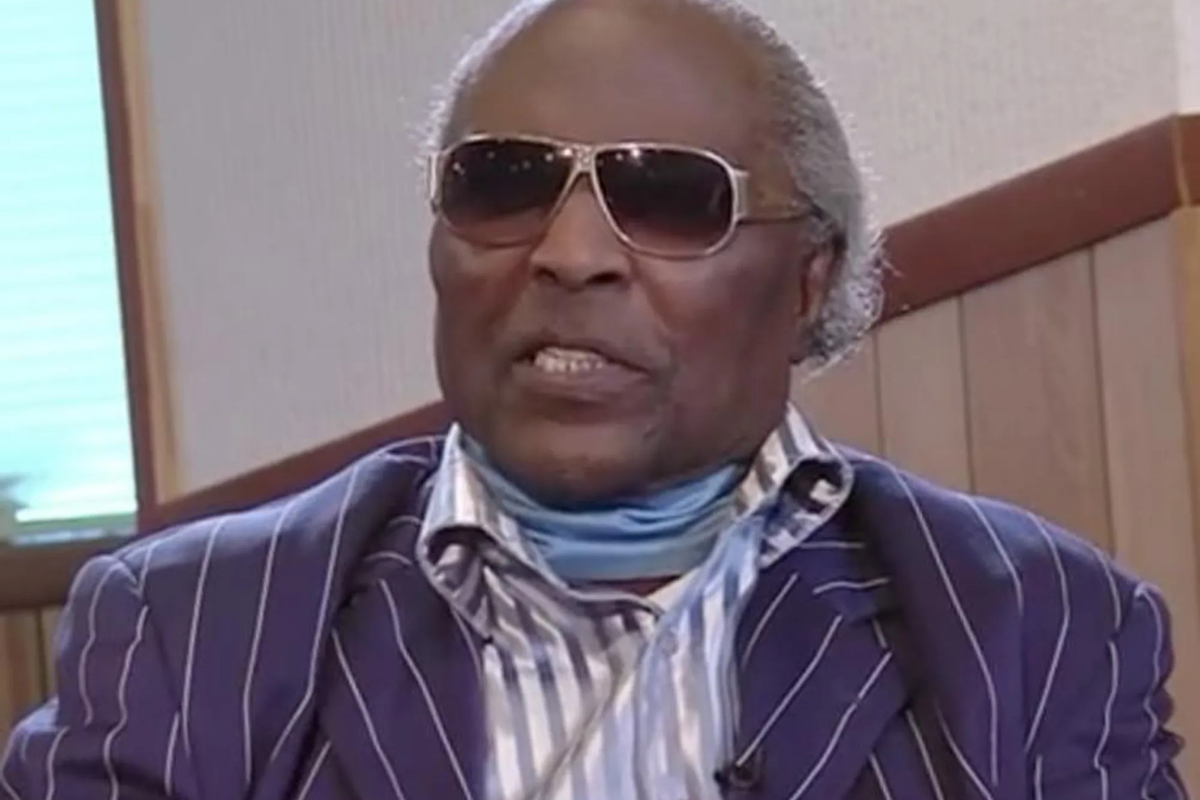
Born In:Macon, Georgia, United States.
Signature style: Furious rock-and-roll piano, pounding rhythms, gospel shouts, bluesy riffs, explosive vocals, and flamboyant stage energy.
Known for:One of the founding figures of rock and roll; Britannica says his mid-1950s hit songs were defining moments in rock-and-roll development.
Career value & impact: Helped shape the sound, look, energy, and performance attitude of rock music, influencing artists from The Beatles and Elvis Presley to Prince and beyond.
Top works/recordings: Tutti Frutti, Long Tall Sally, Good Golly Miss Molly, Lucille, Rip It Up, Keep A-Knockin’, Here’s Little Richard.
Achievements & Awards: Richardwas inducted into the first class of the Rock and Roll Hall of Fame in 1986 and received the Grammy Lifetime Achievement Award in 1993.
Tori Amos (1963–present)
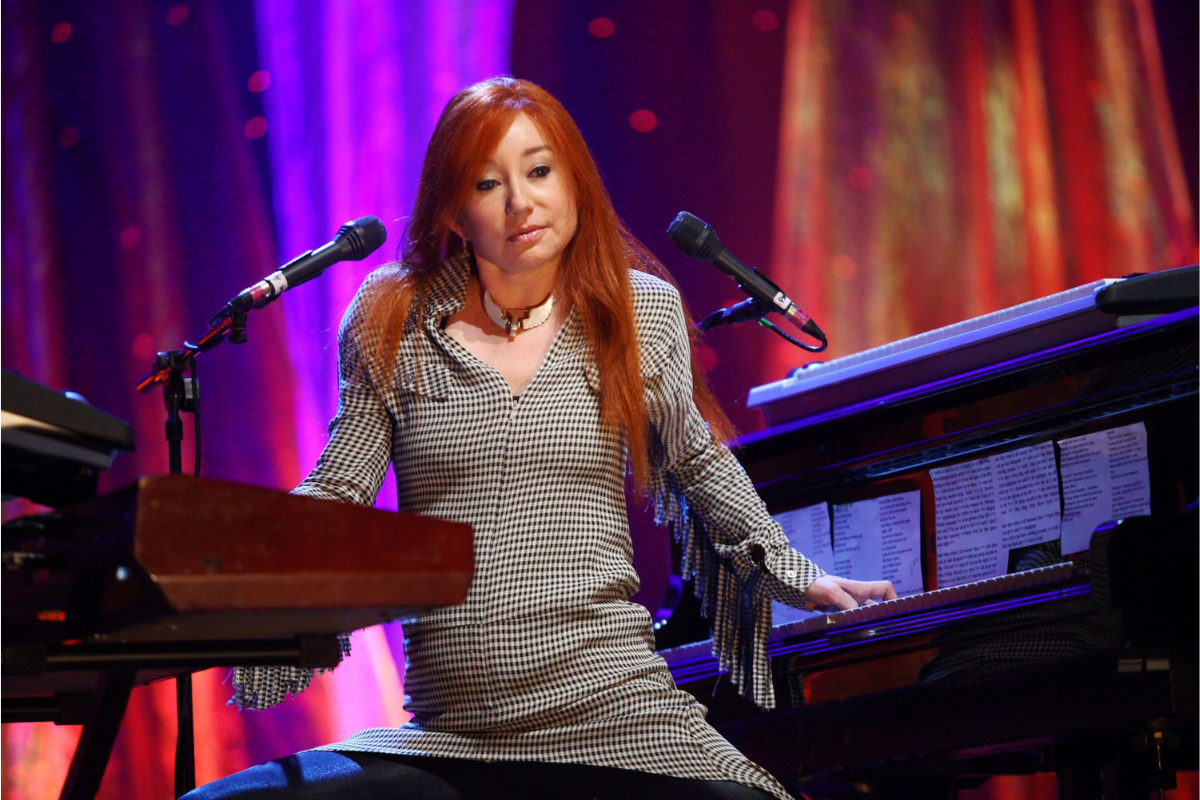
Born In:Newton, North Carolina, United States.
Signature style:Confessional alternative-rock piano style, classical training, intense dynamics, unusual harmonies, mythic lyrics, and dramatic use of Bösendorfer piano and keyboards.
Known for:Singer-songwriter and pianist whose work combines alternative rock, art-pop, classical influence, and deeply personal storytelling.
Career value & impact: Expanded the role of piano in alternative music, making it sound raw, confrontational, intimate, and emotionally theatrical rather than simply decorative.
Top works/recordings: Little Earthquakes, Under the Pink, Boys for Pele, Cornflake Girl, Silent All These Years, Crucify, Spark, A Sorta Fairytale.
Achievements & Awards:A Grammy-nominated artist; Torialso received honors, including the George Peabody Medal and an ECHO Klassik award for Night of Hunters.
Ludovico Einaudi (1955–present)
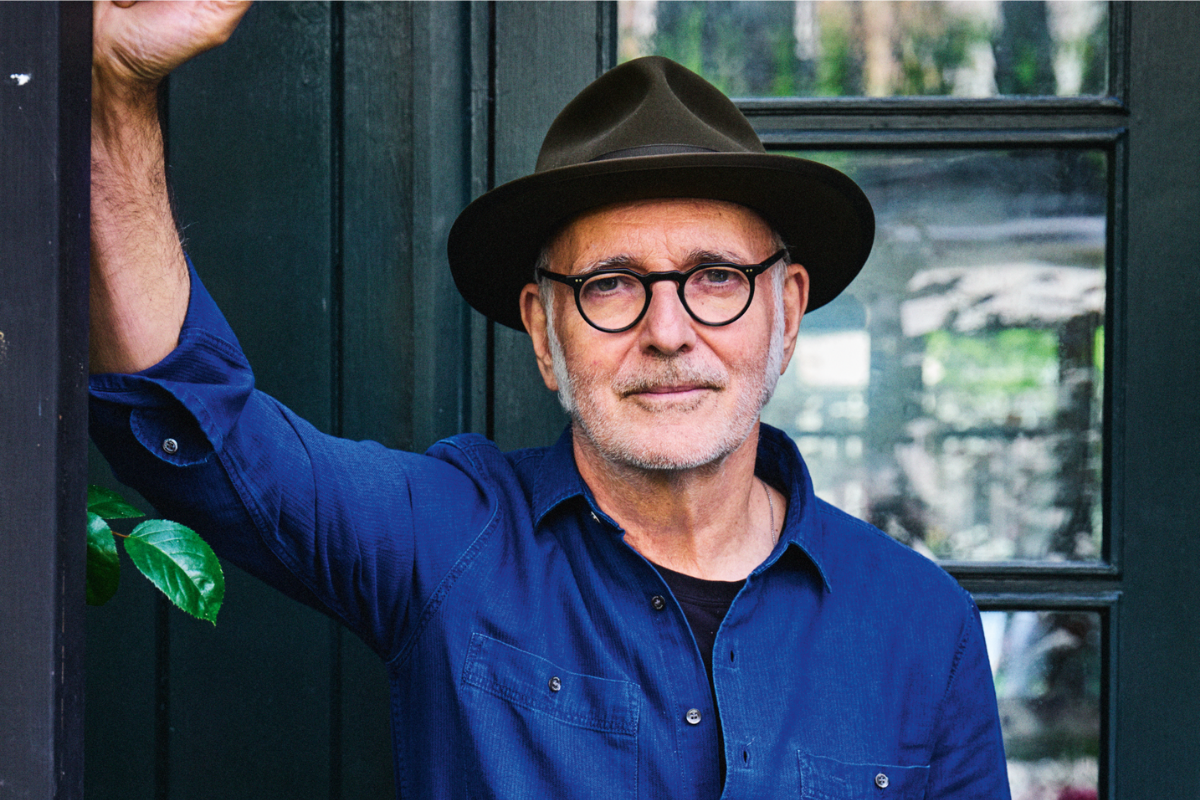
Born In: Turin, Italy.
Signature style: Minimalist and contemporary-classical piano writing, repeating arpeggios, spacious melodies, gentle harmonic motion, and meditative atmosphere.
Known for:Italian pianist and composer whose music blends classical, minimalism, film music, ambient sound, and popular accessibility.
Career value & impact: Became one of the most widely heard contemporary piano composers, especially through recordings, streaming, film, television, and piano learners.
Top works/recordings:Le Onde, I Giorni, Nuvole Bianche, Divenire, Una Mattina, Experience, Seven Days Walking, music used in The Intouchables and Nomadland.
Achievements & Awards:Ludovicowon film-music awards, including the Grolla d’oro for Acquario, and was appointed an Officer of the Order of Merit of the Italian Republic.
How To Start Listening To Famous Pianists
This section turns the names into a practical listening path. Instead of trying to memorize a ranked list, choose a sound or mood and begin there.
If You Like Beautiful Melodies
Start with Chopin, Rubinstein, Pires, and Einaudi. Chopin gives you the Romantic piano at its most poetic, Rubinstein brings warmth and elegance, Pires offers clarity and tenderness, and Einaudi provides spacious modern simplicity.
A beginner named Maya might sit down after hearing a Chopin nocturne and realize the left hand is not just accompaniment. It is the quiet motion that lets the melody float.
If You Like Power And Drama
Try Liszt, Horowitz, Rachmaninoff, and Argerich. Liszt gives you virtuoso theater, Horowitz gives you high-voltage color, Rachmaninoff gives you sweeping Romantic architecture, and Argerich gives you intensity that feels spontaneous.
This path is especially good for listeners who want the piano to sound huge. The instrument becomes a full orchestra under ten fingers.
If You Like Precision And Structure
Listen to Bach through Gould and Mozart through Uchida. Gould’s reputation for contrapuntal clarity makes him especially useful for hearing separate musical lines, while Uchida’s Mozart and Schubert interpretations show how structure can still feel emotional.
This route suits learners who like patterns, architecture, and clean musical logic. It is also excellent ear training.
If You Like Improvisation
Start with Tatum, Monk, Peterson, Evans, Jarrett, Hancock, and Corea. These pianists show different answers to the same question: how can a player create or reshape music in real time?
Listen first for rhythm and personality. In jazz, the notes matter, but the timing, touch, and harmonic surprise often matter just as much.
If You Like Songs, You Can Sing
Try Elton John, Billy Joel, Alicia Keys, Carole King, and Stevie Wonder. Their piano parts are tied to melody, lyrics, and emotional storytelling.
This is often the easiest doorway for a new player. If you can sing the song, you can usually feel why the piano part matters.
The Takeaway:listening by mood and style helps beginners connect with famous pianists faster than trying to crown one universal best.
Frequently Asked Questions
Who Is The Most Famous Pianist?
There is no single objective answer. Beethoven, Mozart, Chopin, and Liszt are among the most famous historically, while Lang Lang is one of the most globally visible living classical pianists. The answer changes depending on whether you mean composer, performer, jazz innovator, pop songwriter, or modern concert artist.
Who Are Famous Pianists Today?
Famous pianists today include Martha Argerich, Lang Lang, Yuja Wang, Daniil Trifonov, Igor Levit, Mitsuko Uchida, Vikingur Ólafsson, Khatia Buniatishvili, Yunchan Lim, and Eric Lu. Current fame shifts as artists release recordings, win competitions, tour, and reach new audiences.
Who Are Famous Modern Pianists?
Lang Lang, Yuja Wang, Daniil Trifonov, Igor Levit, Vikingur Ólafsson, Yunchan Lim, and Eric Lu are strong modern names to know. Their fame comes from a mix of recordings, concert activity, competitions, media visibility, and distinctive repertoire choices.
Who Are The Great Pianists Of The 20th Century?
Great 20th-century pianists include Vladimir Horowitz, Artur Rubinstein, Glenn Gould, Sviatoslav Richter, Claudio Arrau, Artur Schnabel, Martha Argerich, and Emil Gilels. The century matters because recordings made interpretation part of global musical memory.
Who Are Famous Female Pianists?
Famous female pianists include Clara Schumann, Martha Argerich, Mitsuko Uchida, Yuja Wang, Maria João Pires, Khatia Buniatishvili, and Alicia Keys. They represent classical performance, Romantic-era concert culture, modern virtuosity, and popular songwriting.
Who Are Famous Jazz Pianists?
Famous jazz pianists include Art Tatum, Thelonious Monk, Oscar Peterson, Bill Evans, Herbie Hancock, Chick Corea, and Keith Jarrett. They are known for improvisation, rhythmic identity, harmonic innovation, and distinctive personal sound.
Was Beethoven A Pianist?
Yes. Beethoven was a pianist as well as a composer, and his piano music remains central to the repertoire. Britannica identifies him as the predominant musical figure linking the Classical and Romantic eras.
Was Mozart A Pianist?
Yes. Mozart was a keyboard performer and composer whose piano concertos and keyboard works remain central to the Classical repertoire. Britannica emphasizes his extraordinary range across the musical genres of his day.
Was Chopin A Pianist Or Composer?
Chopin was both a pianist and a composer. Britannica describes him as a Romantic composer and pianist best known for solo piano works and piano concertos.
Who Are The Famous Piano Players Of The 1970s?
Famous piano players associated with the 1970s include Elton John, Billy Joel, Stevie Wonder, Herbie Hancock, Chick Corea, and Keith Jarrett. They shaped pop, rock, soul, jazz fusion, and improvisational keyboard performance.
Does Playing Piano Help With Arthritis?
Gentle piano playing may help some people keep their fingers moving, but it should not be treated as medical treatment. Arthritis UK advises starting slowly and building gradually with hand, finger, and wrist exercises, while NHS Inform recommends listening to pain levels during gradual return to activity.
Final Notes
The real value of learning about famous pianists is not memorizing a perfect ranking. It is hearing how many different lives the piano can have: Chopin’s lyricism, Liszt’s drama, Gould’s clarity, Monk’s angles, Argerich’s fire, Einaudi’s simplicity, and Alicia Keys’s song-driven directness.
A beginner does not need to understand everything at once. Start with one pianist, one piece, and one question: what is this player making me notice about the piano?
Then try a few notes yourself on a keyboard or virtual piano. Famous pianists become more meaningful when their sound sends you back to the instrument.