London's concert halls, teaching institutions, and recording studios have produced or adopted an extraordinary number of pianists over the last two centuries, and it's easy for a list on this topic to blur into a generic roundup of anyone British who ever sat at a keyboard.
The distinction that actually matters is whether someone belongs to London specifically, by birth or by the place they built their career. Here are ten pianists who meet that bar, drawn from the city's classical concert tradition and its popular music history alike.
A Quick Look At What's Ahead Before The Full List.
- Ten pianists with a genuine, verifiable London connection, ranging from the 19th century to today.
- The specific reason each one belongs on a London-focused list, not just a generically British one.
- The wartime story behind one of London's most historically significant musical figures.
- A clear look at how classical and popular pianism have both shaped the city's reputation.
Who Actually Counts As A London Pianist
Most lists on this topic use "British pianist" and "London pianist" as if they mean the same thing. They don't, and the difference matters if you're actually trying to learn who shaped this city's musical life.
- A London pianist, for this list, was either born in the city or made it their long-term professional home.
- Performing in London once or twice, however famous the concert, doesn't qualify someone as a London pianist any more than a single tour stop makes an artist a local.
- This list spans both classical and popular music, since London's piano historyincludes concert hall virtuosos and household-name entertainers alike.
- Six of the ten pianists here were born in London itself. The other four made the city central to their careers in ways that are well documented.
Each entry below states plainly how this pianist connects to London, whether through birth, adopted residence, or both, along with what they're actually known for.
See Also: Famous Pianists
1. Dame Myra Hess
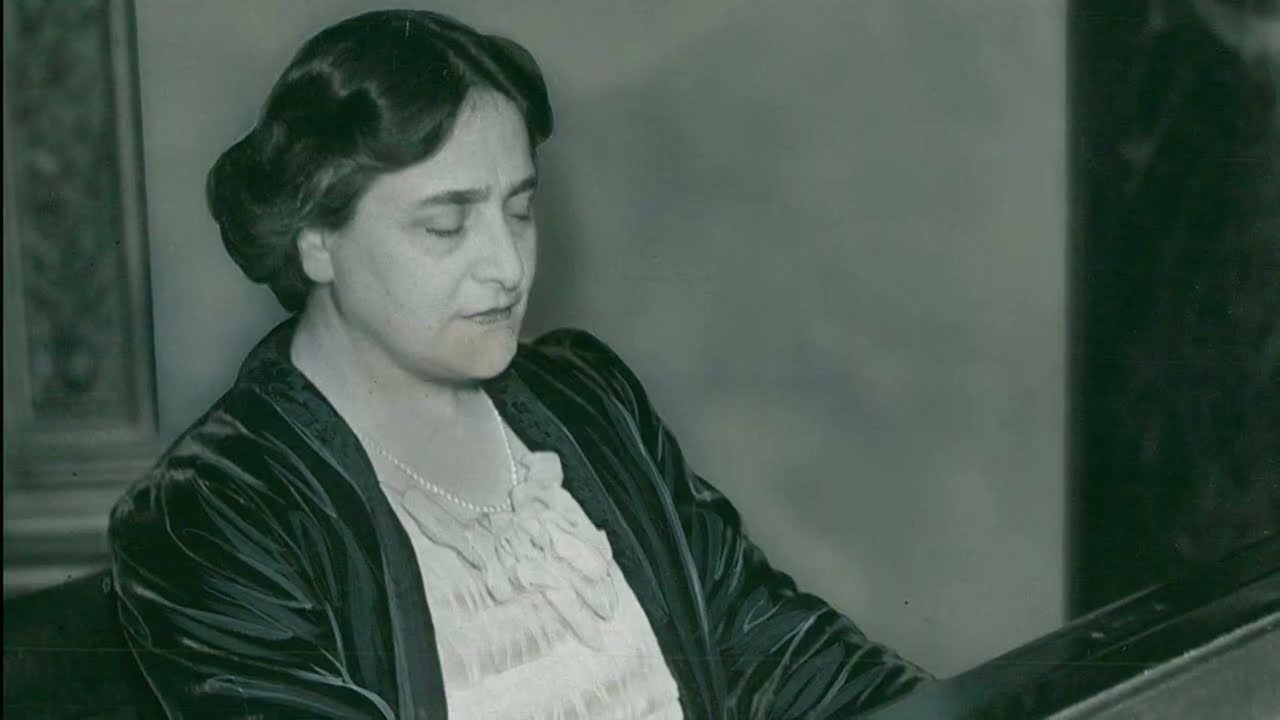
Dame Myra Hess: Concert Hall radio broadcast January 20, 1947
Born in Hampstead, north London, on 25 February 1890, Myra Hess trained at the Guildhall School of Musicand later the Royal Academy of Music under Tobias Matthay, making her concert debut in London in 1907 under Sir Thomas Beecham's direction. She became internationally known for her interpretations of Bach, Mozart, Beethoven, and Schumann.
Hess is most closely associated with London for a single, extraordinary act of wartime organization. When the Second World War broke out, she cancelled a planned international tour and instead launched a series of daily lunchtime concerts at the National Gallery, which continued for six and a half years, often performed amid bomb damage during the Blitz. She was made a Dame Commander of the British Empire in 1941 for this wartime service and died in London in 1965.
2. Solomon Cutner
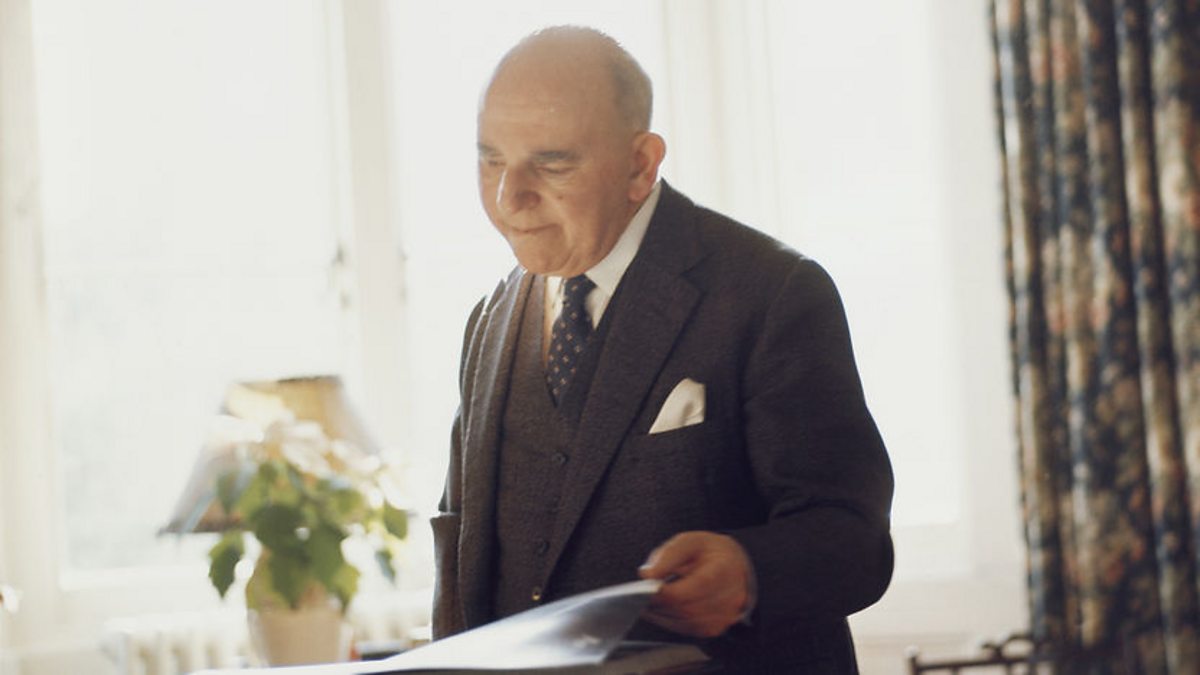
Known professionally simply as Solomon, Cutner was born in the East End of Londonon 9 August 1902, the seventh child of a Jewish tailor. He was recognized as a child prodigy by age seven and made his professional debut at eight, performing Tchaikovsky's First Piano Concerto at Queen's Hall.
Solomon became one of the 20th century's most respected interpreters of Beethoven, admired for a restrained, exact playing style built more on clarity than theatrical display. His career was cut short in 1956 when a stroke ended his ability to perform, partway through recording a complete cycle of Beethoven's piano sonatas. He was awarded a CBE in 1946 and died in London in 1988.
3. Sir Clifford Curzon
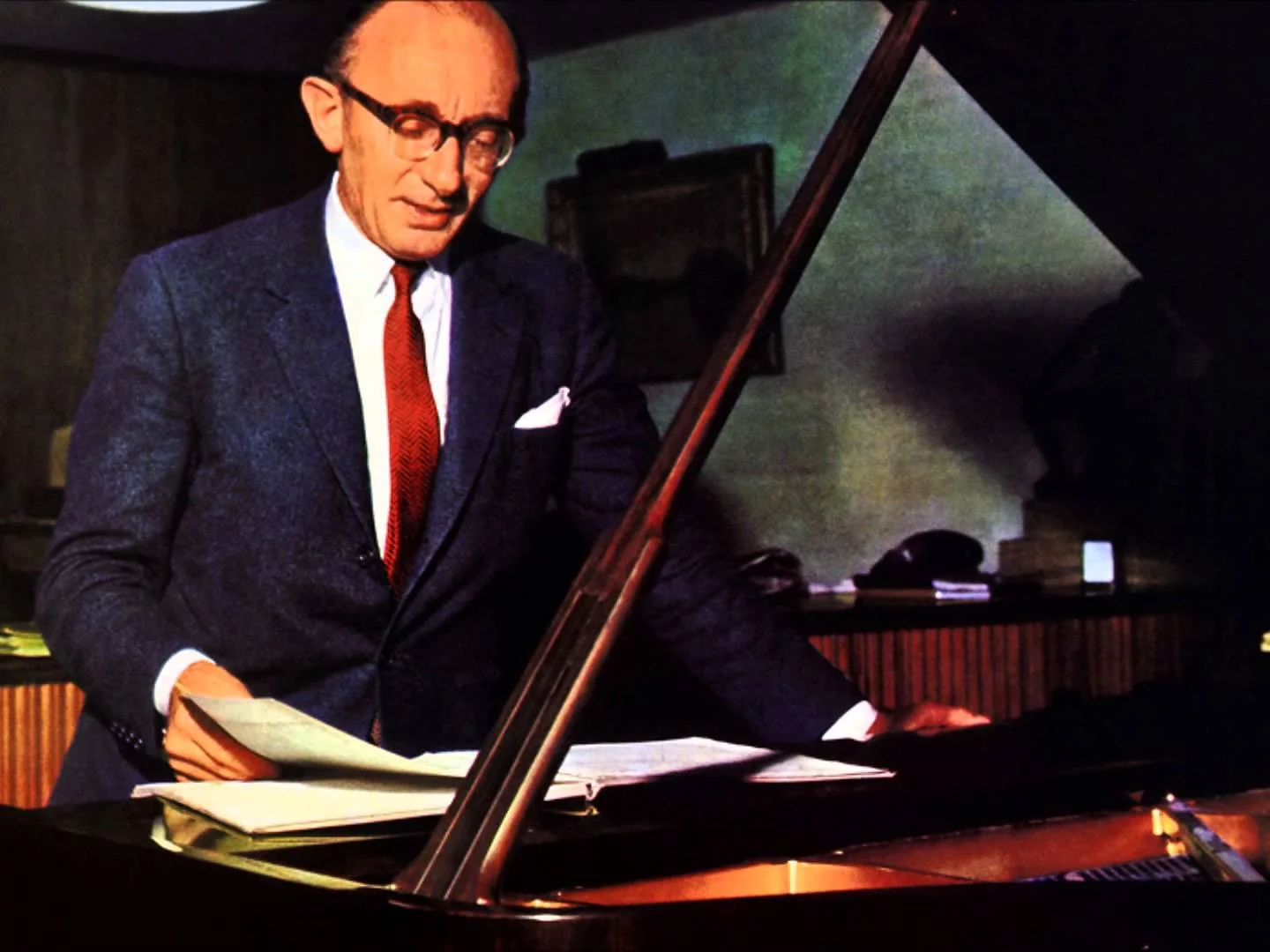
Born Clifford Michael Siegenberg in Islington, London, on 18 May 1907, Curzon studied at the Royal Academy of Musicbefore further study in Berlin and Paris. His family changed their surname to Curzon in 1914, shortly after the outbreak of the First World War.
Curzon became particularly renowned for his interpretations of Mozart, Beethoven, Schubert, and Brahms, and was notoriously exacting about his own recordings, vetoing the release of many that he felt fell short of his standards. He was knighted for his services to music and died in London in 1982.
4. Harriet Cohen
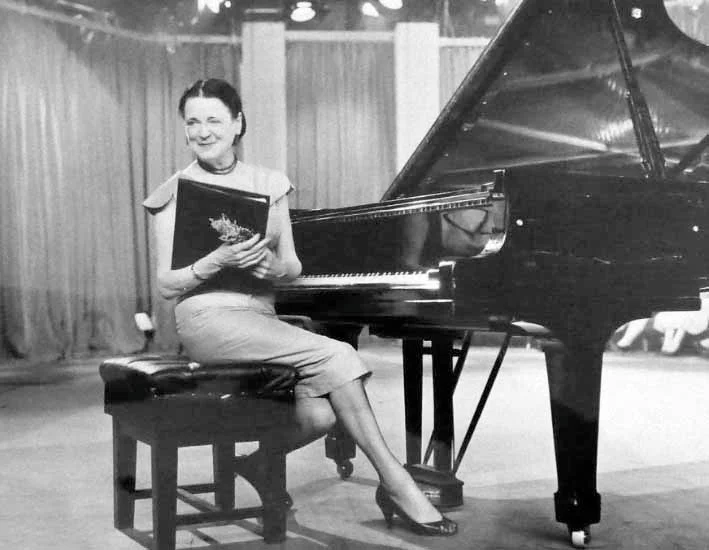
Harriet Cohen was born in London on 2 December 1895 and studied piano at the Royal Academy of Music under Tobias Matthay, winning the Ada Lewis scholarship at age twelve and the Sterndale Bennett Prize the following year. She made her professional debut at Queen's Hall in 1914.
Cohen became closely associated with British musical modernism, premiering Ralph Vaughan Williams's Piano Concerto in C major in 1933 and building close working relationships with composers including Arnold Bax, John Ireland, and Béla Bartók. She was awarded a CBE and died in London in 1967.
5. Benno Moiseiwitsch
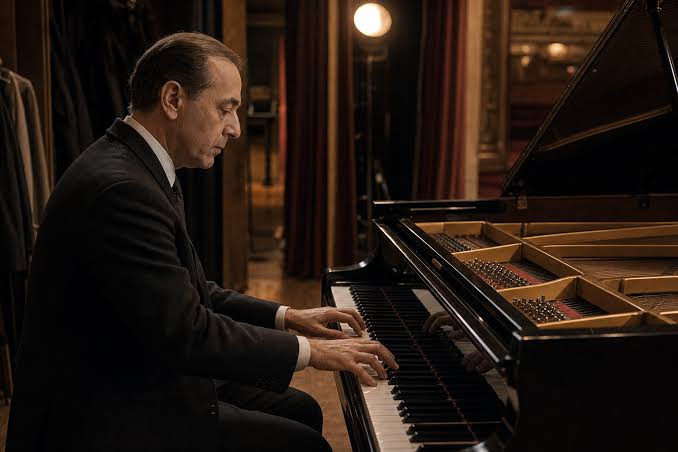
Moiseiwitsch was born in Odessa in 1890, not London, which makes his inclusion here a matter of adopted home rather than birthplace. He first performed in London in 1909, settled permanently in England, and became a naturalized British citizen in 1937.
Moiseiwitsch became one of the most admired interpreters of Rachmaninoff's music, a relationship deepened by a genuine friendship between the two men, with Rachmaninoff reportedly calling him his "spiritual heir."
During the Second World War, he performed alongside Myra Hess at the National Gallery concerts and gave roughly 800 further performances for servicemen and charities, earning a CBE in 1946. He died in London in 1963 and is interred at Golders Green Crematorium.
6. Sir William Sterndale Bennett
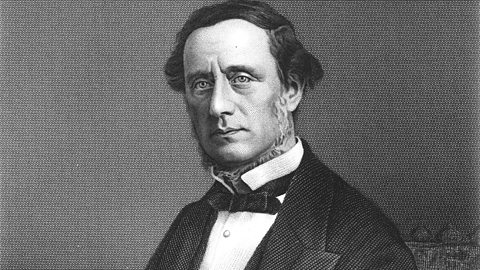
Sterndale Bennett was born in Sheffield in 1816, not London, but his professional life became almost entirely bound to the capital. He was admitted to the Royal Academy of Music in London at age ten and remained connected to the institution, first as a student and later as a teacher, for most of the rest of his life.
Bennett built a reputation as both composer and concert pianist, earning admiration from Felix Mendelssohn and a close friendship with Robert Schumann during time spent in Leipzig. Back in London, he taught pupils including Arthur Sullivan and Hubert Parry, directed the Philharmonic Society for a decade, and was knighted for his contributions to British music. He died in London in 1875.
7. Jools Holland
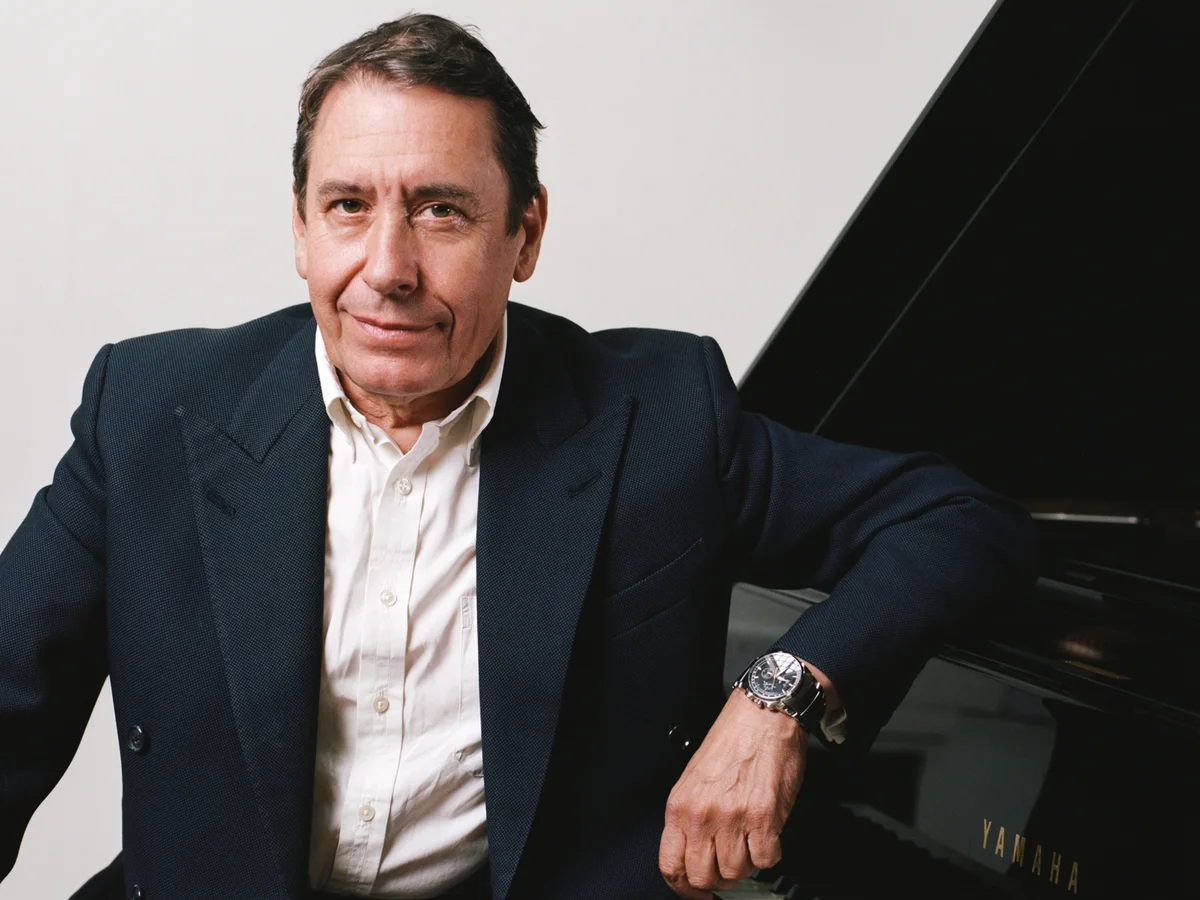
Julian Miles Holland was born in Blackheath, southeast London, on 24 January 1958. He could play piano fluently by ear at age eight and was performing regularly in southeast London pubs by his early teens.
Holland became a founding member of the band Squeeze in 1974, later launching a solo career centered on boogie-woogie and rhythm-and-blues piano styles. He is now best known as the longtime host of the BBC's "Later... with Jools Holland," which he has presented since 1992, alongside his own Rhythm and Blues Orchestra. He holds an OBE for his services to music.
8. Sir Elton John
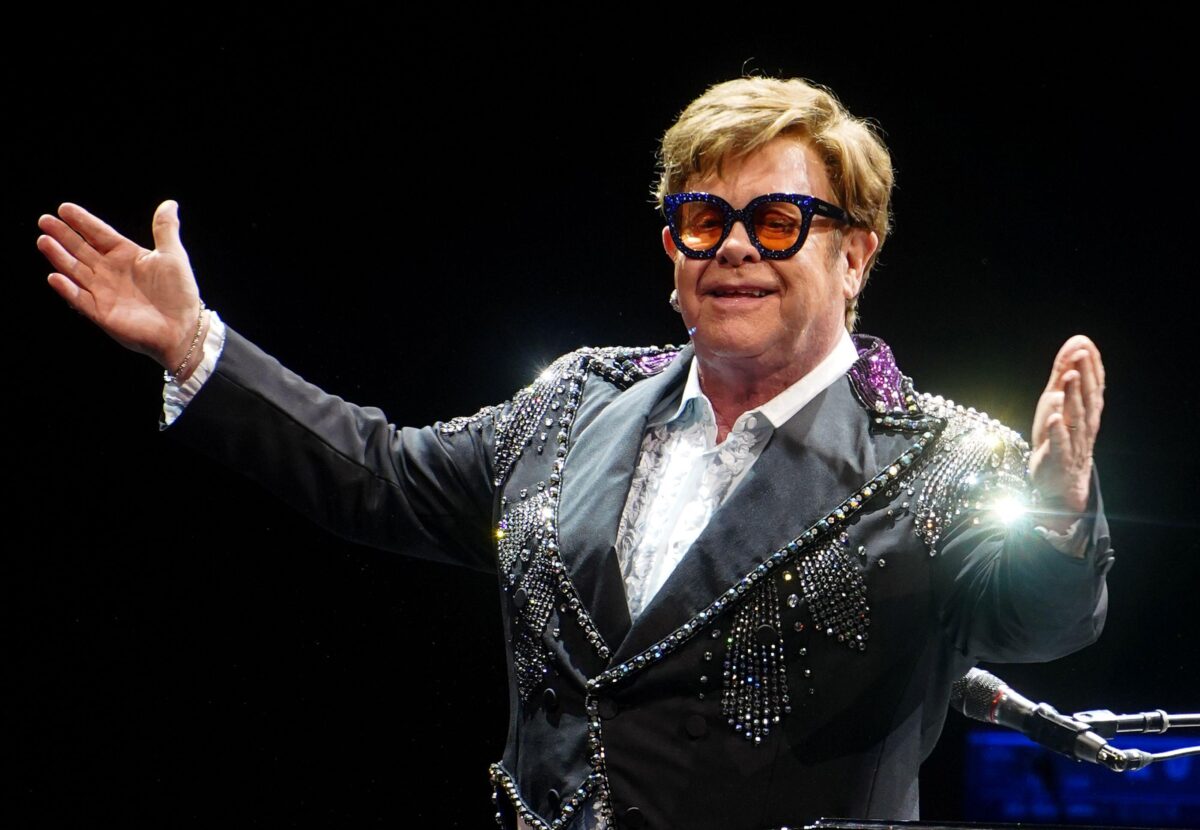
Born Reginald Kenneth Dwight in Pinner, Middlesex, on 25 March 1947, an area now part of the London Borough of Harrow within Greater London, Elton John began playing piano by ear at age three. He won a junior scholarship to the Royal Academy of Music at eleven, commuting into central London for Saturday classes throughout his teenage years.
John became one of the best-selling recording artists in history, blending classical and gospel-influenced piano technique into a pop and rock songwriting partnership with lyricist Bernie Taupin that produced decades of hit records. He holds a knighthood and a CBE, and remains among the most globally recognized pianists connected to London by both upbringing and training.
9. James Rhodes
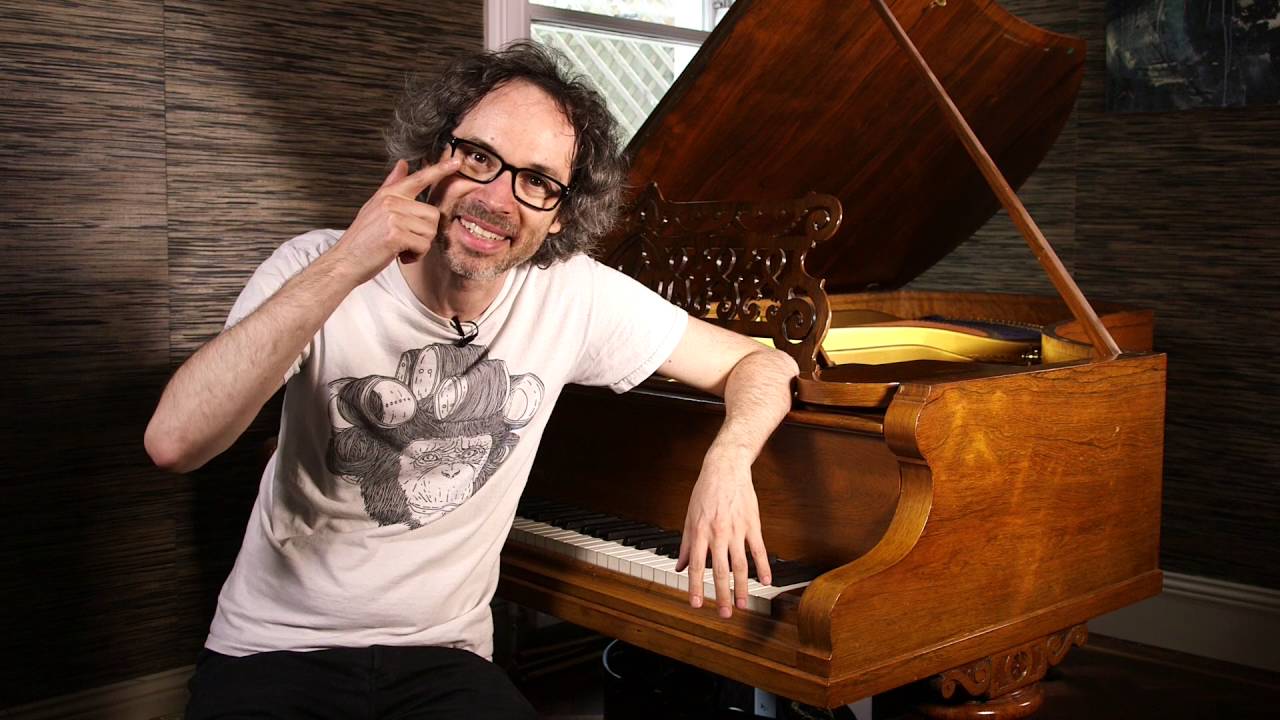
James Edward Rhodes was born in St John's Wood, north London, on 6 March 1975, into a Jewish family, and was educated locally before pursuing a career as a concert pianist. He performed his first full-scale concert at the Queen Elizabeth Hall at London's Southbank Centre in 2009.
Rhodes has become known for making classical piano more accessible to new audiences, performing in nontraditional venues around London including the Roundhouse in Camden and the 100 Club in Soho, alongside writing candidly about his own life as an author and mental health advocate. He continues to perform and record from a London base.
10. Dame Imogen Cooper
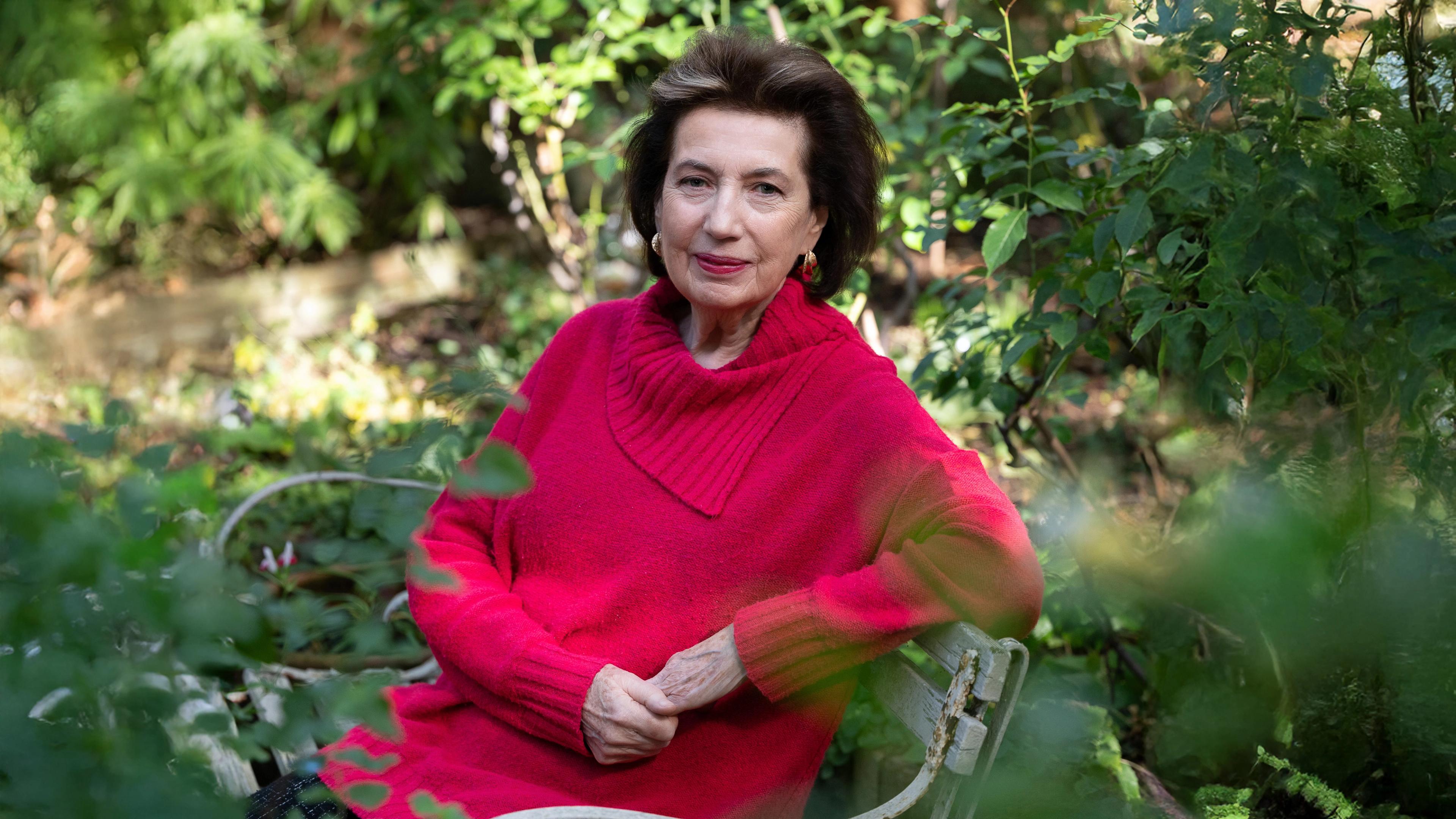
Imogen Cooper was born in north London on 28 August 1949, the daughter of musicologist Martin Cooper. She trained partly in Paris before returning to build her career, and was mentored in her late teens by both Arthur Rubinstein and fellow London-born pianist Clifford Curzon.
Cooper is particularly celebrated for her interpretations of Schubert and has spent most of her adult life based in London, apart from her teenage years abroad. She holds a DBE and the Queen's Medal for Music, and remains an active performer today.
You Might Like: Famous French Pianists
Frequently Asked Questions
Were There Famous Pianists Connected To London In The 18th Century
London's concert life in the 18th century was shaped more by visiting composer-performers than by native-born pianists in the modern sense, since the piano itself was still establishing itself over the harpsichord during much of that period. The strongest London-specific piano tradition covered by named, documented figures really takes shape in the 19th century onward, which is why this list begins there.
How Does A Musician Receive A CBE Or A Knighthood
Honours like a CBE, an OBE, or a knighthood come through the official UK honours system, typically nominated for sustained public or artistic contribution and formally awarded by the monarch. Several pianists on this list received these honours specifically for their contributions to British musical life.
Was Frédéric Chopin Actually A London Pianist
No. Chopin was born in Warsaw and spent most of his adult career based in Paris, only travelling to London in 1848, near the end of his life, during a period of political upheaval in France. A late-career visit doesn't establish the kind of birth or long-term residence connection this list is built around.
Is There A Modern London Pianist Known Primarily For Popular Rather Than Classical Music
Yes, both Jools Holland and Elton John fit this description directly, having built their reputations in popular and rock music rather than the classical concert tradition, while still being closely tied to London by birth and early training.
Quick Recap
London's piano history runs from Dame Myra Hess organizing wartime concerts under the National Gallery's dome to Elton John commuting into the city as a boy for Saturday lessons at the Royal Academy of Music. What connects all ten names on this list isn't simply being British; it's a real, documented tie to London itself, through birth, training, or the place each of them chose to build a career.
If one name here caught your interest, each pianist's own recordings and, where relevant, published writing are the natural next step for going deeper than any list can take you. London's contribution to piano history is considerable, and these ten figures are a solid, accurate starting point for understanding why.