A Few Things Worth Knowing Before You Read On
- The same piano can sound dramatically different in two rooms, and room geometry is usually the first reason why.
- Nearly half of a piano's sound comes from beneath the instrument, which makes your floor far more important than most pianistsrealize.
- There are four distinct layers of architectural influence on piano sound, and fixing the wrong one first is a common and frustrating mistake.
- The acoustic principles behind the world's greatest concert halls translate directly into practical adjustments any piano owner can make at home.
If your piano sounds different at home than it did in the store, the issue is often not the instrument but the room. Many players notice changes in tone, such as excessive brightness, muddiness, or lack of clarity, without realizing that these differences are caused by the surrounding space.
Room acoustics play a significant role in how a piano sounds. The walls, ceiling, floor, and overall shape of the room all affect how sound reflects, absorbs, and travels. By understanding how these elements influence tone, you can make simple adjustments that improve your piano’s sound without altering the instrument itself.
Why The Same Piano Sounds Different In Every Room
This idea explains why many pianossound frustrating at home, and it is important to understand it clearly. A piano does not produce sound in isolation. When you press a key, the hammer hits the string, and the vibration spreads through the instrument to the soundboard. The soundboard then sends the sound out in many directions at once.
Some of the sounds move toward you, some go up to the ceiling, and a large part travels downward and reflects off the floor before coming back into the room. From there, the sound interacts with everything around it. Hard surfaces like walls and floors reflect sound. Soft materials like carpets and curtains absorb it. Uneven surfaces break it up and scatter it.
Because of this, the room shapes what you actually hear. Imagine two identical grand pianos. One is placed in a room with high ceilings, wooden floors, and very little furniture. The other is in a smaller room with carpets, soft sofas, and thick curtains. Even though the pianos are the same, they will sound very different.
The reason is the room, not the piano. And that is good news, because while you cannot easily change the piano, you can change the room.
The Four Layers Of Architectural Influence On Piano Sound
Before getting into the details, it helps to have a simple way to think about the problem. The way a room affects piano sound can be broken into four main parts. The first is the shape of the room, including its size, ceiling height, and whether the walls are straight or angled.
The second is the surfaces in the room, such as floors, walls, and ceilings, and whether they are hard or soft. The third is the furniture and objects in the room, like rugs, curtains, and sofas, which can help control sound naturally. The fourth is where you place the piano and how it is positioned in the room.
Each of these parts matters on its own, but they also work together. Fixing one thing will not always solve the problem if something else is causing it. For example, moving the piano will not fix sound issues caused by the shape of the room, and adding a rug will not help much if the ceiling is reflecting too much sound. The best approach is to look at each part step by step instead of trying random fixes.
Layer 1 - Room Geometry And How It Shapes Piano Sound
Room geometry is often the most overlooked layer, but it sets the acoustic foundation for everything else. Understanding it first prevents you from spending time and money on treatments that can't fix a structural problem.
Room Modes And Why Certain Notes Boom
Every room has natural resonant frequencies called room modes, determined by its physical dimensions. When a piano plays a note whose frequency aligns with a room mode, that note gets amplified relative to every other note around it. The result is an uneven sound where certain bass notes boom while others feel thin, and certain mid-range passages sound congested while others cut through clearly.
Room modes are most problematic in rooms where two or three dimensions share simple mathematical relationships, such as a room that is exactly twice as wide as it is tall. Perfectly square rooms and rooms with two identical dimensions tend to produce the worst low-frequency resonance problems for the piano.
If your bass sounds muddy and undefined regardless of how the piano is voiced or tuned, room modes are most likely involved.
Ceiling Height And Reverberation Time
Reverberation time, measured as RT60, is how long it takes for a sound to decay by 60 decibels after the source stops. The ideal reverberation time for piano musicin a domestic setting falls somewhere between 0.4 and 0.8 seconds.
A low ceiling makes the sound fade too quickly and can make the piano feel dry and flat. A higher ceiling gives the sound more space to develop, allowing it to feel fuller and more natural. The same piano can feel rich and expressive in a room with a high ceiling, but dull and lifeless in a room with a low ceiling. The instrument is the same; only the way the sound behaves has changed.
Parallel Walls And Flutter Echo
Parallel walls are one of the most common causes of poor piano sound. When sound reflects back and forth between two flat, hard surfaces, it creates a fast, repeating echo that blurs notes and reduces clarity, especially in quicker passages.
You can check for this by clapping your hands in the room. If you hear a ringing or fluttering sound after the clap, it is likely caused by parallel walls. In concert halls, this is avoided by using angled walls or uneven surfaces that break up reflections.
At home, you can improve this by adding objects that interrupt the flat surfaces. A large bookcase, a wall with different picture frames, or a hanging fabric can help reduce the effect. If the shape of the room is the main issue, smaller fixes may only help a little, so it is best to deal with the room layout first.

Layer 2 - Surface Materials And What They Actually Do To Piano Tone
Surface materials are the layer most piano owners instinctively reach for first, and they matter enormously, but the distinction between absorption and diffusion is almost always missed, and it leads people to over-treat their rooms in the wrong direction.
Absorption Versus Diffusion
Sound absorption reduces the amount of sound energy in a room. Soft materials like thick curtains, carpets, and padded furniture absorb sound waves and make the room quieter. This can help control echo and make the piano sound clearer. However, too much absorption can remove too much sound, making the piano feel dull and lifeless instead of rich and musical.
Sound diffusion works differently. It spreads sound around the room instead of removing it. Objects like bookshelves, wall decorations, and uneven surfaces help scatter sound in different directions.
This keeps the room lively while avoiding harsh echoes. The best results usually come from a balance of both, using some soft materials to control sound and some uneven surfaces to keep it natural and full.
Why The Floor Matters More Than Any Other Surface
Approximately half of a piano's acoustic output radiates from beneath the soundboard and reflects off the floor before reaching the listener. This makes the floor the single most influential surface in the room, yet it's the one most often treated as a purely aesthetic choice.
Hardwood and tile floors reflect this downward sound energy into the room, preserving brightness and projection. Carpet absorbs a significant portion of it, reducing the piano's perceived volume and cutting high-frequency clarity.
A brighter room with hardwood may benefit from carpet under the piano to tame harshness. A heavily carpeted room may produce a flat, muffled sound that would benefit from a hard reflective surface directly beneath the instrument.
The Plexiglass Technique
If a piano sits on a carpet and sounds dull, placing a sheet of clear acrylic or plexiglass directly beneath the instrument creates a hard reflective surface under the soundboard without visually altering the room. The downward-radiating sound reflects back up into the space rather than being absorbed by the carpet. This is a well-established technique among piano technicians and is particularly useful for upright pianos, where the primary sound projection moves toward the floor and back wall.
A room with a mix of hard, soft, and irregular surfaces will almost always outperform a room that has been uniformly treated in one direction. Balance matters more than treatment volume.
Layer 3 - Room Furnishings As Acoustic Tools
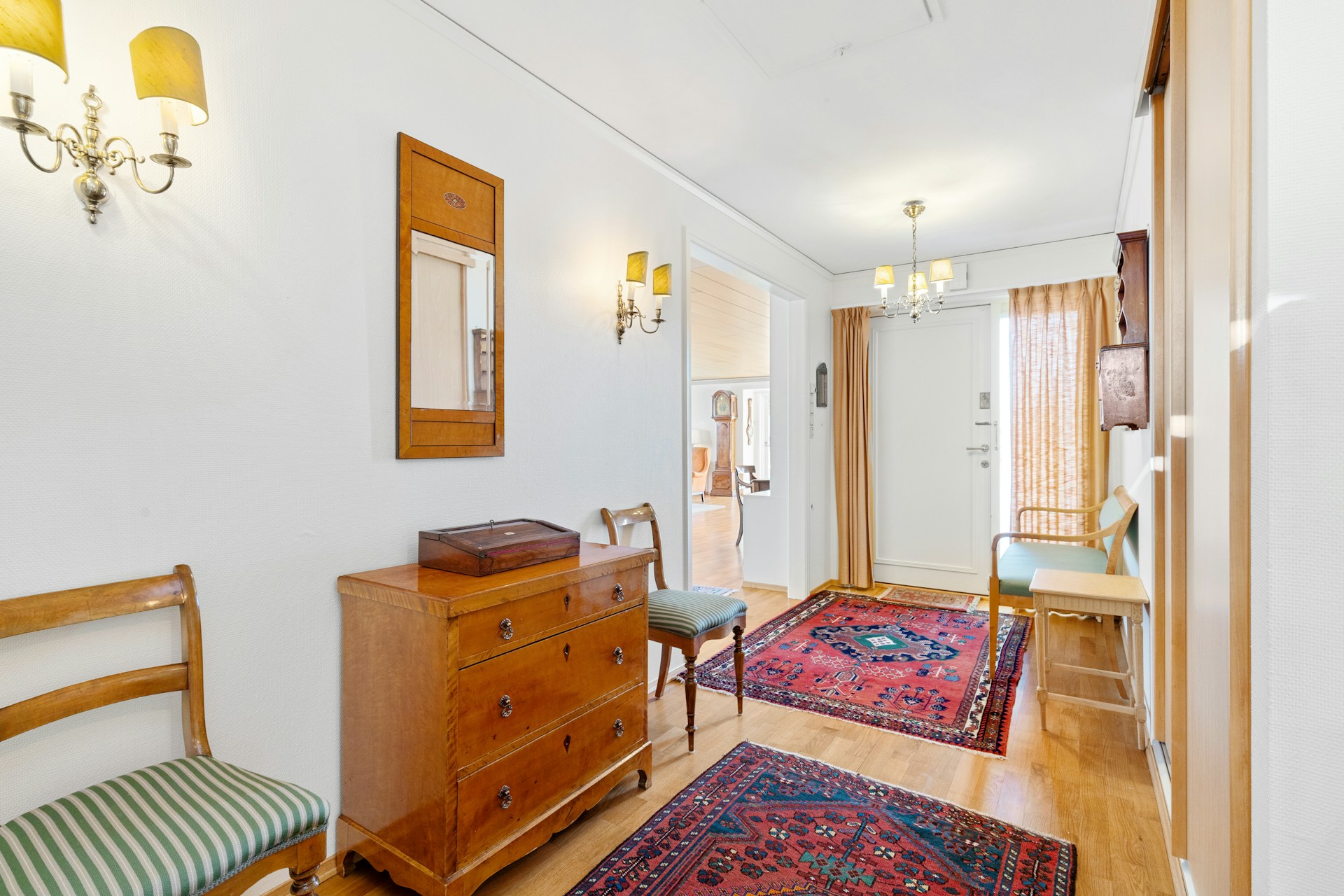
Furnishings are the most flexible part of a room’s acoustics, and they have a much greater impact on piano sound than most people realize. Every object in a space plays a role in shaping how sound behaves. Sofas, armchairs, and other soft furniture absorb mid-range frequencies, while bookshelves help scatter sound and reduce harsh reflections.
Rugs soften the sound coming from the floor, and curtains reduce reflections from glass surfaces. Even the number of people in the room makes a difference, which is why a piano can sound noticeably different in an empty room compared to a space filled with listeners.
A room that feels too bright or harsh when empty often becomes warmer and more balanced once it is filled with people and soft furnishings. This happens because both furniture and people absorb sound, reducing echo and softening the overall tone.
Rather than treating this as a problem, it is something you can use to your advantage. If your piano sounds too bright during practice, adding soft elements such as rugs or upholstered furniture can help create a fuller, more natural sound, which ultimately supports improving your piano skillsby making what you hear more accurate and enjoyable.
You don't need to renovate to treat a room acoustically. Thoughtful furniture placement and a few soft furnishings give you a surprising amount of control.
Layer 4 - Piano Placement And Why Position Changes Everything
Placement is the last layer, but it's often where the most dramatic improvements come from because it's the easiest and cheapest thing to change.
Why Corners Are Almost Always Wrong
Placing a piano in the corner of a room concentrates low-frequency energy at the point where two walls and the floor meet. Bass frequencies build up in corners rather than distributing across the room, producing a boomy, congested low end that no amount of voicing or tuning can fix.
The instrument sounds as though it's working against the room rather than with it. Moving the piano even a few feet away from both walls can noticeably reduce this buildup and restore clarity to the bass register, making practice more consistent and making piano learning easierbecause what you hear becomes more reliable.
Distance From Walls And Sound Clarity
Placing a piano too close to any single wall creates strong early reflections that interfere with the direct sound reaching the listener. These reflections arrive milliseconds after the direct sound, creating a subtle blur that reduces note definition in fast or complex passages. A general guideline from acoustic consultants is to keep at least two feet between the back or sides of the piano and any wall.
Grand Piano Lid Orientation
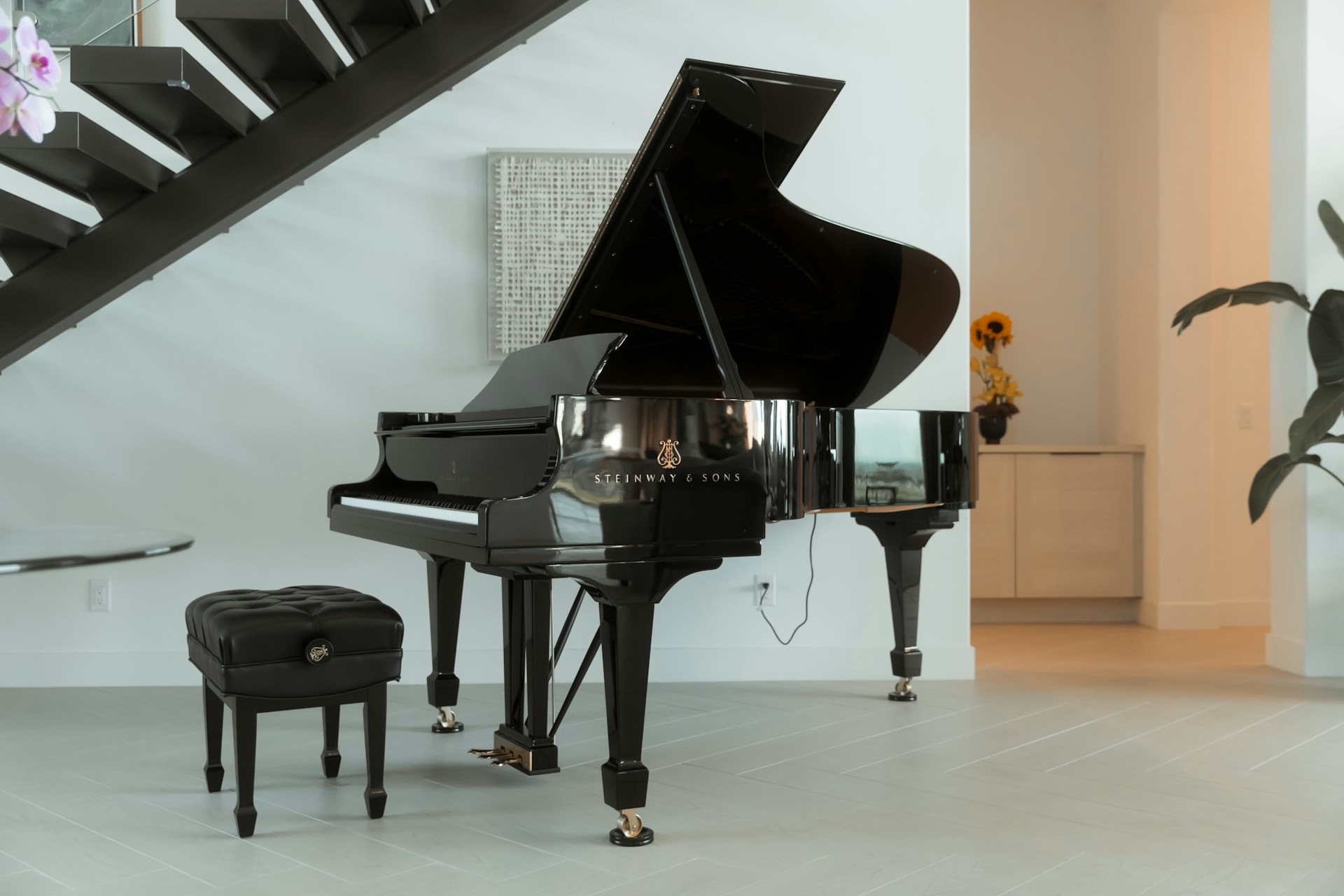
On a grand piano, the lid is a major directional acoustic tool. When open, it reflects sound upward and toward the right side of the piano from the player's perspective, projecting toward the audience. Orienting the pianoso the open lid faces the room's primary listening area, rather than a wall or corner, makes a significant difference in how the sound reaches listeners.
The Counterintuitive Truth About Vaulted Ceilings
In rooms with vaulted or angled ceilings, the instinct is often to position the piano under the lower part of the ceiling so the instrument fills the room. In practice, the reverse tends to work better.
Placing the piano where the ceiling is highest allows the sound to expand and decay before reaching the listener, while the lower-ceilinged part of the room acts as a natural gathering point for an audience. The sound projects into the space rather than being immediately compressed by a low ceiling directly above the instrument.
Upright Versus Grand Piano Placement
Upright and grand pianos interact with rooms differently and shouldn't be placed using the same logic. A grand piano projects sound downward through the floor and upward via the lid. An upright piano projects sound from the back panel toward the wall it faces and from the top of the instrument upward.
Placing an upright directly against the back wall compresses the sound and increases muddiness. Pulling it four to six inches from the wall allows the back panel's sound to radiate more freely, and this small adjustment alone can noticeably improve clarity.
Placement decisions compound the effects of all the other layers. A well-placed piano in a thoughtfully arranged room performs the way the instrument was built to perform.
How To Assess And Optimize Any Room For Piano
Now that each layer is clear, here is a practical process for working through them methodically rather than guessing.
7 Questions To Ask Before Placing Your Piano
- Are any two walls in this room parallel and hard-surfaced? If yes, test for flutter echo and plan to address at least one surface with a bookshelf or textile.
- What is the ceiling height? If it's below nine feet, expect a compressed sound and consider rugs or soft furnishings to keep the room from feeling harsh rather than just flat.
- What is the primary floor surface under and around the piano? If it's carpet, consider plexiglass under the instrument. If it's bare hardwood in a very live room, a rug under the piano may help.
- Are there large uncovered windows facing the piano? If yes, heavy curtains can reduce harsh treble reflections significantly.
- Is the piano in or near a corner? If yes, repositioning is the first adjustment to make before anything else.
- How far is the piano from its nearest wall? Less than two feet warrants moving the instrument outward.
- Is the room regularly occupied during playing, or will it usually be empty? A room that feels too empty may sound balanced once people fill it.
The Low-Cost Acoustic Toolkit
Most room acoustic problems can be meaningfully improved with the following adjustments, listed in rough order of impact.
- Reposition the piano away from corners and walls
- Add a large rug under the piano if the flooring is hard and the room is overly bright
- Place a filled bookcase on one of two parallel walls to break up the flutter echo
- Hang heavy curtains on large reflective windows that face the piano
- Add upholstered furniture to absorb excess mid-range energy in living rooms
- Use a plexiglass sheet under the piano if it sits on carpet and sounds dull
An Illustrative Example
Imagine a pianist who moves a quality upright piano from a small carpeted bedroom into a living room with hardwood floors, a flat nine-foot ceiling, and two large uncovered windows on opposing walls. In the bedroom, the piano sounded muffled and lifeless. In the new room, it suddenly sounds harsh and bright, with a slight metallic ring after chords.
Both rooms are acoustically problematic, just in opposite directions. The solution is not to move back. It is to add a rug under the piano, hang curtains on the windows, and place a bookcase on one of the two hard-walled surfaces. The same piano, now in a treated room, sounds balanced, full, and musical. The instrument hasn't changed. The room has.
What The World's Greatest Concert Halls Teach Us About Home Acoustics
The acoustic ideas used in world-class concert halls are not limited to large, expensive buildings. They are the same basic ideas that affect how your piano sounds at home, just on a smaller scale.
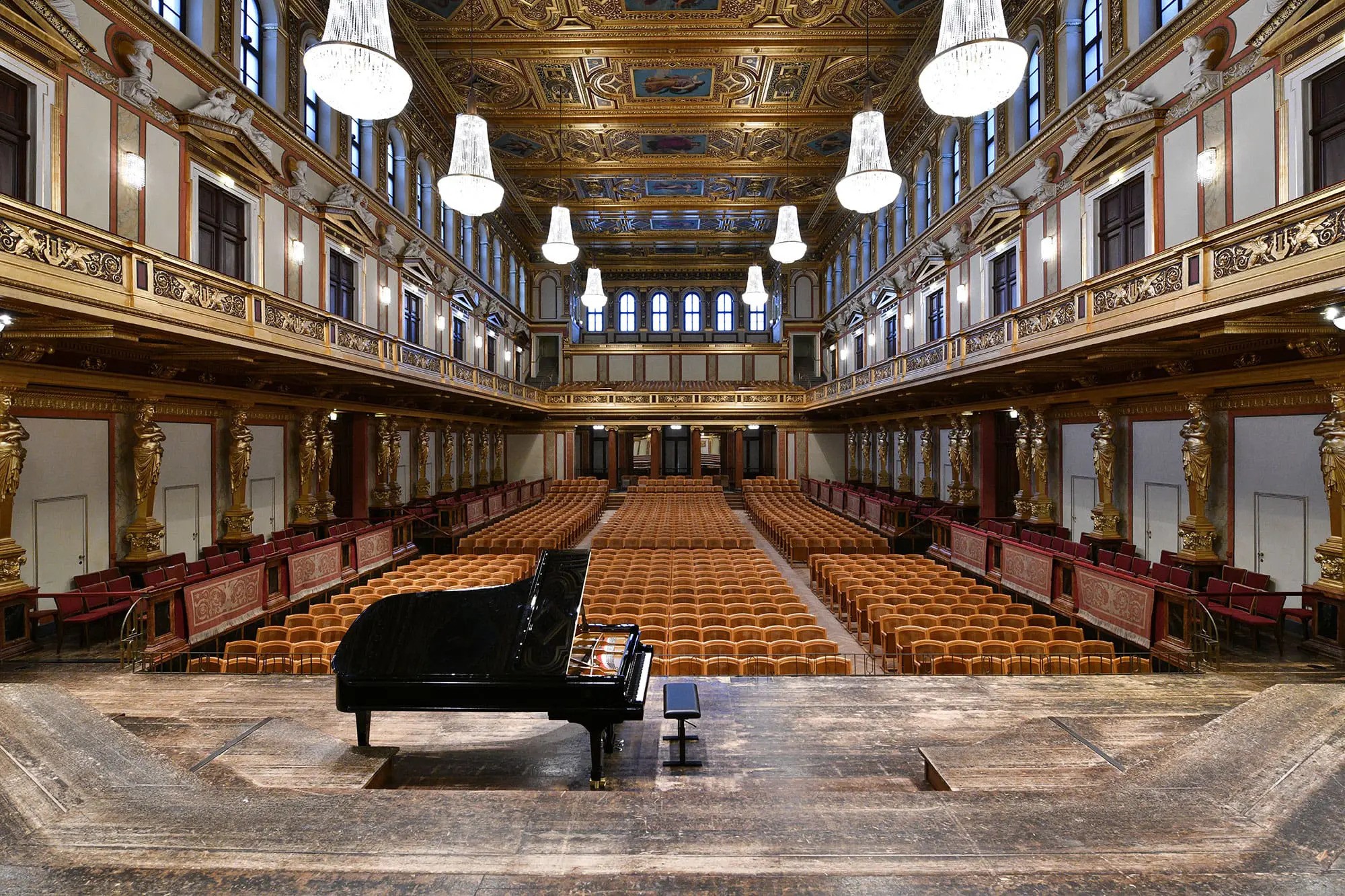
One of the most famous concert halls, the Musikverein in Vienna, is known for its excellent sound. It has a long, narrow shape, a high ceiling, and many detailed surfaces like carved wood, decorations, and statues. These features reflect classic architecture stylesthat prioritize both beauty and acoustic performance, helping sound move around the room in a balanced way and making the music feel rich and full rather than distant.
This idea can be applied at home. A room that is longer and narrower, with a higher ceiling and a mix of different surfaces, will usually sound better than a wide room with a low ceiling and flat walls. If you can choose where to place your piano, the shape of the room matters just as much as its size.
Modern concert halls take this even further by carefully designing surfaces to both reflect and spread sound. You can do something similar at home by keeping a mix of elements in the room. Hard surfaces help sound travel, objects like bookshelves or wall art help spread it out, and soft items like curtains and sofas help control it. This balance creates a more natural and pleasant sound.
Every good concert hall avoids two problems. One is a room where sound bounces around too much, creating a loud and messy echo. The other is a room that absorbs too much sound, making the music feel dull and lifeless. The goal is to find a balance where the piano sounds full and rich but still clear and easy to hear.
You can create this same balance at home by paying attention to a few key things. The size and shape of the room come first. Then the surfaces, like floors and walls, affect how sound behaves. Furniture helps adjust the sound and make small improvements. Finally, where you place the piano brings everything together and helps it sound its best in the space.
Frequently Asked Questions
Does Painting A Piano Affect How It Sounds?
Paint adds negligible mass to a piano's outer casing, which plays no role in how the instrument produces sound. The acoustic components that determine tone, the strings, soundboard, bridges, and pin block, are entirely unaffected by the exterior finish.
Does Humidity Affect Both Room Acoustics And Piano Sound At The Same Time?
Yes, and it works on two levels. High humidity softens wood surfaces slightly, which can reduce their reflectivity and marginally change a room's acoustic character. More significantly, the piano's own soundboard responds to humidity by expanding or contracting, which alters string tension and tonal quality.
Is A Bigger Room Always Better For A Piano?
A room that is too large for the piano's acoustic output can make the instrument sound thin, distant, and underpowered. The piano's sound dissipates before it reaches the listener with enough energy to feel full and present.
What Is The Relationship Between Music And Architecture?
Architecture determines how sound travels, reflects, and decays in a space, and that has shaped music itself over centuries. The soaring reverb of Gothic cathedrals encouraged composers to write sustained choral music.
Should I Use Acoustic Foam Panels In A Home Piano Room?
Acoustic foam can be useful for targeted absorption, but it's rarely the best starting point for a piano room. Foam primarily absorbs high frequencies and does little for the low-frequency problems that most home rooms struggle with
What To Take Away From All Of This
The room where you place your piano is not just a background. It actively shapes how every note sounds before it reaches your ears. If you work through the four main factors step by step, you can turn a frustrating sound into something much more satisfying.
Most of these changes do not require major work or expensive equipment. They simply require understanding what each part of the room is doing and making small, thoughtful adjustments. If your piano has not been sounding right and you have been blaming the instrument, it is worth looking at the room first.