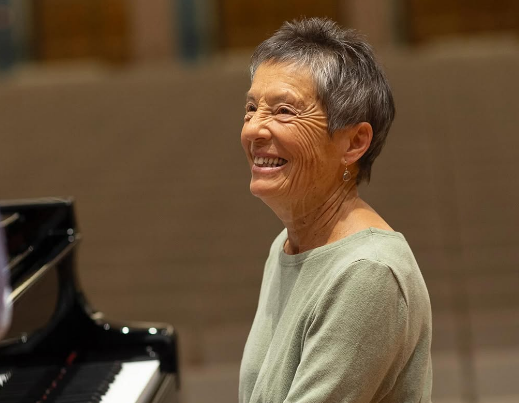
Maria João Pireswas born on 23 July 1944 in Lisbon, Portugal. She was the posthumous daughter of João Baptista Pires and Alzira dos Santos Alexandre Barbosa. Her father died two weeks before she was born, so she was raised by her mother along with her siblings and her maternal grandfather. Her grandfather was a Buddhist, and her father had spent many years in China and Japan studying philosophy, reflecting the diverse cultural background of her family.
Pires showed musical talent from a very early age. She gave her first public piano performance at age four. By the age of seven she was already appearing in public playing Mozart piano concertos. During her childhood in Lisbon, she studied piano intensively and was introduced to both performance and theory at a young age.
She received formal training at the Lisbon Conservatory (Conservatório Nacional). From about 1953 to 1960 she studied there under Professors Campos Coelhoand Francine Benoît. Her curriculum included music history, theory, and composition. In her late teens Pires won a scholarship to continue her studies in Germany. She then attended the Munich Musikhochschuleto study with Rosl Schmidand later moved to Hanover to study under Karl Engel.
| Fact | Verified Information |
| Full Name | Maria João Pires |
| Date of Birth | 23 July 1944 |
| Place of Birth | Lisbon, Portugal |
| Father | João Baptista Pires (died two weeks before her birth) |
| Mother | Alzira dos Santos Alexandre Barbosa |
| Family Situation | Raised by her mother, siblings, and maternal grandfather |
| Cultural Background | Influenced by Eastern philosophy through family background |
| First Public Performance | Age 4 (piano) |
| Early Repertoire | Mozart piano concertos by age 7 |
| Childhood Training | Intensive piano study in Lisbon |
| Teachers | Campos Coelho, Francine Benoît |
| Teachers (Germany) | Rosl Schmid, Karl Engel |
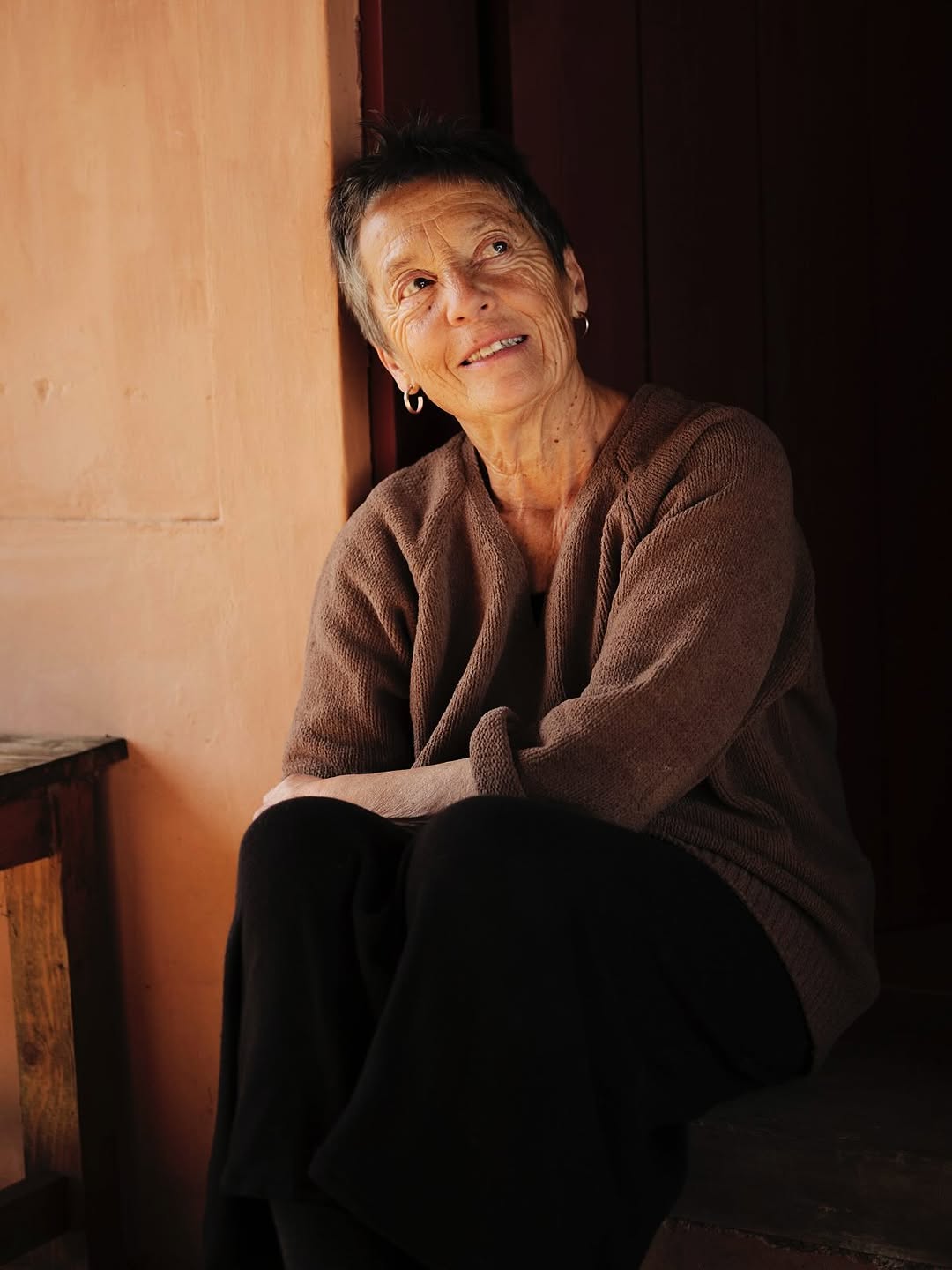
Career Beginnings
Maria João Pires began performing publicly as a young child, giving her first concert at age four. She pursued advanced piano study in Portugal and Germany, which laid the groundwork for her artistic development. Early in her professional journey she won major competitions, earning national recognition in Portugal before preparing for international contests.
International Breakthrough
Pires’s global career was launched by a landmark competition win. In 1970 she captured first prize at the Brussels Beethoven Bicentennial Piano Competition, a victory that introduced her to international audiences. She made her London recital debut at the Queen Elizabeth Hallin 1986 and her New York debut at Carnegie Hallin 1989. After these high-profile concerts, she quickly became a sought-after soloist on the concert stage.
Major Performances & Concert Highlights
Maria João Pires has headlined many of the world’s great concert halls and festivals. In 2010 she appeared at the BBC Proms in London, playing an acclaimed program of Romantic piano works. Over the years she has been especially celebrated for her Mozart and Chopin interpretations.
In April 2024 Pires performed as a soloist with the Orchestre symphonique de Montréal. The late-stage vigor and poetic nuance of her playing were evident in this concert, which featured core Beethoven repertoire.
In May 2024 she gave a recital at Porto’s Casa da Música. Even in her eighties, her concerts continued to receive praise for their lyricism and depth, proving that she maintained a masterful touch on classical and Romantic works through the end of her performance career.
Recordings & Discography
| Category | Information |
| Early Label | Erato |
| Long-Term Label | Deutsche Grammophon |
| Repertoire Recorded | Mozart, Beethoven, Chopin, Schumann, Debussy, Bach |
| Notable Sets | Complete Mozart sonatas and concertos |
| Box Set | 38-CD complete recordings (2019) |
| Recent Recording | Chopin Piano Concerto No.1 (2021) |
Pires’s discography spans decades and major repertory. She recorded extensively for the Erato label in the 1970s and 1980s, then for Deutsche Grammophon for over twenty years. Her albums include complete cycles of Mozart’s piano sonatas and concertos, Beethoven sonatas and concertos, and key works by Chopin, Schumann, Debussy and Bach.
Notable recordings include a celebrated set of Chopin nocturnes and a Grammy-nominated Brahms piano trio, as well as Bach keyboard suites that earned Grand Prix du Disque honors. In 2019 Deutsche Grammophon released a 38-CD box set collecting her complete recordings. In 2021 she issued a new album of Chopin’s Piano Concerto No. 1 with the Philharmonia Orchestra under André Previn, demonstrating her continuing recording activity late in her career.
Awards & Professional Recognition
Maria João Pires has received many prestigious awards and honors, including:
- Praemium Imperiale (2024): Japan’s top arts prize in music, recognizing her lifetime achievement and influence on classical music.
- Jean Gimbel Lane Prize (2023): A biennial piano award from Northwestern University; Pires was its first female recipient. She remarked, “I am touched to have been chosen as the first female recipient of the Jean Gimbel Lane Prize.”
- Helena Vaz da Silva Award (2025): A European cultural heritage award noting her work in raising public awareness of musical heritage. The jury hailed her as “one of Europe’s most poetic and influential pianists.”
- Pessoa Prize (1989): Portugal’s national prize for outstanding cultural figures.
- Gramophone Award and Grammy Nominations (2015): She won the Gramophone Award for Best Concerto for her recording of Beethoven’s Piano Concertos No. 3 and 4 and has been nominated for three Grammy Awards.
- Other honors: Multiple Grand Prix du Disque awards and Portuguese distinctions such as the Dom Juan de Borbón Prize and Prémio Eduardo Lourenço, recognizing her artistic impact.
Collaborations With Orchestras & Conductors
Throughout her career Pires partnered with many of the world’s leading orchestras and conductors. She toured with Claudio Abbado’s Gustav Mahler Youth Orchestra in 1987 and later recorded acclaimed Beethoven concertos with conductor Daniel Harding. Her concerto appearances have included the Berlin Philharmonic, Boston Symphony Orchestra, Concertgebouw Orchestra, London Philharmonic, Vienna Philharmonic and Orchestre de Paris, among others.
In chamber music she collaborated with noted soloists, for example recording Mozart piano trios with violinist Augustin Dumay and cellist Jian Wang. These partnerships cemented her reputation as a versatile artist both in concerto and chamber settings.
Recent Career Activity
In her later years Pires increasingly devoted herself to teaching and mentorship. From 2012 to 2016 she served as a Master-in-Residence at Belgium’s Queen Elisabeth Music Chapel, giving masterclasses to young pianists and initiating her Partitura project to foster cooperation among the next generation of musicians. As part of her Jean Gimbel Lane Prize commitment, she spent the 2023–24 academic year at Northwestern University’s Bienen School of Music, where she conducted workshops and a public recital in April 2024. In September 2025 she was named laureate of the Helena Vaz da Silva European cultural heritage award. Later that autumn, at age 81, Maria João Pires announced her retirement from public performance, concluding a concert career that spanned over six decades.
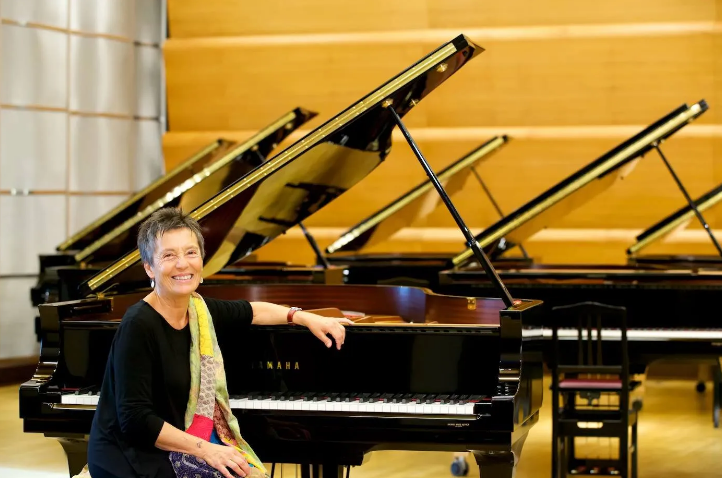
Maria João Pires Performance (2025–2026)
- Mar 16, 2025:Duo piano recital with Ignasi Cambra at Amsterdam’s Concertgebouw (Main Hall). The program featured classical staples (Mozart, Haydn, Schubert), demonstrating Pires’s chamber music artistry in a world-renowned venue.
- Mar 19, 2025:Duo recital with Ignasi Cambra at Amare (The Hague). This four-hands concert spotlighted Mozart and Schubert works, underscoring Pires’s continued virtuosity in high-profile European series.
- June 2025:Pires announced an indefinite pause of public performancesdue to a cerebrovascular health issue (stroke), resulting in cancellation of her scheduled summer concerts.
- Nov 2025:Officially confirmed her retirement from the concert stage, citing a neurological condition; her last recital was noted as March 19, 2025, marking the end of a six-decade international career.
Maria João Pires Piano Technique And Interpretative Style
Technical Approach And Piano Control
Maria João Pires is widely noted for a piano technique that emphasizes precision, control, and disciplined refinement rather than display. Expert commentary consistently highlights the clarity of her articulation and the steadiness of her hands, even in passages requiring delicate passagework or expressive weight. Her playing demonstrates firm structural awareness, with each note controlled as part of a wider musical design. Critics repeatedly describe her as maintaining exceptional balance between strength and delicacy, ensuring that technical facility is always integrated into musical purpose rather than being used for spectacle.
Tone, Touch, And Sound Color
Pires is frequently recognized for a tone characterized by clarity, purity, and carefully shaped voicing. Analysts often emphasize her ability to produce a clear singing line that remains focused without harshness. Her tonal palette is described as wide yet controlled, with refined gradations of dynamic shading that contribute to expressive depth without exaggeration. Soft dynamics are carefully sustained, and her pedaling is often noted for its restraint and transparency, allowing textures to remain clean while still warm and resonant.
Rhythm, Phrasing, And Structural Clarity
Critics regularly emphasize Pires’s disciplined rhythmic sense and her commitment to structural coherence. Her phrasing is frequently described as natural, with careful shaping of musical lines and a clear sense of continuity over larger spans. She is often praised for maintaining rhythmic stability while allowing expressive flexibility within the framework of a work’s underlying pulse. This approach produces interpretations that avoid distortion, presenting musical architecture with clarity while still allowing expressive breathing space.
Interpretative Approach To Repertoire
In Classical repertoire, particularly works of the 18th and early 19th centuries, Pires is consistently associated with interpretations that value clarity, elegance, and structural honesty. Analysts often note her refusal to impose exaggerated personal mannerisms, focusing instead on expressive simplicity aligned with stylistic integrity. In Romantic repertoire, such as Chopin and Schubert, commentary frequently highlights introspective depth, refined lyricism, and emotional honesty without overt sentimentality. Across styles, her interpretations are commonly described as thoughtful, disciplined, and rooted in respect for the score.
Balance Between Precision And Expression
A recurring theme in professional analysis is the balance Pires achieves between technical discipline and expressive content. Observers consistently remark that while her technique is highly secure, it is always subordinate to musical communication. Emotional expression in her performances tends to be conveyed through tonal control, phrasing, and structural sensitivity rather than exaggerated physical display or dramatic excess. This approach results in performances where expressive intensity grows from musical substance rather than virtuosic effect.
Critical Observations And Musical Identity
Across evaluations from respected critics and institutions, Pires is consistently defined by qualities of introspection, clarity of thought, and interpretative sincerity. She is frequently identified as a pianist who prioritizes the inner character of music, presenting works with honesty, restraint, and depth of understanding. Her musical identity is associated with refinement, clarity of intention, and a focus on communication grounded in musical truth rather than personal exhibition. This consistent critical perspective shapes her reputation as one of the most respected interpreters of Classical and Romantic piano repertoire.
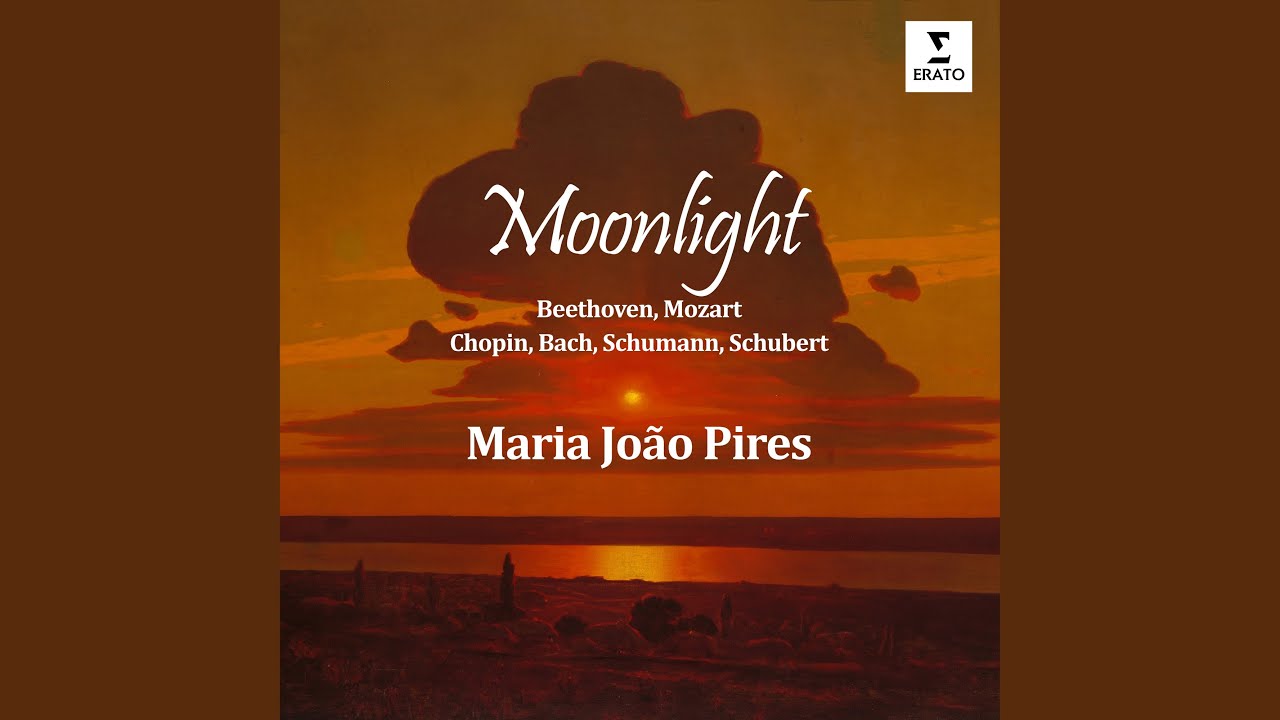
Piano Sonata No. 14 in C-Sharp Minor, Op. 27 No. 2 "Moonlight": II. Allegretto
Maria João Pires Net Worth
As of 2026, Maria João Pires’s net worth is estimated to be between $0.1 million and $8 million, based on figures circulated by online celebrity finance estimate sites, although major business media have not independently confirmed these values. Because different platforms present varying amounts, this range reflects the safest summary of what is publicly reported. Her wealth is understood to come primarily from her distinguished career as a classical pianist, including decades of international concert performances, acclaimed recordings, and respected roles in music education and mentorship.
FAQs
1. Who Is Maria João Pires?
Maria João Pires is a Portuguese classical pianist, born in Lisbon in 1944. She is internationally respected for her interpretations of Classical and Romantic repertoire, particularly Mozart and Chopin.
2. What Is Maria João Pires Best Known For?
She is best known for her refined, poetic piano playing and her acclaimed recordings of Mozart, Chopin, and Beethoven. Her performances are widely praised for clarity, restraint, and deep musical understanding.
3. Which Major Competition Launched Maria João Pires’s International Career?
Her international breakthrough came in 1970 when she won first prize at the Brussels Beethoven Bicentennial Piano Competition. This victory brought her to the attention of major concert presenters worldwide.
4. Has Maria João Pires Received Major International Awards?
Yes, she has received many prestigious honors, including the Praemium Imperiale, the Jean Gimbel Lane Prize, and Portugal’s Pessoa Prize. She has also won a Gramophone Award and received multiple Grammy nominations.
5. Why Did Maria João Pires Retire From Public Performance?
Maria João Pires announced her retirement from public performance due to a neurological condition following a cerebrovascular health issue. Her final recital took place in March 2025, concluding a career spanning more than six decades.