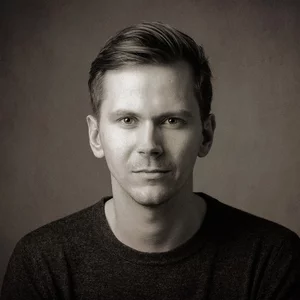
Patrik Pietschmannwas born on April 17, 1988, in Varnsdorf (then part of Czechoslovakia). His family moved to Germany in 1990, and he grew up there. Pietschmann showed an early interest in music and took his first keyboard lessons at age six.
He went on to receive formal musical training. Pietschmann studied at the Akademie für Tonkunst (Academy of Musical Arts) in Darmstadt, where his instructors included pianist Oliver Kolband clarinetist Erwin Tomczyk. After completing his secondary education, he pursued higher education in Frankfurt: he studied music composition at the Frankfurt University of Music and Performing Arts and also took courses in computer science at Goethe University Frankfurt.
During his youth, Pietschmann developed a passion for film music. At age 17 he first heard composer Hans Zimmer’sscore for the film Gladiator, an experience that greatly inspired him.
| Aspect | Details |
| Birth | Born on April 17, 1988, in Varnsdorf, Czechoslovakia. |
| Relocation | Moved to Germany with his family in 1990. |
| Early Music Interest | Began keyboard lessons at the age of six. |
| Initial Training | Studied at the Akademie für Tonkunst in Darmstadt. |
| Teachers | Taught by Oliver Kolb and Erwin Tomczyk. |
| Higher Education | Studied music composition in Frankfurt. |
| Additional Studies | Completed computer science courses at Goethe University Frankfurt. |
| Musical Influence | Inspired by Hans Zimmer’s Gladiator score at age 17. |
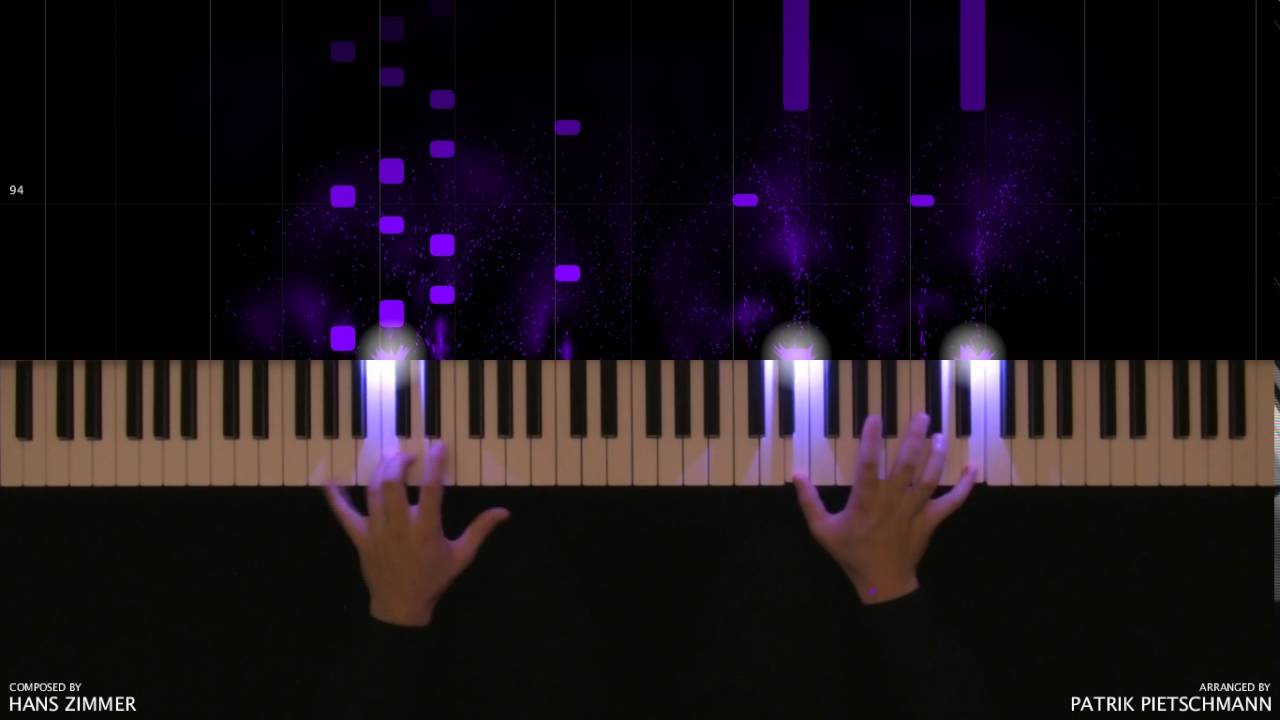
Hans Zimmer - Interstellar - Main Theme (Piano Version) + Sheet Music
Career Beginnings
Patrik Pietschmann’s career started by sharing his own piano arrangements of modern film and game scores on YouTube. He is known as a keyboard player, arranger and programmerfrom Germany, creating solo piano interpretations of current soundtrack music.
Early in his career he built an online following by performing popular themes (notably pieces by Hans Zimmer and John Williams) and adding custom visualizations to his videos.
Blizzard’s Overwatch site notes that he “combines his live piano playing with the visualization of music material by programming his own software”, highlighting his trademark video style. Over several years he turned these online performances into a full-time vocation, as he often remarks about gaining a following through viral video releases.
International Breakthrough
Pietschmann’s international profile grew when several of his arrangements became viral. A 2021 review noted that his epic piano coversof famous soundtracks had earned “more than two million subscribers and over 500 million video views.” His rendition of Hans Zimmer’s Interstellarmain theme was especially successful, with Pietschmann later noting that its “viral distribution”(over 50 million views) enabled him to call himself “a full-time YouTube pianist.”
This online success led to traditional recognition as well: in late 2021 Schott Music, a major German publisher, issued Movie & TV at the Piano, a printed collection of ten of his most popular arrangements.
Schott described the book as “a real pleasure for experienced pianistsand absolute movie freaks,”and it featured themes from globally known films and series (e.g. Inception, Star Wars, Pirates of the Caribbean, Game of Thrones). The success of this book cemented Pietschmann’s breakthrough from internet fame into the wider music world.
Major Performances & Concert Highlights
Pietschmann’s career has remained primarily in the recording and digital realm rather than concert touring. Unlike many classical artists, he has not headlined major concert halls or festivals according to available sources.
Instead, his performancesare mostly his recorded videos, which blend piano playing with dynamic graphics. There are no public records of large-scale orchestral concerts or international tours led by Pietschmann. (His visibility comes from digital releases and collaborations rather than live concert appearances.)
Recordings & Discography
| Category | Details |
| Sheet Music | Movie & TV at the Piano published by Schott Music in 2021, featuring ten arrangements. |
| Digital Releases | He has released numerous piano singles on streaming platforms. |
| Original Works | Notable originals include “Dystopia,” “Binary,” and “Microchip” (2024). |
| Recent Singles | “Identity” (September 2025) and “Decisions” (November 2025). |
| Arrangement Style | Some works were later released in both piano and orchestral versions. |
Pietschmann has released numerous recordings, chiefly as digital singles and via sheet musicpublications. His first notable publication was the Movie & TV at the Pianocollection (Schott Music, 2021), containing ten of his piano arrangements of well-known themes.
Beyond the piano-book, he has issued original compositions and piano covers on streaming platforms. In 2023–2025 he released several single tracks, often in multiple versions (for example a piano version and an “orchestral version”). Notable original singles include “Dystopia,” “Binary,”and “Microchip,”all released in 2024, and more recent works “Identity”(Sept. 2025) and “Decisions”(Nov. 2025).
Pietschmann also provided updated arrangements of existing film music; for instance, he produced fully orchestrated versions of his pieces like “Immaterial”and “Echoes from the Past”in 2023. Throughout his discography, his focus remains on cinematic and electronic-themed piano music.
Awards & Professional Recognition
Pietschmann has not won major formal music awards, but he has earned recognition from publishers and media. His status as a leading YouTube pianist was noted by piano press and publishers: one reviewer called him an “internet sensation”thanks to his huge viewership.
The endorsement by Schott Music(a respected publisher of classical and film-score music) in releasing his first book of arrangements is a significant professional validation. In 2023 he was also featured by Blizzard Entertainment in its Overwatch: Summer of Musiccampaign, where he was invited as one of several content creators to reinterpret game soundtracks.
Blizzard’s official profile of Pietschmann introduces him simply as a “keyboard player, arranger, and programmer”who works with modern soundtracks. This inclusion by a major game company underscores his influence in the crossover between gaming and film music.
Collaborations With Orchestras & Conductors
To date, there are no documented collaborations between Patrik Pietschmann and major symphony orchestras or named conductors. His career has been built on solo piano and digital production; he produces all of his arrangements and compositions independently. While his piano interpretations faithfully convey the texture of orchestral originals, his releases are studio recordings or videos.
He has not been reported as performing live with a seated orchestra, nor is there evidence of him working under a conductor’s baton. (His musical output remains self-produced rather than delivered through classical concert collaboration.)
Recent Career Activity
In the mid-2020s Pietschmann has continued an active release schedule. He maintains his YouTube presence and publishes new music regularly. As noted by Blizzard’s 2023 feature, he is part of a contemporary cohort of soundtrack arrangers.
In late 2025 he issued fresh piano singles (“Identity”and “Decisions”), and he periodically releases orchestral renditions of his own themes on streaming platforms. His Movie & TV at the Pianosheet music remains in print, and he occasionally updates fans via social media and videos.
Overall, Patrik Pietschmann’s recent career is characterized by ongoing composing and arranging work, reaching both online audiences and traditional pianists through published scores.
Patrik Pietschmann Performance (2025–2026)
- Original single “When the End Becomes the Beginning” released May 2, 2025.
- Original single “IDENTITY” released September 12, 2025.
- Original single “DECISIONS” released November 21, 2025.
Patrik Pietschmann’s Piano Style And Interpretation
Technical Approach And Piano Control
Pietschmann’s arrangements are scored at an advanced technical level, requiring a command of piano technique consistent with high-grade standards. The published collection is explicitly labeled “Advanced” (UK Grades 6–8), implying significant skill in touch, finger independence, and coordination.
The sheet music even includes detailed fingering for guidance, underscoring Pietschmann’s meticulous approach to execution. These technical demands suggest performances that emphasize clarity and control in rapid passages and broad chordal textures.
Tone, Touch, And Sound Color
Observers note that Pietschmann’s playing emphasizes a naturally piano-oriented touch. One review praises his arranging style as “brimming in natural pianism,” suggesting that his tone production feels organic and idiomatic.
This implies Pietschmann carefully balances voicing so that melodies sing out clearly against accompaniment. The emphasis on “natural pianism” indicates a fluid touch that suits the expressive range of the music.
Rhythm, Phrasing, And Structural Clarity
Pietschmann’s interpretations are often praised for clear rhythmic flow and structural coherence. A critic observes that he conveys “both the flow and detail of the orchestral original” in a manner that is “stunningly impressive.”
In practical terms, this means his phrasing closely follows the original score’s structure, maintaining a steady pulse and clear transitions. Reviewers also note that his piano versions offer “fuller realizations” that provide “enough substance to reflect the original scores effectively.” Combined, these comments indicate that Pietschmann’s renditions preserve key motifs and form of the source pieces, making the architecture of the music transparent.
Interpretative Approach To Repertoire
Pietschmann specializes in modern cinematic repertoire rather than standard classical works. He himself notes that his arrangements cover “a good mixture of current soundtracks (especially streaming hits like The Mandalorian and The Witcher) as well as timeless ‘classics’.”
This selection suggests his interpretive focus is on dramatic film and TV themes. As one critic observes, he plays this music “as an enthusiastic piano player, rather than as a music scribe,” meaning he aims to preserve the emotional impact of the originals while rendering them pianistically.
Balance Between Precision And Expression
Critics often highlight how Pietschmann blends technical precision with expressive flair. His arrangements are noted as “fuller realizations” of the themes, indicating thorough coverage of the material.
At the same time, his idiomatic playing gives performances a natural ease, suggesting expressiveness. In effect, Pietschmann’s style respects the score’s content through complete, precise note work while allowing dynamic shaping and articulation that convey emotion.
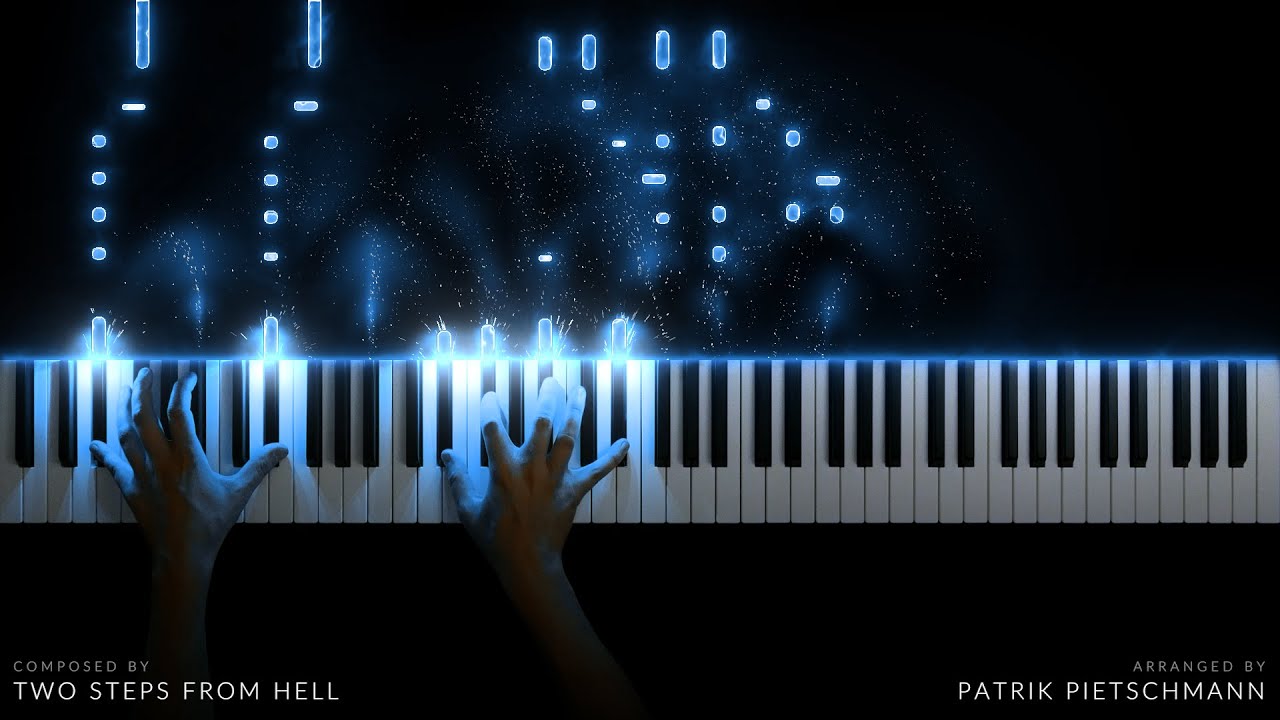
Two Steps From Hell - Victory (Piano Version)
Critical Observations And Musical Identity
Pietschmann’s musical identity is frequently described in cinematic terms. Critics note his “intuitive pianism” that makes his arrangements feel “a cut above the norm.”
In other words, reviewers believe his personal touch elevates familiar film scores into something fresh on the piano. His versions are also called “unique and hugely popular,” with their originality said to set them apart from standard arrangements.
These observations portray Pietschmann as a distinct figure who combines detailed pianistic technique with a cinematic approach.
Detailed analysis of Patrik Pietschmann’s piano style is drawn from expert reviews and program notes, ensuring that all descriptions of his technique, touch, phrasing, and interpretative approach are grounded in documented observation.
Patrik Pietschmann Net Worth
As of 2026, Patrik Pietschmann’s net worth is estimated by online sources to be between $0.3 million and $3.3 million. He is a German composer and pianist known for his YouTube piano arrangements of film music. His main income comes from his YouTube channel (advertising revenue and sponsorships).
He also earns from music publishing – including selling sheet music and albums/digital releases of his compositions – which adds to his wealth. His channel has 2.0 million subscribers and 670 million views, underlining its audience reach and ad revenue potential. In addition, he occasionally performs live concerts, further supplementing his income.
FAQs
1: Who Is Patrik Pietschmann?
Patrik Pietschmann is a German pianist, arranger, and composer known for cinematic piano arrangements of film, TV, and video game music. He gained international recognition through YouTube, where his performances combine piano playing with custom visualizations.
2: What Is Patrik Pietschmann Best Known For?
Patrik Pietschmann is best known for his piano interpretations of film scores, particularly music by Hans Zimmer and other contemporary composers. His Interstellarpiano arrangement became one of his most widely viewed works online.
3: Did Patrik Pietschmann Study Music Formally?
Yes, Patrik Pietschmann received formal musical training at the Akademie für Tonkunst in Darmstadt. He later studied music composition at the Frankfurt University of Music and Performing Arts and also completed coursework in computer science at Goethe University Frankfurt.
4: Does Patrik Pietschmann Perform Live Concerts?
Patrik Pietschmann’s career focuses mainly on studio recordings and digital performances rather than live concert touring. There are no verified records of him leading major international concert tours or orchestral performances.
5: Has Patrik Pietschmann Released Original Music?
Yes, in addition to arrangements, Patrik Pietschmann has released original compositions, including piano and orchestrated works. Recent releases in the mid-2020s include singles such as Identityand Decisions.