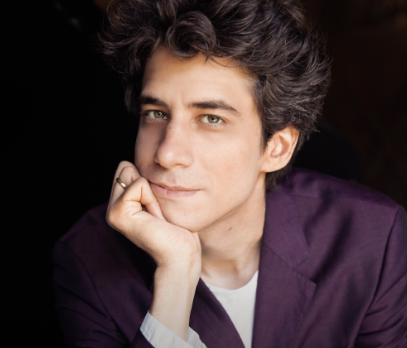
Vitaly Starikovwas born on 8 May 1995 in Yekaterinburg, Russia. He was raised in a musical family, and began formal music training very early. His parents enrolled him in a children’s singing group when he was only three years old. By age seven he entered the Ural Special Music School for Gifted Children in Yekaterinburg. At this specialized school (also called Ural Music College) he studied piano under Professor Sergey Beloglazov.
Starikov later continued his education at the Moscow State Tchaikovsky Conservatory. He earned both bachelor’s and master’s degrees from the Conservatory, studying with renowned professors Vera Gornostayevaand Eliso Virsaladze. These formative years in Yekaterinburg and Moscow provided the foundation for his musical training and early development as a pianist.
| Category | Details |
| Date of Birth | 8 May 1995 |
| Place of Birth | Yekaterinburg, Russia |
| Family Background | Raised in a musical family |
| Early Training | Joined a children’s singing group at age three |
| Music School | Ural Special Music School for Gifted Children |
| Location | Yekaterinburg |
| Primary Instrument | Piano |
| Early Teacher | Sergey Beloglazov |
| Higher Education | Moscow State Tchaikovsky Conservatory |
| Degrees | Bachelor’s and Master’s |
| Conservatory Mentors | Vera Gornostayeva, Elisso Virsaladze |
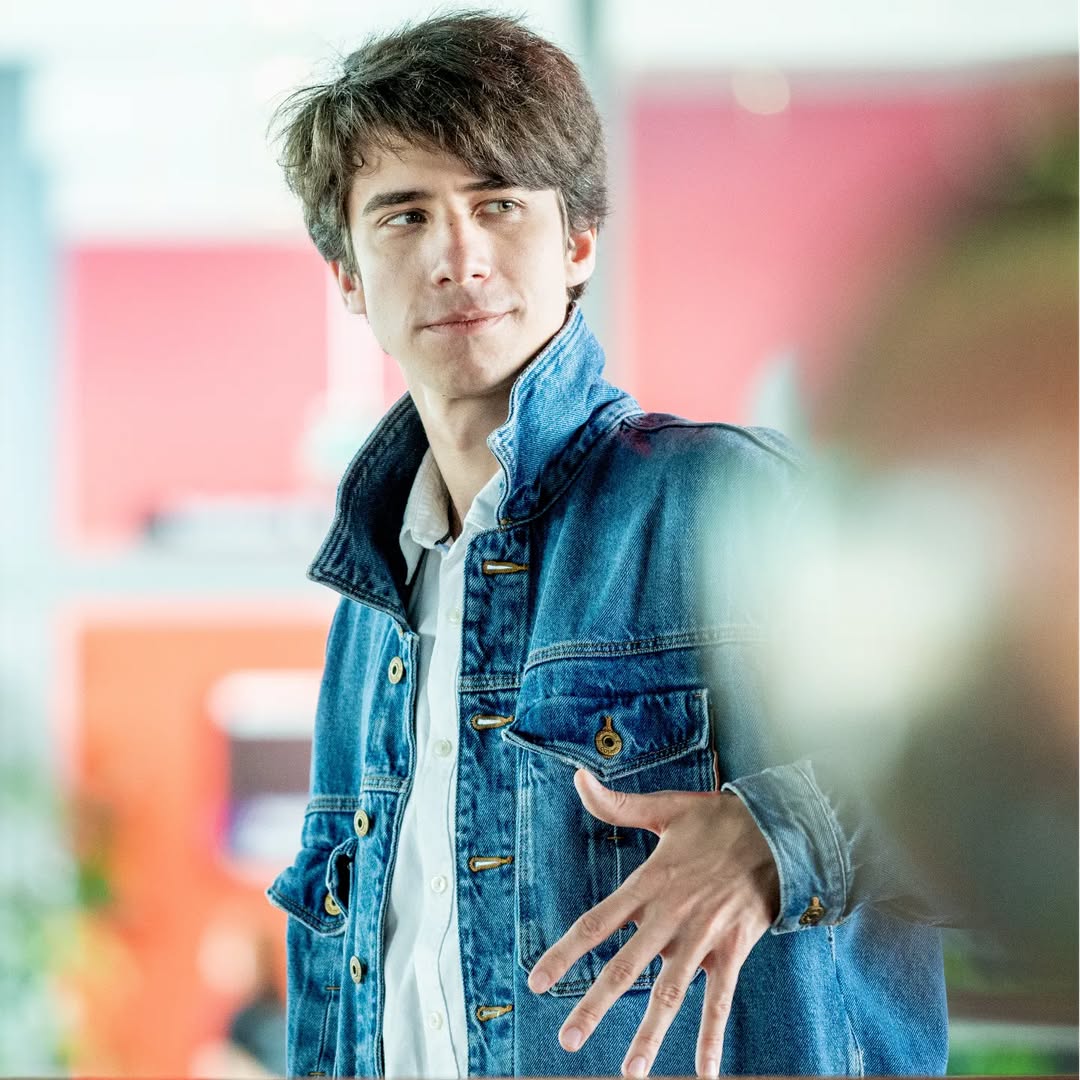
Career Beginnings
Vitaly Starikov first attracted attention in international piano competitions during the late 2010s. In 2017 he won top honors at major contests in Europe, building his reputation as a young virtuoso.
Notably, he took First Prize (and Audience Prize) at the 26th Concours International d’Épinal (France) in 2017. The same year he earned Second Prize at the VI Taneyev International Chamber Music Competition.
In 2019 he continued his winning streak by capturing First Prize at the Premio Roberto Melini in Italy. These early accolades propelled him into concert performances and further festival invitations across Europe.
International Breakthrough
Starikov’s international breakthrough came with the Silver Medal at the 2025 Van Cliburn International Piano Competition in Fort Worth, Texas. His Cliburn performances earned glowing praise from critics.
One reviewer noted his playing was “raw, deeply felt, and powerful,” reflecting a bold musical vision. In particular, his interpretation of Bartók’s Piano Concerto No. 2 (performed under Marin Alsop) was highlighted as “impactful, lively, and gripping,” energizing the audience and judges alike.
This success brought him global visibility and cemented his status as a rising star on the concert stage.
Major Performances & Concert Highlights
| Year | Award / Competition |
| 2017 | First Prize & Audience Prize – Concours International d’Épinal (France) |
| 2017 | Second Prize – VI Taneyev International Chamber Music Competition |
| 2019 | First Prize – Premio Roberto Melini (Italy) |
| 2021 | Fifth Prize – Queen Elisabeth Piano Competition |
| 2025 | Silver Medal – Van Cliburn International Piano Competition |
Starikov has given recitals and chamber concerts worldwide, bringing a wide-ranging repertoire to diverse audiences. He has performed at renowned venues including the Sydney Opera House, BOZAR (Centre for Fine Arts, Brussels), and the Great Hall of the Moscow Conservatory.
In 2019 he toured France and Italy as a soloist with the Orchestre national de Metz Grand Est. His programs often mix core masterpieces with rarer works, and he frequently appears in both solo recitals and chamber music series.
As part of his post-Cliburn schedule, he is also performing at summer festivals and orchestras in North America.
Recordings & Discography
As of 2025, Starikov’s commercial discography is concise but notable. He recorded Mozart’s Piano Concerto No. 23 in A major, K. 488 with conductor Frank Braley and the Orchestre Royal de Chambre de Wallonie.
This recording highlights his refined classical style. Beyond this concerto release, many of his competition performances (such as the Van Cliburn rounds) are available through official live recordings and streaming platforms.
He has also been featured in televised and online broadcasts showcasing his concert performances.
Awards & Professional Recognition
Starikov’s awards reflect his growing prominence on the international stage. He received the Silver Medal at the Van Cliburn International Piano Competition in 2025 and Fifth Prize at the Queen Elisabeth Piano Competition in 2021.
Earlier in his career he was also First Prize winner at Epinal 2017 and Premio Melini 2019, and took other top prizes in European competitions.
His playing has attracted critical acclaim beyond competitions. La Scena Musicale described his style as “raw, deeply felt, and powerful,” underlining the artistic authority he brings to the stage.
Collaborations With Orchestras & Conductors
Starikov has appeared as soloist with numerous symphony orchestras and under leading conductors. His orchestral engagements include performances with the Antwerp Philharmonic, Belgian National Orchestra, Sydney Symphony Orchestra, Belarusian State Symphony Orchestra, and St. Petersburg State Symphony Orchestra, among others.
He has worked under conductors such as Marin Alsopand Hugh Wolff, bringing his interpretations to large-scale concertos.
In chamber music, he often collaborates with distinguished instrumentalists like cellist Li-Wei Qin, exploring sonatas and ensemble repertoire on recital series around the world.
Recent Career Activity
Following his Cliburn success, Starikov has maintained an active international schedule. In summer 2025 he appears on prizewinner tours and festivals across the USA, including the International Keyboard Odyssiad and Festival in Fort Collins, Colorado, the Sunriver Music Festival in Oregon, and the Pianopalooza Festival in Medford, Oregon.
Additionally, he will perform concertos and recitals as part of the Cliburn winners’ tour with orchestras including Colorado Springs and Pacific Symphony.
Looking ahead to 2026, he is scheduled for a featured recital at Crystal Bridges Museum in April 2026 as part of the Van Cliburn Concert Series.
Throughout these engagements, Starikov continues to expand his repertoire and presence, solidifying his reputation as an authoritative young concert pianist.
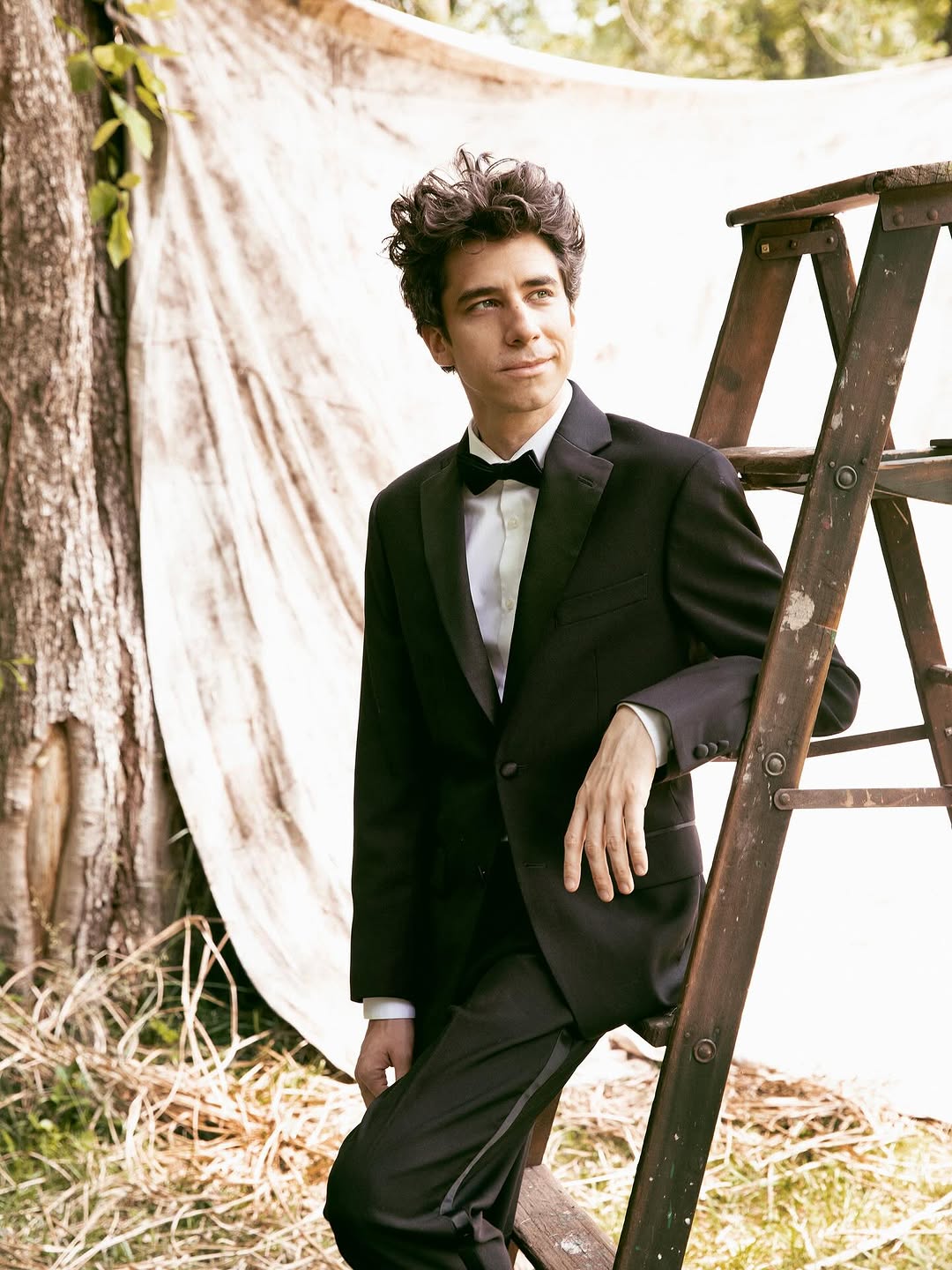
Vitaly Starikov Performance (2025–2026)
- National concert tour:As a Van Cliburn laureate, Starikov launched an extensive U.S. tour in 2025–26, performing solo piano recitals and concerto performances across multiple states. In Jan 2026 he played Shostakovich’s Piano Concerto No. 2 with the Arlington, Garland, and Las Colinas Symphony Orchestras(Texas). He also appeared in collegiate recital series (e.g. Yale School of Music, University of Vermont) and chamber venues (Kallos CMS, Oracle Piano Society) during this season.
- Festival highlights:Starikov was featured at major music festivals. In summer 2025 he performed at Bravo Vailand the Sunriver Music Festival (Oregon). He also gave recitals at the International Keyboard Odyssiad in Fort Collins, CO, and at the Rogue Valley Symphony/Pianopalooza Festival in Medford, OR (Aug 2025).
- Orchestral soloist appearances:He was engaged as concerto soloist by various symphony orchestras. Notable projects included Tchaikovsky’s Piano Concerto No. 1 with the Springfield (MO) and Topeka (KS) symphonies (Sept 2025), Shostakovich’s Piano Concerto No. 2 with multiple Texas orchestras (Arlington, Garland, Irving in Jan 2026), and Chopin’s Piano Concerto No. 2 with the Colorado Springs Philharmonic(Mar 2026).
- Prestigious concert series:In Oct 2025 Starikov headlined the Birmingham Museum of Art’s LaVona Rushton concert series, a Cliburn-affiliated chamber music series. In April 2026 he co-starred with Gold medalist Aristo Shamin the Van Cliburn Concert Series at Crystal Bridges Museum (Great Hall, Bentonville AR). These high-profile engagements aligned him with leading concert platforms and peers.
- Educational and outreach activities:Beyond concerts, Starikov contributed to music education. He led masterclasses as part of the PianoTexas International Festival(Fort Worth, June 2026), illustrating his role in mentoring young musicians during this season.
- Artistic impact:Critics noted the intensity and depth of his playing. Reviews praised his style as “raw, deeply felt, and powerful.” For example, his Cliburn Finals performanceof Bartók’s Piano Concerto No. 2 was described as “electrifying,” demonstrating his command of challenging repertoire.
Vitaly Starikov’s Piano Style And Interpretation
Technical Approach And Piano Control
Starikov’s technical command is consistently praised for its precision and polish. He displays highly refined control over the keyboard, executing difficult passages with assurance and evenness. Observers note his “finely machined” technique and rhythmic tautness, whether in Bach fugues or the virtuosic demands of modern concertos.
Even in ferociously difficult works he retains clarity: rapid scales and trills emerge cleanly, and chordal textures remain clear. His playing combines power with nimbleness – thunderous fortissimos and delicate pianissimos alike are delivered with accuracy and physical poise, indicating mature finger and arm control.
Tone, Touch, And Sound Color
Starikov’s tone is often described as clear, singing, and richly expressive. He employs a wide palette of color: from deep, resonant bass to bell-like treble, his touch can sound warm and full or glassy and intimate.
In lyrical passages his touch becomes tender and sustained, yielding a “perpetually singing” quality to melody lines. Yet he can also produce an almost orchestral force when needed, with plangent chords and muted-string effects in soft dynamics.
Critics have remarked on the subtle shading he brings – soft pedal washes, precise legato fingerings and crisp accents all coexisting. Overall his sound is characteristically vibrant and direct, capable of both raw power and nuanced shimmer.
Rhythm, Phrasing, And Structural Clarity
Starikov’s sense of rhythm and phrasing is highly individual and flexible. He frequently takes liberties with tempo, using expressive rubato and stretching lines for dramatic effect, especially in Romantic pieces. His phrases often feel improvised or conversational, with an ebb and flow that highlights each musical gesture.
Some reviewers note that this emphasis on spontaneity can occasionally diffuse the sense of overall structure or make ensemble coordination tricky. Nevertheless, even amid tempo fluctuations his articulation remains crisp, and he carefully balances momentum against lyrical repose.
In contrapuntal and classical works (such as Bach or Mozart) his phrasing becomes more disciplined: voices are clearly delineated and metric flow steady, preserving structural clarity beneath the expressive surface. In general, his rhythmic approach prioritizes expressive shaping, trusting technical command to maintain coherence.
Interpretative Approach To Repertoire
Starikov adapts his interpretation to the character of each work. In Romantic repertoire – Chopin, Schumann, Rachmaninoff and similar – he emphasizes lyricism and expressive nuance.
For example, his performances of Schumann and Chopin have been noted for intense, impassioned phrasing and a heartfelt, “impromptu-like” quality to each theme. He often highlights melodic depth and romance, using rich tone and flexible pacing to draw out the music’s emotional core.
In Classical and Baroque pieces (Bach, Mozart, etc.), he is more structurally grounded: clarity and balance take precedence, and his approach is described as polished and transparent.
For modern and 20th-century works (like Bartók or Prokofiev) Starikov plays with full-bright energy and emphasis on color. His Bartók readings, for instance, are muscular and dynamic – marked by vivid timbral effects and driving rhythms – yet also attentive to inner detail.
Across all styles, he tends to choose both familiar masterpieces and lesser-known works, presenting them earnestly and often highlighting their architectural designs alongside emotional expression.
Balance Between Precision And Expression
A hallmark of Starikov’s style is the union of exactness and passion. He is rarely at a loss for precision: fast runs remain articulate, and even the most complex textures are delivered with discipline.
At the same time, he invests strongly in expressive content. This means his playing can be simultaneously meticulous and heartfelt. For example, a passage may be executed with metronomic clarity of fingers, while dynamic shading and timing are molded expressively.
He often allows emotional intensity to color his precision – some critics have characterized him as a Romantic spirit in approach. In practice this balance means he never sacrifices technique for feeling, nor feeling for technique.
The result is a performance where every note is secure, yet each phrase breathes with emotion. When he chooses to emphasize expression (through tempo shifts or dynamic contrast), his solid technique provides a safety net that keeps the music coherent.
Critical Observations And Musical Identity
Starikov’s musical identity is commonly described as an intense, introspective virtuoso with an understated presence. Critics highlight the “raw, deeply felt and powerful” nature of his playing, tempered by a humility on stage.
He is not flashy for show’s sake; rather, observers note that he draws listeners into the music with sincerity and focus. His performances are often characterized by a compelling directness and emotional honesty.
Reviewers also point out his willingness to take interpretive risks – for instance, pushing tempos or exploring unexpected colors – which makes his performances personal and memorable.
Étude in A-Flat Major, Op. 25, No. 1, “Aeolian Harp” (Live)
Vitaly Starikov Net Worth
As of 2026, reliable sources have not published an estimate of Vitaly Starikov’s net worth. He is a Russian-Israeli concert pianist who won the Silver Medal at the 2025 Van Cliburn International Piano Competition. His income comes from international concert tours, recital appearances, competition prizes, and teaching piano. Starikov has performed around the world in venues such as the Sydney Opera House and the Great Hall of the Moscow Conservatory and has taught piano at Cheshire Academy in the United States while completing advanced music degrees.
FAQs
1. Who Is Vitaly Starikov?
Vitaly Starikov is an international concert pianist born on 8 May 1995 in Yekaterinburg, Russia. He is known for winning major piano competitions and for his expressive performances across Europe, North America, and Australia.
2. What Is Vitaly Starikov Best Known For?
He is best known for winning the Silver Medal at the 2025 Van Cliburn International Piano Competition. This achievement brought him global recognition and led to extensive international concert engagements.
3. Where Did Vitaly Starikov Study Piano?
Starikov studied at the Ural Special Music School for Gifted Childrenand later at the Moscow State Tchaikovsky Conservatory. He trained under renowned pianistsVera Gornostayeva and Elisso Virsaladze.
4. Has Vitaly Starikov Released Any Recordings?
Yes, he has recorded Mozart’s Piano Concerto No. 23, K. 488with the Orchestre Royal de Chambre de Wallonie, conducted by Frank Braley. In addition, several of his competition performances are available through official live recordings.
5. What Kind Of Repertoire Does Vitaly Starikov Perform?
His repertoire spans Baroque, Classical, Romantic, and 20th-century works, including composers such as Bach, Mozart, Chopin, Schumann, Bartók, and Prokofiev. He is particularly noted for combining technical precision with expressive intensity.