
Greatest Piano Songs To Build Your Repertoire
Learning some of thebest piano songsis one of the easiest ways to stay motivated at the keyboard. Every new piece teaches something different, from smoother hand coordination to better rhythm and musical expression. But choosing the wrong song can make practice feel harder than it needs to be.
That's why choosing the right repertoire matters. These 55 popular piano songsare carefully grouped by difficulty and genre, making it easier to find music that's enjoyable to play, suits your current skill level, and supports steady progress.
Famous Piano Songs Every Pianist Should Know
Quick Answer
If you're looking for the most popular piano songs, these are among the world's best-known choices:
- Für Elise- Ludwig van Beethoven
- Clair de Lune- Claude Debussy
- Moonlight Sonata- Ludwig van Beethoven
- Canon in D- Johann Pachelbel
- River Flows in You- Yiruma
- Nuvole Bianche- Ludovico Einaudi
- Comptine d'un autre été- Yann Tiersen
- Let It Be- The Beatles
- Someone Like You- Adele
- Hallelujah- Leonard Cohen
These songs remain popular because they combine memorable melodies with rewarding piano arrangements for players at different experience levels.
The Best Popular Piano Songs For Beginners

Starting with music that's too difficult often leads to frustration. Beginners usually improve faster when they learn recognizable melodies that introduce one new skill at a time.
The following songs combine simple rhythms, familiar tunes, and manageable hand movements.
1. Ode To Joy - Ludwig Van Beethoven
- Composer:Ludwig van Beethoven (1824)
- Best for:First piano song, note reading, finger independence
- Difficulty Level:Beginner
- Key:D Major (many beginner arrangements use C Major)
- Meter:4/4
- Techniques:Finger independence, steady rhythm, note reading, simple hand coordination
Ode to Joy is one of the best piano songs for beginnersbecause its melody is simple, memorable, and easy to follow. Unlike many famous classical pieces, it doesn't require large hand movements or advanced finger techniques, allowing new players to focus on building confidence at the keyboard.
As one of Beethoven's most recognizable works, this piece introduces essential piano skills in a manageable way. You'll practice reading notes, maintaining a steady tempo, and coordinating both hands without feeling overwhelmed. Mastering Ode to Joy provides a strong foundation before moving on to more popular piano songs with richer harmonies and more challenging rhythms.
2. Amazing Grace
- Composer:Traditional hymn; lyrics by John Newton (1772)
- Best for:Musical expression, dynamics, slow practice
- Difficulty Level:Beginner
- Key:G Major (commonly arranged in C or F Major for beginners)
- Meter:3/4
- Techniques:Legato playing, phrasing, dynamics, chord transitions
Amazing Grace is one of the most beloved hymns ever written and remains one of the easy piano songsfor developing musical expression. Its slow tempo allows beginners to focus on accuracy and emotion rather than speed, making it an ideal choice for relaxed practice sessions.
This timeless melody encourages you to shape each phrase naturally while learning how dynamics can transform a simple performance. As one of the most accessible piano songs for beginners, it also builds confidence in smooth chord changes and expressive playing that will benefit you in many other pieces.
3. Greensleeves

Greensleeves (on Piano)
- Composer:Traditional English folk song (16th century)
- Best for:Melody playing, rhythm, expressive performance
- Difficulty Level:Beginner
- Key:A Minor (often simplified in G Minor)
- Meter:6/8
- Techniques:Flowing rhythm, phrasing, left-hand accompaniment, finger control
Greensleeves has remained popular for centuries because of its graceful melody and flowing rhythm. It's an excellent addition to any beginner piano repertoire, helping new players develop musicality while staying technically approachable.
Unlike many simple practice pieces, this traditional tune introduces the gentle feel of 6/8 time, helping you become comfortable with different rhythmic patterns. It's one of those easy piano songs that teaches expression, balance, and smooth hand movement without requiring advanced techniques.
4. Let It Be - The Beatles
- Composer:Paul McCartney and John Lennon (1970)
- Best for:Beginner pop piano, chord playing, accompaniment
- Difficulty Level:Easy
- Key:C Major (many beginner arrangements)
- Meter:4/4
- Techniques:Basic chords, left-hand accompaniment, rhythm, singing while playing (optional)
Let It Be is one of the most recognizable pop piano songs ever written. Its straightforward chord progression repeats throughout much of the song, allowing beginners to concentrate on rhythm, coordination, and musical flow instead of constantly learning new patterns.
Because it's so familiar, you'll quickly notice your progress as the melody begins to sound complete. This song is perfect for building confidence with common piano chords and serves as an excellent bridge between simple exercises and more advanced popular piano songs.
5. Imagine - John Lennon
- Composer:John Lennon (1971)
- Best for:Broken chords, expressive playing, pedal control
- Difficulty Level:Easy
- Key:C Major
- Meter:4/4
- Techniques:Broken chords, sustain pedal, hand coordination, musical expression
Few songs sound as elegant on the piano as Imagine. Despite its emotional depth, the harmony is relatively simple, making it one of the best piano songs to learn for beginners who want something impressive without being overly difficult.
The repeating accompaniment introduces broken chords in a natural way while encouraging smooth use of the sustain pedal. As you practice, you'll improve hand coordination, develop expressive phrasing, and gain confidence playing one of the most iconic piano arrangements of all time.
6. Someone Like You - Adele

Adele - Someone Like You | Piano Cover by Pianella Piano
- Composer:Adele Adkins and Dan Wilson (2011)
- Best for:Hand coordination, accompaniment patterns, pop ballads
- Difficulty Level:Easy
- Key:A Major (many simplified versions use G or C Major)
- Meter:4/4
- Techniques:Repeating accompaniment, chord changes, rhythm, hand independence
Someone Like You is one of the most popular modern piano ballads thanks to its memorable melody and repeating accompaniment pattern. Because much of the left hand follows a consistent rhythm, beginners can spend more time improving coordination and less time worrying about difficult note changes.
The song also teaches an important lesson about musical expression. Rather than relying on speed or technical complexity, it uses simple harmony and thoughtful phrasing to create emotion, making it one of the most rewarding piano songs for beginners who enjoy contemporary music.
7. All Of Me - John Legend
- Composer:John Stephens (John Legend) and Toby Gad (2013)
- Best for:Pop ballads, rhythm, chord transitions
- Difficulty Level:Easy
- Key:A-flat Major (many beginner arrangements use G or C Major)
- Meter:4/4
- Techniques:Chord transitions, rhythm, hand coordination, accompaniment
All of Me has become one of the most requested popular piano songs for weddings, recitals, and personal practice. Its memorable melody and repetitive harmony make it approachable for beginners while still sounding rich and expressive.
As you learn this piece, you'll become more comfortable changing between common pop chords and maintaining a steady rhythm. It's an excellent choice for expanding your piano repertoire because the techniques you learn can easily be applied to many other modern songs.
8. Perfect - Ed Sheeran
- Composer:Ed Sheeran (2017)
- Best for:Romantic piano songs, arpeggios, expressive playing
- Difficulty Level:Easy
- Key:G Major (many piano arrangements)
- Meter:12/8
- Techniques:Arpeggios, accompaniment patterns, dynamics, pedal control
Perfect is one of today's most loved romantic piano songs. Its flowing accompaniment and beautiful melody make it a favorite for weddings, recitals, and casual performances.
This piece introduces arpeggios in a way that's manageable for beginners moving into intermediate playing. Along the way, you'll improve your control of dynamics, strengthen accompaniment patterns, and learn how to balance the melody against the supporting harmony essential skills for many modern piano songs.
9. Photograph - Ed Sheeran
Ed Sheeran - Photograph | Piano Cover by Pianella Piano
- Composer:Ed Sheeran and Johnny McDaid (2014)
- Best for:Early intermediate players, melody playing, phrasing
- Difficulty Level:Easy
- Key:E Major (simplified arrangements available)
- Meter:4/4
- Techniques:Melody shaping, rhythm, chord accompaniment, phrasing
Photograph is an excellent choice for players who are ready to move beyond their first few easy piano songs. The melody is gentle and memorable, while the accompaniment introduces slightly more movement without becoming technically demanding.
Because the song doesn't rely on fast passages, you can focus on creating a smooth, expressive performance. It's a valuable addition to any beginner piano repertoire, helping you develop confidence before tackling more advanced contemporary pieces.
10. Can't Help Falling In Love - Elvis Presley
- Composer:Hugo Peretti, Luigi Creatore, and George David Weiss (1961)
- Best for:Legato playing, expressive phrasing, chord changes
- Difficulty Level:Easy
- Key:C Major (many beginner arrangements)
- Meter:6/8
- Techniques:Legato playing, smooth chord changes, phrasing, pedal control
Can't Help Falling in Love remains one of the most recognizable love songs ever written and one of the best piano songs for developing expressive playing. Its slow tempo allows beginners to focus on creating a warm, connected sound rather than rushing through difficult passages.
This timeless classic is perfect for practicing legato technique, smooth chord transitions, and musical phrasing. Once you've mastered it, you'll find many of the same skills transfer naturally to other popular piano songs, making it a rewarding piece for both practice and performance.
11. Love Me Tender - Elvis Presley
- Composer:Vera Matson and Elvis Presley (1956)
- Best for:Expressive playing, legato technique, slow ballads
- Difficulty Level:Easy
- Key:C Major (many beginner arrangements)
- Meter:4/4
- Techniques:Legato playing, smooth chord changes, phrasing, dynamics
Love Me Tender is a timeless ballad that proves a beautiful piano performance doesn't need to be fast or technically difficult. Its gentle melody and relaxed tempo make it one of the best piano songs for beginners who want to develop musical expression while building confidence.
The song encourages you to focus on producing a warm, connected sound rather than rushing through the notes. As part of your growing piano repertoire, it helps improve phrasing, dynamic control, and smooth chord transition skills that are valuable in both classic and modern popular piano songs.
12. Hallelujah - Leonard Cohen
Hallelujah - Leonard Cohen | Piano Cover + Sheet Music
- Composer:Leonard Cohen (1984)
- Best for:Chord playing, musical expression, accompaniment
- Difficulty Level:Easy
- Key:C Major (many beginner arrangements)
- Meter:6/8
- Techniques:Chord progressions, broken chords, dynamics, hand coordination
Hallelujah is one of the most recognizable popular piano songs ever written, and it adapts beautifully to solo piano. Its repeating chord progression allows beginners to spend less time learning new patterns and more time developing expression and confidence.
Because the harmony changes predictably, it's easier to memorize than many contemporary songs. This makes it one of the best piano songs for improving rhythm, accompaniment skills, and smooth transitions between chords while creating an emotional performance.
13. Love Story - Taylor Swift
- Composer:Taylor Swift (2008)
- Best for:Beginner pop piano, rhythm, chord transitions
- Difficulty Level:Easy
- Key:D Major (many simplified arrangements use C Major)
- Meter:4/4
- Techniques:Basic chords, rhythm, left-hand accompaniment, melody playing
Love Story is a fun and rewarding introduction to modern piano songs. Its memorable melody and familiar chord progression make it enjoyable to learn, especially for players who enjoy contemporary pop music.
Many simplified piano arrangements are available, allowing beginners to play a recognizable version without advanced techniques. As one of today's favorite pop piano songs, it also helps strengthen chord transitions and steady rhythm while keeping practice engaging.
14. Stay With Me - Sam Smith
- Composer:Sam Smith, James Napier, William Phillips, Tom Petty, and Jeff Lynne (2014)
- Best for:Slow practice, chord playing, musical phrasing
- Difficulty Level:Easy
- Key:A Major (simplified versions available)
- Meter:4/4
- Techniques:Chord changes, dynamics, phrasing, hand coordination
Stay With Me is an excellent choice for beginners because its slow tempo gives you enough time to prepare each movement without feeling rushed. Instead of focusing on speed, you can concentrate on accuracy, timing, and producing a balanced sound.
The song's repeating harmony makes learning easier while helping you develop confidence with common pop chord progressions. It's a valuable addition to any collection of piano songs for beginners looking to improve expression and coordination.
15. The Scientist - Coldplay

Coldplay – The Scientist – Piano Cover + Sheet Music
- Composer:Guy Berryman, Jonny Buckland, Will Champion, and Chris Martin (2002)
- Best for:Broken chords, accompaniment patterns, hand coordination
- Difficulty Level:Easy
- Key:F Major (many beginner arrangements use C Major)
- Meter:4/4
- Techniques:Broken chords, arpeggios, pedal control, rhythm
The Scientist is widely regarded as one of the best piano songs for learning broken-chord accompaniment. Much of the left hand repeats the same pattern throughout the piece, allowing beginners to build coordination through repetition rather than constant note changes.
Its predictable structure also makes memorization easier than many other popular piano songs, giving you more freedom to focus on musical expression. Once you've mastered this piece, you'll find it easier to learn many other contemporary piano arrangements that use similar accompaniment styles.
Beautiful Intermediate Piano Songs
Once you've built confidence with beginner pieces, intermediate songs open the door to richer harmonies, wider hand movements, and more expressive playing. These works aren't just more challenging; they also teach skills that prepare you for advanced repertoire.
Many of the songs below are among the most requested piano pieces because they're emotionally engaging without being overwhelmingly difficult.
16. River Flows In You - Yiruma
RIVER FLOWS IN YOU - Yiruma | Piano Cover
- Composer:Yiruma (2001)
- Best for:Contemporary piano, expressive playing, recitals, weddings
- Difficulty Level:Intermediate
- Key:A Major
- Meter:4/4
- Techniques:Hand independence, smooth arpeggios, dynamic control, pedal technique
River Flows in You is one of the most recognizable contemporary piano songs ever written and is often considered one of the best piano songs of the 21st century. Its flowing melody and repeating patterns have made it a favorite for piano recitals, weddings, and self-taught pianists around the world. If you're looking to improve your piano skills, it's an excellent piece for developing both technical control and musical expression.
Although the notes are approachable for many intermediate players, the real challenge lies in creating a smooth, expressive performance. You'll strengthen hand independence, refine your arpeggios, and learn how subtle changes in dynamics can make a simple melody feel deeply emotional.
17. Kiss The Rain - Yiruma
- Composer:Yiruma (2003)
- Best for:Expressive playing, pedaling, lyrical performance
- Difficulty Level:Intermediate
- Key:A-flat Major
- Meter:4/4
- Techniques:Pedal control, even rhythm, phrasing, accompaniment balance
Kiss the Rain is another beloved work by Yiruma and one of the most popular modern piano songs for intermediate players. Its lyrical melody is supported by flowing accompaniment patterns that require steady rhythm and careful coordination.
Rather than relying on speed, the piece rewards players who focus on expression and tone. As you practice, you'll improve pedal control, maintain an even pulse, and learn how to balance the melody against the accompaniment for a polished performance.
18. Comptine D'un Autre Été - Yann Tiersen
- Composer:Yann Tiersen (2001)
- Best for:Left-hand consistency, film music, expressive performance
- Difficulty Level:Intermediate
- Key:E Minor
- Meter:4/4
- Techniques:Left-hand patterns, melody balance, finger independence, rhythm
Made famous by the film Amélie, Comptine d'un autre été has become one of the most admired movie piano songs. Its repeating left-hand pattern allows you to develop consistency while the right hand carries a memorable and expressive melody.
This piece teaches an important lesson in balance. The accompaniment should remain steady and supportive without overpowering the melody. It's an excellent choice for pianists looking to expand their piano repertoire with expressive contemporary music.
19. Nuvole Bianche - Ludovico Einaudi
Ludovico Einaudi - Nuvole Bianche (Relaxing Piano Music)
- Composer:Ludovico Einaudi (2004)
- Best for:Musical phrasing, emotional interpretation, recitals
- Difficulty Level:Intermediate
- Key:F Minor
- Meter:4/4
- Techniques:Crescendos, diminuendos, phrasing, arpeggios
Nuvole Bianche is one of Ludovico Einaudi's signature works and one of today's most performed contemporary piano pieces. Although it relies on repeating musical ideas, the emotion comes from gradually building intensity throughout the performance.
As you learn this piece, you'll practice shaping long musical phrases, controlling crescendos and diminuendos, and communicating emotion through touch rather than speed. These skills make it one of the best piano songs for developing expressive musicianship.
20. Una Mattina - Ludovico Einaudi
- Composer:Ludovico Einaudi (2004)
- Best for:Tone control, lyrical playing, expressive touch
- Difficulty Level:Intermediate
- Key:A Minor
- Meter:4/4
- Techniques:Legato playing, tone control, dynamics, phrasing
At first glance, Una Mattina appears simple, but its beauty depends on control rather than technical complexity. Every phrase requires careful attention to tone, balance, and dynamics to create the calm atmosphere that defines the piece.
This modern favorite encourages intermediate pianists to listen closely to every note they play. It's an excellent addition to any collection of popular piano songs because it develops musical sensitivity alongside solid technical skills.
21. Experience - Ludovico Einaudi
- Composer:Ludovico Einaudi (2013)
- Best for:Endurance, dynamic control, modern repertoire
- Difficulty Level:Upper Intermediate
- Key:D Minor
- Meter:4/4
- Techniques:Repeating patterns, endurance, dynamics, hand coordination
Experience has become one of the most recognizable modern piano songs thanks to its powerful emotional build and minimalist style. While the repeating patterns may appear straightforward, maintaining control as the music becomes fuller requires concentration and endurance.
The piece challenges you to keep every repeated figure even while gradually increasing intensity. It's an excellent choice for pianists looking to improve stamina, dynamic control, and expressive performance.
22. Merry-Go-Round Of Life - Joe Hisaishi

Merry-Go-Round of Life - Howl's Moving Castle [Piano] / Joe Hisaishi
- Composer:Joe Hisaishi (2004)
- Best for:Waltz rhythm, film music, expressive phrasing
- Difficulty Level:Intermediate
- Key:C Major (common piano arrangements)
- Meter:3/4
- Techniques:Waltz accompaniment, smooth transitions, phrasing, rhythm
Featured in Howl's Moving Castle, Merry-Go-Round of Life is one of the most beloved movie piano songs. Its elegant waltz rhythm and memorable melody make it a rewarding piece for intermediate players who enjoy film music.
The flowing accompaniment helps strengthen rhythmic accuracy while encouraging expressive phrasing. Learning this piece also improves your ability to maintain a graceful waltz feel throughout a performance.
23. One Summer's Day - Joe Hisaishi
- Composer:Joe Hisaishi (2001)
- Best for:Lyrical playing, balance, film music
- Difficulty Level:Intermediate
- Key:C Major
- Meter:4/4
- Techniques:Melody balance, phrasing, pedal control, dynamics
From the award-winning film Spirited Away, One Summer's Day is one of Joe Hisaishi's most cherished piano works. Its peaceful melody and flowing accompaniment make it a favorite among pianists who enjoy expressive soundtrack music.
This piece teaches careful balance between both hands while encouraging a relaxed touch and thoughtful phrasing. It's an excellent choice for expanding your piano repertoire with beautiful cinematic music.
24. The Entertainer - Scott Joplin
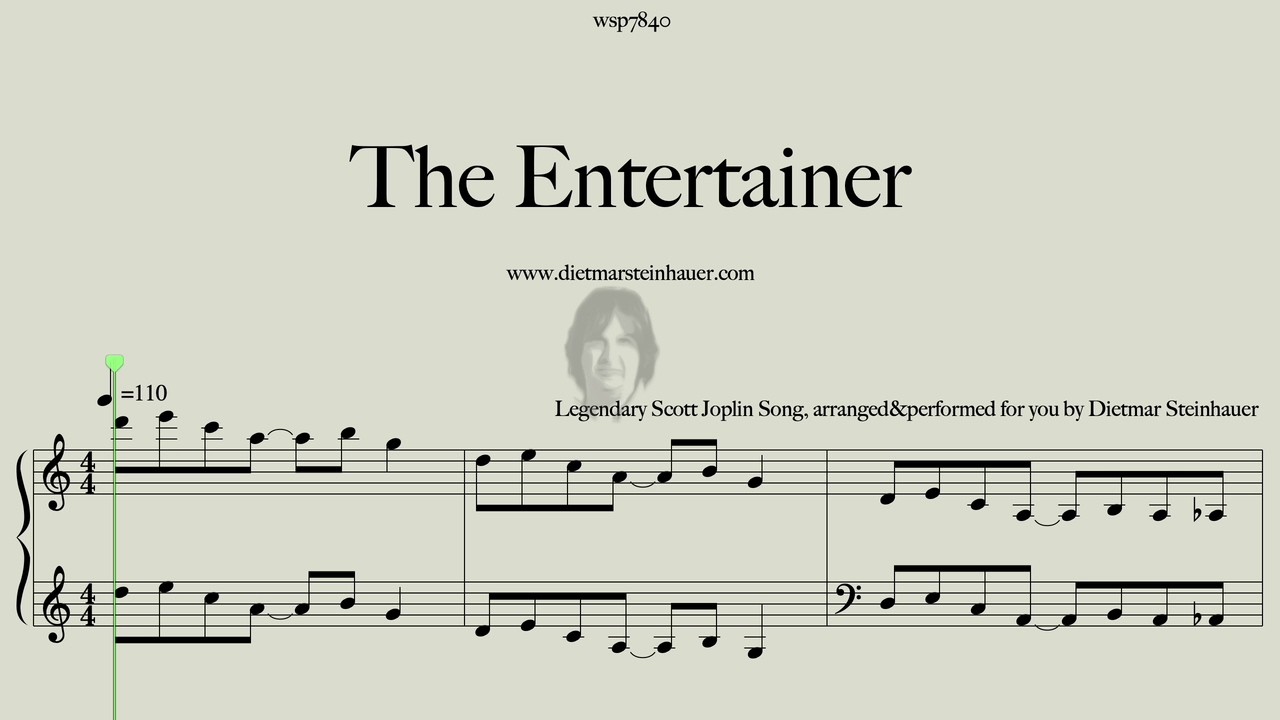
The Entertainer - Easy Piano - Legendary Scott Joplin Song
- Composer:Scott Joplin (1902)
- Best for:Ragtime, rhythm, finger accuracy
- Difficulty Level:Advanced Intermediate
- Key:C Major
- Meter:2/4
- Techniques:Syncopation, finger accuracy, left-hand coordination, rhythmic control
The Entertainer is one of the most famous ragtime piano pieces ever composed. Its lively rhythm and energetic character make it both challenging and rewarding for pianists ready to explore a different musical style.
The biggest challenge is mastering syncopation while keeping the left hand steady. Once learned, this classic greatly improves rhythmic precision, finger accuracy, and overall coordination.
25. Prelude In C Major - Johann Sebastian Bach
- Composer:Johann Sebastian Bach (1722)
- Best for:Finger control, technique, music theory
- Difficulty Level:Intermediate
- Key:C Major
- Meter:4/4
- Techniques:Finger control, chord awareness, even tempo, hand balance
Prelude in C Major is one of Bach's most approachable keyboard works and a cornerstone of classical piano repertoire. Built almost entirely from broken chords, it teaches clean technique while helping players recognize harmonic progressions. For anyone learning piano, it's an excellent piece for understanding how chords connect and flow naturally.
Rather than focusing on speed, the piece encourages consistency and control. It's one of the best piano songs for improving finger independence, maintaining an even tempo, and developing a deeper understanding of harmony.
26. Gymnopédie No. 1 - Erik Satie
- Composer:Erik Satie (1888)
- Best for:Musical expression, phrasing, slow playing
- Difficulty Level:Intermediate
- Key:D Major
- Meter:3/4
- Techniques:Legato playing, dynamics, phrasing, pedal control
Gymnopédie No. 1 is a perfect reminder that slow music can be surprisingly demanding. Every note must be shaped carefully to preserve the calm, floating atmosphere that has made this one of the most admired classical piano pieces.
Because there are few notes to hide behind, you'll learn to focus on tone, balance, and musical expression. These skills carry over naturally into many other popular piano songs and lyrical compositions.
27. Autumn Leaves - Joseph Kosma
Joseph Kosma - Autumn Leaves (Most Beautiful Piano Solo!)
- Composer:Joseph Kosma (1945)
- Best for:Jazz harmony, chord voicings, improvisation
- Difficulty Level:Intermediate
- Key:G Minor (commonly played in several keys)
- Meter:4/4
- Techniques:Jazz chords, chord voicings, improvisation, accompaniment
Autumn Leaves is one of the world's most performed jazz standards and an excellent introduction to jazz piano. Its memorable chord progression appears in countless jazz performances, making it an essential piece for expanding your musical vocabulary.
As you learn the song, you'll become more familiar with jazz harmony, richer chord voicings, and the foundations of improvisation. It's a valuable addition to any pianist's repertoire beyond traditional popular piano songs.
28. The Scientist - Coldplay (Full Arrangement)
- Composer:Guy Berryman, Jonny Buckland, Will Champion, and Chris Martin (2002)
- Best for:Full accompaniment, expressive playing, dynamics
- Difficulty Level:Intermediate
- Key:F Major
- Meter:4/4
- Techniques:Broken chords, fuller chord voicings, pedal control, phrasing
After mastering simplified versions, the complete arrangement of The Scientist offers a richer and more expressive playing experience. Fuller chords and more detailed accompaniment patterns require greater coordination while preserving the song's emotional character.
This arrangement helps bridge the gap between beginner and intermediate pop piano songs, encouraging stronger dynamic control and more polished musical phrasing.
29. Fix You - Coldplay
- Composer:Guy Berryman, Jonny Buckland, Will Champion, and Chris Martin (2005)
- Best for:Dynamic control, expressive performance, accompaniment
- Difficulty Level:Intermediate
- Key:E-flat Major
- Meter:4/4
- Techniques:Crescendos, accompaniment patterns, dynamics, hand coordination
Fix You is one of Coldplay's most emotional and popular piano songs, gradually building from a quiet opening into a powerful climax. This steady progression makes it an outstanding piece for learning how dynamics shape a performance.
Throughout the song, you'll practice controlling volume, maintaining consistent rhythm, and balancing both hands as the music becomes increasingly full. These are valuable skills for many modern piano arrangements.
30. Piano Man - Billy Joel
Billy Joel - Piano Man (Piano Cover)
- Composer:Billy Joel(1973)
- Best for:Chord changes, accompaniment, pop performance
- Difficulty Level:Intermediate
- Key:C Major (many piano arrangements)
- Meter:3/4
- Techniques:Chord changes, accompaniment patterns, rhythm, hand coordination
Despite its title, Piano Man isn't as technically demanding as many people expect. Its flowing accompaniment and memorable melody make it one of the best piano songs for intermediate players looking to expand their repertoire with a timeless classic.
The song strengthens chord transitions, rhythmic consistency, and accompaniment patterns that appear in many other pop piano songs. Once you've learned it, you'll have greater confidence tackling similar singer-songwriter classics.
Advanced Piano Songs That Challenge Skilled Players
Advanced pieces push your technique, musical understanding, and endurance to a much higher level. They demand patience, careful practice, and often months of consistent work.
You don't need to master these immediately, but they're excellent long-term goals.
31. Für Elise (Complete Version) - Ludwig Van Beethoven
- Composer:Ludwig van Beethoven (1810)
- Best for:Advanced technique, classical repertoire, recital preparation
- Difficulty Level:Advanced Intermediate
- Key:A Minor
- Meter:3/8
- Techniques:Finger agility, rapid position changes, musical contrast, articulation
Many pianists learn the famous opening of Für Elise, but the complete piece is far more demanding. Beyond the familiar melody, Beethoven introduces faster passages, wider hand movements, and technical sections that require greater control and accuracy.
Learning the full version helps develop finger agility and confidence across the keyboard while improving musical contrast between lyrical and energetic sections. It's one of the best piano songs for players ready to move beyond beginner classics and explore the depth of the classical piano repertoire.
32. Moonlight Sonata (First Movement) - Ludwig Van Beethoven

Beethoven - Moonlight Sonata (1st Movement)
- Composer:Ludwig van Beethoven (1801)
- Best for:Musical expression, recital performance, advanced beginners
- Difficulty Level:Advanced Intermediate
- Key:C-sharp Minor
- Meter:4/4
- Techniques:Legato playing, voicing, pedal control, hand balance
The first movement of Moonlight Sonata is one of the world's most recognizable classical piano pieces. Although its tempo is slower than many concert works, creating a beautiful performance requires excellent control, balanced voicing, and thoughtful use of the sustain pedal.
The greatest challenge is allowing the melody to sing above the continuous accompaniment without disrupting the calm atmosphere. Mastering this piece strengthens expressive playing and prepares you for more advanced popular piano songs and classical masterpieces.
33. Clair De Lune - Claude Debussy
- Composer:Claude Debussy (1905)
- Best for:Impressionist piano music, expressive performance, recitals
- Difficulty Level:Advanced Intermediate
- Key:D-flat Major
- Meter:9/8
- Techniques:Rubato, pedal control, voicing, tone color
Clair de Lune is one of the most admired classical piano works, celebrated for its shimmering harmonies and dreamlike atmosphere. Rather than relying on speed, the piece demands refined touch, careful balance, and musical sensitivity.
To perform it well, you'll need to master rubato, shape the melody naturally, and use the pedal with precision. It's one of the best piano songs for developing artistic expression and learning how subtle tone changes can transform a performance.
34. Nocturne In E-flat Major, Op. 9 No. 2 - Frédéric Chopin

Chopin - Nocturne in E Flat Major (Op. 9 No. 2)
- Composer:Frédéric Chopin(1832)
- Best for:Expressive phrasing, ornamentation, lyrical playing
- Difficulty Level:Advanced Intermediate
- Key:E-flat Major
- Meter:12/8
- Techniques:Finger independence, rubato, singing tone, ornamentation
Chopin's Nocturne in E-flat Major, Op. 9 No. 2 is one of the most beloved works in the romantic piano repertoire. Its graceful melody and elegant ornamentation make it a favorite for recitals and advanced study.
The piece teaches you to create a singing tone while keeping the accompaniment soft and supportive. As your confidence grows, you'll improve finger independence, expressive rubato, and overall musical maturity skills that benefit every pianist.
35. Turkish March - Wolfgang Amadeus Mozart
- Composer:Wolfgang Amadeus Mozart (1783)
- Best for:Classical technique, finger speed, articulation
- Difficulty Level:Advanced Intermediate
- Key:A Major
- Meter:2/4
- Techniques:Rapid scales, repeated notes, articulation, finger precision
Turkish March is one of Mozart's most famous keyboard works and a favorite among pianists who enjoy lively classical piano music. Its cheerful melody may sound effortless, but the technical demands quickly become apparent once the tempo increases.
You'll need clean articulation, quick finger movements, and excellent rhythmic control to perform the piece smoothly. It's an outstanding choice for improving accuracy while expanding your classical piano repertoire.
36. Maple Leaf Rag - Scott Joplin
- Composer:Scott Joplin (1899)
- Best for:Ragtime, rhythmic precision, advanced coordination
- Difficulty Level:Advanced
- Key:A-flat Major
- Meter:2/4
- Techniques:Syncopation, left-hand coordination, finger independence, endurance
Maple Leaf Rag is widely considered one of the defining works of ragtime piano. Compared with The Entertainer, it introduces more demanding rhythms, faster passages, and greater coordination between both hands.
Success depends on maintaining a steady pulse while handling syncopated melodies with confidence. Learning this classic strengthens rhythmic precision and prepares you for other technically challenging popular piano pieces.
37. Marriage D'Amour - Paul De Senneville
Mariage d'amour - Paul de Senneville (Relaxing Piano Music)
- Composer:Paul de Senneville (1979)
- Best for:Romantic piano, expressive playing, arpeggios
- Difficulty Level:Advanced Intermediate
- Key:C Minor
- Meter:4/4
- Techniques:Arpeggios, hand coordination, dynamics, phrasing
Marriage d'Amour has gained enormous popularity through social media and online piano performances. Its flowing melody and rich harmony make it one of today's most recognizable romantic piano songs.
Although it sounds graceful, the continuous arpeggios require steady hand coordination and careful control. It's an excellent piece for improving expressive phrasing while developing the technical confidence needed for more advanced contemporary piano pieces.
38. Bohemian Rhapsody - Queen (Solo Piano Arrangement)
- Composer:Freddie Mercury (1975)
- Best for:Solo piano performance, dynamic control, advanced arrangements
- Difficulty Level:Advanced Intermediate
- Key:Multiple key changes (depending on arrangement)
- Meter:Multiple time signatures
- Techniques:Dynamic contrast, chord voicings, hand coordination, rhythm changes
A faithful solo piano arrangement of Bohemian Rhapsody captures the dramatic contrasts that made the original recording legendary. Frequent changes in texture, tempo, and harmony require careful preparation and musical flexibility.
Because the arrangement moves through several musical styles, it strengthens rhythm, coordination, and dynamic control. It's one of the most rewarding pop piano songs for advanced players looking to impress audiences.
39. Pirates Of The Caribbean Theme - Hans Zimmer
- Composer:Klaus Badelt and Hans Zimmer (2003)
- Best for:Speed, endurance, performance pieces
- Difficulty Level:Advanced Intermediate
- Key:D Minor (common arrangements)
- Meter:4/4
- Techniques:Fast repeated patterns, endurance, rhythmic accuracy, hand coordination
The Pirates of the Caribbean Theme is one of the most exciting movie piano songs to perform. Its energetic rhythms and powerful melody immediately capture attention, making it a favorite choice for recitals and live performances.
Playing it well requires endurance, rhythmic accuracy, and quick hand movements. Once mastered, you'll notice significant improvements in speed and coordination that transfer to many other advanced piano works.
40. Interstellar Theme - Hans Zimmer
Hans Zimmer - Interstellar - Main Theme (Piano Version) + Sheet Music
- Composer:Hans Zimmer (2014)
- Best for:Contemporary piano, dynamics, emotional performance
- Difficulty Level:Advanced Intermediate
- Key:A Minor (common arrangements)
- Meter:4/4
- Techniques:Layered textures, dynamics, endurance, pedal control
The Interstellar Theme is one of Hans Zimmer's most celebrated compositions and a favorite among fans of modern piano music. Built on repeating patterns, it gradually expands into rich, layered textures that demand patience and careful control.
The challenge isn't simply playing the notes it's maintaining consistency while allowing the music to grow naturally. This piece is ideal for developing endurance, dynamic shaping, and expressive playing in contemporary piano repertoire.
Popular Movie Piano Songs
Movie soundtracks often become some of the most memorable piano pieces because they connect powerful melodies with unforgettable stories. Many film themes are also excellent practice pieces, combining expressive music with techniques that gradually build your skills.
Whether you're preparing for a recital or simply want recognizable music to play for friends and family, these songs are excellent additions to your repertoire.
41. Hedwig's Theme - John Williams (Harry Potter)
- Composer:John Williams (2001)
- Best for:Musical expression, dynamic contrast, film music
- Difficulty Level:Intermediate
- Key:E Minor (common piano arrangements)
- Meter:3/4
- Techniques:Expressive phrasing, dynamic control, wider hand movements, melody shaping
Few movie piano songs are as instantly recognizable as Hedwig's Theme. The magical melody immediately transports listeners into the world of Harry Potter, making it one of the most popular choices for recitals and film music fans.
Beyond its memorable theme, the piece teaches expressive phrasing and dynamic contrast while introducing wider hand movements than many beginner pieces. It's an excellent addition to your piano repertoire if you enjoy cinematic music and want to develop greater musical expression.
42. Time - Hans Zimmer (Inception)
Hans Zimmer - Time (Inception Epic Piano Cover)
- Composer:Hans Zimmer (2010)
- Best for:Contemporary piano, crescendos, emotional performance
- Difficulty Level:Intermediate
- Key:A Minor (common arrangements)
- Meter:4/4
- Techniques:Steady rhythm, crescendos, dynamics, emotional interpretation
Time is one of Hans Zimmer's most celebrated compositions and one of the most performed modern piano songs. Built around repeating musical patterns, it gradually grows from a quiet beginning into a powerful and emotional climax.
Rather than relying on difficult finger work, the piece teaches patience and control. As you practice, you'll improve rhythmic consistency, dynamic shaping, and your ability to build emotion throughout a performance.
43. My Heart Will Go On - James Horner (Titanic)
- Composer:James Horner (1997)
- Best for:Romantic melodies, expressive playing, recitals
- Difficulty Level:Intermediate
- Key:C Major (many piano arrangements)
- Meter:4/4
- Techniques:Smooth legato, balanced accompaniment, phrasing, pedal control
Although originally written as a vocal song, My Heart Will Go On adapts beautifully to solo piano. Its unforgettable melody makes it one of the most loved movie piano songs and a favorite for performances and recitals.
The arrangement helps you develop smooth legato playing while balancing the accompaniment beneath the melody. It's one of the best piano songs for improving expressive phrasing without requiring highly advanced techniques.
44. Can You Feel The Love Tonight - Elton John (The Lion King)
- Composer:Elton John and Tim Rice (1994)
- Best for:Disney piano, lyrical playing, chord accompaniment
- Difficulty Level:Easy
- Key:C Major (many beginner arrangements)
- Meter:4/4
- Techniques:Chord accompaniment, melody projection, phrasing, dynamics
Can You Feel the Love Tonight is one of Disney's most beloved songs and works exceptionally well as a solo piano arrangement. Its lyrical melody and straightforward harmony make it accessible for players moving beyond beginner-level music.
Because the accompaniment remains relatively simple, you can focus on creating a warm, expressive performance. It's a wonderful addition to any collection of popular piano songs and family-friendly recital pieces.
45. Beauty And The Beast - Alan Menken
Beauty and the Beast by Alan Menken | Adult Piano Adventures Popular book 1
- Composer:Alan Menken and Howard Ashman (1991)
- Best for:Disney classics, accompaniment, expressive performance
- Difficulty Level:Easy
- Key:F Major (common piano arrangements)
- Meter:4/4
- Techniques:Accompaniment patterns, legato playing, phrasing, dynamics
Beauty and the Beast remains one of Disney's most timeless musical classics. Its graceful melody and flowing accompaniment allow intermediate beginners to develop expressive playing while reinforcing solid piano fundamentals.
Learning this piece strengthens accompaniment patterns and musical phrasing, making it an excellent choice for players looking to expand their Disney piano repertoire with elegant, recognizable music.
46. A Whole New World - Alan Menken (Aladdin)
- Composer:Alan Menken and Tim Rice (1992)
- Best for:Recitals, melody playing, chord transitions
- Difficulty Level:Easy
- Key:D Major (many arrangements available)
- Meter:4/4
- Techniques:Chord transitions, melody projection, phrasing, hand coordination
Originally written as a duet, A Whole New World translates naturally into a beautiful solo piano arrangement. Its memorable melody and balanced harmony have made it one of the most popular Disney piano songs for recitals and personal performances.
As you learn the piece, you'll improve smooth chord transitions while keeping the melody clear above the accompaniment. These are valuable skills that transfer to many other popular piano songs.
47. Colors Of The Wind - Alan Menken (Pocahontas)
- Composer:Alan Menken and Stephen Schwartz (1995)
- Best for:Expressive playing, changing harmonies, musical phrasing
- Difficulty Level:Intermediate
- Key:D Major (common arrangements)
- Meter:4/4
- Techniques:Phrasing, dynamics, harmony changes, accompaniment balance
Colors of the Wind combines a flowing melody with changing harmonies that encourage expressive performance. Unlike many simple Disney arrangements, the music requires careful attention to phrasing and dynamic balance.
The piece is ideal for intermediate players who want to strengthen musical expression while expanding their movie piano repertoire with one of Disney's most beautiful songs.
48. Let It Go - Kristen Anderson-Lopez & Robert Lopez (Frozen)
- Composer:Kristen Anderson-Lopez and Robert Lopez (2013)
- Best for:Disney piano, beginners to intermediate players, recitals
- Difficulty Level:Easy to Advanced Intermediate
- Key:A-flat Major (simplified versions vary)
- Meter:4/4
- Techniques:Chord playing, dynamics, melody projection, hand coordination
Let It Go has become one of the most requested Disney piano songs, especially among younger pianists. Thanks to its popularity, you'll find arrangements ranging from simple beginner versions to advanced concert adaptations.
This flexibility makes it one of the best piano songs for long-term learning. You can begin with an easy arrangement and gradually progress to more challenging versions as your technique improves.
49. Rewrite The Stars - The Greatest Showman
The Greatest Showman - Rewrite The Stars | Piano Cover with Strings (with PIANO SHEETS)
- Composer:Benj Pasek and Justin Paul (2017)
- Best for:Romantic performances, recitals, expressive playing
- Difficulty Level:Intermediate
- Key:B-flat Major (common arrangements)
- Meter:4/4
- Techniques:Melody shaping, chord voicings, dynamics, phrasing
Rewrite the Stars has quickly become one of the most popular musical theatre piano songs. Its emotional melody and rich harmony make it a rewarding choice for intermediate players who enjoy modern film and stage music.
The arrangement develops expressive phrasing while strengthening chord voicings and melody projection. It's also a beautiful recital piece that connects well with audiences because of its familiar melody.
50. Pirates Of The Caribbean Theme - Hans Zimmer
- Composer:Klaus Badelt and Hans Zimmer (2003)
- Best for:Performance pieces, speed, rhythmic accuracy
- Difficulty Level:Advanced Intermediate
- Key:D Minor (common arrangements)
- Meter:4/4
- Techniques:Fast repeated patterns, endurance, rhythm, hand coordination
The Pirates of the Caribbean Theme is one of the most exciting movie piano songs to perform. Its energetic rhythm and dramatic melody make every practice session feel engaging and rewarding.
Although technically demanding, the repeated patterns help build endurance, finger strength, and rhythmic precision. It's an outstanding choice for pianists looking to challenge themselves with a memorable performance piece.
Modern Pop Songs That Sound Amazing On Piano
Pop music often relies on strong melodies and simple chord progressions, making many songs surprisingly effective as solo piano arrangements. These pieces are enjoyable to learn and are instantly recognizable to most audiences.
51. Someone You Loved - Lewis Capaldi
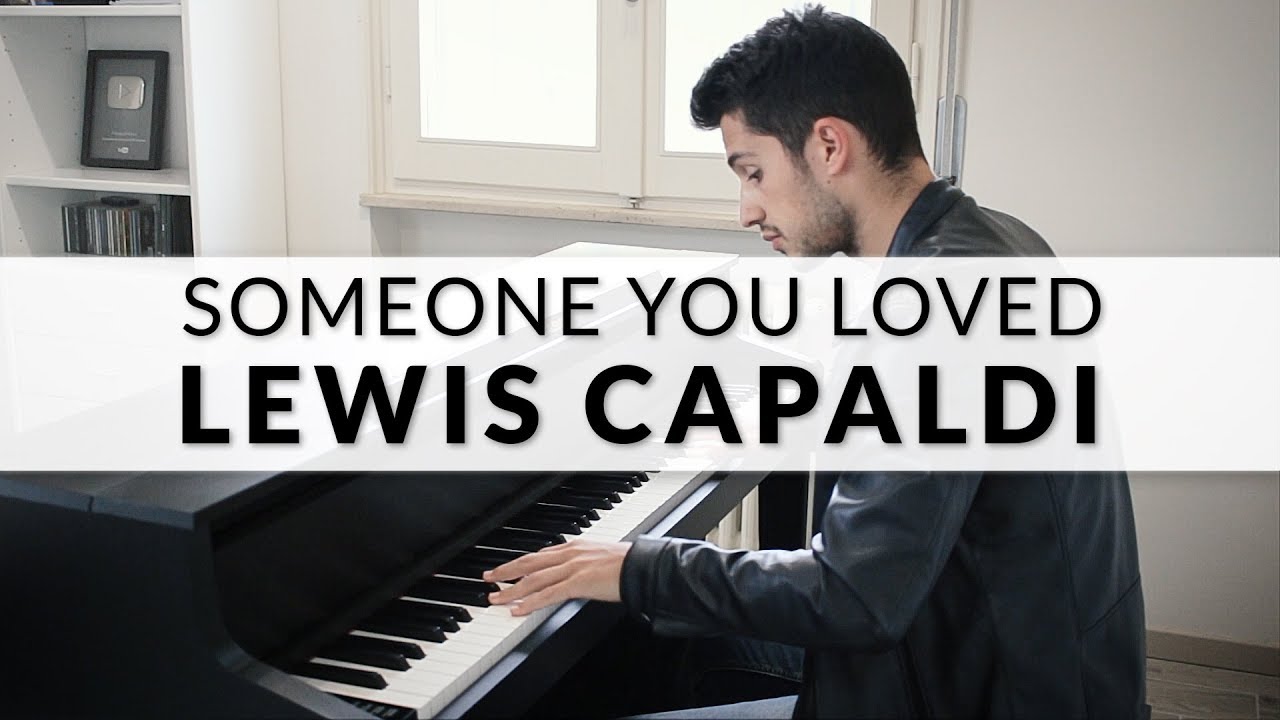
Someone You Loved - Lewis Capaldi | Piano Cover + Sheet Music
- Composer:Lewis Capaldi, Tom Barnes, Pete Kelleher, Benjamin Kohn, Sam Roman, and Teddy Geiger (2018)
- Best for:Contemporary piano, emotional ballads, expressive playing
- Difficulty Level:Easy
- Key:C Major (many piano arrangements)
- Meter:4/4
- Techniques:Dynamic control, chord transitions, expressive phrasing, hand coordination
Someone You Loved is one of the most popular modern piano songs of recent years. Its emotional melody and repeating chord progression make it approachable for newer players while still sounding impressive when performed well.
Because the harmony remains relatively simple, you can focus on expression rather than technical complexity. The piece is excellent for improving dynamic control, smooth chord changes, and the ability to communicate emotion through music.
52. Don't Stop Believin' - Journey
- Composer:Jonathan Cain, Steve Perry, and Neal Schon (1981)
- Best for:Classic rock piano, rhythm, performance pieces
- Difficulty Level:Intermediate
- Key:E Major
- Meter:4/4
- Techniques:Rhythm, accompaniment patterns, chord transitions, hand coordination
Few songs have a piano introduction as recognizable as Don't Stop Believin'. Although it's widely known as a rock anthem, the keyboard part remains at the heart of the song and provides a rewarding challenge for intermediate players.
Learning this piece strengthens rhythmic consistency and accompaniment skills while helping you maintain steady timing throughout repeated patterns. It's a great addition to any collection of popular piano songs and crowd-pleasing performance pieces.
53. Shallow - Lady Gaga & Bradley Cooper
- Composer:Lady Gaga, Andrew Wyatt, Anthony Rossomando, and Mark Ronson (2018)
- Best for:Dynamic contrast, performances, contemporary repertoire
- Difficulty Level:Intermediate
- Key:G Major (many arrangements)
- Meter:4/4
- Techniques:Dynamic contrast, accompaniment patterns, phrasing, melody projection
Shallow became one of the most celebrated movie songs of the modern era after its appearance in A Star Is Born. The piano arrangement captures the song's emotional journey, moving from quiet verses to a powerful and dramatic climax.
This piece is ideal for intermediate players who want to improve dynamic contrast and expressive performance. Its memorable melody and strong emotional impact also make it a popular recital and showcase piece.
54. A Thousand Years - Christina Perri
Christina Perri - A Thousand Years (Piano Cover)
- Composer:Christina Perri and David Hodges (2011)
- Best for:Weddings, romantic performances, contemporary piano
- Difficulty Level:Intermediate
- Key:B-flat Major (common arrangements)
- Meter:4/4
- Techniques:Arpeggios, pedal control, melody shaping, hand coordination
A Thousand Years is one of the most requested wedding piano songs and remains a favorite among pianists worldwide. Its flowing accompaniment and memorable melody create a beautiful balance between simplicity and elegance.
As you learn the piece, you'll practice smooth arpeggios, careful pedaling, and shaping the melody above the accompaniment. These skills make it one of the best piano songs for developing expressive contemporary playing.
55. Hey Jude - The Beatles
- Composer:John Lennon and Paul McCartney (1968)
- Best for:Family gatherings, sing-alongs, casual performances
- Difficulty Level:Easy
- Key:F Major
- Meter:4/4
- Techniques:Chord playing, accompaniment patterns, rhythm, melody projection
Ending this list is Hey Jude, one of the most iconic pop piano songsever written. Its familiar melody, simple harmony, and uplifting character make it enjoyable for both performers and listeners.
The piano arrangement is accessible to many players, making it a fantastic choice for family gatherings, recitals, and informal performances. More importantly, it demonstrates an important lesson for every pianist: some of the most memorable music is built on simple ideas played with confidence and expression.
How To Choose The Right Piano Song For Your Skill Level
With so many excellent options, deciding what to learn next can feel overwhelming. Instead of choosing based only on popularity, consider your current abilities and what you want to improve.
The right song should challenge you without making practice frustrating.
| Your Goal | Best Song Catetogry |
| Learn your first complete piece | Beginner songs like Ode to Joy or Amazing Grace |
| Improve chord playing | Pop ballads such as Let It Be or Perfect |
| Develop musical expression | Contemporary pieces by Yiruma or Einaudi |
| Build finger technique | Bach preludes and Mozart works |
| Prepare for a recital | Intermediate classical or movie themes |
| Challenge advanced skills | Chopin, Debussy, Beethoven, and ragtime classics |
| Relax while playing | Contemporary minimalist piano music |
| Impress an audience | Clair de Lune, River Flows in You, or Moonlight Sonata |
People Also Ask
What Are The Most Popular Piano Songs To Learn First?
Some of the best piano songs for beginners include Ode to Joy, Amazing Grace, Let It Be, Imagine, Can't Help Falling in Love, and Love Me Tender. These songs have simple melodies and chord progressions, making them ideal for building confidence.
Which Piano Songs Are Easiest For Beginners?
Easy piano songs usually have slow tempos, simple rhythms, and repeating chord patterns. Popular choices include Ode to Joy, Greensleeves, Amazing Grace, Let It Be, Someone You Loved, and Hey Jude.
How Do I Choose Piano Songs That Match My Skill Level?
Choose songs based on your current technique rather than popularity alone. Beginners should focus on simple melodies and basic chords, intermediate players can explore arpeggios and hand independence, while advanced pianists are ready for more complex rhythms, wider hand movements, and expressive interpretation.
Should I Learn Classical Or Pop Piano Songs First?
Both are valuable. Classical pieces build strong technique, finger control, and music reading skills, while pop songs improve chord playing, rhythm, and accompaniment. Combining both styles creates a balanced piano repertoire.
How Long Does It Take To Learn A Piano Song?
It depends on the song's difficulty and how often you practice. A beginner-friendly piece may take a few days or weeks, while advanced works like Clair de Lune or the complete Für Elise can take several months to perform confidently.
Final Thoughts
The best piano songs are the ones that keep you excited to practice. Start with pieces that match your skill level, then gradually challenge yourself with more advanced music as your technique grows.
A balanced repertoire of classical works, movie themes, and popular songs will help you become a more confident and well-rounded pianist. Most importantly, play music you enjoy; consistent practice is much easier when every song motivates you to sit down at the keyboard.