Your Guide To Choosing The Best Digital Piano
Choosing the right digital pianocan feel overwhelming. There are too many models, too many specs, and most guides don’t explain what actually matters.
So I simplified everything.
I compared some of the most popular digital pianos, focusing on what actually affects your playing experience: key action, sound quality, and overall value. If you’re a beginner or upgrading, this guide will help you choose quickly without getting lost in technical details.
Here’s exactly what I’ll help you with in this guide:
- A carefully selected list of 20 best digital pianos
- Simple explanations of key features (weighted keys, polyphony, sound quality)
- Honest pros and cons
- Best options based on your budget and space
- Practical tips to avoid common mistakes
Best Digital Pianos Comparison
Best Overall Digital Piano
Roland FP-30X
Best For Realistic Feel
- Kawai ES120
- Kawai CA49
Best For Features & Versatility
- Yamaha DGX-670
- Roland FP-E50
Best For Beginners
- Yamaha P-125
- Yamaha P-225
- Yamaha P-45
- Casio CDP-S110
- Roland FP-10
Best For Small Spaces
- Casio PX-S1100
- Roland FP-30X
- Roland FP-10
- Korg LP-380U
Best Stage Digital Piano
- Roland RD-88
- Yamaha CP88
Best Console Digital Piano
- Kawai KDP120
- Yamaha YDP-165
- Casio PX-870
- Yamaha CLP-885
- Kawai CA49
1. Roland FP-30X
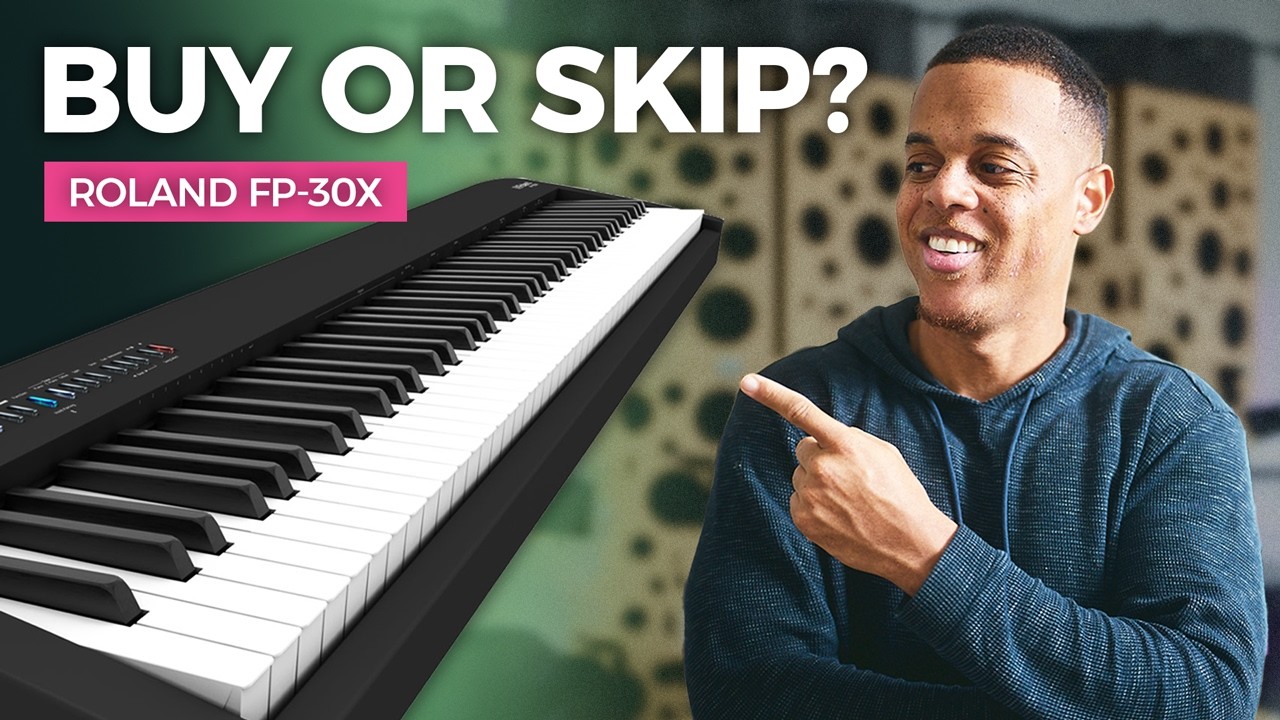
Roland FP-30X Review | Still the Mid-Tier King in 2025?
- Price: $700-$800
- Where to buy:Amazon, Sweetwater, Thomann, local music store
- Piano type:Portable digital piano
- Keys:88 weighted keys (PHA-4 hammer action)
- Sounds:High-quality acoustic piano tones + multiple voices
- Effects:Reverb, ambience, sound shaping
- Speakers:Built-in stereo speakers
- Bluetooth:Yes (Bluetooth MIDI & audio)
- Dimensions (mm):1300 x 284 x 151
- Weight (kg):14.8
If I had to choose one digital piano that works for almost everyone, this is the one I recommend most. The Roland FP-30X gives a strong mix of realistic key action, expressive sound, and modern features.
When I play it, the keys feel closer to an acoustic piano than most models in this price range. This is because of Roland’s PHA-4 action, which uses more advanced sensing compared to basic beginner keyboards.
Even the richest pianistsfocus on sound and key feel because it directly affects how you play. When your piano responds naturally, learning becomes smoother and more enjoyable. The sound is also more detailed and dynamic, thanks to Roland’s SuperNATURAL sound engine, which blends sampling and modeling for a more natural tone.
Pros
- Very realistic weighted keys (great for proper technique)
- Rich, expressive piano sound with good dynamics
- High polyphony (256 notes) for complex playing
- Bluetooth audio and MIDI for apps and wireless practice
- Strong speakers for home use
Cons
- Heavier than some portable digital pianos
- Interface relies on apps for deeper controls
- No dedicated line outputs (uses headphone jack instead)
If you want a digital piano that feels close to a real piano and will last you for years, this is one of the best options in this price range.
2. Yamaha P-125
- Price:$650-$750
- Where to buy: Amazon, Yamaha dealers
- Piano type:Portable digital piano
- Keys:88 graded hammer keys (GHS)
- Sounds:Pure CF piano sound engine
- Effects:Reverb, sound boost
- Speakers:Built-in powerful speakers
- Bluetooth:No (USB MIDI available)
- Dimensions (mm):1326 x 295 x 166
- Weight (kg):11.8
If you’re just starting and want something simple, this is one of the best pianosI recommend. The Yamaha P-125 focuses on clarity and simplicity. The sound is clean and bright, which many beginners find easier to work with.
It also has a very straightforward layout, so you don’t need to learn menus or apps before you start playing. The graded hammer standard (GHS) keys are lighter compared to Roland, which can actually help beginners feel more comfortable at the start.
Pros
- Very easy to use (great for beginners)
- Clean and balanced piano tone
- Lightweight and easy to move
- Built-in rhythm features for practice
Cons
- No Bluetooth audio support
- Key action is less realistic than higher-end models
- Fewer sounds and features compared to competitors
If your goal is to start learning quickly without dealing with complexity, this is a reliable choice.
3. Casio PX-S1100
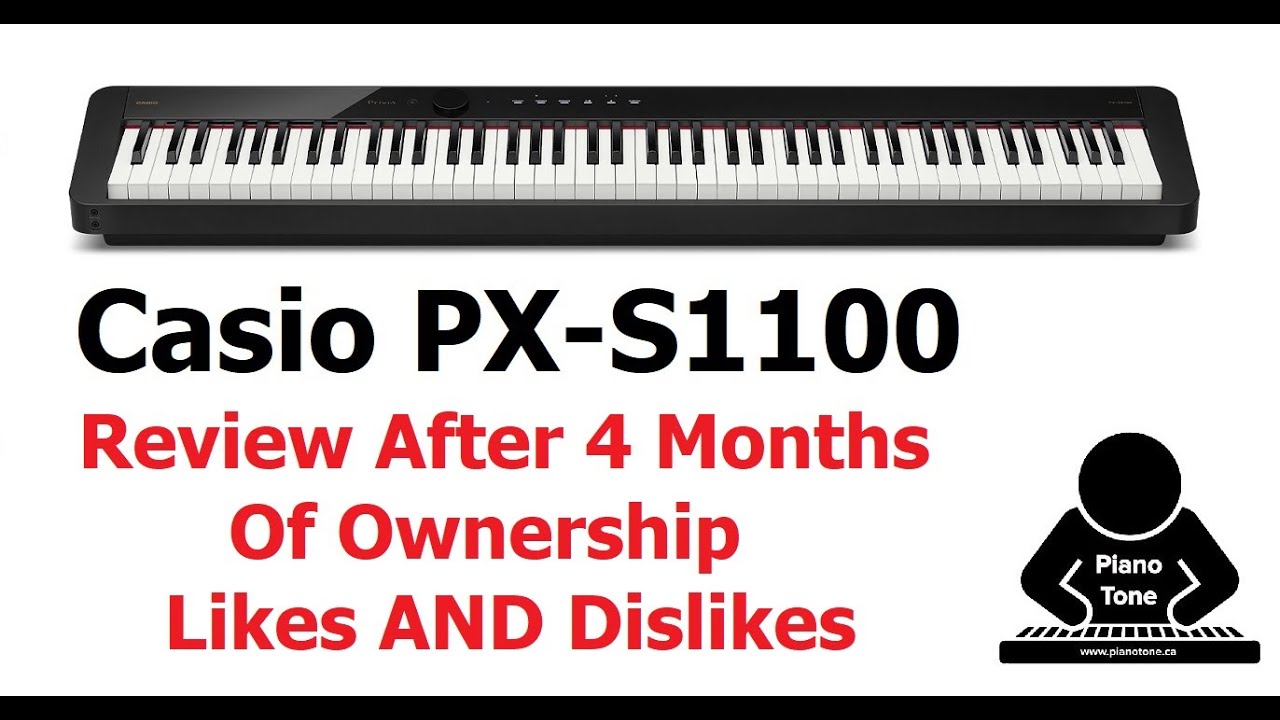
Casio PX-S1100 Review After 4 Months
- Price:$650-$700
- Where to buy:Amazon, Casio retailers
- Piano type:Slim portable digital piano
- Keys:88 scaled hammer action keys
- Sounds:Multi-dimensional morphing sound engine
- Effects:Reverb, chorus
- Speakers:Built-in compact speakers
- Bluetooth:Yes (Bluetooth audio & MIDI)
- Dimensions (mm):1322 x 232 x 102
- Weight (kg):11.2
This is one of the most compact full-size digital pianos available. If you don’t have much space, this model makes a big difference.
The design is slim and modern, so it fits easily into small rooms or apartments. Even though it’s compact, it still includes fully weighted keys and Bluetooth connectivity, which are important for serious practice.
Pros
- Extremely slim and space-saving design
- Lightweight and easy to move
- Bluetooth audio and MIDI included
- Good balance of features for the price
Cons
- Key action feels lighter and less realistic
- Built-in speakers are not very powerful
- Touch-sensitive controls can feel less intuitive
If space is limited, this is one of the best compact digital pianos with weighted keys you can choose.
4. Kawai ES120
- Price: $800-$900
- Where to buy:Kawai dealers, Thomann
- Piano type:Portable digital piano
- Keys:88 hammer action keys (RHC)
- Sounds:Harmonic Imaging piano samples
- Effects:Reverb, virtual technician settings
- Speakers:Built-in stereo speakers
- Bluetooth:Yes (Bluetooth MIDI & audio)
- Dimensions (mm):1305 x 280 x 150
- Weight (kg):12.5
If you care more about how the piano feels than extra features, this is one of the best options.
Kawai focuses heavily on authentic piano touch, and you can feel that immediately. The key action is slightly heavier and more controlled, which helps build better finger strength and technique.
The sound is warm and expressive, especially for classical music and dynamic playing.
Pros
- Very natural and responsive key action
- Warm, detailed piano tone
- Great for improving technique and control
- Strong focus on realism
Cons
- Fewer modern features (less app integration)
- Slightly more expensive than basic models
- Interface is simple, not feature-rich
If your goal is to get as close as possible to an acoustic piano feel in a digital format, this is one of the strongest choices in this range.
5. Yamaha P-45
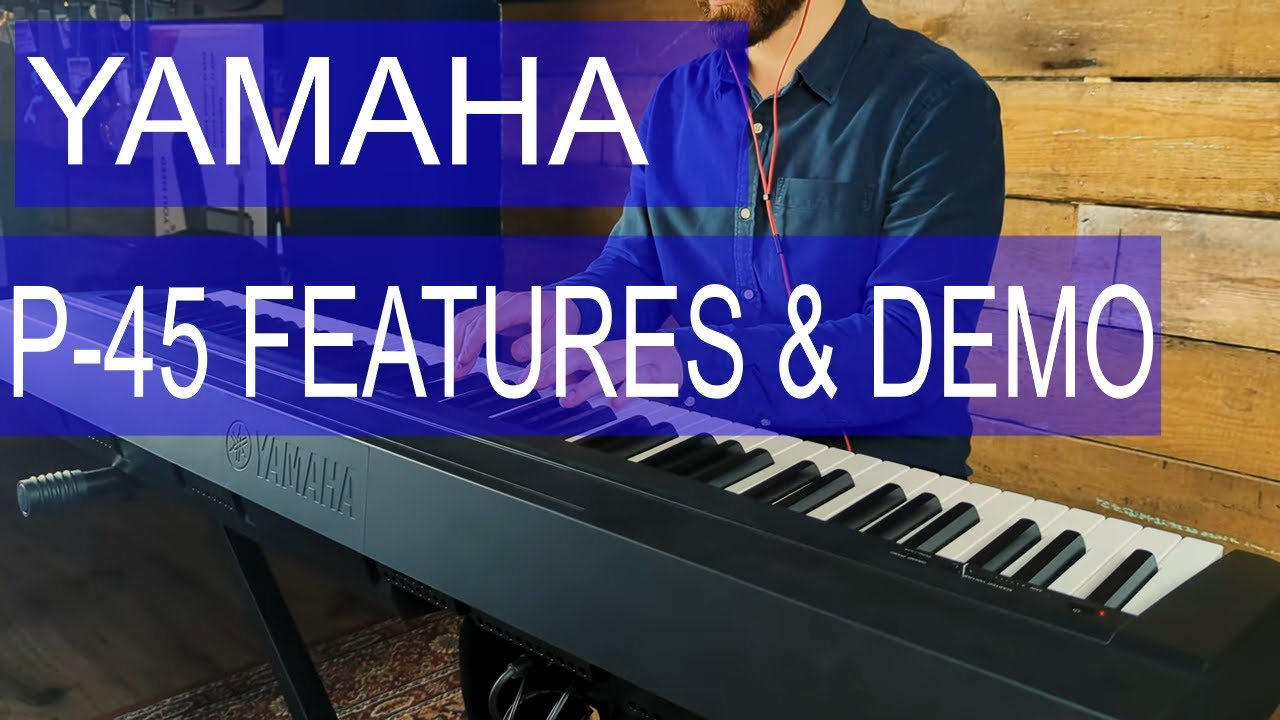
Yamaha P-45 Digital Piano - Features & Demonstration
- Price:$400-$500
- Where to buy:Amazon, Yamaha stores
- Piano type:Entry-level digital piano
- Keys:88 weighted keys (GHS)
- Sounds:Basic piano tones + a few voices
- Effects:Reverb
- Speakers:Built-in speakers
- Bluetooth:No
- Dimensions (mm):1326 x 295 x 154
- Weight (kg):11.5
If you’re starting from scratch and don’t want to spend too much, this is one of the first digital pianos I usually recommend. The Yamaha P-45 focuses on the basics, and for many beginners, that’s exactly what you need.
When I play this, it feels simple. The weighted keys help you build proper finger strength, which is important if you plan to move to an acoustic piano later. The sound is not advanced, but it is clear enough for daily practice.
This is a good choice if you want a cheap digital piano with weighted keys that still supports proper learning.
Pros
- Affordable and widely available
- Full 88-key digital piano with weighted keys
- Easy to use with no complicated settings
- Lightweight and portable for home use
Cons
- Basic sound engine with limited realism
- Low polyphony (64 notes) can cause note cut-off
- No Bluetooth or modern connectivity
- Not ideal for long-term advanced playing
If your budget is tight and you want something reliable to start learning, this is a safe and practical option.
6. Roland FP-10
- Price:$500-$600
- Where to buy: Amazon, Roland dealers
- Piano type:Portable digital piano
- Keys: 88 weighted keys (PHA-4 hammer action)
- Sounds:Roland SuperNATURAL piano sound
- Effects:Reverb, ambience
- Speakers: Built-in speakers (basic power)
- Bluetooth: Yes (Bluetooth MIDI)
- Polyphony:96 notes
- Weight:12.3 kg
This is one of the most interesting budget digital pianos I’ve tested. What makes it stand out is the key action. It uses the same PHA-4 hammer action found in more expensive Roland models.
When I play it, the keys feel more realistic than most pianos in this price range. This makes a big difference if you are serious about learning proper technique.
The sound is also solid, especially when using headphones. However, the built-in speakers are not very strong, so you may notice a difference when playing in a room.
Pros
- Excellent key action for the price (very realistic feel)
- Good sound quality with Roland SuperNATURAL engine
- Bluetooth MIDI for learning apps and recording
- Compact and suitable for small spaces
Cons
- Weak built-in speakers
- Limited onboard controls (relies on apps)
- No Bluetooth audio streaming
If your priority is a realistic piano feel on a budget, this is one of the best digital pianos you can buy.
7. Casio CDP-S110
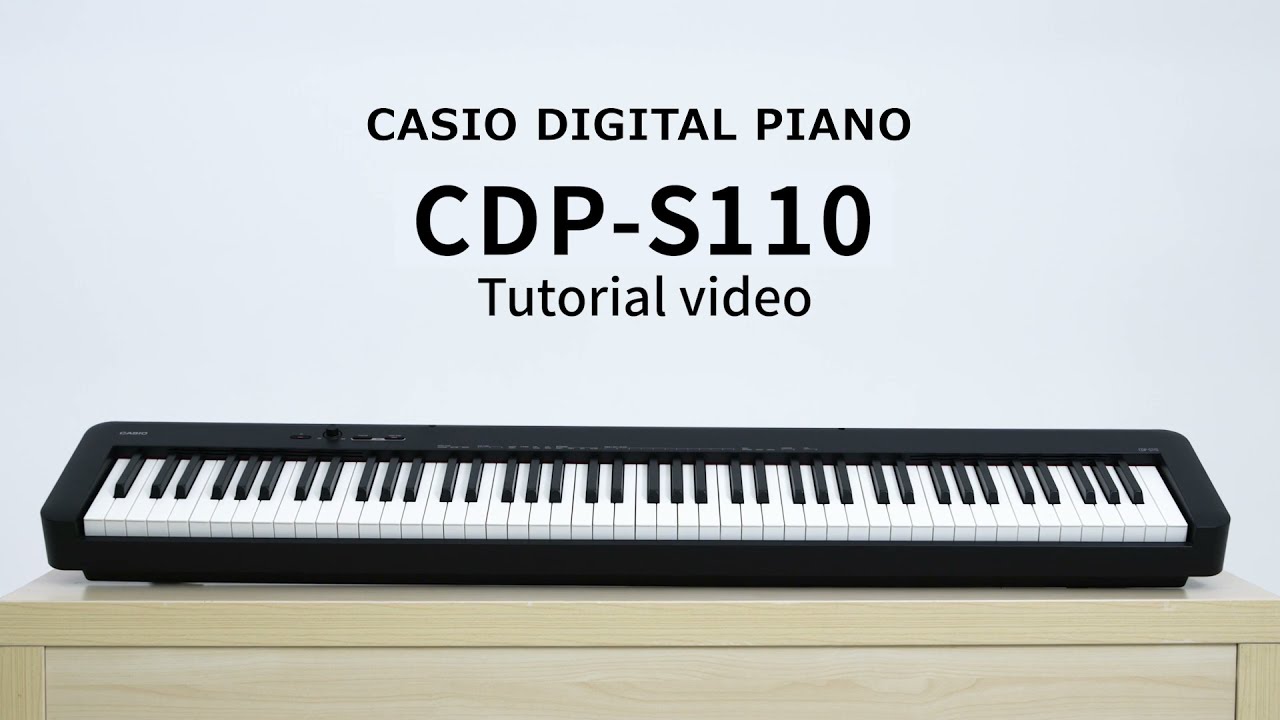
CDP-S110 Tutorial Video | CASIO
- Price:$350-$450
- Where to buy:Amazon, Casio retailers
- Piano type:Entry-level portable digital piano
- Keys:88 scaled hammer action keys
- Sounds:Basic piano tones
- Effects:Reverb
- Speakers:Built-in compact speakers
- Bluetooth: No (adapter optional)
- Polyphony:64 notes
- Weight:10.5 kg
If you are looking for the most affordable full-size digital piano, this is one of the cheapest options that still includes 88 weighted keys.
When I tried it, I noticed how lightweight and easy it is to move around. This makes it ideal for small spaces or shared rooms. The keys are decent for beginners, but the overall feel and sound are more basic compared to mid-range models. This is best if you want to start learning pianoat the lowest possible cost.
Pros
- Very affordable 88-key digital piano
- Lightweight and easy to transport
- Simple interface, beginner-friendly
- USB-MIDI connectivity for learning apps
Cons
- Basic sound quality and limited tones
- Speakers are not very powerful
- Key action is less refined
- Not ideal for long-term progression
If you are unsure whether piano is right for you and want a low-risk starting point, this model does the job.
8. Yamaha DGX-670
- Price:$850-$1000
- Where to buy:Yamaha dealers
- Piano type:Portable digital piano with arranger features
- Keys:88 weighted keys (GHS)
- Sounds:Hundreds of instrument voices and accompaniment styles
- Effects:Reverb, chorus, DSP effects
- Speakers:Powerful built-in speakers
- Bluetooth:No (USB/MIDI connectivity)
- Polyphony:256 notes
- Weight:21.4 kg
This is not just a digital piano. It is more like a full music workstation. When I use this model, I notice how much more I can do beyond basic piano playing. You get access to hundreds of sounds, automatic backing rhythms, and built-in learning features.
This makes it very engaging, especially if you enjoy playing songs rather than just practicing exercises. The keys are decent, but the focus here is more on features and versatility than pure realism.
Pros
- Large library of sounds and styles
- Auto accompaniment for playing full songs
- High polyphony (256 notes)
- Strong built-in speakers
Cons
- Heavier and less portable
- Key action is not as realistic as premium models
- Can feel complex for beginners
If you want a feature-rich digital piano for songwriting, practice, and entertainment, this is a strong choice.
9. Roland RD-88
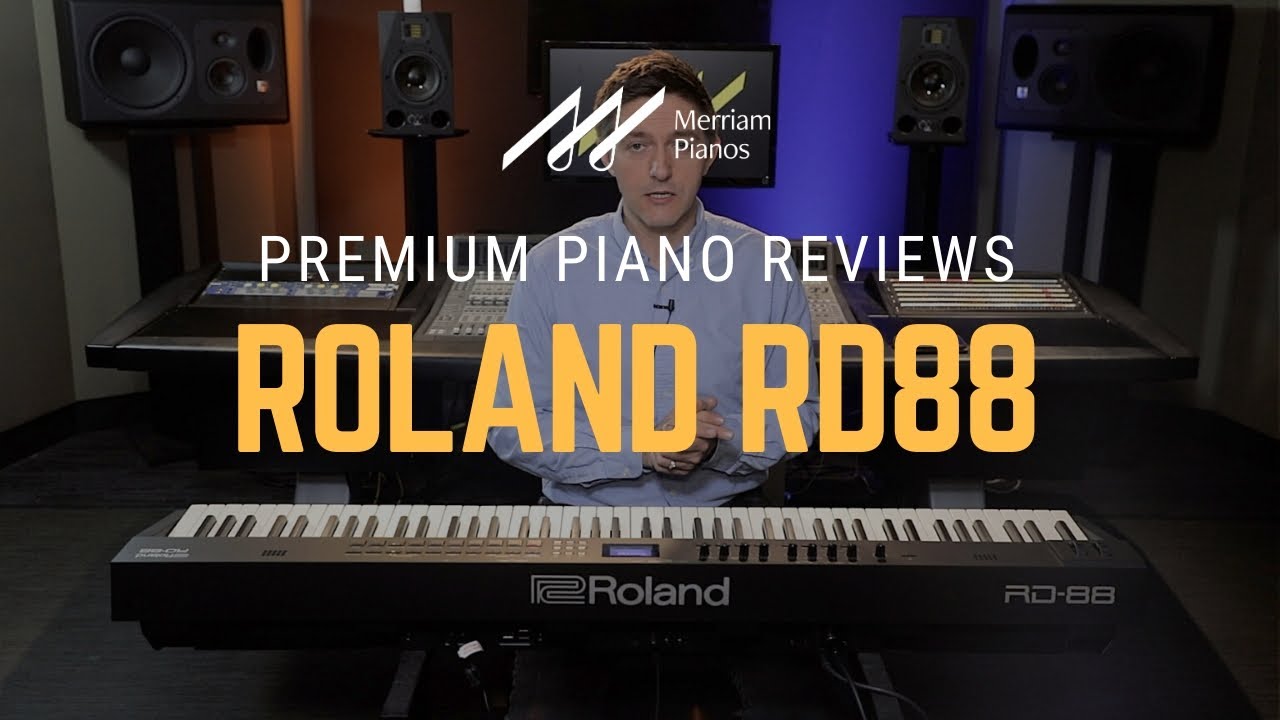
🎹Roland RD88 Digital Stage Piano Review & Demo - Lighter & More Affordable🎹
- Price:$1200-$1400
- Where to buy:Sweetwater, Thomann
- Piano type:Stage digital piano
- Keys:88 weighted keys (PHA-4 hammer action)
- Sounds: Roland ZEN-Core sound engine
- Effects:Studio-quality effects and sound shaping
- Speakers: No built-in speakers
- Bluetooth:Yes (Bluetooth MIDI)
- Polyphony: High (professional level)
- Weight:13.5 kg
This is designed for musicians who perform live or work in studios.
When I play the RD-88, I can tell it’s built for performance. The sound engine is powerful, and you can customize tones in detail. It also feels reliable and responsive, which is important on stage.
Since it has no built-in speakers, you need external amplification, which is standard for stage pianos.
Pros
- Professional sound engine with high-quality tones
- Reliable key action for performance
- Lightweight for a stage piano
- Advanced sound control and customization
Cons
- No built-in speakers (requires external setup)
- More complex for beginners
- Higher price compared to home models
If you are planning to perform live or need a professional stage piano, this is a very strong option.
10. Korg B2
- Price:$500-$600
- Where to buy:Amazon, Korg dealers
- Piano type:Home digital piano
- Keys:88 natural weighted hammer action keys
- Sounds:Multiple piano and instrument sounds
- Effects:Basic reverb and effects
- Speakers:Built-in speakers
- Bluetooth: No
- Polyphony:Moderate
- Weight:11.8 kg
If you want something simple for home use, this is a model I often suggest. The Korg B2 focuses on delivering a comfortable playing experience without unnecessary features.
When I use it, it feels straightforward to get into. The sound is good enough for practice, and the keys provide a solid foundation for learning.
This is ideal if you want a home digital piano that is easy to use and reliable for daily practice.
Pros
- Simple and beginner-friendly design
- Good sound quality for the price
- Comfortable weighted keys
- Suitable for home practice setups
Cons
- Limited advanced features
- No Bluetooth connectivity
- Not as expressive as higher-end models
If you just want to sit down and play without distractions, this is a practical and dependable choice.
11. Yamaha Clavinova CLP-885
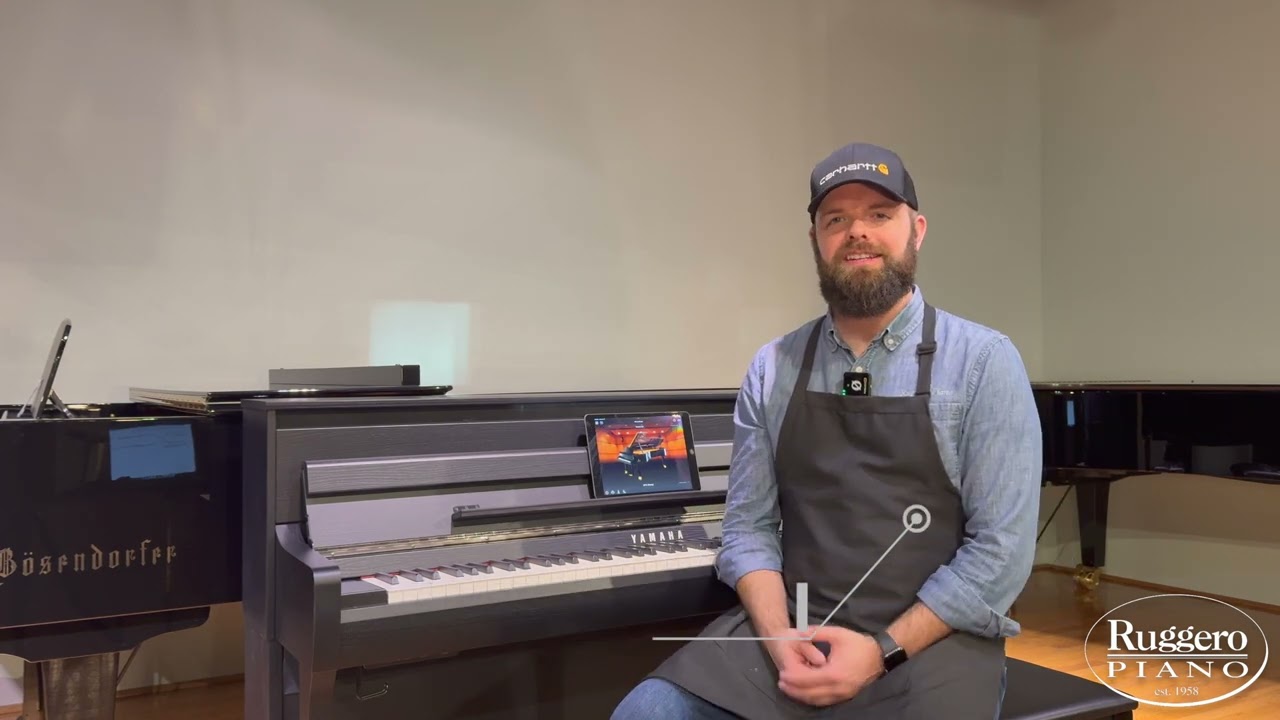
Yamaha Clavinova CLP-885 - Overview 2025 - Ruggero Piano
- Price:$3000+
- Where to buy:Yamaha showrooms
- Piano type:Console (upright-style digital piano)
- Keys: 88 GrandTouch wooden keys
- Sounds: Yamaha CFX and Bösendorfer grand piano samples
- Effects:Advanced resonance modeling, reverb, tone control
- Speakers: 300W multi-speaker system
- Bluetooth:Yes (Bluetooth audio & MIDI)
- Build: Full furniture cabinet
If you want something that feels very close to a real acoustic piano, this is one of the best digital pianos I’ve come across.
When I sit down and play the CLP-885, the first thing I notice is the key action. The wooden keys and GrandTouch mechanism give a level of control and resistance that is much closer to a grand piano than most digital models. It feels solid, responsive, and very natural.
The sound is also a major highlight. Yamaha uses high-end samples from their CFX and Bösendorfer grand pianos, and the 300W speaker system fills the room in a way that feels immersive and realistic.
This is designed for serious players who want a premium digital piano for home use with near-acoustic experience.
Pros
- Extremely realistic wooden key action
- Powerful, room-filling speaker system
- Premium piano sound with deep expression
- High build quality (furniture-style design)
Cons
- Very expensive compared to portable models
- Not portable due to size and weight
- More than beginners usually need
If budget is not a concern and you want the closest thing to a real piano in digital form, this is one of the top choices available.
12. Yamaha P-225
- Price:$700-$800
- Where to buy:Amazon, Yamaha dealers
- Piano type:Portable digital piano
- Keys:88 weighted keys (GHS)
- Sounds:Yamaha CFX concert grand samples
- Effects:Reverb, sound boost
- Speakers:Improved built-in speakers
- Bluetooth:No (USB MIDI)
- Polyphony:192 notes
- Weight:Approx. 11.5 kg
This is the updated version of the Yamaha P-125, and if I’m being honest, I would choose this over the older model today. When I play the P-225, I notice the improvement in sound immediately. The CFX samples feel richer and more detailed, and the speakers project better than before. It’s also lighter, which makes it easier to move around. It still uses GHS keys, so the feel is not premium, but for beginners, it works well.
This kind of setup can make piano learning easierbecause you’re not fighting with poor sound or uncomfortable keys. When your instrument responds well and sounds clear, you stay more engaged, practice longer, and build confidence faster over time.
Pros
- Improved sound quality over the previous model
- Lightweight and portable
- Simple and beginner-friendly
- Good balance of features and price
Cons
- Key action is still basic compared to competitors
- No Bluetooth audio
- Limited advanced features
If you are choosing between entry-level Yamaha models, this is one of the best modern beginner digital pianos available.
13. Roland FP-60X
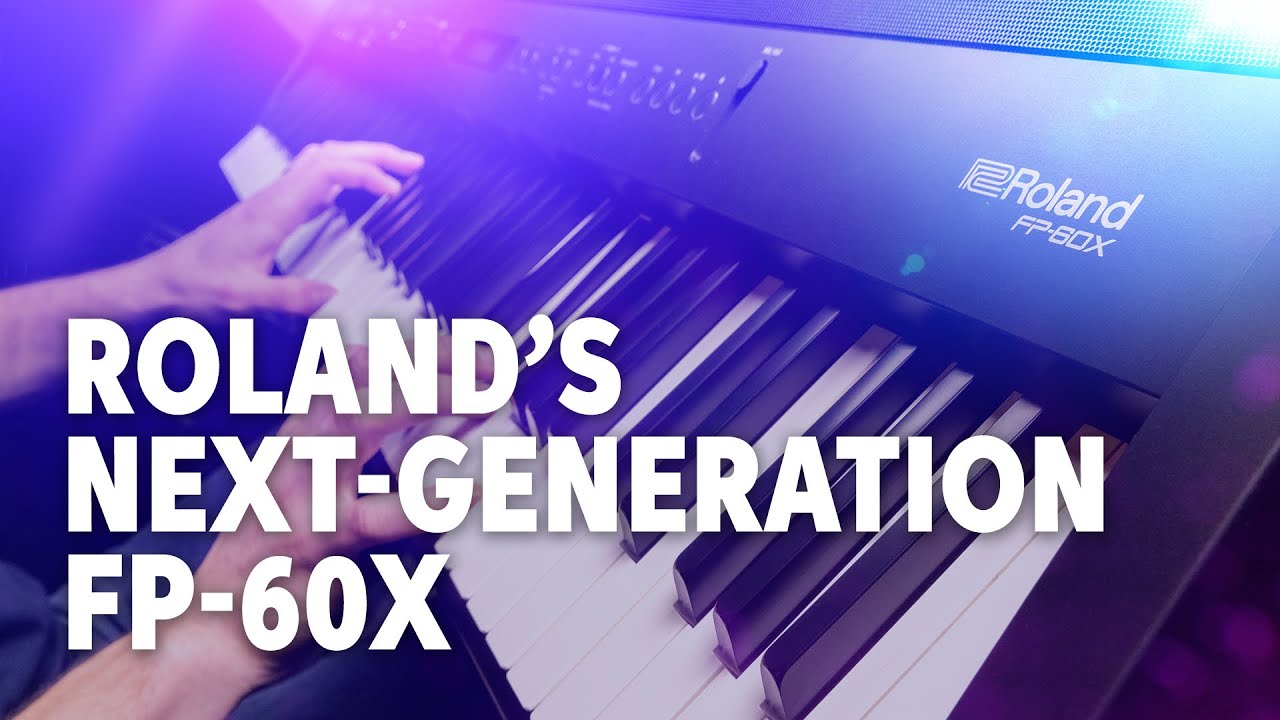
Roland FP-60X Digital Piano Demo
- Price:$900-$1100
- Where to buy:Sweetwater, Thomann
- Piano type: Portable digital piano
- Keys:88 weighted keys (PHA-4 hammer action)
- Sounds:Roland SuperNATURAL sound engine
- Effects:Advanced sound shaping and effects
- Speakers:Powerful built-in speakers
- Bluetooth: Yes (audio & MIDI)
- Polyphony: 256 notes
If you like the FP-30X but want something more powerful, this is the next step up.
When I play this model, I notice the stronger speakers right away. The sound fills the room better, and the extra controls make it easier to adjust tones without using an app.
This is a good option if you are moving beyond beginner level and want more control over your sound.
Pros
- Stronger speakers with better projection
- Same high-quality key action as FP-30X
- More onboard controls and customization
- Bluetooth audio and MIDI
Cons
- More expensive than entry-level models
- Slightly heavier
- May be more than beginners need
This is ideal if you want a mid-range digital piano that can grow with your skills.
14. Kawai KDP120
- Price:$1200-$1500
- Where to buy: Kawai dealers
- Piano type:Console digital piano
- Keys:Responsive Hammer Compact II action
- Sounds:Harmonic Imaging sound engine
- Effects:Reverb, virtual technician settings
- Speakers:Built-in cabinet speakers
- Bluetooth:Yes (MIDI)
If you want a digital piano that looks and feels more like a traditional upright, this is a strong option.
When I sit at the KDP120, it feels more stable and comfortable than portable models. The built-in cabinet and pedals make it feel like a real home piano setup.
The key action is responsive and slightly heavier, which helps with developing technique.
Pros
- Real piano-style cabinet design
- Stable and comfortable for long practice
- Warm and natural piano tone
- Built-in pedals included
Cons
- Not portable
- Takes up more space
- Less modern features compared to portable models
This is perfect if you want a home digital piano with a traditional look and feel.
15. Yamaha YDP-165
- Price:$1300-$1600
- Where to buy:Yamaha showrooms
- Piano type:Console digital piano
- Keys:88 weighted keys (GH3 action)
- Sounds:Yamaha CFX grand piano
- Effects:Reverb and resonance modeling
- Speakers:Built-in cabinet speakers
- Bluetooth:No
This is one of Yamaha’s most popular home digital pianos, and I understand why.
When I play the YDP-165, it feels more refined than entry-level models. The GH3 key action is more responsive than GHS, and the sound is fuller and more expressive.
It also has a clean, classic design that fits well in a home environment.
Pros
- Improved key action compared to beginner models
- Clear and expressive Yamaha piano sound
- Traditional upright-style design
- Reliable build quality
Cons
- No Bluetooth connectivity
- Limited modern features
- Not portable
If you want a reliable home digital piano with better feel and sound than entry-level options, this is a strong choice.
16. Casio PX-870
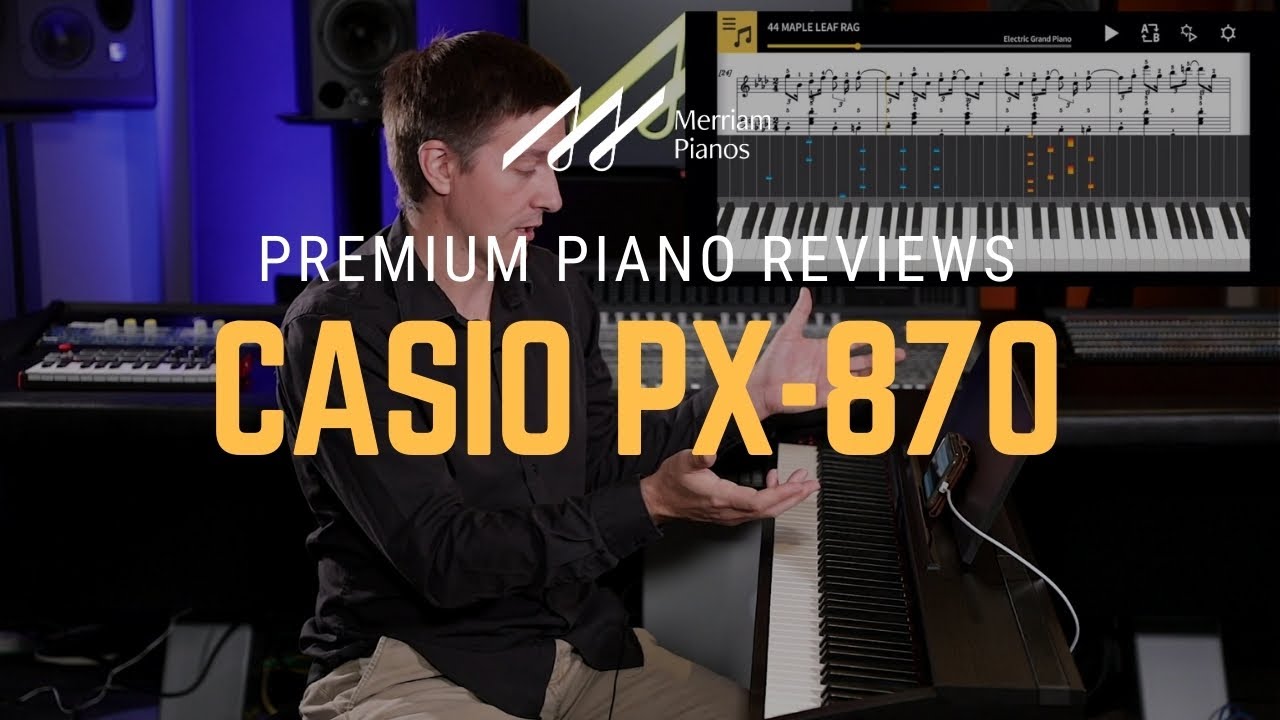
🎹Casio PX-870 Privia Digital Piano Review & Demo - 4-Layer Piano Sound, Redesigned Speaker System🎹
- Price:$1000-$1200
- Where to buy:Amazon, Casio retailers
- Piano type:Console digital piano
- Keys:88 weighted keys (Tri-Sensor Scaled Hammer Action II)
- Sounds:AiR sound engine with detailed piano samples
- Effects:Reverb, chorus, string resonance simulation
- Speakers:Dual speaker system (powerful for home use)
- Bluetooth:No (USB connectivity available)
- Polyphony:256 notes
If you want a home digital piano that feels closer to an acoustic upright without spending too much, this is one I often recommend.
When I play the PX-870, I notice how balanced it feels. The key action is responsive, and the sound has more depth than most models in this price range. The string resonance feature adds a more natural tone, especially when using the sustain pedal.
It’s built as a console piano, so it stays in one place and feels stable during practice. This makes it a good fit for long practice sessions at home.
Pros
- Strong speaker system with room-filling sound
- Realistic string resonance and tone detail
- Good key action for the price
- High polyphony (256 notes) for smooth performance
Cons
- No Bluetooth connectivity
- Not portable due to cabinet design
- Interface is basic compared to newer models
If you want a good value console digital piano for home use, this is one of the best options in this range.
17. Roland FP-E50
- Price:$900-$1100
- Where to buy:Roland dealers
- Piano type:Portable digital piano with arranger features
- Keys:88 weighted keys
- Sounds:Roland ZEN-Core sound engine
- Effects:Advanced effects and sound shaping
- Speakers: Built-in speakers
- Bluetooth:Yes (audio & MIDI)
- Polyphony: High
This is not just a digital piano. It’s a mix between a piano and a performance keyboard.
When I use the FP-E50, I immediately notice how many features it offers. You can play with built-in rhythms, layer sounds, and even connect a microphone to sing while playing. This makes it much more interactive compared to traditional digital pianos.
The ZEN-Core sound engine gives you access to a wide range of instrument sounds, not just piano tones.
Pros
- Very versatile with many built-in features
- Microphone input for singing and performance
- High-quality sound engine with multiple voices
- Bluetooth connectivity for modern setups
Cons
- Less focused on pure piano realism
- Can feel complex for beginners
- More features than some users need
If you want a digital piano that is fun, flexible, and good for entertainment or performance, this is a strong choice.
18. Korg LP-380U
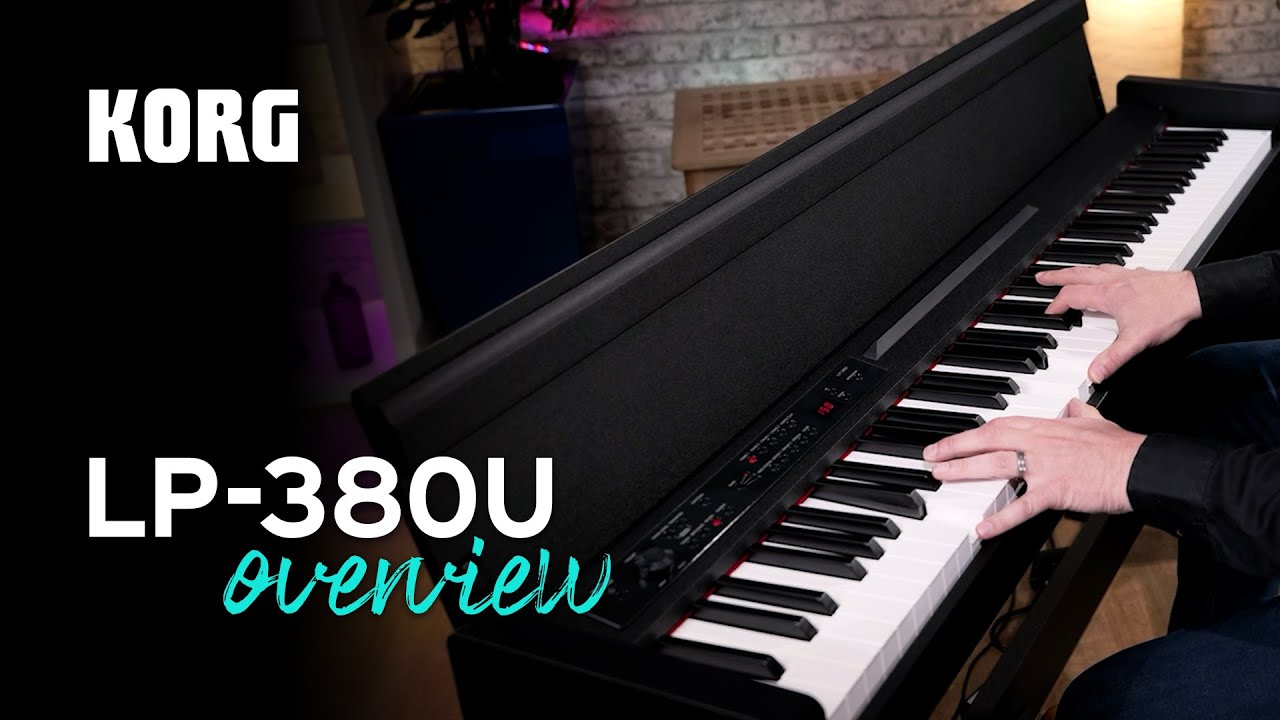
Korg LP-380U overview - perfect piano performance
- Price:$900-$1100
- Where to buy:Korg dealers
- Piano type:Slim console digital piano
- Keys:88 weighted keys (RH3 hammer action)
- Sounds:Multiple piano and instrument voices
- Effects:Reverb, chorus
- Speakers:Built-in stereo speakers
- Bluetooth: No
- Polyphony:120 notes
If you want a digital piano that fits into a modern home without taking up too much space, this is a great option.
When I see the LP-380U, the first thing that stands out is its design. It’s slim, clean, and easy to fit into smaller rooms. But it’s not just about looks; the key action is comfortable and suitable for regular practice.
The speakers are strong enough for home use, and the overall experience feels balanced.
Pros
- Slim and stylish design for modern spaces
- Comfortable key action for daily practice
- Good built-in speaker system
- Suitable for small rooms or apartments
Cons
- No Bluetooth connectivity
- Fewer advanced features
- Polyphony is lower than some competitors
If you want a space-saving console digital piano with a clean design, this is a practical choice.
19. Yamaha CP88
- Price:$2000-$2500
- Where to buy:Sweetwater, Thomann
- Piano type:Stage digital piano
- Keys:88 wooden keys (NW-GH action)
- Sounds:Multiple high-end piano sound engines
- Effects:Professional-grade effects and controls
- Speakers:No built-in speakers
- Bluetooth:No
- Polyphony:High (professional level)
This is a serious instrument designed for musicians who perform live. When I play the CP88, it feels very close to a real piano, especially because of the wooden keys. The response is precise, and it gives you more control over dynamics and expression.
It also includes multiple piano sound engines, so you can switch between different tones depending on the performance.
Pros
- Very realistic wooden key action
- High-quality piano sounds for professional use
- Built for live performance and touring
- Durable and reliable
Cons
- Expensive compared to home pianos
- No built-in speakers
- Not beginner-friendly
If you are performing live or recording, this is one of the best professional stage digital pianos available.
20. Kawai CA49
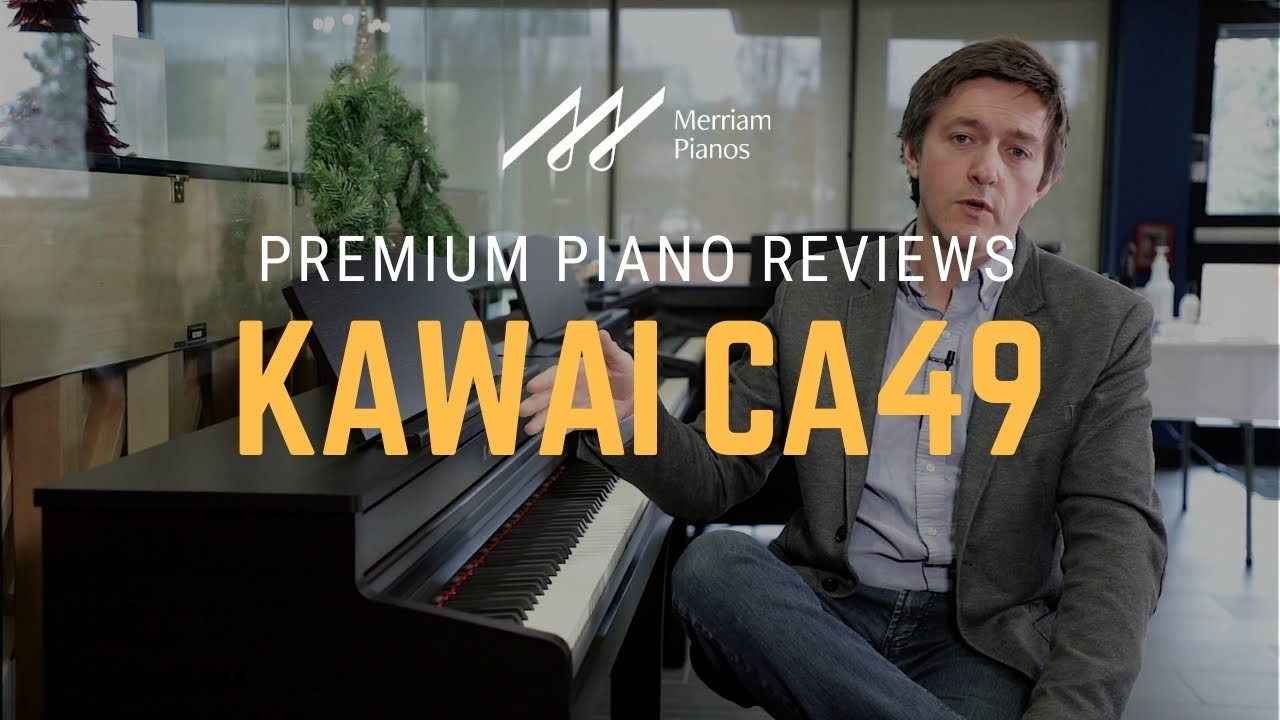
🎹Kawai CA49 Digital Piano Review & Demo - Kawai Concert Artist Series Digitals🎹
- Price:$2000-$2500
- Where to buy:Kawai dealers
- Piano type:Console digital piano
- Keys:88 wooden keys (Grand Feel Compact action)
- Sounds:Harmonic Imaging XL sound engine
- Effects:Advanced resonance and tone control
- Speakers: Built-in cabinet speakers
- Bluetooth:Yes (MIDI)
- Polyphony:192 notes
This is one of the closest digital pianos to an acoustic experience without going into very high-end pricing.
When I play the CA49, the wooden keys make a big difference. The action feels more natural, and it responds well to subtle changes in touch. This helps with expression, especially for more advanced playing.
The sound is warm and detailed, and the cabinet design makes it feel like a real home piano.
Pros
- Wooden key action for a realistic feel
- Excellent control and dynamic response
- Rich and natural piano sound
- Strong home piano design
Cons
- Expensive compared to mid-range models
- Not portable
- Fewer modern features than some competitors
If you want a digital piano that feels very close to an acoustic instrument without going fully premium, this is one of the best options under $3000.
How To Choose The Right Digital Piano

How To Choose A Digital Piano For Beginners [ideal specifications]
When someone asks me which digital piano to buy, I don’t start with brands or models. I start with how they plan to use it. That makes the decision much easier and avoids wasting money.
Here’s exactly how I think about it:
1. Start With Weighted Keys (this Is Non-negotiable)
If you are serious about learning piano, you need 88 weighted keys with hammer action.
This is what makes a digital piano feel like a real acoustic piano. It helps you build finger strength, control, and proper technique.
Look for terms like:
- weighted keys
- hammer action
- graded hammer action
If a keyboard doesn’t have this, I usually don’t recommend it for long-term learning.
2. Pay Attention To Key Action (not Just “weighted”)
Not all weighted keys feel the same. Some feel light and plastic, while others feel closer to a real piano. This is where brands differ:
- Roland → more realistic and slightly heavier
- Yamaha → lighter and smoother
- Kawai → very natural and controlled
If possible, this is one thing I always suggest testing or watching reviews for.
3. Check The Sound Quality (sound Engine)
The sound engine is what produces the piano tone.
Better digital pianos use:
- multi-layer sampling (real piano recordings)
- modeling technology (more dynamic sound)
Good sound makes you want to play more, which matters more than most features.
4. Understand Polyphony (important For Smooth Playing)
Polyphony is how many notes the piano can play at once.
Here’s how I think about it:
- 64 notes → basic (okay for beginners)
- 128 notes → good for most players
- 192–256 notes → best for advanced playing
Higher polyphony means notes won’t cut off when using sustain or playing complex pieces.
5. Choose The Right Type Of Digital Piano
There are three main types, and choosing the wrong one is a common mistake.
- Portable digital piano → best for flexibility and small spaces
- Console (home) piano → better speakers, more stable setup
- Stage piano → for performance, no built-in speakers
I usually tell people:
- Small room → portable
- Home setup → console
- Live performance → stage
6. Think About Your Space And Setup
Before buying, I always ask: where will this piano go?
- Small apartment → slim model like PX-S1100
- Dedicated room → console piano
- Shared space → make sure it has a headphone jack
If the piano doesn’t fit your space, you’ll use it less.
7. Don’t Overvalue Extra Features
A lot of people get distracted by:
- hundreds of sounds
- rhythms and effects
- apps and connectivity
In reality, most people use only a few core sounds. I always recommend focusing on:
- key feel
- sound quality
- build quality
Everything else is secondary.
8. Match The Piano To Your Level
You don’t need a professional instrument as a beginner.
- Beginner → simple, affordable, weighted keys
- Intermediate → better sound and key action
- Advanced → high polyphony, realistic feel
Buying too advanced too early usually wastes money.
Digital Piano Buying Guide By Budget
Your budget plays a big role in what you get, but spending more only helps if you actually need those features.
Under $500 (Entry-Level Digital Pianos)
Best options:
- Casio CDP-S110
- Yamaha P-45
What you get:
- Basic sound engine
- 88 weighted keys (entry-level feel)
- Limited features
What I think:This range is fine if you are just starting or unsure about committing. But most people outgrow it quickly.
$500-$1000 (Best Value Range)
Best options:
- Roland FP-30X
- Yamaha P-125 / P-225
- Casio PX-S1100
What you get:
- Better key action (more realistic feel)
- Improved sound quality
- Higher polyphony
- More reliable build
This is the range I recommend most. You get a proper digital piano experience without overspending.
$1000-$2000 (Advanced Digital Pianos)
Best options:
- Yamaha DGX-670
- Roland FP-60X
- Kawai KDP120
What you get:
- Better speakers and sound projection
- More expressive sound engines
- More control and features
This range is good if you are progressing and want something more serious.
$2000+ (Premium Digital Pianos)
Best options:
- Yamaha Clavinova series
- Kawai CA series
What you get:
- Wooden keys (closer to real piano feel)
- Advanced sound modeling
- Powerful speaker systems
This is where digital pianos start to feel very close to acoustic instruments.
Choosing Between An Acoustic And Digital Piano
Choosing Between Acoustic and Digital Player Pianos: What You Need to Know
If you’re trying to decide between an acoustic piano and a digital piano, this is one of the most important choices you’ll make. I’ve seen many people get stuck here, but once you understand the differences, the decision becomes much easier.
Sound And Playing Experience
An acoustic piano produces sound through real strings and hammers. When you press a key, you get natural vibration, resonance, and depth that digital pianos try to replicate.
A digital piano uses sampled or modeled piano sounds. High-end models sound very realistic, but they still simulate the experience rather than create it physically.
If your priority is the most authentic piano sound and natural resonance, an acoustic piano is the better choice. If you want consistent sound, flexibility, and convenience, a digital piano makes more sense.
Key Feel And Touch
Acoustic pianos have a fully mechanical key action, which gives a very natural response and dynamic control.
Modern digital pianos use weighted keys and hammer action, which can feel very close to a real piano, especially in mid-range and premium models.
For beginners and most players, a good weighted digital piano is more than enough. Advanced players may still prefer the feel of an acoustic instrument.
Maintenance And Cost
This is where digital pianos have a clear advantage.
An acoustic piano requires regular tuning, usually at least once or twice a year. It also needs proper care because it is sensitive to temperature and humidity changes.
A digital piano does not need tuning and requires very little maintenance. It stays consistent over time and is easier to manage.
If you want something low-maintenance and reliable, a digital piano is the better option.
Price And Space
Acoustic pianos are usually more expensive, larger, and heavier. They take up more space and are difficult to move.
Digital pianos are more affordable, compact, and easier to move around. Many models are designed specifically for small spaces or apartments.
If you have limited space, a compact digital piano with 88 weighted keys is often the more practical choice.
Volume Control And Practice Flexibility
One of the biggest advantages of a digital piano is flexibility.
An acoustic piano is always loud, which can be a problem in shared spaces. A digital piano allows you to use headphones for silent practice, which makes it much easier to play anytime.
If you practice at night or live with others, this feature alone can make a huge difference.
Which One Should You Choose?
I usually explain it this way:
Choose an acoustic piano if you want the most authentic playing experience, have enough space, and don’t mind regular maintenance.
Choose a digital piano if you want something more affordable, practical, and flexible. It’s especially a better option if you need headphone practice, have limited space, or are just starting out.
Common Digital Piano Buying Mistakes
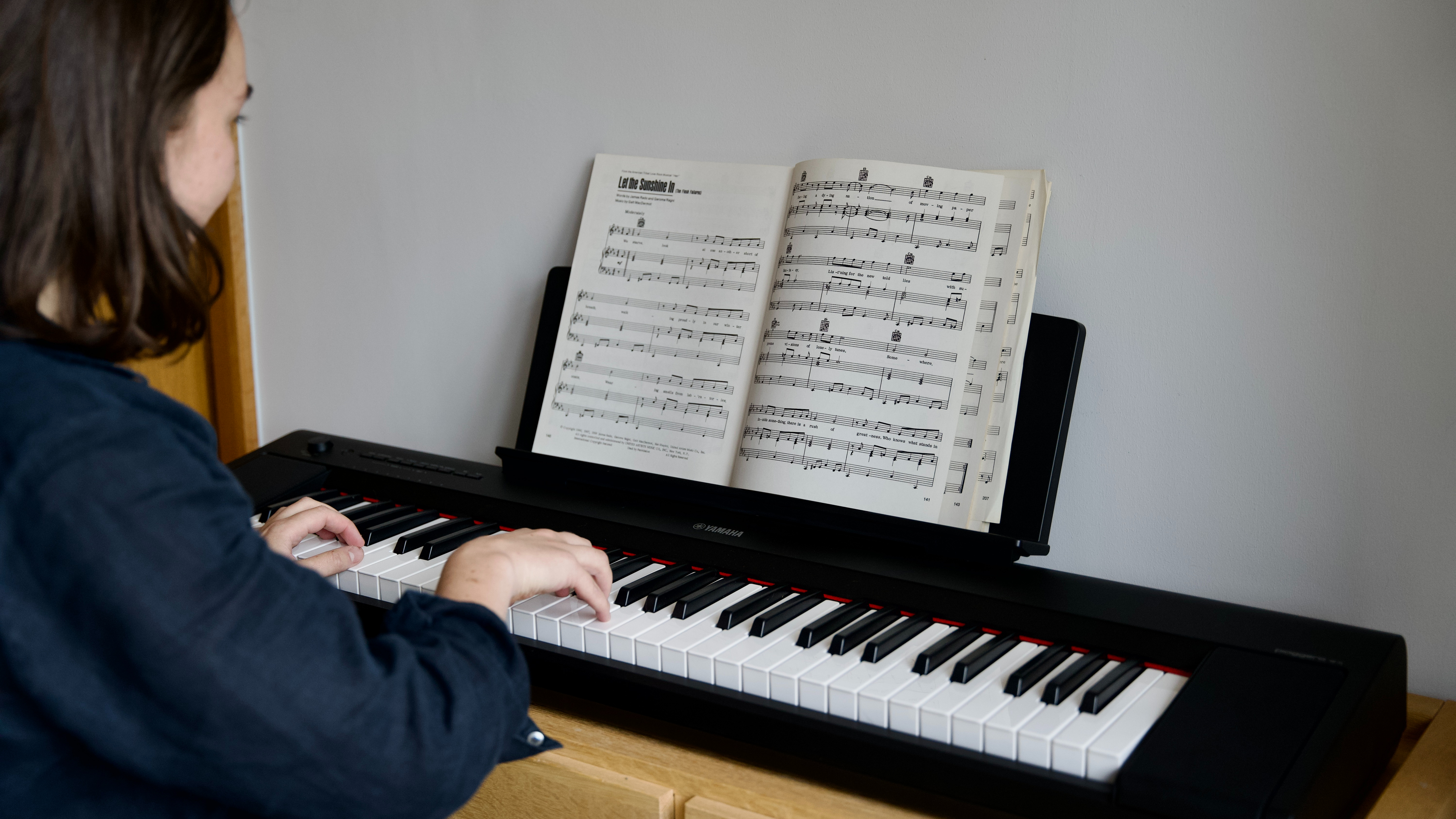
Over the years, I’ve seen many people buy the wrong digital piano, and most of the mistakes are very similar. The problem is not lack of options, it’s focusing on the wrong things.
If you avoid the mistakes below, you’ll save money, avoid frustration, and choose a piano that actually helps you improve.
1. Choosing A Keyboard Without Weighted Keys
This is the biggest mistake I see.
Many beginners buy a cheaper keyboard with non-weighted keys because it’s more affordable or portable. The problem is that it doesn’t feel like a real piano at all.
A proper digital piano with weighted keys is designed to replicate the resistance of an acoustic piano. Without this, you won’t develop proper finger strength, control, or technique.
Why this matters:
- It slows your progress
- Makes transitioning to a real piano harder
- Reduces overall playing accuracy
What I recommend:
Always choose a fully weighted 88-key digital piano with hammer action keys.
2. Buying The Cheapest Option (and Upgrading Too Soon)
I understand the temptation to save money at the start. But this often leads to a bigger cost later.
Most very cheap models have:
- Basic digital piano sound engines
- Low polyphony
- Weak speakers
After a few months, many players feel limited and want to upgrade.
Why this is a problem:
- You end up spending more in total
- You lose motivation due to a poor experience
What I recommend:
If possible, aim for the $500-$1000 digital piano range, where you get better key action, sound quality, and durability.
3. Focusing Too Much On Features Instead Of Feel
A lot of buyers get distracted by:
- Hundreds of sounds
- Built-in rhythms
- Extra effects
But in reality, most people only use a few core piano sounds.
The most important things are:
- realistic key action
- high-quality piano sound
- responsive touch sensitivity
Why this matters:
A simple piano with better feel is always better than a feature-packed one with poor key action.
4. Ignoring Polyphony (note Cut-off Issues)
Polyphony is often overlooked, but it directly affects how your piano sounds during real playing.
Digital piano polyphony determines how many notes can play at once.
If it’s too low:
- Notes will cut off when using the sustain pedal
- Complex pieces will sound unnatural
What I recommend:
- Minimum:64-note polyphony
- Ideal:128-note polyphony or higher
- Best:192-256 notes for advanced playing
5. Choosing The Wrong Type Of Digital Piano
Not all digital pianos are designed for the same use.
Common mistakes:
- Buying a stage piano for home use (no speakers)
- Buying a console piano for a small apartment (too bulky)
- Buying a lightweight model when you need stability
What I recommend:
Match the type to your situation:
- Home → console digital piano
- Small space → portable digital piano
- Performance → stage piano
6. Overlooking Speaker Quality
Many people assume all built-in speakers sound the same. They don’t. Weak speakers can make even a good piano sound flat, quiet, or unclear.
Why this matters:
- Affects how enjoyable your practice is
- Impacts tone clarity and volume
What I recommend:
Look for:
- built-in stereo speakers
- Higher wattage output
- Or plan to use headphones or external speakers
7. Ignoring Size, Space, And Setup
This is more important than people think.
If the piano doesn’t fit your space properly, you’ll use it less. Common issues include:
- Too large for the room
- Difficult to move
- No proper stand or setup
What I recommend:
- Measure your space before buying
- Consider a compact digital piano for small rooms
- Make sure it fits your lifestyle
8. Buying Based On Brand Name Alone
Brands like Yamaha, Roland, Casio, and Kawai are all reliable, but not every model is the same.
A beginner model from a top brand can still be very basic.
Why is this a mistake?
- You may overpay for the name
- You may miss better alternatives
What I recommend:
Compare:
- key action
- sound engine quality
- overall value for money
9. Not Checking Connectivity Options
Modern digital pianos often include:
- Bluetooth MIDI
- USB-MIDI connectivity
- App integration
Many buyers ignore this, but it can improve your learning experience.
Why it matters:
- You can use piano learning apps
- You can record your playing
- You can connect to a computer or tablet
What I recommend:
Make sure your piano supports at least USB-MIDI or Bluetooth MIDI, especially if you plan to learn with apps.
10. Not Doing Enough Research Or Testing
This is one of the most overlooked mistakes. Even small differences in:
- key feel
- sound tone
- responsiveness
can make a big difference over time.
What I recommend:
- Watch video demonstrations
- Read detailed reviews
- Try the piano in-store if possible
People Also Ask
What Is A Digital Piano And How Does It Work?
A digital piano is an electronic instrument designed to replicate the sound and feel of an acoustic piano. It uses weighted keys, sensors, and a digital sound engine to produce sound through speakers or headphones.
What Is The Difference Between A Digital Piano And A Keyboard?
A digital piano focuses on a realistic piano feel and sound, while a keyboard is more focused on portability and extra features like rhythms and effects. Digital pianos usually have weighted keys, while keyboards often do not.
Do Digital Pianos Need Maintenance?
No, one of the biggest advantages of a digital piano is that it requires very little maintenance. Unlike acoustic pianos, you don’t need tuning, which saves time and cost.
How Long Does A Digital Piano Last?
A good digital piano typically lasts 10-20 years, depending on usage and build quality. Higher-end models tend to last longer due to better components.
Is Roland Or Yamaha Better For Digital Pianos?
Both are excellent brands:
- Roland digital pianos → better key feel and realism
- Yamaha digital pianos → cleaner, brighter sound
The best choice depends on your preference and playing style.
Final Thoughts
Choosing the right digital piano doesn’t have to be complicated.
Focus on what matters most: weighted keys, sound quality, and how you plan to use it. That alone will help you avoid most mistakes.
- Want the best value → Roland FP-30X or Yamaha P-125
- On a budget → Yamaha P-45 or Casio CDP-S110
- Want a real piano feel → Yamaha Clavinova or Kawai CA series
At the end of the day, the best digital piano is the one that makes you want to play.