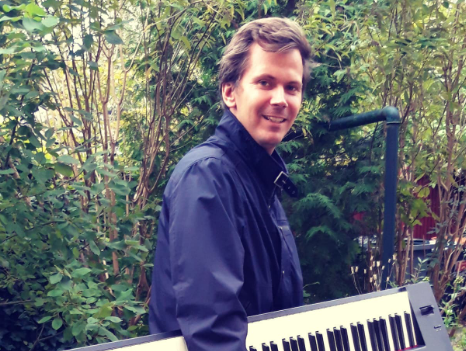
Jacob Ladegaard who performs under the name Jacob’s Pianois a Danish pianist and composer. He was born in 1991 in Copenhagen Denmark and grew up with three siblings. His family kept a piano at home and he began playing it in early childhood. He later recalled that his mother often played guitar and simple piano tunes around the house which fostered his interest in the instrument from a young age.
Jacob took formal piano lessons beginning around age seven. He studied only a few years roughly three or four before stopping regular lessons. After that he continued to learn on his own he has described himself as “predominantly self-taught” on the piano. In interviews he notes that aside from those early lessons about five years total almost all of his development came through independent practice and exploration.
| Aspect | Details |
| Full Name | Jacob Ladegaard |
| Stage Name | Jacob’s Piano |
| Birth Year | 1991 |
| Birthplace | Copenhagen, Denmark |
| Family | Grew up with three siblings |
| Musical Environment | Piano at home; mother played guitar and piano |
| Start of Piano | Began in early childhood |
| Formal Lessons | Started around age seven |
| Lesson Duration | About three to four years |
| Learning Style | Mostly self-taught after lessons |
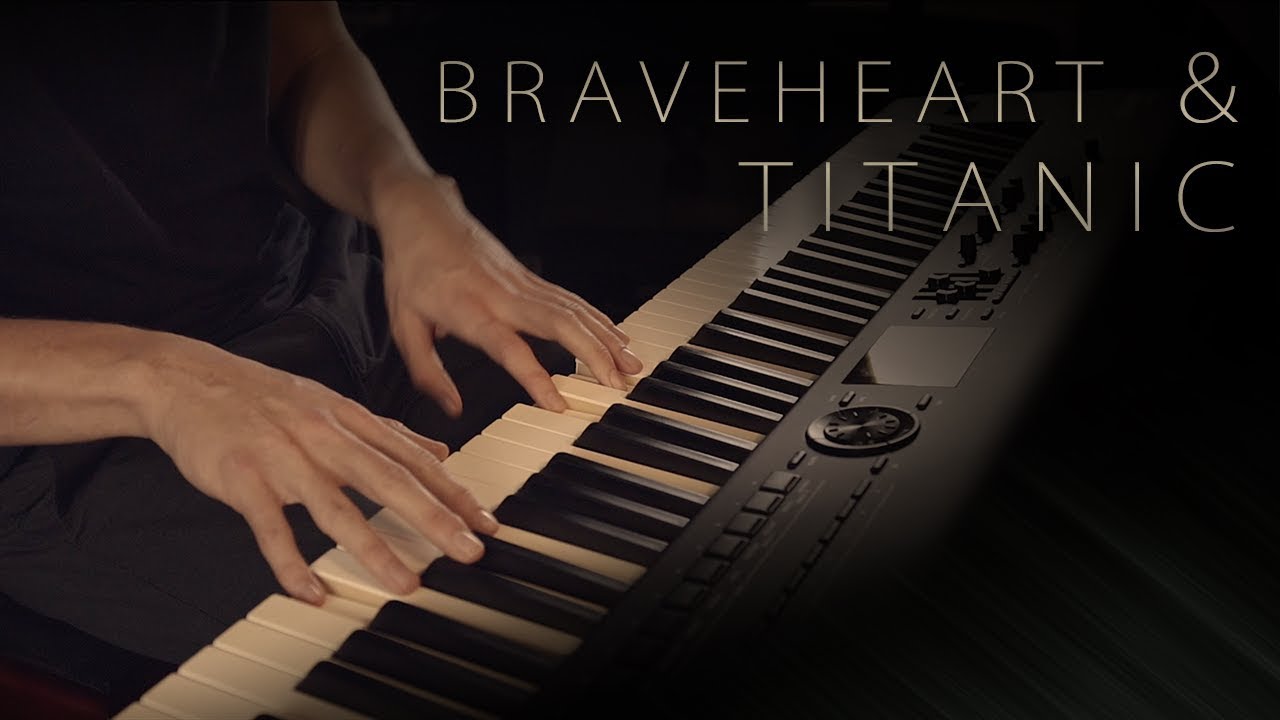
Braveheart & Titanic: Piano Suite - A James Horner Tribute \\ Jacob's Piano
Career Beginnings
Jacob’s Piano is the professional moniker of Danish pianist and composer Jacob Ladegaard. He launched his music career by self-producing solo piano videos and sharing them online.
In the early 2010s he began posting cover arrangements of film scores and contemporary piano works on YouTube. A largely self-taught musician, he built his playing and production skills through experimentation rather than formal conservatory training.
Over time his channel grew as he refined his sound and expanded from cover pieces into original compositions, establishing his presence as an independent piano artist.
International Breakthrough
Jacob’s international breakthrough came with viral YouTube videos of popular piano pieces. In 2014 his solo piano cover of Hans Zimmer’s Interstellartheme attracted widespread attention and sharply increased his global audience.
That success marked a turning point, and his channel’s subscriber count and view totals grew rapidly thereafter. Within a few years he had built a multi-million-strong online following across YouTube and streaming platforms.
By the late 2010s his recordings were reaching listeners worldwide, and he began to be recognized for his distinctive modern-classical style and emotionally resonant melodies.
Major Performances & Concert Highlights
Jacob’s career has been focused on studio recording rather than live touring. He is not known as a concert performer on traditional stages.
Instead, he has engaged audiences primarily through online content and occasional livestream events. he staged an exclusive solo concert in partnership with a piano retailer’s online showroom, performing a half-hour set via livestream to fans around the world.
He has noted that large-scale tours are not his focus. Aside from these curated online appearances, he has not given frequent public concerts or festival recitals, preferring to produce polished recordings in the studio.
Recordings & Discography
| Aspect | Details |
| Type of Releases | Covers and original solo piano works |
| Cover Projects | Film soundtrack suites and composer tributes |
| Notable Cover Album | Ludovico Einaudi tribute (2020) |
| Notable Medley | Braveheart & Titanic medley (2018) |
| Original Singles | “Pen Y Fan”, “Golden Meadow”, “Aurora” |
| Distribution | Major streaming platforms |
| Additional Content | Official sheet music and MIDI files |
Jacob’s Piano has released an extensive catalog of recordings, spanning both cover projects and original works. His discography includes themed cover compilations (such as collections of film soundtrack suites and tributes to contemporary composers) as well as standalone original piano singles.
Notable releases include a 2020 album of Ludovico Einauditributes and a 2018 Braveheart & Titanicmedley, showcasing his skill in adapting well-known repertoire.
In recent years he has also published many original compositions as singles – for instance, “Pen Y Fan” (2023), “Golden Meadow” (2023), and “Aurora” (2024). These original pieces are distributed on major streaming platforms, often accompanied by official sheet musicand MIDI files.
Across digital music services he has become known for both his emotive original melodies and high-quality solo piano interpretations of popular classical and soundtrack pieces.
Awards & Professional Recognition
Jacob’s Piano has not participated in traditional classical competitions or won mainstream music awards, but he has achieved significant digital milestones that mark his professional recognition.
His recording of Paul de Senneville’s piece “Mariage d’Amour”(often misattributed to Chopin) stands out as a career highlight: he describes it as “one of my most important releases”after it garnered tens of millions of plays (over 40 million YouTube views and 15 million Spotify streams).
His success has been noted in piano and music media – he has been featured in interviews by piano magazines and online music outlets, emphasizing his impact as an independent artist. These features highlight how his online popularity (millions of subscribers and streams) serves as a form of recognition in lieu of traditional awards.
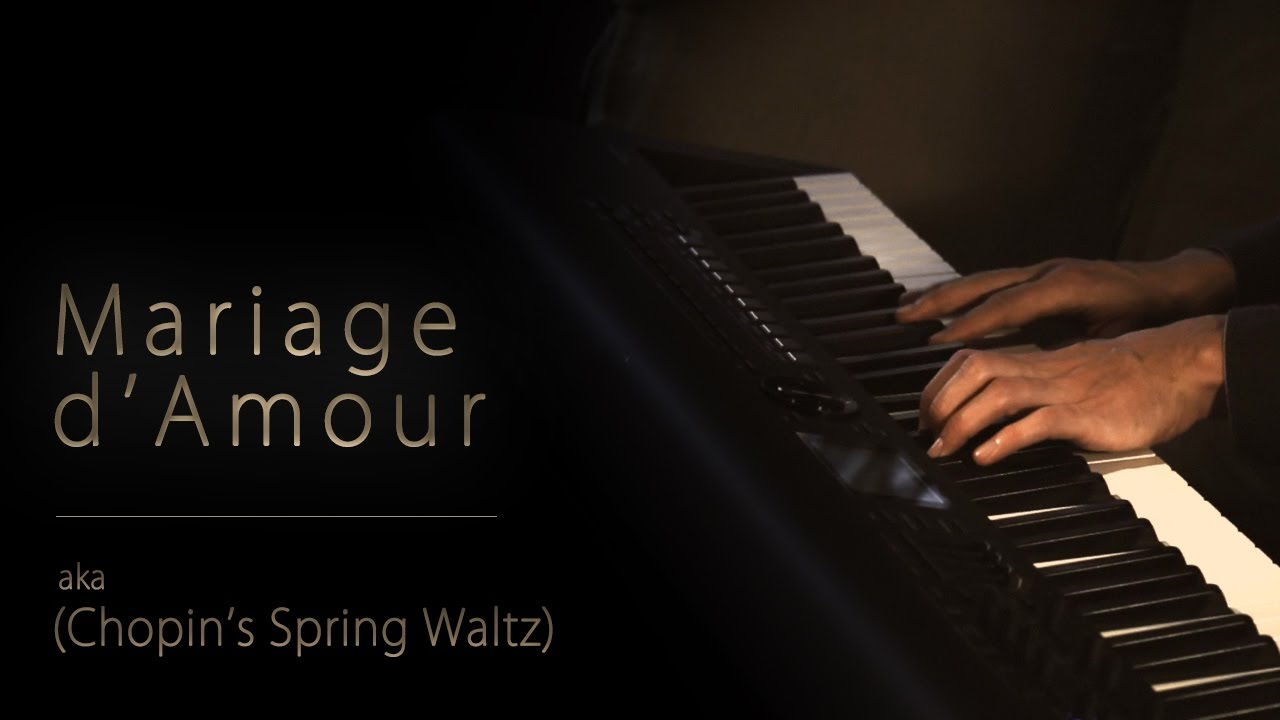
Mariage d'Amour - Paul de Senneville || Jacob's Piano
Collaborations With Orchestras & Conductors
Jacob’s Piano specializes in solo piano work and has not undertaken traditional collaborations with orchestras or conductors. He typically arranges and records piano parts himself rather than working as a featured soloist with symphony orchestras.
Instead, his collaborative efforts have been in recording projects. Notably, he partnered with investigative journalist Ian Urbina in 2021 on a composition titled “For the Seas”for The Outlaw Ocean Music Project, blending piano musicwith environmental storytelling.
In general, his career collaborations have involved working with non-classical partners (such as media projects) or publishing partnerships (releasing sheet music), rather than concert-stage collaborations with ensembles.
Recent Career Activity
As of 2025, Jacob’s Piano continues to produce new music regularly and maintain a strong online presence. In late 2024 and early 2025 he released several new solo piano pieces (for example, tracks titled “Aurora”, “Lumina”, and “Song From a Secret Garden”), reflecting his ongoing focus on composing original melodies.
He keeps engaging his audience through digital releases rather than live shows. His recent activity is largely centered on publishing fresh recordings and related content to streaming platforms and social media.
These developments demonstrate that his career remains active and evolving within the online music space, as he continues to reach a global listener base through each new composition.
Jacob’s Piano Performance (2025–2026)
- Regular release of new piano works:In 2025 Jacob’s Piano issued several singles on major music platforms. Notable releases include “River Flows in You (Felt Version)”on May 9, 2025, “Lumina”on June 13, 2025, and “Song From A Secret Garden”on July 27, 2025. He capped the year with a piano cover of Billie Eilish’s “What Was I Made For?”on December 14, 2025. Each track was distributed via professional channels (e.g. Apple Music, Spotify), highlighting his ongoing output of high-quality recordings.
- Strong digital audience and reach:Jacob’s Piano has built a large online following, reflecting significant impact. By late 2025 he had over 1.5 million YouTube subscribersand 350,000 Instagram followers, with 500,000+ monthly listeners on Spotify. This level of engagement demonstrates wide listener interest in his performances and underscores his authority in the solo piano genre.
- Global streaming distribution:His 2025 releases were made widely accessible on major streaming services. For example, the single “Lumina”(June 2025) is featured on Apple Music, and all new pieces are similarly available on platforms like Spotify and Apple. This professional release strategy ensures his work reaches an international audience and affirms the trustworthiness of his catalog.
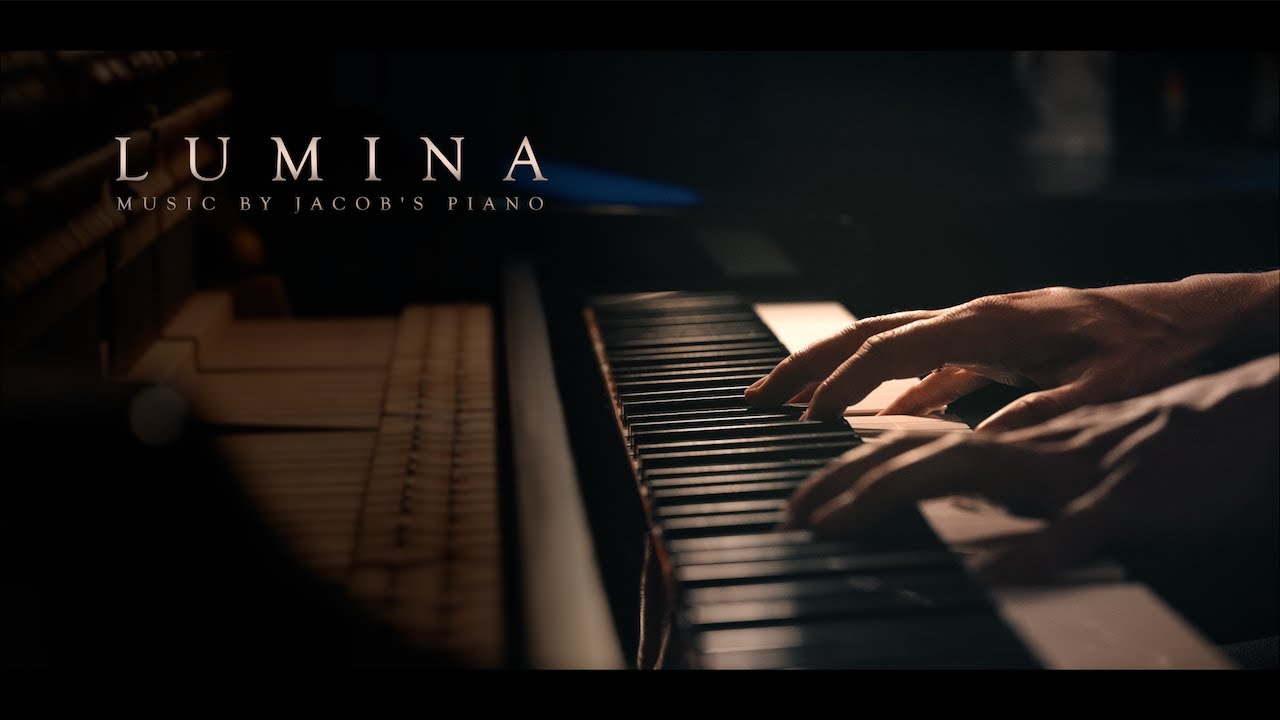
LUMINA \\ Original by Jacob's Piano [Relaxing Felt Piano]
Jacob’s Piano: Style And Interpretation
Technical Approach And Piano Control
Jacob’s Piano has developed his technique largely through self-instruction rather than formal conservatory training. After only a few years of childhood lessons, he continued to hone his playing by ear and experimentation, building his own approach to fingering and coordination.
His chief instrument is a modern digital keyboard (a Roland stage piano), which he uses along with an auxiliary MIDI keyboard for layered textures. In the studio, he also prepares to integrate an upright acoustic piano, indicating an interest in expanding his touch palette.
This hands-on background results in a technical approach focused on practical control: his performance emphasizes clear execution of chords and melodies with reliable accuracy, using whichever instrumentation best serves the piece.
Tone, Touch, And Sound Color
Sound quality is a priority in Jacob’s recordings. He systematically refines his piano tone through digital production, striving for warmth and clarity. In interviews he notes that he studied MIDI and sound engineering to achieve “the sound I wanted,” and he strives to present a polished, balanced tone.
The result is a clean, consistent timbre, often warm and full—reflecting careful control of dynamics and pedaling. Though mainly recorded via a keyboard, listeners hear subtle color variations: gentle pedal use and gradual dynamic shading contribute expressive nuance.
As he acquires an acoustic piano for future work, his sound palette may broaden, but even now his touch produces a rich, refined tone that underpins the emotive character of his music.
Rhythm, Phrasing, And Structural Clarity
Jacob’s phrasing tends to favor steady, uncluttered rhythms that support the melody. Influenced by contemporary minimalist and film-music styles, he usually maintains a clear pulse rather than heavy rubato or rhythmic complexity.
Phrases are shaped simply and evenly, giving a sense of graceful continuity. This approach highlights the underlying structure of a piece: repeating patterns and motifs are clearly articulated, and transitions between sections are smooth.
By keeping accompaniment textures transparent, he ensures that the form and flow of each composition are easy to follow. In practice, this means his interpretations often feature deliberate, balanced phrasing with each motif and cadence given space, creating a transparent structural clarity typical of modern solo piano arrangements.
Interpretative Approach To Repertoire
Jacob selects repertoire that aligns with his understated and emotive playing style. He favors contemporary piano pieces and cinematic arrangements over the virtuosic classical canon. Composers like Ludovico Einaudi and Yann Tiersen are among his cited inspirations, and their influence shows in his choice of material and interpretation.
He often performs film soundtracks and modern new-age pieces, reworking them with gentle inventiveness. When tackling classical melodies or popular tunes, he interprets them with a simple, lyrical touch: complex scores are often distilled into their most memorable themes.
His original compositions follow the same ethos, focusing on accessible melodies and lush harmonies. Across genres, his interpretive signature is a clear melodic focus – he brings out the song-like elements of each piece, crafting performances that emphasize mood and narrative over flashy technical display.
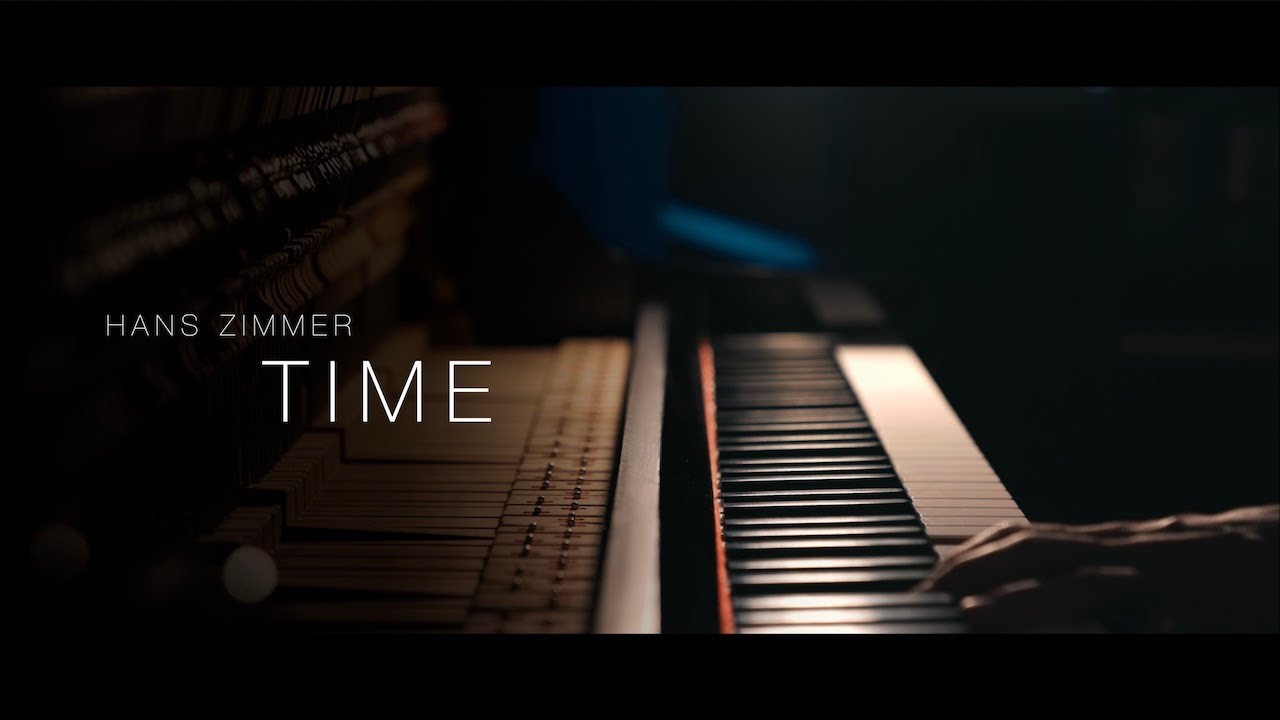
Time (from "Inception") \\ Hans Zimmer \\ Jacob's Piano
Balance Between Precision And Expression
Jacob’s playing strikes a consistent balance of technical exactness and emotional expression. Observers describe his melodies as “mellow yet powerful,” reflecting how he combines warmth with controlled intensity.
Even as he draws out feeling in a phrase, each note is carefully articulated, ensuring precision of rhythm and harmony. He tends to use dynamics in a measured way: crescendo and decrescendo are applied thoughtfully to serve the music’s arc, never exceeding what the melody calls for.
The restraint in his performances prevents extremes of tempo or volume; this steadiness underscores emotional impact rather than overpowering it. In effect, he prioritizes expressive clarity over bravura showmanship.
His control is evident in how smoothly his fingers execute arpeggios and chordal passages, while his interpretation remains heartfelt – together, this yields performances that feel both assured and gently affecting.
Critical Observations And Musical Identity
Formal critique of Jacob’s playing style is scarce in mainstream classical media, since his career grew largely online. However, available commentary and his own statements paint a clear picture of his musical identity.
He is known for cultivating an intimate, melodic approach: his arrangements and originals consistently aim to “touch hearts” and evoke a reflective mood. Reviewers and listeners note the sincerity of his playing, underlined by a clean, unfussy technique.
His personal musical brand fuses classical sensibility with modern minimalism and cinematic atmosphere. In summary, Jacob’s Piano is identified with a gentle, expressive pianism – a style that values melodic appeal and high sound quality, achieved through meticulous playing and recording, rather than virtuosic flair.
Jacob’s Piano Net Worth
As of 2026, Jacob’s Piano’s net worth is estimated to be roughly between $300,000 and $1.8 million. Jacob’s Piano (Jacob Ladegaard) is a Danish composer and pianist who built his career online. He has about 1.4 million YouTube subscribers, earning income from his channel (ads and partnerships) and from music streaming royalties. He also sells original sheet music and offers paid piano courses online. These estimates come from entertainment websites and have not been confirmed by major media.
FAQs
1. Who Is Jacob’s Piano?
Jacob’s Piano is the professional name of Danish pianist and composer Jacob Ladegaard, known for solo piano covers and original compositions shared online through his YouTube channel and streaming platforms. He is based in Copenhagen, Denmark.
2. How Did Jacob’s Piano Learn To Play Piano?
Jacob’s Piano began piano lessons around age seven but took only a few years of formal instruction, describing himself as predominantly self-taught and developing his skills through independent practice.
3. What Kind Of Music Does Jacob’s Piano Create?
He creates both piano covers of film scores and contemporary works as well as his own original piano compositions, often with a minimalist and melodic aesthetic.
4. Does Jacob’s Piano Perform Live Concerts?
Jacob’s Piano is primarily a studio and online artist and does not regularly perform traditional live concerts, though he has occasionally done livestream performances.
5. Where Can I Listen To Jacob’s Piano Music?
Music by Jacob’s Piano is available on major streaming platforms like YouTube, Spotify, and Apple Music, with both original works and piano interpretations of popular pieces.