A Few Useful Things To Know Before You Settle In
- You will see why the piano feels emotionally bigger than its size, even when a player is doing something technically simple.
- You will get both the heartfelt reasons people love it and the practical reasons they stay with it.
- You will see where the research supports common claims about the piano and where those claims get overstated.
- You will get a clear way to tell whether your love of piano is rooted in sound, structure, self-expression, or all three.
- You will leave with language you can actually use to explain why this instrument keeps calling you back.
You do not have to be a trained musician to feel drawn to the piano. I have seen complete beginners sit down, press a few notes, and quickly relax. There is something about the instrument that makes people feel music is not far away or out of reach. It is right there under their hands.
That is one reason this matters. The piano can make people feel able, expressive, and connected at the same time. Some of that is emotional, and some of it is practical, and the real magic happens where those two come together.
The Piano Feels Like A Full Musical World In One Instrument
This is where the piano wins people over fast. You do not just hear a line on the piano. You hear a whole space around the line. Even a simple left-hand pattern under a melody can feel complete.
That completeness matters more than many non-players realize. On a violin, flute, or trumpet, a single melodic line can be beautiful, but it usually suggests harmony rather than carrying it all by itself. On the piano, your left hand can support the right hand instantly. A few well-chosen notes can create a mood so clearly that even beginners feel they are making actual music rather than isolated exercises.
In my experience, this is one of the great emotional tricks of the instrument. The piano rewards you early with a sense of fullness. You do not need an ensemble to hear structure. You do not need advanced technique to glimpse beauty. A child pressing a low note and then a cluster of higher tones can already hear space, weight, and contrast.
This practical design also explains why the piano has remained central to Western music for centuries. The piano was valued partly because it could respond to touch with different loudness, unlike the harpsichord, and that dynamic responsiveness is still at the heart of its appeal. Cristofori’s invention mattered because it gave players expressive control, not just pitches.
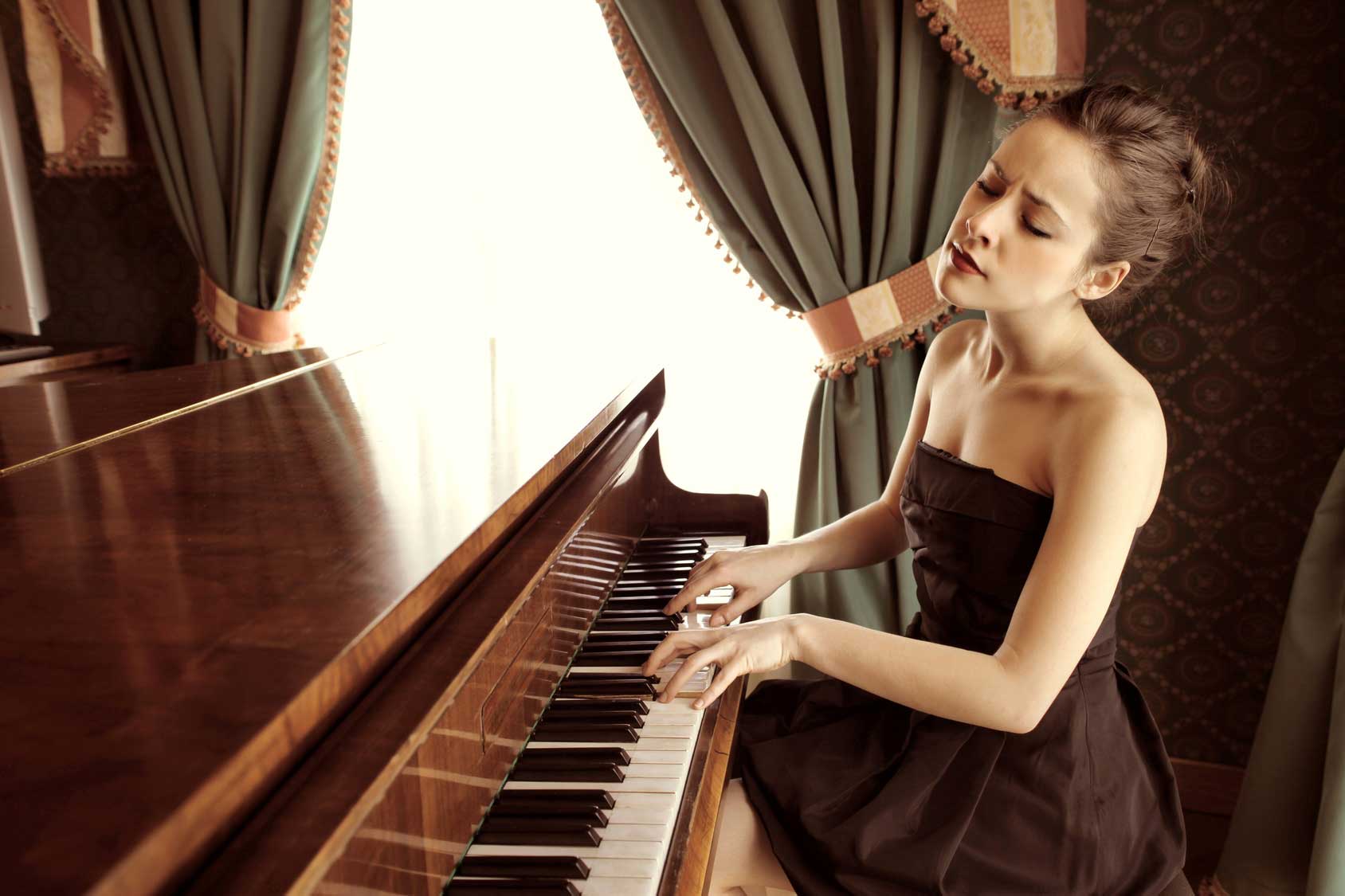
Why The Piano Sounds So Emotional
The piano has breadth. It reaches from low, resonant bass to bright upper tones on one keyboard. A standard modern piano has 88 keys, and the whole layout invites dramatic contrast between register, weight, and color. Piano Dayitself is celebrated on the 88th day of the year as a nod to the 88 keys on a standard piano.
But range alone is not the full story. What makes the piano feel emotional is the combination of:
- Dynamics: The ability to shape loud and soft through touch.
- Harmony: Multiple notes sounding together create tension, warmth, ambiguity, or release.
- Sustain: Tones can ring and blur into one another, especially with the pedal.
- Timing: Tiny hesitations or pushes can make a phrase sound tender, urgent, or grieving.
- Register contrast: Low notes can feel grounded or ominous, while upper notes can feel fragile or luminous.
I often think of the piano as an instrument that makes feeling visible. On some instruments, expression is wrapped inside technique so tightly that beginners can struggle to access it. On the piano, expression arrives early. A slower chord, a gentler attack, a simple broken pattern, and suddenly the room changes.
That is why people who say they “love the sound of the piano” are usually reacting to more than beauty. They are reacting to the instrument’s ability to carry conflicting emotions at once. The piano can sound clear but haunted, powerful but lonely, warm but unresolved. Few instruments let you hold those emotional shades so easily inside one gesture.
That is also why piano musicshows up so often in love songs, reflective playlists, film scores, and quiet listening sessions. The instrument does not just accompany emotion. It can suggest interior life with very little material.
Why The Keyboard Feels Approachable, Even To Beginners
A lot of people love the pianobefore they can play it well because the keyboard makes musical relationships feel visible. That matters more than it gets credit for.
The piano’s black-and-white layout gives you repeated visual patterns across the instrument. You can see groups of two black keys and three black keys. You can locate middle areas. You can begin to understand steps, skips, and chords without having to decode an invisible system. For beginners, that visual logic lowers anxiety.
I have seen this again and again with adult returners. They may say, “I forgot everything,” but when they sit down, the keyboard still feels legible. Even after years away, the structure is there waiting for them. That is a powerful emotional advantage. The instrument greets you with order.
The keyboard also helps explain why the piano is often used to teach basic music theory. Intervals are visible. Chords are easier to build and compare. Major and minor patterns can be felt in the hand and seen in the layout. None of this makes piano trivial. It makes it teachable. That is also part of what people mean when they talk about the effects of piano lessons on the brain, since the instrument trains memory, coordination, pattern recognition, and attention in a very direct way.
There is an important distinction here. The piano is not “easy” in the sense that mastery comes quickly. It is demanding, and an advanced repertoire asks for independence, control, rhythm, voicing, memory, and endurance. What the piano offers is clarity at the beginning. Beginners can produce something recognizable before they have mastered the instrument.
That early success matters. Love often needs reinforcement. A player who gets small moments of reward early is more likely to stay long enough to form a real bond. The piano is unusually good at creating those moments. The piano invites you in before it tests you.
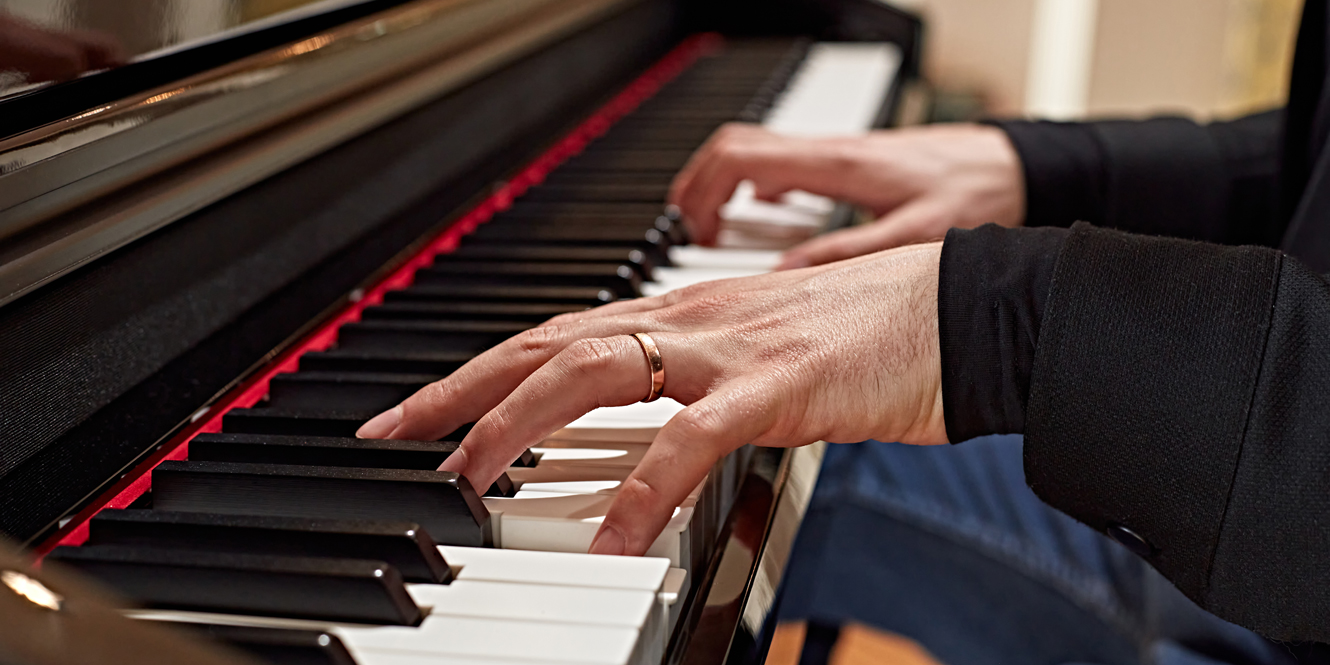
Why People Stay Loyal To The Piano For Years
If the keyboard helps people begin, the repertoire helps them stay. Piano players rarely run out of road. This is one of the instrument’s quiet strengths. The piano can accommodate almost any stage of musical life.
It can be a child’s first instrument, a teenager’s creative outlet, an adult’s return to structure, or a lifelong private practice. That range of use is one reason the instrument stays culturally central.
The piano carries a major share of Western solo music, from Bach transcriptions and Classical sonatas to Chopin nocturnes, Liszt showpieces, jazz standards, pop arrangements, church music, film themes, and modern ambient pieces. Even readers who do not know the names of composers usually know the feeling of sitting down and finding that the instrument has room for their taste.
Here is another practical reason loyalty grows because the piano works beautifully alone. If life gets busy, you do not need to coordinate with a group to keep music in your life. You can play for ten minutes, forty minutes, or an hour. You can practice scales, sight-read quietly, accompany yourself, improvise, or just repeat one progression until your breathing slows down.
That self-sufficiency is more important than it sounds. Many adults who return to music need an instrument that fits ordinary life. They are not looking to become virtuosos. They want a form of expression that can survive a crowded calendar. The piano often does that better than instruments that require setup, embouchure conditioning, ensemble schedules, or more specialized tuning habits.
I have watched people come back to the piano after fifteen or twenty years and feel embarrassed at first. Then they realize something beautiful: the relationship was paused, not erased. The instrument still meets them where they are. That is the kind of loyalty the piano inspires. It is demanding, yes, but it is also patient.
The Emotional Experience Of Playing Piano Is Different From Simply Hearing It
Listening to the piano can be deeply moving. Playing it is a different kind of intimacy. This is worth spelling out because many readers are trying to understand not just why the piano sounds beautiful, but why it feels beautiful to make. The answer is partly physical. When you play piano, your body becomes the source of timing, weight, and color. The sound is not just arriving at you. It is leaving you.
That creates a special loop between feeling and form. You press, you hear, you adjust, you breathe, you try again. Even simple practice can feel like a conversation between emotion and structure. A repeated pattern steadies you. A phrase gives shape to something hard to say. A cadence provides closure you may not be finding elsewhere that day.
I often describe piano practice as one of the most civilized ways to be intensely emotional. The instrument lets you pour feeling into timing and touch without asking you to become chaotic. In fact, the act of organizing feeling through rhythm and harmony is part of what makes the piano so calming for many people.
That said, it is wise to stay honest. Piano is not automatically relaxing every minute. Sometimes practice is frustrating. Sometimes your hands feel clumsy, and your ear feels sharper than your technique. But even that tension can deepen attachment. The piano gives you a way to wrestle with something meaningful.
For many players, that is the real love story. The piano is not a passive comfort object. It is a partner in concentration. It asks for presence, and in return, it gives you a kind of presence back.
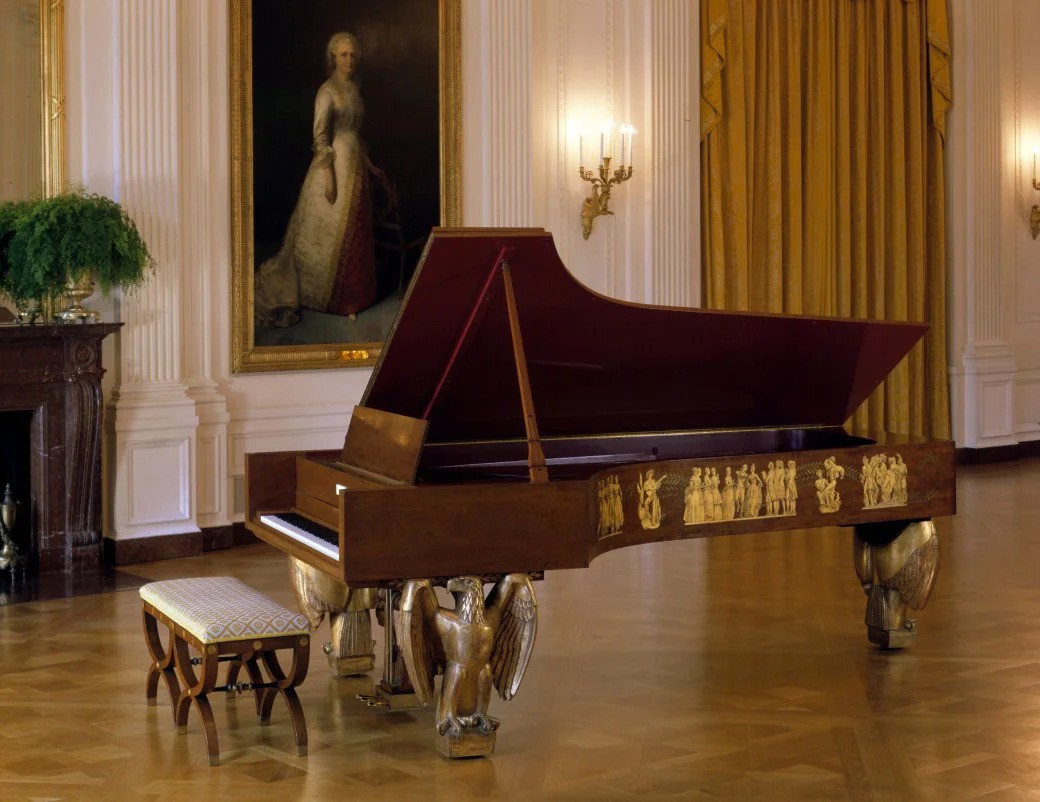
The Instrument Itself Is Beautiful Before You Even Play A Note
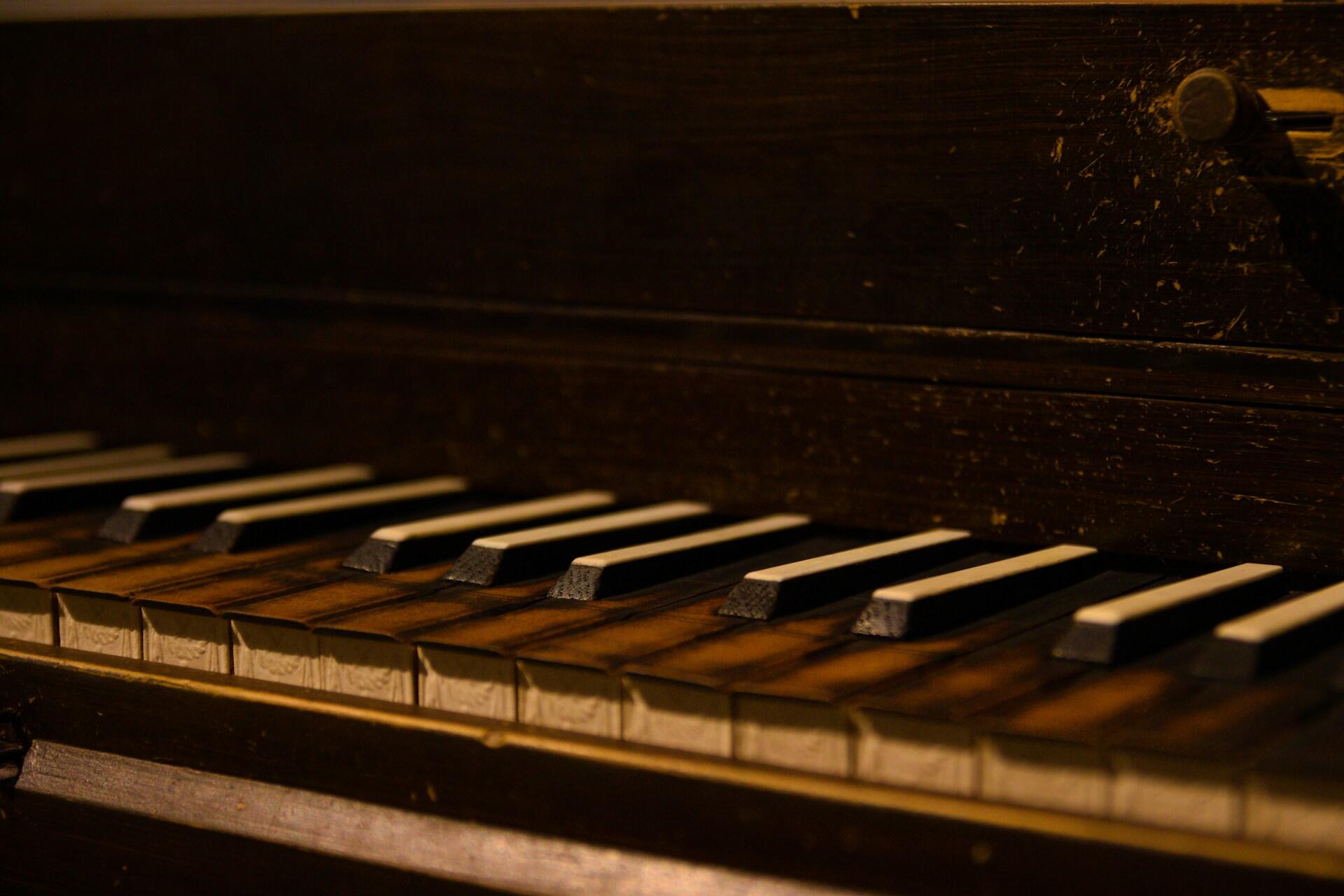
The piano has a visual presence that shapes attachment long before technique enters the picture. This is not just about luxury or status, though grand pianoscertainly carry cultural symbolism. It is about form, expectation, and ceremony. A piano changes the feeling of a room because it suggests that sound matters there. It suggests listening, gathering, studying, and memorizing.
Historically, that role is not accidental. The piano rose to enormous prominence partly because it became a central household instrument. The history of the instrument begins with Cristofori, who is generally credited with inventing the piano, and the early innovation that made it special was expressive control through touch. The Musical Instrument Museum traces the piano’s development across centuries, including the gradual growth into the standard 88-key modern form.
Even upright pianos, which are more accessible for many homes, carry some of that same presence. They are not background objects. They ask something of the room. They invite a pause. They imply that someone might sit down and make meaning out of silence.
I think this is one reason people who no longer play still feel attached to the instrument. A piano is not neutral furniture; it stores association, it reminds people of lessons, parents, grandparents, recitals, Christmas songs, half-finished pieces, the smell of old wood, and the hush before the first note. For many families, the piano becomes part of the emotional architecture of the home.
That aesthetic dimension can sound superficial if handled poorly. It is not superficial when linked to memory and ritual. The beauty of the piano is not only that it looks elegant. It looks like an occasion.
Signs The Piano Might Be Your Instrument
Use this checklist honestly. You do not need every box. Two or three strong yes answers are often enough.
Signs The Piano May Be The Right Fit For You
- You want an instrument that sounds complete on its own. You like hearing harmony and melody together, not just a single line.
- You are drawn to visible structure. Patterns, shapes, and spatial logic help you learn.
- You want emotional range. You want an instrument that can feel private, cinematic, playful, solemn, or intense without changing instruments.
- You like the idea of solo music-making. You want something you can play without relying on a group.
- You keep returning to piano-heavy music. Film scores, ballads, jazz trios, soft instrumental playlists, and classical piano pieces hold your attention.
- You want an instrument that can grow with you. You are not just looking for a short novelty. You want depth.
- You enjoy both precision and feeling. The combination of discipline and expression appeals to you.
- You are returning to music after a time away. The keyboard feels familiar, even if your skills are rusty.
In my experience, the biggest green flag is not raw talent. It is a repeated attraction. If you keep circling back to the piano, there is usually a reason. People often talk themselves out of that reason because they think love must be justified by achievement. It does not. Sometimes the instrument fits you before you can prove anything on it.
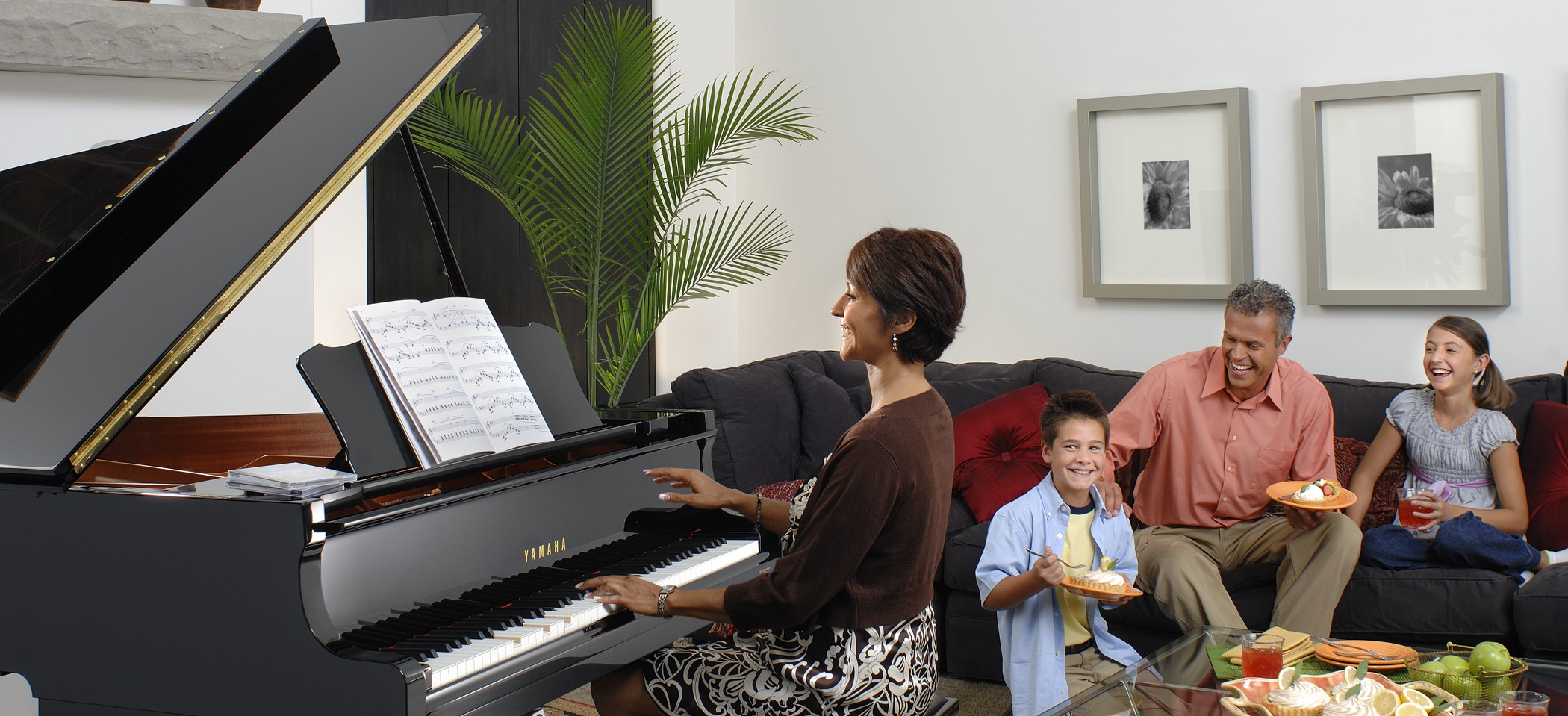
Listening To Piano And Playing Piano Serve Different Kinds Of Love
This distinction helps readers who adore piano music but are unsure whether that means they should learn to play.
Listening to the piano is a receptive love. You let the instrument carry emotion to you. This is why the piano is so effective in reflective listening, love songs, ambient playlists, and film music. The sound is harmonically rich but rarely cluttered. It leaves room for the listener’s own memory and mood. That is also why even small rituals, like using wireless headphones for classical music, can make piano listening feel more intimate and personally absorbing.
Playing piano is participatory love. You not only receive the mood, you help build it. That makes the relationship more active and sometimes more intense.
A simple comparison makes this easier to see:
Listening To Piano Vs Playing Piano
| Listening to piano | Playing piano |
| You receive the emotional atmosphere | You shape the emotional atmosphere |
| The body is mostly passive | The hands, ears, attention, and timing are engaged |
| It can soothe, focus, or move you | It can soothe, focus, challenge, and express you |
| It asks for openness | It asks for openness and effort |
| It is easy to access instantly | It grows more rewarding over time |
What People Often Get Wrong About Loving The Piano
The first myth is that you need exceptional talent to have a meaningful relationship with the piano. You do not. Talent changes the speed and shape of progress, but love of the instrument can exist at every level. Many devoted piano lovers are not virtuosos. They are thoughtful amateurs, returning adults, teachers, accompanists, church musicians, composers, or private players who simply keep showing up.
The second myth is that if practice is sometimes frustrating, you must not truly love the piano. That is not how long relationships work. Frustration is part of investment. In fact, some of the strongest attachments I have seen belong to people who know the instrument is difficult and come back anyway.
The third myth is that only a grand piano creates a real piano experience. Grand pianos are magnificent, yes, but a meaningful connection does not require one. Uprights, digitals, and modest home setups can still support serious musical life. The emotional truth of piano playing lives more in attention and touch than in prestige.
The fourth myth is that piano love is old-fashioned. This one always amuses me. The instrument is historical, but it is not trapped in history. Piano remains central in contemporary songwriting, film scoring, jazz performance, worship music, therapy settings, music education, and online culture. Its cultural role changes shape without disappearing.
Here is the deeper correction beneath all those myths: loving the piano is not elitist unless people make it so. At its best, the piano is one of the most democratic serious instruments. A beginner can touch it and hear the possibility immediately. An expert can spend fifty years on it and still find mystery.
Why The Piano Keeps Mattering Across Generations
People want instruments that can hold memory. They want sounds that can express feelings without requiring explanation. They want forms of skill that reward patience. They want something in the home, or in the mind, that feels larger than daily noise. The piano meets all of those needs unusually well.
Historically, it has adapted without losing identity. It moved from court and salon culture into homes, schools, churches, clubs, studios, concert halls, and digital environments. It belongs to formal training and casual creativity. It can anchor a symphony hall or a tiny apartment practice session.
Its durability also comes from balance. The piano is structured but not rigid, emotional but not vague, serious but not inaccessible. That balance makes it legible across generations. A grandparent, a teenager, and a working adult can all love the same instrument for different reasons and still be talking about the same thing.
Frequently Asked Questions
Why Do Pianists Often Become Emotionally Attached To Specific Pieces?
Because pieces become tied to seasons of life. A song or work can store memory, effort, grief, growth, or comfort in a way that feels intensely personal when you play it again.
Does A Digital Piano Still Give You A Real Connection To The Instrument?
Yes, especially for practice, consistency, and musical growth. The feel differs from that of an acoustic piano, but a meaningful relationship with the keyboard can still be completely real.
Why Do Piano Players Talk About The Instrument As If It Has A Personality?
Because different pianos respond differently in tone, touch, weight, and resonance. Players experience those differences almost like temperaments, especially after spending time with many instruments.
Can Loving The Piano Come More From Composing Than From Performing?
Absolutely. Some people bond with the piano because it is an ideal thinking tool for harmony, songwriting, and musical sketching, even more than for polished performance.
Why Does Piano Work So Well For Private Music-Making?
It offers enough range, harmony, and dynamic control to feel complete in solitude. You can play quietly for yourself and still feel artistically satisfied.
Final Thoughts On Why The Piano Stays Unforgettable
The piano stays in people’s lives because people can love it in many ways. It gives beauty to people who listen, hope to beginners, comfort to adults who come back to it, and endless challenge to serious players. It can be a quiet friend, a way to express feelings, a daily practice, a safe place, or a source of new ideas.
If you keep feeling drawn to the piano, you do not need a big reason. Sometimes love for it begins with one chord, one memory, one room, or one melody that stays with you. Over time, that feeling becomes stronger. It is not just enjoying a beautiful sound. It is trusting something that continues to give you something meaningful. That is why people love the piano. It makes space for who you are now and who you may become.
Read Also: How To Make Piano Learning Easier And More Enjoyable