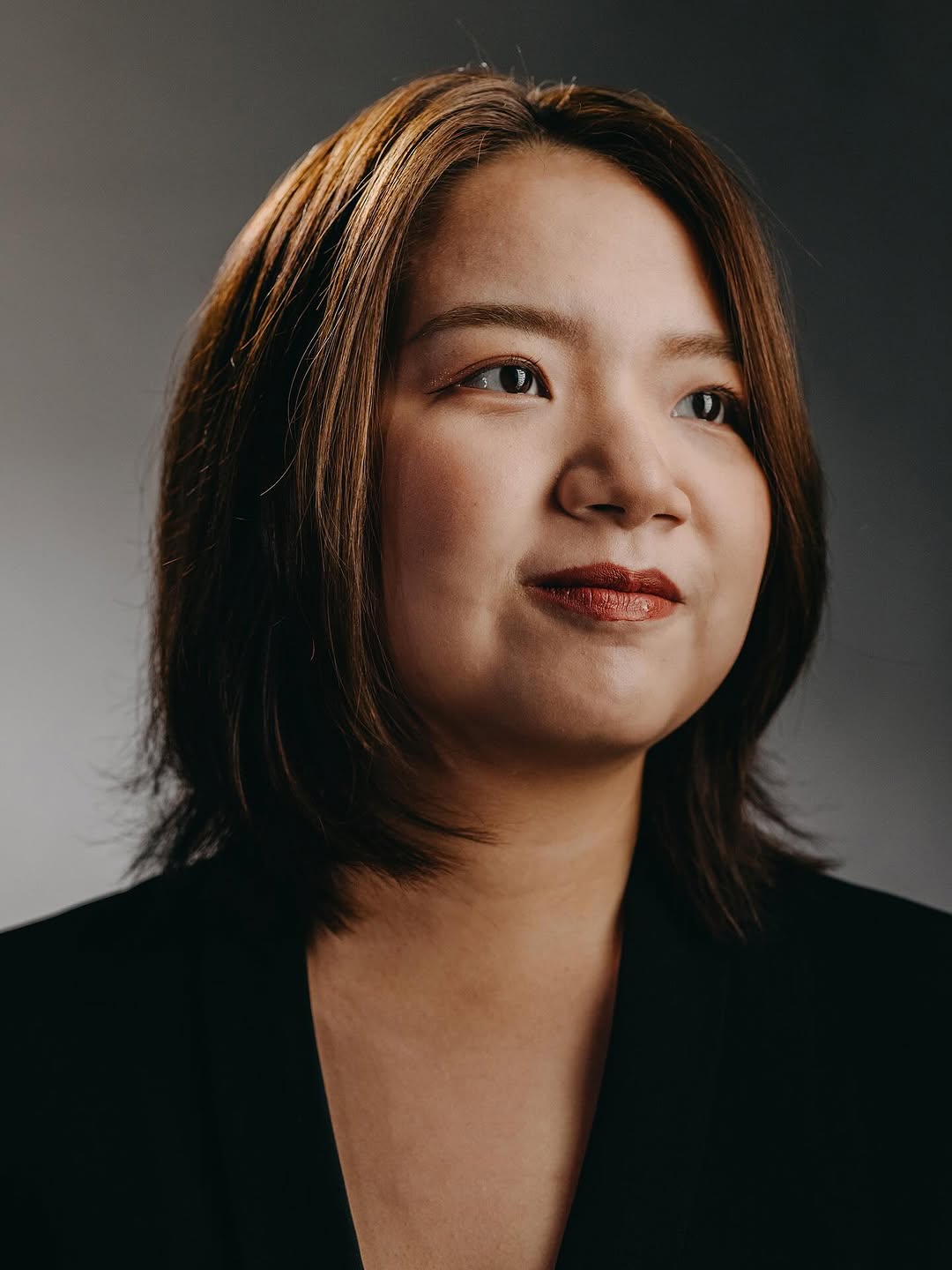
Zitong Wangwas born on 3 February 1999 in Hohhot, the capital of China’s Inner Mongolia region. She grew up in a musically inclined family (described as a “piano family”) in Inner Mongolia. Wang began piano lessons at age three, first receiving instruction from her maternal grandfather.
In childhood Wang studied at the Central Conservatory of Music’s affiliated schools in Beijing. There she was taught by noted piano teachers Chang Hua and Sheng Yuan. At age 13 she gave her first solo recital in Beijing. That same year (2012) she enrolled at the Curtis Institute of Music in Philadelphia to continue her music education.
| Aspect | Details |
| Birth | Born on February 3, 1999, in Hohhot, Inner Mongolia, China |
| Family Background | Grew up in a musically focused piano-oriented family |
| Start of Piano Training | Began piano lessons at age three |
| First Teacher | Initially taught by her maternal grandfather |
| Early Education | Studied at Central Conservatory of Music affiliated schools, Beijing |
| Main Teachers | Trained by Chang Hua and Sheng Yuan |
| First Recital | Gave first solo recital in Beijing at age 13 |
| Advanced Studies | Entered the Curtis Institute of Music, Philadelphia, in 2012 |
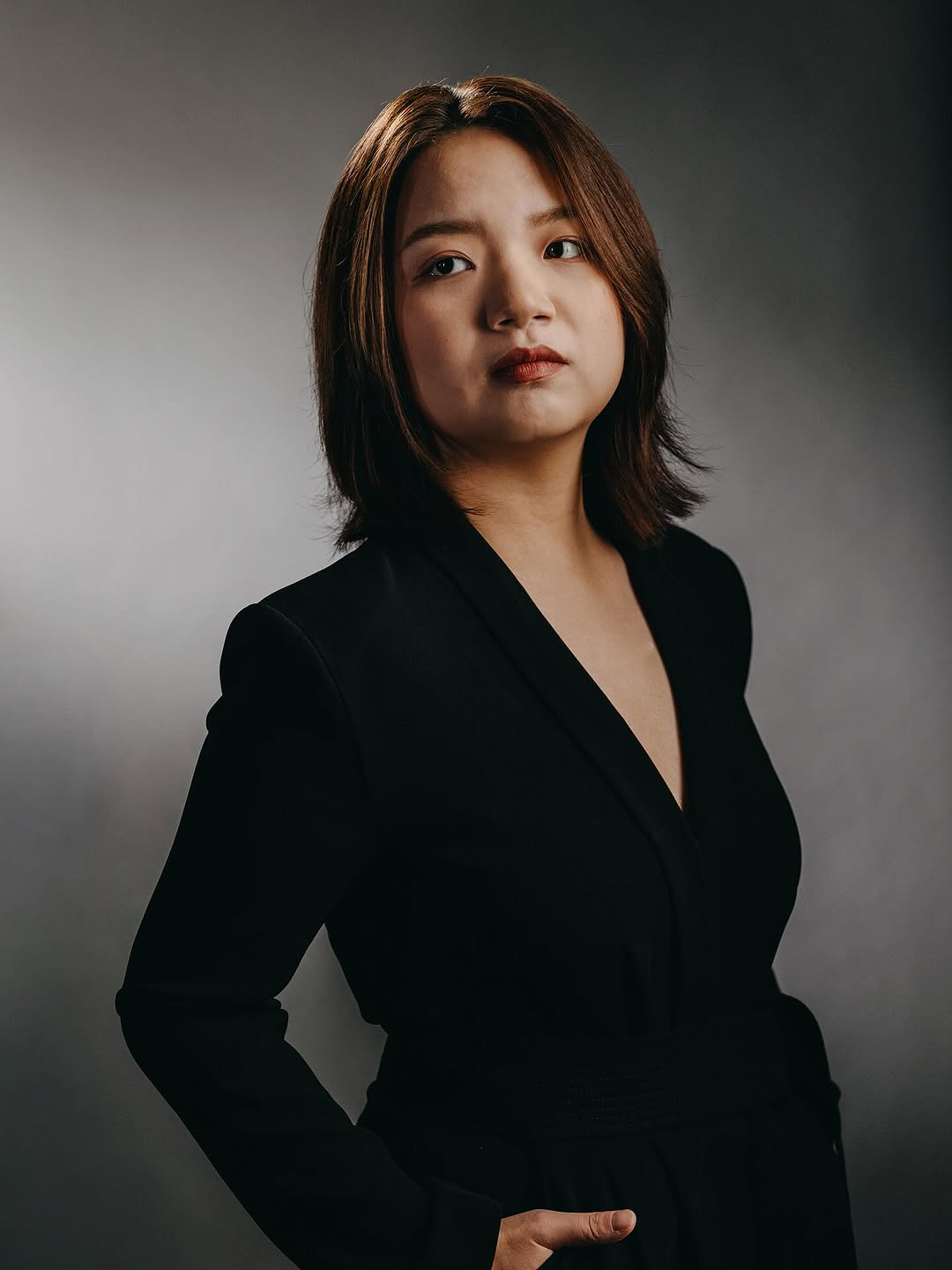
Career Beginnings
Zitong Wang emerged early as a remarkable young pianist. She made her solo recital debut at age 13 in Beijing’s Forbidden City Concert Hall and soon won top prizes in youth competitions.
In 2010 she took First Prize at the Rosalyn Tureck International Bach Competition(New York) and won the Virginia Waring International Piano Competition.
By 2014 she had earned Second Prize in the Thomas and Evon Cooper International Competition. These victories established her on the international competition circuit and laid the foundation for her professional career.
International Breakthrough
In the following years Wang’s career progressed through major international contests. In 2020 she won First Prize at the Princeton International Piano Competition in the USA.
She then captured First Prize (and a special Chopin performance award) at the Ferrol International Piano Competition in Spain (2022) and a Sixth Prize (plus Best Contemporary Piece) at the Ferruccio Busoni Competition in Italy (2023).
The true international breakthrough came in October 2025, when Wang won Third Prize at the 19th Fryderyk Chopin International Piano Competition in Warsaw.
In addition to the main prize, she was honored with the Krystian ZimermanAward for the best performance of a Chopin sonata.
Reflecting on her Chopin success, Wang said, “I feel very honored – this is such a great privilege… I’m still just digesting all of this.”
She noted especially the emotional significance of playing Chopin’s Sonata No. 2, a work she has known since youth, and called receiving the Sonata Prize “very, very honorable.”
Major Performances & Concert Highlights
| Competition | Result |
| Rosalyn Tureck International Bach Competition (2010) | First Prize |
| Virginia Waring International Piano Competition | First Prize |
| Thomas and Evon Cooper International Competition (2014) | Second Prize |
| Princeton International Piano Competition (2020) | First Prize |
| Ferrol International Piano Competition (2022) | First Prize and Best Chopin Performance Award |
| Ferruccio Busoni International Piano Competition (2023) | Sixth Prize and Best Contemporary Piece Award |
| Chopin International Piano Competition (2025) | Third Prize and Krystian Zimerman Sonata Award |
Wang has built an active concert career with recitals and concerto appearances around the world. She has given solo recitals at major venues such as Beijing Concert Hall and the Shenzhen Bay Opera in China, as well as Steinway Hall in New York City.
Additional recital venues include Severance Hall in Cleveland, Philadelphia’s Verizon Hall, and the Shanghai Oriental Arts Center.
As a concerto soloist she has appeared with many orchestras, including the Philadelphia Orchestra, the Cleveland Orchestra, the New Jersey Symphony Orchestra, the Galicia Symphony Orchestra (Spain), the Hangzhou Philharmonic (China), the Yakima Symphony (USA), and the Waring Festival Orchestra.
In these engagements she has performed repertoire ranging from Chopin’s concertos to standard Romantic and 20th-century works.
A committed communicator, Wang emphasizes the emotional connection in performance, saying “Performing is about human connection… If someone can feel even just one of those moments in my performance, I would be very, very happy.”
Recordings & Discography
To date Wang has not released a commercial solo album. However, many of her live performances have been documented by broadcasters and online platforms.
The Chopin Competition performances (including her final-round concertos) were streamed and recorded for international broadcast.
Other recitals of hers have appeared on classical media services – for example, her performances have been featured on digital music platforms (such as Stage+ and Amadeus.TV) and on public radio and television (e.g. stations like WRTI and WHYY).
These recordings provide exposure for her artistry, even in the absence of a studio CD release.
Awards & Professional Recognition
- 2025– Third Prize and Krystian ZimermanSonata Award at the XIX Fryderyk Chopin International Piano Competition (Warsaw, Poland).
- 2022– First Prize and the Nelson Freire Prize (best Chopin performance) at the XXXIII Ferrol International Piano Competition (Spain).
- 2020– First Prize at the Princeton International Piano Competition (USA).
- 2010– First Prize at the Rosalyn Tureck International Bach Competition (New York, USA).
- Year N/A– First Prize at the Virginia Waring International Piano Competition (USA).
- 2014– Second Prize at the Thomas and Evon Cooper International Competition (USA).
- 2023– Sixth Prize (and Prize for Best Contemporary Piece) at the 64th Ferruccio Busoni International Piano Competition (Italy).
These awards and prizes highlight Wang’s growing reputation. In particular, her 2025 Chopin Competition medals placed her among the competition’s most notable young laureates.
Collaborations With Orchestras & Conductors
Wang’s orchestral work has involved collaborations with distinguished conductors. Notably, she performed with the Philadelphia Orchestra under Jahja Lingand with the Cleveland Orchestra under Xian Zhang.
Other conductors she has worked with include Lina González-Granados, José Trigueros, and Yang Yang, leading ensembles such as the Galicia and Hangzhou orchestras.
In chamber music settings, she has played with artists like cellist Roberto Díazand violinist Meng-Chieh Liu.
Through these collaborations, Wang has expanded her musical experience with different ensemble styles and repertoire.
Recent Career Activity
Following her Chopin Competition success, Wang immediately participated in laureates’ concerts.
On October 29, 2025 she appeared at the Berlin Philharmonie’s Chamber Music Hall in the official Chopin laureates concert, performing Chopin mazurkas and a scherzo alongside her fellow prizewinners.
She also took part in the competition’s closing ceremony concerts in Warsaw. These engagements have marked the beginning of a busy 2025/26 season.
Building on her competition profile, Wang is currently accepting concert engagements and planning future recital and concerto performances.
Her recent achievements have led to invitations from concert presenters, and she is expected to continue touring internationally with recitals and orchestral appearances in the coming months.
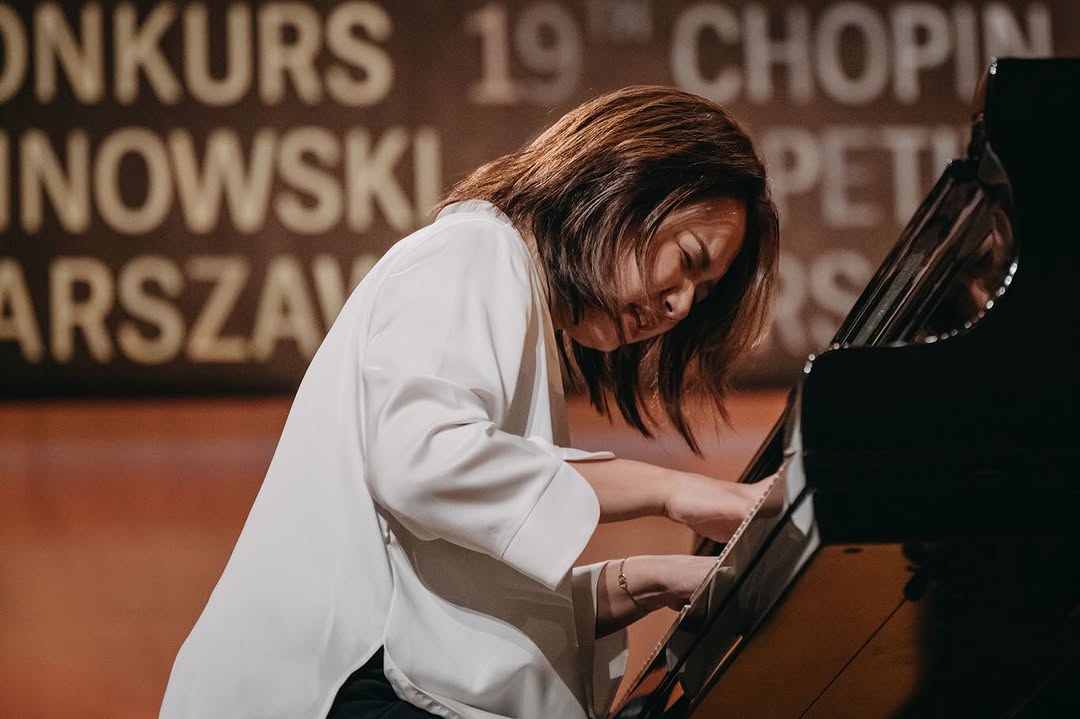
Zitong Wang Performance (2025–2026)
- Chopin Competition Final(Warsaw, Oct 2025):Wang delivered Chopin’s Piano Concerto No.1 in E minor with conductor Andrzej Boreykoand the Warsaw Philharmonic Orchestra. This final-round concert took place on Oct 19, 2025 at the sold-out Warsaw Philharmonic Concert Hall, part of a three-day Chopin Competition finale. All 11 finalists each performed a concerto and a solo piece in these finals.
- Chopin Laureates Tour (Shanghai, Nov 2025):She joined fellow winners Eric Luand Kevin Chenfor a Chopin recital at Shanghai Symphony Hall on Nov 29, 2025. In this concert (part of the Chopin Competition laureates’ tour), she presented Chopin works alongside the first - and second-prize laureates in China’s premier symphonic venue.
- Japan Prizewinner Concerts (Tokyo & Nagoya, Jan 2026):In Tokyo (Jan 27–28, 2026) at the Tokyo Metropolitan Theatre she performed Chopin’s Piano Concerto No.1 in E minor (Op.11) and Fantaisie in F minor (Op.49), accompanied by the Warsaw Philharmonic under conductor Antoni Wit. On Jan 31, 2026 she appeared at the Aichi Prefectural Art Theater in Nagoya, playing Chopin’s Piano Sonata No.2 in B minor (Op.35). These gala concerts (organized by Japan Arts) featured all Chopin Competition laureates and highlighted her role in the winner’s recital series.
Zitong Wang: Piano Style And Musical Interpretation
Technical Approach And Piano Control
Observers note that Wang’s technique combines clarity with agility. She executes fast passages with precision and control critics highlight her “brilliant execution of lively, agile passages”.
Her articulation is notably clear: she deliberately pursues a “sense of lightness and articulation” in the upper register, ensuring each note speaks cleanly even in rapid figures.
Reviewers also emphasize her evenness of touch and rhythmic control, allowing smooth transitions between fast and slow sections.
Wang’s studied control of dynamics and tempo gives her performances a stable foundation, so that speed and spark are always underpinned by solid technique.
Tone, Touch, And Sound Color
Wang’s tonal palette is rich and varied. She balances brightness and warmth by shaping sound with a sensitive touch.
Judges observed that she has a “personal approach to handling soft and delicate tones through her touch”, producing a singing, refined tone in quiet passages.
At the same time, she deliberately seeks brilliance in the upper register and depth in the bass not merely loudness, but “different character in every octave”.
Critics describe her tone as poised and elegantly balanced: in one Chopin variation set, a reviewer noted that she combined “youthful charm” with “poise and classical balance,” making the music gleam anew under her fingers.
Overall, her touch creates both clarity and warmth, from crystal-clear high notes to singing legato lines.
Rhythm, Phrasing, And Structural Clarity
Rhythmic subtlety and clear phrasing are hallmarks of Wang’s style. She often employs a flexible sense of timing to shape musical sentences judges praised her “unique sense of timing” in performance.
For example, in Chopin mazurkas she captures the dance rhythms with nuance: one critic observed that she “caught the dance’s pulse with delicate variability,” gently suggesting the characteristic mazurka accents rather than pounding them.
Larger-scale structures are equally well defined. In sonatas and cycles, reviewers note her strong sense of form and architecture.
In the B-flat minor Sonata she played, Wang maintained solid “structural integrity” across movements, balancing forward momentum in scherzos with composure in slow movements.
By balancing elasticity in local phrasing with firm awareness of overall form, she keeps the music coherent from start to finish.
Interpretative Approach To Repertoire
Wang’s interpretations are thoughtful and varied across repertoire. She often programs a broad mix of pieces, and she treats each genre on its own terms.
For instance, her Chopin recital combined nocturnes, mazurkas, a sonata, a waltz, variations and a scherzo an eclectic program noted by observers for its bold construction.
In performance, Wang approaches dance pieces (like mazurkas) as poetic miniatures rather than literal dances, bringing out their inner character and narrative.
In larger Romantic works (sonatas, concertos), she emphasizes emotional depth and structure: commentators have remarked on the maturity and coherence of her sonata interpretations, focusing on inner tension and lyrical continuity rather than flashy effect.
(Her own comments on piano choice show she seeks “a dark feeling in the bass” and clarity in melodies.)
Although detailed commentary on her approach to Classical or modern composers is limited in available sources, the evidence suggests she aims for stylistic authenticity: she blends elegance and strictness (as noted in her Chopin interpretations) and likely brings the same care to other periods.
Teachers have pointed out that her programs seek balance among different styles and moods, implying she treats each piece with an individualized interpretive framework.
Balance Between Precision And Expression
Wang is recognized for balancing technical precision with expressive warmth. Critics note that she delivers exactly the right notes and rhythms while also conveying musical intent.
For example, one judge highlighted how Wang handles both agility and delicacy executing fast passages confidently yet producing a refined, singing tone in slow sections.
She tends to avoid rigidity or excessive freedom, instead allowing subtle expressive nuances within a controlled pace.
Baranowska’s review of a Chopin sonata praised Wang for achieving mature expression “without gesture” and maintaining formal clarity.
In her phrasing, nothing sounds forced: an energetic scherzo passage still contains a “refined lyricism” in its quieter middle section.
This equilibrium clear execution underlaid by lyrical intent means her performances feel both polished and heartfelt.
Critical Observations And Musical Identity
Commentators describe Wang as a distinct artistic personality with a strong musical identity. Her playing has been called “an exquisitely considered vision” with “deep imagination”.
One critic explicitly noted that she emerged as “one of the most fascinating personalities” of her competition year, citing her compelling stage presence and individuality.
Judges and critics have remarked that she has “gradually built her own world” in performance, indicating a consistent personal style.
The consensus is that Wang’s artistry is defined by thoughtfulness and character: she shapes music according to a clear inner vision while maintaining polish and control.
While opinions occasionally vary on technical details (for example, some listeners felt her tone was uneven in one piece), reviewers generally agree that her interpretive identity is already well formed.
Overall, Zitong Wang is seen as an emerging artist of maturity and individual voice, whose playing balances disciplined precision with lyrical expression.
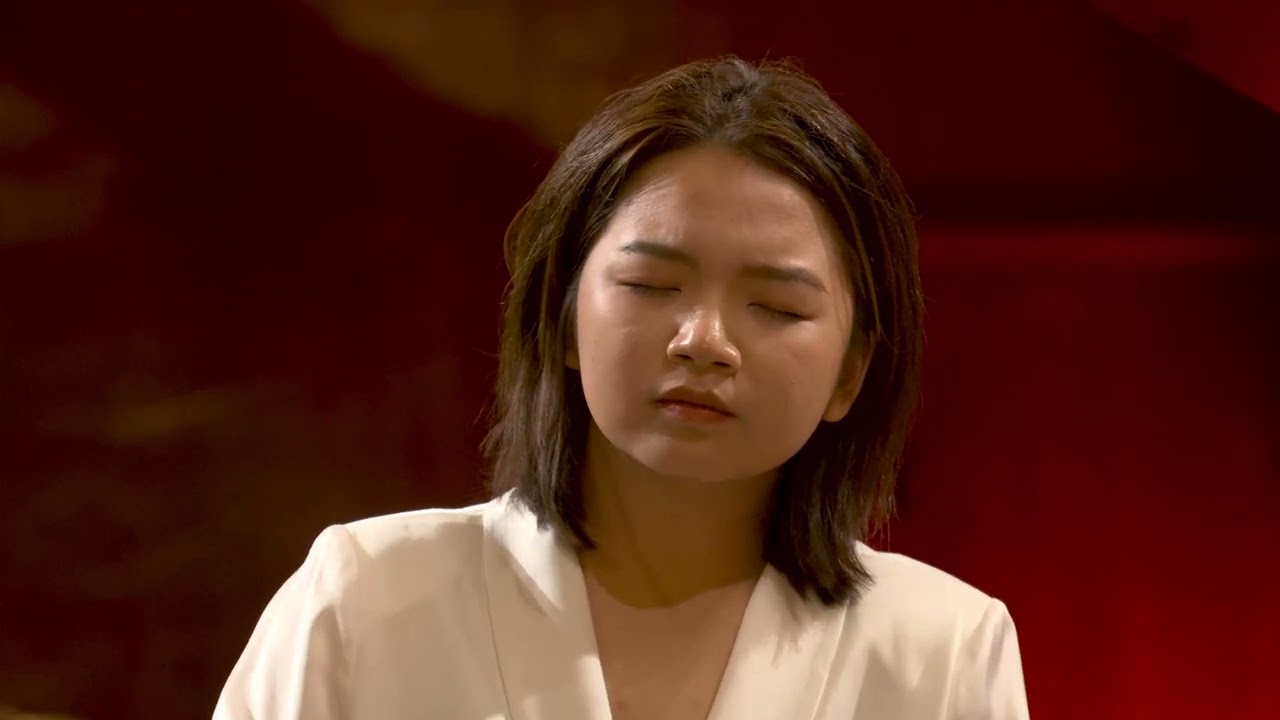
ZITONG WANG – second round (19th Chopin Competition, Warsaw)
Zitong Wang Net Worth
As of 2026, reliable sources have not published an estimate of Zitong Wang’s net worth. She is a Chinese classical pianist who earned recognition by winning third prize at the 2025 Chopin Piano Competition and receiving the Krystian Zimerman Award for best sonata performance. Pianistsgenerally earn income from concert appearances, competition prize money, recordings and teaching. Prominent Chinese pianists like Yuja Wang, by comparison, have reported net worths around $30 million, but no similar figure is available for Wang.
FAQs
1. Who Is Zitong Wang?
Zitong Wang is a Chinese classical pianist internationally recognized for winning Third Prize at the 19th Fryderyk Chopin International Piano Competition in 2025. She is also the recipient of the Krystian Zimerman Award for Best Sonata Performance at the same competition.
2. Where Was Zitong Wang Born And Trained?
Zitong Wang was born on February 3, 1999, in Hohhot, Inner Mongolia, China. She studied at the Central Conservatory of Music in Beijing and later continued her education at the Curtis Institute of Music in Philadelphia.
3. What Major Competitions Has Zitong Wang Won?
Zitong Wang has won top prizes at several international competitions, including First Prize at the Princeton International Piano Competition (2020) and Third Prize at the Chopin International Piano Competition (2025). She has also received awards at the Ferrol and Ferruccio Busoni International Piano Competitions.
4. What Repertoire Is Zitong Wang Best Known For?
Zitong Wang is especially noted for her interpretations of Chopin, including sonatas, concertos, and mazurkas. Her playing is frequently praised for its clarity, structural balance, and refined tonal control in Romantic repertoire.
5. Has Zitong Wang Released Any Commercial Recordings?
As of 2026, Zitong Wang has not released a commercial studio album. However, many of her performances, including those from the Chopin Competition, have been professionally recorded and broadcast internationally.