30 Best Private Piano Schools In New York For Beginners Through Advanced Pianists
Choosing a piano school in New York can feel surprisingly difficult. The city has private academies, community music schools, conservatory-prep programs, in-home lesson services, online options, and teachers who specialize in everything from a child’s first five-finger song to serious audition repertoire.
The real question is not which school has the most impressive name. It is: Which school fits the student’s level, goals, schedule, learning style, and long-term musical path? A strong piano school should make the next step clearer, not more confusing.
Key Takeaways: The Fastest Way To Shortlist A Piano School In NYC
- The best private piano schools in New Yorkvary by goal: beginner lessons, adult study, child development, jazz, classical, audition prep, or conservatory-track training.
- Strong programs usually combine private instruction with technique, repertoire, theory, ear training, sight-reading, and performance opportunities.
- Manhattan has the densest cluster of recognizable options, but Brooklyn and Queens have credible schools worth comparing.
- Before enrolling, ask about lesson length, teacher background, recitals, practice expectations, makeups, tuition, trial lessons, and lesson format.
- Verify tuition, faculty, location, registration windows, and lesson availability directly with each school.
| Best For... | Top Recommendation |
| Serious Classical Training | New York Piano Academy (Manhattan) – Dedicated specifically to intensive piano study, professional technique, and competition preparation. |
| Comprehensive Community Programs | Kaufman Music Center / Lucy Moses School (Manhattan) – A well-established hub offering a blend of private lessons, theory, and ensembles for all ages. |
| Young Children & Early Beginners | Third Street Music School Settlement (Manhattan) – Highly regarded for its patient approach and specialized early-childhood foundations, including the "Piano Sparks" program. |
| Adult Learners & Amateurs | NYC Piano Academy (Manhattan) – Offers highly flexible, goal-oriented instruction that respects adult timelines across classical, jazz, and modern repertoire. |
| Value & Accessible Excellence | Bronx Conservatory of Music (Bronx) – Provides conservatory-level private instruction and free supplementary musicianship classes at a highly accessible community price point. |
What Makes A Private Piano School The Best In New York?
A good shortlist starts with the right criteria. This section gives you the evaluation lens before naming schools, so you can judge each option by musical fit rather than branding alone.
Teacher Fit Matters More Than Brand Name
A famous school name can help, but the weekly teacher-student relationship matters more.
A six-year-old beginner, an adult returning after 20 years, and a high-school pianist preparing for auditions need very different kinds of instruction.
Look for a teacher who can explain:
- How they teach technique.
- How do they choose repertoire?
- How do they correct practice problems?
- How do they communicate with parents or adult students?
- How do they balance encouragement with standards?
A useful trial lesson should leave the student with a clear next step, not just a pleasant first impression.
Curriculum Should Include More Than Songs
Good piano instruction is not only about learning this piece, but also about learning the next piece.
A complete program gradually builds rhythm, note reading, fingering, posture, hand position, scales, chords, sight-reading, theory, ear training, and musical expression.
New York Piano Academy, for example, describes classical piano study that includes notation, sight-reading, piano and keyboard technique, phrasing, tone, theory, harmony, interpretation, and musicality.
That matters because students who only memorize songs often hit a wall. Students who understand how music works can learn new pieces more independently.
Students can opt for either private piano lessons in NYCor opt for studio classes, making this an ideal choice for busy families and adult learners who want top-tier training without commuting.
This is an excellent option for students who value flexibility and personalized instruction.
Recitals And Performance Opportunities Build Confidence
Performance is not only for future professionals. A small recital can help a beginner learn how to finish a piece, recover from mistakes, and play with intention.
Kaufman MusicCenter’s Lucy Moses School says private piano students may perform in recitals and performances during the school year, while Third Street lists performance opportunities among the benefits of individual lessons.
For a shy beginner, optional recitals may be best. For an advanced student, regular performance may be essential.
Location, Schedule, And Lesson Format Can Decide Consistency
In New York, the best teacheracross town may be less useful than the good teacher your family can reach every week.
Commute time, school pickup, subway reliability, studio hours, and home-practice access all shape progress.
Some programs offer in-studio, in-home, online, or hybrid lessons. Manhattan Piano Academy lists private lessons for beginners through advanced students, along with online lesson options; NYC Piano Academy describes lessons in Manhattan, online, or in the student’s home.
Takeaway: The best piano school is the one that combines teaching quality, curriculum depth, performance fit, and realistic weekly logistics.
Best Private Piano Schools In New York By Student Goal
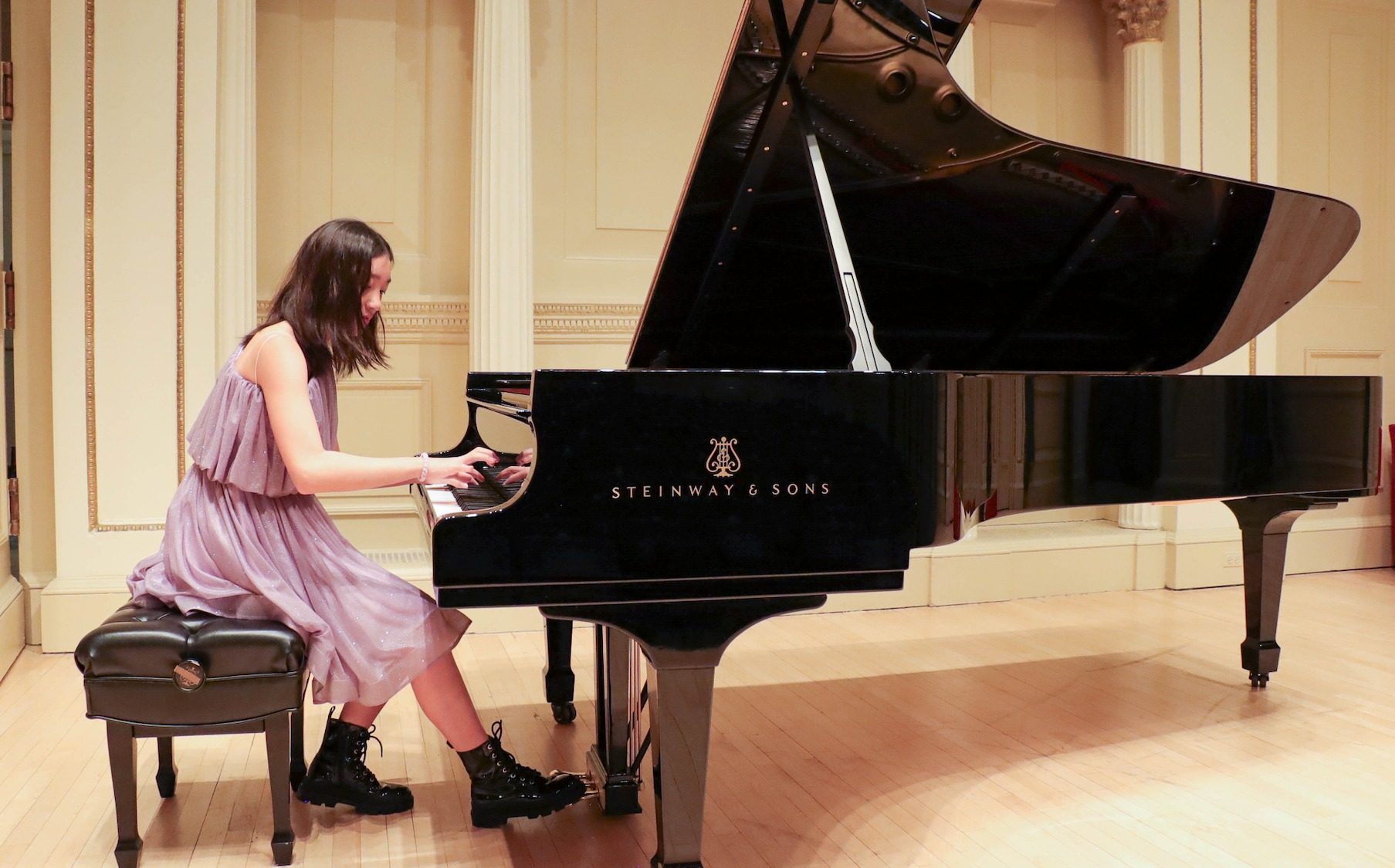
Different students need different school types. This section matches common learner profiles to the kind of program most likely to work.
Best For Young Beginners
Young beginners usually need warmth, structure, short-term wins, and clear communication from parents.
A child’s first teacher should know how to introduce rhythm, finger numbers, listening, posture, and reading without turning every lesson into a test.
A good beginner program should offer:
- Age-appropriate lesson length.
- Patient correction.
- Simple home-practice instructions.
- Optional recitals.
- A plan for when to add theory or group activities.
Third Street’s pianoofferings include individual lessons in 30-minute, 45-minute, and 60-minute formats, plus early-childhood preparation options such as Piano Sparks for ages 2.5-4.
Best For Adult Beginners And Returning Adults
Adult students often worry they are too late. They are not. They need a teacher who respects adult goals, such as playing favorite songs, reading music, understanding chords, improving coordination, or rebuilding confidence.
Adults should look for flexible scheduling, teachers who avoid condescension, and programs that can support classical, jazz, pop, or personal repertoire.
NYC Piano Academy’s online adult piano lessons page notes that adult amateur study can focus on personal goals such as classical, jazz, modern, pop, or Latin music.
For an adult beginner, the right question is not Will I become advanced? Will I still want to practice three months from now?
Best For Classical Piano Training
Classical piano students need technique, tone, reading fluency, repertoire sequence, historical style, and disciplined practice.
A good classical teacher does not just assign Bach, Mozart, Beethoven, Chopin, or Debussy; they teach the touch, phrasing, pedaling, and structure that make the music speak.
New York Piano Academy explicitly offers classical piano instruction and an intensive study path, including professional technique, interpretation, classical repertoire, performance, and competition preparation for gifted, committed children.
Best For Jazz, Pop, And Flexible Repertoire
Students interested in jazz or pop need more than standard notation. They may need chord symbols, lead sheets, voicings, improvisation, comping, rhythm feel, ear training, and theory.
Kaufman’s Lucy Moses School lists piano among private lessons and includes piano in classical, jazz, and musical theater styles.
Bloomingdale describes piano study that can reflect classical, jazz, or pop interests, with theory, sight-reading, ear training, improvisation, and performance.
A student who wants to play Billy Joel, Thelonious Monk, Studio Ghibli themes, or Broadway songs should ask directly whether the teacher supports that repertoire.
Best For Audition Prep, NYSSMA, ABRSM, And Conservatory Goals
Audition-focused students need a higher standard of planning. Repertoire must be chosen early, technique gaps need honest diagnosis, and performance practice should be frequent enough to reduce nerves.
Queens Music School notes preparation for ABRSM, NYSSMA, and auditions, while Manhattan School of Music Precollege requires an entrance audition and theory/ear-training placement tests.
For serious students, ask whether the teacher has helped students prepare for the specific audition or exam you are targeting.
Best For Busy Families Needing In-Home Or Online Lessons
In-home or online lessons can be the difference between quitting and continuing.
They are especially useful for families juggling school, sports, siblings, and long commutes.
NY Piano School offers studio lessons near Lincoln Center as well as in-home lessons, and says it works with kids, teens, and adults.
Manhattan Piano Academy also lists home piano lessons and online lessons.
The tradeoff is that online lessons require a reliable instrument, a camera setup, and a student who can focus without the teacher physically present.
Takeaway: Start with the student’s goal, then choose the school type that supports that goal with the least friction.
Manhattan Piano Schools
New York Piano Academy
Website Link:Official site - New York Piano Academy.
Region:New York City region - Manhattan, Upper West Side/Morningside Heights area.
School Type:Private piano academy / specialized piano school.
Program: One-on-one Classical Piano, Jazz Piano, and Intensive Study programs, with student recitals and performance opportunities.
Age Range: Children and adults; the school describes its instruction as for all ages and levels.
Pricing Note:Published semester tuition: 17 lessons per semester, with lesson rates listed by length; registration and concert fees also apply.
Best Fit For: Best for students who want serious piano-focused instruction rather than a broad multi-instrument school. It works well for beginners, adults, and ambitious students seeking classical, jazz, or accelerated piano study.
Manhattan Piano Academy
Website Link: Official site - Manhattan Piano Academy.
Region: New York City region - Manhattan, Upper East Side area.
School Type: Private piano academy with in-home, online, and by-appointment studio instruction.
Program: Weekly private piano lessons; at-home lessons, online lessons, and preparatory group piano for ages 3–4.
Age Range:Private lessons are listed for ages 5 to 95; a group preparatory class is available for ages 3 and 4.
Pricing Note:Published tuition includes monthly rates for weekly at-home lessons and a three-month rate for the ages 3–4 group class; verify current rates before enrollment.
Best Fit For: Best for families or adults who want a private piano-school model with flexible home or online lesson options. It is a good fit for parents seeking early-childhood preparation before private study.
NYC Piano Academy / New York Music Center
Website Link:Official site - New York Music Center / New York City Piano Academy.
Region: New York City region - Manhattan, Midtown.
School Type: Private music academy / online-hybrid music school.
Program: Piano, violin, viola, cello, flute, clarinet, guitar, voice, dance, musical theatre, Full Music Program, Instrument/Vocal Performance, advanced student programs, and exam/performance preparation.
Age Range:Ages 4+ for the Full Music Program and Instrument/Vocal Performance; the school also welcomes adults, amateurs, and advanced students.
Pricing Note:Tuition is not clearly published in the retrieved official pages; use the trial lesson/consultation route and verify current semester or package rates directly.
Best Fit For:Best for families wanting a broader music-center environment rather than a piano only. It is especially suitable for students interested in performance, theory, recitals, online learning, and international-style music opportunities.
NY Piano School
Website Link:Official site - NY Piano School.
Region: New York City region - Manhattan, near Lincoln Center / Upper West Side, with in-home lessons across Manhattan and some Brooklyn/Queens areas.
School Type:Private piano school / in-studio and in-home lesson provider, with online lessons also referenced.
Program:Private one-on-one piano lessons, including classical, pop, jazz, composition, music theory, ear training, sight-reading, and personalized repertoire work.
Age Range:Children, teens, adults, and retired adults; most young students begin around ages 4–5, depending on readiness.
Pricing Note:Exact current pricing was not clearly published on the official pages found; contact the school for a quote or trial lesson details.
Best Fit For:Best for learners who want individualized piano lessons without a rigid institutional curriculum. It suits families, adult beginners, and students who want a mix of classical technique, theory, pop, jazz, or composition.
Kaufman Music Center / Lucy Moses School
Website Link: Official site - Lucy Moses School at Kaufman Music Center.
Region:New York City region - Manhattan, Upper West Side / Lincoln Square.
School Type: Nonprofit community arts school/community music school.
Program: Private piano lessons, private instrument lessons, music classes, dance, theater, Suzuki, Dalcroze, chamber music, ensembles, summer programs, and Young Artist Program options.
Age Range: Children, teens, and adults at all skill levels; piano lessons are offered for children and adults, and children may register for 30-week academic-year lessons.
Pricing Note: Private lesson registration is year-round; pricing appears registration-based and may vary by division, lesson length, and term. Confirm current tuition through the registrar.
Best Fit For:Best for families who want a well-established community arts school with more than piano. It is a strong fit for students who may want private lessons plus theory, ensembles, dance, theater, or performance opportunities.
Brooklyn Piano Schools
Brooklyn Conservatory Of Music
Website Link:Official site - Brooklyn Conservatory of Music.
Region:New York City region - Brooklyn, Park Slope.
School Type:Nonprofit community music school / conservatory-style community program.
Program: Private lessons, group classes, ensembles, early childhood music, Suzuki, music therapy, community programs, summer programs, and rehearsal studios. Private lessons cover major instruments and voice.
Age Range:Private lessons are listed for ages 6 through adult; early childhood offerings serve ages 6 months to 6 years.
Pricing Note: Published 2025–2026 private lesson tuition: annual and semester options are listed by 30-, 45-, and 60-minute lesson length; semester private lesson options are for adults 18+.
Best Fit For:Best for families wanting a serious, established Brooklyn music institution with broad programming beyond piano. It suits children, teens, and adults who may want private lessons plus ensembles, Suzuki, theory, or community performance opportunities.
Brooklyn Music School
Website Link: Official site - Brooklyn Music School.
Region: New York City region - Brooklyn, Fort Greene / Downtown Brooklyn area.
School Type: Nonprofit community music and performing arts school.
Program: Private lessons in piano, guitar, drums, strings, voice, winds, adaptive instruction, and theater coaching, plus youth classes, adult classes, ensembles, camps, music therapy, and outreach.
Age Range:Serves students of all ages and experience levels; private lessons are recommended starting around age 5.
Pricing Note: Published private lesson tuition for a 35-week term: 30-, 45-, and 60-minute options, with annual pricing also listed. Trial lessons are available before committing to a full term.
Best Fit For: Best for students who want a traditional community music school with performance opportunities and ensemble pathways. It is especially useful for families seeking private lessons plus youth ensembles, theater, or financial-aid options.
Brooklyn Music Factory
Website Link: Official site - Brooklyn Music Factory.
Region:New York City region - Brooklyn, Gowanus / Carroll Gardens area.
School Type: Creative music school / private lesson and group-class provider.
Program: Private lessons, group instrument classes, songwriting-based classes, bands, adult bands, summer camps, school-holiday camps, and online/in-person options.
Age Range: Ages 4 through adult; summer camps are listed for ages 4–18.
Pricing Note: Published 10-month tuition includes monthly installment pricing for group classes, adult bands, and 30-, 45-, and 60-minute private lessons; a BMFConnect monthly fee is also listed.
Best Fit For: Best for students who learn well through games, songwriting, collaboration, and band-style creativity. It is a strong fit for kids who may not respond to traditional drills and for adults interested in playing with others.
Williamsburg School Of Music
Website Link:Official site - Williamsburg School of Music.
Region: New York City region - Brooklyn, Williamsburg.
School Type: Private music school offering studio and virtual lessons.
Program:Private and group lessons in piano, voice, guitar, drums, ukulele, bass, violin, woodwinds, theory/composition, audio engineering, and related music subjects.
Age Range: All ages and skill levels; adult private lessons are specifically offered.
Pricing Note: Published private lesson rates include single lessons and discounted 5 and 15-lesson packs for half-hour and hour-long lessons.
Best Fit For:Best for students who want flexible, personalized lessons without a rigid franchise-style curriculum. It works for casual learners, serious students, adults, and kids who want instruction in Williamsburg or online.
Williamsburg Music Studio
Website Link: Official site - Williamsburg Music Studio.
Region:New York City region - Brooklyn, Williamsburg.
School Type: Community-oriented private music studio/music school.
Program:Private lessons, group piano, group singing, jam band and ensembles, summer camps, preschool piano, online lessons, and instruction in piano, voice, guitar, drums, and woodwinds.
Age Range:Children and adults; preschool piano is listed for ages 3–4, with grade-school and adult piano options also described.
Pricing Note: Published 2025–2026 fees list private lesson rates for 30, 45, and 60 minutes, plus group-class rates and a second-family-member discount.
Best Fit For: Best for Williamsburg families looking for structured but friendly music lessons with group and private options. It is especially good for young children, school-age beginners, and adults who want piano, voice, or band-style options.
Queens Piano Schools
Queens Music School / New Song Studio
Website Link:Official site - Queens Music School / New Song Studio.
Region:New York City region - Queens, Rego Park. The studio address is listed as 94-11 65th Road, Rego Park, NY 11374.
School Type:Private music school / one-on-one lesson studio.
Program: Piano, violin, viola, guitar, voice, music theory, and related music classes.
Age Range: Students of all ages and experience levels.
Pricing Note:Published Spring 2026 semester tuition is listed by lesson length; the semester includes 18 instructional weeks plus a makeup week, with rates shown for 15-, 30-, 45-, 60-, and 75-minute lessons.
Best Fit For: Best for Queens families looking for a focused private-lesson environment with piano and core instruments. It is a good fit for children, teens, and adults who want structured weekly study in a neighborhood studio.
Queens Music Academy
Website Link: Official site - Queens Music Academy.
Region: New York City region - Queens, Woodside.
School Type: Private music academy / comprehensive music school with Suzuki and traditional lesson tracks.
Program:Private lessons for many instruments, Suzuki piano/cello/violin, group classes, rock bands, ensembles, and performance preparation.
Age Range: Children can start as young as age 3; adults are also served through private and group lesson options.
Pricing Note:Traditional lessons are sold in 4-lesson and 10-lesson packages; Suzuki Spring program pricing is published separately, including a 15-week program and trial lesson option. Verify current package rates before enrolling.
Best Fit For: Best for families seeking a structured academy with both Suzuki and traditional methods. It is especially suitable for young beginners, students preparing for recitals, and adults who want weekly private lessons in Woodside.
Musipire Queens Music School
Website Link:Official site - Musipire Queens Music School.
Region: New York City region - Queens, Elmhurst; Musipire also lists a Flushing location under its wider school network.
School Type:Private music academy / multi-instrument music school.
Program:Piano, violin, viola, guitar, voice, drums, clarinet, saxophone, theory, exam preparation, and audition-related training.
Age Range:Students of all ages and levels; the inquiry form includes young children through adults and college students.
Pricing Note: Published tuition flyer lists one-on-one private lesson monthly rates: 30 minutes, 45 minutes, and 60 minutes, plus a one-time registration fee.
Best Fit For: Best for families who want a large Queens-based academy with multiple instruments under one roof. It is a strong fit for students seeking regular private lessons, exam preparation, and a more formal academy environment.
Sonder School Of Music
Website Link:Official site - Sonder School of Music.
Region: New York City region - Queens, Elmhurst.
School Type: Private music school / community-oriented studio with private, group, ensemble, and inclusive-learning options.
Program:Private lessons, small group lessons, ensembles, theory, ear training, musicianship, composition, songwriting, improvisation, recording/production, audition prep, exam prep, and art classes.
Age Range:Ages 3 and up; the school also describes serving students from elementary through advanced levels.
Pricing Note: Published pricing PDF lists a $25 introductory 30-minute trial lesson, a one-time registration fee, and per-lesson/package rates for 30-, 45-, 60-, and 90-minute one-on-one music lessons.
Best Fit For: Best for learners who want a modern, flexible school with performance, ensemble, and creative options. It is also notable for accessible programming and support for autistic and neurodivergent students.
Real Brave Audio
Website Link: Official site - Real Brave Audio.
Region: New York City region - Queens, Fresh Meadows.
School Type: Private music school / performance-based lesson provider with in-person and online options.
Program:Private lessons in guitar, piano, voice, drums, and bass, using the Real Brave Method and PracticePad learning platform; students work toward real songs and performance opportunities.
Age Range: Kids, teens, and adults; the Queens page says students are most commonly kids aged 7+, teens, and adults.
Pricing Note: Published FAQ says pricing starts with flexible monthly plans from $189 and quarterly plans from as low as $467, with one-on-one instruction, performance prep, and PracticePad access; pricing varies by instrument and location.
Best Fit For:Best for students who want a contemporary, performance-driven music school rather than purely classical instruction. It is a good fit for kids, teens, and adults who want to learn popular instruments and build confidence through showcases or band-style experiences.
Bronx Piano Schools
Bronx School For Music
Website Link: Official site - Bronx School for Music.
Region: New York City region - Bronx, Norwood / Perry Avenue area. The school lists its address as 3348 Perry Ave., Bronx, NY 10467.
School Type:Nonprofit community music school / private and group lesson provider.
Program: One-on-one private lessons in piano, violin, viola, cello, bass, guitar, and voice, plus free musical development courses such as theory, ear training, chorus, and eurhythmics for students enrolled in private lessons.
Age Range:The program page says private lessons are open to students age 4+ and adults, but the current admission page says private lessons require age 5+, with Spring 2026 new piano enrollment prioritized for children ages 5–9 and adult placement limited due to capacity.
Pricing Note:Published 2026 tuition is semester-based: Summer 2026 private lessons are listed for 7 weeks, and Fall 2026 private lessons are listed for 17 weeks, with 30-minute and 60-minute rates plus a registration fee.
Best Fit For:Best for Bronx families seeking affordable, structured music training with strong supplemental musicianship. It is especially suitable for children beginning piano or classical instruments who would benefit from private lessons plus free theory, choir, and ear-training support.
Bronx Conservatory Of Music
Website Link:Official site - The Bronx Conservatory of Music.
Region: New York City region - Bronx, with listed Bronx locations including Bronx Community College and another Bronx teaching site.
School Type: Nonprofit conservatory-style community music school.
Program: Private lessons in piano, guitar, voice, violin, viola, cello, and double bass; registered students also receive free weekly Musicianship Skills classes and performance opportunities.
Age Range: Children are the main focus; adults may enroll if studio time is available. Minimum age is 5 for instruments, age 4 with instructor approval, and age 6 for voice.
Pricing Note:Published tuition is term-based. The official admissions page lists 2024–25 rates for 15-week terms, with separate rates for Bronx residents and non-resident/online students; verify current rates before enrolling.
Best Fit For: Best for families wanting conservatory-level instruction at a lower-cost community-school price point. It is a strong fit for students who want serious private study, musicianship classes, recitals, and a structured path without a highly commercial school environment.
Bronx House School For Performing Arts
Website Link:Official site - Bronx House School for Performing Arts.
Region: New York City region - Bronx, Pelham Parkway; Bronx House lists its address as 990 Pelham Parkway South, Bronx, NY 10461.
School Type: Community center performing arts school/music, dance, and theater program.
Program:Heilbrunn Music School offers private, semi-private, and group music instruction. Instruments include voice, drums, guitar, music theory, piano, violin, viola, and saxophone; group options include Creative Piano, Piano 1, Piano 2, violin, guitar, adult guitar, and music production.
Age Range:Children and adults of all skill levels. Group examples include Creative Piano for ages 4–5, guitar for ages 7+, adult guitar for ages 18+, and adult dance for ages 18+.
Pricing Note: Published Spring 2026 fees are listed for a 10-week session. Private lessons are priced by 30-minute, 45-minute, and 60-minute formats, with member and community rates; group music instruction also has published member/community rates and a community insurance fee.
Best Fit For: Best for families who want music lessons inside a broader community-center environment with dance, drama, and visual arts nearby. It is a practical fit for beginners, children who may start in group piano, and families interested in scholarships or free instrument loans.
Riverdale Music Studio
Website Link:Official site - Riverdale Music Studio.
Region: New York City region - Bronx, central Riverdale.
School Type:Private neighborhood music studio / private lesson provider.
Program: Private lessons in guitar, piano, violin, viola, and voice.
Age Range:All ages.
Pricing Note: Published tuition is semester-based, usually 16–18 weeks. The fees page lists 30-, 45-, and 60-minute private lesson rates, a 17-week semester cost range, and a one-time family registration fee.
Best Fit For: Best for Riverdale families or adults who want straightforward, high-quality private lessons in a small studio setting. It is a good fit for students who prefer one-on-one instruction without the scale or formality of a larger conservatory.
Riverdale Y Music School
Website Link: Official site - Riverdale Y Music School / Rhoda Grundman Music School.
Region:New York City region - Bronx, Riverdale. Riverdale Y lists its address as 5625 Arlington Avenue, Bronx, NY 10471.
School Type:Community center music school / performing arts center program.
Program: Private instruction in voice, piano, violin, guitar, and other instruments; group instruction includes piano and duet ensemble for piano, string, and wind instruments.
Age Range: Kindergarteners through adults, all skill levels.
Pricing Note: Exact private lesson tuition was not clearly published on the official music page; registration is handled through Riverdale Y, and Riverdale Y membership may provide discounts on private music lessons.
Best Fit For:Best for families who already use, or want access to, a community-center environment with performing arts, theater, youth programs, and adult programming. It suits children and adults looking for accessible private or group music instruction in Riverdale.
Staten Island Piano Schools
Staten Island Conservatory Of Music
Website Link: Official site - Staten Island Conservatory of Music.
Region:New York City region - Staten Island, Snug Harbor / North Shore. The site lists the school at 1000 Richmond Terrace, Building F, Staten Island.
School Type: Conservatory-style private music school/community music school.
Program: Private lessons in piano, violin, viola, cello, bass, flute, recorder, oboe, clarinet, bassoon, French horn, trumpet, trombone, tuba, drums, percussion, guitar, and voice. The school also emphasizes music theory, recitals, ABRSM/NYSSMA preparation, and European conservatory-style training.
Age Range: Young children through adults. The school specifically lists Introduction to Music for ages 4–6, and its philosophy says it serves Staten Island residents regardless of age or origin.
Pricing Note: Tuition is not clearly published on the official pages found. Registration is inquiry/form-based, so families should verify current lesson rates directly.
Best Fit For: Best for families seeking a more formal, classical conservatory-style path with mandatory recitals and regular practice expectations. It is especially suitable for students preparing for serious instrumental study, music theory, ABRSM, NYSSMA, or structured performance development.
The Music Box School
Website Link: Official site - The Music Box School.
Region: New York City region - Staten Island, New Dorp; the Staten Island location is listed at 109 New Dorp Plaza.
School Type:Multi-arts private school offering music, dance, art, and rock band classes.
Program: Private lessons in piano, violin, acoustic/electric guitar, voice, drums/percussion, bass guitar, cello, saxophone, clarinet, music theory, and more. It also offers music classes for kids, choir, rock band, dance, art, recitals, exams, and camps.
Age Range:Early childhood through adults. Group music classes are offered for ages 3–5, while private lessons usually start around age 6, with flexibility depending on the child.
Pricing Note:Published Staten Island pricing lists private music lesson rates by 30-, 45-, and 60-minute lessons, plus a one-time family registration fee and group class pricing.
Best Fit For:Best for families who want one school for music, dance, art, and performance activities. It works well for young children starting in group classes, school-age students preparing for exams or recitals, and adults who want private lessons.
Victory Music Studio
Website Link:Official site - Victory Music Studio.
Region: New York City region - Staten Island, Manor Road / Westerleigh area; the studio address is listed as 609 Manor Road, Staten Island.
School Type: Private music studio / private lesson provider with instrument sales and rentals.
Program: One-on-one private lessons in guitar, bass guitar, drums, piano/keyboard, voice, brass, woodwinds, and violin. Remote learning is also available.
Age Range:All ages; the school specifically describes one-on-one instruction for all ages.
Pricing Note:Published pricing lists month-to-month private lessons at a half-hour or hour rate, with no contract or sign-up fee.
Best Fit For:Best for students who want practical, flexible private instruction without long-term contracts. It is a good fit for beginners, adult learners, and families who also need help with instrument rental, purchase, or repair.
Music & Method
Website Link:Official site - Music & Method.
Region: New York City region - Staten Island, Bulls Head / Mid-Island area; the site lists 15 Athena Place, Staten Island.
School Type:Private music school offering studio, in-home, online, private, and group lessons.
Program: Piano, guitar, voice, violin, and woodwinds, including bassoon, clarinet, flute, and saxophone. The school offers private classes, Piano CoLab, ensemble, and Piano Lab for Tots.
Age Range:Toddlers through adults. Piano Lab for Tots is for ages 3–4, and the FAQ says adult beginners can start at any age.
Pricing Note:Published monthly rates are listed for private, online, in-studio, in-home, Piano CoLab, ensemble, toddler piano, and introductory classes.
Best Fit For: Best for students who want a clear, structured curriculum but still need flexible formats, such as in-home or online lessons. It is especially suitable for beginners, adult learners, siblings, and families who like group or collaborative options.
School Of Rock Staten Island / Staten Island School Of Rock
Website Link:Official local site found - Staten Island School of Rock.
Region:New York City region - Staten Island, Great Kills/Giffords Lane area; the site lists 4 Giffords Lane, Staten Island.
School Type:Private rock/pop music school and performance-based lesson studio.
Program:Voice, guitar, bass, piano, and drums, with a strong focus on learning favorite songs, performance, band-style skills, recording, and live stage experience.
Age Range: Children and adults of all ages.
Pricing Note:Exact tuition is not clearly published on the official local site. The site advertises a free trial, a 30-day money-back guarantee, and a registration-fee waiver promotion, so current rates should be verified directly.
Best Fit For:Best for students who want rock, pop, stage confidence, and performance experience rather than a traditional classical-only route. It is a strong fit for kids, teens, and adults interested in guitar, bass, drums, vocals, or piano in a band-oriented setting.
Nearby New York Metro Options Worth Mentioning
Hoff-Barthelson Music School
Website Link: Official site - Hoff-Barthelson Music School.
Region:Lower Hudson Valley / Westchester County, Scarsdale. The school lists its address as 25 School Lane, Scarsdale, NY.
School Type:Nonprofit community music school / conservatory-style community program.
Program:Private lessons, performance program, musicianship, ensembles, youth orchestras, chamber music, Suzuki, early childhood, honors, composition, master classes, summer programs, and adult programs. Private lesson students can choose lesson-only or comprehensive packages with added classes and ensembles.
Age Range: Early childhood classes serve ages 3–5; the adult program welcomes adult learners from beginners to experienced players.
Pricing Note:Published tuition structure is package-based, with 32 weeks/year of private lessons and optional musicianship/ensemble components; the 2026–27 tuition PDF is linked from the official tuition page.
Best Fit For: Best for families seeking a serious, well-rounded music education with performance opportunities, theory, ensembles, and conservatory-prep depth. It also works well for adults who want structured private lessons and ensemble options in Westchester.
Music School Of Westchester / Westchester School Of Music
Website Link: Official site - Westchester School of Music.
Region: Lower Hudson Valley / Westchester County, Mamaroneck. The site lists 875 Mamaroneck Avenue, Suite 100, Mamaroneck, NY.
School Type:Private community music school / multi-instrument lesson school.
Program: Individual instruction in piano, strings, winds, guitar, voice, percussion, composition, theory, songwriting, group classes, adult classes, pre-school programs, NYSSMA, and a Young Artist Program.
Age Range:Children and adults; preschool group classes are listed for ages 3–4, and adult piano, adult voice ensemble, and music appreciation classes are listed.
Pricing Note:Published 2026–2027 fees list registration fees, deposits, installment options, and annual/private lesson tuition for 30-, 45-, and 60-minute individual instruction.
Best Fit For: Best for Westchester families who want a traditional multi-instrument school with private instruction and supplemental theory or ensemble options. It is also suitable for adults looking for group piano, voice ensemble, or flexible summer/private lessons.
Crestwood Music Education Center
Website Link:Official site - Crestwood Music Education Center.
Region: Lower Hudson Valley / Westchester County, Scarsdale; the school lists 870 Scarsdale Avenue, Scarsdale, NY.
School Type:Private music education center/neighborhood music school.
Program: One-on-one lessons in piano, guitar, strings, winds, brass, percussion, recorder, and voice, plus early education, Suzuki, theory, orchestras, chamber music, jazz/rock groups, and recitals.
Age Range:Toddlers through professionals; the site says it serves over 600 students from toddlers to professionals and offers courses for students of all ages.
Pricing Note: Published 2025–2026 tuition lists 16 lessons per semester, with 30-, 45-, and 60-minute rates, plus registration and materials/recital fees.
Best Fit For: Best for families wanting a full neighborhood music school with strong private lessons and ensemble/theory pathways. It is a good option for students who may start young and later move into Suzuki, orchestra, jazz, chamber music, or performance opportunities.
Westchester Home Music
Website Link:Official site - Westchester Home Music.
Region: Lower Hudson Valley / Westchester County, serving Scarsdale, White Plains, Bronxville, Harrison, Rye, Mamaroneck, Larchmont, Yonkers, New Rochelle, Pelham, Eastchester, surrounding Westchester communities, and parts of Manhattan.
School Type: In-home and online private lesson provider.
Program:Private in-home lessons in piano, guitar, voice, drums, strings, brass, woodwinds, composition, harmony, arranging, and music technology, with recitals and customized instruction across classical, jazz, pop, Broadway, and rock styles.
Age Range:Students of all ages, from absolute beginners to aspiring professionals; adult lessons are specifically described.
Pricing Note:Exact rates are not clearly published on the official pages checked; pricing appears quote/inquiry-based through Book Your Lesson or direct contact.
Best Fit For:Best for families who want high-quality private lessons without commuting to a studio. It is especially useful for busy Westchester households, adults, and students who want lessons tailored to their schedule, instrument, and preferred genre.
Long Island Piano
Website Link: Official site - Long Island Piano.
Region:Long Island region - Nassau County, Syosset; the site references Eileen Way in Syosset and lists contact details for the studio.
School Type: Private piano studio/piano academy-style instruction.
Program: Piano lessons, competitions, theory and composition, NYSSMA and ABRSM preparation, chamber music coaching, sight-singing, ear training, and composition/theory group classes.
Age Range: Students of all ages; the official search result states the school offers music classes for students of all ages.
Pricing Note:Group class pricing is published for theory, composition, sight-singing/ear training, chamber music coaching, and ABRSM theory; private piano pricing should be verified directly.
Best Fit For:Best for piano-focused students seeking structured preparation for NYSSMA, ABRSM, competitions, or advanced study. It is especially suitable for serious children and teens, though the studio also serves learners of different ages.
How To Compare Piano Schools In Manhattan, Brooklyn, And Queens
New York’s geography matters. A great piano plan can fail if the commute is too long, the lesson time is too late, or the student arrives tired every week.
Manhattan: Highest Density Of Recognizable Programs
Manhattan is the strongest starting point if you want the broadest range of private academies, community music schools, and selective pre-college options.
Many notable programs cluster around the Upper West Side, Upper East Side, Midtown, Lincoln Center area, Greenwich Village, and Lower Manhattan.
The upside is choice. The downside is that schedules can fill quickly, tuition can vary widely, and the most famous name is not always the best teacher fit.
Brooklyn: Strong Community And Conservatory-Style Options
Brooklyn is a strong choice for families seeking serious instruction without a weekly commute to Manhattan.
Brooklyn Conservatory of Music and Brooklyn Music School both offer private lessons for a range of students and goals.
For a Park Slope, Fort Greene, Downtown Brooklyn, or nearby family, a Brooklyn option may produce better consistency than a Manhattan school that looks better on paper.
Queens: Practical Local Options For Families
Queens families should not assume they must travel to Manhattan. Queens Music School and Queens Music Academy both list piano instruction, with Queens Music School also mentioning theory, aural training, NYSSMA, ABRSM, and audition preparation.
For younger beginners, a shorter commute can matter more than a prestigious address.
Online Or In-Home Lessons: When Convenience Wins
Online and in-home lessons are especially useful when a student has a full school schedule, mobility constraints, or a strong home instrument.
NYC Piano Academy, Manhattan Piano Academy, NY Piano School, and Bloomingdale all reference online, in-home, or flexible lesson formats.
The main question is focus. A self-directed adult may thrive online; a five-year-old beginner may need in-person help with posture, hand shape, and attention.
Takeaway: The right borough is the one that lets the student arrive prepared, practice consistently, and stay with the teacher long enough to progress.
Piano Lesson Costs In NYC: What To Verify Before Enrolling
Piano lesson pricing in New Yorkchanges by school, teacher, length, location, format, and term structure. Treat any published rate as a starting point, not a final decision.
Why Rates Vary So Much
A 30-minute beginner lesson, a 60-minute advanced lesson, a home visit, a conservatory-prep program, and a nonprofit community school package are not priced the same way.
Some programs bill by semester; others charge monthly, weekly, or per lesson.
Third Street’s 2025–2026 tuition schedule lists 32-week individual instrument lesson packages for traditional instruments, including piano, with different prices for 30-, 45-, and 60-minute lessons.
Juilliard Pre-College lists 2025–26 tuition and fees separately from casual private lessons because it is a comprehensive conservatory-style program.
What Tuition May Include Beyond The Lesson
Tuition may include only the private lesson, or it may also include recitals, theory classes, ensembles, makeups, accompanists, juries, or administrative fees.
For example, Manhattan School of Music Precollege says its basic tuition package includes a lesson, theory, ear training, and ensemble.
That is why comparing the hourly price alone can mislead you. A higher total tuition may include more training; a lower private-lesson rate may be simpler but less comprehensive.
Questions To Ask About Fees, Makeups, And Recitals
Before committing, ask:
- Is tuition charged per lesson, month, semester, or year?
- Are registration fees separate?
- Are recitals included?
- Are makeups guaranteed, limited, or unavailable?
- Are online lessons priced differently?
- Are books, exam fees, accompanists, or competitions extra?
- Is financial aid or scholarship support available?
Expert’s Take: When I evaluate a piano-learning path, I look first at whether the student can sustain the schedule.
A brilliant lesson plan that collapses after four weeks is not the right plan.
Takeaway:Compare total value, not just sticker price, and confirm all volatile tuition details directly with the school.
Trial Lesson Checklist: How To Know A School Is A Good Fit
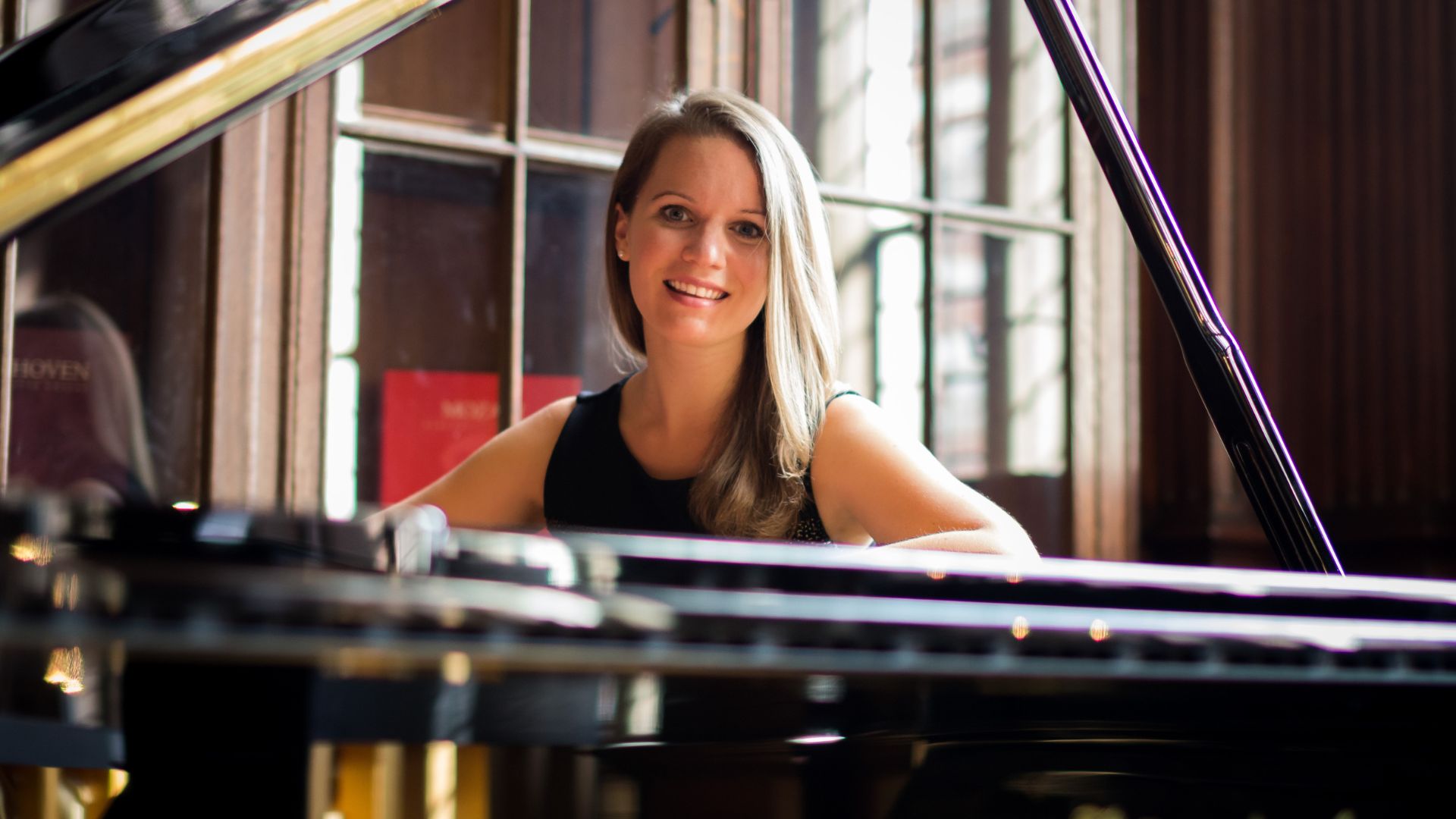
A trial lesson is not just a sample. It is your best chance to see how the teacher listens, diagnoses, explains, and motivates.
Questions For Parents
Ask these before enrolling a child:
- How do you decide if my child is ready for private lessons?
- What lesson length do you recommend and why?
- How much should my child practice each week?
- Can parents observe lessons?
- How do you communicate progress?
- Are recitals optional or expected?
- What happens if my child loses motivation?
Watch how the teacher speaks to the child. The best beginner teachers are clear, patient, and firm without making the child feel small.
Questions For Adult Students
Adults should ask:
- Do you teach adult beginners often?
- Can I bring songs I want to learn?
- Will we work on reading, chords, or both?
- How do you build a realistic practice plan?
- Are recitals optional?
- Can lessons be online or hybrid?
A good adult teacher should respect your goals while still building fundamentals.
Questions For Advanced Students
Advanced pianistsshould ask:
- Which repertoire should I prepare next?
- What technique issues do you hear immediately?
- Do you prepare students for auditions, NYSSMA, ABRSM, or competitions?
- How often do students perform?
- Do you teach theory, ear training, or analysis?
- Can you help with practice strategy, not just interpretation?
An advanced teacher should be able to name specific musical and technical priorities after hearing you play.
Warning Signs To Watch For
Be cautious if:
- The teacher cannot explain their method.
- Every student is taught the same book at the same pace.
- Recitals are used as pressure, not growth.
- Tuition policies are unclear.
- Makeup policies are vague.
- The teacher dismisses the student’s musical interests.
- The student leaves confused rather than challenged.
Sample Contact Questions You Can Copy
Use this short message when contacting schools:
Hi, I’m looking for private piano lessons for a student who is [age/level]. Their goal is [beginner fundamentals/adult learning/audition prep/jazz/classical/etc]. Do you offer a trial lesson or consultation, and how do you match students with teachers?
Takeaway: A trial lesson should give you evidence of fit: teaching style, communication, curriculum, expectations, and the student’s willingness to continue.
Frequently Asked Questions
What Are The Best Private Piano Schools In New York?
The best private piano school depends on the student. New York Piano Academy, Manhattan Piano Academy, Kaufman/Lucy Moses, Third Street, Greenwich House, Bloomingdale, 92NY, Brooklyn Conservatory, and similar programs can all be strong fits for different learners.
Match the school to level, goals, location, schedule, and teacher style.
Which NYC Piano School Is Best For Adults?
Adults should prioritize teacher fit, flexible scheduling, repertoire choice, and realistic practice expectations.
Schools and programs that explicitly welcome adult learners, such as Kaufman/Lucy Moses, Greenwich House, NYC Piano Academy, Bloomingdale, and others, are worth comparing.
Which Piano School Is Best For Kids In NYC?
Children usually do best with patient teachers, a clear curriculum, parent communication, and supportive recitals.
Third Street, Kaufman/Lucy Moses, Bloomingdale, 92NY, Brooklyn Conservatory, and private academies can all be good candidates, depending on age, borough, and goals.
Are Private Piano Schools Better Than Independent Teachers?
Not always. Schools often provide structure, recitals, teacher matching, and administrative support. Independent teachers may offer more flexibility and a personal studio culture. The better choice is the one that gives the student consistent instruction, clear expectations, and motivation to practice.
How Much Do Piano Lessons Cost In NYC?
NYC piano lesson costs vary widely by teacher, school, lesson length, borough, format, and term structure. Some schools publish semester tuition, while others quote after consultation. Always verify current rates, fees, makeups, and recital costs before enrolling.
Is Manhattan Better For Piano Lessons Than Brooklyn Or Queens?
Manhattan has the densest cluster of well-known programs, but Brooklyn and Queens offer strong local options. For many families, the best school is the one the student can attend consistently without exhausting the week.
What Should I Ask Before Booking A Trial Piano Lesson?
Ask about teacher matching, curriculum, lesson length, practice expectations, recitals, makeup policies, tuition, and experience with your goal. For advanced students, ask about auditions, exams, repertoire planning, and performance preparation.
At What Age Should A Child Start Piano Lessons?
Many children begin around ages 5–7, but readiness matters more than age. A child should be able to focus briefly, follow simple instructions, recognize patterns, and tolerate gentle correction. Very young children may benefit from group music or pre-piano classes first.
Can Adults Learn Piano From Scratch?
Yes. Adults can learn pianofrom scratch when lessons match their goals, schedule, and practice capacity. The best adult teachers balance fundamentals with music that the student actually wants to play.
Do I Need An Acoustic Piano At Home?
Beginners can often start with a quality weighted-key digital piano. Advanced classical students may eventually need regular access to an acoustic piano to develop tone, pedaling, and touch control.
What Is The Difference Between Group And Private Piano Lessons?
Group lessons can build basic rhythm, listening, and keyboard familiarity in a social setting. Private lessons give more individualized feedback on technique, reading, repertoire, and practice habits.
Which Schools Offer Recital Opportunities?
Many NYC music schools offer recital or performance opportunities, including New York Piano Academy, Kaufman/Lucy Moses, Third Street, and other community music schools. Recital frequency and requirements change, so verify with each school.
Which NYC Schools Help With Auditions Or NYSSMA?
Look for programs or teachers with direct audition, exam, NYSSMA, ABRSM, and competition-prep experience. Queens Music School lists ABRSM, NYSSMA, and audition preparation, while selective programs like MSM Precollege require auditions for entry.
Is Juilliard Pre-College A Private Piano School?
Juilliard Pre-College is better understood as a selective Saturday conservatory-prep program, not a casual weekly piano school. It serves serious young musicians and requires significant commitment.
Is The Manhattan School Of Music Pre-College Good For Piano?
Manhattan School of Music Pre-College is a serious pathway for young musicians. Its curriculum includes weekly private lessons, theory, ear training, ensemble, performances, and juries, with auditions required for admission.
Where Is The Big Piano In New York?
The famous walk-on Big piano is associated with FAO Schwarz at Rockefeller Center. Rockefeller Center lists FAO Schwarz among its shops, and local visitor sources identify the Big Piano attraction there.
Who Originally Sang " New York, New York?
Liza Minnelli first performed Theme from New York, New York for Martin Scorsese’s 1977 film. Frank Sinatra later popularized the song with his own version.
What Are C1, C2, And C3 In Piano?
C1, C2, and C3 are C notes in different octave registers. In scientific pitch notation, the letter names the note, and the number identifies its octave.
Final Thought
The best private piano school in New York is not automatically the most famous, the most expensive, or the one closest to a conservatory.
It is the school where the student gets the right teacher, the right curriculum, the right level of challenge, and a realistic path for continuing.
For a young beginner, that may mean a warm teacher and short lessons close to home. For an adult, it may mean flexible scheduling and music that feels personally meaningful.
For an advanced teen, it may mean theory, ear training, juries, recitals, and an audition-focused teacher. Shortlist three to five schools, ask specific questions, and judge the trial lesson carefully.
A strong piano education begins when the student leaves the lesson knowing exactly what to practice next and wanting to come back.