Piano Roll Online: A Quick Framework To Pick The Right Tool Type
If you’ve ever opened a MIDI file and thought, “I can hear it… but I can’t seewhat’s really happening,” you’re not alone. A piano roll is the clearest “x-ray” for notes, timing, and dynamics-yet most people either install a full DAW or bounce between web tools that don’t match their goal.
You’ll leave this page knowing exactly which kind of piano roll onlineyou need (viewer vs editor vs trainer vs creator), how to use it without guesswork, and how to avoid two common traps: privacy surprisesand copyright misuse. (Both matter more than most “top results” mention.)
Answer Box: What “Piano Roll Online” Usually Means (and How To Use It Well)
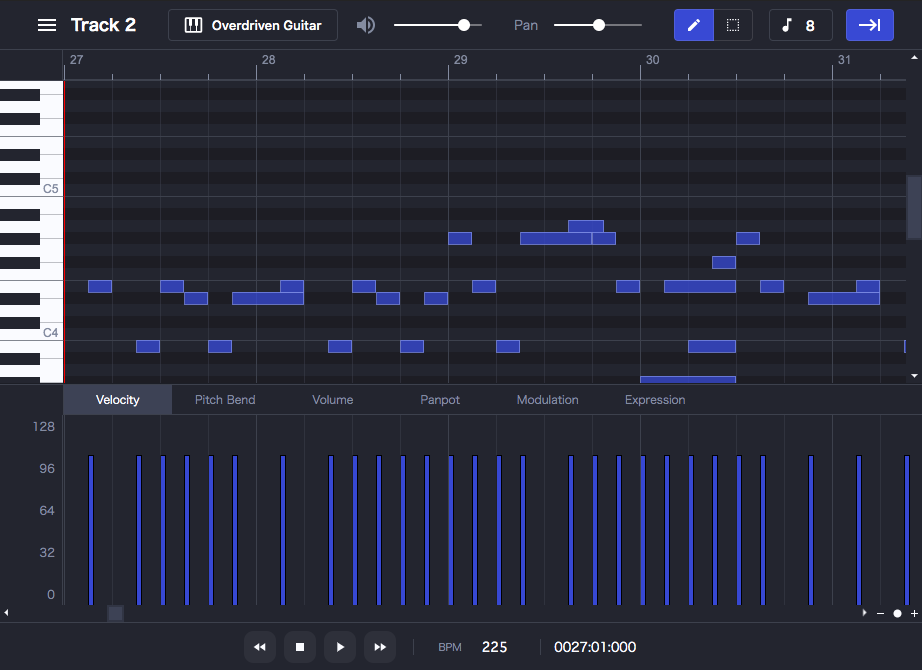
- A piano roll shows notes as bars on a grid: pitch goes up/down, time goes left/right.
- A piano roll online typically does one of four jobs: View, Edit, Learn, or Share (export/render).
- A clean workflow is: Import MIDI → isolate tracks → set grid/tempo → edit timing/velocity → export MIDI (or audio/video).
- MIDI is performance data, not audio-playback depends on the instrument/sound engine used.
- Before uploading anything: confirm whether the tool is local processing or server upload (some tools state “100% local processing”).
Takeaway:Once you choose the job, the right piano roll online becomes obvious-next we’ll make that choice fast.
Piano Roll Online: Choose Your Goal And The Right Tool Type
You’re about to get a simple decision lens so you can judge any tool quickly-without trusting marketing claims.
The 4 Jobs (View / Edit / Learn / Share)
A piano roll onlineisn’t one product category-it’s four different needs:
- View:Understand a MIDI file (chords, melody, rhythm density, sections, tracks).
- Edit:Change the MIDI (timing, note lengths, velocity, sometimes controller data).
- Learn:Practice with looping, slowing down, feedback, and often falling-note visuals.
- Share:Export clean MIDI to a DAW, or render audio/video visuals for content.
Quick Decision Table: Tool Type → What To Pick (Must-Haves)
| Tool type (your goal) | What to pick (and what it must do) |
| Viewer (View) | Loads .mid, shows multi-track, lets you mute/solo/filter tracks, zoom, and inspect notes. |
| MIDI editor (Edit) | Precise note edits + quantization + velocity editing; controller lanes help if you need expression. |
| Trainer/learning visualizer (Learn) | Tempo control + looping + clear feedback; MIDI keyboard support is a plus. |
| Sequencer/Composer (Compose/Share) | Draw notes on a grid, build patterns, and export MIDI or share a playable link. |
Takeaway:With your goal chosen, you can evaluate tools confidently-next you’ll learn what the piano roll is actually showing.
What A Piano Roll Is (and What It Isn’t)
This mental model prevents the biggest beginner mistake: treating MIDI like audio.
Piano Roll In DAWs: Pitch Vs Time, MIDI Note Bars
A piano roll is a grid for MIDI notes. The bars encode:
- Pitch(which key)
- Position(when it starts)
- Length(how long it holds)
- Dynamics(usually via velocity)
DAWs commonly use this view (FL Studio, Ableton, etc.) because it’s the fastest way to edit note events.
What Is A MIDI File (and Why It “Sounds Different” Everywhere)
A MIDI file is instructions-note events, timing, and performance controls-not recorded sound. That’s why the same MIDI can sound wildly different depending on the playback instrument. If you want more consistent “default instruments,” look for General MIDI (GM)support.
Paper Piano Rolls Vs Digital Piano Rolls
Historical “piano rolls” were physical media for player pianos. Digital pianorolls borrow the time vs pitchidea, but represent editable MIDI data rather than punched paper. Stanford’s digitized roll collections are a fun way to see the bridge between old and new.
Takeaway:The piano roll is a performance map-next you’ll use it with a workflow that works across almost every online tool.
How To Use A Piano Roll Online (Clean Workflow)
This is the repeatable process that makes any tool feel “easy,” even if the UI is unfamiliar.
Import (MIDI File Requirements; Multi-Track Expectations)
Confirm you’re working with a Standard MIDI File(.mid/.midi). Some files are single-track; many are multi-track, which is normal. If the roll looks “too busy,” your next move is track isolation, not panic.
Read It (Identify Hands, Bass, Melody Via Tracks/Registers)
For piano arrangements, “hands” often split by register:
- Lower register = left-hand/bass movement
- Upper register = right-hand melody/voicings
If the tool supports track filtering, isolate lines and look for repeating shapes (chords, arpeggios, ostinatos).
Edit Timing (Grid + Quantize + When Not To Quantize)
MIDI editing usually means changing note position, length, pitch, and velocity.
My rule of thumb: quantize for clarity, not perfection.
Practical approach:
- Quantize the worst offenders (late starts, messy chords)
- Manually nudge the few notes that still feel wrong
- Keep repeated chord hits consistent if your goal is “clean,” not “human”
Edit Dynamics (Velocity + Expression Lanes)
Velocity is the most common “loudness/strength” control in MIDI editors. Many tools also support expression/modulation lanes for shaping phrasing.
Export (MIDI → DAW; Audio/Video When Needed)
If your next step is production, export standard MIDIand continue in your DAW.
If your goal is shareability, choose a tool that can export audio (WAV) or visuals.
Takeaway:Once you can import → read → edit → export, “best” becomes “best for your use case”-next we’ll define must-have features.
Must-Have Features Checklist (So You Don’t Pick The Wrong Tool)
This section prevents the classic mismatch: using a viewer when you really need an editor.
Multi-Track Controls (Mute/Solo/Track Focus)
If you work with real MIDI, track control is not optional. Look for:
- Track list with mute/solo
- Visual separation (colors/layers)
- Per-track instrument routing (nice-to-have)
Sound Quality Options (Instruments, SoundFonts)
MIDI needs a sound engine. Some tools use built-in synths; others let you load SoundFonts or select instruments. If playback feels “wrong,” it may be the instrument, not your notes.
Practice Tools (Looping, Tempo Control, Hands Separation)
For learning, essentials are:
- Loopinga section
- Tempo control
- Hands/part separation(track focus)
If you’ll use a MIDI keyboard, the tool may rely on the Web MIDI API, which is only available in secure contexts (HTTPS)and varies by browser support.
Privacy & File Handling Checklist (Local Vs Upload)
If you’re uploading someone else’s MIDI (or unreleased work), treat privacy as a feature:
- Does it explicitly say local processing?
- Is there a clear privacy policyabout storage?
- Does it require an account to upload?
- Can you use it offline (sometimes a hint it can run locally)?
MIDI Toolbox, for example, explicitly states local processing in its tooling and privacy language.
Takeaway:With your checklist, you can judge any tool quickly-next are solid free options (with the right expectations).
10 Free Piano Roll Online Tools (No Download) - With Best Use Cases
These aren’t “best” in a vacuum. They’re good starting points, and each matches a different job.
1. Pianotify (Free Online Piano Roll Viewer)
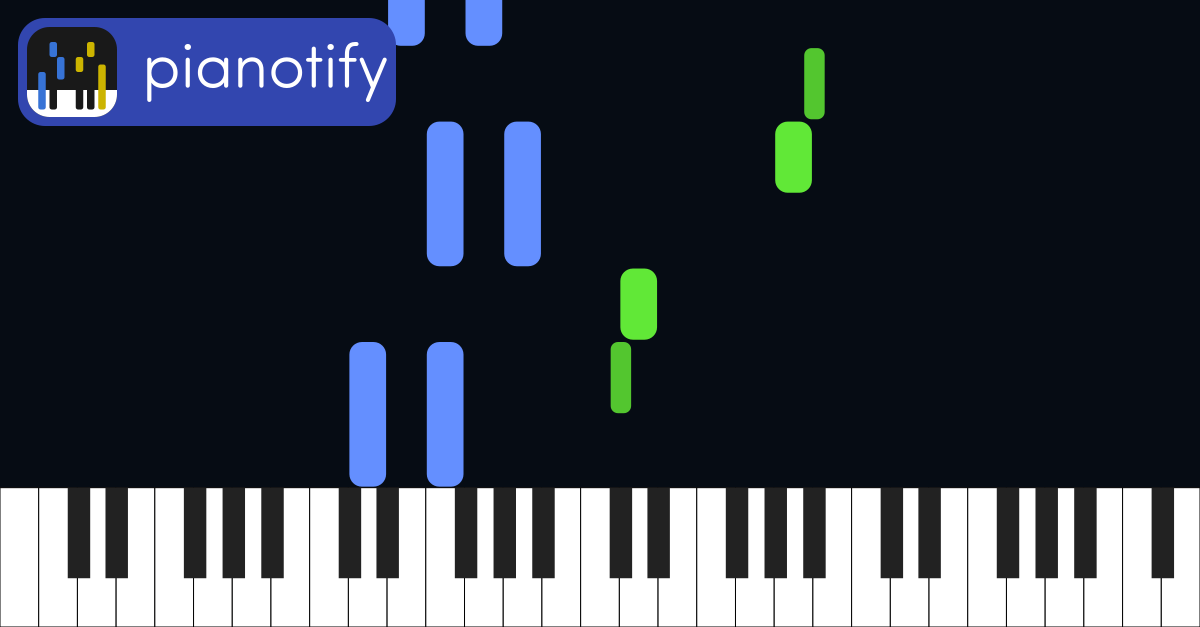
Best for:Fast viewing/analysisof MIDI with a clean “what notes are where” experience. Pianotify positions itself as a free online pianoroll viewerfor uploading MIDI and seeing notes on a scrolling roll, including chord/structure analysis cues.
Use it when:You want clarity, not deep editing.
Watch for:Whether your use case needs note edits-this is primarily a viewer, not a full editor.
Website: Pianotify
2. MIDI Toolbox Visualizer (Fast, Free, Local-Processing Viewer)
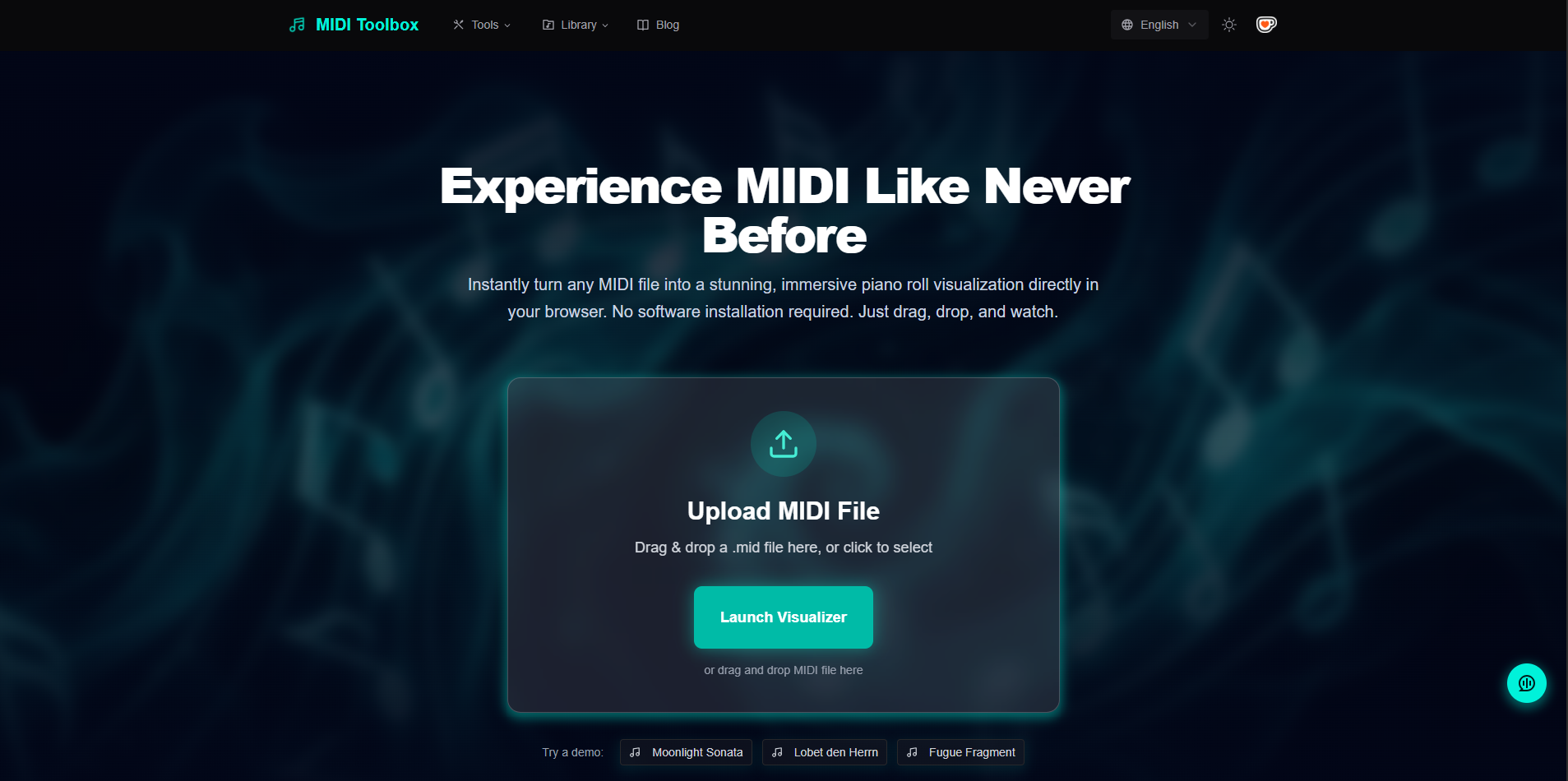
Best for:Multi-track visualization with track filtering, zoom, and note inspection.It explicitly states it’s fast, free, runs locally, and says it does not store/analyze MIDI files on servers.
- Use it when:You care about privacy + you need to inspect dense multi-track files.
- Watch for:Viewer-first workflows (editing depth depends on the editor tool, below).
- Website: MIDI Toolbox Visualizer
3. MIDI Toolbox Editor (Free Online MIDI Editor)
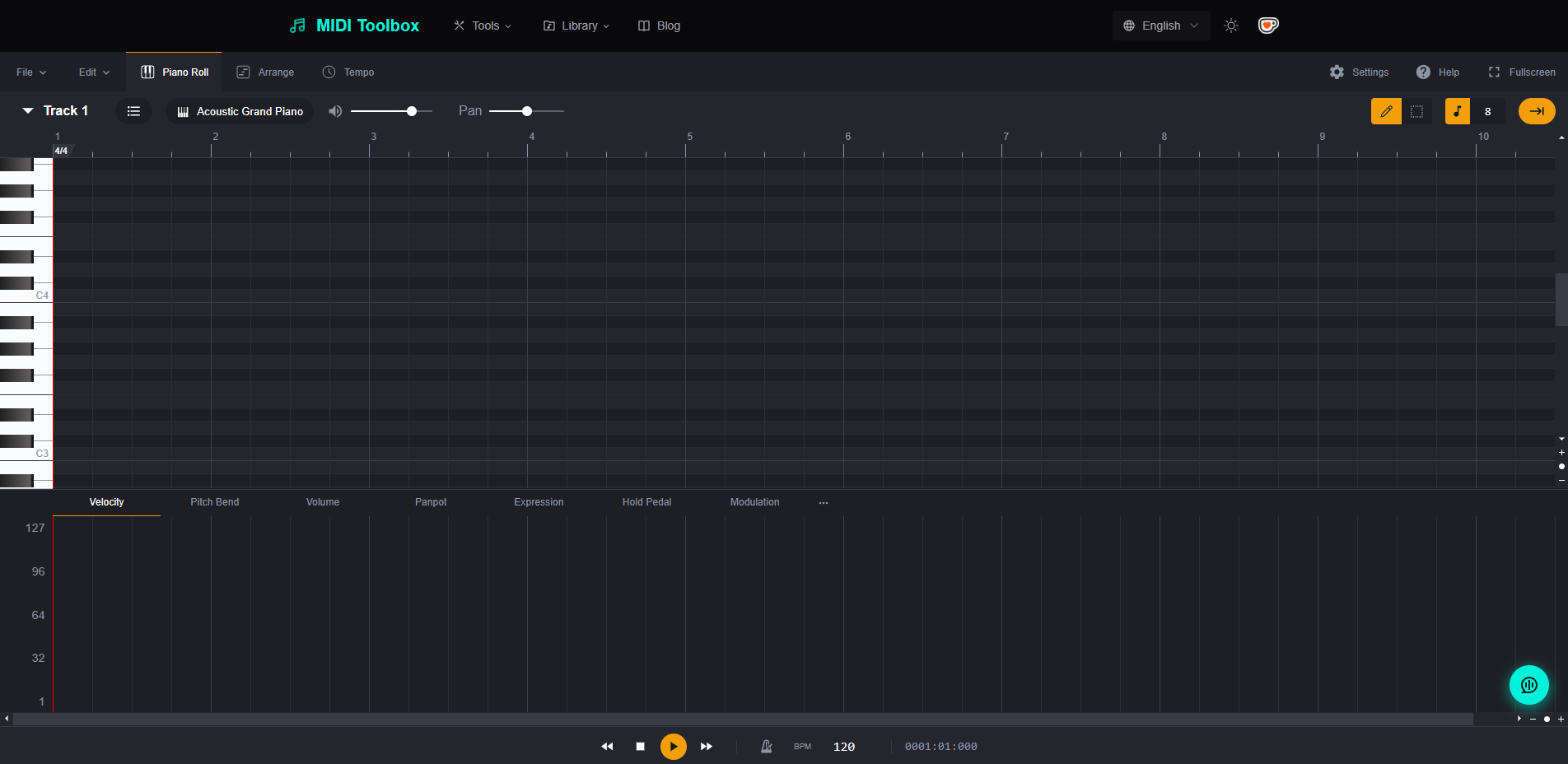
Best for:Browser-based note editing, quantization, and velocity shaping without installing a DAW. Their editor positioning includes “Free Online MIDI Editor” plus piano roll editing/quantize/velocity control language.
Use it when:You want “DAW-like basics” for timing and dynamics quickly.
Watch for:Advanced controller lane needs-check if it supports the exact CC lanes you rely on.
Website: MIDI Toolbox Editor
4. Signal (Open-Source Online MIDI Editor)
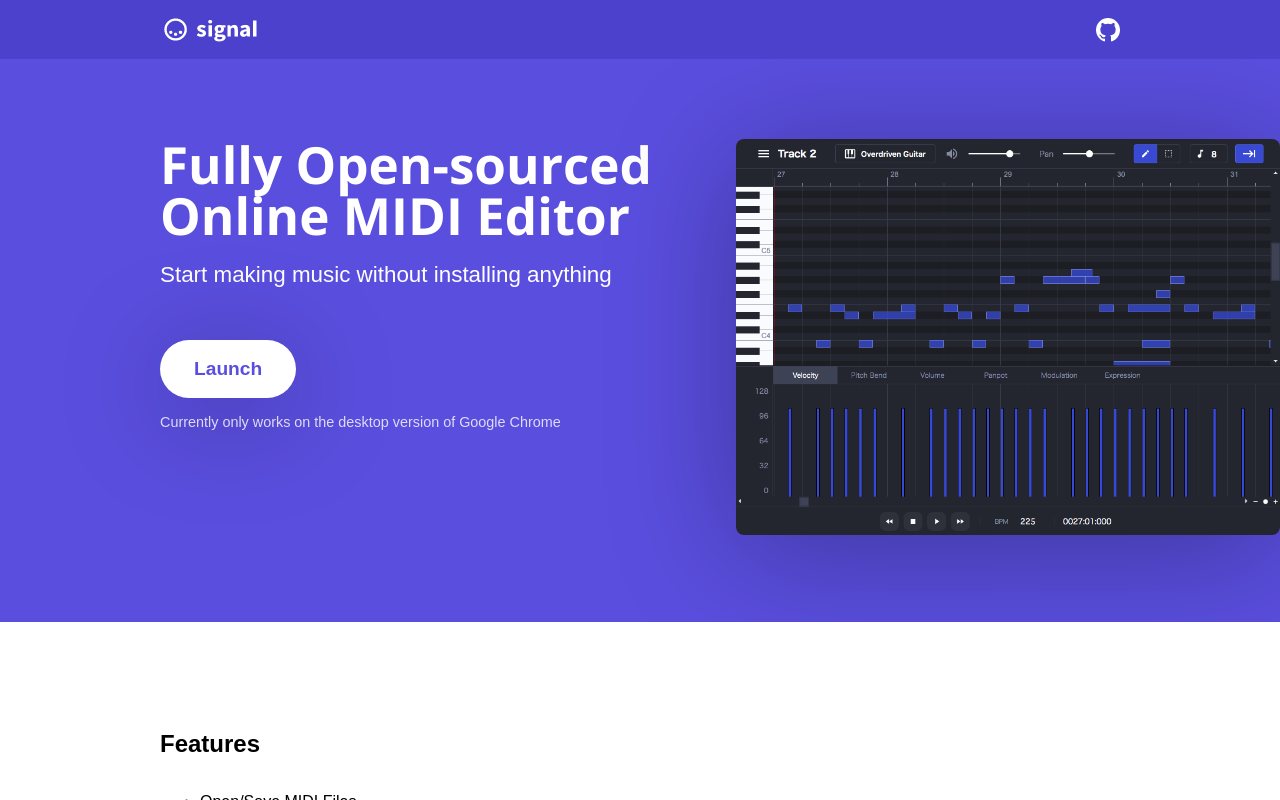
Best for:A surprisingly deep editor: multi-track piano roll, tempo/time signature changes, MIDI I/O, WAV export, and SoundFont support.
Why it’s a strong “free” pick:It’s open-source (MIT license)and runs in the browser.
Use it when:You want power (not just “quick edits”).
Watch for:UI complexity-great once learned, not the lightest first tool.
Website: Signal
5. BandLab Studio (100% Free Online DAW With MIDI Editor)
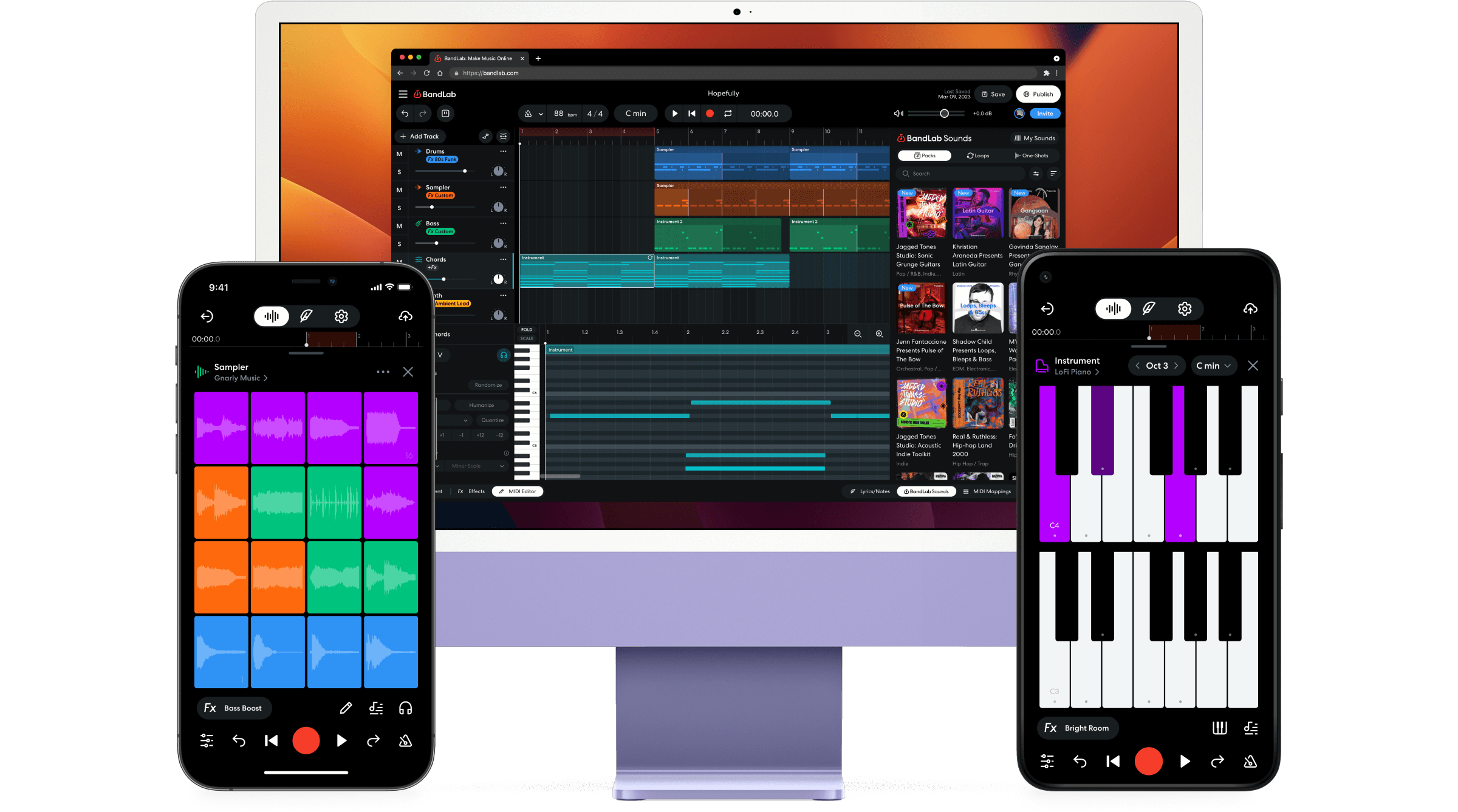
Best for:A full browser DAW workflow with a MIDI editor (piano roll style) for adjusting note placement, length, and velocity. BandLab explicitly markets its Studio as 100% free, and its help docs describe MIDI editor functions like duration and velocity editing.
Use it when:You want one place to edit + arrange + mix, not just inspect notes.
Watch for:Account-based workflows and cloud features-read policies if privacy is critical.
Website: BandLab Studio
6. Midiano (Free Practice-Focused Piano Roll With Feedback)
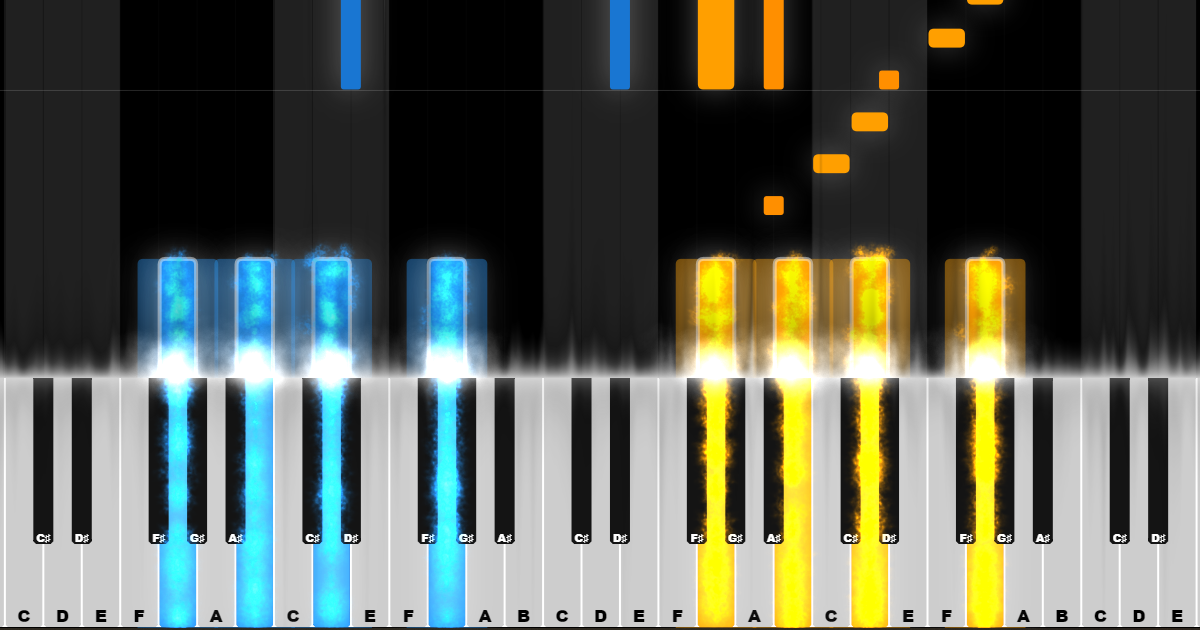
Best for:Learning/practice with falling notes, optional sheet music, and MIDI keyboard feedback. Its GitHub description calls it a free piano-learning webapp, and the site emphasizes “no registration required.”
Use it when:Your goal is practice, not production.
Watch for:“Learning visuals” ≠ “editing depth.” It’s built to play and train more than to micro-edit.
Website: Midiano
7. OnlineSequencer (Free Online Sequencer With Piano Roll)
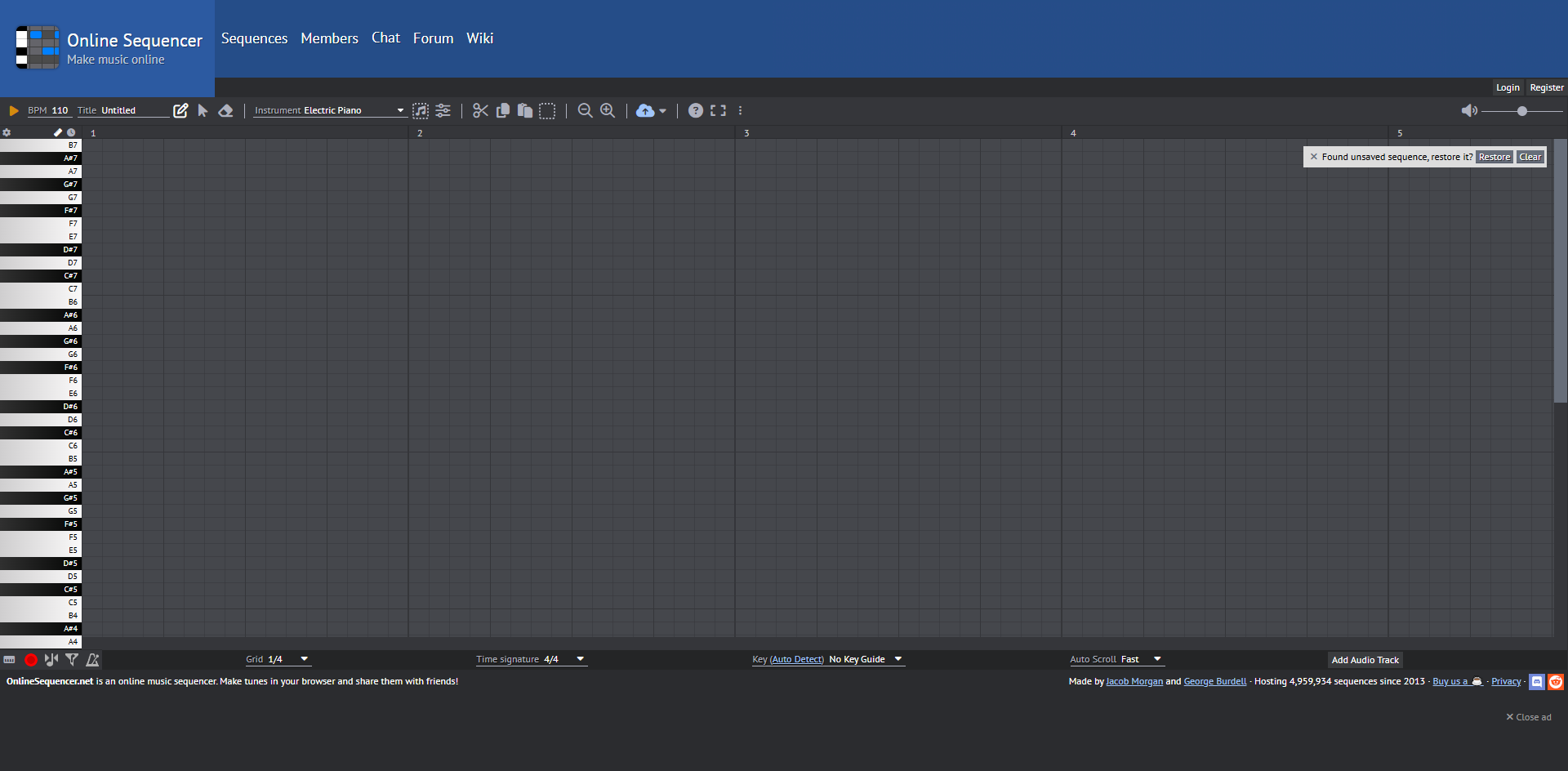
Best for:The “sequencer intent”-composing by drawing notes on a grid, looping patterns, and sharing ideas quickly.
Use it when:You want to create music from scratch in a piano-roll style interface.
Watch for:Export/feature limits depending on what you need next (DAW-level mixing vs quick composing).
Website: OnlineSequencer
8. BrowserDAW (Free Browser Sequencer With MIDI Import)
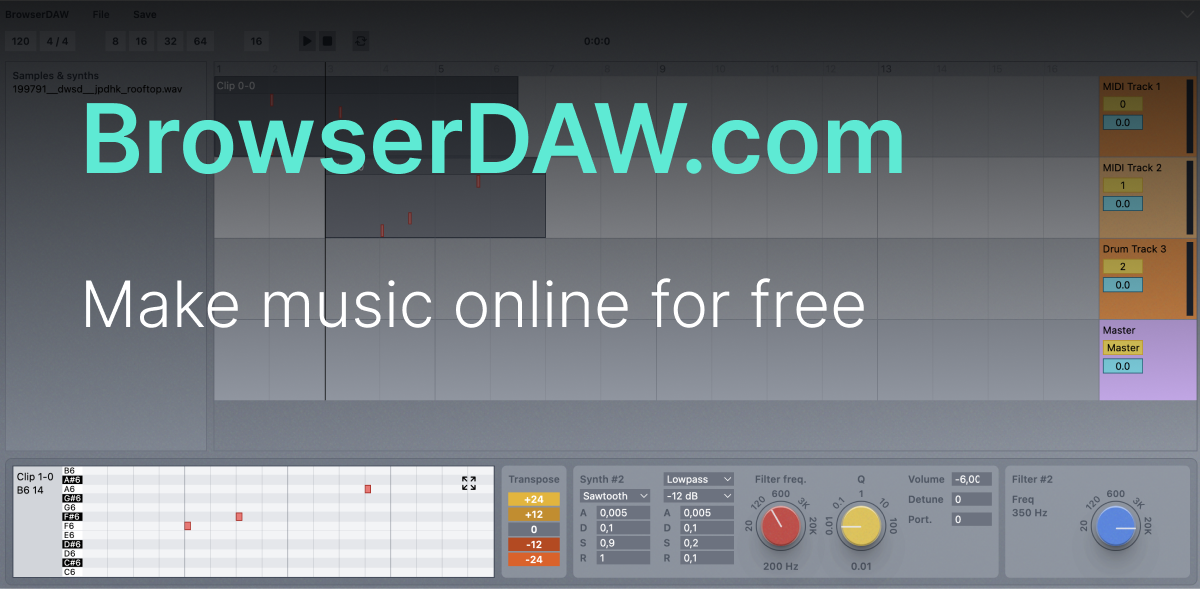
Best for:Building patterns and sequences in a browser timeline (piano-roll-like sequencing), plus MIDI import. It positions itself as a free online sequencerfor creating music in-browser.
Use it when:You want to sketch beats/melodies and keep moving.
Watch for:Feature limits compared to full DAWs (samples, advanced automation, etc.).
Website: BrowserDAW
9. Chrome Music Lab: Piano Roll (Free Learning Sandbox)
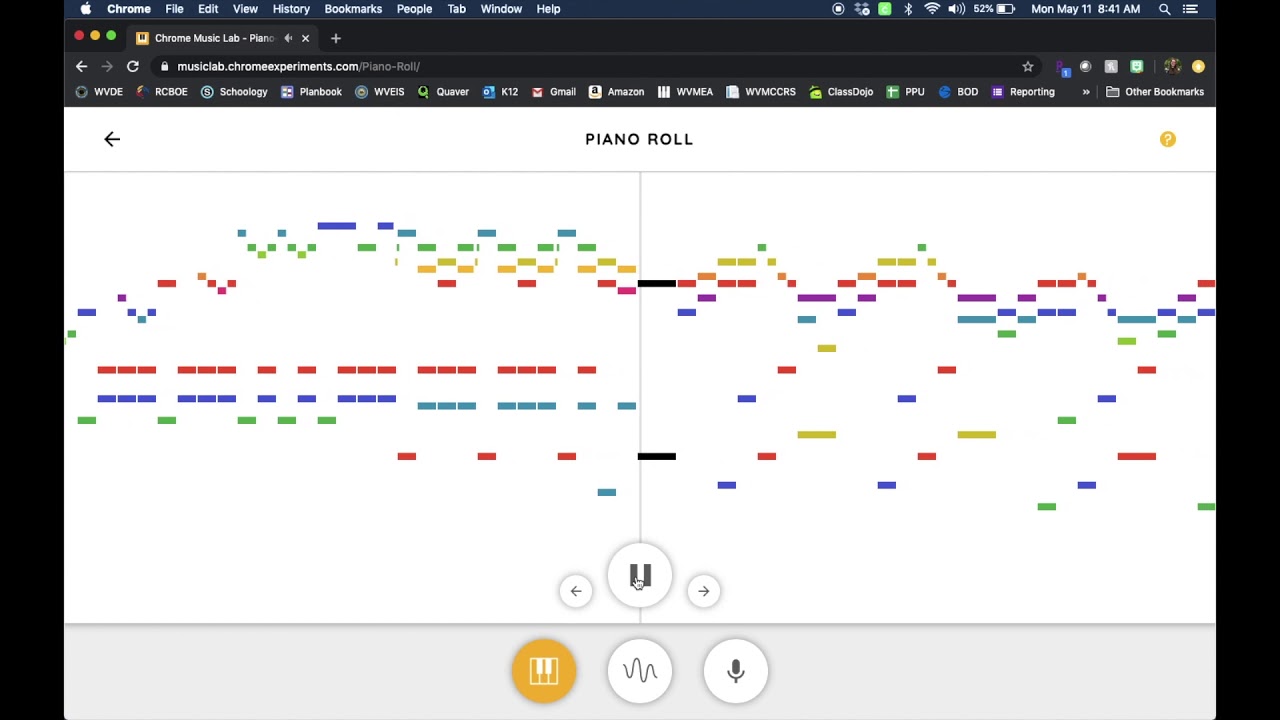
Best for:Understanding the piano roll concept visually and experimenting in a lightweight, beginner-friendly environment.
Use it when:You’re learning/teaching the “time vs pitch” grid idea and want something simple.
Watch for:It’s an experiment/sandbox-don’t expect full MIDI editing workflows.
Website: Chrome Music Lab: Piano Roll
10. Midi2Vidi (Free MIDI → MP4 Piano Video Visualizer)
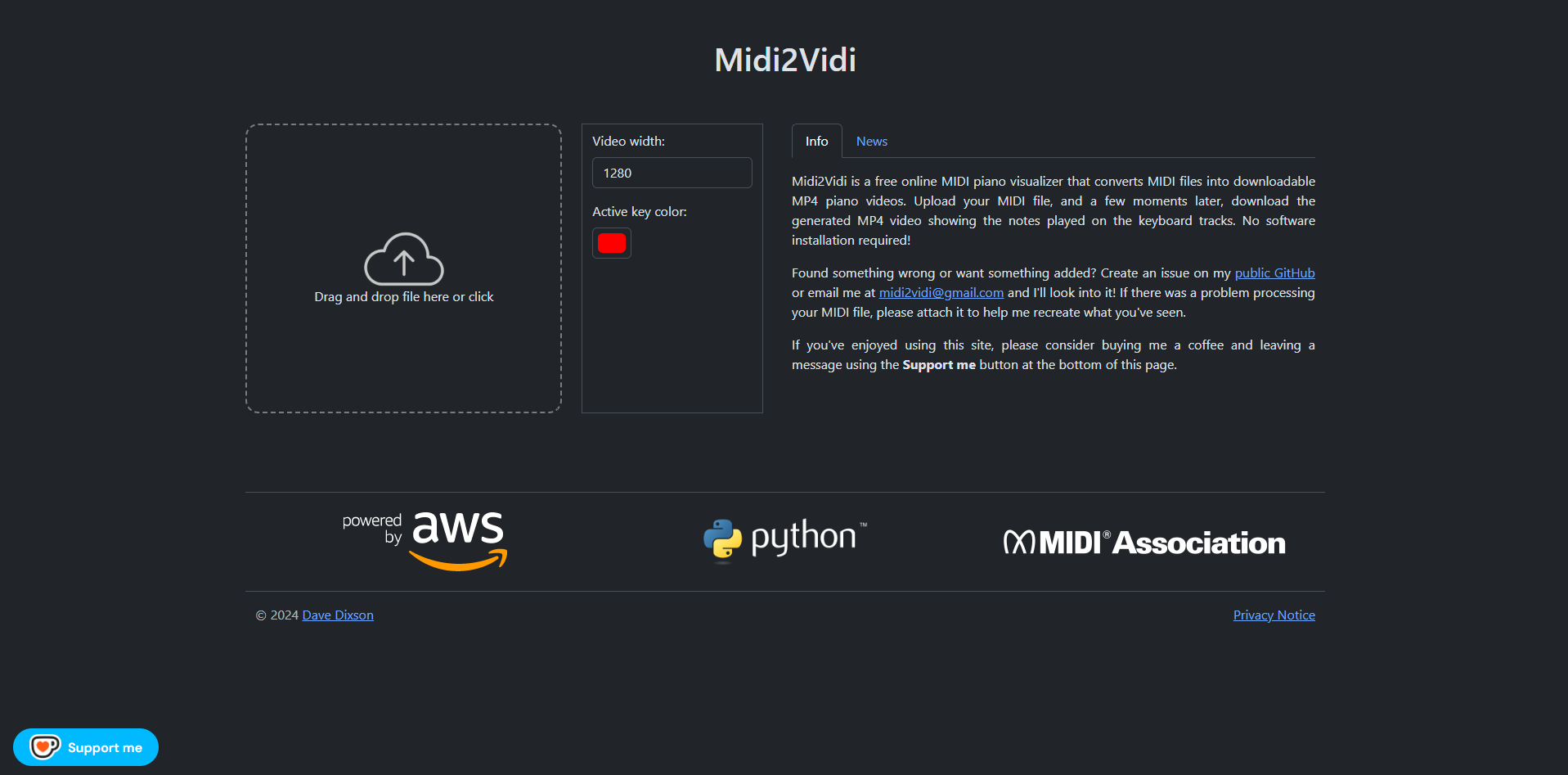
Best for:The “share” job: turning a MIDI file into a downloadable piano-style MP4 video visualization.
Use it when:You want a quick visual output for sharing or posting, without editing notes.
Watch for:This is for rendering/visual output-do your MIDI edits in an editor first, then render.
Website: Midi2Vidi
Takeaway:Pick one tool that matches your job today-then your biggest gains come from how you practice and interpret the roll.
How Piano Learners Should Practice With A Piano Roll (The Missing “How”)
This is where most top-ranked pages fall short: they show tools, but not the method.
Convert Piano Roll → Practice Plan (Hands, Rhythms, Voicings)
Translate the roll into three passes:
- Hands/parts pass:isolate left-hand/bass and right-hand/melody (track or register).
- Rhythm pass:identify repeated rhythms; loop the smallest repeatable unit.
- Voicing pass:decide what should sing (top note, melody, bass line).
Coach’s Take (practice template):Loop a short section. Aim for correct notes at a comfortable tempo. Refine timing. Refine dynamics (velocity). Then increase tempo.
Spotting Chords Fast (Stacked Notes; Common Shapes)
Chords appear as vertical stacks. Look for:
- Repeating stacks every bar/beat (harmonic rhythm)
- Similar shapes moved up/down (transposed progression)
- Wide gaps (open voicings)
Common Traps (Wrong Octave Assumptions, Sustain Illusions, Over-Quantized Feel)
- Octave confusion:melodies may be doubled or assigned to unexpected tracks.
- Sustain illusions:long bars can imply pedal/sustain behavior; interpret intent.
- Over-quantization:perfect alignment can sound robotic; preserve phrasing.
Takeaway:With a method in place, you’ll sometimes need outputs beyond MIDI edits-next are smart “utilities” use cases.
Also Read: How To Read Piano Notes
Conversions And Utilities (When You Need Outputs Beyond MIDI)
Use these workflows when your goal is teaching, content, or archival curiosity.
Printable Piano Roll / Worksheets
Printable piano-roll style output is useful for annotation (fingerings, chord labels, rhythmic groupings). It’s best for analysis and teaching, not replacing notation.
Piano Roll Visuals For Content Creation
What matters most:
- Visual clarity (zoom, colors, track display)
- Audio consistency (instrument choice)
- Export options (audio/video workflow)
Tools like signal explicitly talk about WAV export, and some services focus on visualization.
Historic Context Sidebar: Stanford Piano Roll Digitization (Short)
Stanford’s digitized rolls provide scanned artifacts and audio emulations-useful context for what “piano roll” meant before MIDI.
Takeaway:When you work in-browser, issues cluster around sound, files, and permissions-next is troubleshooting that actually fixes things.
Troubleshooting: When The Piano Roll “Doesn’t Work”
Most failures are browser rules, not your MIDI file.
No Sound / Autoplay / Muted Tracks
If you see notes but hear nothing:
- Confirm the tab/device isn’t muted
- Click once inside the page (browsers often block autoplay audio)
- Check track mute/solo states
Modern browsers commonly restrict autoplay audio and require user interaction.
File Imports But Looks Wrong (Tempo/Time Signature, Track Mapping)
If notes look off-grid:
- Check tempo/time signature handling (some tools support changes mid-song)
- Filter tracks (drums/extra channels can inflate density)
MIDI Type 0 Vs Type 1: Why Tracks Collapse Into One Lane (High-Value Fix)
If everything appears in onetrack or one lane, your file may be Type 0 (single-track SMF0)instead of Type 1 (multi-track SMF1). Ableton’s support doc explains this exact behavior: SMF0 stores all MIDI data in one track, while SMF1 stores parts across multiple tracks. (See Ableton’s “Understanding MIDI files.”)
Practical fix: if you can, re-export the MIDI as Type 1/SMF1from the original software. If not, use a trusted converter, then re-import and try track isolation again.
MIDI Keyboard Won’t Connect (Permissions / Browser Support)
Web-based MIDI input uses the Web MIDI API, which:
- requires HTTPS(secure context)
- has browser-dependent support (check current support tables)
Latency And Browser Performance Tips (Practical, Non-Technical)
If playback stutters or input feels delayed:
- Close extra tabs and reload the tool (Web Audio can get heavy).
- Reduce visual complexity (hide tracks, zoom sensibly).
- For MIDI keyboards, confirm browser permissions and secure context requirements for Web MIDI. (MDN Web MIDI API.)
Takeaway:Once the tool works, the remaining questions are definitions, safety, and “what should I use?”-so here are the answers people ask most.
Key Questions Answered (FAQ)
What Is A Piano Roll?
A piano roll shows MIDI notes as bars: pitch on the vertical axis and time on the horizontal axis.
What Does “Piano Roll Online” Mean?
It’s a browser-based tool that displays or edits MIDI in a piano-roll grid, without needing a desktop DAW.
Can I View A MIDI File As A Piano Roll In My Browser?
Yes, many tools let you drag-and-drop a .mid file and see playback synced to the roll.
Can I Edit MIDI Online (Quantize, Velocity, Timing)?
Yes, online editors commonly support note position/length edits and velocity, and some support deeper controller data.
Is There A Free Piano Roll Online?
Yes, there are free viewers, editors, and learning tools. The right pick depends on whether you need viewing, editing, practice, or sequencing.
Are My MIDI Files Uploaded To A Server?
It depends. Some tools explicitly state local processing; others may upload for cloud features. Always check the tool’s privacy policy before uploading.
Can I Connect A MIDI Keyboard To A Piano Roll Online?
Often yes, but it depends on browser support and permissions for the Web MIDI API (HTTPS required).
What’s The Difference Between Piano Roll And Sheet Music?
Sheet music is notation for humans; piano roll is a timing-and-performance grid for MIDI note events and dynamics.
How Do I Practice A Song Using A Piano Roll?
Isolate parts, loop a small section, slow the tempo, then rebuild speed while keeping accuracy and consistent dynamics.
Can I Export What I Made To FL Studio/Ableton?
If the tool exports standard MIDI, you can import it into most DAWs and continue editing in the DAW piano roll.
Is It Okay To Upload Any MIDI I Find Online?
Not automatically. Copyright protection exists once a musical work is fixed (including digital files), so you should use MIDI you own, have permission to use, or that’s licensed for sharing (e.g., Creative Commons).
Final Thoughts
If you only remember one thing: “piano roll online” is a job, not a tool.Decide whether you’re trying to view, edit, learn, or share-then demand the features that match that job.
Combine a clean workflow (import → isolate → edit → export) with a practice method (loop → accuracy → timing → dynamics), and the piano roll stops being a flashy visualization-it becomes a reliable learning and creation engine.
If this helped, share it with someone who keeps collecting MIDI files but never feels sure what to do with them.