Bizarre Piano Songs - From Silence To Impossible Speed
Bizarre piano songsare pieces where the piano feels unsettling, rule-breaking, or conceptually “wrong”-either to listen to, to play, or both.
Key Takeaways
- Most Conceptually Bizarre:4'33"by John Cage (total silence) and Vexationsby Erik Satie (840 repetitions).
- Most Sonically Bizarre:"Prepared Piano" pieces that use screws and bolts to create metallic, percussive sounds.
- Most Unpleasant:The Most Unwanted Song, which mathematically combines every element listeners dislike.
- Humanly Impossible:"Black Midi" and Conlon Nancarrow's player piano works exceed the physical limits of ten fingers.
- Pop Subversions:The Beatles and Queen used the piano as a foundation for avant-garde "sound collages" and operatic rock.
Below you’ll find: a chooser table, the full 35-song list, listening cues, playability tips, quick practice ideas, and FAQs.
What Does The Term "bizarre" Mean In Piano Music?
The piano is a beloved instrument that has been used to create some of the most beautiful and recognizable music in history. From classical masterpieces to modern pop hits, the piano has played a vital role in shaping the sound of music.
- Timbre weird: the piano stops sounding like a piano (prepared piano, inside-piano, extended techniques).
- Rhythm weird: the pulse breaks (polyrhythms, tempo layers, player piano, phase shifting).
- Harmony weird: pitch feels “wrong” (strange scales, grinding clusters, haunted ambiguity).
- Form/concept weird: the ideais the composition (silence, repetition, open form, collage).
- Context weird: pop/film language gets subverted (sound collage, mock-opera, genre flips).
However, not all piano songsare created equal. Some push the boundaries of what we consider "normal" music, featuring unusual sounds, structures, and techniques.
If you are just looking for standard repertoire, you might prefer our list of the Best Piano Songs Of All Timeor Easy Piano Songs. However, if you want to see how the rules are broken, read on.
All 35 Bizarre Piano Songs At A Glance
| 1. 4′33″ - John Cage | Concept • Solo piano (performance frame) • Beginner |
| 2. Vexations - Erik Satie | Concept • Solo piano • Intermediate (stamina) |
| 3. The Most Unwanted Song - Komar/Melamid/Soldier | Concept • Listening reference • N/A |
| 4. Black MIDI (genre) - various | Concept/Time • Listening reference • N/A |
| 5. Music of Changes - Cage | Concept • Solo piano • Advanced |
| 6. Klavierstück XI - Stockhausen | Concept • Solo piano • Advanced |
| 7. “Prepared Piano Music” - Cage | Timbre • Solo piano (prepared) • Varies |
| 8. Sonatas & Interludes - Cage | Timbre • Solo piano (prepared) • Advanced |
| 9. The Banshee - Cowell | Timbre • Solo piano (inside piano) • Advanced (technique) |
| 10. Aeolian Harp - Cowell | Timbre • Solo piano (inside piano) • Intermediate |
| 11. Makrokosmos I - Crumb | Timbre • Solo piano (often amplified) • Advanced |
| 12. Guero - Lachenmann | Timbre • Solo piano (keyboard scrape) • Advanced (sound control) |
| 13. The Tides Of Manaunaun - Henry Cowell | Timbre • Solo piano • Advanced |
| 14. Winnsboro Cotton Mill Blues - Frederic Rzewski | Timbre • Solo piano • Advanced |
| 15. Rite of Spring (solo transcription) - Stravinsky/Raphling | Time • Solo piano (transcription) • Extreme |
| 16. Studies for Player Piano - Nancarrow | Time • Listening reference / transcriptions exist • N/A (as written) |
| 17. Piano Phase - Reich | Time • Piano duo • Intermediate |
| 18. Étude No. 1 “Désordre” - György Ligeti | Time • Solo piano • Advanced |
| 19. Étude No. 13 “L’escalier Du Diable” - György Ligeti | Time • Solo piano • Extreme |
| 20. Evryali - Iannis Xenakis | Time • Solo piano • Extreme |
| 21. Ballet Mécanique (versions Vary) - George Antheil | Time/Context • Listening reference / versions vary • Advanced–Extreme |
| 22. Vers la flamme - Scriabin | Harmony • Solo piano • Advanced |
| 23. Scarbo (Gaspard de la nuit) - Ravel | Harmony • Solo piano • Extreme |
| 24. The Night’s Music (Out of Doors) - Bartók | Harmony • Solo piano • Advanced |
| 25. Allegro barbaro - Bartók | Harmony/Time • Solo piano • Advanced |
| 26. Sarcasms, Op. 17 - Prokofiev | Harmony • Solo piano • Advanced |
| 27. Gymnopédie No. 1 - Satie | Harmony/Mood • Solo piano • Beginner |
| 28. Gnossienne No. 1 - Satie | Harmony/Mood • Solo piano • Beginner–Intermediate |
| 29. Fratres - Pärt | Harmony/Mood • Piano + ensemble (violin/piano) • Intermediate |
| 30. Für Alina - Pärt | Harmony/Mood • Solo piano • Beginner (musicianship hard) |
| 31. Concord Sonata - Ives | Harmony/Concept • Solo piano • Extreme |
| 32. Revolution 9 - The Beatles | Context • Listening reference • N/A |
| 33. Bohemian Rhapsody - Queen | Context • Arrangement common • Intermediate–Advanced |
| 34. The Great Pretender - Freddie Mercury (cover) | Context • Arrangement common • Beginner–Intermediate |
| 35. The Entertainer - Joplin | Context/Time • Solo piano • Intermediate |
Bizarre Piano Songs By Concept: When The Idea Is The Song
If you like weirdness that comes from rules, instructions, duration, or premise, this is your home base. You’ll leave with pieces that are easy to performbut surprisingly hard to process.
1. 4′33″ - John Cage
Mechanism:Concept | Format:Solo piano (performance frame) | Listen:Easy | Play:Beginner

John Cage's 4'33"
Artist:John Cage(American, 20th c.) | Made silence/time the “material”
What makes it bizarre:No intentional notes. The “music” is the frame of time-everything you normally ignore suddenly becomes the event.
What you’ll hear:Your space composing itself: breathing, chair creaks, distant traffic, a nervous laugh.
- Best for:People who love concept art, ambient music, or “mindfulness with teeth.”
- Try this:Listen twice-once in a busy room, once in a quiet room. Notice how it becomes a different “piece.”
- Common mistake:Expecting a melody. The point is what happens to your attention when melody is removed.
- Playability:Technically effortless; mentally demanding(stillness and intention are the performance).
2. Vexations - Erik Satie
Mechanism:Concept | Format:Solo piano | Listen:Medium | Play:Intermediate (stamina)

Erik Satie ~1893~ Vexations
Artist:Erik Satie(French, late-19th/early-20th c.) | Minimal ambiguity with sharp intent
What makes it bizarre:A tiny motif paired with an infamous instruction to repeat it 840 times-a miniature that turns into an endurance ritual.
What you’ll hear:Your brain shifting modes: music → loop → texture → trance.
- Best for:Minimalism fans, endurance art enjoyers, and anyone curious about repetition as a psychological tool.
- Try this:Don’t start with 840. Do 10 reps, then 25, then 50-and notice where “meaning” dissolves into pattern.
- Common mistake:Playing it the same way each time. Micro-variations (touch, timing, pedaling) are what keep it alive.
- Playability:Easy notes; extreme staminaif you commit to the full concept.
3. The Most Unwanted Song - Komar & Melamid (with Dave Soldier)
Mechanism:Concept | Format:Listening reference | Listen:Medium | Play:N/A

The Most Unwanted Song (FULL VERSION)
Artist:Komar & Melamid(conceptual artists, late-20th c.) | Taste-as-experiment provocation
What makes it bizarre:It’s built like an anti-hit-an art experiment that piles “least-liked” musical traits into one awkward, chaotic Frankenstein.
What you’ll hear:Clashing fragments and tone shifts that feel like a radio dial getting stuck between stations.
- Best for:People who enjoy “so bad it’s fascinating,” satire, and art projects about taste.
- Try this:Listen once for structure(how sections change), then again for emotion(how it manipulates annoyance).
- Common mistake:Treating it as a piano piece. It’s better used as a concept benchmarkfor “bizarre.”
- Playability:Not a solo-piano work; its value here is the ideaand the listening experience.
4. Black MIDI - Impossible Piano MIDI Arrangements (internet Subculture)
Mechanism:Concept/Time | Format:Listening reference | Listen:Hard | Play:N/A
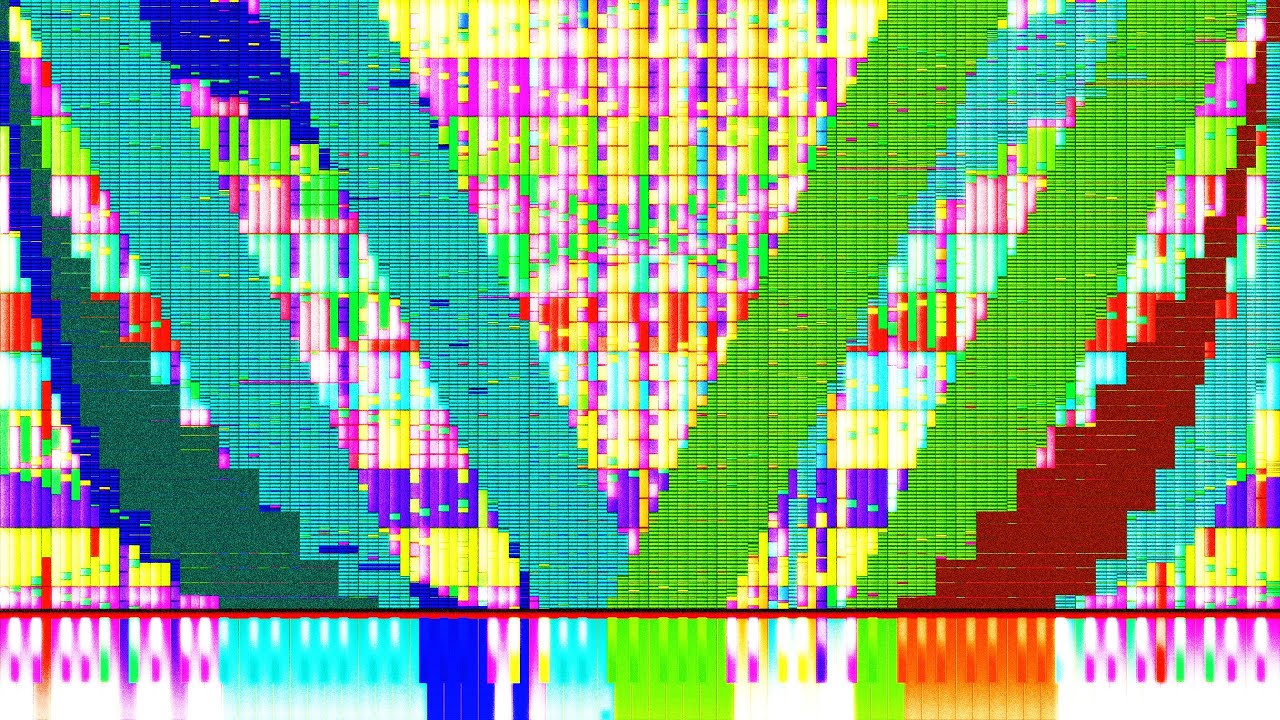
In The Hall Of The Mountain King // Impossible Piano Remix // Black MIDI // Sir Spork
Artist:Various creators(online scene, 21st c.) | Density as digital virtuosity
What makes it bizarre:The “composition” is sheer density-so many notes that the piano becomes a visual and sonic storm.
What you’ll hear:At first: noise. Then: shimmering clouds, flickering harmonies, and sudden moments where your ear “locks in.”
- Best for:Anyone who likes maximalism, glitch aesthetics, or “machine virtuosity.”
- Try this:Lower volume, use headphones, and focus on one layer(bass pulse, top-line sparkle) at a time.
- Common mistake:Confusing this with the rock band name. Here, “Black MIDI” means hyper-dense piano-roll MIDI art.
- Playability:Typically not human-playable-it’s digital performance art.
5. Music Of Changes - John Cage
Mechanism:Concept | Format:Solo piano | Listen:Hard | Play:Advanced

John Cage: Music of Changes (1951)
Artist:John Cage(American, 20th c.) | Chance operations to remove “taste steering”
What makes it bizarre:The material is guided by chance operations, so it can feel like structure without “taste” steering each moment.
What you’ll hear:Sudden shifts that aren’t trying to be pretty-more like a map of events than a narrative.
- Best for:Listeners who enjoy systems, randomness, and the feeling of a piece that refuses to “perform” emotion on command.
- Try this:Track only two things: density(how busy it is) and silence(where it breathes). That’s often the hidden logic.
- Common mistake:Over-interpreting it romantically. The weirdness is the method, not a confession.
- Playability:Advanced; clarity matters because the ear won’t forgive smudged randomness.
6. Klavierstück XI - Karlheinz Stockhausen
Mechanism:Concept | Format:Solo piano | Listen:Hard | Play:Advanced
Stockhausen: Klavierstück XI ∙ Pierre-Laurent Aimard
Artist:Karlheinz Stockhausen(German, 20th c.) | Open form and performer-as-navigator
What makes it bizarre:Open-form performance-music as navigation. The performer moves through fragments in a non-linear sequence.
What you’ll hear:A sense of “jump cuts”: contrasting ideas colliding like you’re switching channels in real time.
- Best for:People who like modular art, non-linear storytelling, and the thrill of performance decisions mattering.
- Try this:On first listen, ignore details-just notice how often the mood resets. That’s the design.
- Common mistake:Judging it like a traditional “beginning → middle → end” piece. It’s built more like a constellationthan a path.
- Playability:Advanced; the true challenge is coordination + decision-making, not just fingerwork.
Bizarre Piano Songs By Timbre: Prepared Piano, Inside-piano, And “wrong” Sounds
This is where the piano becomes a drum kit, gamelan, wind harp, or haunted machine - and where setup matters.
A prepared pianois an acoustic piano altered by placing objects on/among the strings so it produces new timbres (metallic, buzzy, muted, percussive). Cage’s prepared-piano repertoire is the classic starting point.
7. “Prepared Piano Music” - John Cage
Mechanism:Timbre | Format:Solo piano (prepared) | Listen:Medium | Play:Varies
John Cage - Root of an Unfocus
Artist:John Cage(American, 20th c.) | Turned one piano into a percussion orchestra
What makes it bizarre:The piano stops behaving like a singing instrument and turns into a mini-orchestra of clicks, thuds, buzzes, and metallic pings-almost like you’re hearing a whole percussion section hiding inside one keyboard.
What to listen for:Rhythm becomes the “melody” because pitch is often muted, detuned, or timbrally transformed.
- Best for:Listeners who love “found sounds,” percussion, or experimental film vibes.
- If you’re playing:Preparation choices matter more than finger speed; start with a listen-first mindsetand a simplified excerpt.
- Try this:On a second listen, ignore “notes” completely and track only attack + decay(how each sound starts and fades).
- Common mistake:Treating it like normal piano tone-these pieces reward precision in touchand clear rhythm, not romantic pedal haze.
8. Sonatas And Interludes For Prepared Piano - John Cage
Mechanism:Timbre | Format:Solo piano (prepared) | Listen:Medium | Play:Advanced
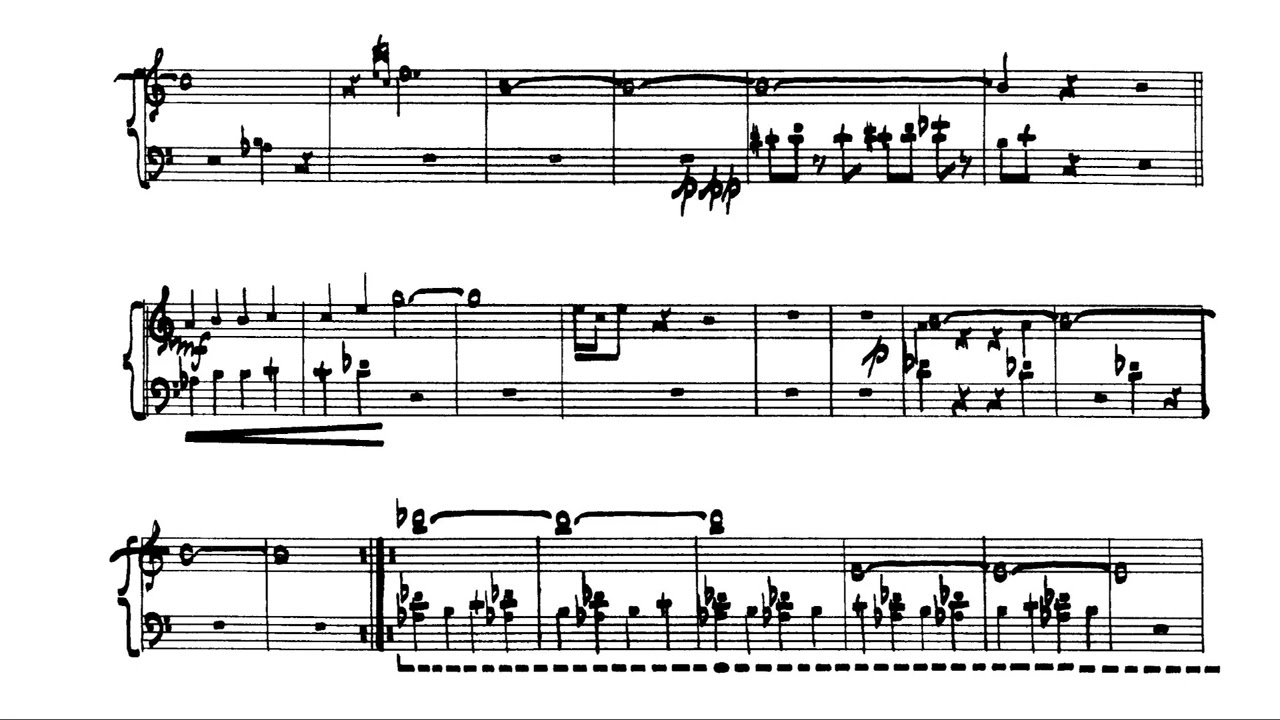
John Cage - Sonatas and Interludes for prepared piano (Orlando Bass)
Artist:John Cage(American, 20th c.) | Canon of prepared-piano color and structure
What makes it bizarre:This is “prepared piano” at its most refined: timbre isn’t decoration-it’s the main thematic material, the equivalent of melody and harmony in standard repertoire.
What to listen for:Bell-like tones, muted drum hits, and “gamelan-ish” colors-one keyboard sounding like a curated museum of instruments.
- Best for:Anyone who wants weirdness that still feels composed and intentional, not random.
- If you’re playing:Advanced, but not just because of notes-because consistent preparation and repeatable tone are the real difficulty.
- Try this:Pick one short movement and map it by sound categories(metallic / woody / muted / ringing). You’ll hear structure faster.
- Common mistake:Rushing setup. If the preparation isn’t consistent, the whole piece loses its “logic.”
9. The Banshee - Henry Cowell
Mechanism:Timbre | Format:Solo piano (inside piano) | Listen:Medium | Play:Advanced (technique)
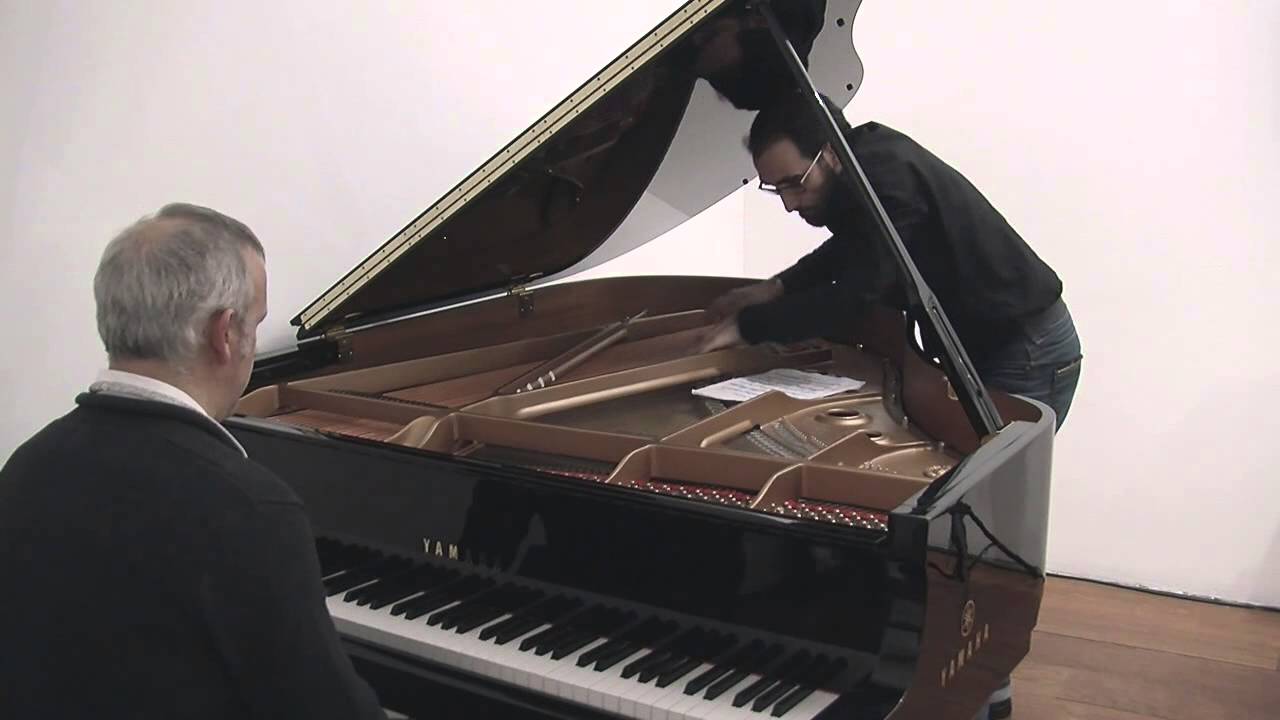
The Banshee - Henry Cowell (1925)
Artist:Henry Cowell(American, 20th c.) • Pioneer of inside-piano techniques
What makes it bizarre:The piano becomes a voice-and-wind machine-inside-the-piano techniques produce eerie wails and ghostly glissandi that feel more like a creature than an instrument.
What to listen for:Long, vocal-like sweeps and shivers-sound that seems to come from inside the wallsof the piano.
- Best for:Horror soundtrack fans, experimental performers, and anyone who likes “uncanny valley” sound.
- If you’re playing:Technique-specific; you’re performing the piano as an object, not as a keyboard.
- Try this:Listen once with eyes closed and imagine what physical motion could be making each sound-you’ll “see” the piece.
- Common mistake:Overdoing force. It’s more convincing when the sound is controlled and eerie, not just loud.
10. Aeolian Harp - Henry Cowell
Mechanism:Timbre | Format:Solo piano (inside piano) | Listen:Easy–Medium | Play:Intermediate

Henry Cowell - Aeolian Harp
Artist:Henry Cowell(American, 20th c.) | Made resonance/overtones the main event
What makes it bizarre:Instead of “playing notes,” you set the strings into motion so the instrument blooms like a wind harp-resonance and overtone shimmer become the headline.
What to listen for:The sensation of sound floating above itself-overtones, halos, and a kind of airy vibration.
- Best for:People who like ambient textures, slow listening, and “beautiful weird.”
- If you’re playing:Approachable if you’re comfortable reaching inside the piano and thinking in gestures, not pitches.
- Try this:Focus on the after-sound-the moment after the gesture, when the piano keeps singing on its own.
- Common mistake:Chasing volume. The magic is in delicacy + sustain.
11. Makrokosmos, Volume I - George Crumb
Mechanism:Timbre | Format:Solo piano (often amplified) | Listen:Hard | Play:Advanced
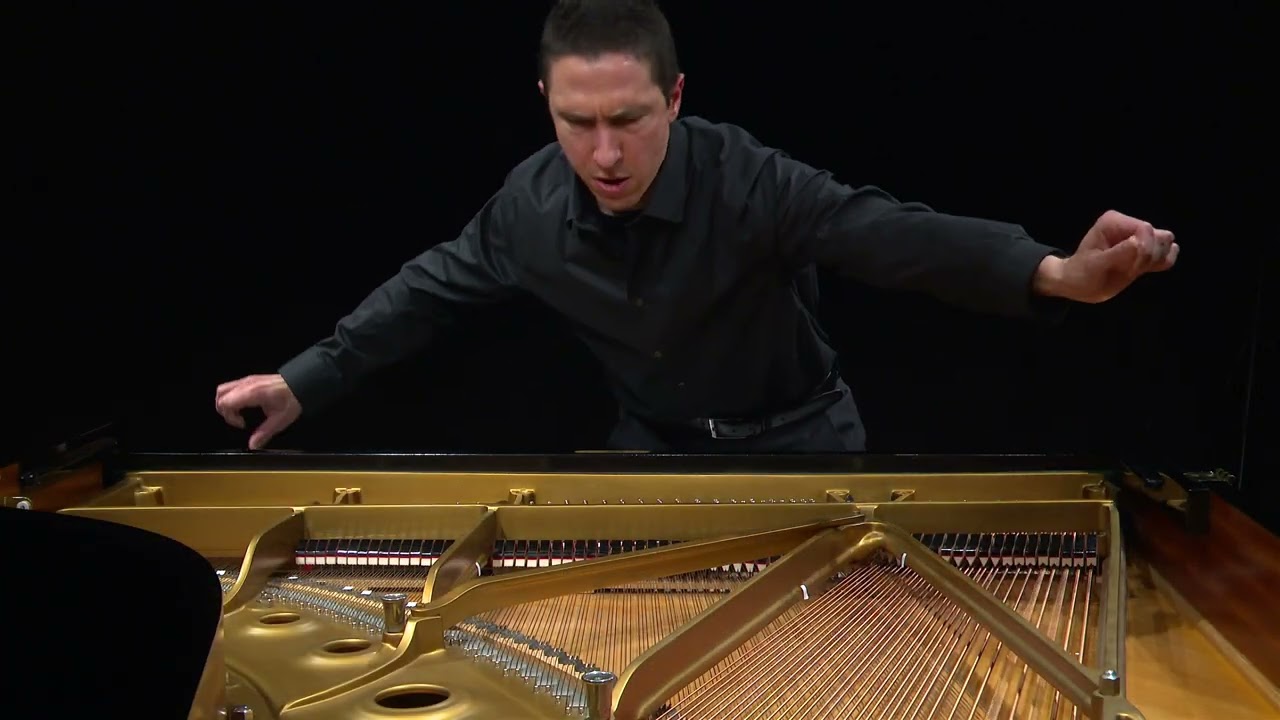
George Crumb - Makrokosmos, Volume I (1972) - Nic Gerpe, Piano
Artist:George Crumb(American, 20th c.) | Ritualistic color + theatrical technique
What makes it bizarre:It’s ritualistic and theatrical-amplification plus extended techniques creates a world where piano feels like cosmic percussion, whispers, and sudden flashes of resonance.
What to listen for:Contrasts: hush → shock, sparkle → thud, silence → burst. The piece often behaves like a dramatic scene change.
- Best for:Listeners who love cinematic modernism and “spooky but sophisticated” sound palettes.
- If you’re playing:Advanced; success depends on stagecraft-level control(timing, color, and presence) as much as accuracy.
- Try this:On repeat listen, track only the texture shifts(what changed: register, density, timbre?)-you’ll hear the architecture.
- Common mistake:Treating it like a normal recital piece. It lands best when you commit to the sound theater.
12. Guero - Helmut Lachenmann
Mechanism:Timbre | Format:Solo piano | Listen:Medium | Play:Advanced (sound control)

Guero - Helmut Lachenmann
Artist:Helmut Lachenmann(German, late-20th/21st c.) | “Musique concrète instrumentale” mindset
What makes it bizarre:The keyboard becomes a scraped percussion instrument-sound comes from friction, contact, and “un-piano” noise.
What to listen for:Rhythm without pitch satisfaction: dry, tactile sonic gestures that feel like close-up Foley work.
- Best for:People who love experimental percussion, sound design, or minimalist “gesture music.”
- If you’re playing:Technique-driven and deceptively hard-you’re judged on consistency of sound, not “notes.”
- Try this:Listen at low volume; the piece can reveal more detail when your ear isn’t overloaded by scratch noise.
- Common mistake:Making it messy. The weirdness hits harder when it’s cleanly articulated.
13. The Tides Of Manaunaun - Henry Cowell
Mechanism:Timbre/Harmony | Format:Solo piano | Listen:Medium | Play:Advanced

Cowell - The Tides of Manaunaun
Artist:Henry Cowell(American, 20th c.) | Early tone-cluster power and mass
- What makes it bizarre:Tone clusters turn harmony into a tidal wall.
- Listen for:Mass and resonance - chords as physical objects.
- Try this:Notice how “color” changes by register.
- Common mistake:Treating clusters as noise; shape them like chords.
14. Winnsboro Cotton Mill Blues - Frederic Rzewski
Mechanism:Timbre/Time | Format:Solo piano | Listen:Medium | Play:Advanced
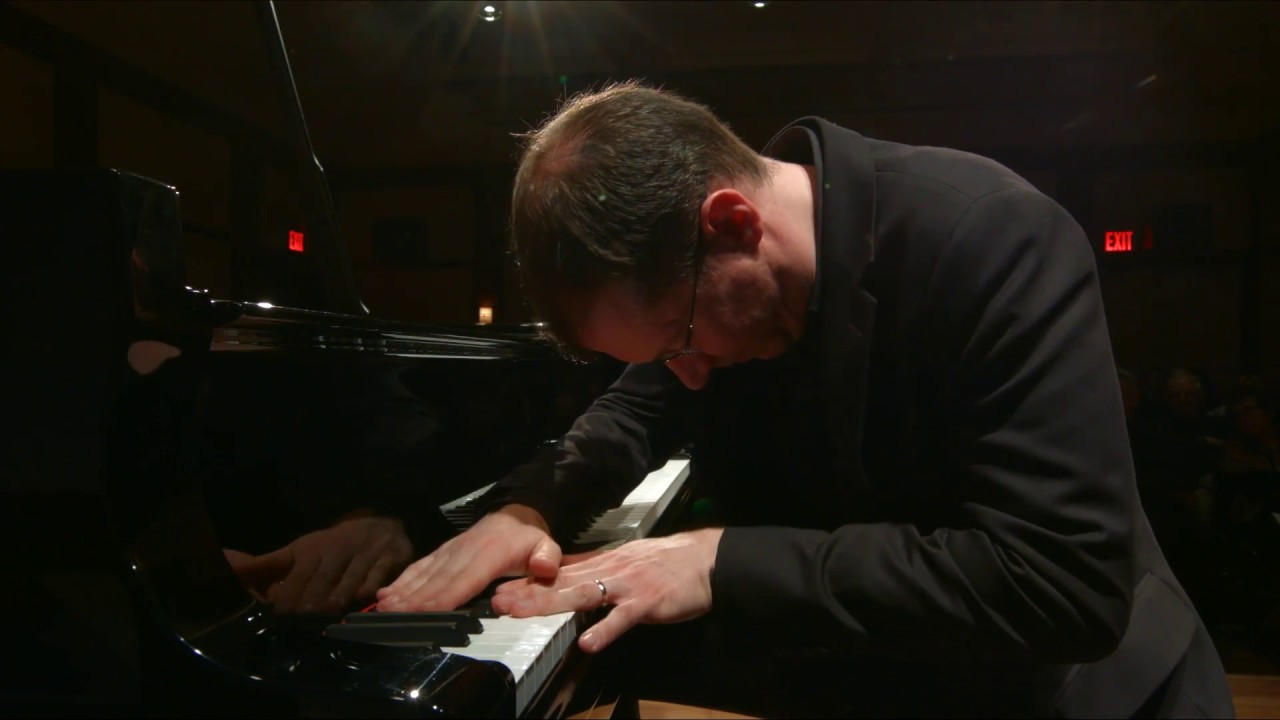
Rzewski: "Winnsboro Cotton Mill Blues" from Four North American Ballads for Piano
Artist:Frederic Rzewski(American, 20th/21st c.) | Political/industrial realism in piano texture
- What makes it bizarre:Piano as industrial machine: grinding, pounding work made musical.
- Listen for:The “engine” pattern and where it suddenly turns human.
- Try this:Follow the mechanical pulse, then mark every character shift.
- Common mistake:Over-pedaling; it needs bite.
Bizarre Piano Songs By Rhythm & Time: Polyrhythms, Player Pianos, And Impossible Speed
Nancarrow is the poster child: he wrote primarily for player pianoto achieve rhythmic complexity beyond human execution.
Takeaway:when humans hit a ceiling, composers sometimes change the performer.
If you want more piano recommendations beyond “bizarre,” you might also like: Classical Piano Songs For Beginners
15. The Rite Of Spring (solo Piano Transcription) - Igor Stravinsky / Sam Raphling
Mechanism:Time | Format:Solo piano (transcription) | Listen:Hard | Play:Extreme

Stravinsky/Raphling: The Rite of Spring Piano Transcription
Artist:Igor Stravinsky(Russian, 20th c.) | Rhythm as violence and ritual
What makes it bizarre:It’s orchestral violence squeezed into a keyboard-rhythm becomes athletic, like sprinting while changing shoes mid-run.
What to listen for:Brutal accents, sudden metric shifts, and “controlled collapse” moments where the groove breaks on purpose.
- Best for:People who love primal energy, “dance of the machine,” and music that feels physically dangerous.
- How to listen (fast):Follow the accents, not the melody. The piece’s personality lives in where it hits, not what notes it hits.
- If you’re playing:Extreme.Think in movements/sections, not “I’ll learn the whole thing.”
- Common mistake:Treating it like standard virtuoso repertoire. Here, rhythmic authoritymatters more than shiny speed.
Micro-practice idea:Pick one 4–8 bar chunk. Clap the accents first, then add notes at half speed. Your hands will thank you.
16. Studies For Player Piano - Conlon Nancarrow
Mechanism:Time | Format:Listening reference / transcriptions exist | Listen:Hard | Play:N/A (as written)

Conlon Nancarrow, Study for Player Piano No. 1
Artist:Conlon Nancarrow(American, 20th c.) | Tempo ratios and simultaneity beyond hands
What makes it bizarre:These studies exploit player-piano capability to create rhythmic complexity “beyond hands”-the point is the precision and simultaneitya human can’t sustain.
What to listen for:Multiple tempos at once, like watching two movies overlapped until your brain suddenly locks onto one.
- Best for:Anyone who loves polyrhythms, tempo ratios, and “impossible music” that still feels intentional.
- Playability:Many are not human-playable as written; look for transcriptions if you want to attempt the vibe.
- Common mistake:Calling it “random.” It’s often hyper-ordered-your ear just needs a chosen layer.
Micro-practice idea:If you’re adapting a transcription, practice hands separately with a metronome-then reunite them at a tempo that feels boring.
17. Piano Phase - Steve Reich
Mechanism:Time | Format:Piano duo | Listen:Medium | Play:Intermediate

Steve Reich - Piano Phase (1967) [audio + score]
Artist:Steve Reich(American, 20th/21st c.) | Phase shifting as rhythmic illusion
What makes it bizarre:Two pianistsplay the same pattern, then one gradually shifts-tiny timing changes create huge rhythmic illusions.
What to listen for:Phantom accents and new melodies that seem to appear “by accident” even though the material never changes.
- Best for:Minimalism fans, meditation-with-math lovers, and anyone who enjoys optical-illusion-style sound.
- How to listen (fast):Focus on the moment when the pattern clicks into a new groove-those are the “phase landmarks.”
- Playability:Intermediate, but the challenge is endurance + steady time, not finger fireworks.
- Common mistake:Forcing expression too early. The magic comes from process; interpretation sits on top.
Micro-practice idea:Count only the first note of the pattern for a full minute. When that feels stable, you’re ready to shift.
18. Étude No. 1 “Désordre” - György Ligeti
Mechanism:Time | Format:Solo piano | Listen:Medium | Play:Advanced
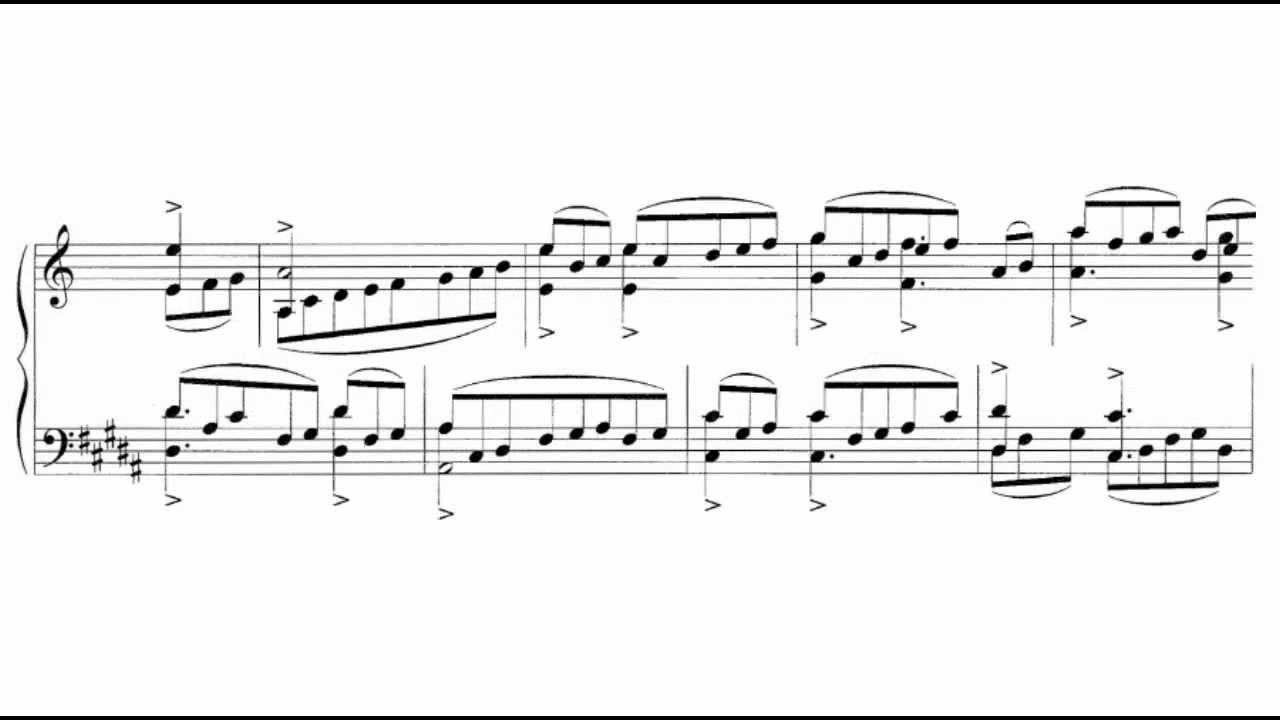
György Ligeti - Études for Piano (Book 1), No. 1 [1/6]
Artist:György Ligeti(Hungarian-Austrian, 20th c.) | Mechanical independence and rhythmic paradox
What makes it bizarre:Each hand behaves like an independent machine-order emerges from chaos, but only if the performer keeps it clean.
What to listen for:An asymmetric groove that still feels oddly danceable-like a staircase made of trampolines.
- Best for:Listeners who like “busy but structured,” and players who enjoy coordination challenges.
- How to listen (fast):Pick a hand to follow (left = anchor, right = sparkle) and swap on the second listen.
- Playability:Advanced; slow practice is mandatorybecause speed without clarity turns it into mush.
- Common mistake:Pedaling to hide the mess. This piece rewards dry clarity.
Micro-practice idea:Practice at a tempo where you can verbally label what each hand is doing (“anchor…sparkle…anchor…”). Then increase.
19. Étude No. 13 “L’escalier Du Diable” - György Ligeti
Mechanism:Time | Format:Solo piano | Listen:Hard | Play:Extreme
György Ligeti: Étude No. 13: L'escalier du diable / The Devil’s Staircase
Artist:György Ligeti(Hungarian-Austrian, 20th c.) | Escalation as a compositional engine
What makes it bizarre:A relentless climb-tension that never truly resolves, like you’re running upstairs and the building keeps adding floors.
What to listen for:The sensation of “stairs” with no landing: rising figures, mounting pressure, and breathless momentum.
- Best for:People who like controlled panic, escalation, and virtuosity with purpose.
- How to listen (fast):Track the register(how high it’s getting). The climb is the plot.
- Playability:Very advanced; it’s a stamina + claritystress test.
- Common mistake:Treating it as “just fast.” It’s about direction-every phrase points upward.
Micro-practice idea:Mark “energy checkpoints” (every 8–16 bars). Practice arriving at each checkpoint without tension in shoulders/forearms.
20. Evryali - Iannis Xenakis
Mechanism:Time | Format:Solo piano | Listen:Hard | Play:Extreme

Xenakis evryali
Artist:Iannis Xenakis(Greek-French, 20th c.) | Architecture and mathematics turned into sound mass
What makes it bizarre:It can feel like geometry attacking the keyboard-dense, jagged writing where the goal isn’t melody but mass and motion.
What to listen for:Clusters and leaps as one “shape,” like a storm front rather than individual raindrops.
- Best for:Fans of extreme modernism, sonic architecture, and music that feels physically imposing.
- How to listen (fast):Stop chasing notes. Listen for density changes(thick → thin → thick) and register jumps(low → high).
- Playability:Extreme-more like mountaineering than repertoire.
- Common mistake:Expecting conventional musical “phrases.” Think eventsand texturesinstead.
Micro-practice idea:If you attempt it, isolate a single texture and aim for consistency of attack-precision in sound matters more than “getting every note.”
21. Ballet Mécanique (versions Vary) - George Antheil
Mechanism:Time/Context | Format:Listening reference / versions vary | Listen:Hard | Play:Advanced–Extreme
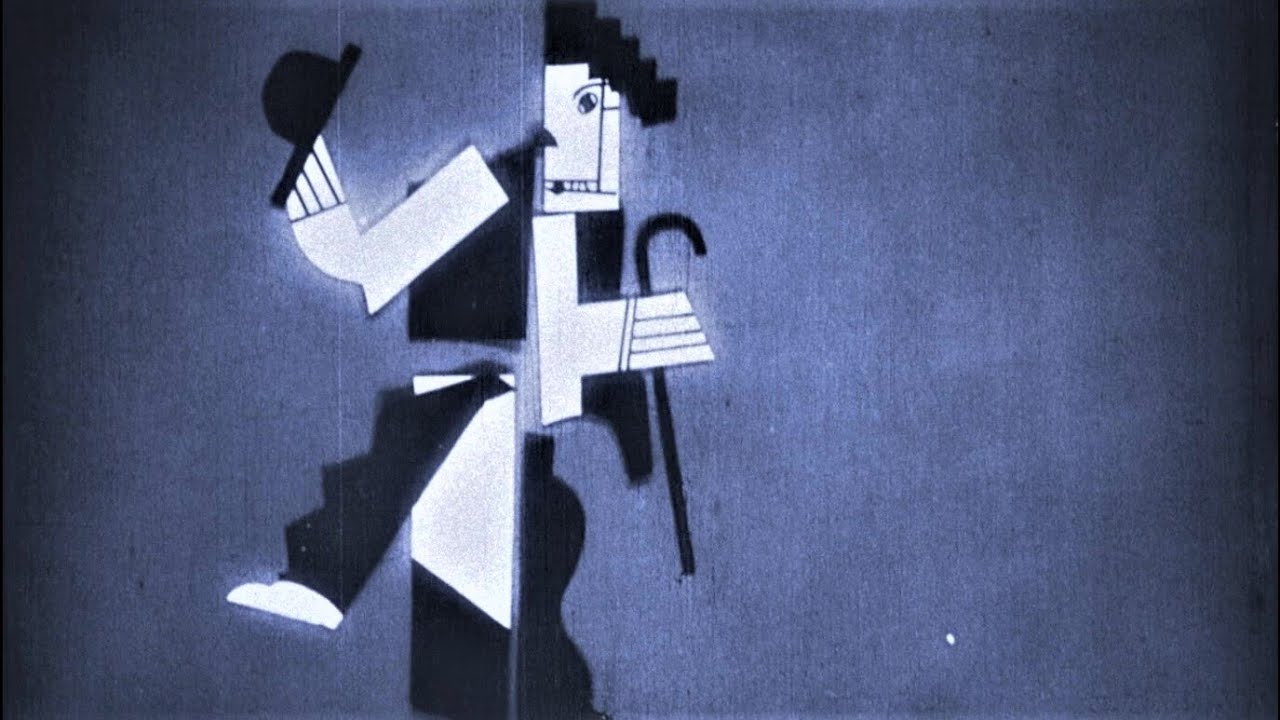
Ballet Mécanique (1924, 2K Digitally Restored, With Score by George Antheil)
Artist:George Antheil(American, 20th c.) | Machine-age rhythm obsession
- What makes it bizarre:Piano as engine, not singer.
- Listen for:Mechanical drive and layered momentum.
- Try this:Count “machine cycles,” not lyrical phrases.
Bizarre Piano Songs By Harmony & Mood: Creepy, Haunted, And Darkly Beautiful
If this kind of stillness is what you’re chasing, you’ll probably love the wider tradition of Sacred Piano Music.
And for a softer, more visual kind of atmosphere (less eerie, more poetic), explore these famous piano pieces inspired by flowers.
22. Vers La Flamme - Alexander Scriabin
Mechanism:Harmony | Format:Solo piano | Listen:Medium | Play:Advanced

Scriabin Vers la flamme, Op.72 (Horowitz)
Artist:Alexander Scriabin(Russian, late-19th/early-20th c.) | Harmony as heat and mysticism
What makes it bizarre:The harmony doesn’t just get tense-it heats up. Scriabin builds a slow-burn transformation until the piano feels incandescent, like the room temperature is rising.
What to listen for:Tension that intensifies like a single long inhale-each wave of harmony feels a notch brighter, sharper, closer.
- Best for:People who like psychological intensity and “beautiful, but dangerous” color.
- How to listen (fast):Track the harmonic brightness(how “lit” the sound feels), not the melody. The plot is the heating process.
- If you’re playing:Advanced; the difference between “mesmerizing” and “muddy” is voicing(which notes you bring forward).
- Common mistake:Over-pedaling. It needs resonance, yes-but also clarityso the heat doesn’t turn to fog.
Micro-practice idea:Practice chord blocks with zero pedal first, shaping the top voice. Add pedal only after the hierarchy is clear.
23. Gaspard De La Nuit: “Scarbo” - Maurice Ravel
Mechanism:Harmony | Format:Solo piano | Listen:Medium | Play:Extreme
Ravel - Scarbo (Gaspard de la nuit)
Artist:Maurice Ravel(French, early-20th c.) | Virtuosity as character and illusion
What makes it bizarre:Virtuosity becomes a horror character-Scarbo flickers, vanishes, reappears, and laughs behind your shoulder. This is pianistic horror done with surgical detail.
What to listen for:Tiny repeating figures that feel like a creature skittering-fast, precise, and always half-hidden.
- Best for:Anyone who loves “nightmare brilliance” and virtuosic storytelling.
- How to listen (fast):Follow the repeating micro-motifs-they’re the footprints of the monster.
- If you’re playing:Extreme; yes, it’s a “boss fight,” but the real difficulty is control at speed, not just speed.
- Common mistake:Turning it into loud chaos. Scarbo is scarier when it’s sharp, clean, and suddenly quiet.
Micro-practice idea:Isolate one repeating figure and aim for identical touch 20 times in a row. Consistency is what makes it supernatural.
24. Out Of Doors: “The Night’s Music” - Béla Bartók
Mechanism:Harmony/Mood | Format:Solo piano | Listen:Medium | Play:Advanced

Bela Bartok - Out of Doors - The Night's Music
Artist:Béla Bartók(Hungarian, 20th c.) | Night soundscapes and folk-modern bite
What makes it bizarre:It paints night as a soundscape-bugs, distant calls, uneasy stillness-without needing cinematic clichés. It’s not “spooky”; it’s alive.
What to listen for:Scattered motifs suspended in darkness-little signals blinking in and out of a wide sonic space.
- Best for:People who love nature-at-night vibes and “creepy without jump scares.”
- How to listen (fast):Listen for distance: which sounds feel near, which feel far, which feel “over there.”
- If you’re playing:Advanced; the goal is atmosphere-balance and touch matter more than brute force.
- Common mistake:Making everything the same volume. The piece needs depth, like a landscape.
Micro-practice idea:Assign each motif a “distance label” (near/mid/far) and practice producing those distances with touch alone.
25. Allegro Barbaro - Béla Bartók
Mechanism:Harmony/Time | Format:Solo piano | Listen:Easy–Medium | Play:Advanced

Allegro Barbaro (Sz.49) - Béla Bartók
Artist:Béla Bartók(Hungarian, 20th c.) | Percussive modernism with folk DNA
What makes it bizarre:Percussive violence with folk DNA-raw energy carved into sharp harmony and rhythm. It feels ancient and modern at the same time.
What to listen for:Pounding rhythm and jagged harmonies like carved stone-hard edges, no soft focus.
- Best for:Listeners who want dark intensity and performers who like percussive piano.
- How to listen (fast):Track the left-hand engineand the “bite” of accents. The aggression is structural, not decorative.
- If you’re playing:Advanced; articulation must stay cleanor it collapses into noise.
- Common mistake:Overusing pedal to make it “big.” This piece gets power from dry precision.
Micro-practice idea:Practice one page with no pedal and extreme rhythmic accuracy. Add minimal pedal only where resonance is truly needed.
26. Sarcasms, Op. 17 - Sergei Prokofiev
Mechanism:Harmony | Format:Solo piano | Listen:Medium | Play:Advanced
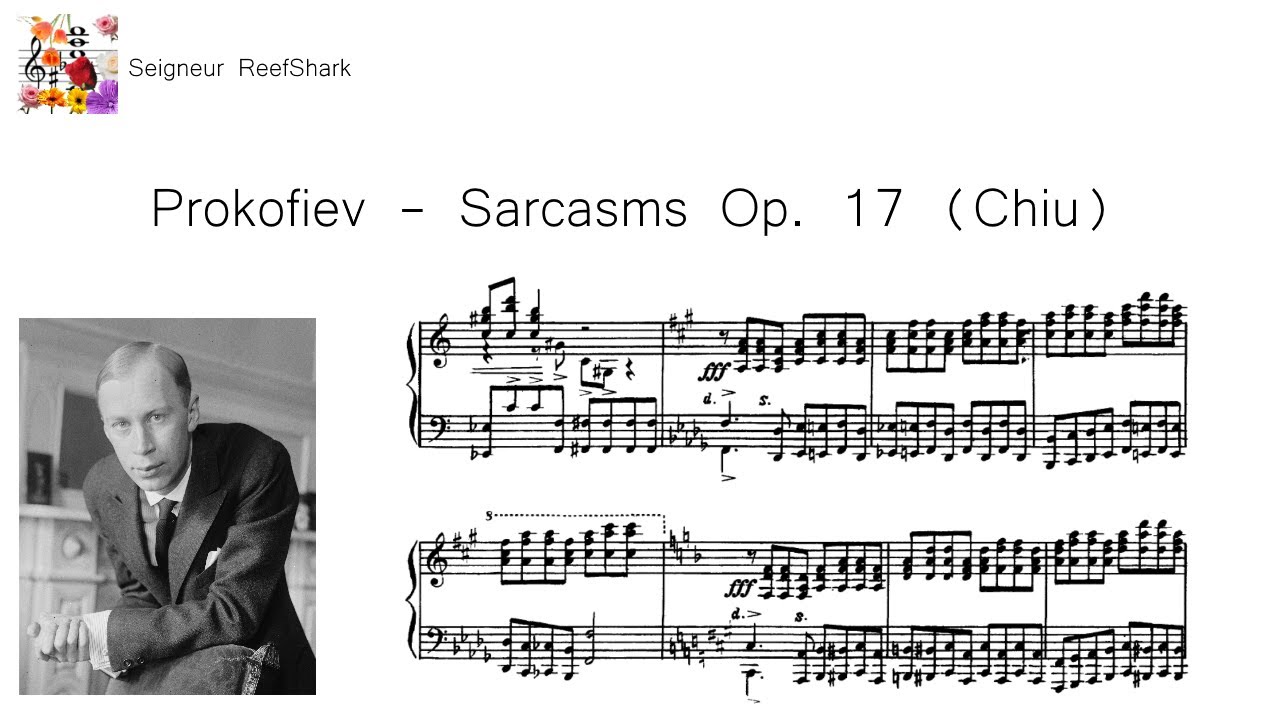
Prokofiev - Sarcasms Op. 17 (Chiu)
Artist:Sergei Prokofiev(Russian, 20th c.) | Spiky irony and cinematic jump-cuts
What makes it bizarre:Harmony that smirks-spiky, brittle, and unpredictable. Prokofiev weaponizes sudden mood pivots like a film editor making jump cuts.
What to listen for:Abrupt emotional flips: playful → cruel → tender → mechanical, sometimes in seconds.
- Best for:People who like dark humor and music that feels like it’s winking at you.
- How to listen (fast):Pay attention to tone changesrather than themes-this is character acting, not lyrical singing.
- If you’re playing:Advanced; control beats speed. Sharpness must be intentional, not accidental.
- Common mistake:Playing everything “angry.” Sarcasm is funnier-and darker-when contrasts are huge.
Micro-practice idea:Mark the score like a script: “mocking,” “deadpan,” “sudden sweetness.” Then play those roles clearly.
27. Gymnopédie No. 1 - Erik Satie
Mechanism:Mood | Format:Solo piano | Listen:Easy | Play:Beginner
Satie - Gymnopédie No. 1
Artist:Erik Satie(French, late-19th/early-20th c.) | Soft ambiguity and anti-drama
What makes it bizarre:It’s “simple,” but emotionally unplaceable-like a calm scene where something is slightly off. The harmony floats instead of declaring a home.
What to listen for:Suspended chords and slow-motion pulse; the emptiness feels intentional, like negative space in a painting.
- Best for:Beginners who want weird-but-beautiful, and listeners who like melancholy without melodrama.
- How to listen (fast):Notice how rarely it resolvesin a satisfying way-this is soft ambiguity as a style.
- If you’re playing:Beginner-friendly notes; the challenge is balance + pedaling(making it feel weightless).
- Common mistake:Playing it too “sad.” It’s often more uncanny than tragic.
Micro-practice idea:Play with a metronome at a slow tempo, then remove it and keep the same steadiness-Satie needs calm control.
28. Gnossienne No. 1 - Erik Satie
Mechanism:Mood | Format:Solo piano | Listen:Easy | Play:Beginner–Intermediate
Erik Satie - Gnossienne No. 1
Artist:Erik Satie(French, late-19th/early-20th c.) | Hypnotic phrases that refuse closure
What makes it bizarre:The melody refuses to behave like a normal tune-it’s hypnotic, slightly off-kilter, and full of phrases that feel like questions.
What to listen for:A sense of wandering-lines that don’t “land” where you expect, leaving a gentle unease.
- Best for:People who love eerie simplicity and “mood music” that still has personality.
- How to listen (fast):Track the melody as if it’s speaking-where does it hesitate, where does it sigh?
- If you’re playing:Beginner to intermediate; rubato matters, but it must feel natural, not random.
- Common mistake:Over-romanticizing with heavy pedal. Let the weirdness breathe.
Micro-practice idea:Sing the melody out loud once. Then play it trying to match that natural phrasing.
29. Fratres (violin And Piano Version) - Arvo Pärt
Mechanism:Mood | Format:Piano + ensemble | Listen:Easy–Medium | Play:Intermediate

Arvo Pärt - "Fratres" for violin and piano (audio + sheet music)
Artist:Arvo Pärt(Estonian, 20th/21st c.) | Sacred minimalism and bell-like harmony
What makes it bizarre:Tintinnabuli minimalism-ritual repetition that feels ancient and modern at once. The harmony behaves like bells framing a slow-moving ritual.
What to listen for:Bell-like harmonic “frames” around a line that changes with solemn patience.
- Best for:People who want sacred-feeling stillness with tension underneath.
- How to listen (fast):Listen for the frame(repeating harmonic shape) and how the inner motion changes against it.
- If you’re playing:Intermediate; it’s about control and space, not flash.
- Common mistake:Filling silence with motion. The silence is part of the meaning.
Micro-practice idea:Practice releasing each chord so the resonance rings evenly-your hands should “leave quietly.”
30. Für Alina - Arvo Pärt
Mechanism:Mood/Time | Format:Solo piano | Listen:Easy | Play:Beginner (musicianship hard)

Arvo Pärt- Für Alina
Artist:Arvo Pärt(Estonian, 20th/21st c.) | Silence and resonance as meaning
What makes it bizarre:Extreme sparseness-meaning carried by silence and resonance. It’s almost a test of how much emotion a few notes can hold.
What to listen for:How long notes “stay alive” after you play them; the decay is part of the composition.
- Best for:Anyone who wants “haunting” without darkness-more like a room filled with light and dust.
- How to listen (fast):Focus on the after-sound(decay). The piece is half played, half heard.
- If you’re playing:Easy notes, hard musicianship: timing, balance, and pedaling must be intentional.
- Common mistake:Rushing. If you don’t let resonance finish its sentence, the piece loses its voice.
Micro-practice idea:Count the silence between phrases. Treat silence like a measured note.
31. Concord Sonata - Charles Ives
Mechanism:Harmony/Concept | Format:Solo piano | Listen:Hard | Play:Extreme
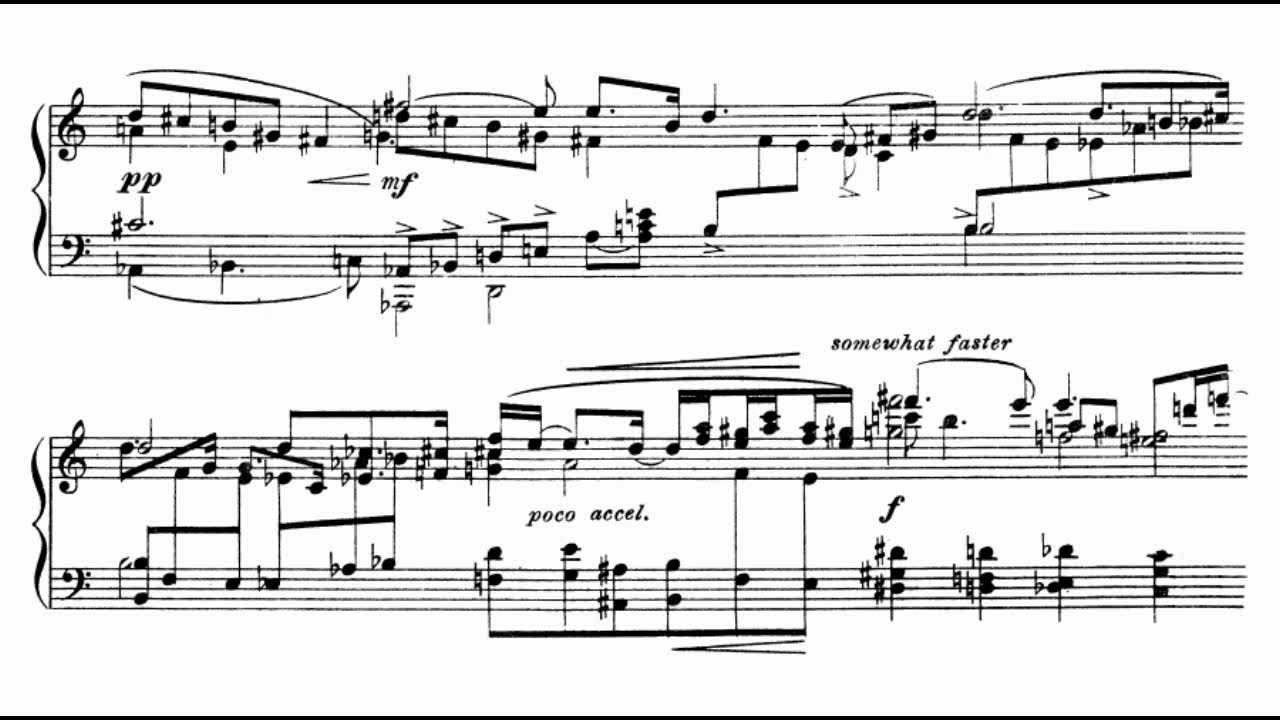
Charles Ives - Piano Sonata No. 2 "Concord" [1/4]
Artist:Charles Ives(American, late-19th/early-20th c.) | Colliding tonal worlds and big ideas
- What makes it bizarre:Multiple realities overlapping - harmony as argument and memory.
- Listen for:Sudden perspective shifts and dense sonorities that feel “too large” for one piano.
Bizarre Piano Songs In Pop Culture: Sound Collages, Parody, And Subversion
This is for listeners who want weird that still has cultural hooks-the piano as a studio tool, not just an instrument.
You’ll come away with “stealable” ideas for your own playing and arranging.
32. Revolution 9 - The Beatles
Mechanism:Context | Format:Listening reference | Listen:Hard | Play:N/A
Revolution 9 (Remastered 2009)
Artist:The Beatles(British, 20th c.) | Mainstream pop adopting avant-garde collage
What makes it bizarre:It’s a mainstream band releasing a full-on sound collageon a major album-tape fragments, voices, found audio, and a piano idea that acts like a recurring landmark.
What to listen for:The “number nine” loop energy and the feeling of constantly shifting “scenes,” like audio hallucinations changing channels.
- Best for:Anyone curious how avant-garde techniques entered pop culture without asking permission.
- How to listen (fast):Treat it like a film: identify scene cuts(what changed-voice, texture, space?) rather than trying to follow melody.
- If you’re playing:Not a solo-piano piece. The value is arrangement logic: motifs + loops + contrast.
- Common mistake:Writing it off as “random.” Collage often has recurring anchors; find the anchors and it becomes legible.
Steal-this idea:Take a 2-bar piano motif, loop it, and change only the context(register, pedal, rhythm, or added noises). You’ll get “collage energy” fast.
33. Bohemian Rhapsody - Queen
Mechanism:Context | Format:Arrangement common | Listen:Easy | Play:Intermediate–Advanced
Queen - Bohemian Rhapsody (Piano Cover)
Artist:Queen(British, 20th c.) | Operatic structure inside rock/pop form
What makes it bizarre:It’s a pop song that behaves like a mini-suite-ballad → operatic theater → rock-yet it works because the piano provides a stable emotional spine.
What to listen for:How the piano “glues” the transitions: it establishes sincerity early, so later absurdity feels earned instead of goofy.
- Best for:People who want weirdness that’s still hugely satisfyingand memorable.
- How to listen (fast):Track the section boundaries: what is the exact moment the song changes rules? Those pivot points are the genius.
- If you’re playing:Intermediate in simplified form; advanced if you chase full voicings, timing, and dynamic drama.
- Common mistake:Playing it like one mood. The piece lives on contrast-tenderness, then theater, then bite.
Steal-this idea:Write a 3-part piano piece where each section has a different “genre,” but keep a shared motif so it feels unified.
34. The Great Pretender - Freddie Mercury
Mechanism:Context | Format:Arrangement common | Listen:Easy | Play:Beginner–Intermediate
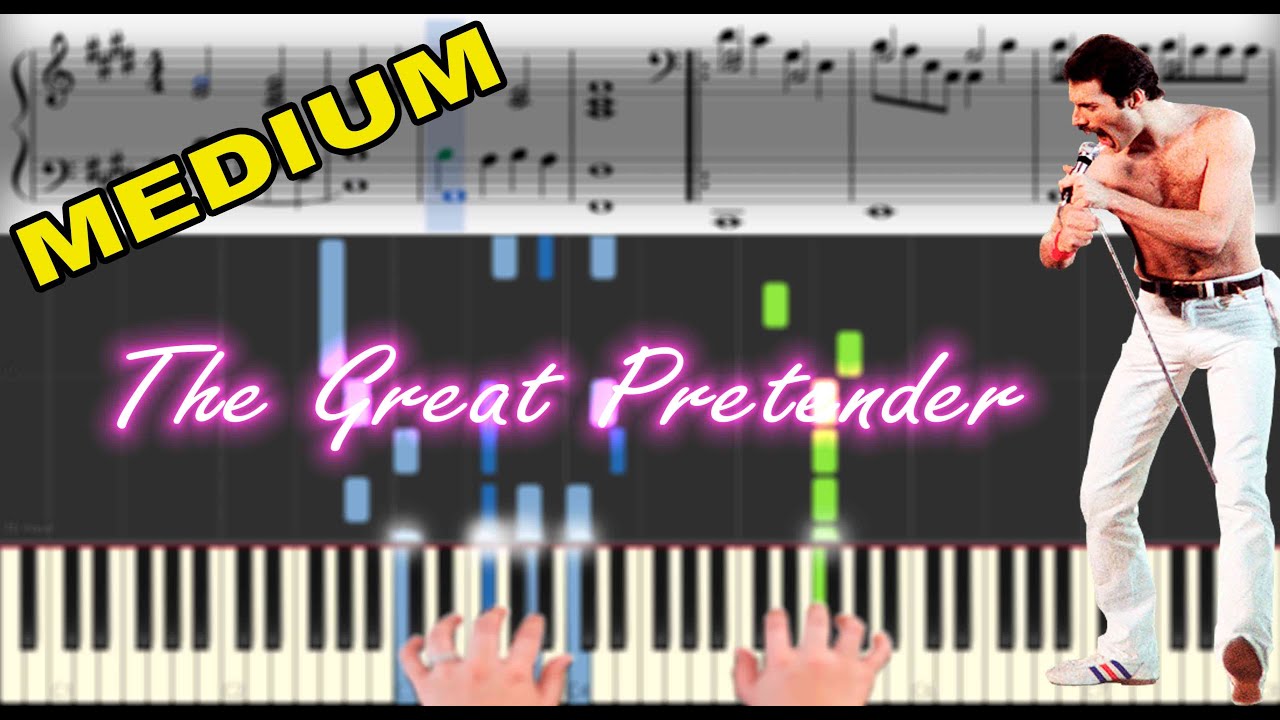
Freddie Mercury - The Great Pretender | Sheet Music & Synthesia Piano Tutorial
Artist:Freddie Mercury(British, 20th c.) | Theater, irony, and vulnerability in one voice
What makes it bizarre (in this context):It’s not “weird” on paper-what makes it bizarre is the theatrical framing: piano-led simplicity becoming a stage for character, irony, and emotional whiplash (camp-meets-tragedy).
What to listen for:How plain chords turn into storytelling: the same harmonycan feel sincere, then performative, then heartbreaking depending on delivery.
- Best for:Players who want “bizarre” through interpretation, not complexity.
- How to listen (fast):Focus on timing: where does the phrase lean forward, where does it hold back? That’s where the character lives.
- If you’re playing:Easy as chords; surprisingly deep as a performance study (touch, rubato, dynamic control).
- Common mistake:Making it “pretty” only. The weirdness here is persona-a polished mask with cracks.
Steal-this idea:Play the same chord progression twice-first sincerely, then with exaggerated stage timing. You’ll feel how “bizarre” can be an acting choice.
35. The Entertainer - Scott Joplin
Mechanism:Context/Time | Format:Solo piano | Listen:Easy | Play:Intermediate
Scott Joplin - The Entertainer
Artist:Scott Joplin(American, late-19th/early-20th c.) | Ragtime syncopation as joyful “wrongness”
What makes it bizarre (in this context):Ragtime syncopation can feel delightfully “wrong” if your ear expects straight pop rhythm-like the melody keeps stepping off the sidewalk on purpose.
What to listen for:Left hand as a steady engine vs right hand bounce and off-beat swagger.
- Best for:Anyone who wants a friendlykind of weird-playful subversion rather than darkness.
- How to listen (fast):Tap the left-hand pulse with your foot, then notice how the right hand constantly dodges it. That dodge is the flavor.
- If you’re playing:Intermediate; coordination is the trick, and clarity beats speed.
- Common mistake:Rushing the bounce. Ragtime feels best when the left hand is calm and the right hand is cheeky.
Steal-this idea:Keep a strict “oom-pah” left hand and write a right hand that lands just aroundthe beat. Instant pop-friendly weirdness.
People Also Ask
What Is That One Creepy Piano Song?
Often it’s Satie’s Gymnopédie No. 1or Gnossienne No. 1-both get used constantly in eerie edits.
What Is The Coolest Song On Piano?
“Coolest” usually means big impact per note-try Für Alina(minimal) or Bohemian Rhapsody(sectional drama).
What Is The Most Haunting Piano Piece?
If you mean “haunting = spacious and ambiguous,” Für Alinaand Fratresare top-tier.
What Is The Classical Song “Da Da Da Da Da Da Dum Dum Dum”?
That motif is most commonly Beethoven’s Symphony No. 5(or a piano arrangement of it), not a standalone piano original.
What Is The Weirdest Song Ever?
Conceptually, many listeners point to 4′33″because it reframes silence and ambient sound as the piece itself.
Is 4′33″ A “real” Piano Song?
Yes-Cage published it as a formal composition with a defined duration/structure; the “music” is what happens during the performed time.
How Long Does Vexations Take?
It depends on tempo and breaks, but the famous “840 repetitions” premise makes it an endurance event rather than a normal recital piece.
What Is A Prepared Piano?
A prepared piano is an acoustic piano altered with objects placed on/among strings to change timbre-classic Cage territory.
Can Prepared Piano Damage My Instrument?
It can if done carelessly (scratches, felt damage). Use a digital pianowhen possible and follow a reversible, documented setup.
Are Nancarrow’s Player-piano Works Playable By Humans?
Many were written to exceed human limits, using the player piano’s mechanical precision for extreme tempo layers and complexity.
What’s The Point Of “The Most Unwanted Song”?
It’s an art project: combine disliked musical traits to test taste and expectation-useful as a reference for “conceptual bizarre.”
What’s A Good “relaxing But Weird” Piano Pick?
Try Gymnopédie No. 1(soft ambiguity) or Für Alina(spacious minimalism).
What Are Popular Fast Piano Songs That Feel Crazy?
For “fast + chaotic,” people often jump to virtuoso showpieces (e.g., Scarbo) or rhythm monsters like Ligeti etudes.
What Are The Hardest Piano Pieces In This List?
Technically, Rite of Spring (Raphling), Xenakis, and top-tier Ligeti/Ravelare among the most demanding.
Where Should I Start If I’m A Beginner?
Start with Gymnopédie No. 1, Gnossienne No. 1, or Für Alina-easy notes, high musical payoff.
Quick Recap
The world of bizarre piano musicis more than just a collection of "weird" sounds. It represents a 300-year-old instrument being constantly reinvented by people who refuse to play by the rules. From the silent protest of John Cage to the digital explosions of Black Midi, these songs challenge us to listen more closely to the world around us.
Next time you sit at a piano, remember that it is not just a tool for playing Mozart. It is a box of 88 keys and 230 strings waiting for you to find a new, bizarre way to make them speak.