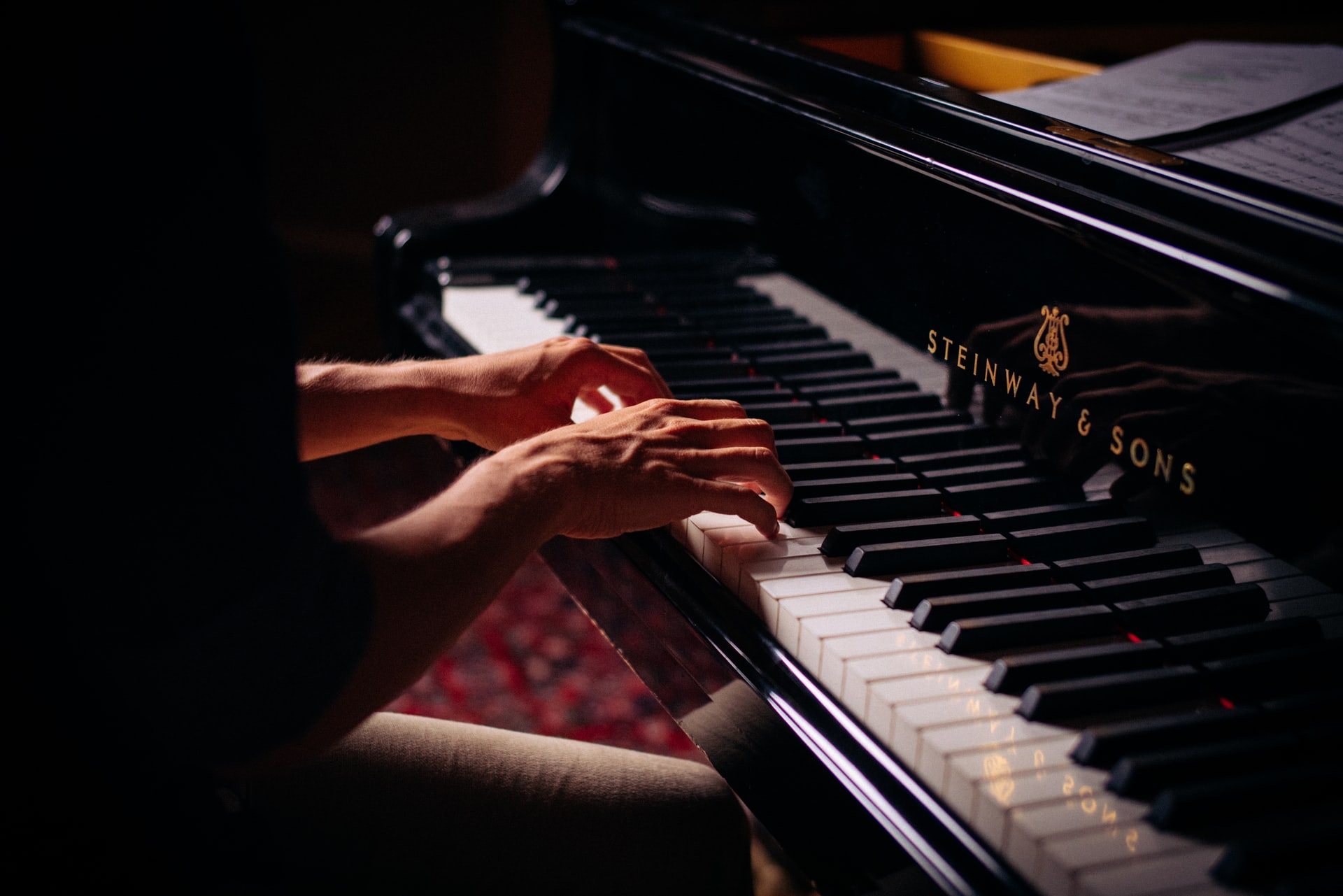
Underrated Pianists: 25 Names Worth Hearing Beyond The Usual Algorithm
Algorithms tend to reward what’s already famous pianists: the “greatest hits” pianists, the most-streamed concertos, the same three jazz records everyone’s heard. If you’re trying to grow your ears (or your playlist), that can feel like you’re trapped in a loop.
This page breaks that loop on purpose. You’ll get 25 underrated pianists-not just names, but why they matter, what they’re best at, and the simplest way to start listening without homework.
Key Takeaways
- “Underrated” doesn’t mean “unknown.” It means the artistry is bigger than the public footprint-streaming, press, pedagogy, and casual-listener awareness.
- The fastest way to appreciate a pianist is to match them to a listening lane(tone, rhythm feel, repertoire, risk-taking).
- For each pianist below, you’ll get: why underrated, style, highlights, a starting listen, and a standout listening tell-the thing your ear can latch onto immediately.
Crisp definitions
- Underrated pianist:a pianist whose musical impact and craft exceed their mainstream visibility and “default recommendation” status.
- Listening tell:a repeatable sound choice (touch, time feel, voicing, pedal) that makes an artist recognizable in minutes.
- Entry-point listen:the easiest first exposure-one piece, album, or setting that showcases the pianist’s strengths fast.
What “underrated” Means Here
You’ll get more value from this list if we separate true undervaluationfrom simple “not my taste.”
| Counts as underrated | Doesn’t count |
| Craft is elite, but name recognition lags behind peers | “I haven’t heard them yet” (that’s just discovery) |
| Influence shows up in students, recordings, or repertoire choices | A famous pianist you personally dislike |
| Often praised by musicians, less known by casual audiences | A one-hit viral moment without depth |
Takeaway:“Underrated” is about the visibility gap, not a hot take.
A 30-second Listening Map
Use this to choose your first 3-5 names instead of trying all 25 at once.
| If you want… | Start with… |
| Tone + poetry (classical) | Maria Tipo, Ivan Moravec, Mieczysław Horszowski |
| Structure + big architecture (classical) | Julius Katchen, Tatiana Nikolayeva, Leif Ove Andsnes |
| French color + pedal magic (classical) | Pascal Rogé, İdil Biret |
| Swing that feels effortless (jazz) | Hank Jones, Tommy Flanagan, Cedar Walton |
| Bold harmony + risk (jazz/modern) | Andrew Hill, Herbie Nichols, Vijay Iyer |
| Genre-bending modern pianism | Tigran Hamasyan, Nils Frahm |
Takeaway:Pick one lane, then expand sideways-your ears will learn faster.
25 Underrated Pianists You Need To Know About
Each entry is built for scanning-why underrated, style, highlights, an entry point, and a listen for / why it matters you can hear quickly.
After the list, you’ll get a short method to hearwhat makes these pianists special.
Underrated Classical Pianists
Related Reading: transformative power of classical music on the mind
1. Maria Tipo
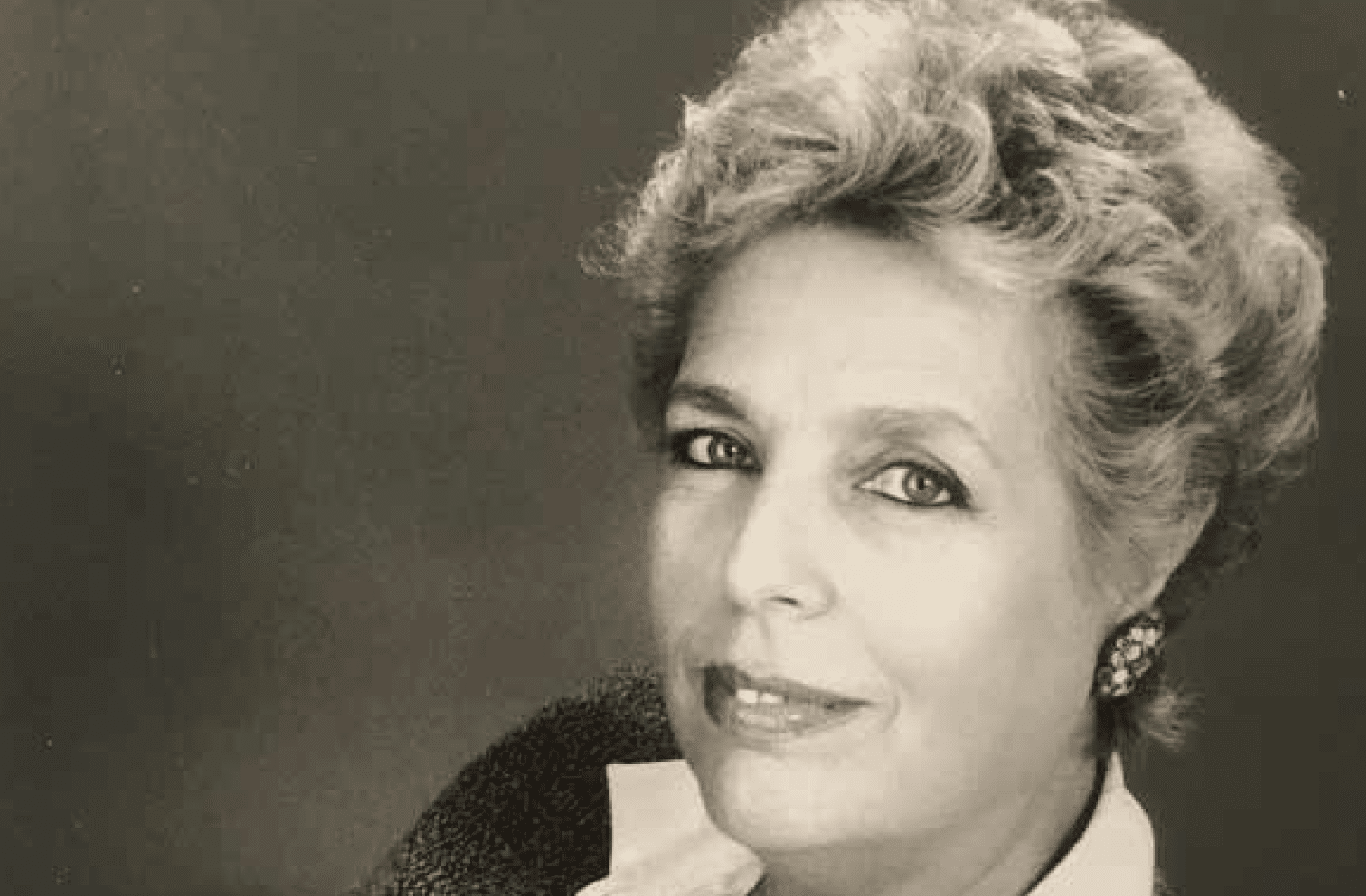
- Full name + lifespan:Maria Tipo (1931-2025).
- Nationality:Italian
- Why underrated:She was celebrated by musicians and critics, yet never became a default “top-10” household name outside serious piano circles.
- Musical style / specialties:Scarlatti clarity, Bach architecture, and a singing Romantic line.
- Key achievements / career highlights:Major early competition recognition and a long, influential teaching legacy.
- Must-listen (track/album/piece):Her famous 1956 Scarlatti sonatas recording(often cited for its speed and brilliance).
- Listen for:fast passagework that stays clean withoutturning percussive; the melody still “sings” through the fingers.
- Why it matters:it proves virtuosity can serve phrasing, not ego-clarity becomes character.
2. Ivan Moravec
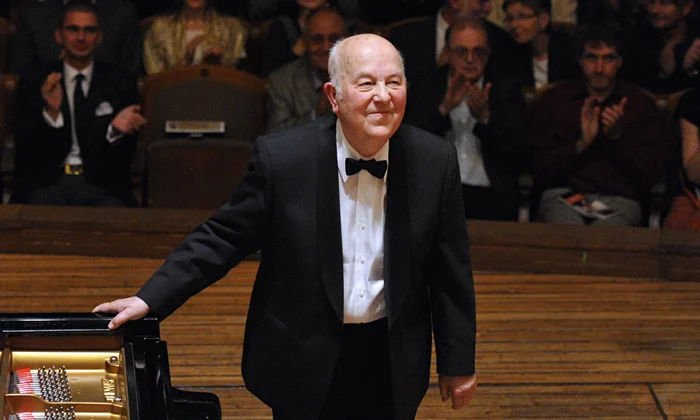
- Full name + lifespan:Ivan Moravec (1930-2015).
- Nationality:Czech
- Why underrated:Revered by connoisseurs and fellow pianists, but his understated profile kept him out of mainstream “legend” marketing.
- Musical style / specialties:Lyrical, detailed, introspective-often associated with Chopin’s poetic side.
- Key achievements / career highlights:International recognition plus long affiliation as a Steinway Artist.
- Must-listen (track/album/piece):Start with Chopin Nocturnes(any of his major releases-his “poet of the piano” reputation lives here).
- Listen for:inner-voice glow-how the middle of the texture feels illuminated, not just the top line.
- Why it matters:it creates poetic depth; the music sounds three-dimensional instead of “melody + accompaniment.”
3. Mieczysław Horszowski
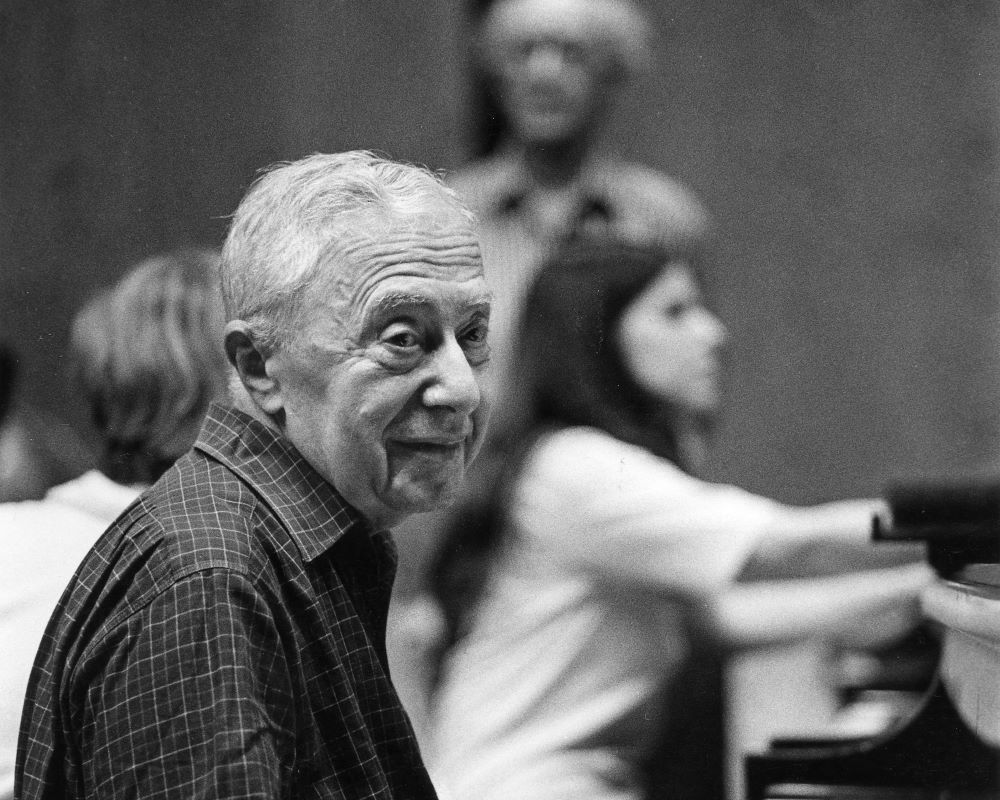
- Full name + lifespan:Mieczysław Horszowski (1892-1993).
- Nationality:Polish-American
- Why underrated:A long career and deep musicianship, but his quiet temperament and “anti-virtuoso” vibe never fit flashy narratives.
- Musical style / specialties:Classical balance, late-style wisdom, and a cultured, human-scaled sound.
- Key achievements / career highlights:One of the longest performing careers on record, still performing near the end of his life.
- Must-listen (track/album/piece):Try him in Mozart(slow movements especially) for the “no exaggeration” purity.
- Listen for:tiny dynamic shifts and gentle timing changes at phrase endings more than beginnings.
- Why it matters:restraint becomes expressive; he reveals meaning rather than forcing emotion.
4. Julius Katchen
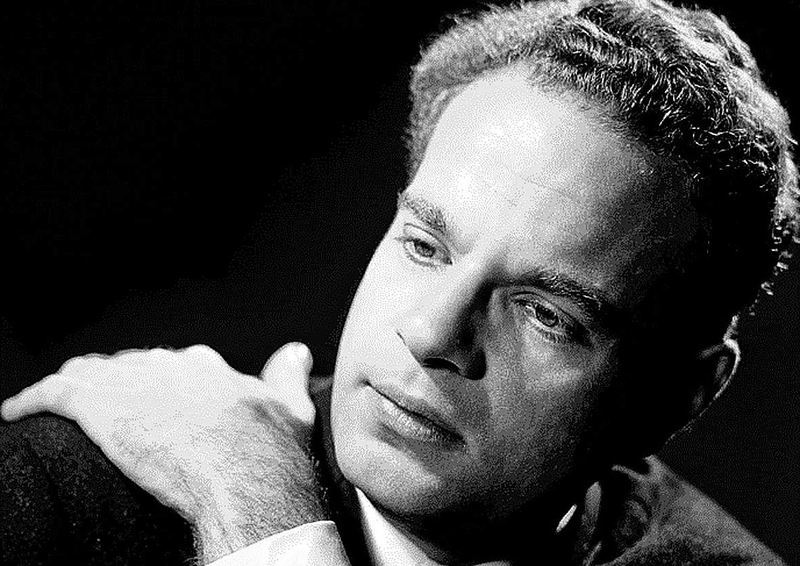
- Full name + lifespan:Julius Katchen (1926-1969).
- Nationality:American
- Why underrated:A short life can shrink a legacy; he’s often name-dropped by collectors, but missed by modern recommendation engines.
- Musical style / specialties:Big, grounded Romantic playing with Brahms at the center.
- Key achievements / career highlights:Widely associated with landmark Brahms recordings and major orchestral appearances.
- Must-listen (track/album/piece):Brahms solo piano(intermezzi/variations) to hear his blend of power and structure.
- Listen for:rhythmic “walk” in dense passages-left hand stays grounded while the right hand remains articulate.
- Why it matters:it makes big romantic writing feel inevitable, not heavy; structure stays intact under power.
5. Shura Cherkassky
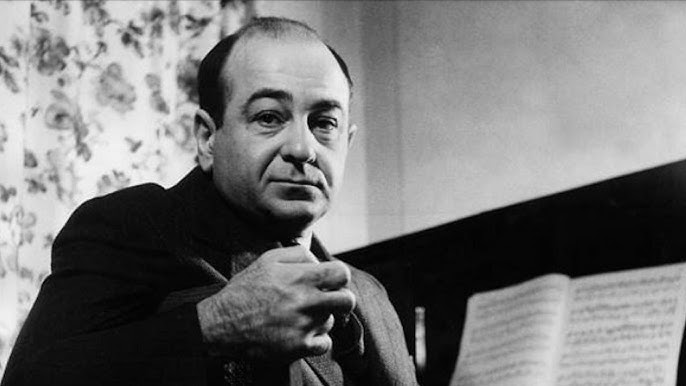
- Full name + lifespan:Shura Cherkassky (1909-1995).
- Nationality:Russian-born American
- Why underrated:His individuality was huge, but he didn’t become a single “brand” the public could summarize in one sentence.
- Musical style / specialties:Romantic repertoire with a famously “singing” tone and virtuoso sparkle.
- Key achievements / career highlights:Studied at Curtis with Josef Hofmann; long international career.
- Must-listen (track/album/piece):Try him in Chopinor Rachmaninofffor the “storytelling + fireworks” blend.
- Listen for:playful rubato that still lands exactly on structural points (cadences, arrivals).
- Why it matters:spontaneity becomes storytelling, not instability-improvisational freedom with classical control.
6. Tatiana Nikolayeva
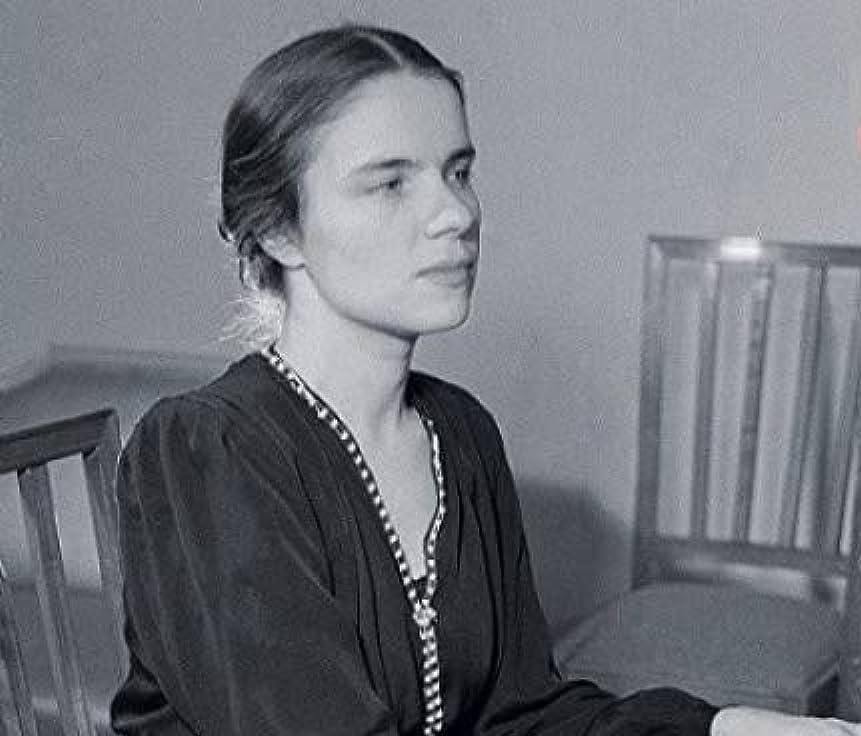
- Full name + lifespan:Tatiana Nikolayeva (1924-1993).
- Nationality:Soviet/Russian
- Why underrated:Famous to musicians (especially around Bach/Shostakovich), but less present in mainstream piano culturethan her influence suggests.
- Musical style / specialties:Monumental Bach and a direct line to Shostakovich’s world.
- Key achievements / career highlights:Known for premieres and close association with Shostakovich-era repertoire.
- Must-listen (track/album/piece):Bach fugues(or Shostakovich Op. 87) for stamina, logic, and fearless sound.
- Listen for:how she keeps multiple lines distinct in fugues-each voice has its own weight and direction.
- Why it matters:polyphony turns into drama; you hear characters, not “notes in a grid.”
7. İdil Biret
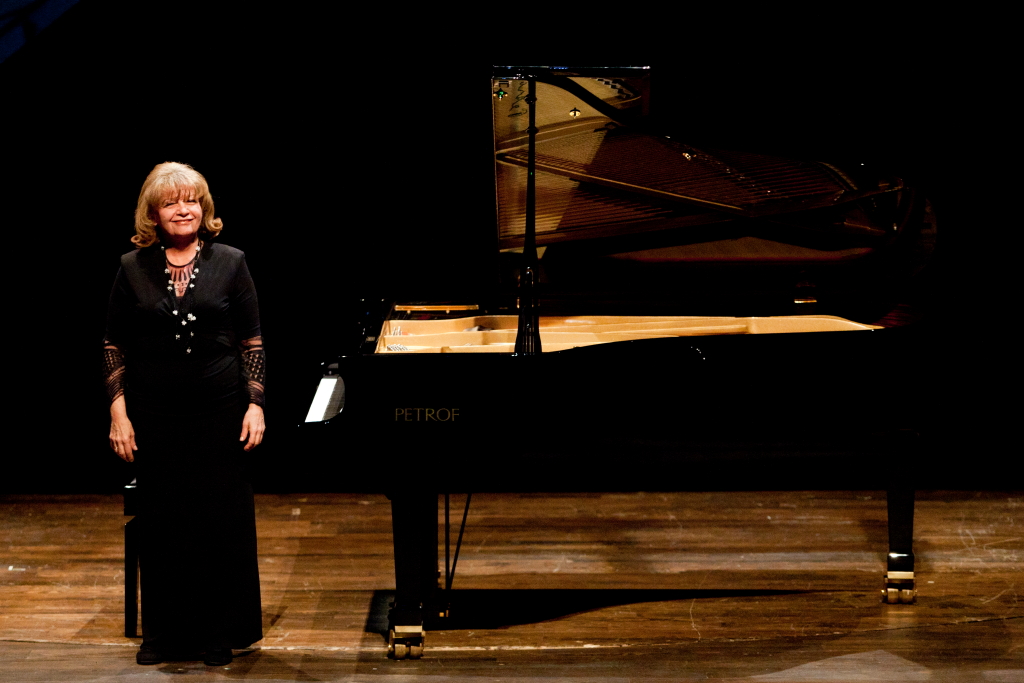
- Full name + current status:İdil Biret (born 21 November 1941; living).
- Nationality:Turkish
- Why underrated:Her catalog is enormous and ambitious, but her name doesn’t circulate as often as pianists with smaller, more marketed discographies.
- Musical style / specialties:High-stamina repertoire projects; major cycles and large-scale thinking.
- Key achievements / career highlights:Publicly performed and recorded complete large bodies of repertoire (notably Beethoven-related projects).
- Must-listen (track/album/piece):Try Beethoven sonataslow movements for long-line control-or go straight to a full-cycle entry.
- Listen for:long-line stamina-phrases remain shaped across big spans, and repeats stay purposeful.
- Why it matters:large forms don’t sag; endurance becomes interpretation, not just output.
8. Pascal Rogé
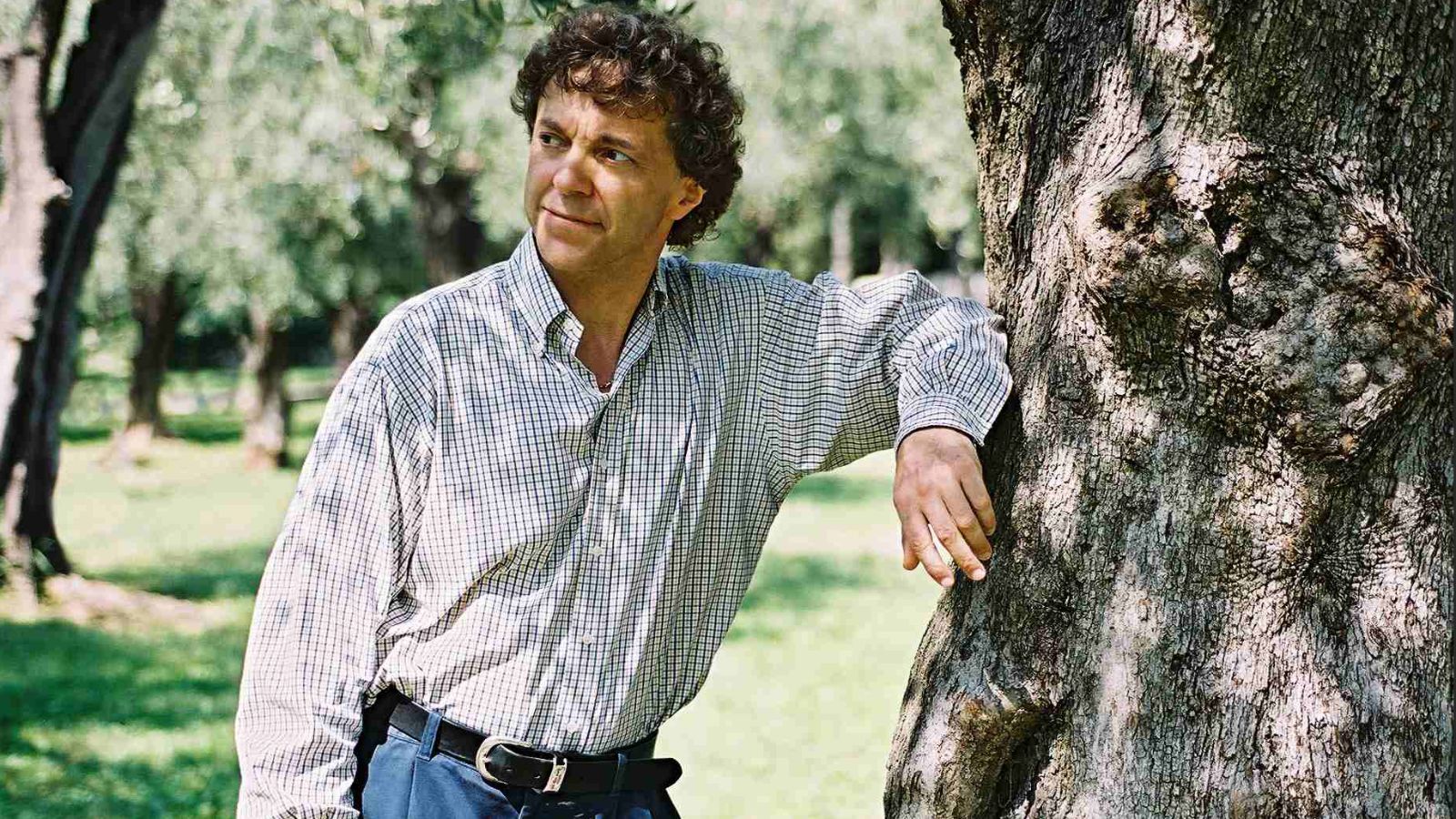
- Full name + current status:Pascal Rogé (born April 6, 1951; living).
- Nationality:French
- Why underrated:Many listeners “know the pieces” (Debussy/Ravel) but not the interpreters; he’s a specialist whose influence is bigger than his pop-culture footprint.
- Musical style / specialties:French color, transparency, refined pedaling-Debussy/Ravel/Poulenc territory.
- Key achievements / career highlights:Competition wins, major Conservatory pedigree, and a long recording career.
- Must-listen (track/album/piece):Debussy Préludesor Raveltone-painting-listen on good speakers or headphones.
- Listen for:pedal that blurs edges selectively-colors melt, but the contour stays readable.
- Why it matters:you get “watercolor” atmosphere without mud; clarity and impression coexist.
Also Read: Famous French Pianists
9. Marc-André Hamelin
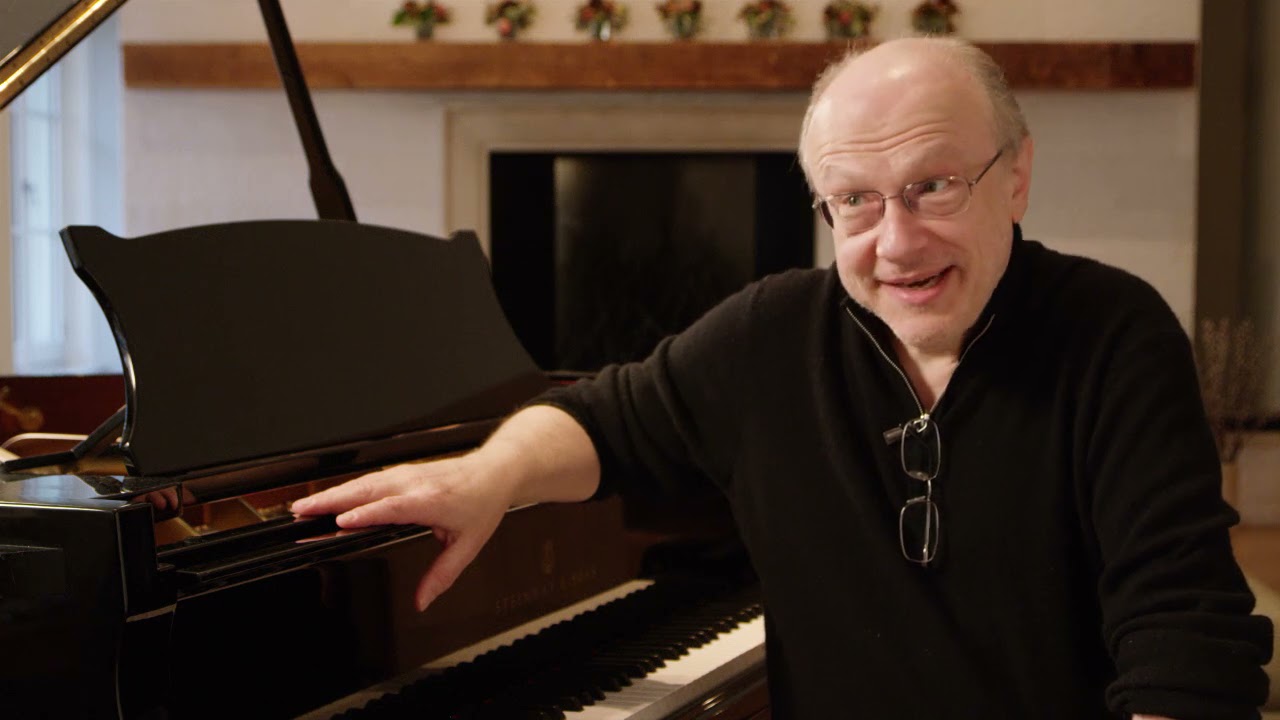
- Full name + current status:Marc-André Hamelin (September 5, 1961; living).
- Nationality:Canadian
- Why underrated:Pianists rave about him, but audiences often reduce him to “technique,” missing how musical his risk-taking really is.
- Musical style / specialties:Extreme difficulty repertoire, forgotten composers, plus core classics-played with rare clarity.
- Key achievements / career highlights:Global acclaim, major faculty role, and sustained advocacy for underperformed repertoire.
- Must-listen (track/album/piece):Try him in Alkanor Medtnerfor the “impossible made musical” effect.
- Listen for:extreme difficulty played at speed with legibility-voices and accents still speak.
- Why it matters:it redefines virtuosity as communication; complexity becomes musical, not athletic.
10. Leif Ove Andsnes
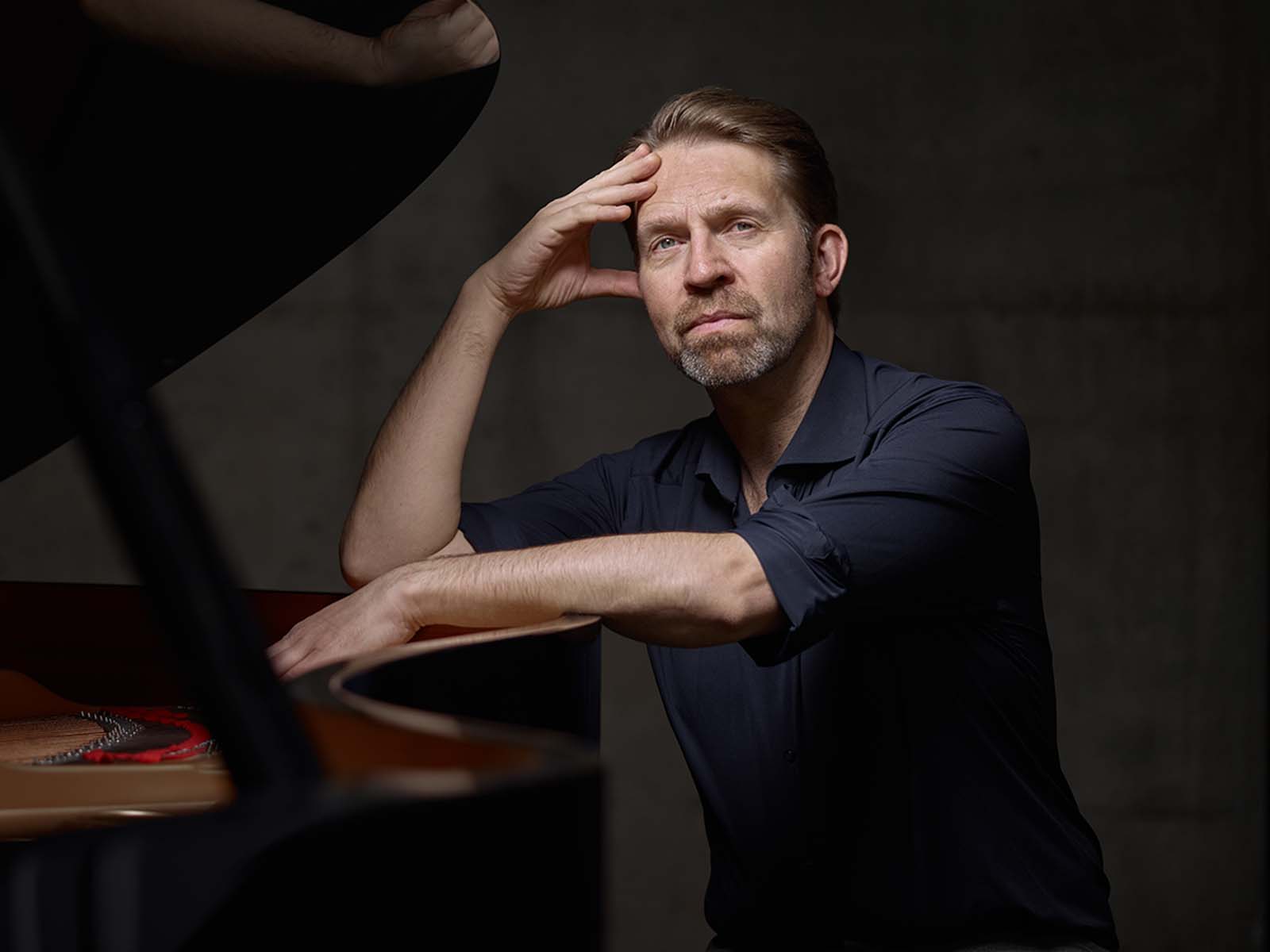
- Full name + current status:Leif Ove Andsnes(April 7, 1970; living).
- Nationality:Norwegian
- Why underrated:Widely respected, yet still not always treated as a “reference” pianist outside certain repertoire lanes-especially compared to louder media narratives.
- Musical style / specialties:Lyric clarity, strong architecture, and curiosity for Nordic/less-heard works.
- Key achievements / career highlights:Major awards and long-term projects that bring coherence to big repertoire.
- Must-listen (track/album/piece):His Beethoven(concertos or late sonatas) for clean structure and human warmth.
- Listen for:calm pacing-climaxes arrive without hurry, and soft playing remains present.
- Why it matters:tension is built structurally; the music feels inevitable rather than pushed.
11. Claudio Arrau
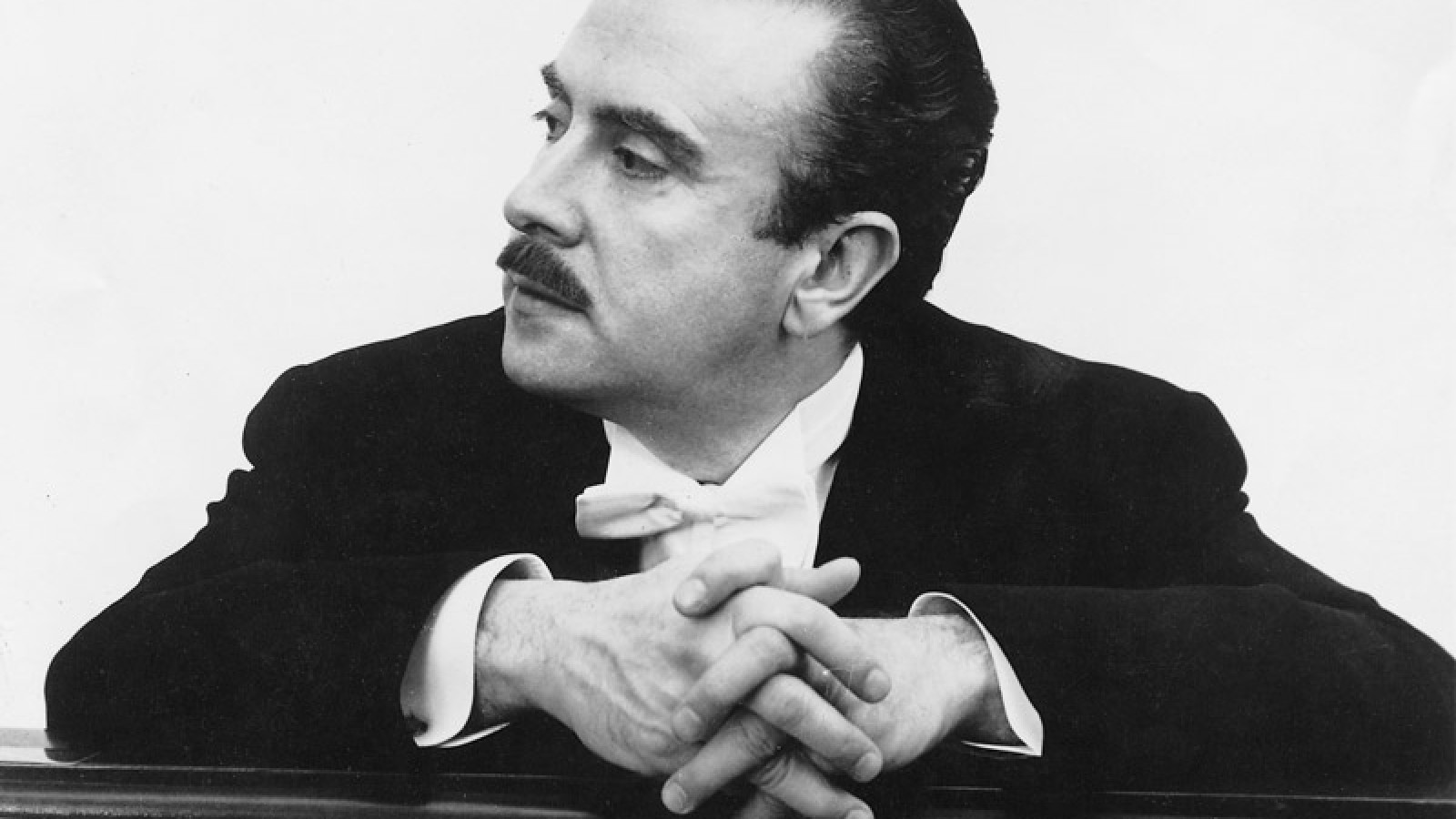
- Full name + lifespan:Claudio Arrau(1903-1991).
- Nationality:Chilean
- Why underrated:Monumental musician, but his seriousness can be misread as “slow” in a culture trained for highlights.
- Musical style / specialties:Late Beethoven, Schumann, Liszt with long-breath phrasing and deep bass foundation.
- Key achievements / career highlights:One of the defining 20th-century interpreters of the German Romantic tradition.
- Must-listen (track/album/piece):Beethoven late sonatasfor the “cathedral-building” approach.
- Listen for:bass as an argument-left-hand lines carry meaning, not just support.
- Why it matters:the sound feels philosophical; depth comes from gravity, not volume.
Underrated Jazz Pianists
12. Mary Lou Williams
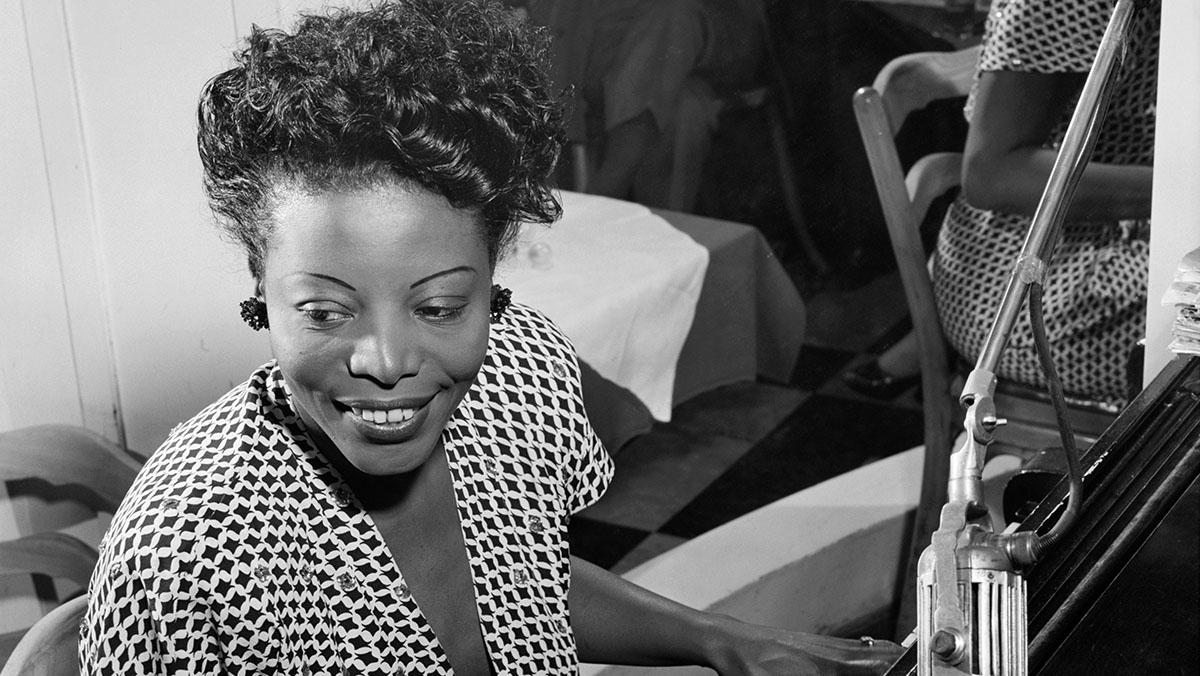
- Full name + lifespan:Mary Lou Williams (1910-1981).
- Nationality:American
- Why underrated:She’s influential across swing-to-bebop evolution, yet often treated as a “history footnote” instead of a top-tier composer-pianist.
- Musical style / specialties:Arranging genius, piano command across eras, and composer-level thinking.
- Key achievements / career highlights:Major composer/arranger and mentor figure in jazz history.
- Must-listen (track/album/piece):Zodiac Suite(for how she blends jazz language with large-form composition).
- Listen for:harmony that moves-chords feel like forward motion, not static blocks.
- Why it matters:you hear the composer inside the pianist; the music turns pages.
13. Tommy Flanagan
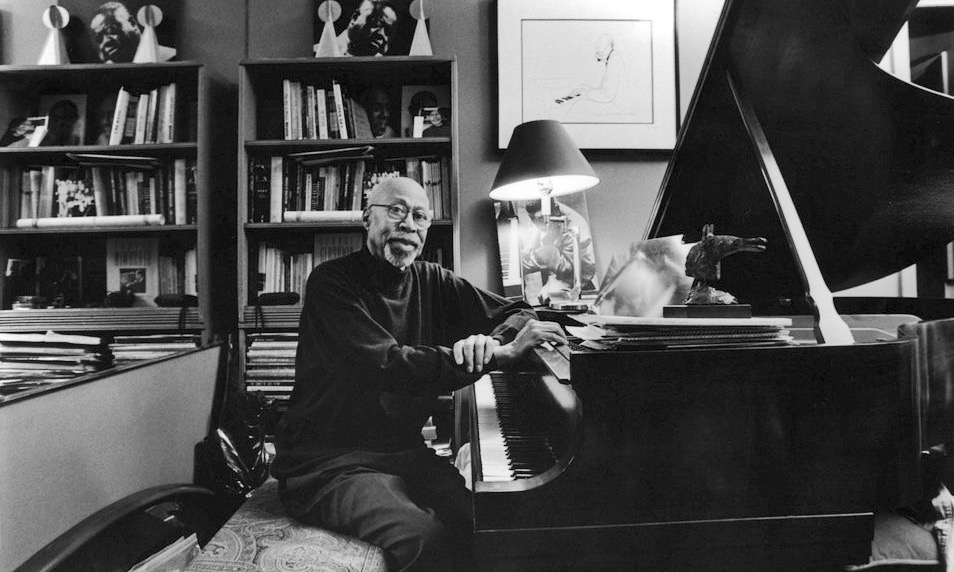
- Full name + lifespan:Tommy Flanagan (1930-2001).
- Nationality:American
- Why underrated:He’s everywhere in jazz history via collaborations, but his ownpianism is often under-credited because it’s so tasteful.
- Musical style / specialties:Elegant bebop language, impeccable comping, and lines that swing without strain.
- Key achievements / career highlights:First-call accompanist energy-musicians trusted him to make everything feel better.
- Must-listen (track/album/piece):“Overseas”(a clean window into his touch and time).
- Listen for:comping that’s perfectly placed-supportive rhythms and voicings that never crowd the soloist.
- Why it matters:it teaches musical leadership through restraint; the band sounds better because he’s there.
14. Hank Jones
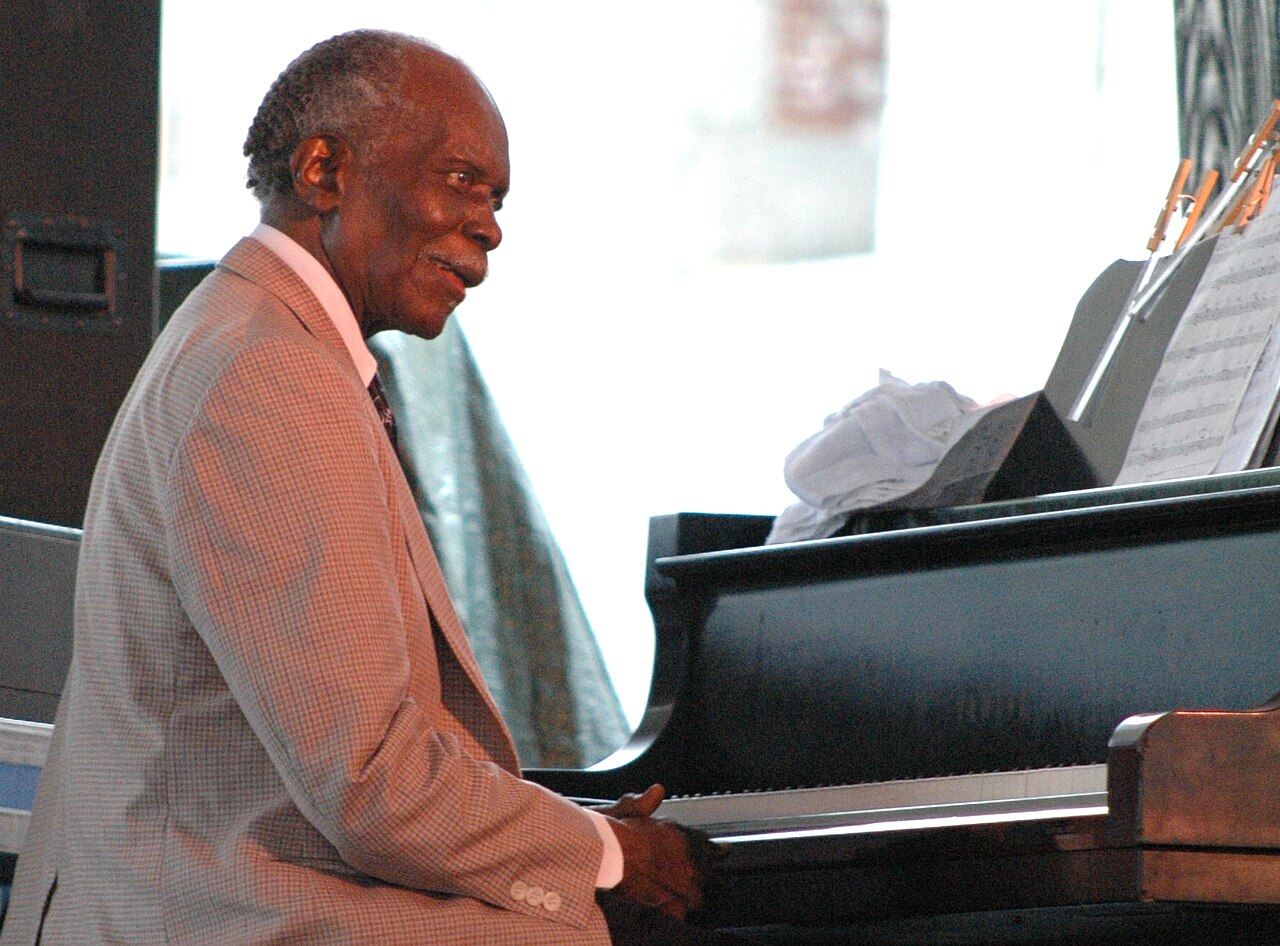
- Full name + lifespan:Hank Jones (1918-2010).
- Nationality:American
- Why underrated:His mastery is quiet-more “diamond craft” than spectacle-so casual listeners underrate how hard it is to sound that effortless.
- Musical style / specialties:Lyrical swing, pristine touch, and harmony that always lands.
- Key achievements / career highlights:NEA Jazz Masters honoree(major U.S. arts recognition).
- Must-listen (track/album/piece):“Upon Reflection”(a strong entry into his refined language).
- Listen for:“no wasted notes”-short phrases that land cleanly, with a luminous touch on ballads.
- Why it matters:taste becomes the virtuosity; simplicity sounds expensive because every choice is right.
15. Cedar Walton
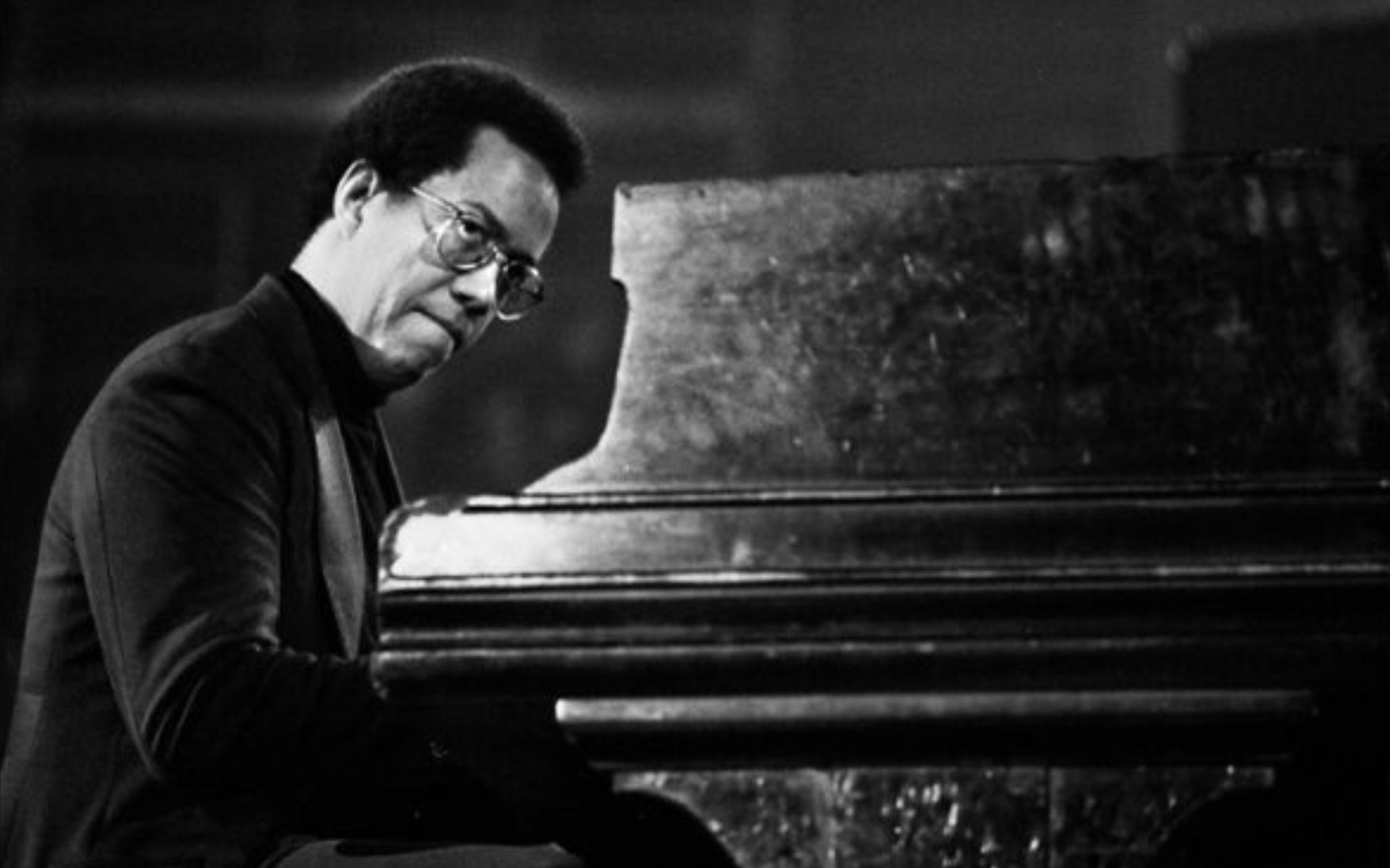
- Full name + lifespan:Cedar Walton (1934-2013).
- Nationality:American
- Why underrated:Many people know the tunes and the bands, but not the architect behind the piano chair and the writing.
- Musical style / specialties:Hard-bop clarity, muscular swing, and compositional thinking at the keyboard.
- Key achievements / career highlights:Prolific bandleader, sideman, and composer presence across post-bop eras.
- Must-listen (track/album/piece):Try “Bolivia”(as a tune and as a pianistic language marker).
- Listen for:comping that outlines form-he signals sections and momentum while staying in the pocket.
- Why it matters:the tune feels organized and swinging at the same time; he makes structure groove.
16. Jaki Byard
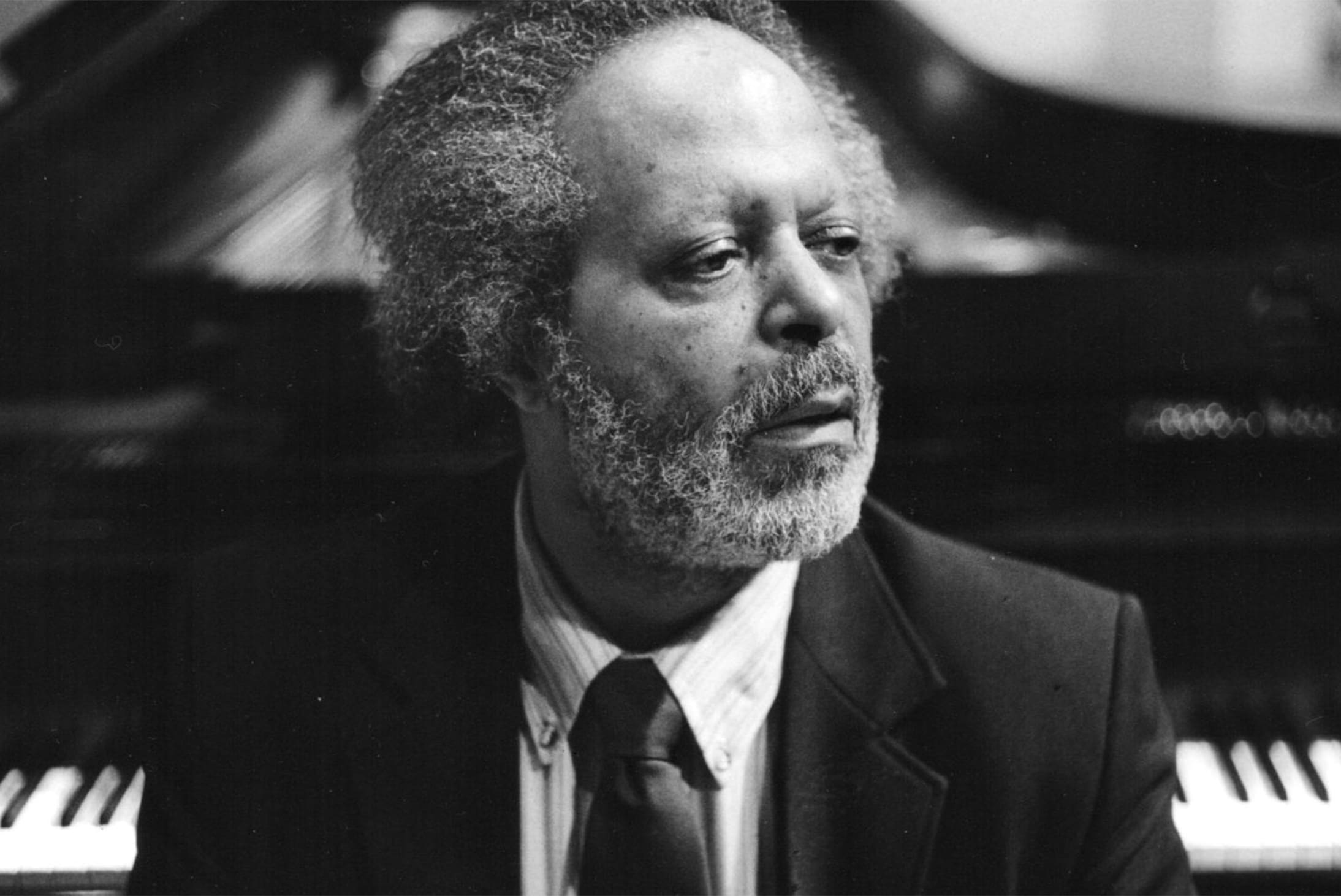
- Full name + lifespan:Jaki Byard (1922-1999).
- Nationality:American
- Why underrated:Eclecticism can confuse branding-he’s too many things at once for lazy categories.
- Musical style / specialties:Stride-to-free-jazz vocabulary, history-to-future in one solo.
- Key achievements / career highlights:Foundational educator figure in jazz studies (NEC role).
- Must-listen (track/album/piece):Any solo performance where he shifts styles mid-chorus-listen for the “time travel” effect.
- Listen for:style-switching mid-chorus while the time feel stays unbroken.
- Why it matters:it connects the whole piano lineage; “history” becomes a living vocabulary.
17. Joanne Brackeen
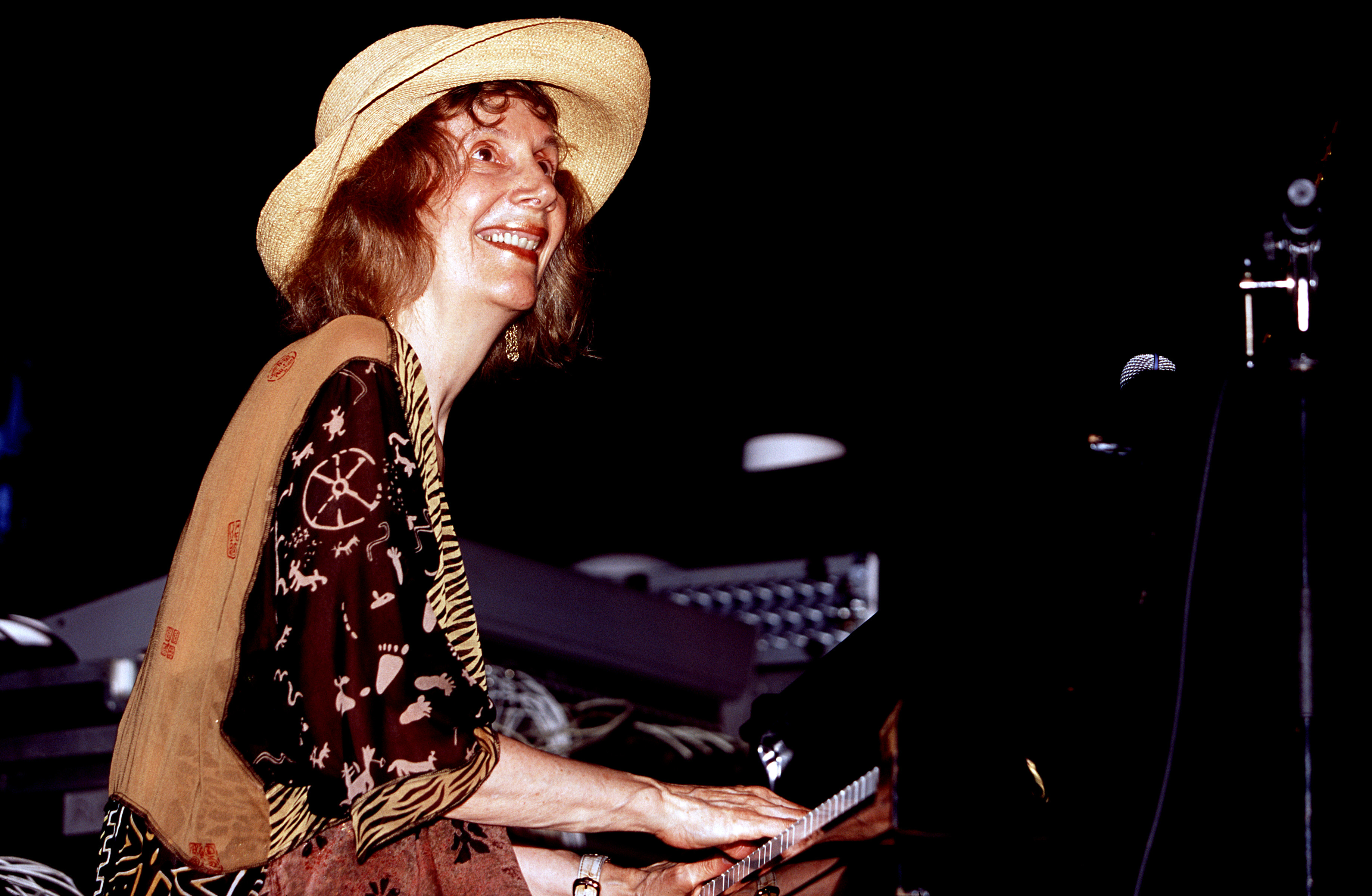
- Full name + current status:Joanne Brackeen (born July 26, 1938; living).
- Nationality:American
- Why underrated:Her language is advanced-so listeners who aren’t used to modern harmony may miss how singableher ideas are.
- Musical style / specialties:Rhythmically daring improvisation, modern harmonic logic, strong compositional voice.
- Key achievements / career highlights:Major educator roles and national-level recognition.
- Must-listen (track/album/piece):“Special Identity”(one of her clearest entry points).
- Listen for:angular lines that still dance-odd intervals and shapes that retain forward swing.
- Why it matters:complexity doesn’t kill feel; it expands what swing can sound like.
18. Geri Allen
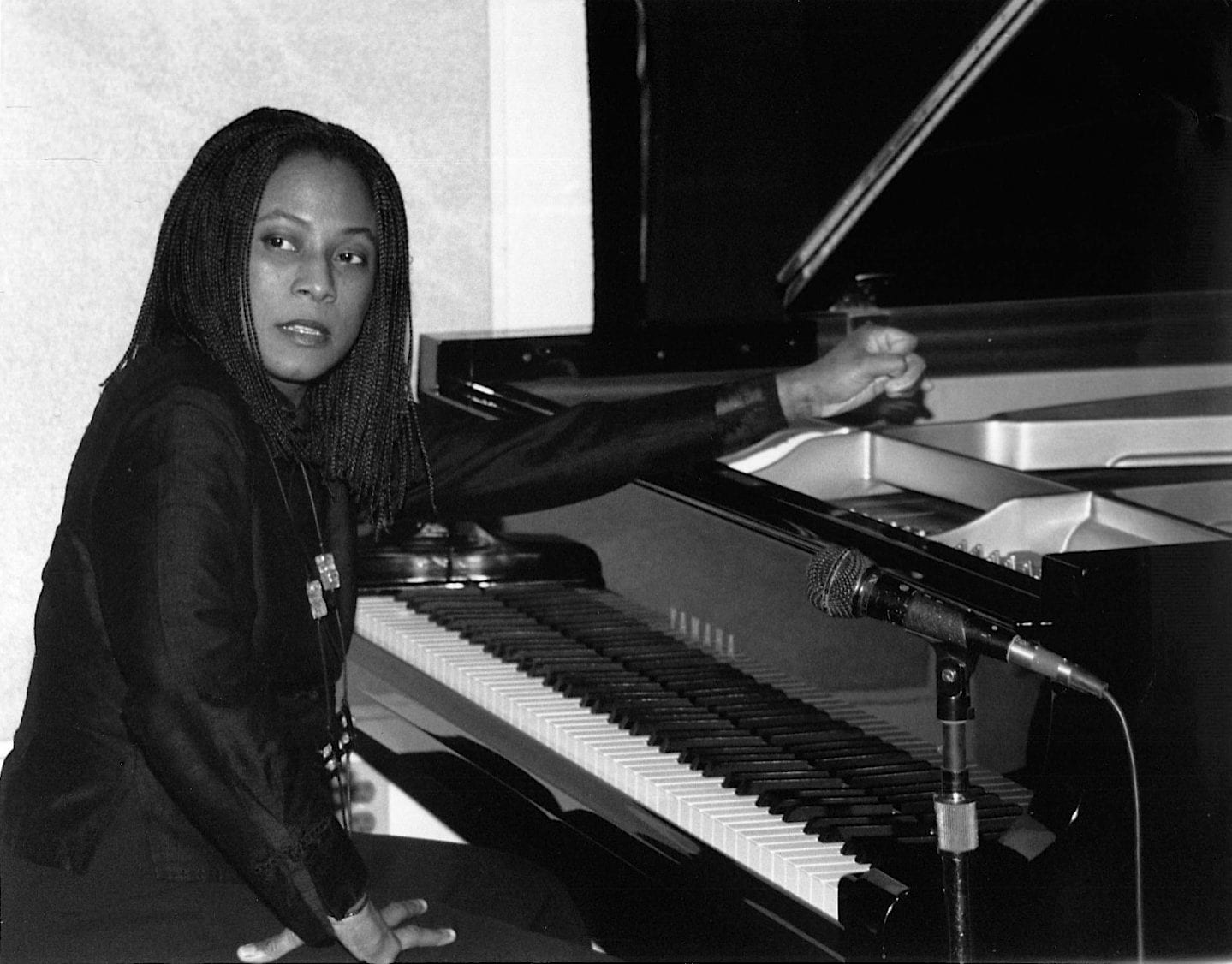
- Full name + lifespan:Geri Allen (1957-2017).
- Nationality:American
- Why underrated:Critics and musicians rated her extremely highly, but she didn’t get the mass “icon packaging” her artistry warranted.
- Musical style / specialties:Modern jazz language with deep lineage-blues, gospel, avant-garde, and lyricism.
- Key achievements / career highlights:A major bandleader and collaborator across modern jazz’s most meaningful circles.
- Must-listen (track/album/piece):“The Gathering”(a strong doorway into her voice).
- Listen for:left-hand gravity with right-hand lift-anchors the groove while lines soar and reshape it.
- Why it matters:power and lyricism coexist; she builds music that’s both grounded and searching.
19. Herbie Nichols
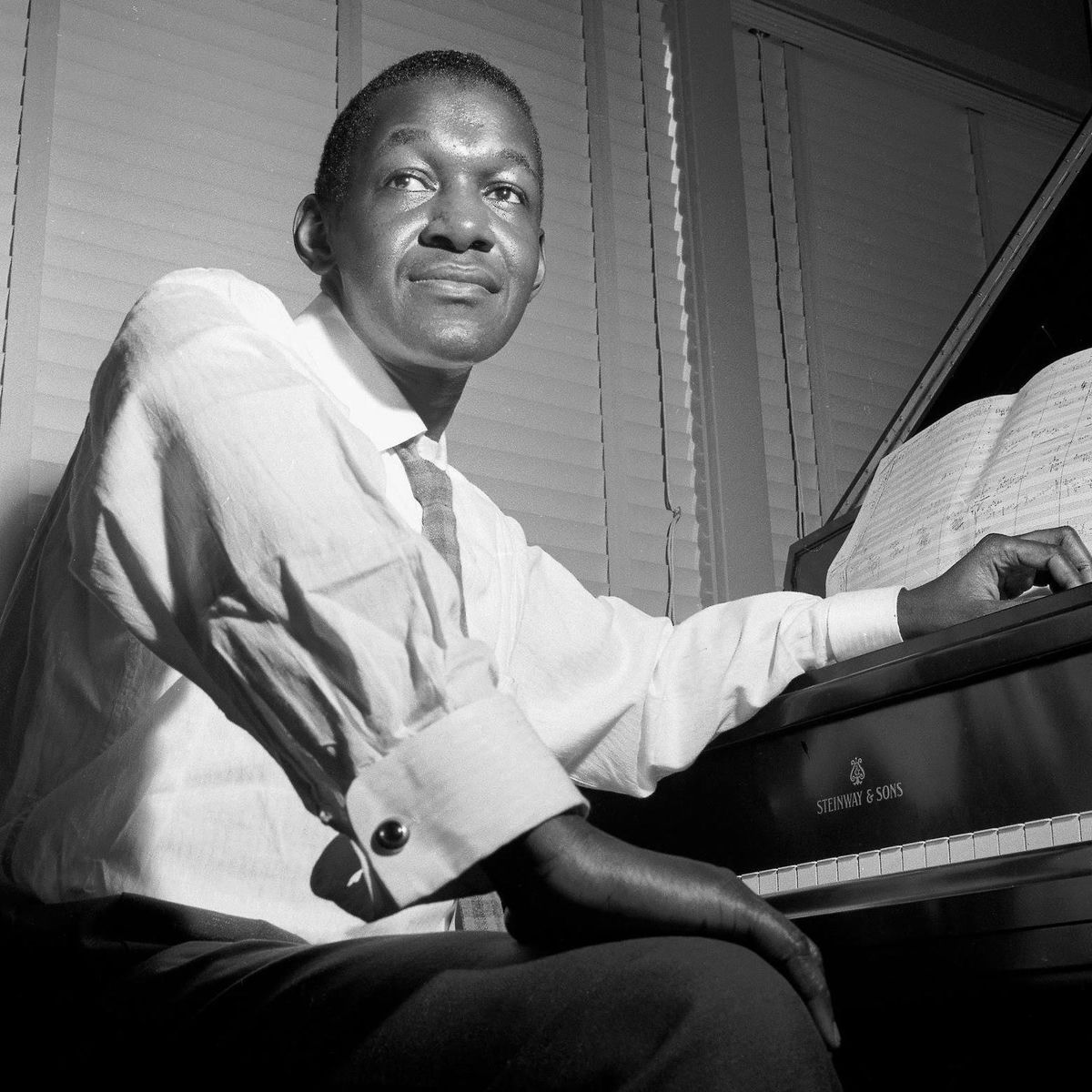
- Full name + lifespan:Herbie Nichols (1919-1963).
- Nationality:American
- Why underrated:His compositions are brilliant but historically under-recorded; he became a “musician’s secret” for too long.
- Musical style / specialties:Quirky modernism, off-angle melody, and harmony that feels like logic puzzles (in a good way).
- Key achievements / career highlights:Posthumous recognition grew as later musicians championed his writing.
- Must-listen (track/album/piece):“The Prophetic Herbie Nichols”(often recommended as the gateway).
- Listen for:melodies that “tilt”-phrases take unexpected turns but still feel coherent.
- Why it matters:surprise becomes logic; his originality reads like a new grammar, not randomness.
20. Horace Parlan
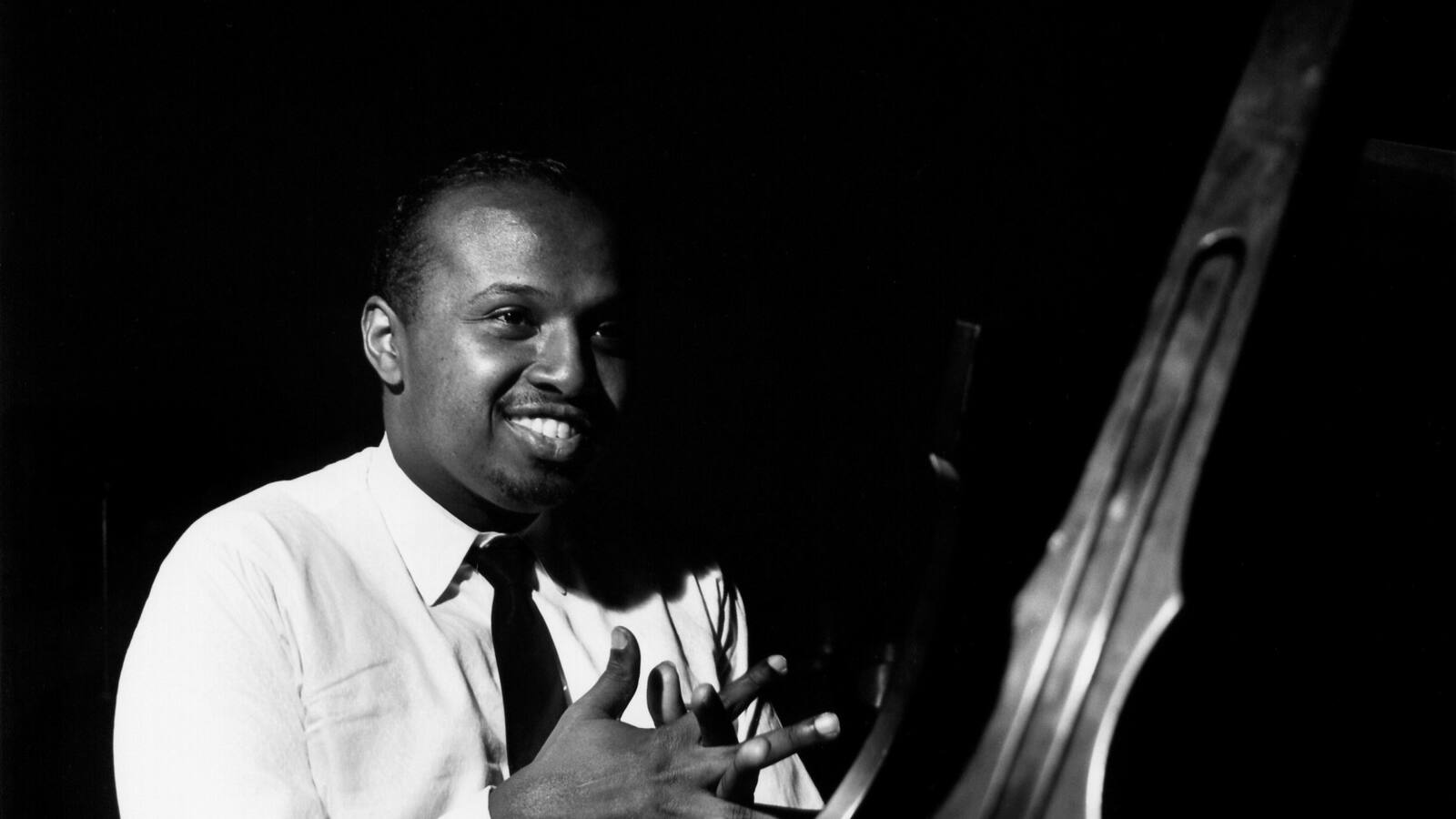
- Full name + lifespan:Horace Parlan (1931-2017).
- Nationality:American
- Why underrated:His restraint can be mistaken for simplicity, but his touch and groove control are master-level.
- Musical style / specialties:Earthy hard bop, blues weight, and pocket-first phrasing.
- Key achievements / career highlights:Notable Blue Note leader sessions and a distinctive quintet sound.
- Must-listen (track/album/piece):Speakin’ My Piece(tight, clear, and deeply swinging).
- Listen for:pocket-first phrasing-blues weight, consistent time, and touch that feels human and close.
- Why it matters:groove becomes trust; he makes tempo feel like something you can lean on.
21. Andrew Hill
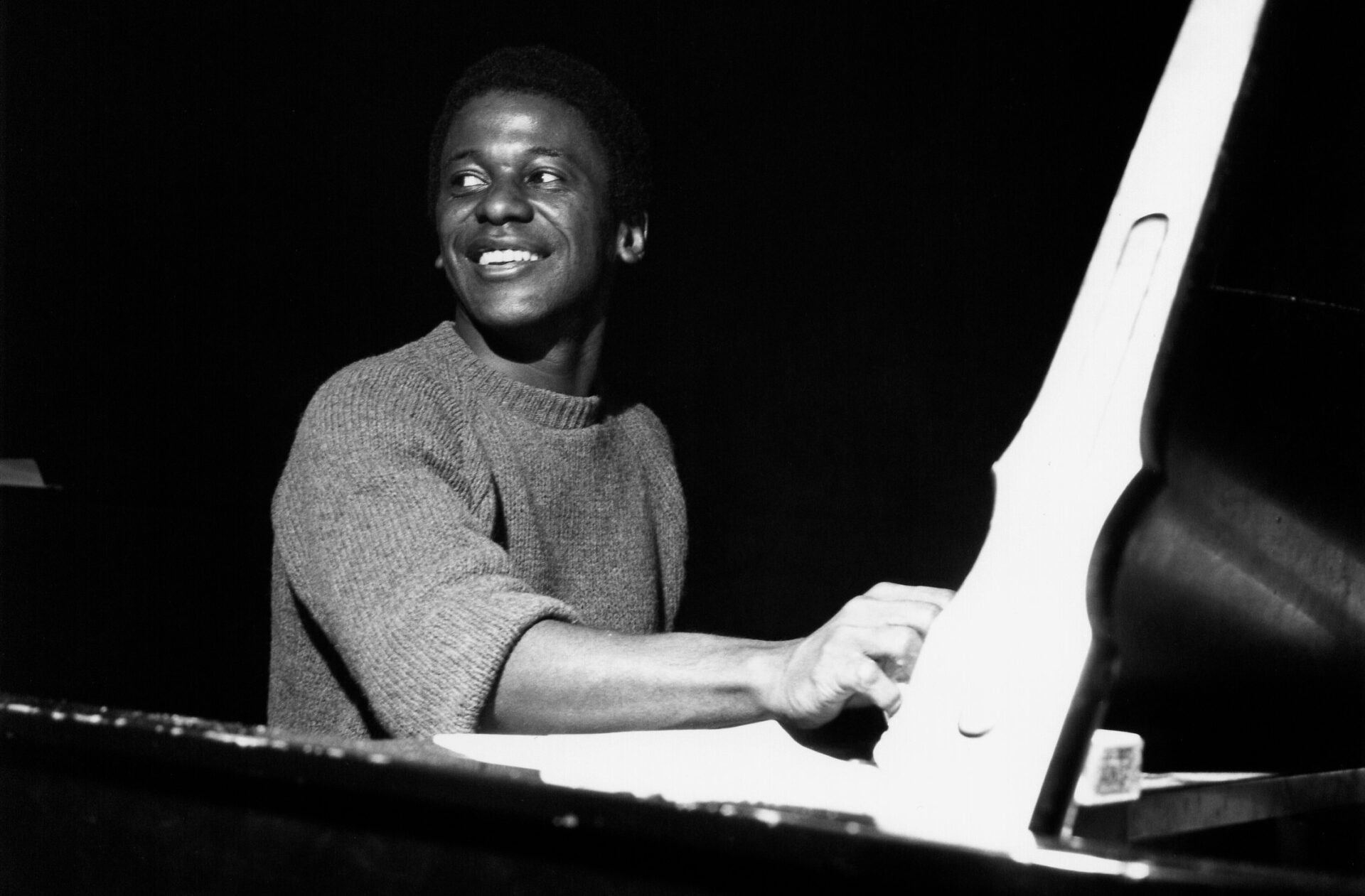
- Full name + lifespan:Andrew Hill (1931-2007).
- Nationality:American
- Why underrated:His work is essential to modern jazz piano, but it’s harder to “summarize,” so casual discourse skips him.
- Musical style / specialties:Angular post-bop harmony, compositional improvisation, and bold ensemble writing.
- Key achievements / career highlights:Landmark Blue Note-era work that shaped the sound of exploratory jazz.
- Must-listen (track/album/piece):Point of Departure(a defining entry point).
- Listen for:improvisation that feels composed-ideas recur, transform, and create shape over time.
- Why it matters:you hear architecture in real time; risk becomes form, not chaos.
22. James Booker
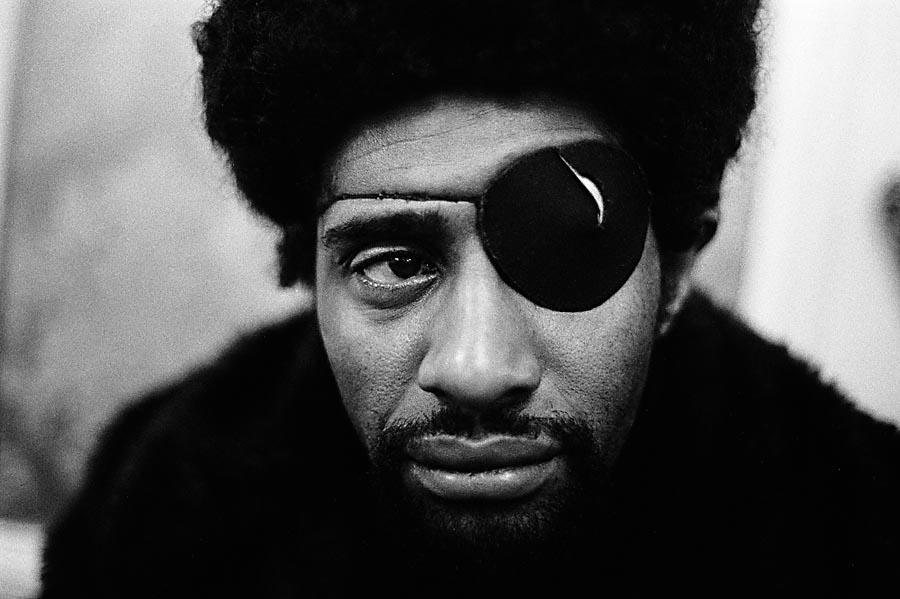
- Full name + lifespan:James Booker (1939-1983).
- Nationality:American
- Why underrated:He’s a legend in New Orleans circles, but broader music culture still hasn’t fully absorbed how original his pianism was.
- Musical style / specialties:New Orleans R&B, blues, gospel, and classical fingerprints-wildly distinctive.
- Key achievements / career highlights:Iconic local influence and enduring cult status as a singular pianist.
- Must-listen (track/album/piece):The Lost Paramount Tapes(captures the electricity and range).
- Listen for:“two worlds at once”-church harmony and barroom swagger in the same phrase.
- Why it matters:it’s virtuosity with identity; genre becomes a palette, not a boundary.
Underrated Contemporary / Genre-bending Pianists
23. Tigran Hamasyan
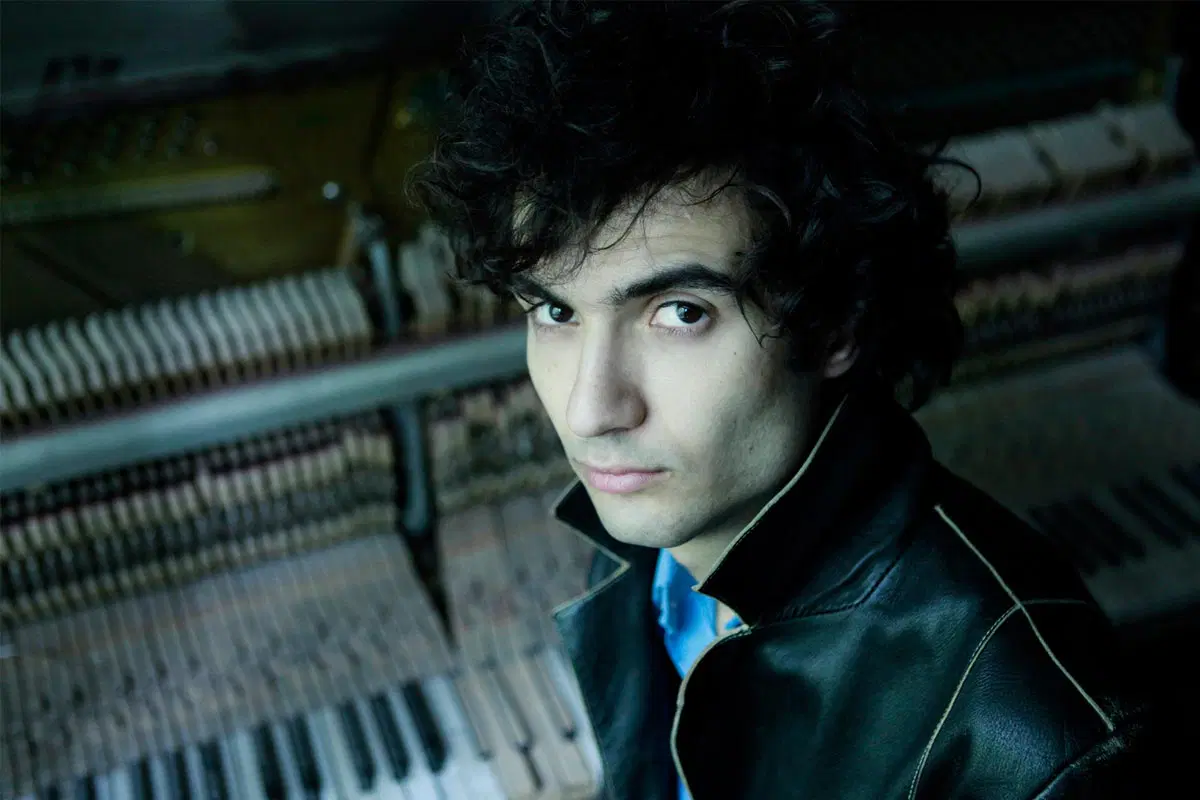
- Full name + current status:Tigran Hamasyan (born July 17, 1987; living).
- Nationality:Armenian
- Why underrated:He’s famous in certain communities, but still not as “default recommended” as his innovation level suggests.
- Musical style / specialties:Complex meters that groove, Armenian folk materials, jazz improvisation, and prog-rock energy.
- Key achievements / career highlights:Widely recognized as a distinctive voice of his generation.
- Must-listen (track/album/piece):Mockrootfor the “rhythm + lyricism” balance.
- Listen for:odd-meter grooves that feel natural-rhythms lock in before you can count them.
- Why it matters:complexity becomes body music; innovation still hits like a groove.
24. Nils Frahm
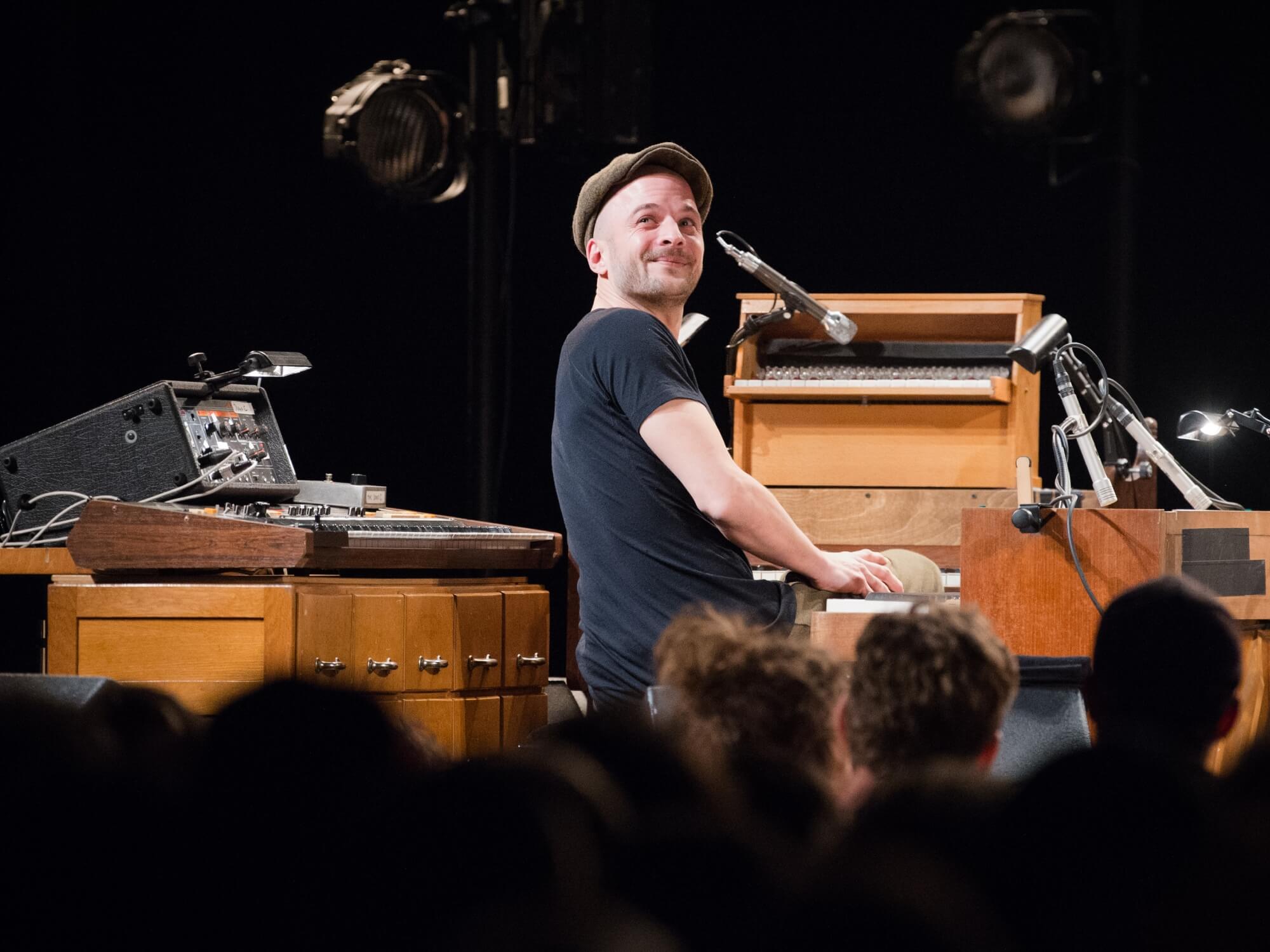
- Full name + current status:Nils Frahm (born September 20, 1982; living).
- Nationality:German
- Why underrated:Many people know the “vibe” genre, but not the craft-he’s a key architect whose influence is bigger than his mainstream credit.
- Musical style / specialties:Minimalism, textural piano, ambient-electronic hybrids, intimate recorded sound.
- Key achievements / career highlights:Prominent cross-genre presence and notable releases across labels/projects.
- Must-listen (track/album/piece):Spacesas a gateway to his live/room-driven aesthetic.
- Listen for:the room as part of the instrument-pedal noise, resonance, and space are treated like musical material.
- Why it matters:intimacy becomes the hook; sound design is part of the performance, not an afterthought.
25. Vijay Iyer
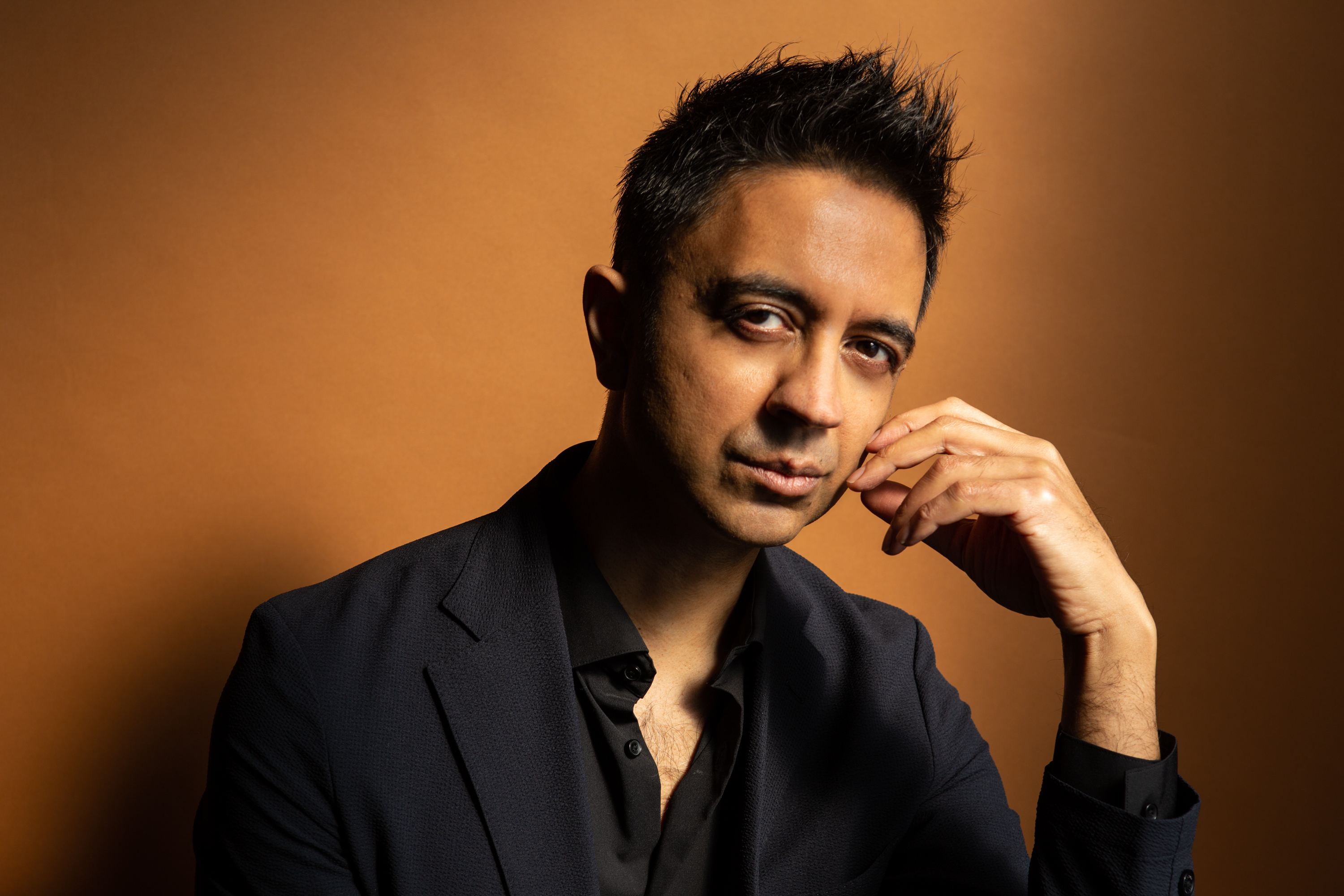
- Full name + current status:Vijay Iyer (born October 26, 1971; living).
- Nationality:American
- Why underrated:He’s respected, awarded, and influential-yet many casual jazz listeners still haven’t heardhim as a foundational modern voice.
- Musical style / specialties:Rhythm as architecture, dense harmony, and improvisation that feels like design.
- Key achievements / career highlights:MacArthur Fellowshiprecognition (major U.S. arts award).
- Must-listen (track/album/piece):Break Stuff(a clear entry into his trio logic and groove intelligence).
- Listen for:time feel as a system-patterns interlock like gears, with subtle shifts that reframe the pulse.
- Why it matters:rhythm becomes meaning; the groove isn’t decoration, it’s the architecture.
Takeaway:If you sampled even five entries above, you’ve already expanded your reference points beyond the algorithm’s default.
How To Listen So You Actually Hear What’s Special
This is a fast listening routine that turns “nice playing” into specific, repeatable observations you can recognize across pianists.
- Pick one constraint:tone (touch), time feel (rhythm), or harmony (chords).
- Listen for 60 seconds-no skipping.Your ear needs a stable frame.
- Name one “listening tell.”(Example: “melody floats inside the chord.”)
- Replay the same 20 seconds.Notice what stays consistent.
- Compare two pianists on the same material(same composer or same standard).
Takeaway:Great pianists aren’t just accurate-they’re consistent in their choices.
Frequently Asked Questions
What Makes A Pianist “underrated”?
A pianist is underrated when their artistry, influence, or depth outpaces their mainstream visibility-streaming, media coverage, and default recommendations.
How Do I Find Underrated Classical Pianists Beyond This List?
Follow labels and recital series that program deep repertoire, search by composer cycles, and explore pianists’ teachers/students (lineage reveals hidden excellence).
How Do I Find Underrated Jazz Pianists Without Getting Overwhelmed?
Start with one era (hard bop, post-bop, modern), then follow sideman networks-who top sax/trumpet leaders repeatedly hired at piano.
What Is The 80/20 Rule In Piano?
Roughly: 20% of focused work(slow practice, rhythm, voicing, accuracy) often produces 80% of progress, especially for repertoire polish and consistency.
Who Is Technically The Best Pianist?
There’s no single “best.” Technique is multi-dimensional (speed, control, tone, memory, rhythm), and different pianists peak in different dimensions.
Which Pianist Was Autistic?
It’s not appropriate to speculate. Unless a pianist publicly self-identifiesor a reliable biography confirms it, treat such claims as unverified.
Are “underrated” Pianists The Same As “unknown” Pianists?
Not necessarily. Many underrated pianists are well known to musicians and specialists-they’re just not the mainstream default in apps, press, or casual rankings.
What Should I Listen For First: Speed Or Emotion?
Start with clarity of intent: voicing, time feel, and phrasing. Speed is only meaningful when it communicates structure and character.
Do Recordings Distort How Good A Pianist Really Is?
They can. Mic placement, editing, and hall acoustics change perception-so it helps to sample both studio and liveperformances when possible.
How Many Pianists Should I Explore At Once?
Three to five. Pick a lane, rotate them for a week, then add more. Your ear learns faster with repetition than with endless novelty.
What’s The Best First Pick From This List If I Only Choose One?
If you want classical: Maria Tipofor clarity + imagination. If you want jazz: Hank Jonesfor pure touch and swing.
Who Is The Most Underrated Band Of All Time?
That depends on genre and era. “Underrated” is a visibility gap-so the best answer changes with what your community already celebrates.
Quick Recap
You don’t need a huge, complicated plan to start improving at the piano. Just pick one clear lane to focus on first-whether that’s tone, structure, harmony, or groove.
Once you’ve chosen your lane, pick three pianists who are really strong in that area. Listen carefully to each one and try to spot one specific “tell” or signature thing they do that makes their playing sound the way it does.
Then build a small playlist using tracks from those three pianists. Make sure every song in the playlist teaches you one clear, useful lesson.