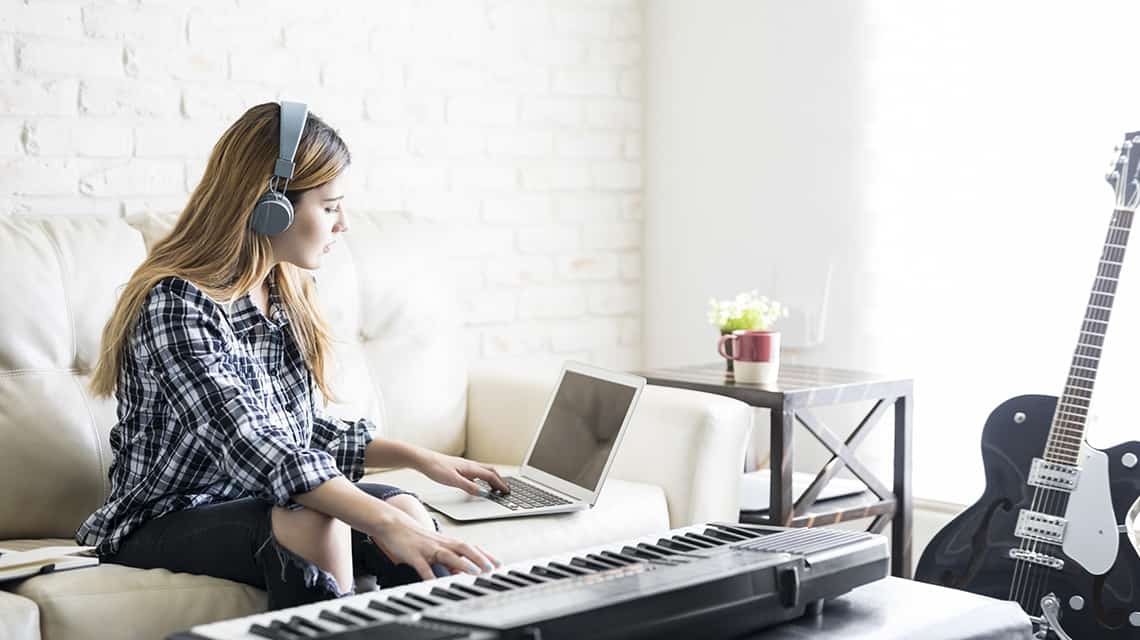
Virtual Piano Lessons: Tips To Learn Faster Online
Learning pianoonline sounds convenient, but many students end up frustrated by slow progress, unclear feedback, or inconsistent practice. Small issues like poor camera angles, bad audio, or not knowing how to structure practice can quietly hold you back.
The good news is that virtual piano lessonscan be just as effective as in-person training, sometimes even better, when you set things up the right way and follow a simple, consistent routine.
In this guide, you’ll learn how virtual piano lessonswork, how to prepare properly, and the exact steps to improve faster, whether you’re a complete beginner, a busy adult, or returning to piano after a break.
Virtual Piano Lessons Checklist (Essential Setup For Beginners)
Before starting, it helps to have a few basics ready. This quick checklist ensures your lessons are productive from day one:
- Stable internet
- Camera showing hands and posture
- Good lighting
- Clear audio
- Notebook or digital notes
- Metronome
- Weekly practice plan
What Are Virtual Piano Lessons?
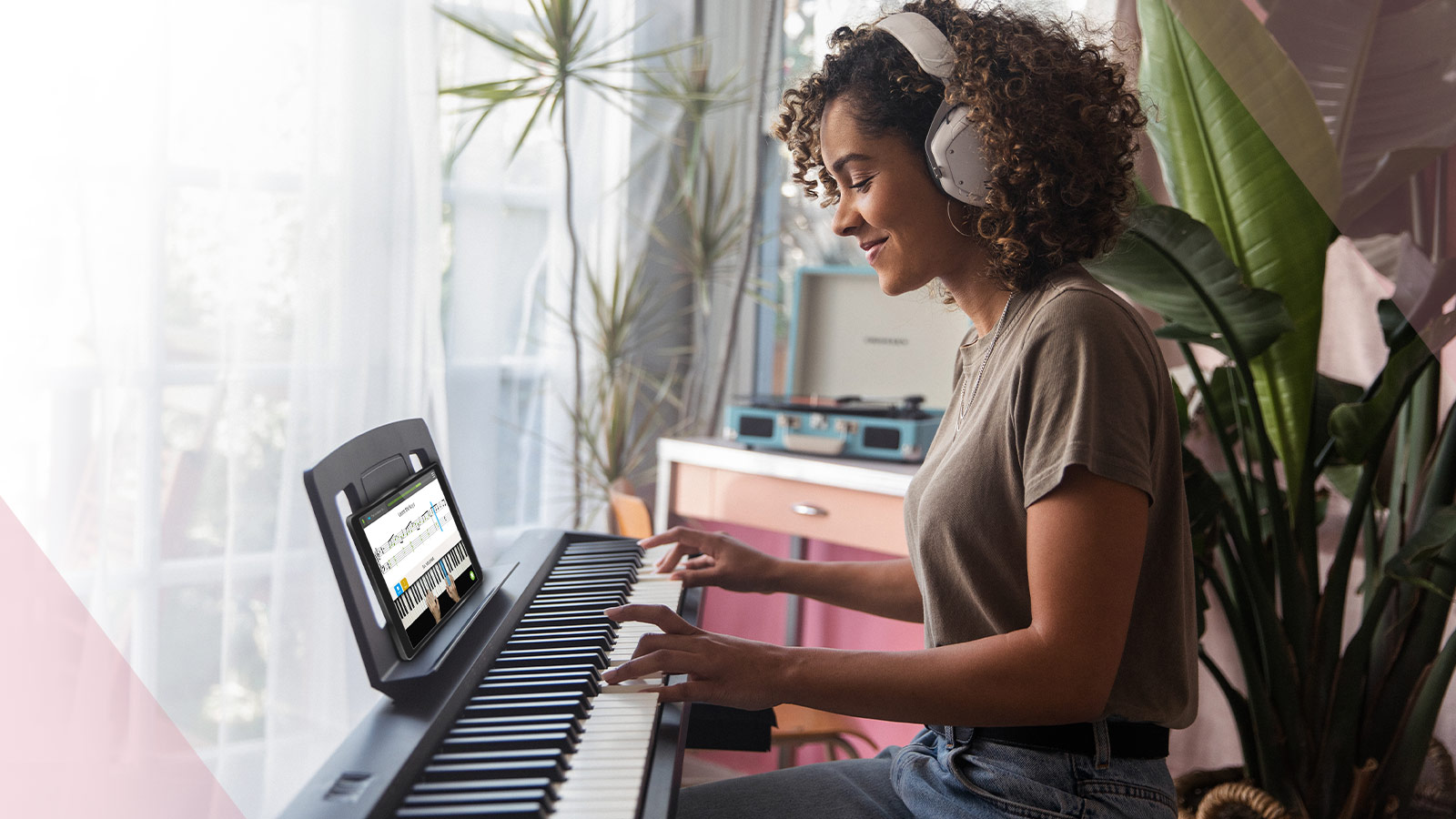
Virtual piano lessons are online piano classes taught through video calls, apps, and guided lesson platforms. You learn from home using an acoustic piano, digital piano, or keyboard, while a teacher provides live feedback on:
- technique
- timing
- posture
- hand movement
- musical expression
- practice habits
Modern online piano lessons often combine live instruction, practice apps, and structured online courses, creating a complete learning system.
Who Are Virtual Piano Lessons Best For?
Virtual piano lessons are flexible and convenient, but they work especially well for certain types of learners. Here’s who benefits most from online piano classes and learning piano online with a teacher:
Beginners
If you’re just starting out, virtual piano lessons give you a clear structure, guided routines, and early feedback on technique. A teacher can correct posture, finger placement, and timing from the start, helping you build good habits that last.
Busy Adults
Adults with work, family, or school commitments can take online piano lessons on a schedule that fits their lifestyle. You can learn pianoonline at your own pace without commuting to a studio, making it easier to stay consistent.
Children (with Parental Support)
Kids can learn effectively through virtual piano classes when an adult helps set up the camera, keyboard, and lesson space. Online lessons also let children progress at their own pace while keeping learning fun and interactive.
Students Without Local Teachers
For anyone living in areas without easy access to music schools or piano instructors, online piano lessons open the door to high-quality instruction from teachers anywhere in the world. You can learn songs, technique, and music theory without traveling.
Learners Who Want A Low-pressure Environment
Some people feel nervous or self-conscious in traditional music studios. Virtual piano lessons let you practice and perform in the comfort of your own home, reducing anxiety and helping you focus on improving your skills.
Simple Daily Routine For Virtual Piano Lessons
Consistency matters more than long practice. A simple session can be structured like this:
- Warm-up to loosen fingers
- Technical exercises (scales, arpeggios, chord drills)
- Focused piece practice
- Review progress and note difficulties
This routine trains your brain and fingers while gradually improving your technique.
Are Virtual Piano Lessons Effective?
Yes, virtual piano lessons can be highly effective when a few key elements are in place. Online piano classes work best when you combine:
1. The Right Setup
Your camera, lighting, and audio must allow your teacher to see and hear clearly. A properly set-up piano or digital keyboard ensures that you develop correct technique, hand posture, and finger strength from the start.
2. Consistent Practice
Short, daily practice sessions are far more effective than occasional long sessions. Regular practice reinforces what you learn during your lessons and helps build muscle memory, coordination, and rhythm.
3. Clear Communication With Your Teacher
Online lessons are interactive but only if you ask questions, show tricky sections, and follow feedback closely. Students who actively communicate with their instructor learn faster and avoid making mistakes.
When these three principles are combined, students often make as much progress or even faster progress than with traditional in-person lessons.
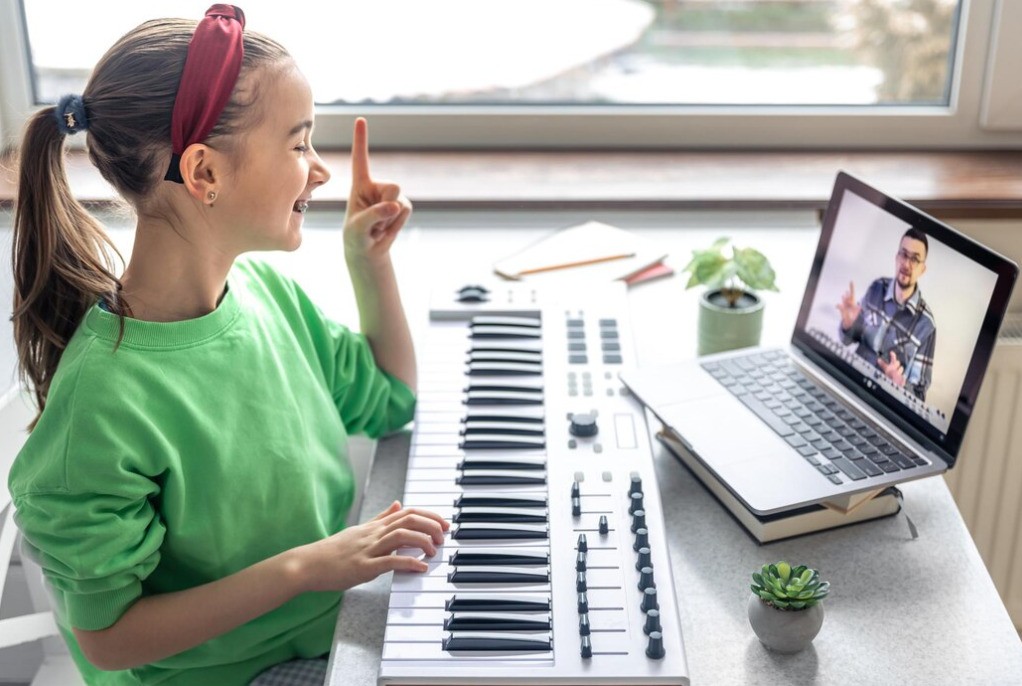
How To Prepare For Virtual Piano Lessons
Preparing properly is the foundation for successful online piano learning. A well-organized setup lets your teacher see and hear you clearly, so you can get accurate feedback and make steady progress.
1. Create The Right Practice Space
A dedicated space helps you focus, develop good habits, and maintain proper posture. Make sure your setup includes:
- Seat height:arms level with the keys
- Posture:back straight, shoulders relaxed
- Feet:flat on the floor for stability
- Lighting:bright enough for your hands and keyboard to be clearly visible
A quiet, uncluttered area signals to your brain that it’s time to concentrate, making your online piano lessons more effective.
2. Set Up The Right Tools
You don’t need expensive equipment, just reliable, functional tools:
- Digital piano or acoustic piano (weighted keys recommended)
- Keyboard with at least 61 keys if starting on a budget
- Headphones for clear, focused listening
- Webcam or phone stand to show your hands and posture
- Optional microphone for higher-quality audio
Stable internet and clear audio/video are essential for getting the most out of online piano lessons and learning piano online with a teacher, especially when using one of the best pianosfor accurate sound and touch.
3. Fix Your Camera Angle
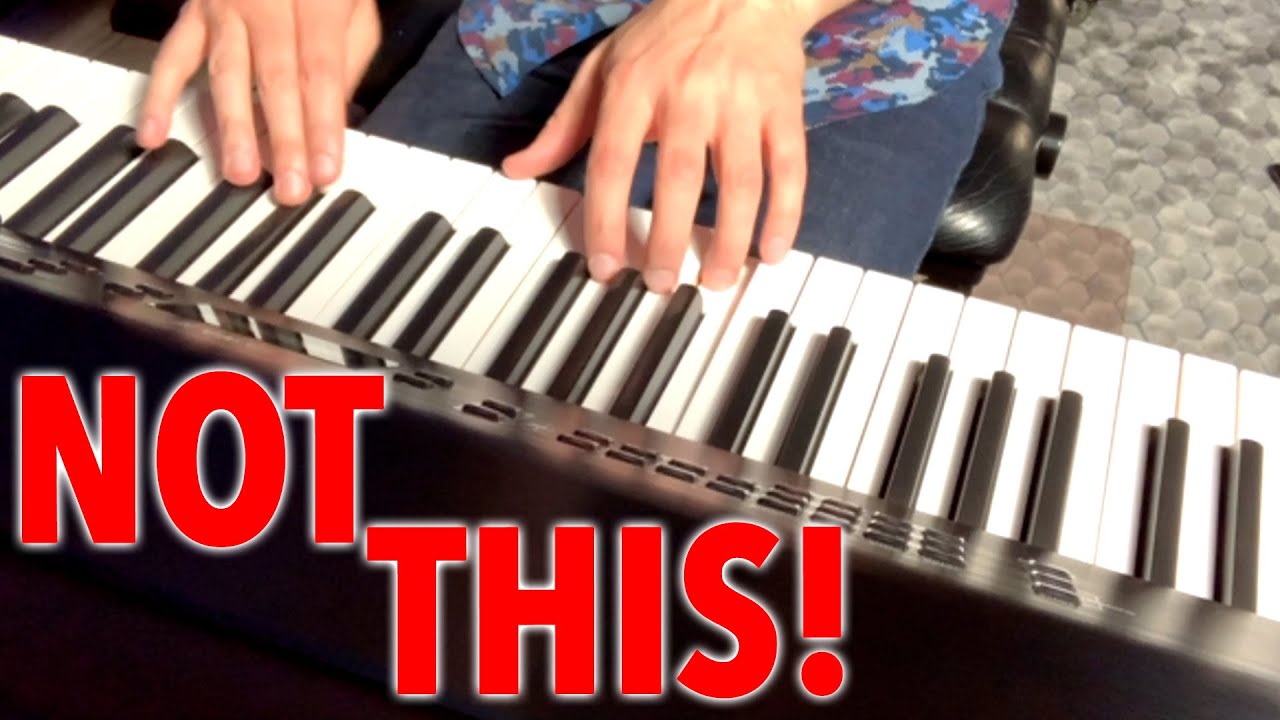
Best Camera Angles for Virtual Piano Lessons
One of the most common problems in virtual piano lessons is a poor camera angle.
Best setup:A diagonal side view showing both hands, wrists, and posture.
This angle allows your teacher to check:
- finger curvature and placement
- wrist tension and movement
- hand and arm alignment
- subtle technique issues that are hard to notice on your own
A simple tripod or phone stand usually solves this problem.
4. Improve Sound Quality
Clear sound is crucial so your teacher can hear expression, touch, and pedal use. If your platform offers options like:
- Original Sound
- High-Fidelity Audio
- Music Mode
turn them on. These settings preserve the dynamics of your playing, making your virtual piano lessons more precise and useful.
5. Prepare Before Each Lesson
A little preparation before each session can make lessons far more productive. Spend a few minutes:
- warming up for 5-10 minutes
- reviewing notes from previous lessons
- identifying difficult passages or techniques
- writing down questions for your teacher
Students who prepare consistently often see faster improvement and get more value out of every online piano lesson.
How To Practice Better Between Virtual Piano Lessons
If you want to improve your piano skillsfaster, what you do between lessons matters just as much as the lesson itself.
1. Follow The Lesson → Practice → Feedback Cycle
This three-step loop is the backbone of learning piano online with a teacher:
- During the lesson:focus fully on learning new concepts and getting corrections from your instructor.
- Between lessons:repeat difficult sections to build muscle memory and reinforce technique.
- Next lesson:apply your teacher’s feedback to refine posture, timing, and accuracy.
Following this cycle prevents practicing errors, accelerates improvement, and helps you make measurable progress in every online piano class.
2. Follow A Simple Daily Routine
Short, focused practice sessions are more effective than long, irregular sessions. A sample session could look like this:
- Warm-up (2-5 minutes):loosen fingers and wrists with scales or simple exercises.
- Technique (5-10 minutes):practice scales, arpeggios, and chord drills.
- Piece practice (10-20 minutes):break pieces into small sections and practice slowly.
- Review (2-3 minutes):check notes, write down questions, and mark tricky passages.
Consistent daily practice makes piano learning easierby helping you build coordination, timing, and confidence more effectively than sporadic longer sessions.
3. Practice Slowly For Accuracy
Speed comes after control. Playing slowly helps you:
- hit the correct notes consistently
- maintain steady timing and rhythm
- relax your hands and wrists
- build confidence in tricky passages
Only increase tempo once the slow version is precise and comfortable. This method ensures that fast playing doesn’t reinforce mistakes.
4. Focus On Weak Areas First
It’s natural to practice sections you enjoy, but real improvement comes from tackling the hardest parts first:
- isolate difficult measures or passages
- loop them slowly until you play them confidently
- gradually connect them with surrounding sections
This targeted approach strengthens technique and makes the rest of the piece easier to play.
5. Record Your Lessons And Practice Sessions
Recording yourself is one of the most powerful tools for online piano learning:
- spot mistakes you didn’t notice in real time
- track progress week by week
- understand your teacher’s corrections more clearly
- stay motivated by seeing improvement over time
Replaying lessons also reinforces learning and ensures you’re practicing correctly.
6. Set Small Weekly Goals
Break your learning into achievable milestones to stay motivated. Examples include:
- “Master the left-hand rhythm in measure 8”
- “Memorize the first section of the piece”
- “Play the scale evenly at 60 bpm”
Small, measurable goals help you track progress, celebrate achievements, and stay consistent with online piano lessons.
Common Mistakes In Virtual Piano Lessons
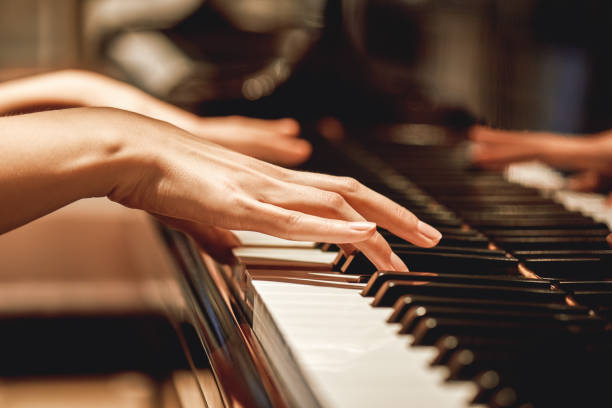
Even with great teachers and online piano classes, certain mistakes can slow your progress. Avoid these pitfalls to make your virtual piano lessons more effective:
1. Poor Camera Angle
If your teacher can’t see your hands, wrists, and posture clearly, they can’t give precise corrections. Use a diagonal side view to show both hands and arms, so every movement can be monitored and improved.
2. Low-Quality Audio
Compressed or unclear sound makes it hard for your teacher to hear dynamics, touch, and pedal use. Clear audio ensures your teacher can give accurate feedback on tone and expression.
3. No Practice Routine
Practicing randomly or without a plan leads to slow, inconsistent improvement. Following a structured routine warm-ups, technique exercises, piece practice, and review builds stronger skills faster.
4. Rushing Through Pieces
Playing too fast before mastering accuracy reinforces mistakes and creates tension in your hands and wrists. Slow, deliberate practice strengthens muscle memory and ensures clean technique before increasing speed.
5. Not Asking Questions
If you don’t clarify doubts or show problem areas, your teacher can’t correct mistakes effectively. Always ask questions and point out challenging sections to get the most from each online piano lesson.
6. Inconsistent Practice
Long, infrequent sessions are less effective than short, daily practice. Even 20-30 minutes per day is more productive than two hours once a week. Consistency is the key to steady progress.
Questions To Ask Before Choosing Virtual Piano Lessons
- Do you teach beginners?
- Do you teach children/adults?
- What platform do you use?
- Do you give lesson notes?
- Do you assign weekly practice goals?
- Can I record lessons?
Asking these questions ensures you pick the right teacher and platform.
Extra Tools That Help In Online Piano Lessons
Certain tools can make your virtual piano lessons more productive and enjoyable. Use them to support your learning, not replace your teacher:
- Metronome (app or physical):helps you keep a steady rhythm and improves timing.
- Lesson notes or practice journal:track progress, jot down teacher feedback, and plan your practice sessions.
- Practice apps (Simply Piano, Flowkey, Yousician):offer guided exercises, sheet music, and interactive challenges to reinforce lessons.
- Sheet music apps (MuseScore, Musicnotes):make it easy to access, organize, and print your repertoire.
- Recording tools (phone, tablet, Zoom recordings):allow you to review lessons, identify mistakes, and monitor progress over time.
Using these tools consistently strengthens your learning and accelerates progress in your online piano classes. Some students also use tools like a Detector de iato check written practice notes or lesson summaries, especially when using AI-assisted learning apps.
Virtual Piano Lessons For Beginners Vs. Intermediate Students
Virtual piano lessons can be tailored to your skill level. Here’s how focus differs for beginners and intermediate players:
Beginners
New students should prioritize:
- Correct posture and hand position
- Basic rhythm and timing
- Note reading and music literacy
- Simple exercises to build coordination
- Short, consistent practice sessions
A simple, structured routine helps beginners develop strong foundations without feeling overwhelmed.
Intermediate Students
Intermediate learners can focus on:
- Expression and dynamics to make music more expressive
- Phrasing and musical interpretation
- More complex repertoire to challenge technique
- Refining hand coordination and tone control
Intermediate practice sessions can be slightly longer and more detailed, incorporating technical exercises alongside repertoire study.
Benefits Of Learning Piano Online
Flexible Scheduling
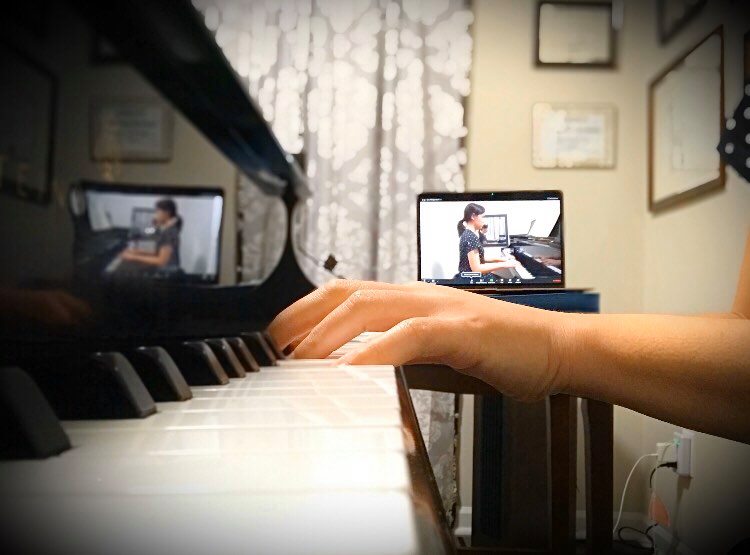
Online piano lessons allow you to learn at your own pace, fitting practice sessions into your schedule without the need to commute. If you're a busy student, a working professional, or a parent, you can choose lesson times that work best for you.
Access To Top Instructors Worldwide
With online learning, you're not limited to local teachers. You can access expert instructors from around the world, learning from professionals who specialise in various genres and techniques. This gives you a wider range of teaching styles and perspectives.
Cost-Effective Learning
Traditional piano lessons can be expensive, especially with travel costs and studio fees. Online lessons are often more affordable, with many platforms offering subscription-based models, free tutorials, and pay-as-you-go options. This makes high-quality piano education more accessible.
Personalised Learning Experience
Many online piano programs offer interactive tools, progress tracking, and AI-powered feedback to personalise your learning journey. You can revisit lessons, slow down difficult sections, and tailor your practice sessions based on your skill level and goals.
Learn From The Comfort Of Home
No need to travel to a music school, learn from the comfort of your own home with your own instrument. This makes learning more relaxed and eliminates performance anxiety, allowing you to focus on improving your skills in a stress-free environment.
People Also Ask
Do I Need An Acoustic Piano For Online Lessons?
No, a digital piano with weighted keys works well for beginners and intermediate players, providing a realistic touch and better control.
What Are The Best Tips For Improving In Virtual Piano Lessons?
Focus on setting up a good practice space, using clear audio and video, practising slowly with a routine, recording your sessions, and applying your teacher’s feedback every day.
How Long Should I Practice Piano Each Day?
Aim for 20-45 minutes a day, with shorter daily sessions being more effective than long, infrequent practice.
What Is The Best Way To Practice Piano At Home?
Break practice into warm-up, technique, and repertoire sections, use a metronome for steady rhythm, and focus on accuracy before speed.
How Do I Avoid Distractions During Online Piano Lessons?
Choose a quiet, dedicated practice space, turn off notifications, and let others know your practice times to minimise interruptions.
Can Beginners Learn Piano Online Effectively?
Yes. With consistent practice, clear lessons, and proper setup, beginners can build strong skills through virtual piano lessons.
Final Thoughts
Virtual piano lessons let you learn from home with real-time guidance from a teacher, but progress depends on your setup and practice habits.
With clear audio, a good camera angle, and a simple daily routine, you can avoid common mistakes and improve faster. Small, consistent practice changes lead to better technique and more confidence over time.
Online piano lessons can be just as effective and often more convenient than in-person learning.
Apply these steps consistently, and you’ll start seeing real progress in your virtual piano lessons.